 fellfolio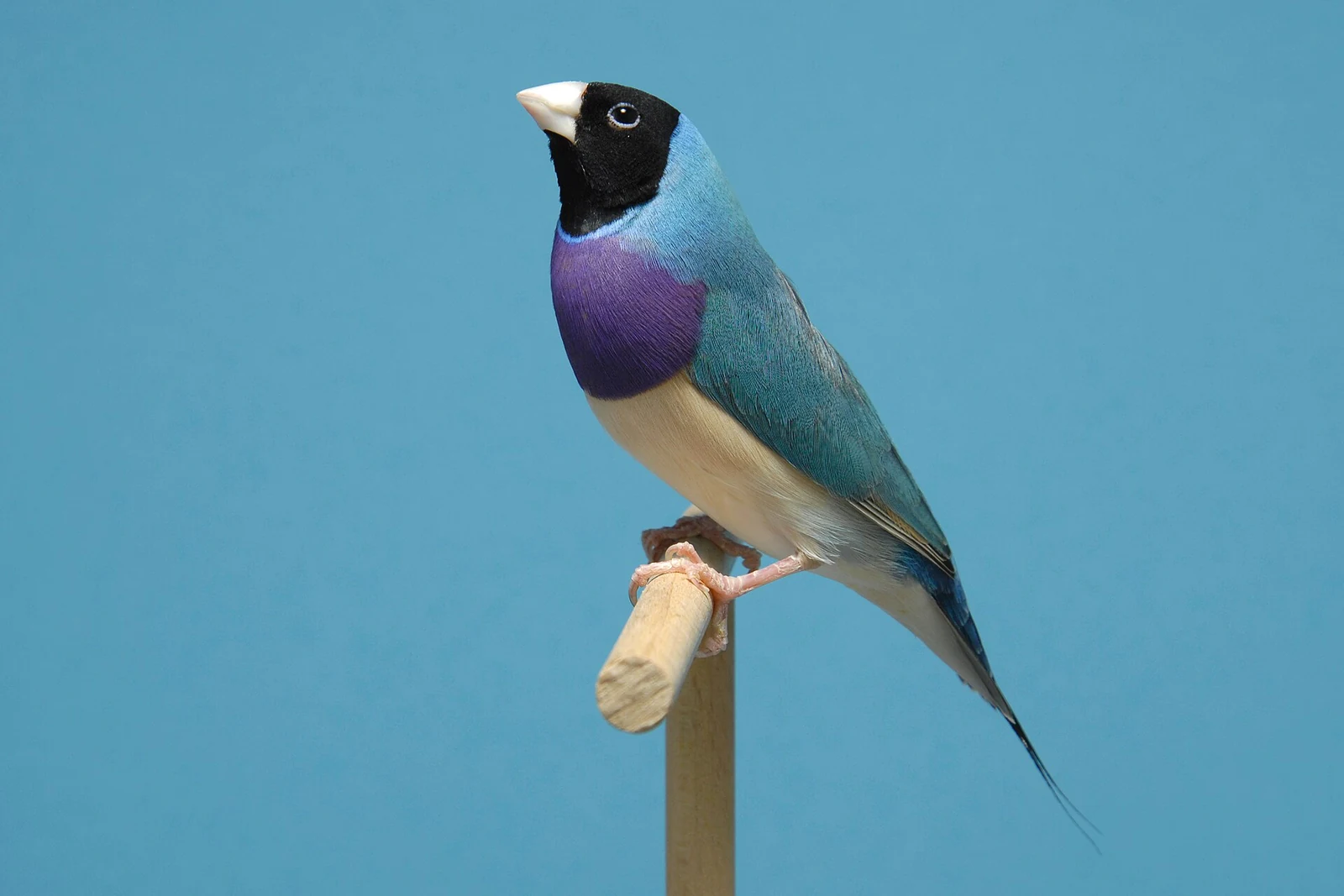
Different head colours within one species
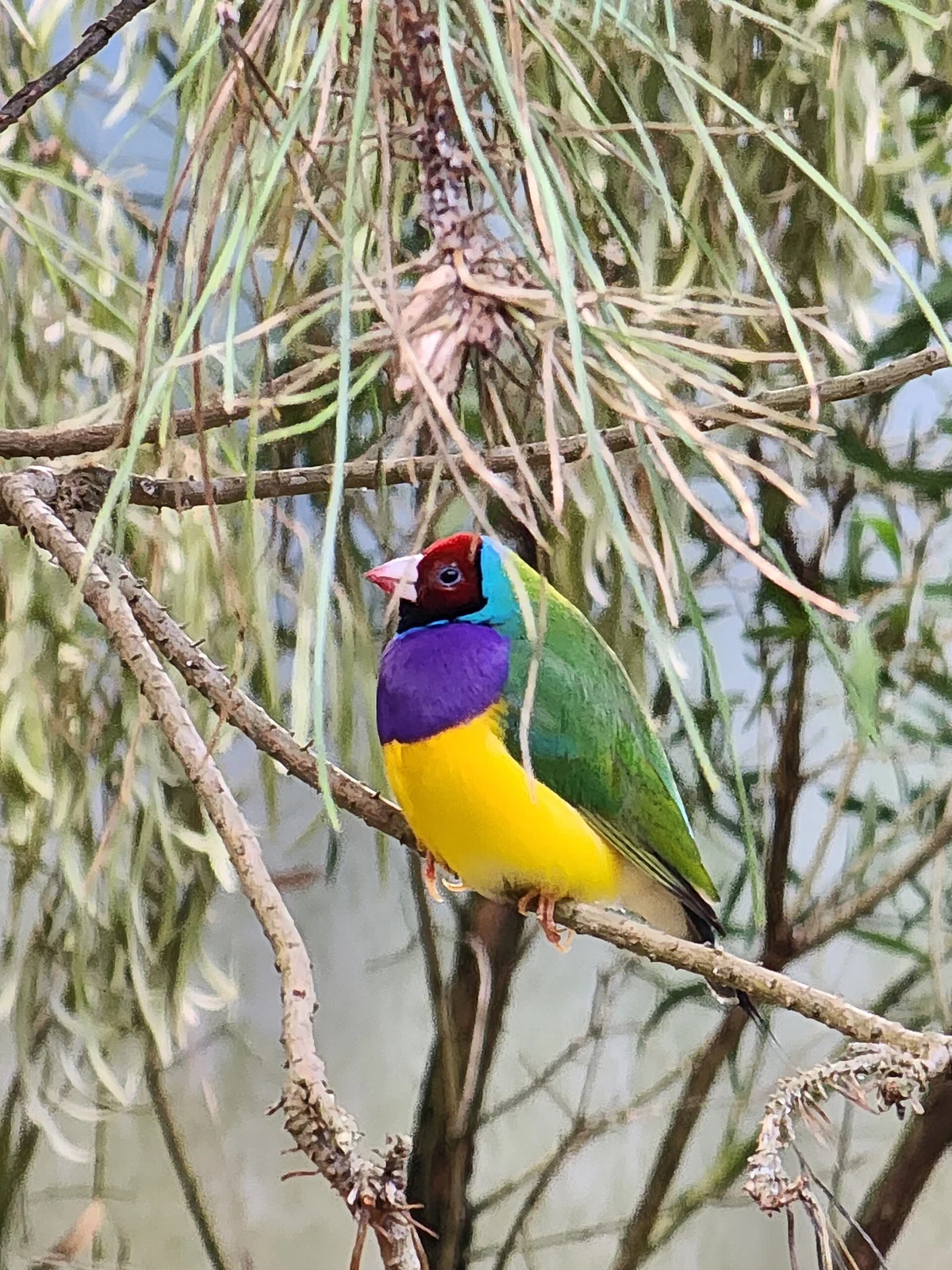
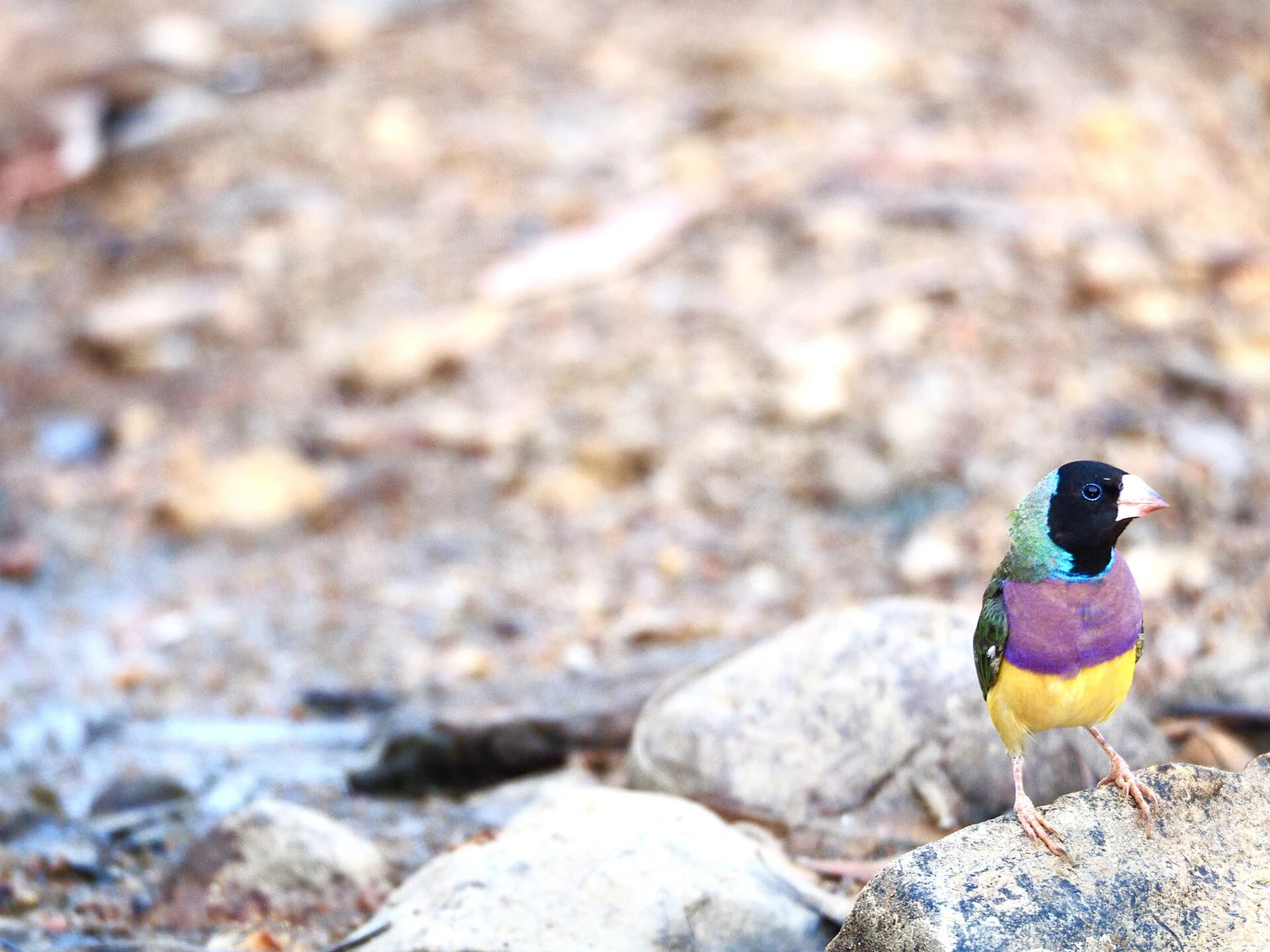
Gouldian finches come from northern Australia and have the scientific name Chloebia gouldiae. They belong to the estrildid finches. Black, red and orange-yellow heads are different colour forms within the same species, alongside further varieties developed in captivity. Head colour alone identifies neither sex nor a separate species.
Young birds initially look much less colourful. Their bright adult plumage develops during a later feather change. At transfer, reliable independent feeding and access to a health assessment matter more than mature colours. Familiar food and containers should remain available through the first days in the new home.
An established pair or a carefully observed group can make a good starting point. Asking about relationships, age, previous food and any egg laying helps plan the next home. It also gives a substitute caregiver useful context later, particularly if several similarly coloured individuals live together. Clear photographs can make those individuals easier to recognise.
Sources for this section
- Informationsbroschüre GouldamadinenVereinigung für Artenschutz, Vogelhaltung und Vogelzucht (AZ)
- Gouldian FinchBirdLife Australia
- GouldamadinenSchweizer Tierschutz STS
- Introducing a New Pet BirdVCA Animal Hospitals
Warm housing with useful flight space
Swiss Animal Protection recommends at least two square metres of floor space, for example two metres by one metre, and two metres in height for six to ten Gouldian finches. That flight aviary also makes a useful starting point for a smaller group. At least a third of the volume should remain free of furnishings. Long clear routes allow several wingbeats between perches.
An opaque area at the back provides shelter. Natural branches of different thicknesses can encourage flight between resting sites. Correctly identified, unsprayed leafy hazel or willow branches provide additional cover. Food and drinking vessels should sit clear of droppings from overhead perches.
The room should stay consistently warm. A thermometer at the bird area helps establish whether the minimum 20 °C recommended by Swiss Animal Protection is maintained overnight too. Direct sunlight through glass can instead overheat the space, so shade must remain accessible. Appropriate bird lighting needs suitable positioning, daily dark periods and informed planning. Cold draughts, smoke and cooking fumes should be excluded.
Read more: Setting up a bird room: safe flight and good landing places
Sources for this section
- GouldamadinenSchweizer Tierschutz STS
- Housing and environments for pet birdsRSPCA
- Household hazards for pet birdsMerck Veterinary Manual
Build a compatible group and plan breeding prevention
Several feeding places and separated perches help a less assertive bird eat and rest comfortably. Daily observation should confirm that every individual can use them. Persistent chasing or a bird staying in one corner calls for a review of relationships and layout. A second suitable enclosure makes changes easier to arrange.
New arrivals need an avian veterinary assessment and agreed quarantine in a separate room before meeting the residents. Familiarity can then develop gradually. Gouldian finches should not simply be mixed with any available finch or parakeet. Differences in assertiveness, food and temperature needs can make shared accommodation difficult.
Nest boxes and nesting materials influence reproductive behaviour. A home without a breeding plan should decide how unwanted chicks will be prevented before acquiring the birds. A compatible same-sex group may be one option. Unexpected eggs or repeated laying need avian veterinary advice, rather than repeatedly removing new clutches and placing further demands on the hen.
Sources for this section
- Informationsbroschüre GouldamadinenVereinigung für Artenschutz, Vogelhaltung und Vogelzucht (AZ)
- Living with other birdsRSPCA
- Introducing a New Pet BirdVCA Animal Hospitals
- Reproductive diseases of pet birdsMerck Veterinary Manual
Small seeds within a complete feeding plan
Gouldian finches eat small seeds, including different millets and grasses. The German avicultural association AZ describes mixtures formulated around these foods. A seed mixture alone does not automatically meet all nutritional needs, particularly when birds select favourites. Formulated finch pellets can complement the diet or provide its foundation. They combine ingredients within each small piece. An avian practice can match the balance to previous feeding and life stage.
Washed, correctly identified chickweed or small pieces of cucumber and chicory can provide fresh foods. Several accessible feeding places help birds reach them. Bowls need daily cleaning and moist leftovers should be removed after feeding. Empty seed husks can make a bowl appear full when little edible food remains.
Food changes require close observation. New options should initially be offered alongside familiar food while body weight and actual intake are checked. Birds should not be left hungry to force acceptance. Calcium sources and other supplements need to fit the whole feeding plan. Insoluble digestive grit is not a general nutrient supplement and should not be added without appropriate advice.
Sources for this section
- Informationsbroschüre GouldamadinenVereinigung für Artenschutz, Vogelhaltung und Vogelzucht (AZ)
- Nutrition in PasserinesMerck Veterinary Manual
- Feeding FinchesVCA Animal Hospitals
Bathing, moulting and noticing each bird
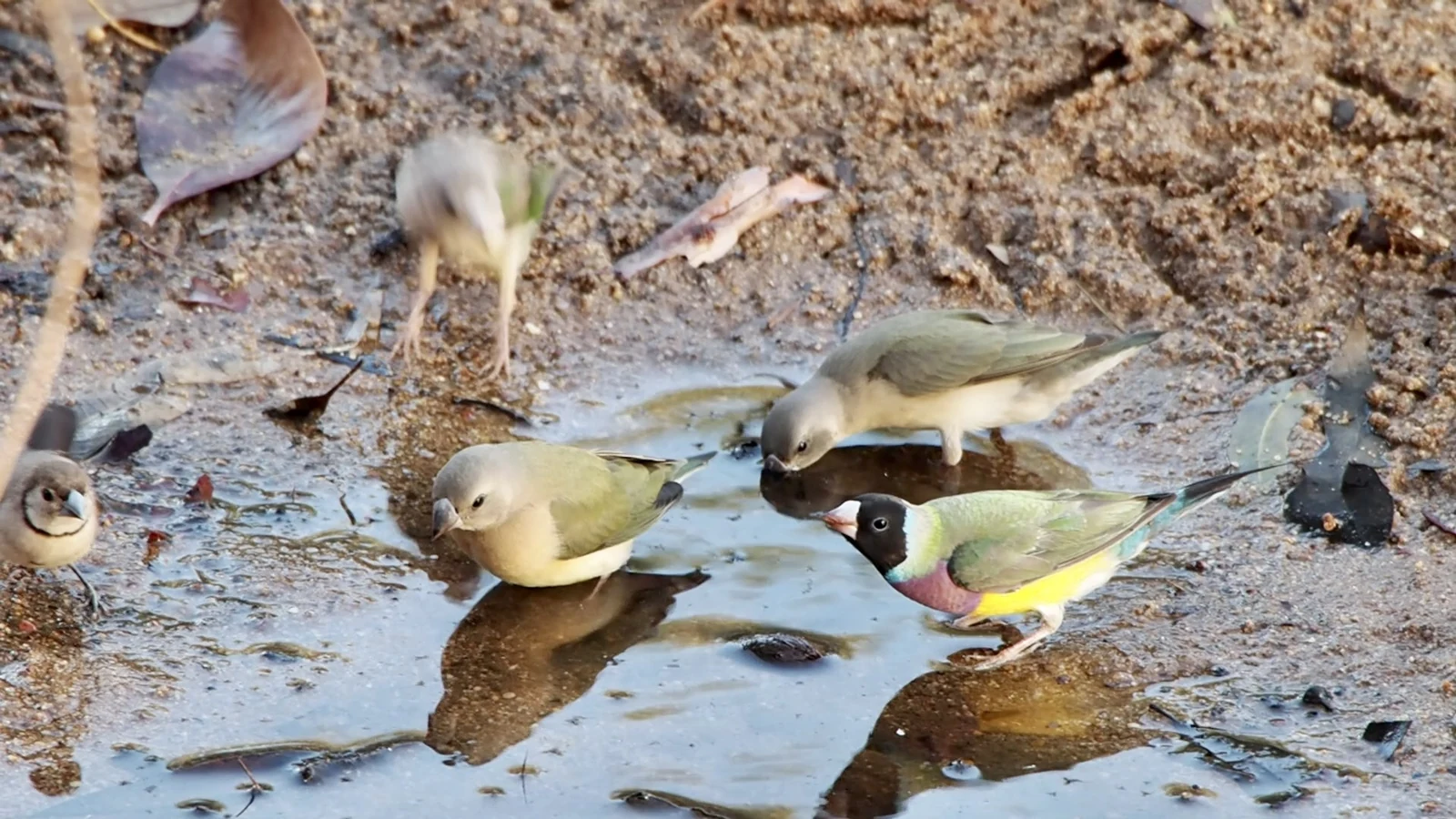
A shallow bath with secure footing provides useful activity. The water should be fresh, the birds able to leave easily and the dish cleaned afterwards. Fresh branches, well-distributed feeding sites and flying space add further interest. From a little distance, feeding, bathing and group relationships can be observed while allowing the birds space to move away.
Moulting replaces old feathers. Birds may look different during that process but should continue to eat reliably and cope with daily routines. Bald patches, injured skin or persistent fluffing need assessment. Shorter routes to food and resting sites may help later in life. New movement problems also need an avian veterinary assessment.
A bird eating markedly less, appearing weak or breathing differently needs prompt avian veterinary attention. Laboured breathing calls for immediate contact with the practice or emergency service. A suitable small carrier and a known route to veterinary help therefore belong in the initial preparation. Clear photographs, feeding instructions and room-temperature details help a holiday caregiver continue the routine and identify changes.
Read more: Bird life stages: from youngster to older companion · Bird training: confidence, carriers and cooperative care
Sources for this section
- Informationsbroschüre GouldamadinenVereinigung für Artenschutz, Vogelhaltung und Vogelzucht (AZ)
- Introduction to disorders and diseases of pet birdsMerck Veterinary Manual
- Geriatric diseases of pet birdsMerck Veterinary Manual
- How to train your pet birdRSPCA
Common questions
Can Gouldian finches join a budgie aviary?
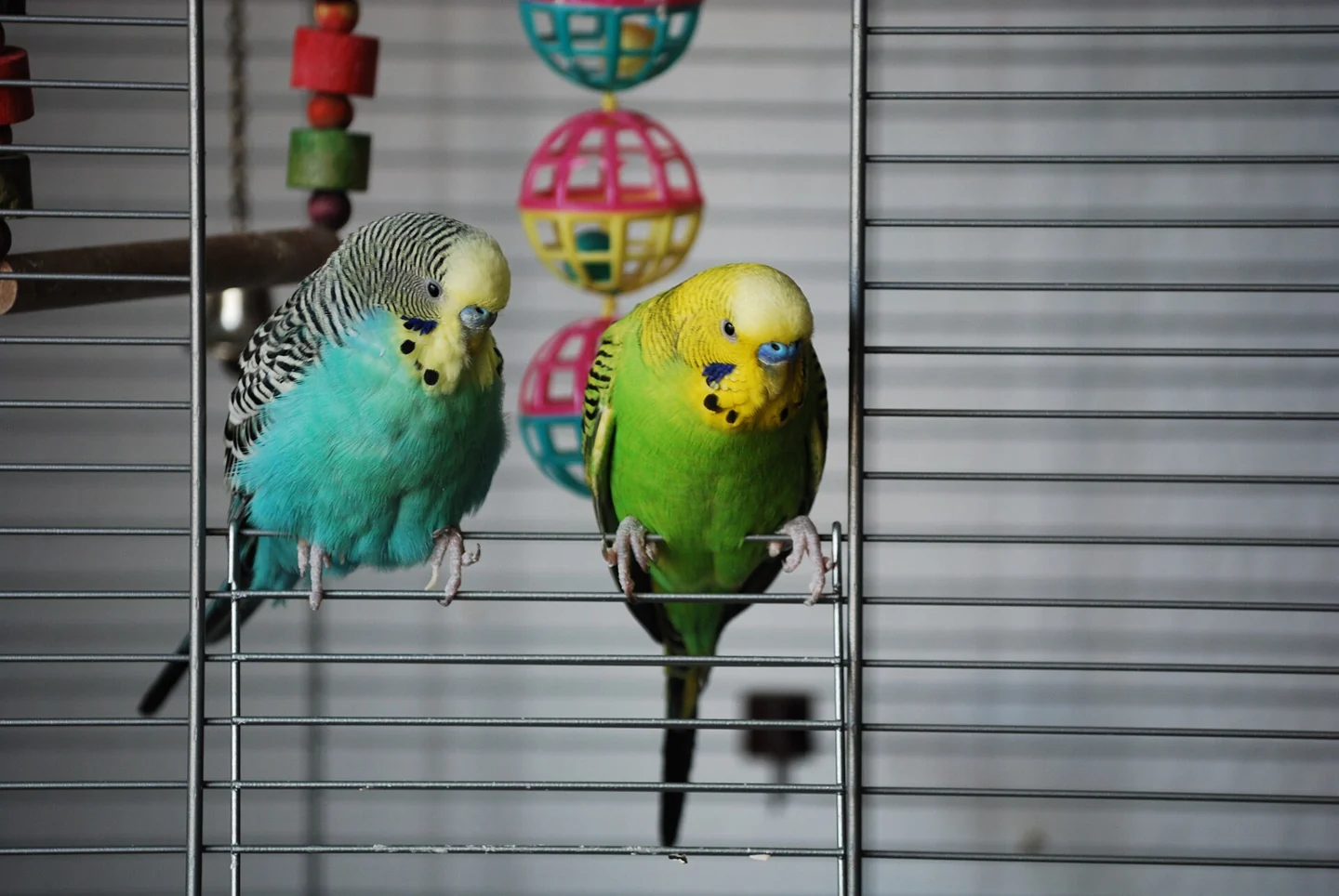
Dedicated housing makes their care much easier to plan. Beak strength, behaviour and warmth requirements differ. Similar body size does not establish compatibility.
Do they need nest boxes for sleeping?
A sheltered resting area is important. Nesting opportunities can also encourage reproduction and should not be added without considering breeding prevention. An avian adviser can help plan appropriate resting places for the particular group.
A closer look
Sources and photo credit
- GouldamadinenSchweizer Tierschutz STS
- Informationsbroschüre GouldamadinenVereinigung für Artenschutz, Vogelhaltung und Vogelzucht (AZ)
- Living with other birdsRSPCA
- Introducing a New Pet BirdVCA Animal Hospitals
- Housing and environments for pet birdsRSPCA
- Nutrition in PasserinesMerck Veterinary Manual
- Feeding FinchesVCA Animal Hospitals
- How to train your pet birdRSPCA
- Household hazards for pet birdsMerck Veterinary Manual
- Introduction to disorders and diseases of pet birdsMerck Veterinary Manual
- Geriatric diseases of pet birdsMerck Veterinary Manual
- Reproductive diseases of pet birdsMerck Veterinary Manual
- Gouldian FinchBirdLife Australia
Photo: Chloebia gouldiae - Gouldamadine - Blaue Mutation - Deutscher Kanarien- und Vogelzüchterbund (DKB) - Vogelbund - Johann Alexi.jpg · Johann Alexi · CC BY-SA 4.0. Resized for the web and converted to WebP; image content unchanged.
Photo: Gouldian finches, Fergusson River.jpg · Swimpanzee · CC BY 4.0. Resized for the web and converted to WebP; image content unchanged.
Photo: Gouldian Finch at Auckland Zoo 2023.jpg · N Lindsay · CC BY-SA 4.0. Resized for the web and converted to WebP; image content unchanged.
Photo: Gouldian finch male, Fergusson River.jpg · Swimpanzee · CC BY 4.0. Resized for the web and converted to WebP; image content unchanged.
_-_Vogelbund_-_Johann_Alexi.jpg)


