 fellfolio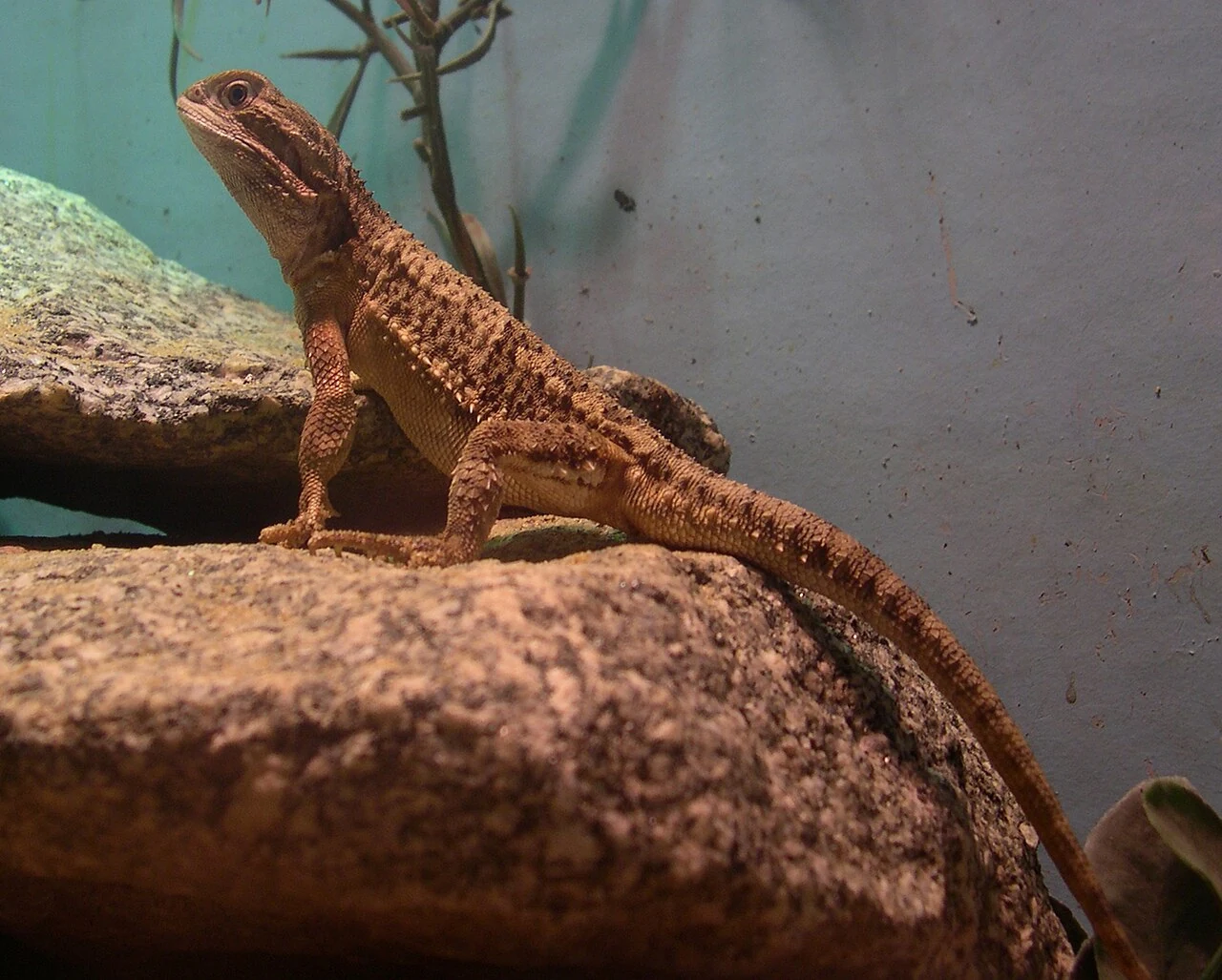
Species and origin
Adult Rankin’s dragons commonly reach approximately 25 to 30 cm including the tail. The scientific name matters when taking over an animal, since a young member of a larger bearded dragon species may initially be just as small. A sales photograph cannot establish its eventual size.
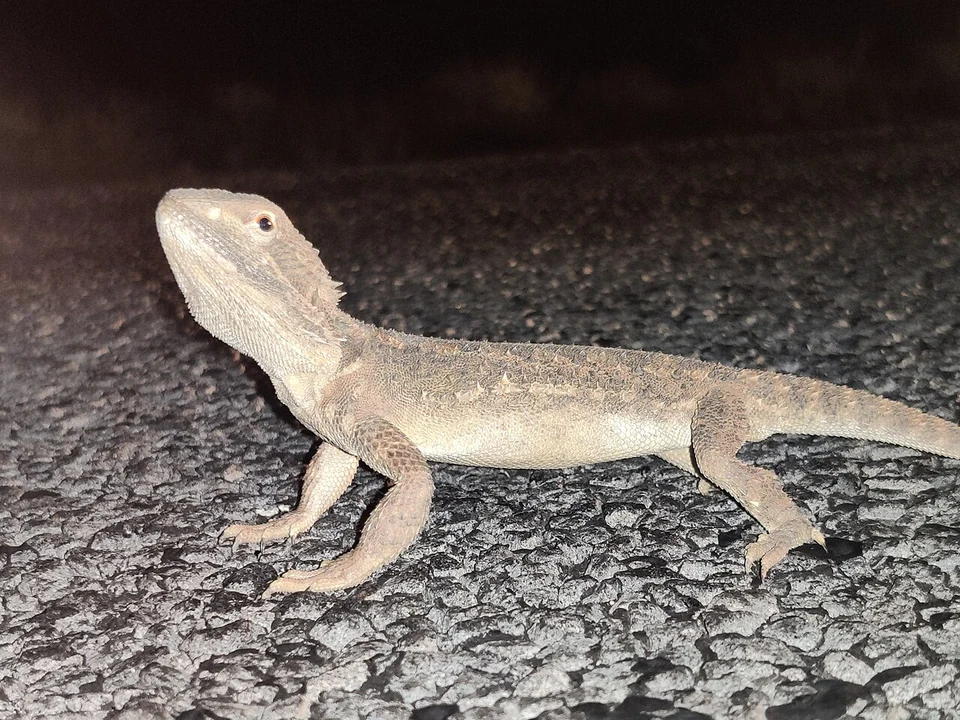
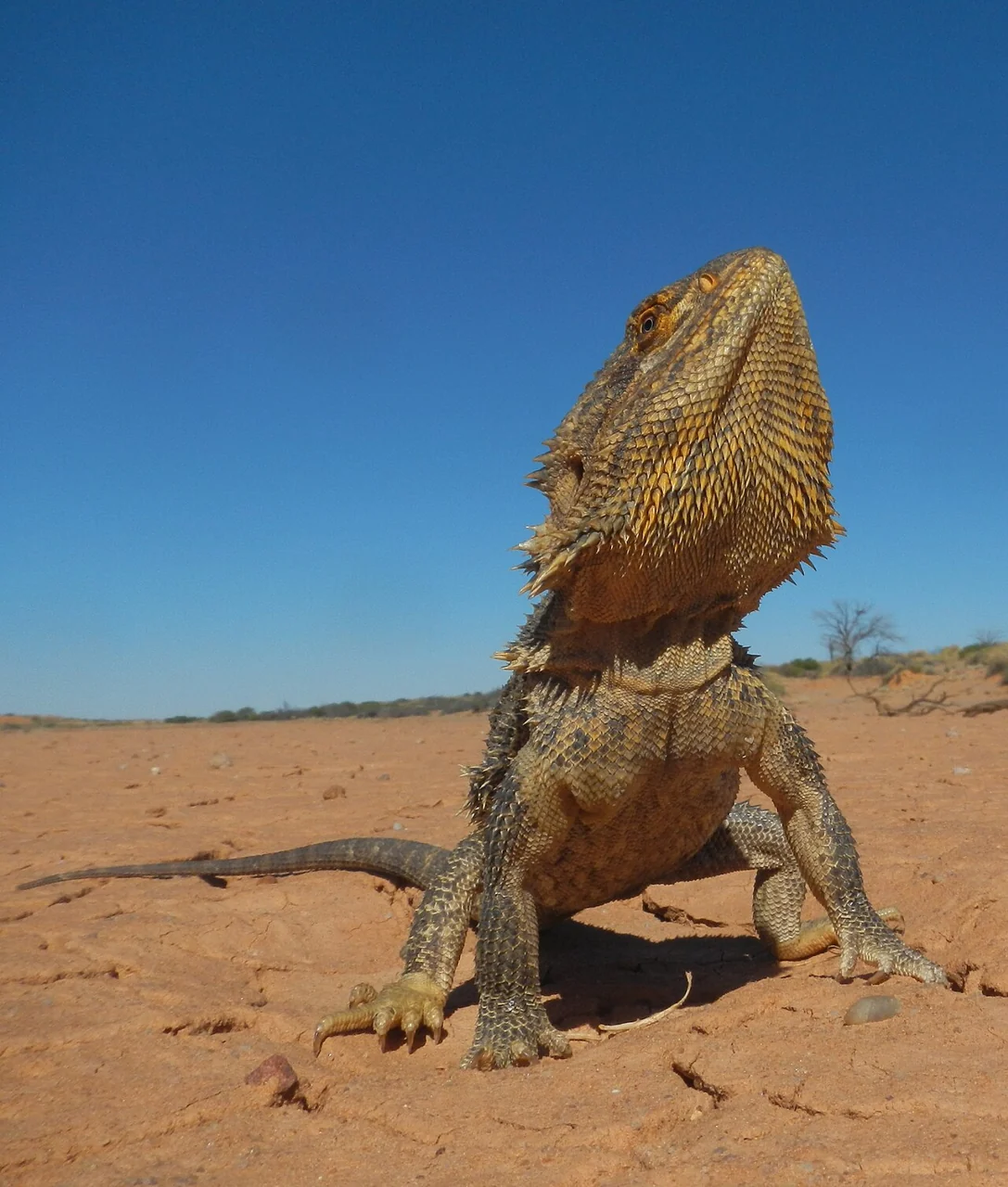
Wild animals have been observed on dark, cracked clay ground, rocks and low vegetation. Cracks in the soil provide sheltered retreats. This suggests a useful enclosure approach: secure, accessible basking structures and several hides, rather than an empty floor beneath one hot lamp.
Room to move and dig
The German pet trade association ZZF recommends 150 × 80 × 80 cm for a spacious terrarium in its species sheet. For one animal, this example leaves room to distribute furnishings sensibly. It is an association recommendation, rather than a legal minimum. More usable space allows longer routes and better separation between areas.
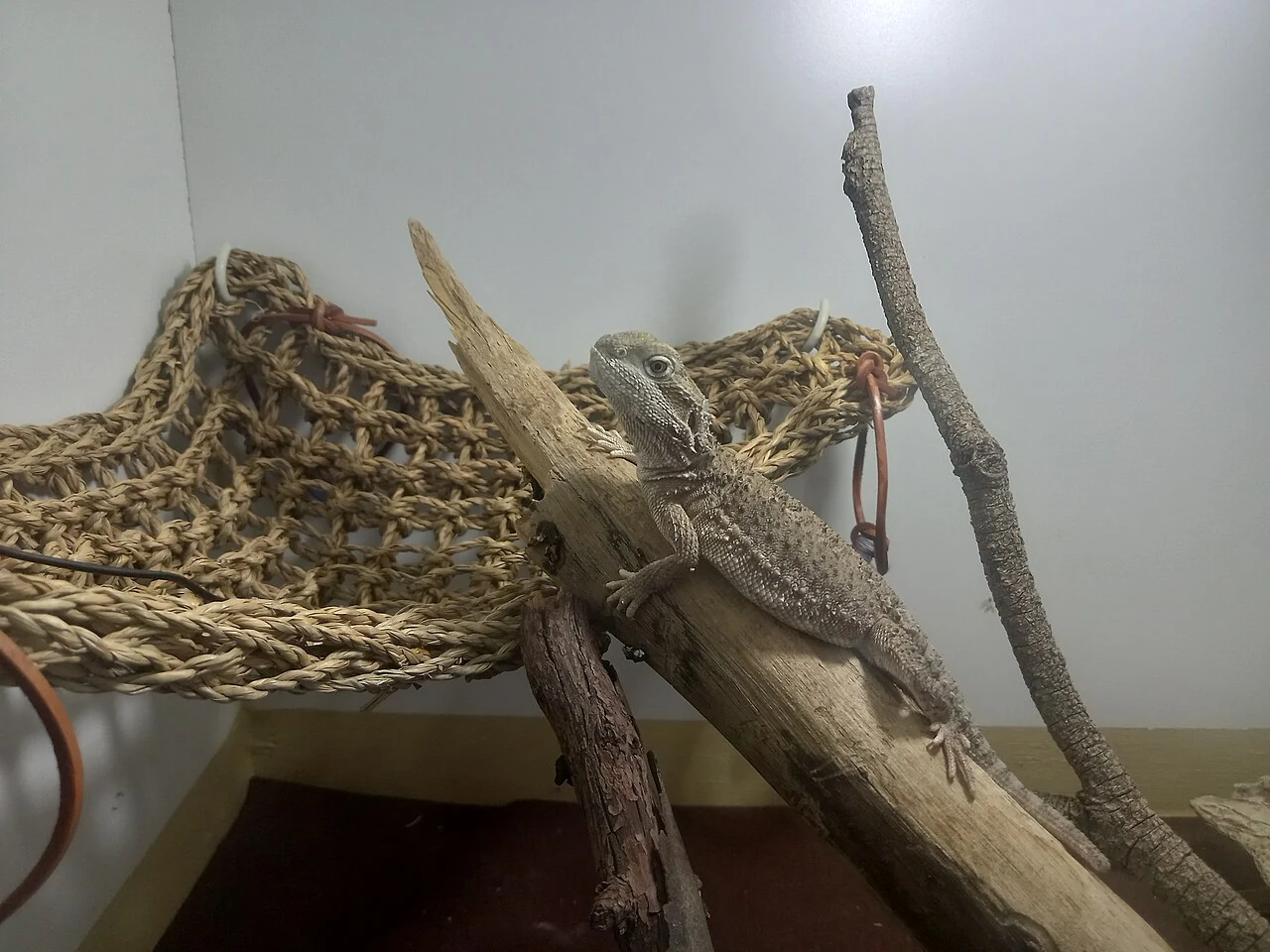
A suitable sand-and-loam substrate allows digging. It should provide usable ground without sharp edges or excessive dust. Rocks and branches must stay securely in position. Small feet should not become trapped in gaps. A raised platform needs an accessible route without bringing the dragon close to unprotected lamps. Furnishings also need to allow cleaning, especially prompt removal of droppings and leftover food.
Read more: Keeping reptiles: habitat and daily care before arrival
Plan heat and UVB together
Bearded dragons rely strongly on their surroundings for body temperature. They warm up in suitable places and move into cooler areas when needed. The species sheet gives a daytime range of 25 to 35 °C within the enclosure, with an additional hotter basking place. The association’s accompanying care article identifies this range as air temperatures in areas away from the directly illuminated basking place. These are different warm and cool areas, allowing the dragon to move away from the heat.
UVB stands for ultraviolet B radiation. It enables vitamin D3 production, which helps the body use calcium. Visible brightness and warmth alone do not establish adequate UVB provision. The basking place needs suitable lighting. Shade and sheltered retreats should also remain accessible at all times.
Air temperature should be measured in the warm and cool areas with a digital probe thermometer. The sensor should be secured at the height the dragon uses, without touching a warm rock or the heater. An infrared thermometer measures radiation given off by a surface and is suitable for checking the surface of the basking stone. Both readings should be taken once the lamps have reached their normal operating temperature. An additional check during hot summer weather is useful because the cooler retreat can also become too warm.
A thermostat is a temperature controller for a compatible heat source. Even with controlled heating, temperatures at the different places should be checked regularly.
Read more: Getting heat and UVB right in a reptile enclosure
Offer plants and insects to suit the animal
Rankin’s dragons eat plants and insects. The diet should include a variety of suitable leaves and herbs, such as correctly identified dandelion, alongside appropriate feeder insects. Growing juveniles need suitable insects in more frequent meals than adults. They should also be introduced to a variety of plant foods. Being a smaller species is not a reason to provide frequent high-energy treats.
Feeder insects should receive appropriate food before being offered to the dragon. Their size needs to suit the animal. Uneaten insects should be removed, and fresh drinking water should remain accessible. Calcium and vitamin products should be planned alongside lighting. Suitable amounts depend on the product and the individual. Food intake and regular weight checks are more useful for assessing care than one fixed ratio intended to apply at every age.
Read more: Feeding reptiles: choose food for the species · Caring for reptiles as they grow and age
Settling in and caring for one animal
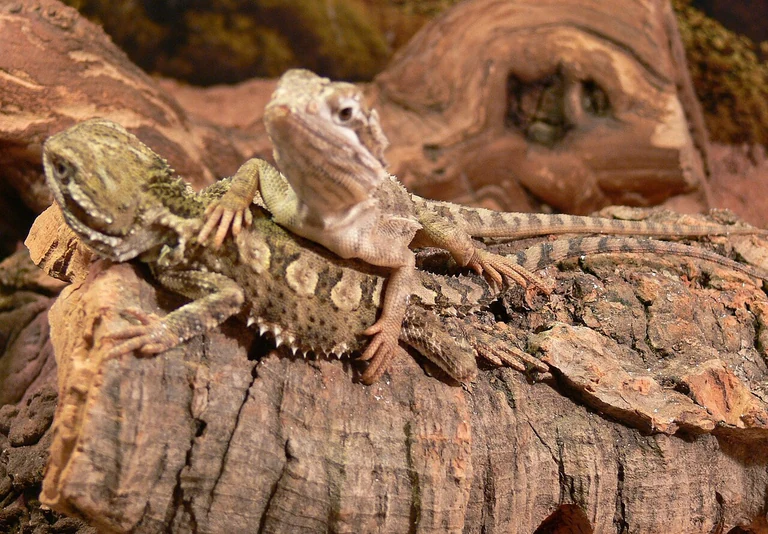
Keeping one dragon makes it easier to monitor whether it is eating and using its basking places. Smaller size does not make shared housing straightforward. Competition for food or basking places can prevent an animal from eating or warming itself undisturbed. Shared housing would therefore require additional suitable places and a way to separate the animals immediately.
After arrival, the dragon should have time to learn its routes, retreats and feeding place. Repeated restraint does not create familiarity with people. During necessary checks, the body and limbs should be supported from below. If the dragon moves away, avoids handling or repeatedly defends itself, it should be given a break from handling. Sitting quietly on a hand does not necessarily mean that it is seeking contact.
Plan seasonal care and a responsible transfer
Reduced activity and appetite can be seasonal, but can also result from unsuitable temperatures or illness. Brumation is a deliberately prepared seasonal rest period with adjusted care. It should be planned for the individual with a reptile veterinarian. A loss of appetite should first prompt a check of the enclosure conditions and the animal’s health. Difficulty breathing, marked weakness or noticeable weight loss requires prompt veterinary assessment.
Before transfer, the scientific name, traceable origin and previous care should be established. Local rules for keeping and trading the species should be checked before buying. In Germany, animal welfare law requires appropriate care and the knowledge to provide it. A cheap juvenile still brings continuing costs for electricity, lamps, insects and veterinary visits. Another carer should know the measured enclosure conditions and how to operate the equipment, alongside the feeding routine.
Read more: Seasonal rest in reptiles: preparation and monitoring
Common questions
Is a Rankin’s dragon simply a small bearded dragon?
Pogona henrylawsoni is a separate species. A juvenile Pogona vitticeps may initially look similarly small but will grow much larger. Reliable documents should establish which species is being transferred.
Can a heat lamp replace a UVB lamp?
Only if that particular lamp actually provides suitable UVB and is fitted appropriately. Many heat lamps produce heat and visible light without appropriate UVB. Brightness or a product name alone cannot establish suitability.
A closer look
Sources and photo credit
- Pogona henrylawsoniThe Reptile DatabaseSpecies and origin
- Notes on the Natural History of the Downs Bearded Dragon Pogona henrylawsoniGrant S. Turner and Raymond Valentic, Herpetofauna 28(1), 1998Species and origin
- Zwergbartagame: Heimtier des Jahres 2023Zentralverband Zoologischer Fachbetriebe Deutschlands e. V.Species and origin · Room to move and dig · Plan heat and UVB together · Settling in and caring for one animal · Plan seasonal care and a responsible transfer
- Bearded DragonGlenorie Veterinary ClinicPlan heat and UVB together · Offer plants and insects to suit the animal · Settling in and caring for one animal · Plan seasonal care and a responsible transfer
- Dwerg baardagaam, Pogona henrylawsoniPlatform Verantwoord Huisdierenbezit, Wim Fontijne namens ESFRoom to move and dig · Offer plants and insects to suit the animal
- UVB Lighting for ReptilesLafeberVet, Frances M. Baines, 2024Plan heat and UVB together
- Tierschutzgesetz, § 2Bundesministerium der Justiz, Gesetze im InternetPlan seasonal care and a responsible transfer
- Disorders and Diseases of ReptilesMerck Veterinary Manual, Stephen J. Divers, updated June 2026Plan seasonal care and a responsible transfer
- Lizard History FormsGlenorie Veterinary ClinicPlan heat and UVB together · Plan seasonal care and a responsible transfer
- Die Bartagame: Heimtier des Jahres 2023Zentralverband Zoologischer Fachbetriebe Deutschlands e. V., Wir fürs TierPlan heat and UVB together
- testo 810: infrared and air temperature measurementTesto, instrument manufacturerPlan heat and UVB together
Photo credits
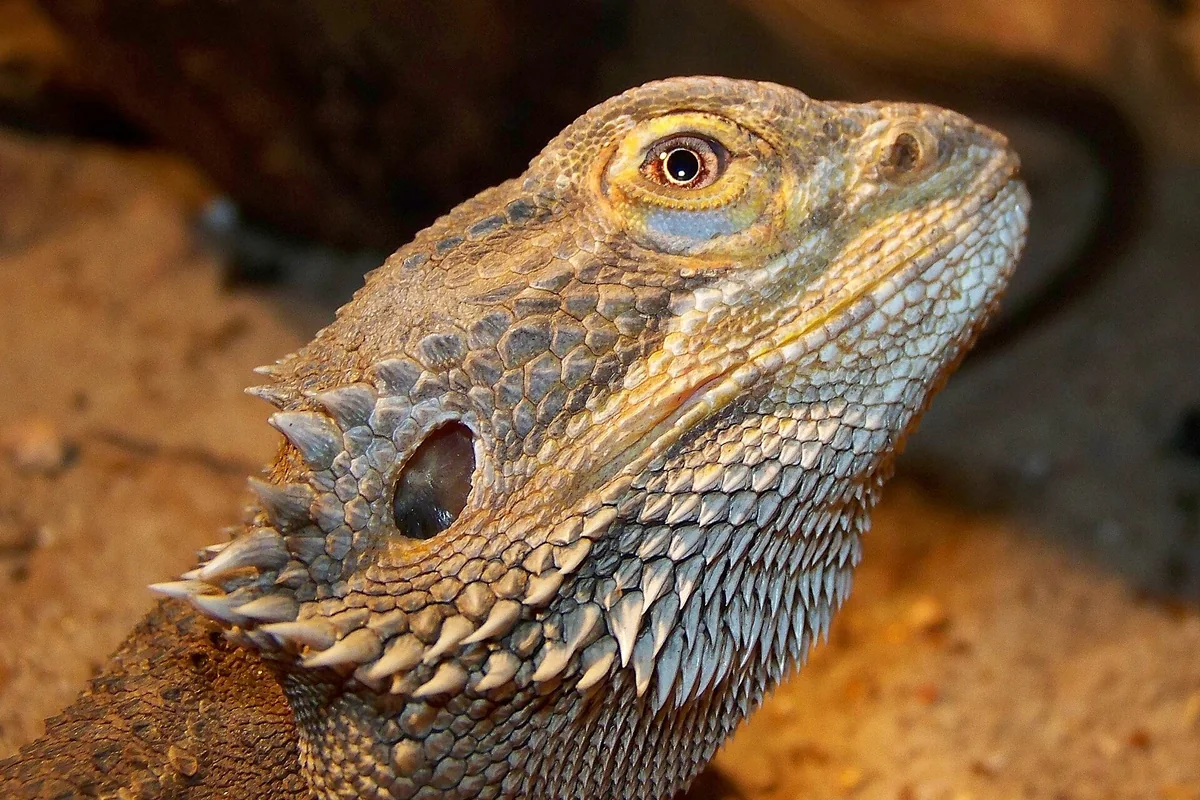
Photo: File:Pogona henrylawsoni.jpg · Magalhães · Public domain. Resized and converted to WebP.
Photo: File:Pogona henrylawsoni 175778644.jpg · Nathan Ruser · CC BY 4.0. Resized and converted to WebP.
Photo: File:Che, a pygmy bearded dragon (Pogona henrylawsoni).jpg · Billthekrill · CC BY-SA 4.0. Resized and converted to WebP.
Photo: File:Henrylawsoni juvenil.jpg · Carlo Stöhr · CC BY-SA 2.0 de. Resized and converted to WebP.


.jpg)
