 fellfolio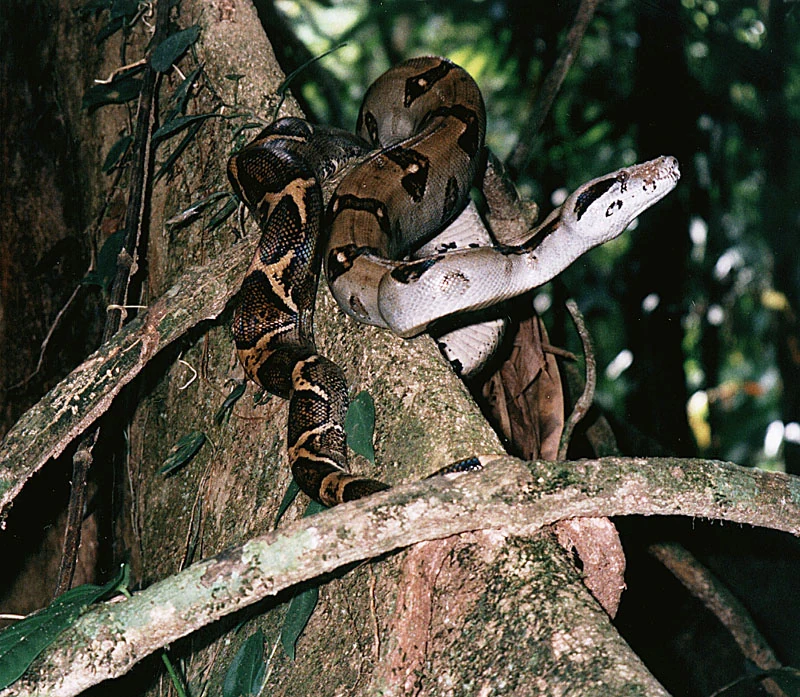
Which boa are you planning for?
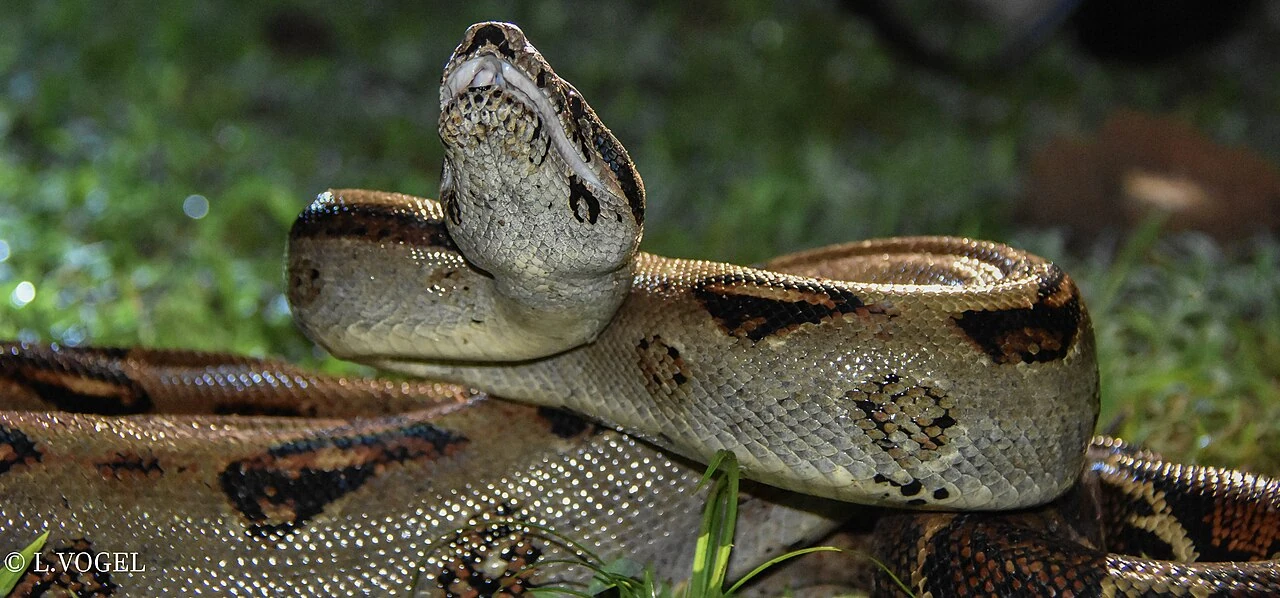
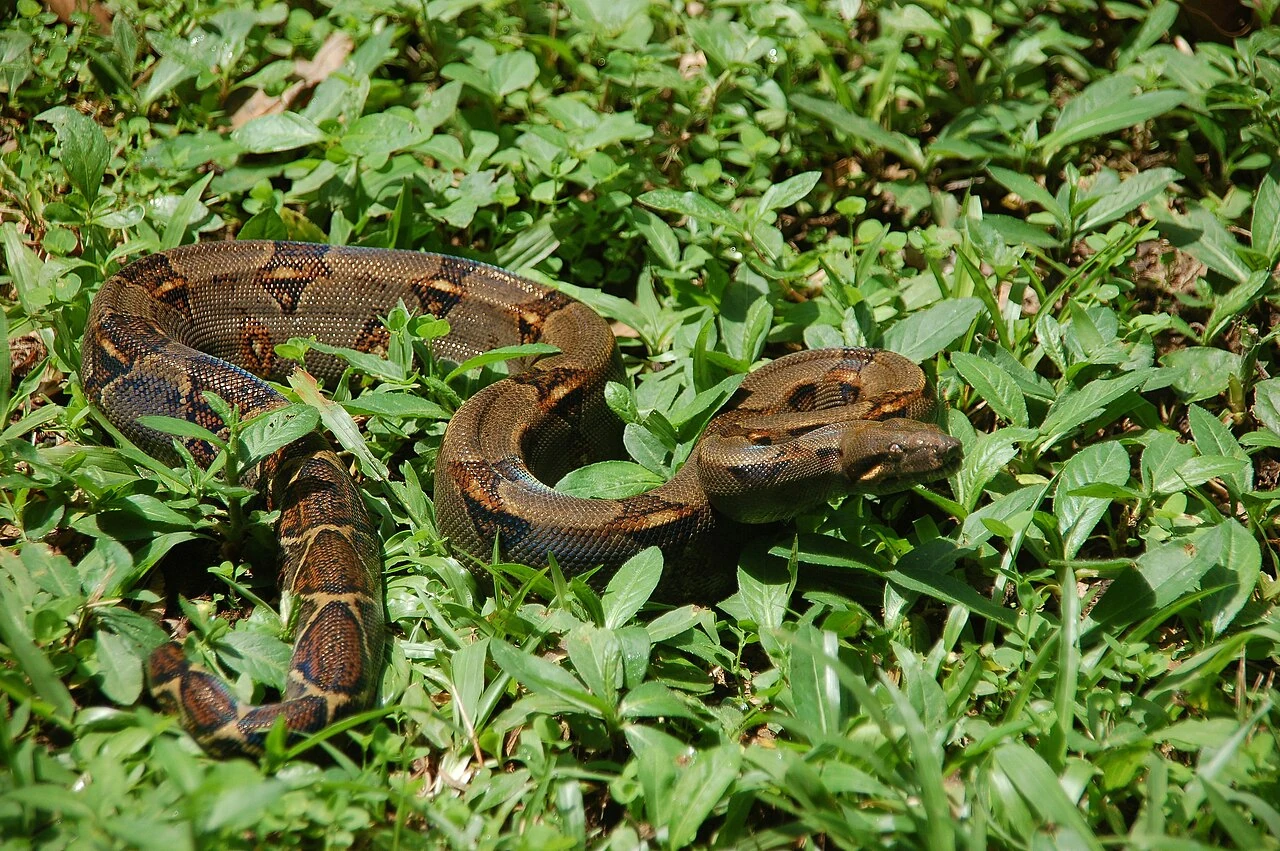
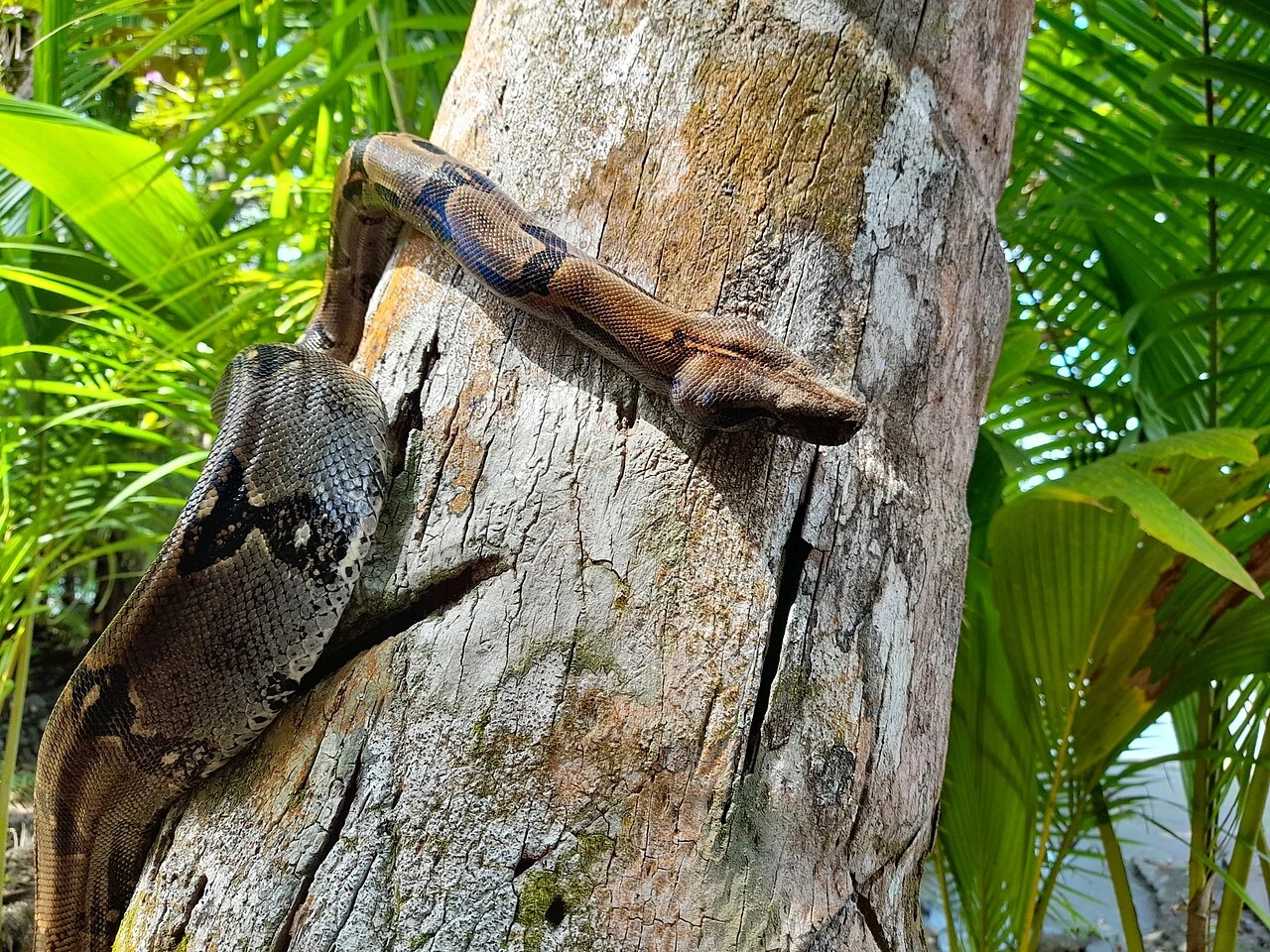
The common boa is recognised as the species Boa imperator. Its older name, Boa constrictor imperator, still appears in books and sale listings. Boa constrictor now refers to a different species, and Boa sigma is also recognised separately. A scientific name and documented origin help establish which animal is being offered.
Common boas occur in parts of Mexico, Central America and northwestern South America. Populations within this large range differ in size and markings. A sales description such as “dwarf boa” should be supported by traceable information about origin and parents. Smaller locality forms still need generous, well-furnished enclosures.
Sources for this section
- Boa imperatorThe Reptile Database
- Boa Imperator Care GuideOntario Reptile Rescue
Room for the whole snake
Ontario Reptile Rescue recommends at least 8 × 4 × 4 feet, approximately 244 × 122 × 122 cm, for an adult common boa. This husbandry recommendation illustrates the space involved. A longer animal needs proportionately more room to stretch out fully. Both floor area and height should allow movement.
Firmly anchored branches and broad raised resting surfaces support climbing. Hides belong in different temperature zones and should accommodate the entire coiled animal. A substantial water bowl needs to be stable and removable without having to shift heavy furnishings.
Single housing is appropriate. Doors need reliable locks: a powerful snake may move loose sliding panels or flexible ventilation covers. Walking through cleaning and potential transport arrangements while the enclosure is empty helps identify awkward access before an animal is inside.
Sources for this section
- Boa Imperator Care GuideOntario Reptile Rescue
- Boa Constrictor Enclosure SizeReptiFiles, Mariah Healey
Measure where the boa rests
ReptiFiles gives warm-end air temperatures around 30 to 32 °C and a cooler zone of 24 to 26 °C. The warm resting area should accommodate the loosely coiled body. A suitable thermostat controls heat output, and lamps or other hot components need protection against direct contact.
Lighting should be off at night. Approximately 20 to 25 °C provides an overnight guide. A colder room may require a thermostatically controlled heater that produces no visible light. Actual overnight readings matter. Suitable low-level UVB over part of the enclosure can complement daytime lighting, with shaded hides always available.
A humidity range of about 55 to 75 percent is commonly recommended. Moisture-retaining substrate and a humid retreat can support shedding, while dry resting surfaces remain available. A musty smell, constantly wet belly scales or persistent condensation should prompt a check of ventilation and moisture input.
Read more: Getting heat and UVB right in a reptile enclosure · Humidity and shedding in reptiles
Sources for this section
- Boa Constrictor TemperaturesReptiFiles, Mariah Healey
- Boa Constrictor HumidityReptiFiles, Mariah Healey
- Boa Constrictor UVB and LightingReptiFiles, Mariah Healey
- Boa Imperator Care GuideOntario Reptile Rescue
Whole prey and a body-condition-based plan
Common boas eat whole prey, such as appropriately sized mice or rats. Bones and organs supply nutrients that a piece of muscle meat alone cannot provide. Previously killed, frozen prey from a suitable supplier avoids the injury risk posed by live rodents.
ReptiFiles gives broad intervals of around ten to twelve days for young boas and often four to eight weeks for older mature animals. Portion size depends on body size, condition, age and activity. A reptile veterinarian can help establish an individual plan. Frequent large meals intended to accelerate growth encourage excess weight.
Frozen prey needs to thaw completely, for example in a sealed bag in cold water, before gentle warming. Dedicated containers and feeding tongs keep this separate from human food preparation. Microwave heating may leave hot spots, and thawed leftovers should not be refrozen. After a meal, the boa should have at least 48 hours to digest without being taken out.
Read more: Feeding reptiles: choose food for the species
Sources for this section
- What Do Boa Constrictors Eat?ReptiFiles, Mariah Healey
- Common Problems in Pet SnakesVCA Animal Hospitals
- Corn Snake Care SheetPetMD, Maria Zayas, DVM
- Boa Constrictor Handling TipsReptiFiles, Mariah Healey
Support the body and plan for its strength
During a necessary transfer, support the boa at several points along its body. It may wrap around an arm for support, but an adult should not be allowed to coil around a person’s neck or head. A large snake is harder to manage than a juvenile. Another experienced adult should be close enough to help with a large or difficult-to-control animal.
Slow, predictable movements and a prepared destination make transfers easier. Any prey scent should be washed from hands beforehand. Shedding and the period after a meal are particularly unsuitable times to take the snake out. Children should not handle or care for a large boa independently.
Sources for this section
- Boa Imperator Care GuideOntario Reptile Rescue
- Boa Constrictor Handling TipsReptiFiles, Mariah Healey
Consider meals, sheds and weight together
Feeding dates, prey size, weight and shedding records create a useful history. Retained skin over the eyes or around the tail tip calls for reptile veterinary advice. The clear eye coverings should not be pulled away at home.
Repeated regurgitation, weight loss or abnormal skin patches warrant examination. Breathing difficulty, profound weakness, serious injury or unusual twisting of the head requires immediate veterinary contact. These signs can have several causes. Accurate climate readings and a feeding history are more useful at the appointment than an assumed diagnosis.
Sources for this section
- Common Problems in Pet SnakesVCA Animal Hospitals
- Disorders and Diseases of ReptilesMerck Veterinary Manual
Common questions
Can I keep a common boa small by feeding less?
Deliberate underfeeding is not appropriate size control. Origin and sex influence potential adult size. Food should support growth and healthy body condition, with housing planned to fit the animal.
Is Boa imperator venomous?
No, it is a nonvenomous constrictor. A bite and the strength of a large animal can still cause injuries, so safe routines and appropriate assistance matter.
A closer look
Sources and photo credit
- Boa imperatorThe Reptile Database
- Boa Imperator Care GuideOntario Reptile Rescue
- Boa Constrictor Enclosure SizeReptiFiles, Mariah Healey
- Boa Constrictor TemperaturesReptiFiles, Mariah Healey
- Boa Constrictor HumidityReptiFiles, Mariah Healey
- Boa Constrictor UVB and LightingReptiFiles, Mariah Healey
- What Do Boa Constrictors Eat?ReptiFiles, Mariah Healey
- Boa Constrictor Handling TipsReptiFiles, Mariah Healey
- Common Problems in Pet SnakesVCA Animal Hospitals
- Corn Snake Care SheetPetMD, Maria Zayas, DVM
- Disorders and Diseases of ReptilesMerck Veterinary Manual
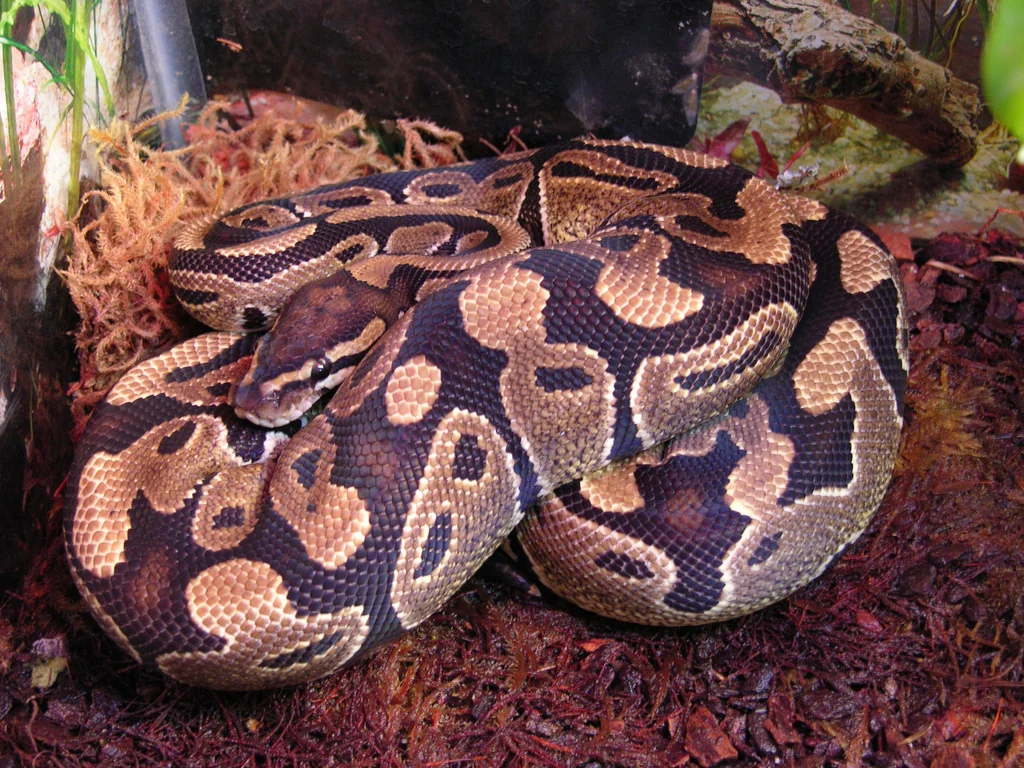
Photo: Boa constrictor imperator, the Central American Boa.jpg · Dick Culbert · CC BY 2.0. Resized for the web and converted to WebP; image content unchanged.
Photo: Boa constrictor imperator (Costa Rica).jpg · Lucas Vogel · CC BY-SA 4.0. Resized for the web and converted to WebP; image content unchanged.
Photo: 2006-08-17 Boa Constrictor, Puerto Viejo, Costa Rica.jpg · Matthias Bethke · CC BY-SA 4.0. Resized for the web and converted to WebP; image content unchanged.
Photo: Boa imperator 105789422.jpg · maddysk · CC0. Resized for the web and converted to WebP; image content unchanged.

.jpg)

