fellfolio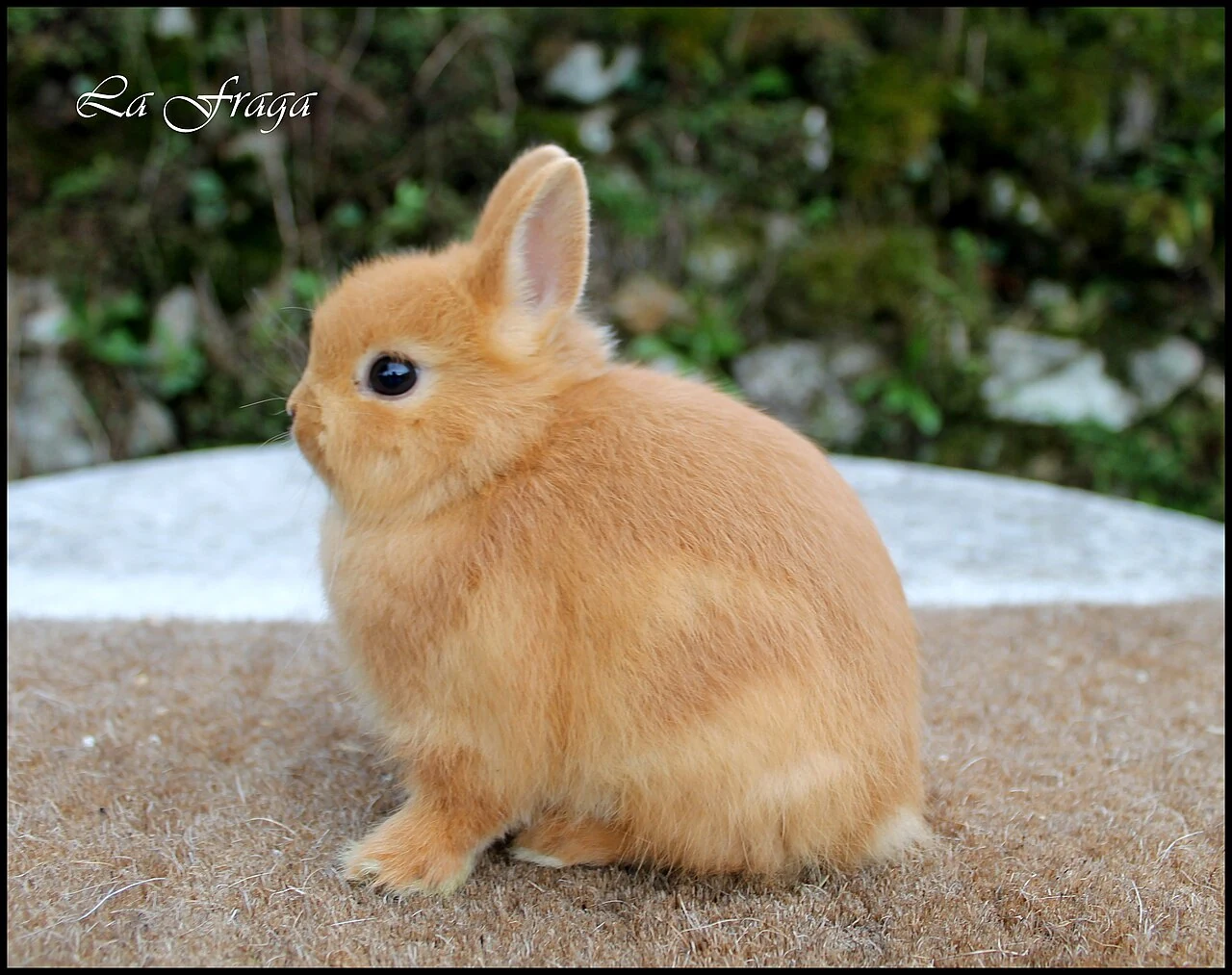
Names, origins and adult size
According to the American Rabbit Breeders Association, or ARBA, the Netherland Dwarf was developed in the Netherlands in the early twentieth century. In Germany, coloured small rabbits are registered as Farbenzwerge by the national rabbit breeders’ association, ZDRK. A breed standard sets out the appearance and weight expected of show rabbits. The American maximum of about 1.13 kg should therefore not be applied to every German Farbenzwerg.
Since 2026, ZDRK has included both Type A and Type B within the German breed. Type B lacks the dwarf gene, the inherited variant that produces the particularly small build, and grows larger. Its highest weight score covers 1.35 to 1.80 kg. When meeting a rabbit, you should ask about its background, age and expected adult build. A larger rabbit from dwarf breeding lines is not necessarily carrying excess weight.
Room to gather speed
A clear route across the enclosure is more useful than filling every corner with little houses. The rabbits should be able to accelerate, stand upright and stretch out fully. The Rabbit Welfare Association & Fund, or RWAF, recommends a permanently accessible, single floor area of at least 3 by 2 metres and a height of 1 metre for two average-sized rabbits. An upper storey does not replace that running space.
Indoors, soft non-slip routes should connect resting places and food. Electrical cables and poisonous houseplants should be inaccessible. For a small rabbit, gaps beside furniture or in enclosure fencing also deserve a close look, as it may squeeze through or become trapped. Outdoor housing needs protection from escape, predators and weather. Our rabbit housing guide explains how to put these details together.
Read more: Rabbit housing: space, exercise and companionship
Choosing a rabbit companion
Rabbits rest together, groom one another and search for food side by side. Time with people cannot provide all of that companionship. A suitable partner should be chosen with behaviour, age, health and similar body size in mind, rather than breed alone. Meeting an already bonded pair at a rescue can make the decision easier.
Bonding means gradually introducing rabbits that do not yet know each other. It should be prepared carefully and supervised in a neutral area that neither rabbit regards as its own territory. Neutering and any necessary waiting periods should be discussed with the vet beforehand. Putting two unfamiliar rabbits straight into one cage can lead to serious fights.
Read more: Bonding rabbits: preparing for a shared home
Food that takes time to chew
Even a very small rabbit should spend much of the day chewing fibrous food. Hay is dried grass and should smell fresh, stay dry and contain little dust. Suitable fresh grass complements it, for example through safe grazing on an untreated area. Unfamiliar foods should be introduced gradually. Grass collected from a lawnmower is unsuitable because the clippings can ferment rapidly and cause digestive illness.
Leafy greens and herbs add variety. Pellets, the compressed pieces of commercial rabbit food, should be limited to an appropriate daily portion. Colourful muesli mixes encourage rabbits to pick out favourite ingredients, which can leave the diet unbalanced. Regular chewing helps wear continuously growing teeth, while long plant fibres support movement through the digestive tract. Clean drinking water should always be within reach.
Eating habits and dental checks
A short head alone does not tell you whether a rabbit has healthy teeth. Research on the relationship is mixed. A study of 435 breeder-volunteered pedigree rabbits found no clear association between short heads and dental abnormalities. The authors also cautioned against applying their findings directly to all pet rabbits. Your rabbit’s actual dental alignment, feeding and regular examinations matter more than a judgement made from its outline.
A new preference for soft food, dropping food from the mouth or a damp chin should prompt veterinary advice. Owners cannot reliably assess the back teeth at home. If the rabbit eats much less or produces very few droppings, you should contact a vet immediately. These changes can indicate pain or a dangerous disruption of digestion.
Getting to know each other at floor level
You can sit quietly beside the enclosure and offer a familiar leaf while the rabbit chooses whether to approach. A tense crouch or a retreat into a hide should be respected by giving it more distance. With adult supervision, children can scatter food or prepare a hiding place. Being carried around is not something a rabbit needs as part of its daily activities.
A simple food search can use a few pellets from the normal ration scattered loosely through hay. Two feeding spots help when one companion is quicker to find everything. A stable, accessible tunnel offers another route to explore, provided it fits the fully grown rabbit. When lifting is necessary, the chest and hindquarters should both be supported. A vet or nurse can demonstrate a safe hold.
Preparing for the years ahead
When visiting potential rabbits, you should have time to see them eating, moving and responding to people. Health records, vaccination status, familiar food and the right companion all deserve attention alongside coat colour. Daily care needs a place in the household routine, including weekends and holidays.
The cost calculator can help you put together hay, fresh food, bedding and veterinary expenses for both animals. The small-pet finder is useful if you are still weighing up different species. You should also identify an accessible emergency vet and a holiday carer who will notice changes in eating. Our guide to young, adult and senior rabbits explains how care develops with age.
Read more: Rabbit life stages: from youngsters to older companions · Which small pet suits your home? Six rodents compared
Common questions
Are all dwarf rabbits the same size?
No. Registry standards differ, and German Farbenzwerge now include a larger Type B without the dwarf gene. Age, adult build and body condition should be considered together when assessing an individual rabbit.
Can a child care for a Netherland Dwarf?
Children can help with calm interaction, feeding and activities. Adults should take responsibility for daily care, health monitoring and veterinary decisions.
Does the companion need to be another Netherland Dwarf?
No. Compatible behaviour, health and a carefully prepared introduction matter more than matching breeds. A large difference in body size also needs consideration because of the risk of injury.
A closer look
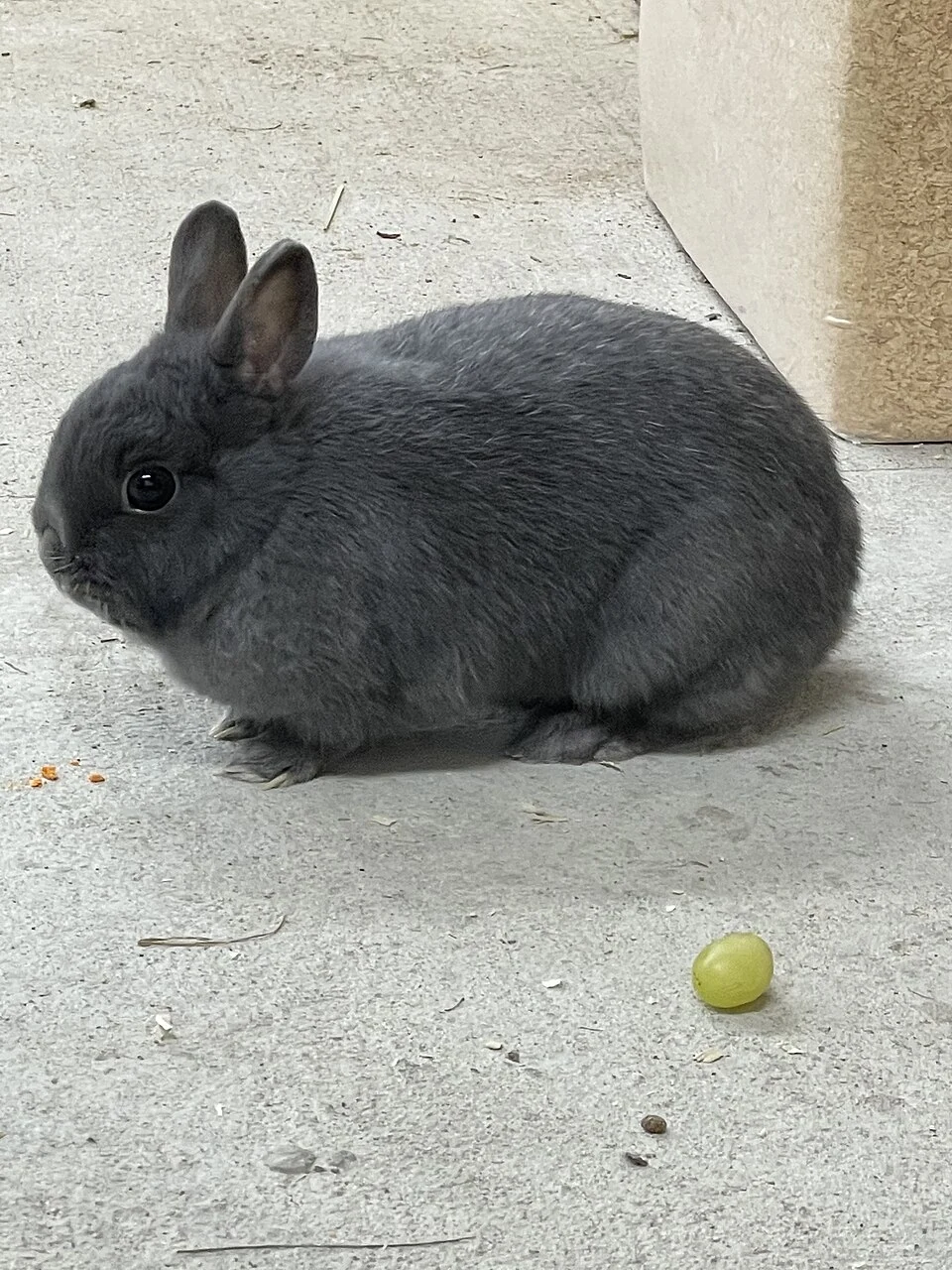
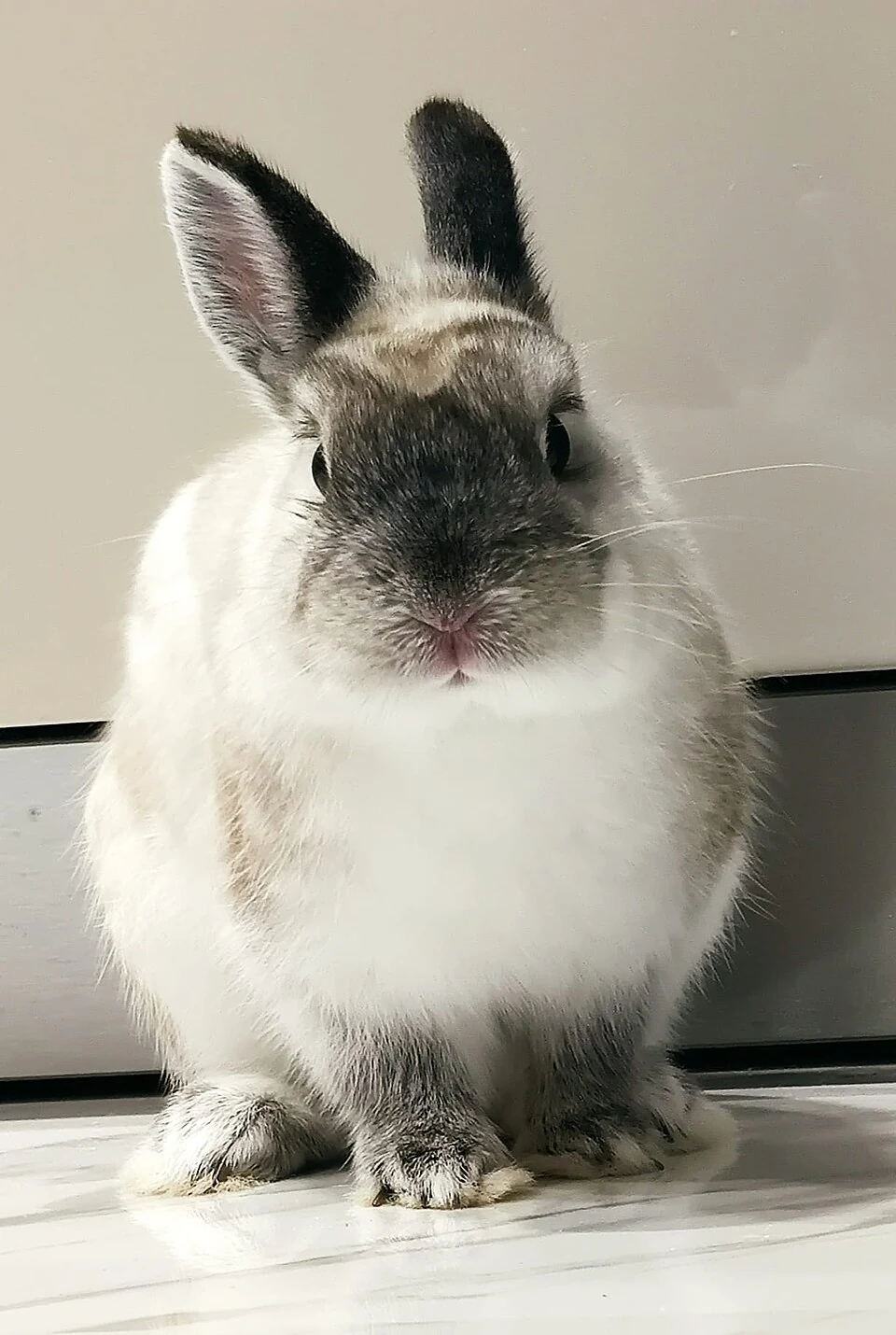
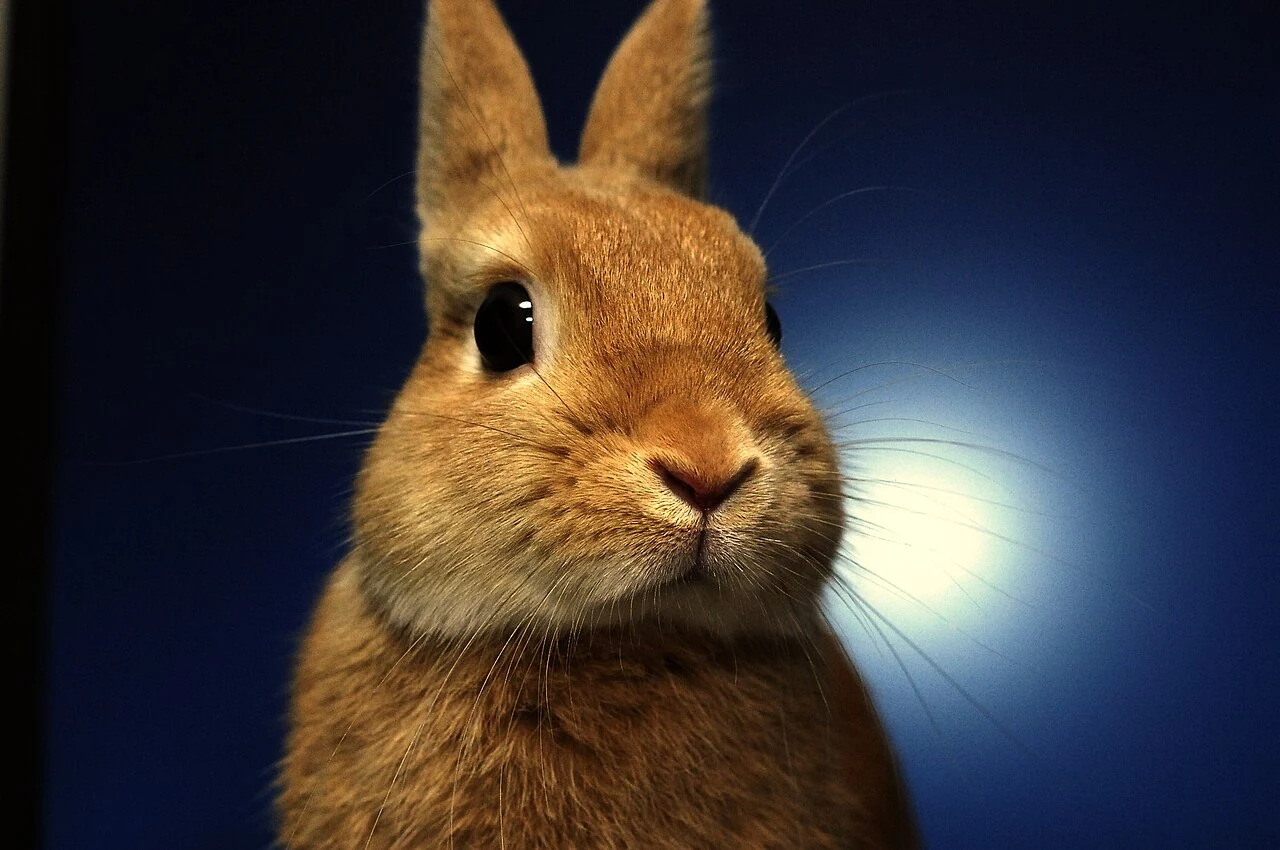
Sources and photo credit
- Recognized BreedsAmerican Rabbit Breeders AssociationNames, origins and adult size
- Die Standard-Fachkommission im ZDRK gibt bekannt (01-2026)Zentralverband Deutscher Rasse-KaninchenzüchterNames, origins and adult size
- Space RecommendationsRabbit Welfare Association & FundRoom to gather speed
- Company for pet rabbitsRSPCAChoosing a rabbit companion
- Keeping rabbits in your homeRSPCARoom to gather speed
- What do rabbits eat?RSPCAFood that takes time to chew
- Noninfectious Diseases of RabbitsMerck Veterinary ManualEating habits and dental checks
- Rabbit Dental Abnormalities: Investigation of Conformational Risk Factors in a Pedigree Rabbit PopulationJackson, Betts, Hedley & Burn, Animals 2025Eating habits and dental checks
- Pet rabbits: Handling rabbitsRSPCAGetting to know each other at floor level
- Understanding rabbit behaviourRSPCAGetting to know each other at floor level
- ForagingRabbit Welfare Association & FundGetting to know each other at floor level
- How to keep your rabbit healthyRSPCAEating habits and dental checks · Preparing for the years ahead
- New to RabbitsRabbit Welfare Association & FundFood that takes time to chew · Preparing for the years ahead
- Creating the right home for your rabbitRSPCARoom to gather speed
Photo credits
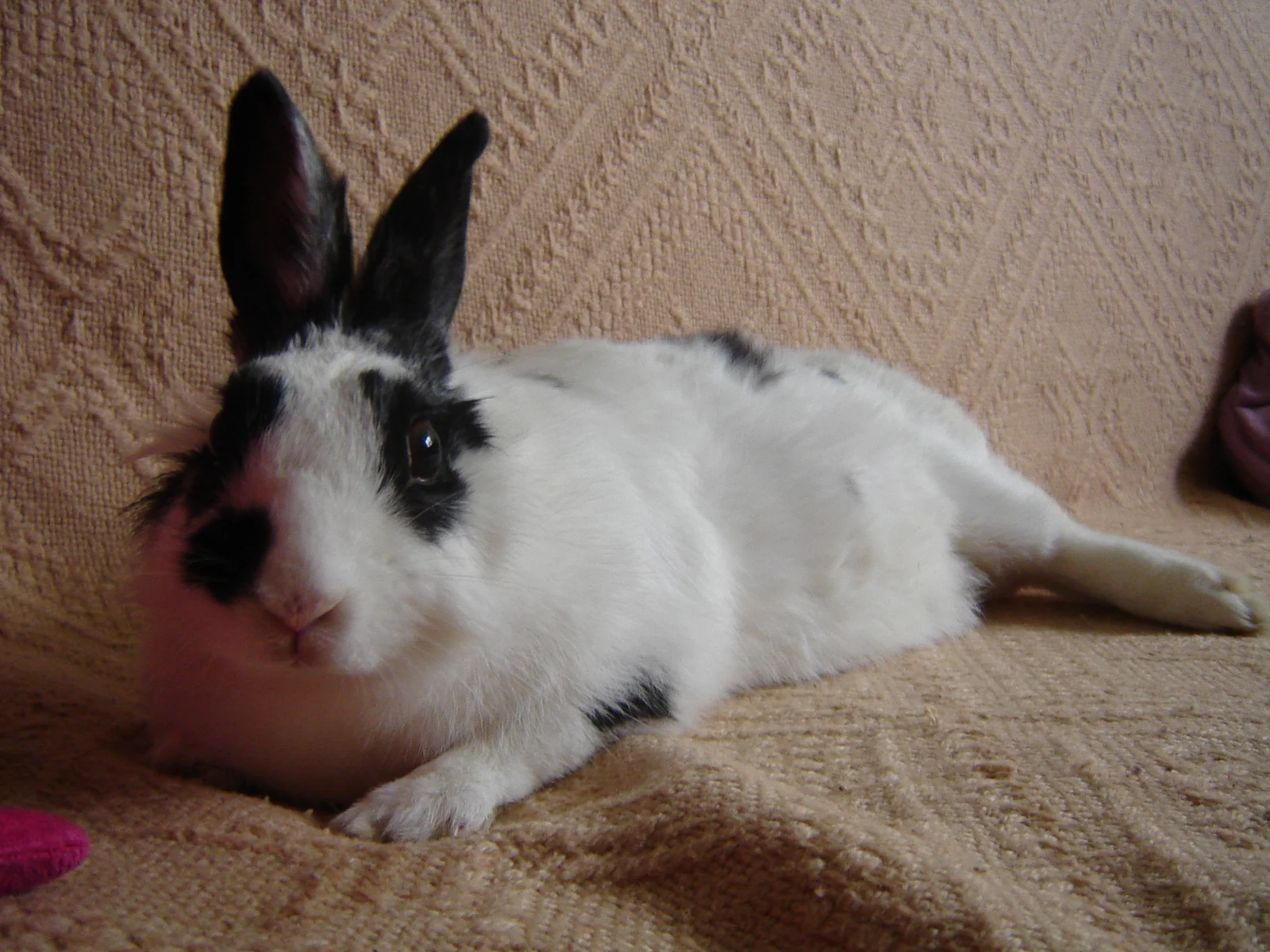
Photo: Conejo Holandés Enano.JPG · Rosellio · CC BY-SA 4.0. Image format adapted.
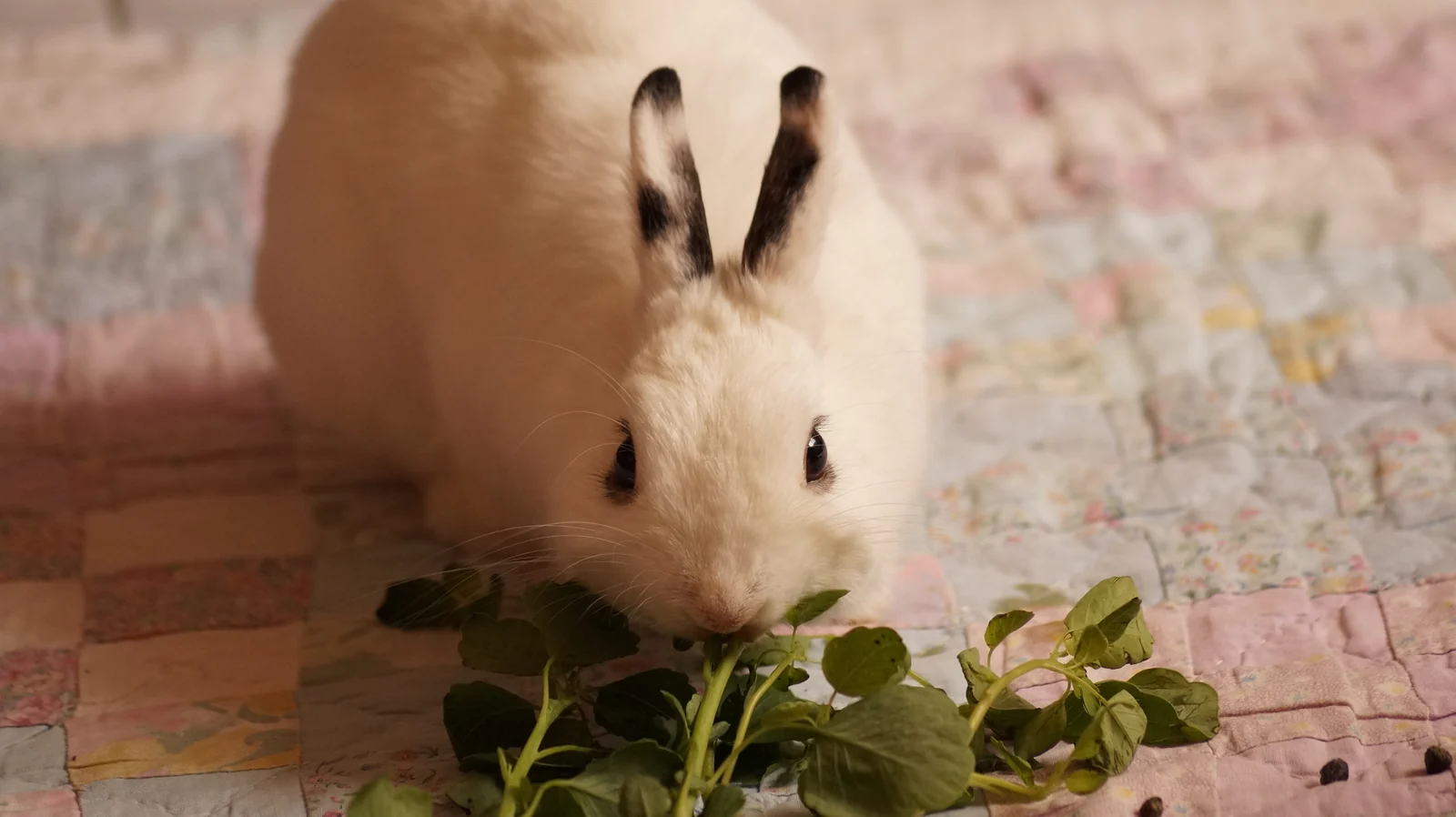
Photo: GreyNetherlandsDwarf.jpg · SulphurS16 · CC BY-SA 4.0. Image format adapted.
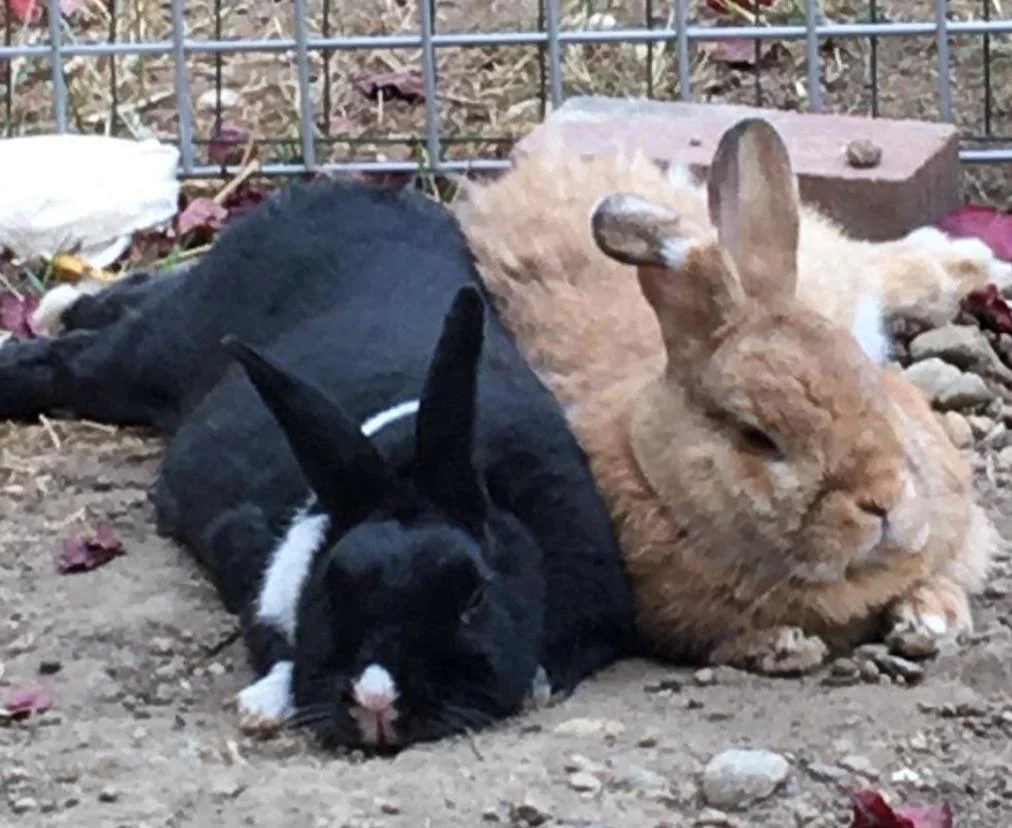
Photo: Netherland Dwarf - Sable Point.jpg · ClearGraphics · CC BY-SA 4.0. Image format adapted.
Photo: Netherlands dwarf rabbit.jpg · Yuki Matsukura · CC BY-SA 2.0. Image format adapted.