fellfolio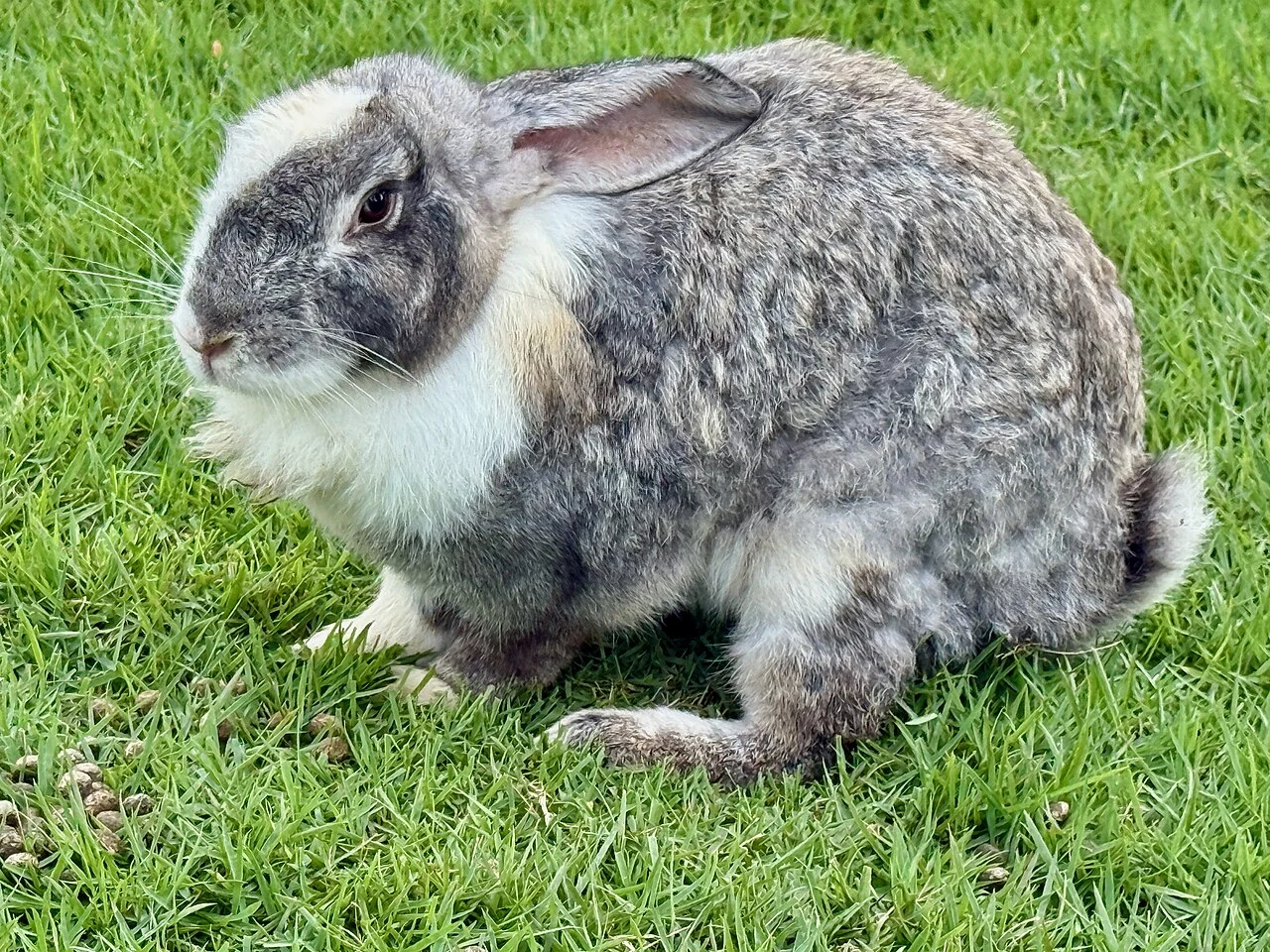
Names that are easy to confuse
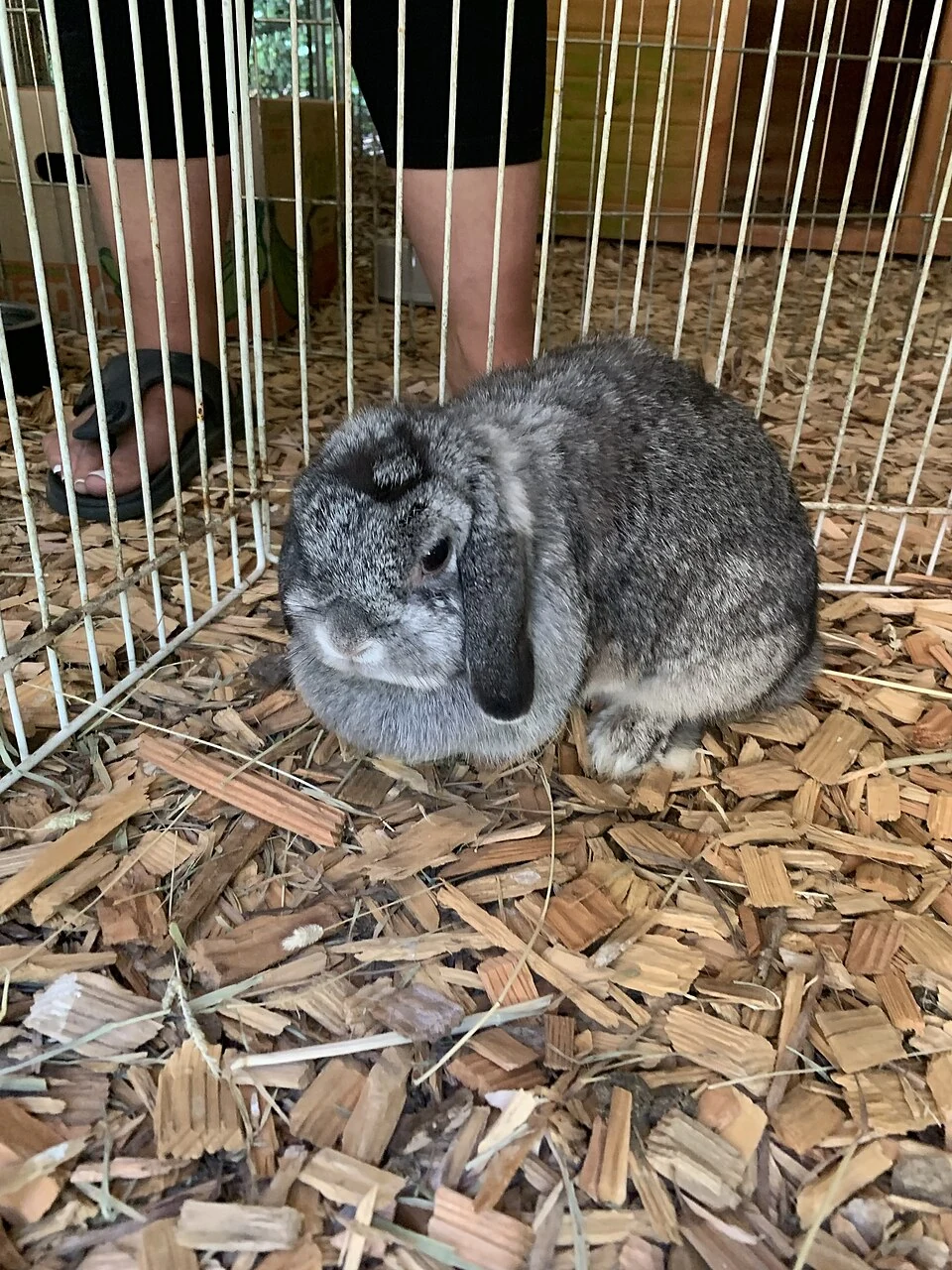
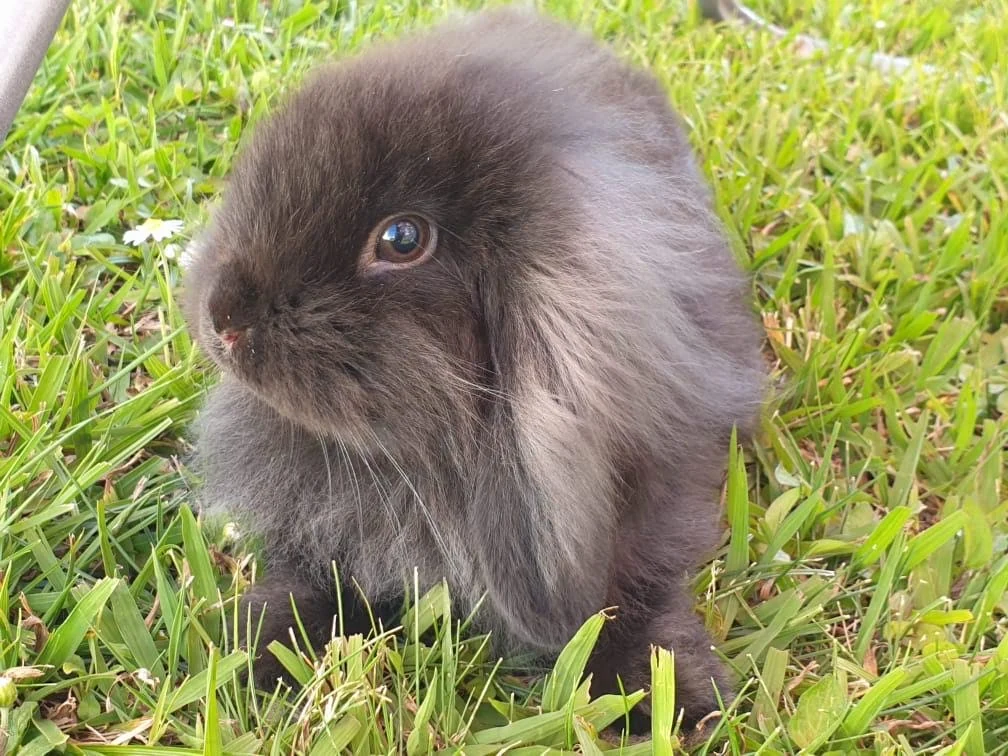
Dutch breeder Adriann de Cock developed the Holland Lop as a smaller relative of the French Lop. The American Rabbit Breeders Association, or ARBA, recognised it in 1979. Its US maximum show weight is 4 lb, about 1.81 kg. In Britain, the British Rabbit Council lists the small lop breed as Mini Lop.
In the United States, Mini Lop instead refers to a separate, larger breed with a maximum show weight of 6.5 lb, about 2.95 kg. The German breeders’ association ZDRK lists Zwergwidder under its own standard. Country and association should therefore accompany a breed name when rabbits are advertised. The weights below are US show limits rather than feeding targets for your individual rabbit.
| Name | Registry context |
|---|---|
| Holland Lop | US breed, maximum 4 lb under ARBA rules. |
| Mini Lop in Britain | Small lop breed listed by the British association. |
| Mini Lop in the United States | Separate US breed, maximum 6.5 lb under ARBA rules. |
| German Zwergwidder | German breed with its own ZDRK standard. |
Running routes between food and resting places
The enclosure should allow running, standing upright and lying fully stretched out. For two average-sized rabbits, the Rabbit Welfare Association & Fund, or RWAF, recommends a permanently accessible single floor area of at least 3 by 2 metres and a height of 1 metre. Small lops should also have generous exercise space. An extra level cannot replace an open running route at ground level.
Feeding places, water and hides should be easy to reach. Dry, non-slip surfaces help the rabbits run confidently and rest comfortably. Indoors, cables and poisonous plants need to be kept out of reach. An outdoor enclosure needs weather and predator protection as well as escape prevention from the outset. Our detailed housing guide brings the setup and everyday care together.
Read more: Rabbit housing: space, exercise and companionship
Meet the individual behind the appearance
Lop ears tell you little about whether a rabbit enjoys stroking or approaches people cautiously at first. During a visit, you should see how the animal eats, moves and interacts with its rabbit companion. A relaxed response is pleasant to see. Unusual listlessness, however, deserves investigation rather than being interpreted as an exceptionally gentle temperament.
A compatible rabbit companion should be part of the plan. An established pair that gets on well can move home together. When unfamiliar rabbits are being introduced, health and neutering should be discussed beforehand. A prepared neutral area and supervised meetings support a considered start. People can become trusted companions too, but cannot replace the company of another rabbit.
Read more: Bonding rabbits: preparing for a shared home
Food that encourages plenty of chewing
Hay and suitable fresh grass should form most of the diet and be available throughout the day. Hay is dried grass. Long plant fibres support movement through the gut, while thorough chewing helps wear teeth that continue to grow throughout life. Fresh grass from a safe, untreated area should be introduced gradually. Lawnmower clippings are unsuitable because they can ferment quickly.
Leafy greens and familiar herbs add variety. Pellets are compressed pieces of feed and should be offered in an appropriate small daily portion. Muesli mixes can encourage rabbits to select particular ingredients. When moving home, familiar food should be kept initially and changes made gradually. Water should always be within reach. Your vet can help adapt feeding to age and body condition as young rabbits grow into adults.
Read more: Feeding rabbits: hay, greens and everyday habits · Rabbit life stages: from youngsters to older companions
Include ear shape in preventive care
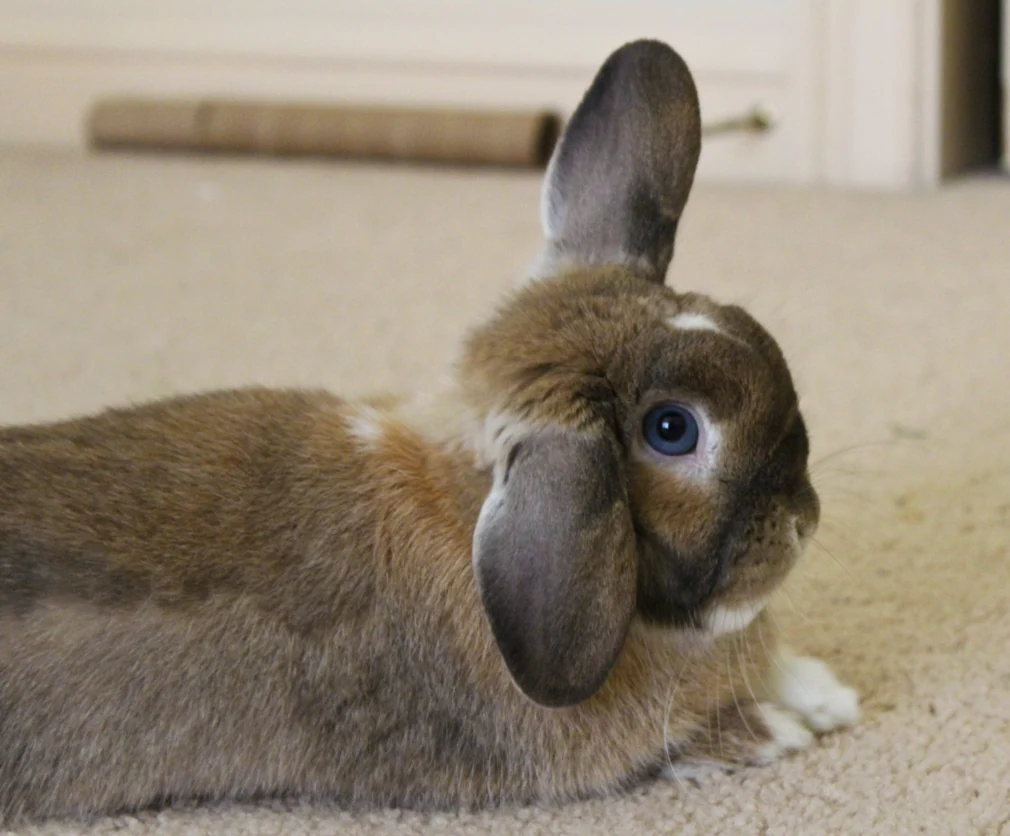
In a lop rabbit, the ear canal can narrow where the ear folds over. Wax and moisture may accumulate more easily, increasing the risk of inflammation and making examination harder. A study of pedigree rabbits found several ear abnormalities more often in lops. This indicates increased risk rather than an illness that every individual will develop.
Routine veterinary checks should therefore include a look inside the ears. A vet uses an otoscope, an instrument with a light and magnification. Head shaking, repeated scratching at an ear, an unpleasant smell or discharge should prompt an examination. A tilted head or problems with balance require prompt veterinary advice. The cause cannot be established from the outside alone. At an appointment, you can ask which changes to watch for at home.
Watch the whole body and offer gentle interaction
Some ear movements are harder to read in lops, so posture and behaviour become especially useful. Does your rabbit approach freely, rest with a relaxed body, or crouch tensely and withdraw? A retreat should be respected by giving it space. With adult supervision, children can enjoy quiet floor-level activities such as placing familiar leaves for the rabbits to find.
An open carrier containing some familiar hay and a favourite leaf can invite exploration. Voluntary entry can be practised before a veterinary trip is needed. Several small food-search spots and a stable tunnel offer other activities, with room for both companions to take part. If lifting becomes necessary, the chest and hindquarters should remain supported. A vet or nurse can demonstrate a suitable hold.
Plan everyday care and preventive appointments
When meeting prospective rabbits, you should ask about previous ear and dental problems, vaccinations and familiar food. Veterinary records help explain any ongoing care needs. At home, eating, droppings and movement should be observed daily. A clear reduction in food intake or very few droppings needs immediate veterinary advice.
The cost calculator helps bring together food, bedding, preventive care and possible treatment expenses for both rabbits. Our small-pet finder offers guidance on space, time and interaction if you are still comparing species. Holidays also need a reliable carer, and an emergency vet should be easy to contact. Our guide to young, adult and senior rabbits explains how care and activities develop over the years.
Read more: Rabbit life stages: from youngsters to older companions · Which small pet suits your home? Six rodents compared
Common questions
Are Holland Lop and Mini Lop the same name?
British descriptions use Mini Lop for the small lop breed. The US Mini Lop is a separate, larger breed, while German Zwergwidder follow their own standard. Country and association should be considered when comparing names.
Why should a lop have regular ear examinations?
The folded ear shape can narrow the ear canal and encourage wax to accumulate. A veterinary examination can reveal changes that are not visible from the outside.
Are small lops always especially calm?
Behaviour varies with the individual, previous experiences and health. During a visit, you should have the chance to see active moments too. Unusual listlessness should be examined.
A closer look
Sources and photo credit
- Recognized BreedsAmerican Rabbit Breeders AssociationNames that are easy to confuse
- Rabbit BreedsBritish Rabbit CouncilNames that are easy to confuse
- Die Standard-Fachkommission im ZDRK gibt bekannt (01-2026)Zentralverband Deutscher Rasse-KaninchenzüchterNames that are easy to confuse
- Space RecommendationsRabbit Welfare Association & FundRunning routes between food and resting places
- Keeping rabbits in your homeRSPCARunning routes between food and resting places
- Company for pet rabbitsRSPCAMeet the individual behind the appearance
- What do rabbits eat?RSPCAFood that encourages plenty of chewing
- Nutrition of RabbitsMerck Veterinary ManualFood that encourages plenty of chewing
- Caring for rabbits with brachycephalyRSPCAInclude ear shape in preventive care
- Rabbit conformational predispositions to ear abnormalities: Field study of a pedigree populationJackson, Betts, Hedley & Burn, The Veterinary Journal 2026Include ear shape in preventive care
- How to keep your rabbit healthyRSPCAMeet the individual behind the appearance · Include ear shape in preventive care · Plan everyday care and preventive appointments
- Understanding rabbit behaviourRSPCAMeet the individual behind the appearance · Watch the whole body and offer gentle interaction
- Pet rabbits: Handling rabbitsRSPCAWatch the whole body and offer gentle interaction
- ForagingRabbit Welfare Association & FundWatch the whole body and offer gentle interaction
- New to RabbitsRabbit Welfare Association & FundFood that encourages plenty of chewing · Plan everyday care and preventive appointments
- Creating the right home for your rabbitRSPCARunning routes between food and resting places
Photo credits
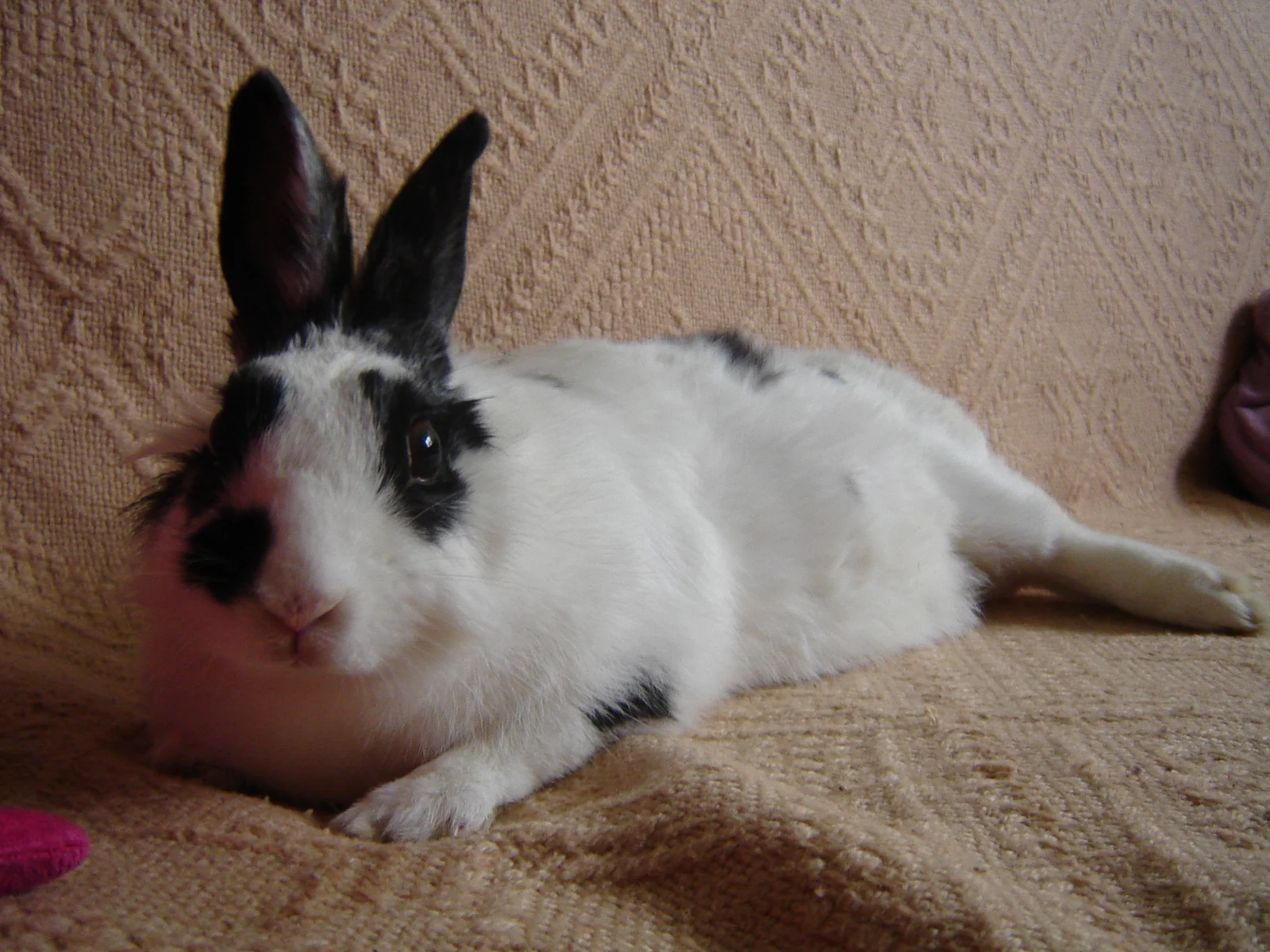
Photo: A Holland Lop.jpg · Oleg Yunakov · CC BY-SA 4.0. Image format adapted.
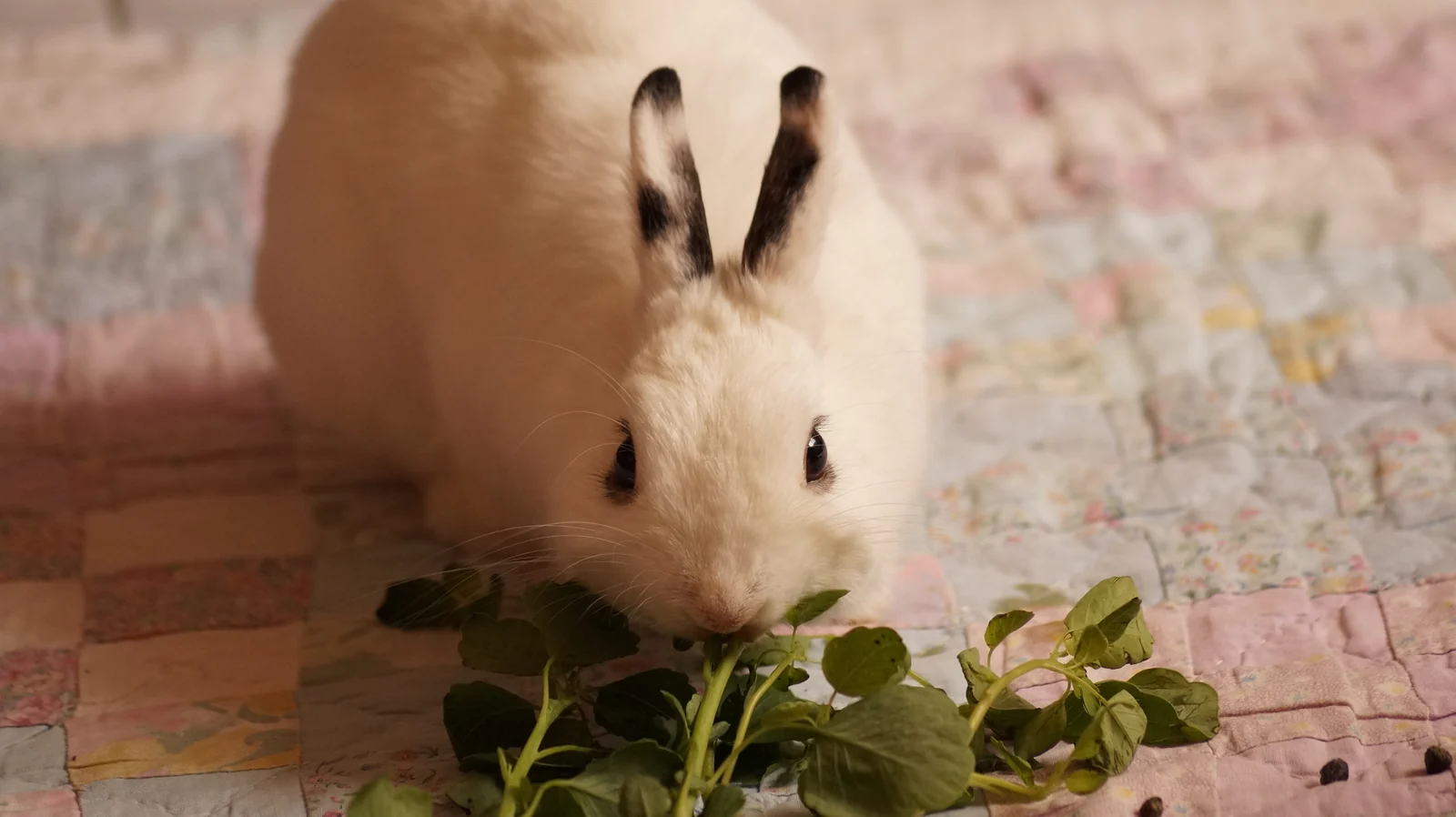
Photo: A grey holland lop rabbit.jpg · Kippo44 · CC BY-SA 4.0. Image format adapted.
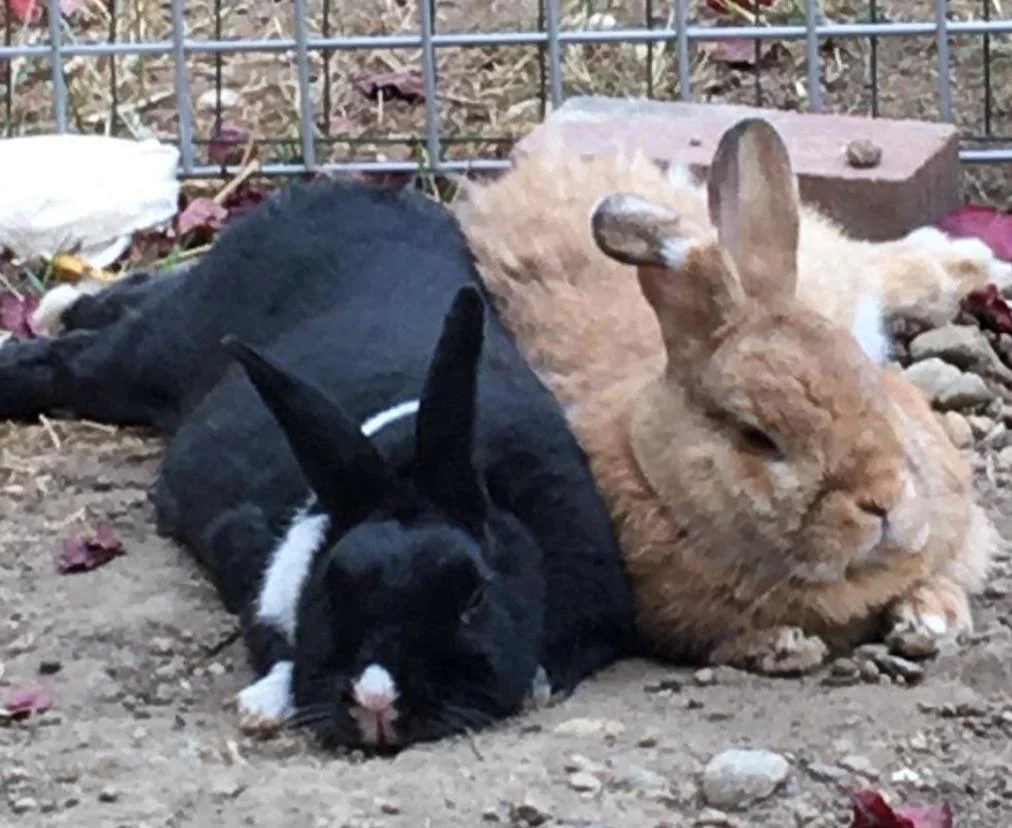
Photo: Holland Lop outside.jpg · Sara Celis Camuesco · CC0. Image format adapted.
Photo: Holland Lop.jpg · Vanillakirsty · CC BY-SA 4.0. Image format adapted.