fellfolio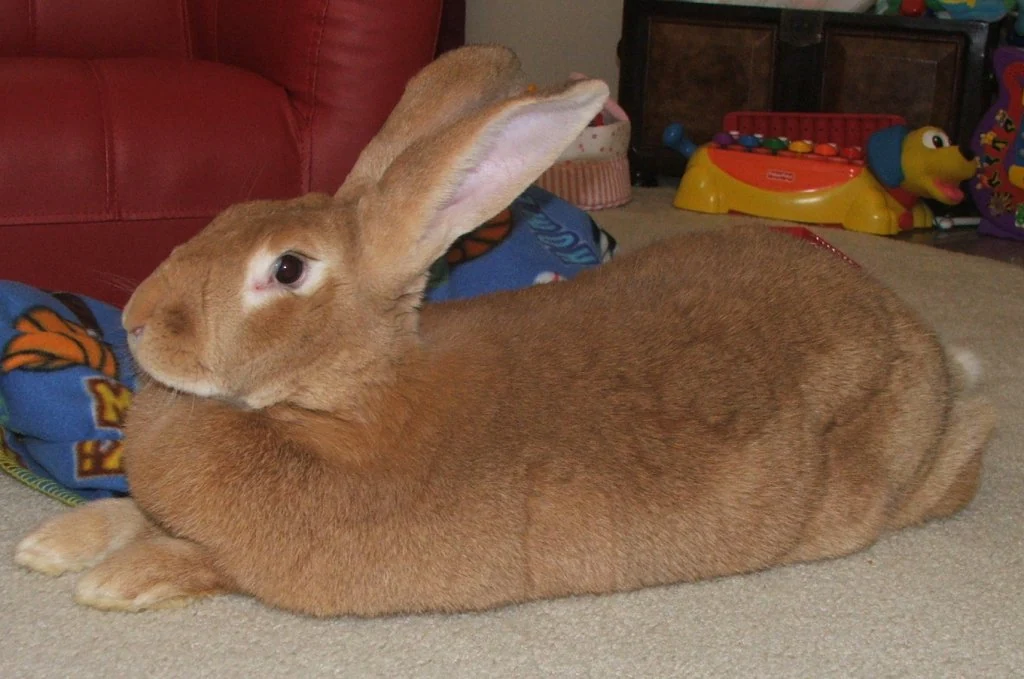
Large rabbits with varied backgrounds
Large rabbits were historically bred for agricultural purposes as well as other uses. The Flemish Giant is associated with Flanders, while different countries developed their own breeding descriptions. That history explains the background of today’s companions; it does not make former housing practices appropriate for a modern home.
Weight varies considerably between breeds, lines and individuals. One fixed figure would misrepresent the entire group. Someone taking in a youngster should know its parents and growth history or allow generous space for an uncertain adult size. A very large domestic rabbit is still a rabbit. Hares differ in matters including reproduction and early development; body size alone does not distinguish the two groups.
Sources for this section
- Recognized BreedsAmerican Rabbit Breeders Association
- Rabbits in the wildRSPCA
Turning body size into practical dimensions
A rabbit needs to stretch out, stand upright and make several consecutive hops comfortably. With giants, simply buying accessories labelled large is insufficient. Usable internal measurements matter. A litter tray must allow turning, and its entrance should be manageable for the individual.
Hides need sufficiently large openings and preferably another exit. Narrow points can create conflict when one animal blocks the route. Secure footing matters along every important pathway. Slippery laminate may leave rabbits using only a few safe islands even in a large room. Washable, firmly positioned surfaces can connect those areas. Materials should be checked for chewing and replaced with a more suitable option if ingestion becomes a concern. The arrangement should remain easy to clean without repeatedly dismantling the animals’ familiar routes.
Read more: Rabbit housing: space, exercise and companionship
Sources for this section
- Creating the right home for rabbitsRSPCA
- Space recommendationsRabbit Welfare Association & Fund
- Keeping rabbits in your homeRSPCA
Checking feet and comfortable movement
Large, heavy rabbits particularly need appropriate flooring. Sustained pressure, dampness or friction can damage the skin on their feet. Redness, bare or sore areas and changes in posture deserve early veterinary assessment. Treatment is more useful when the everyday cause is investigated too.
Wire flooring is unsuitable as a walking surface. Exclusively hard, rough or wet areas can also create problems. Well-maintained dry spaces with some cushioning and opportunities to move are useful foundations. In older or overweight animals, joints, claws and body condition should be considered as well. Pain can reduce movement and self-grooming, allowing further problems to develop. A small change in the home may help, but recurring sores require a broader assessment.
Read more: Daily rabbit care: noticing small changes · Rabbit life stages: from youngsters to older companions
Sources for this section
Companionship and safe practical care
Giant rabbits need compatible rabbit company. Similar size can make furnishings easier to arrange, but it does not determine whether a pair will get along. Behaviour, previous relationships and carefully planned introductions matter. An experienced rescue can help find suitable animals.
People should approach interaction at floor level where possible. A large rabbit can be difficult to support securely when lifted and may be injured in a fall. An experienced professional should demonstrate safe handling for necessary examinations or travel. A robust carrier with a suitable opening, secure footing and adequate room needs to be available before the first appointment. The person providing transport should also be able to lift and carry it safely with the rabbit inside.
Read more: Bonding rabbits: preparing for a shared home
Sources for this section
Organising greater food and care requirements
Larger animals require more supplies, bedding and clean storage space. Feeding still centres on hay and suitable grass. Additions reflect body condition and individual need. A large quantity of energy-dense pellets does not replace the time spent eating fibrous forage.
Both members of a pair should be observed eating. Different requirements may call for individually offered supplements without permanently separating companions. Regular weighing helps reveal gradual change. Suitable scales need to hold the animal securely and accommodate its weight. Markedly reduced appetite or absent droppings require immediate contact with a rabbit-experienced practice. Weight loss or other changes in droppings should also be assessed promptly. Recording which rabbit ate and what changed is more useful than simply noting that the shared bowl was emptied.
Read more: Feeding rabbits: hay, greens and everyday habits
Sources for this section
- What do rabbits eat?RSPCA
- Nutrition of RabbitsMerck Veterinary Manual
- How to keep your rabbit healthyRSPCA
Common questions
Are giant rabbits especially relaxed?
Some individuals appear easy-going, while others are very active. Opportunities for movement remain important. Unusual inactivity can also reflect discomfort or unsuitable flooring and should not simply be treated as a breed characteristic.
Can a giant rabbit live indoors?
Yes, with a sufficiently large, permanently accessible and safely arranged area. Secure footing, protection from cables and plants, and compatible companionship are part of that plan.
A closer look
Sources and photo credit
- Creating the right home for rabbitsRSPCA
- Space recommendationsRabbit Welfare Association & Fund
- Company for pet rabbitsRSPCA
- Keeping rabbits in your homeRSPCA
- What do rabbits eat?RSPCA
- Nutrition of RabbitsMerck Veterinary Manual
- How to keep your rabbit healthyRSPCA
- Pet rabbits: care, behaviour and welfareRSPCA
- Recognized BreedsAmerican Rabbit Breeders Association
- Rabbits in the wildRSPCA
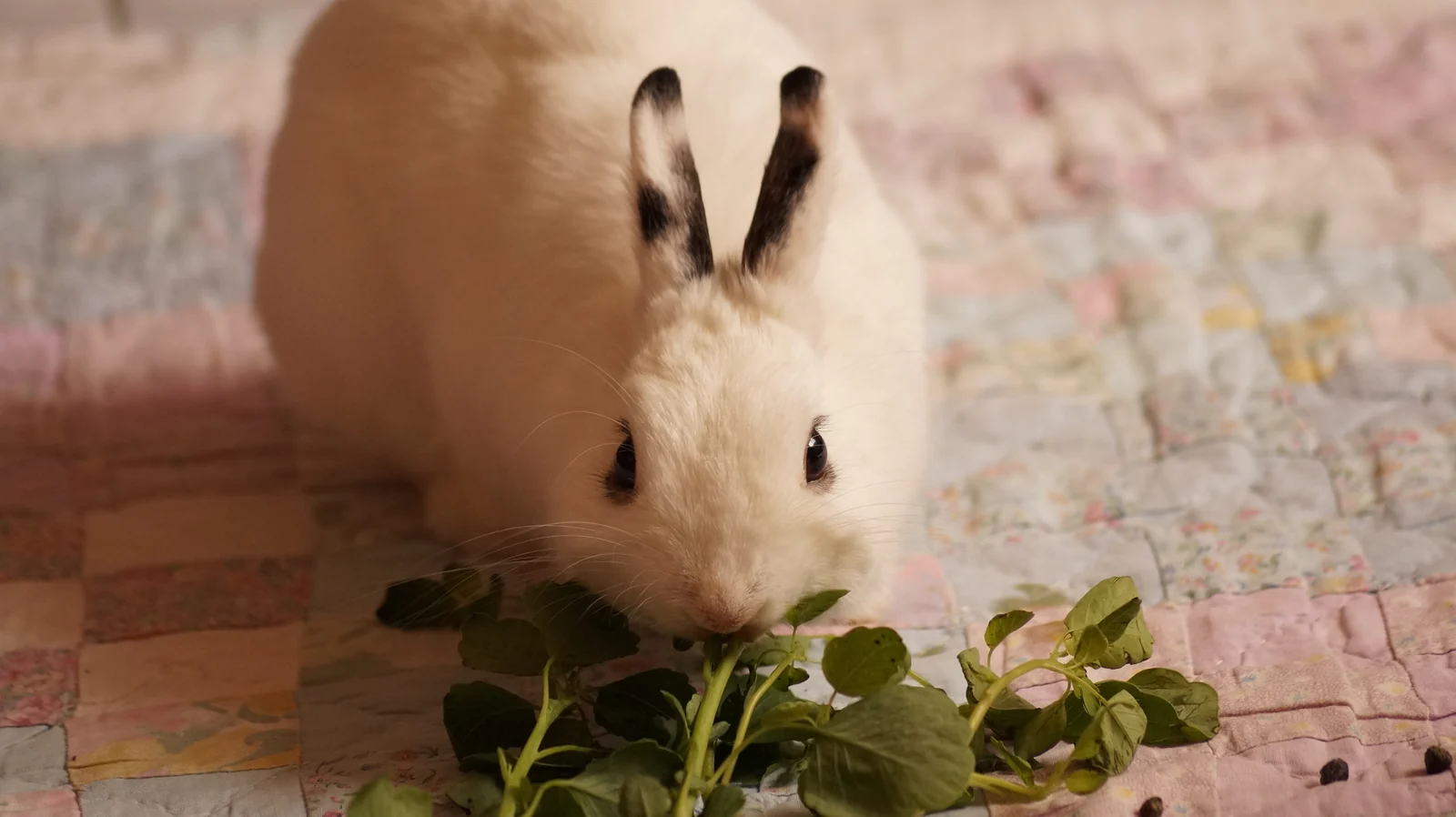
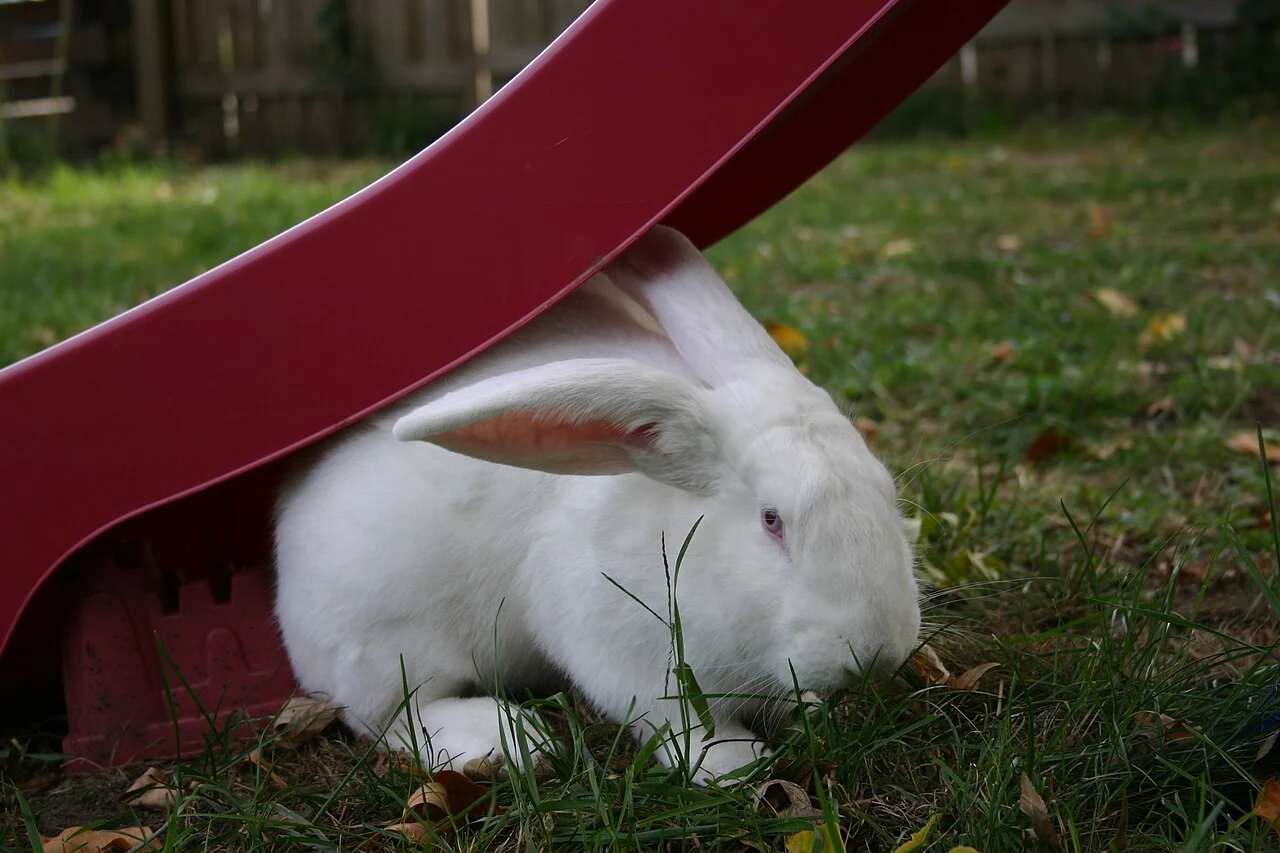
Photo: Female Flemish giant rabbit.jpg · Lithonius at English Wikipedia · Public domain. Resized and converted to WebP; scene unchanged.
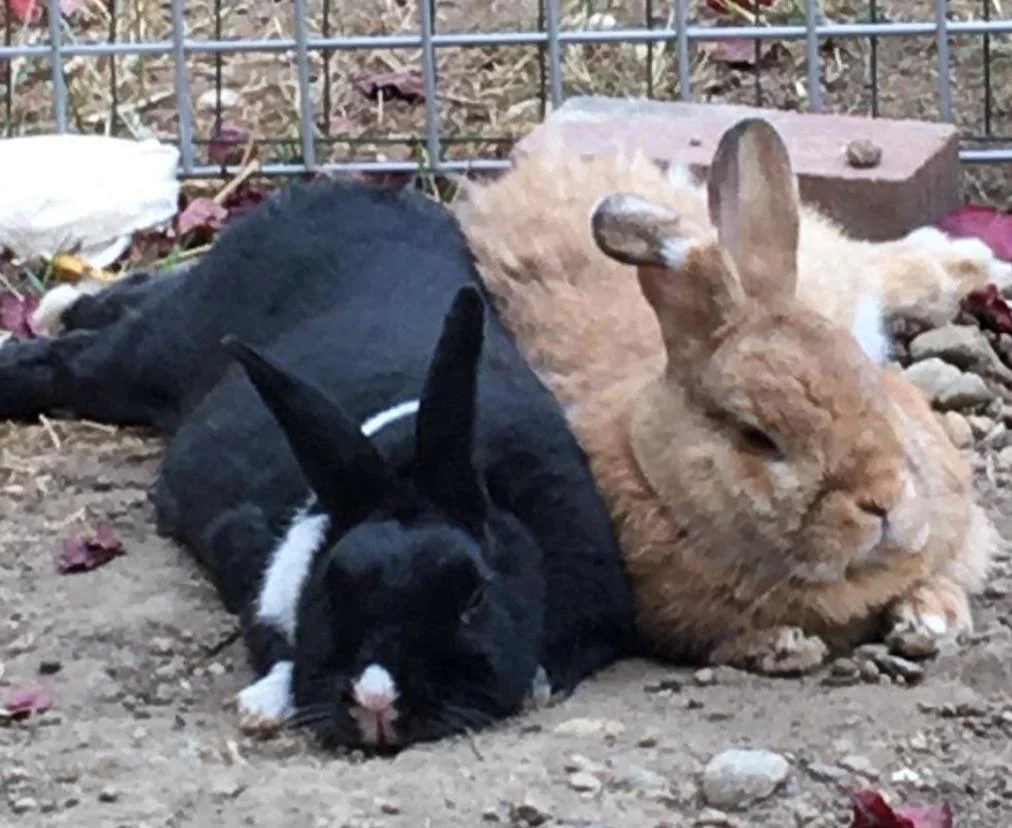
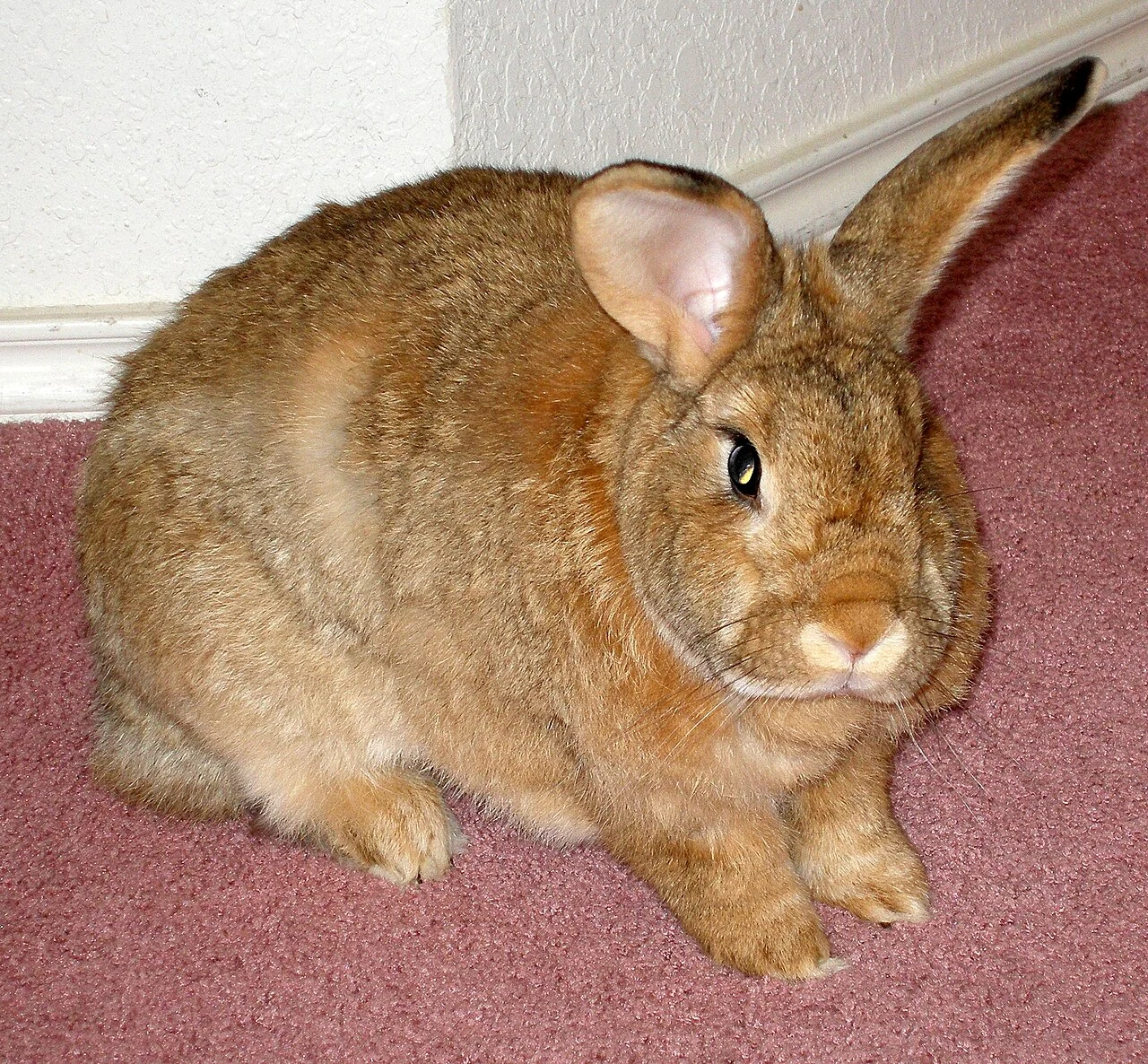
Photo: Flemish Giant 2.jpg · richie graham · CC BY 2.0. Resized and converted to WebP; scene unchanged.
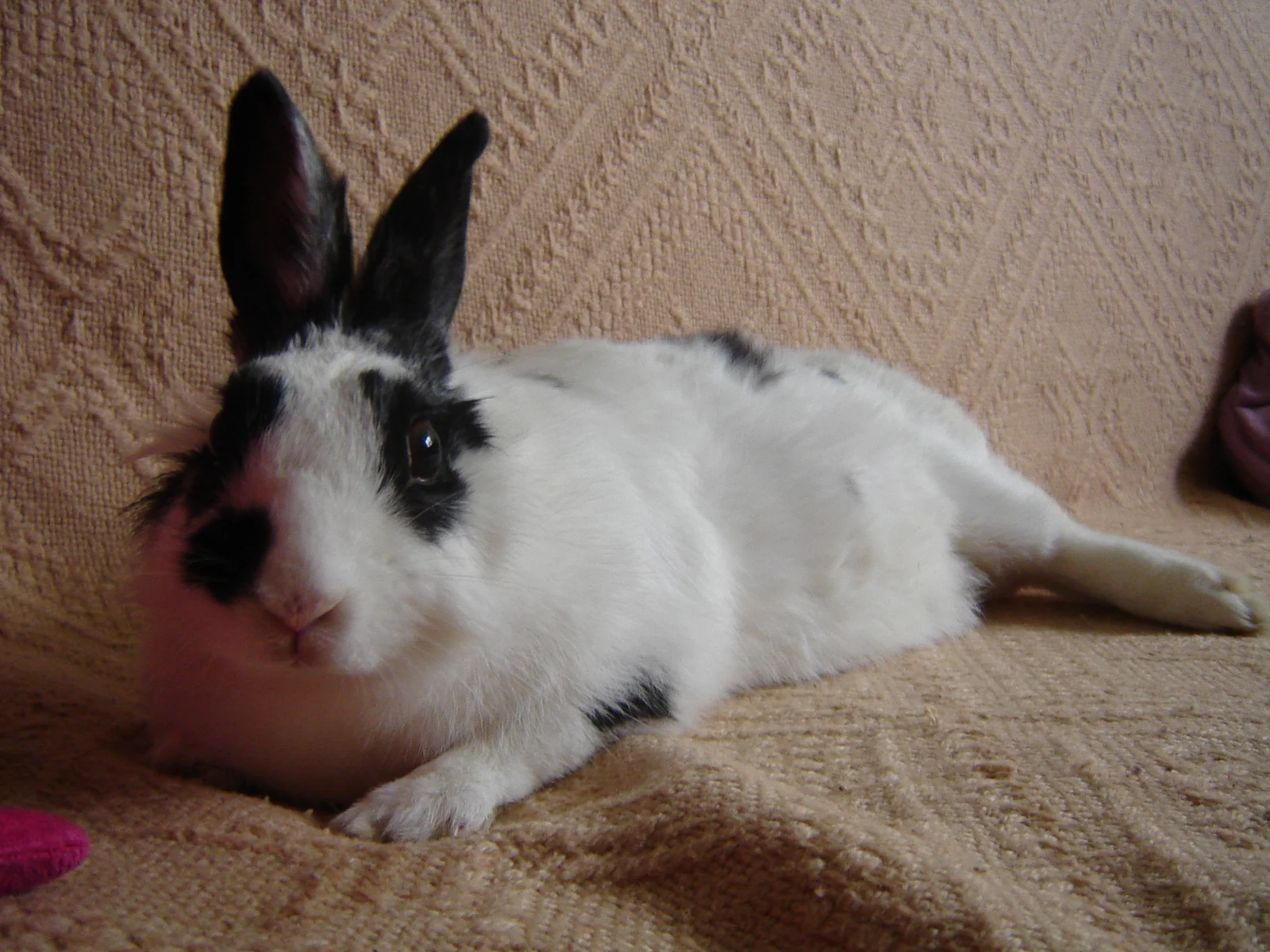
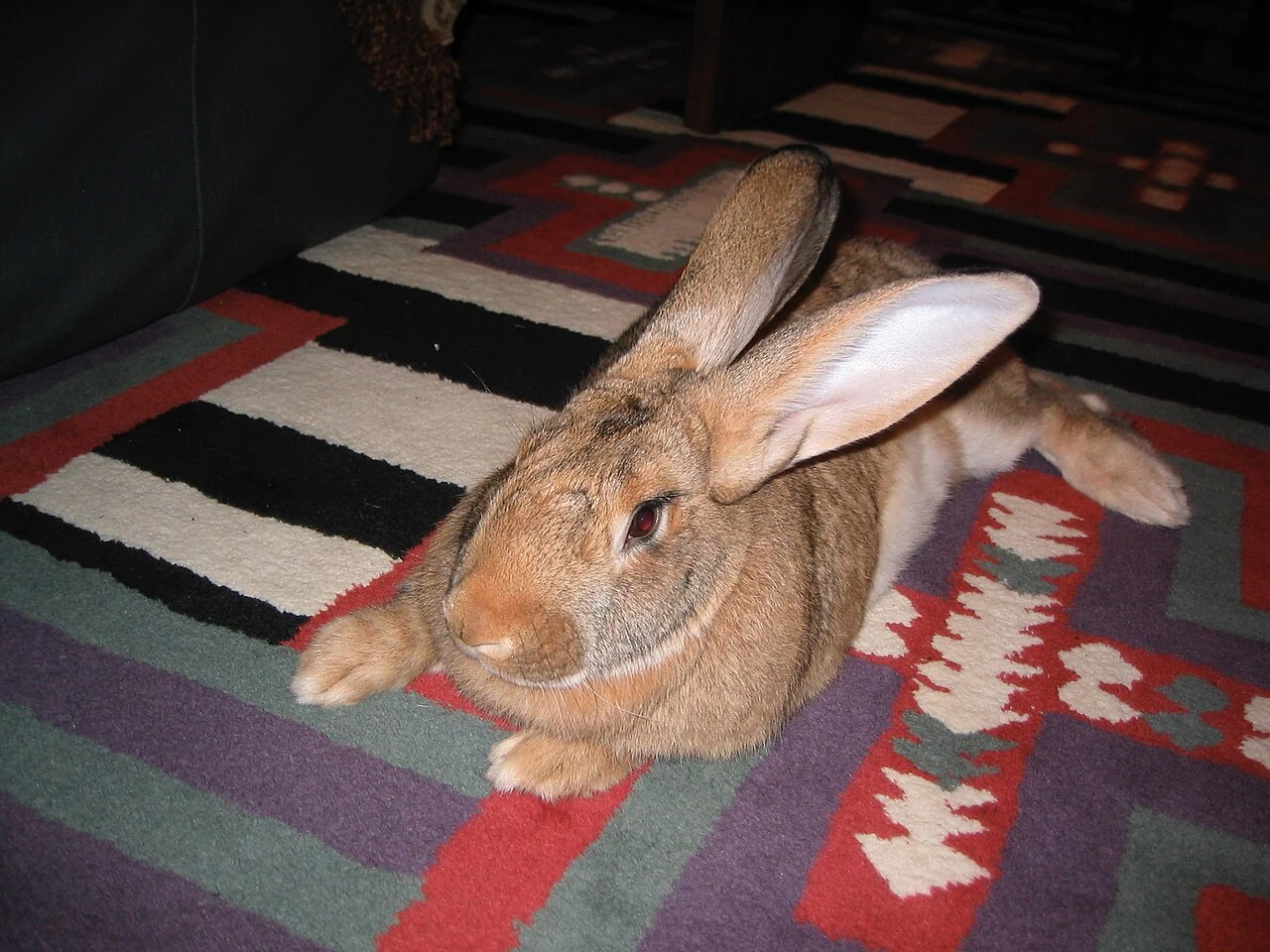
Photo: Trix the rabbit.jpg · KittensMittens2 · CC BY-SA 4.0. Resized and converted to WebP; scene unchanged.
Photo: Sandy Flemish Giant.jpg · Shcaroline · CC BY-SA 4.0. Resized and converted to WebP; scene unchanged.