 fellfolio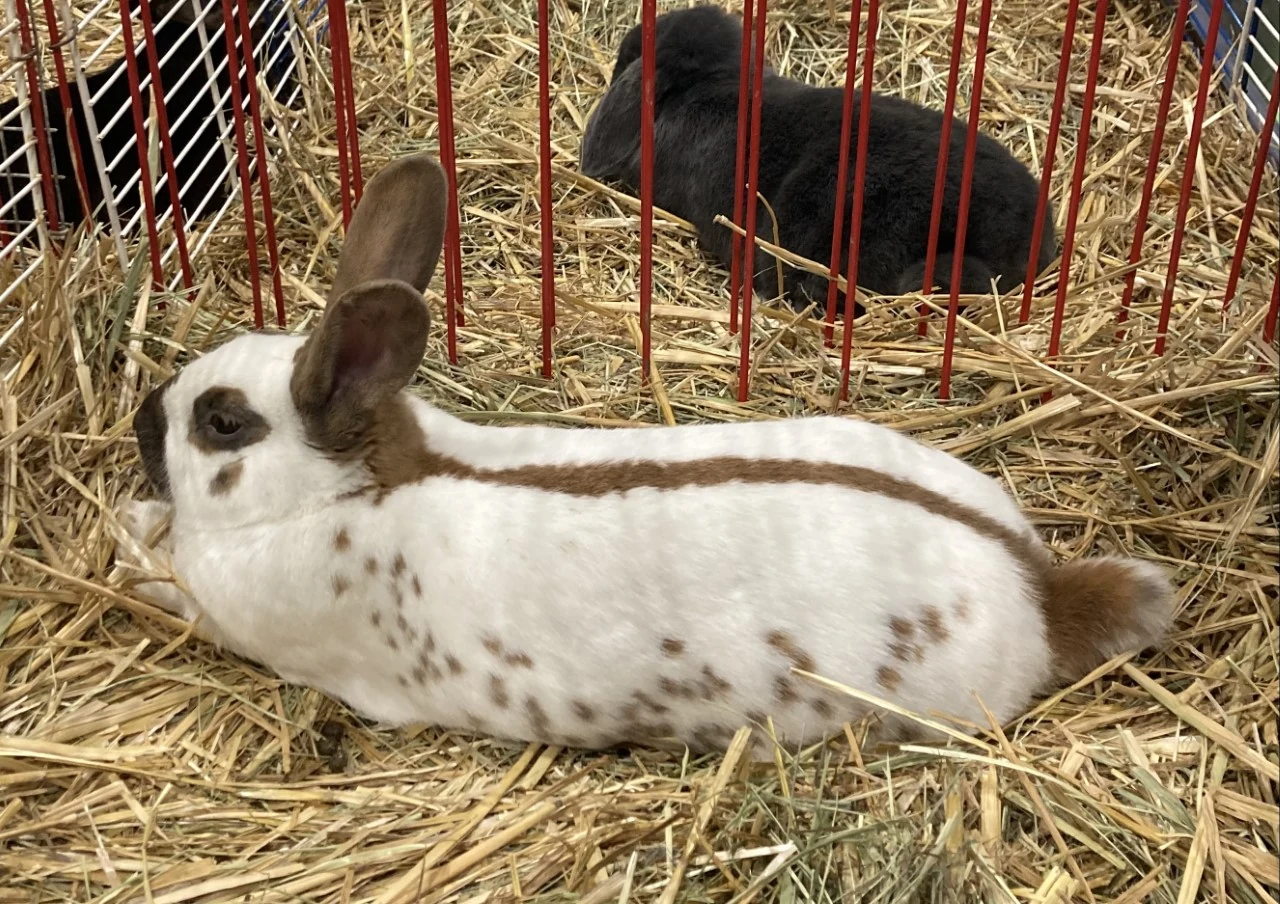
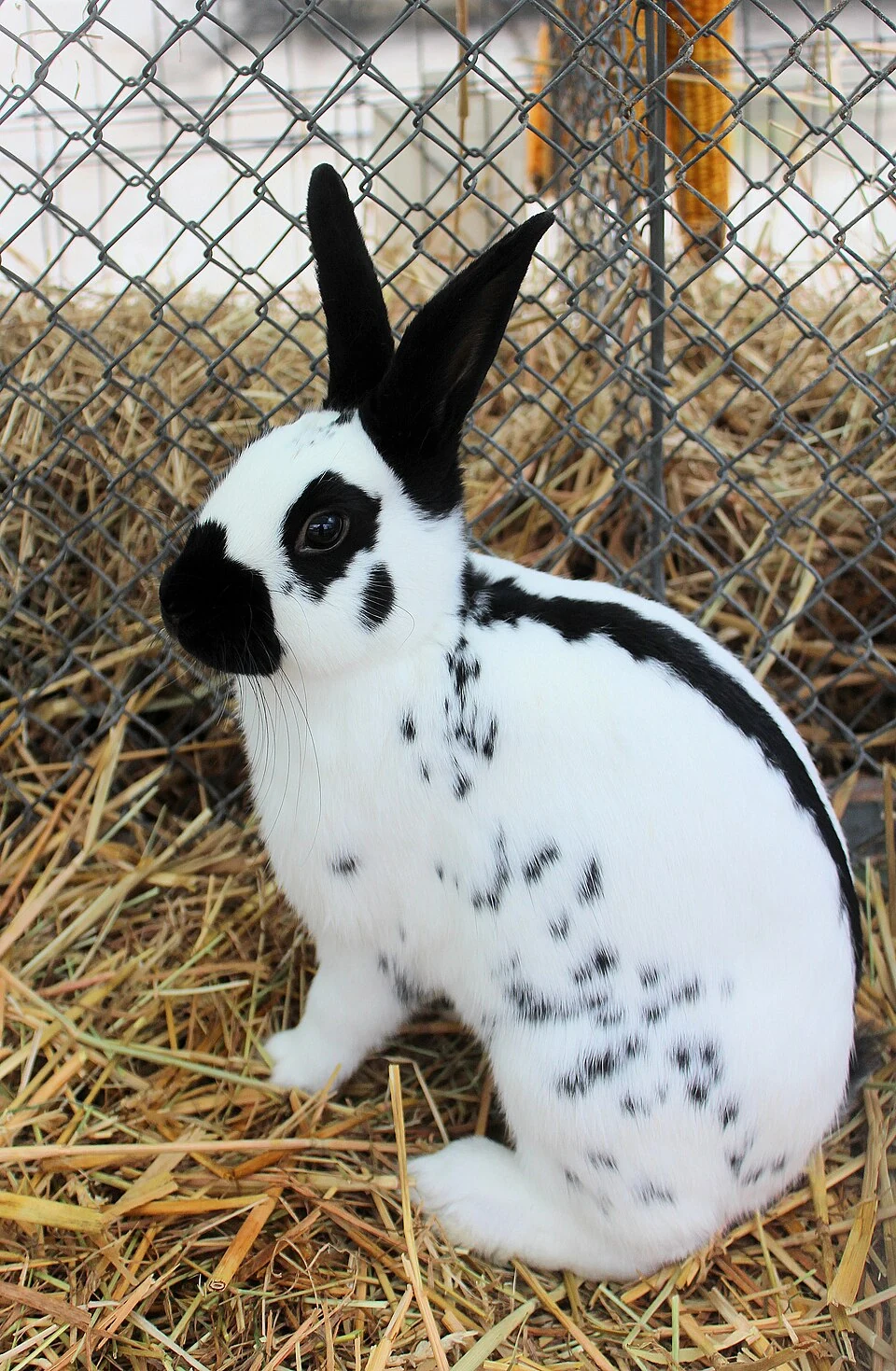
The chain of spots distinguishes the breed
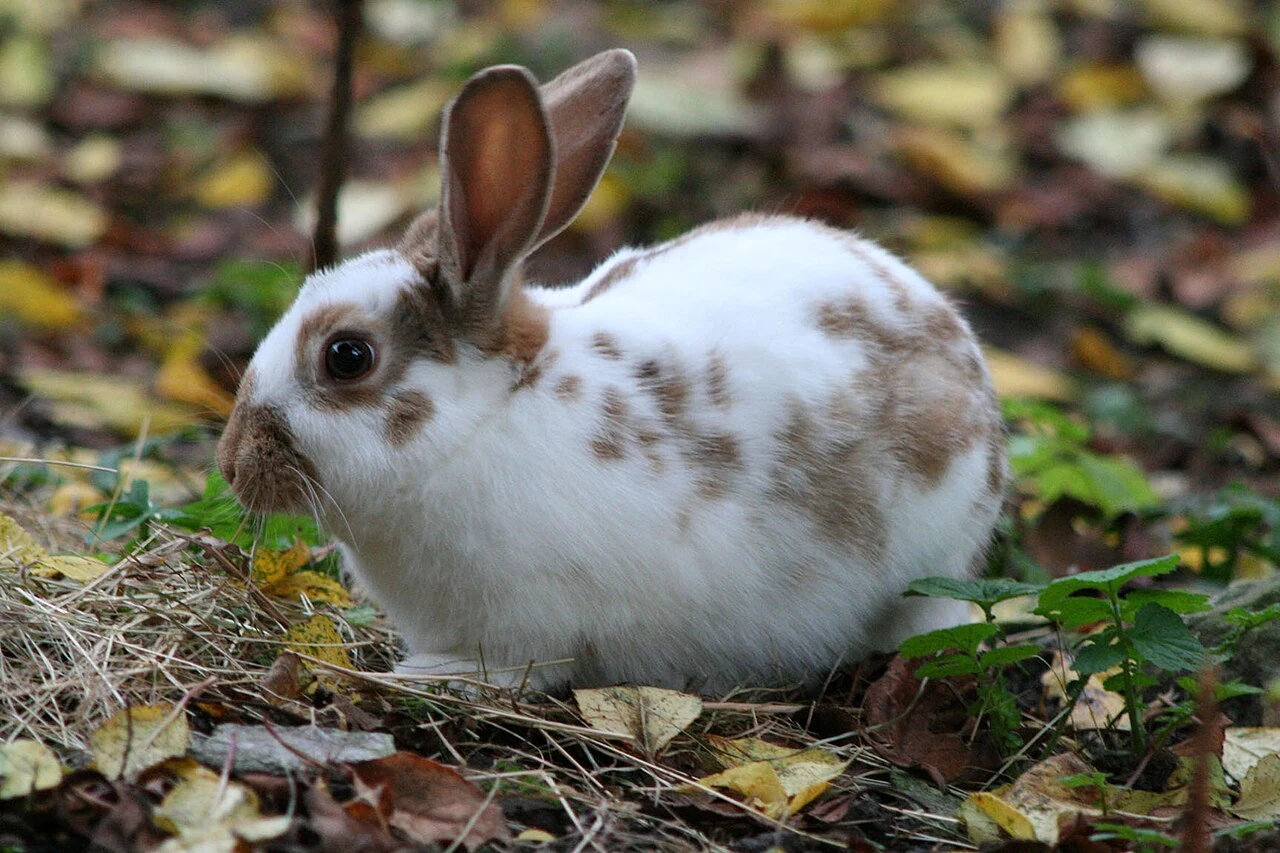
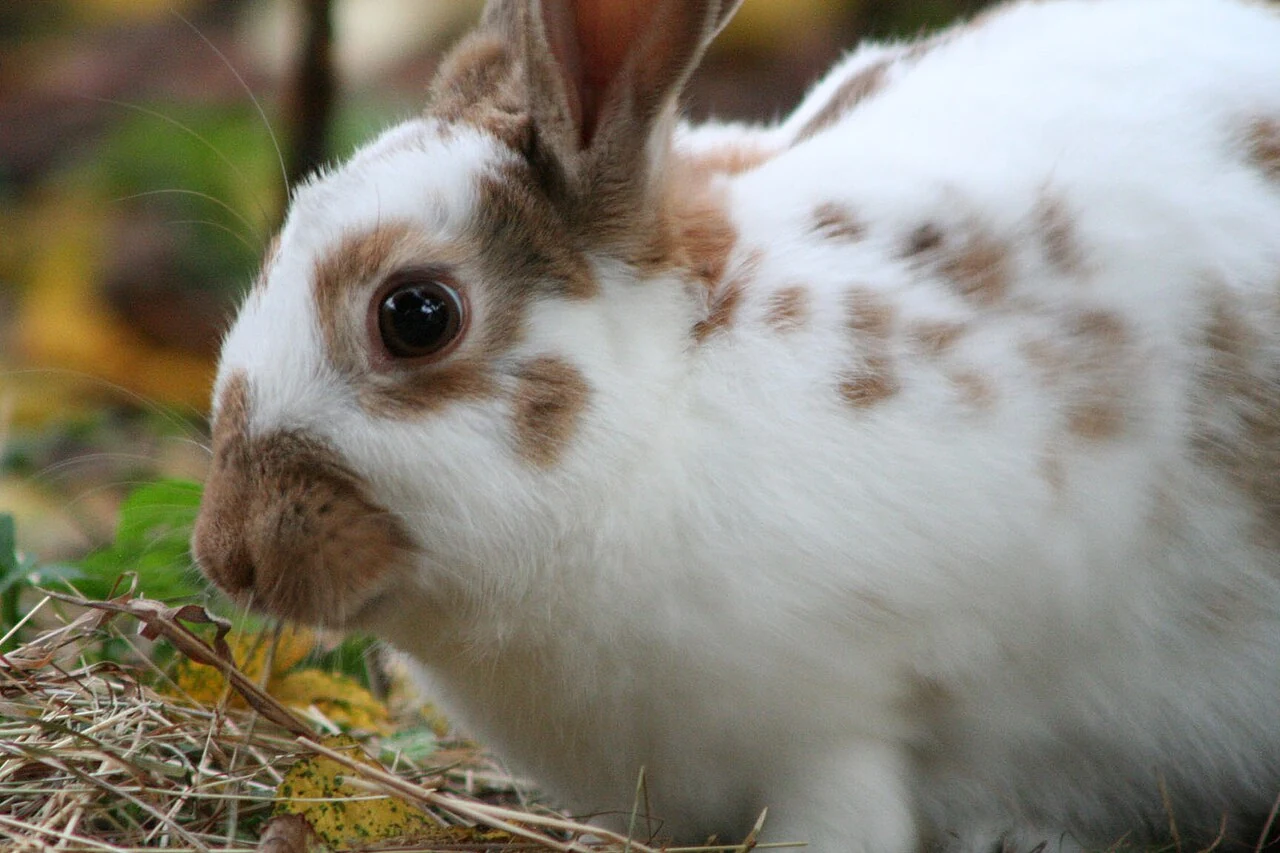
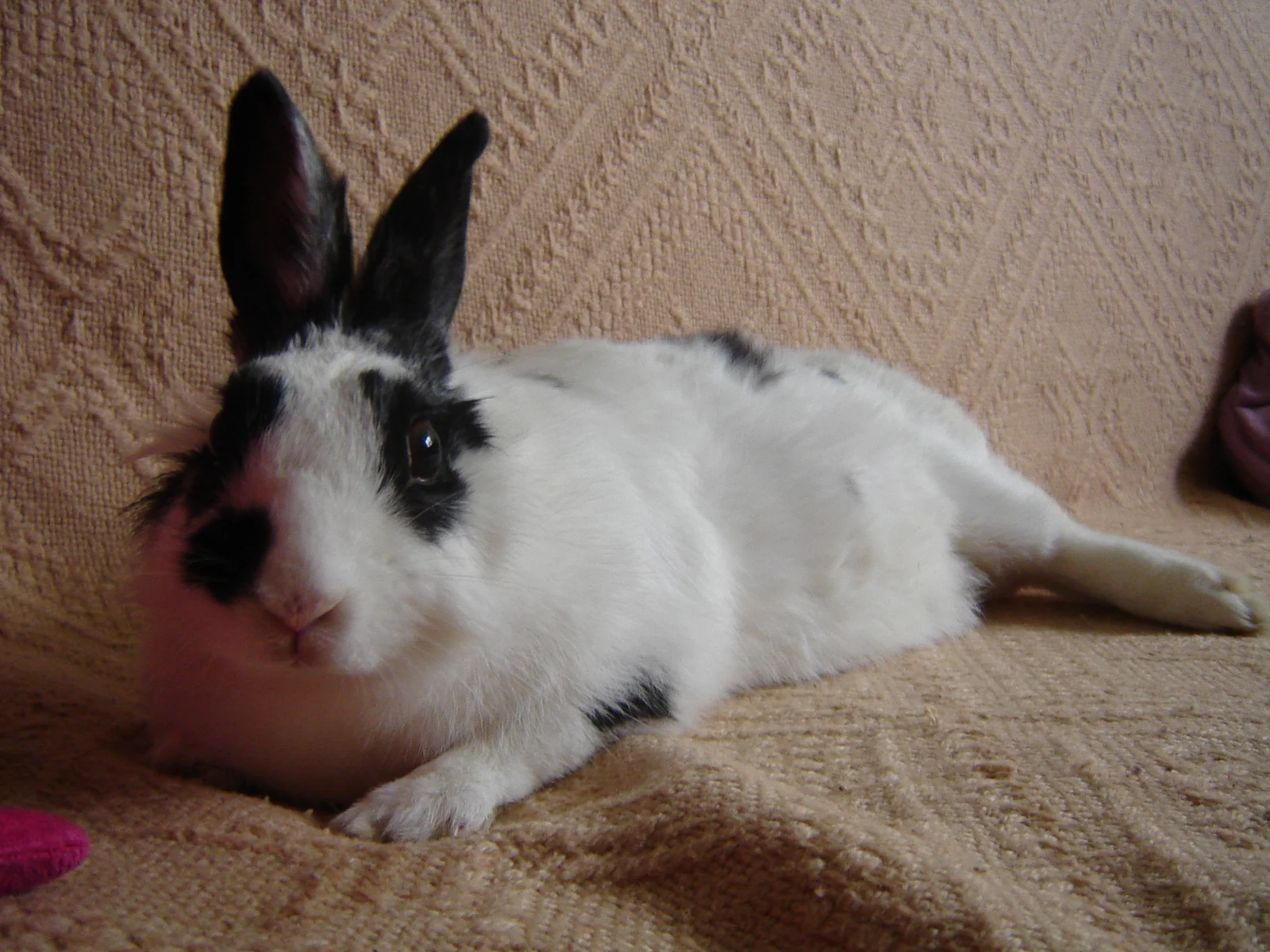
The breed developed in England in the late nineteenth century. Typical markings include dark ears, rings around the eyes, cheek spots and a nose marking resembling a butterfly. A dark stripe runs along the back. Smaller and larger side spots form a chain that becomes more substantial towards the hindquarters.
The German breeders’ working group publishes a 2018 standard giving 2.50 to 3.25 kilograms as the normal show weight. The American Rabbit Breeders Association allows its English Spot a higher maximum show weight of eight pounds, approximately 3.6 kilograms. When choosing hides and carriers, you should therefore consider the individual rabbit’s actual size.
Space that lets a rabbit really run
Long legs need a floor with reliable grip. Smooth tiles or slippery laminate should be supplemented with suitable surfaces that stay in place. Litter trays, feeding areas and shelters should leave a clear route between them. A rabbit should be able to take several energetic hops without continually stopping at a wall or piece of equipment.
The British Rabbit Welfare Association & Fund recommends a permanently accessible area of at least three by two metres, at least one metre high, for two average sized rabbits. Several levels do not replace that floor space. Outdoors, rabbits should have shade, dry sheltered areas and protection against escapes and animals entering the enclosure.
Read more: Rabbit housing: space, exercise and companionship
Living together and building trust
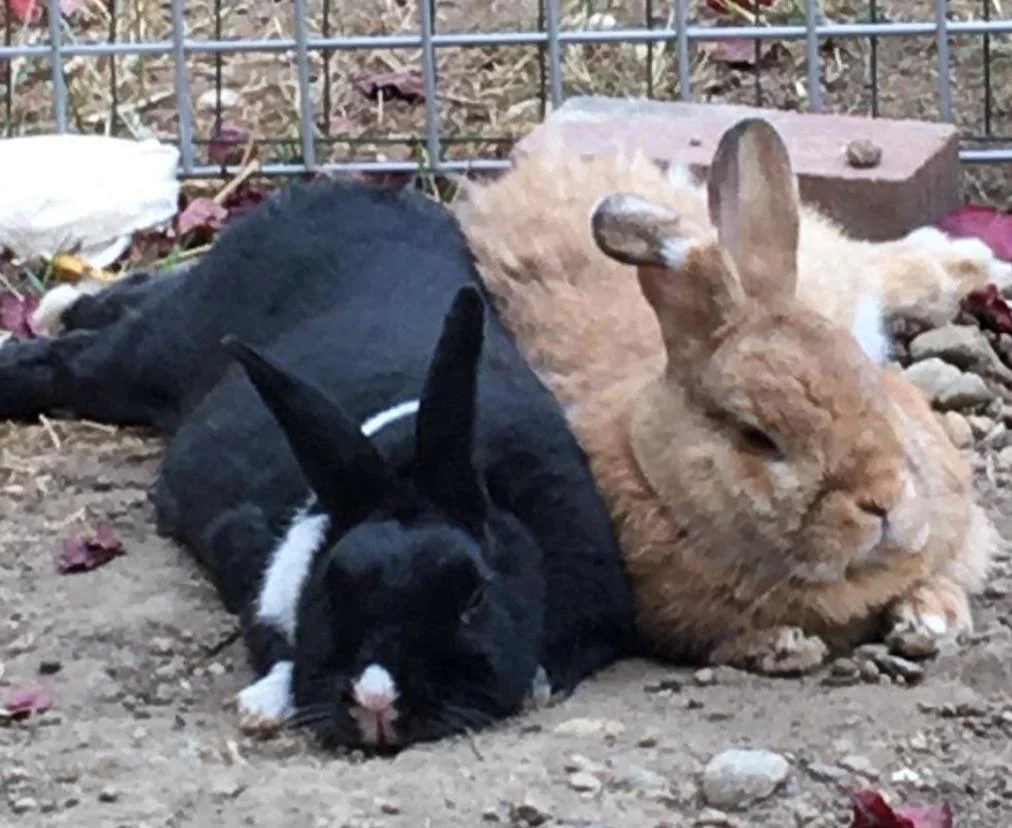
A person cannot replace a rabbit companion. Health, age, behaviour and a suitable size should be considered when choosing a partner. Both rabbits should be neutered. Adopting an established compatible pair can make the beginning easier. Introductions to a new companion should be gradual and supervised.
You can sit on the floor near the rabbits and give them time to approach. A small part of their familiar food can make the encounter pleasant. If a rabbit moves away or enters a hide, you should give it space. Children should learn those signals too. Necessary lifting should be calm, with the chest and hindquarters securely supported.
Read more: Bonding rabbits: preparing for a shared home
Hay, grass and small food searches
Good hay and suitable fresh grass should make up most of the diet and remain available at all times. Rabbits spend a long time chewing them. This helps wear their continually growing teeth and supplies the fibre their gut needs. Grass should be free from poisonous plants and contamination. Lawnmower clippings are unsuitable because they ferment quickly.
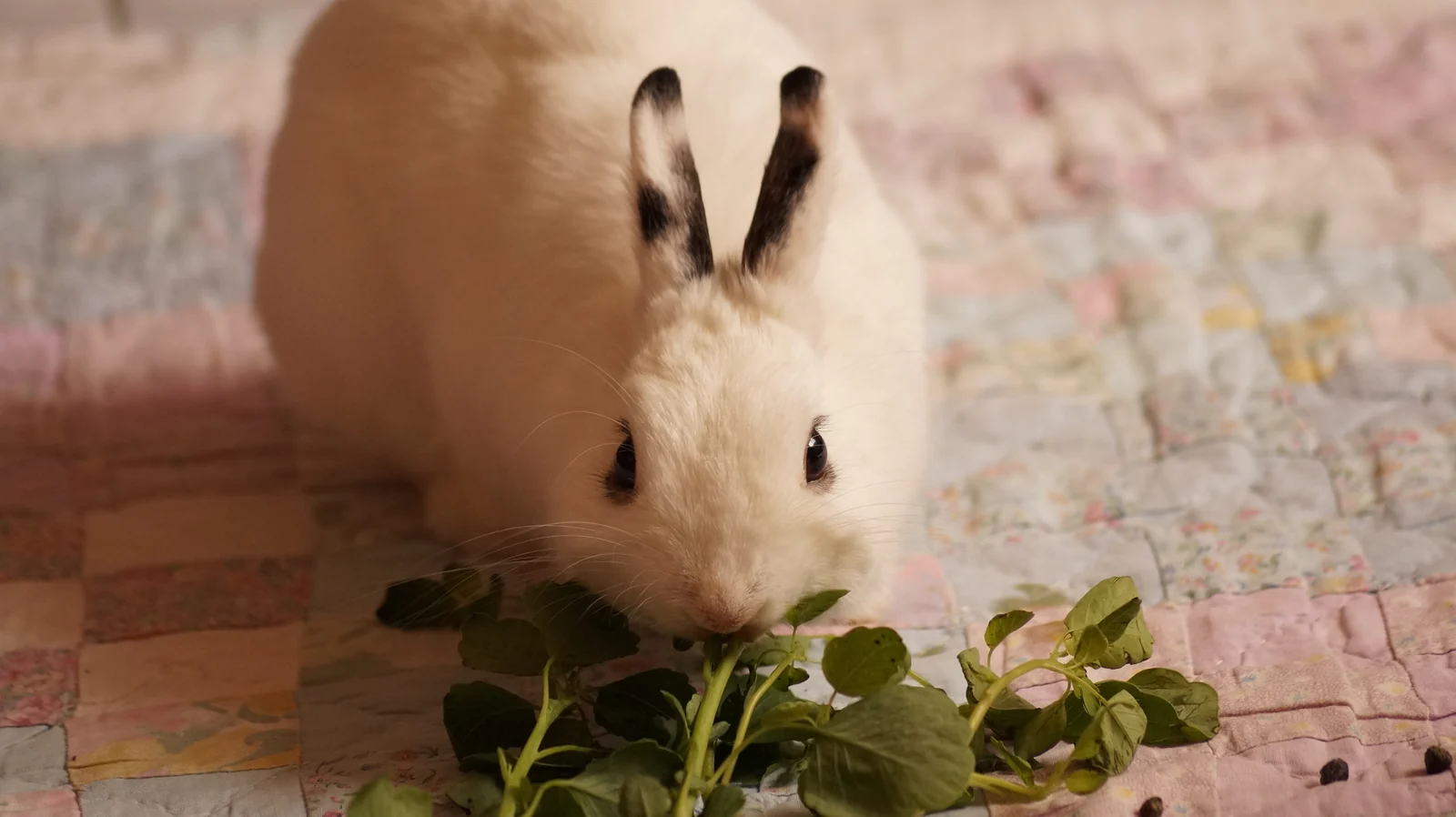
Leafy vegetables and measured pellets, small pieces of compressed rabbit feed, can complement the diet. New foods should be introduced gradually. You can hide some of the usual pellet allowance in hay, making the search part of the meal. Water should be accessible even when a companion occupies another feeding place.
How spotting can be linked to bowel problems
The coat pattern is inherited. A young rabbit inheriting a particular spotting factor from both parents may be mostly white and develop severe bowel problems. One possible condition is called megacolon. The bowel does not work normally and can become enlarged. Affected rabbits may produce very variable droppings, have diarrhoea or recurring pain and lose weight despite a good appetite.
A mostly white coat alone is not a diagnosis. A veterinarian experienced with rabbits should assess markings, history and symptoms together. Before adoption, you should ask about digestive problems in parents and siblings. An affected rabbit needs an individually planned diet. A rabbit that suddenly stops eating or producing droppings needs immediate veterinary help.
Coat care and noticing small changes
The short, dense coat should be checked for loose hair and brushed gently during moulting. This also gives you a chance to look at the skin and hindquarters. A dirty rear should prompt investigation of the cause. Simply bathing more often does not address a digestive problem or reduced mobility.
Regular examinations should include discussion of teeth, weight and a vaccination plan appropriate to your region. A wet chin, watering eyes or altered chewing may suggest dental trouble. For an older rabbit, litter trays and hides should remain easy to reach. New difficulties moving should be investigated before being attributed to age.
Read more: Rabbit life stages: from youngsters to older companions
The rabbit’s history matters before adoption
A rabbit with an unusual spot chain can be an appealing companion too. The German standard also includes fully coloured English Spots without white markings. A suitable partner, behaviour and health history should guide the choice more than the placement of spots.
The cost planner helps bring together housing, food, routine appointments, reserves and holiday care. If you are still comparing animal types, the small pet finder can be a useful first step. At a rescue visit, you should then ask specific questions about the chosen rabbit and have its familiar food and previous treatments explained.
Read more: Which small pet suits your home? Six rodents compared
Common questions
Are English Spots especially affectionate?
Behaviour varies between individual rabbits. During introductions, you should watch whether the rabbit approaches willingly and ask about its experiences with people.
Does a mostly white coat always mean megacolon?
No. Inherited markings may provide clues, but do not replace an examination. The veterinarian also needs to assess symptoms and history.
Can an English Spot live indoors?
Yes, with suitable permanently accessible space, a compatible companion and safe retreats. Cables, plants and slippery floors should be considered when preparing the home.
A closer look
Sources and photo credit
- English Spot Breed HistoryAmerican English Spot Rabbit ClubThe chain of spots distinguishes the breed
- English Spot StandardAmerican English Spot Rabbit ClubThe chain of spots distinguishes the breed
- Englische Schecken und Englische Schecken vollfarbig, Standard 2018ZDRK, veröffentlicht vom Arbeitskreis Scheckenzüchter DeutschlandThe chain of spots distinguishes the breed · Coat care and noticing small changes · The rabbit’s history matters before adoption
- Recognized BreedsAmerican Rabbit Breeders AssociationThe chain of spots distinguishes the breed
- Space RecommendationsRabbit Welfare Association & FundSpace that lets a rabbit really run
- Keeping rabbits in your homeRSPCASpace that lets a rabbit really run
- Creating the right home for your rabbitRSPCASpace that lets a rabbit really run
- Company for pet rabbitsRSPCALiving together and building trust · Hay, grass and small food searches
- Understanding rabbit behaviourRSPCALiving together and building trust
- Pet rabbits: Handling rabbits and the costs of rabbit careRSPCALiving together and building trust · The rabbit’s history matters before adoption
- What do rabbits eat?RSPCAHay, grass and small food searches
- Noninfectious Diseases of RabbitsMerck Veterinary ManualHay, grass and small food searches · Coat care and noticing small changes
- ForagingRabbit Welfare Association & FundHay, grass and small food searches
- Neu interpretiert: Punktschecken, KaninchenZeitung 7/2018Werner Winkens, KaninchenZeitung, beim Arbeitskreis Scheckenzüchter Deutschland archiviertHow spotting can be linked to bowel problems
- The KIT Gene Is Associated with the English Spotting Coat Color Locus and Congenital Megacolon in Checkered Giant RabbitsFontanesi et al., PLOS ONE, 2014How spotting can be linked to bowel problems
- Megacolon Syndrome in Rabbits, Rabbiting On, Autumn 2023Nadene Stapleton, veterinary surgeon, Rabbit Welfare Association & FundHow spotting can be linked to bowel problems
- Digestive ProblemsRabbit Welfare Association & FundHow spotting can be linked to bowel problems
- How to keep your rabbit healthyRSPCACoat care and noticing small changes · The rabbit’s history matters before adoption
- Bathing RabbitsRabbit Welfare Association & FundCoat care and noticing small changes
Photo credits
Photo: Lapin papillon anglais.jpg · Thomon · CC BY-SA 4.0. Image format adapted.
Photo: Alsleben (Saale), Kaninchenausstellung 2022, englische Schecke.jpg · Dguendel · CC BY 3.0. Image format adapted.
Photo: EnglishSpotRabbitChocolate1.jpg · Kat Chzhen · CC BY-SA 3.0. Image format adapted.
Photo: EnglishSpotRabbitChocolate3.jpg · Kat Chzhen · CC BY-SA 3.0. Image format adapted.

,_Kaninchenausstellung_2022,_englische_Schecke.jpg)

