 fellfolio
Chinese guarding and companion dog
Shar Pei
The Shar Pei is a medium-sized Chinese dog with a short, harsh coat and a close attachment to familiar people. It can be reserved with strangers and benefits from a clearly taught daily routine. Its skin folds and eyes need particular attention. Both its behaviour and the breed’s well-documented health risks should therefore be considered carefully before choosing one.
At a glance
- Size
- Medium
- Height at shoulder
- 44 to 51 cm
- Lifespan
- 8 to 12 years
- Activity
- Moderate
- Grooming
- Daily
- Training
- Patience & clear guidance
- Owner experience
- Experience recommended
Independent, close to its family and comfortable with some space
The international breed standard describes the Shar Pei as calm, independent and affectionate towards its family. Many enjoy their people's company without greeting every stranger just as enthusiastically. Visits should therefore be allowed to start with some distance. Choosing to approach builds trust more effectively than being held still so someone can stroke the dog.
When meeting another dog, a calm walk together with space between them may work better than a close greeting on tight leads. The individual dogs and their past experiences should guide the approach. Cats and other household animals require careful preparation. Describing a breed as attached to its family cannot establish how a particular dog will respond to another animal.
Training through rewards should offer clear cues and understandable outcomes. Waiting at an open door or choosing to go to a bed are useful foundations. If a dog suddenly avoids touch, reacts irritably or refuses an exercise that was previously easy, pain should also be considered and a vet consulted. Skin, ear or eye discomfort can noticeably affect interactions.
Everyday life
Exercise needs differ between individual Shar Peis. Many enjoy daily walks with time to sniff and calm training together. Length and pace should reflect age, fitness and health. Cooler times of day and breaks are useful in very warm weather. Unusually quick exhaustion or breathing problems should be investigated.
At home, a simple food toy can provide calm activity. With a toy containing small recesses, the dog retrieves food using its nose or paw. Food should be easy to reach at first. The task can become gradually harder if the dog enjoys solving it. The portion used should come from its daily allowance.
A flat can suit the breed when exercise, company and a quiet resting place are available. Children should learn to leave the dog undisturbed when sleeping or eating. Adults should supervise encounters and respect attempts to move away or withdraw. Learning to be alone should progress in small steps. Longer absences need suitable care arrangements while the dog cannot yet stay alone comfortably.
Staying home alone
Dogs learn to stay home alone in small steps. The RSPCA advises no more than four hours at a time. Puppies and dogs that become unsettled when left alone need shorter absences and gradual practice. Arrange someone to care for your dog when you will be away longer.
Everyday dog training: recall, a loose lead and clear communication ↗
Day-to-day care
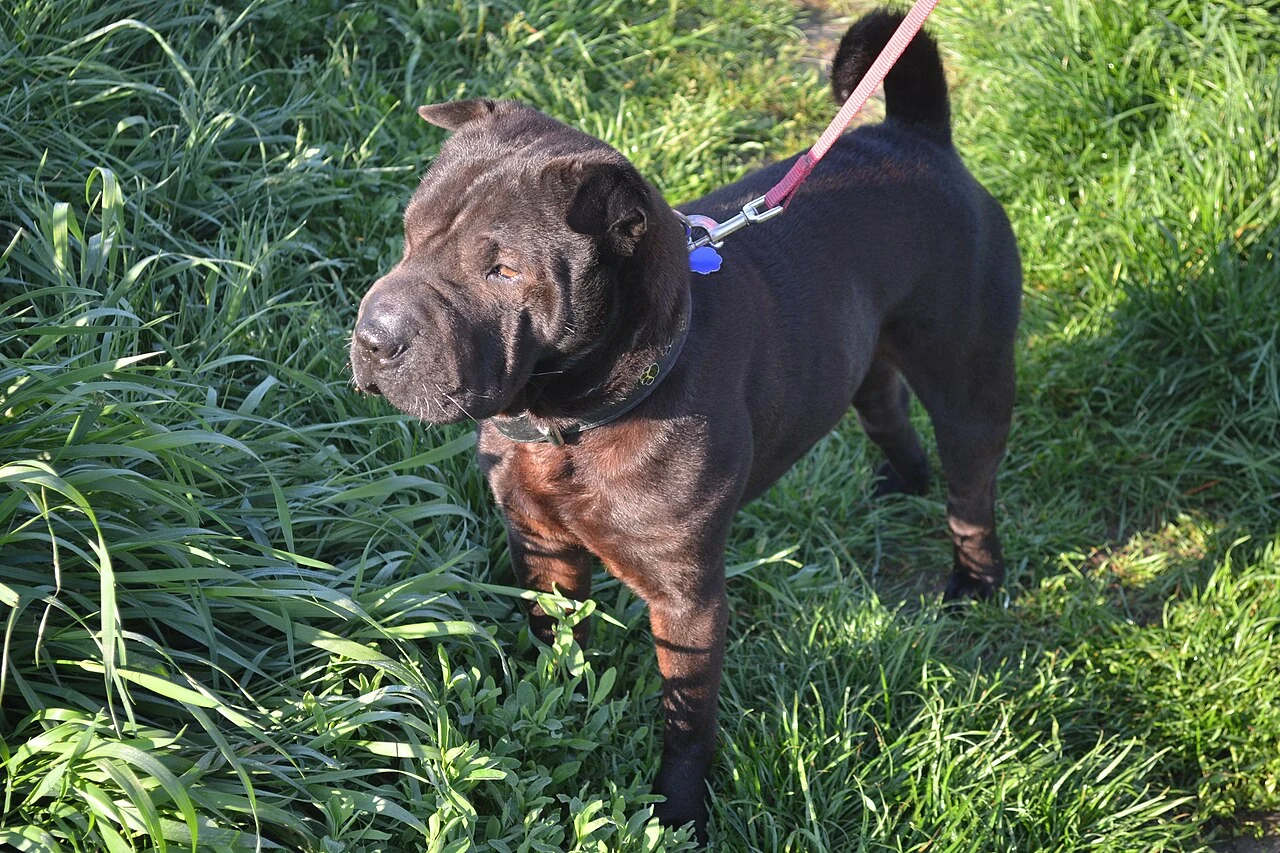
The short coat is relatively straightforward to brush. The skin still needs attention. Moisture and warmth can collect between tight folds, allowing bacteria and yeast to multiply. Folds should be inspected regularly and kept clean and dry following suitable veterinary guidance. How often this is needed depends on the dog and its skin condition.
Redness, an unpleasant smell, weeping skin or pain on touch can indicate skin fold dermatitis, an inflamed and infected area between folds. These signs should be investigated. Frequent cleaning with unsuitable products can further irritate the skin. An already inflamed fold should therefore be treated with veterinary guidance rather than by trying different home remedies.
The eyes should open and close without irritation. Tearing, squinting, rubbing the face or redness needs prompt veterinary attention. Ears should be inspected regularly too. Head shaking, odour and discharge can indicate a painful condition. The veterinary team can demonstrate gentle cleaning and suitable products. Cotton buds should not be pushed deep into the ear canal. Nail care and daily brushing with dog toothpaste belong in the routine as well.
Size and build
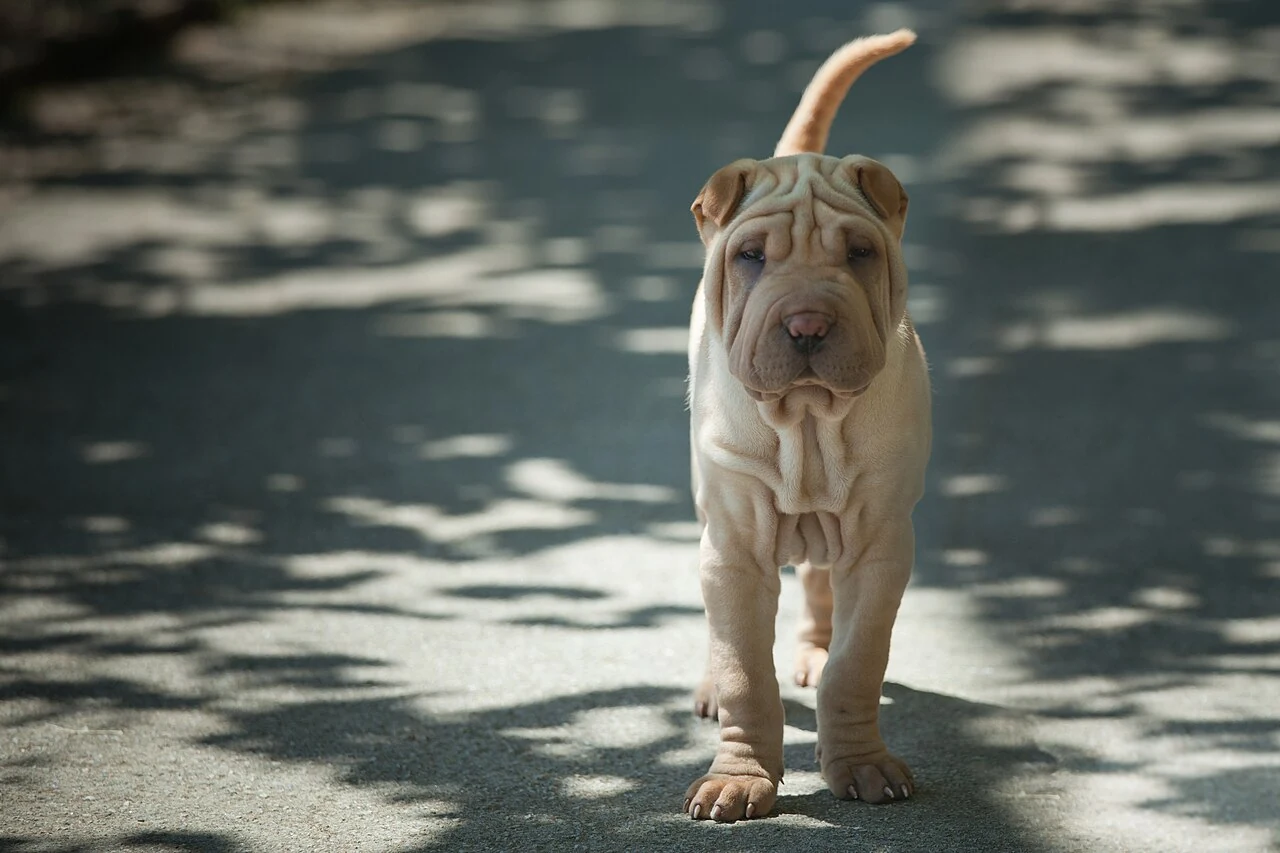
The Shar Pei comes from southern China, where its roles included guarding and hunting. The modern breed was also developed outside China during the twentieth century. As its popularity grew, some breeders favoured dogs with more heavily thickened and folded skin. Veterinary research explains why this development makes health and welfare particularly important considerations.
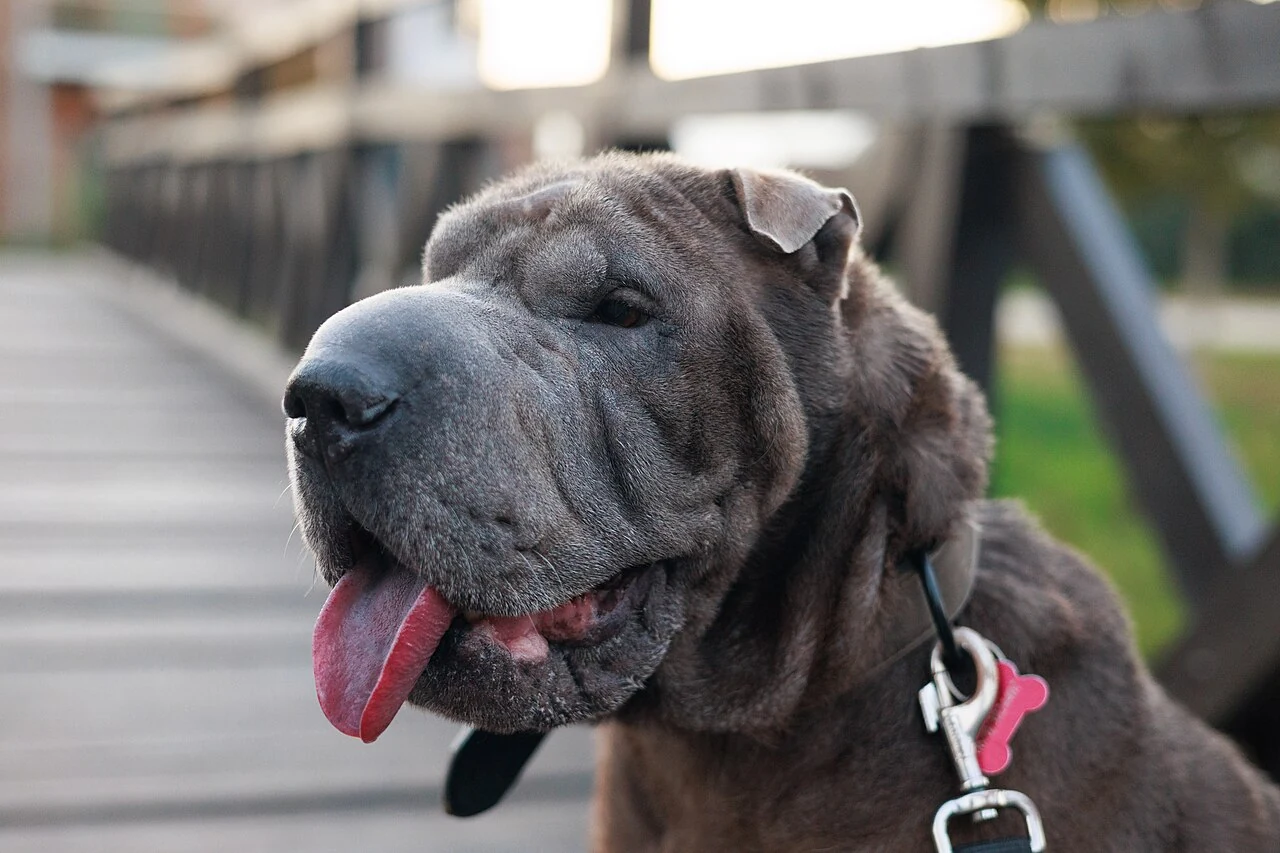
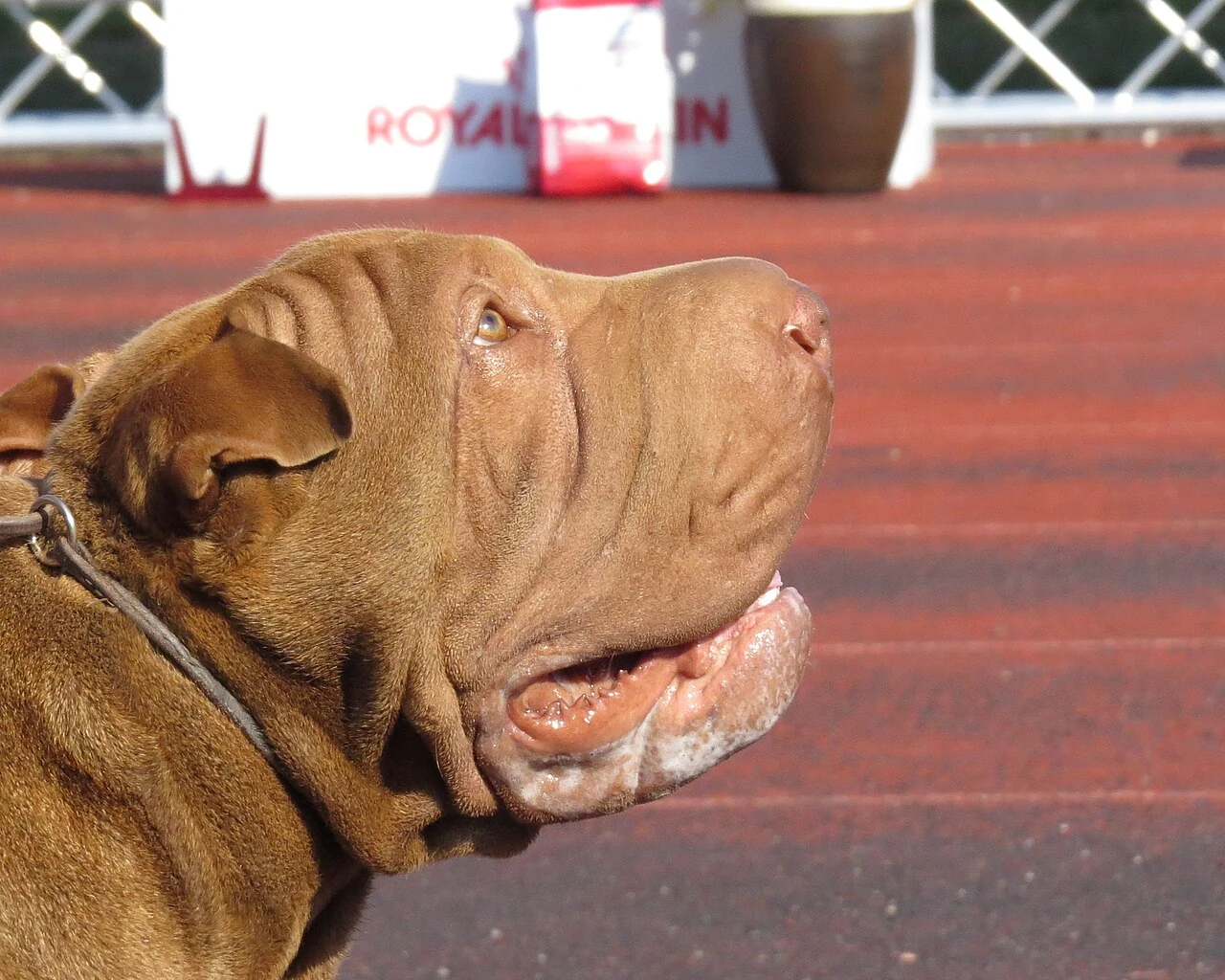
The body is compact and nearly square, the head broad and the ears small. The coat is short and harsh, with no undercoat. The standard of the international canine organisation FCI gives a shoulder height of 44 to 51 cm but specifies no set weight. It describes solid colours except white. Excessive body folds in adult dogs are explicitly undesirable, as are folds or hair that interfere with the eyes. Clear vision, healthy skin and comfortable movement should matter more when choosing a dog than the greatest possible number of wrinkles.
From puppy to senior: caring for your dog through every life stage ↗
Health
Health deserves detailed discussion before choosing a puppy. Available eye examinations, skin and ear reports, family illnesses and any previous corrective procedures should be documented openly. Eyelid surgery can relieve the affected dog's discomfort. A predisposition to the original abnormality can still be passed to offspring.
Entropion means that an eyelid rolls inwards. Hair and the lid edge can then rub against the cornea, the clear surface of the eye. This is painful and can lead to severe damage and loss of vision. A squinting, watery or red eye should therefore be examined promptly. A puppy should not simply be left to grow out of the problem.
Another important condition is SPAID, short for Shar-Pei Autoinflammatory Disease. This is an inherited tendency towards repeated episodes of inflammation. Autoinflammatory means that the body's inflammatory system reacts excessively without a known infectious cause. Affected dogs can have fever episodes and painful joint swelling. Fever has other possible causes too. An unwell, feverish dog therefore needs veterinary assessment rather than a diagnosis based solely on its breed.
Affected dogs can also develop deposits of abnormally folded proteins in their organs. This is called amyloidosis and can particularly damage the kidneys. Suitable monitoring should therefore be discussed with the vet. Urine tests can show whether protein is being lost in the urine. The genetic test described by Cornell University's College of Veterinary Medicine estimates an increased risk of SPAID. It does not diagnose current disease or exclude other causes or genetic changes.
The inherited basis of heavily thickened, folded skin is associated with these inflammatory risks. Tight skin folds and narrowed ear canals can also encourage local skin and ear infections. These are different connections, which cannot be removed through grooming alone and do not affect every dog equally. An existing Shar Pei needs careful, individually tailored care. When choosing a new dog, health should take priority over an especially wrinkled appearance. The American Kennel Club gives a lifespan of 8 to 12 years, which cannot predict the age of an individual dog.
Could this breed fit your life?
Could work well if …
- You have dog experience and want to guide an independent companion closely attached to its family.
- You can plan for careful skin, eye and ear checks and veterinary care.
- You choose by health and the individual dog’s behaviour and can prepare encounters calmly.
What to consider
- Inherited inflammatory disease and eye, skin and ear problems can require considerable care.
- Heavy folding can promote discomfort and should not be a selection goal.
- Reserve towards strangers or other dogs requires clear training and thoughtfully prepared encounters.
Similar needs, different dogs.
Selected by shared size, activity, grooming and training characteristics.
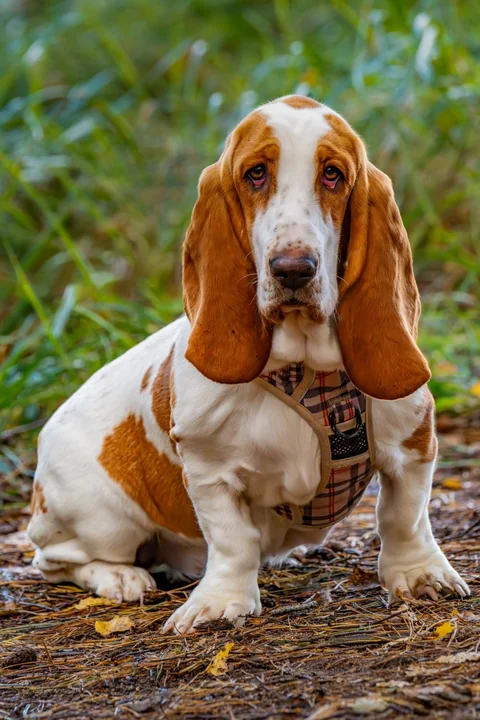
Scent hound
Basset Hound
The Basset Hound is a sociable hunting dog that may look easygoing at home but follow a scent for a long time outdoors. Allow time to sniff on walks and keep it on lead near roads and in open areas.
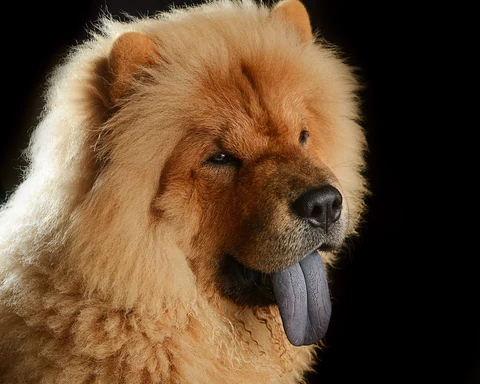
Spitz-type guard and companion dog
Chow Chow
The Chow Chow is an often quiet, independent dog from China with a dense coat and blue-black tongue. It forms close bonds with familiar people and needs time to get to know strangers. Its coat, skin and eyes need regular care and checks.
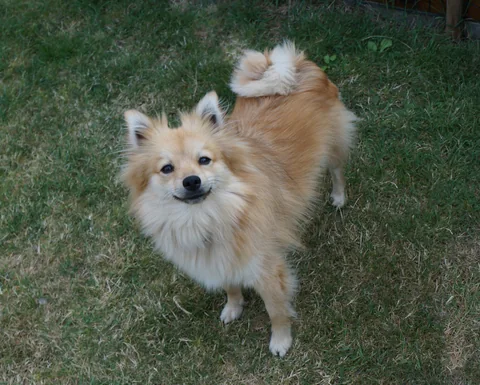
Spitz
Medium German Spitz (Mittelspitz)
Alert, lively and instantly recognisable by its full ruff, the Medium German Spitz notices what is happening around the front door and often has plenty to say about it.
Sources and photograph credit
- Teaching your dog to be left alone
Used in this profile for: Staying home alone
- Dental disease in dogs
Used in this profile for: Day-to-day care
- Ear problems in pets
Used in this profile for: Day-to-day care, Health
- Entropion in dogs
Used in this profile for: Day-to-day care, Health
- Skin fold dermatitis in dogs
Used in this profile for: Day-to-day care, Health
- Grooming and bathing pets
Used in this profile for: Day-to-day care
- Teaching your dog to be left alone
Used in this profile for: Everyday life
- Separation-related behaviour
Used in this profile for: Everyday life
- Training your dog
Used in this profile for: Everyday life
- Chinese Shar-Pei
Used in this profile for: Temperament, Everyday life, Lifespan, Could this breed fit your life?
- Shar Pei, FCI Standard No.309
Used in this profile for: Size / Weight, Temperament, Day-to-day care, Size and build, Could this breed fit your life?
- Shar-Pei Fever
Used in this profile for: Health
- Shar-Pei Autoinflammatory Disease (SPAID)
Used in this profile for: Health
- Is it now time to iron out the wrinkles? Health of Shar Pei dogs under primary veterinary care in the UK
Used in this profile for: Temperament, Size and build, Health, Could this breed fit your life?
Photo credits
Portrait · Dasha 6.jpg · Tetike · CC BY-SA 4.0 · Edited

Coat and features · Shar-Pei Head.JPG · Томасина · CC BY-SA 3.0 · Edited

Puppy · Dog. Galiza.jpg · Luis Miguel Bugallo Sánchez · CC BY 3.0 · Edited

Everyday life · Shar-Pei - Lučenec (Slovakia).jpg · Ladislav Luppa · CC BY-SA 3.0 · Edited
.jpg)