 fellfolio
Spitz-type guard and companion dog
Chow Chow
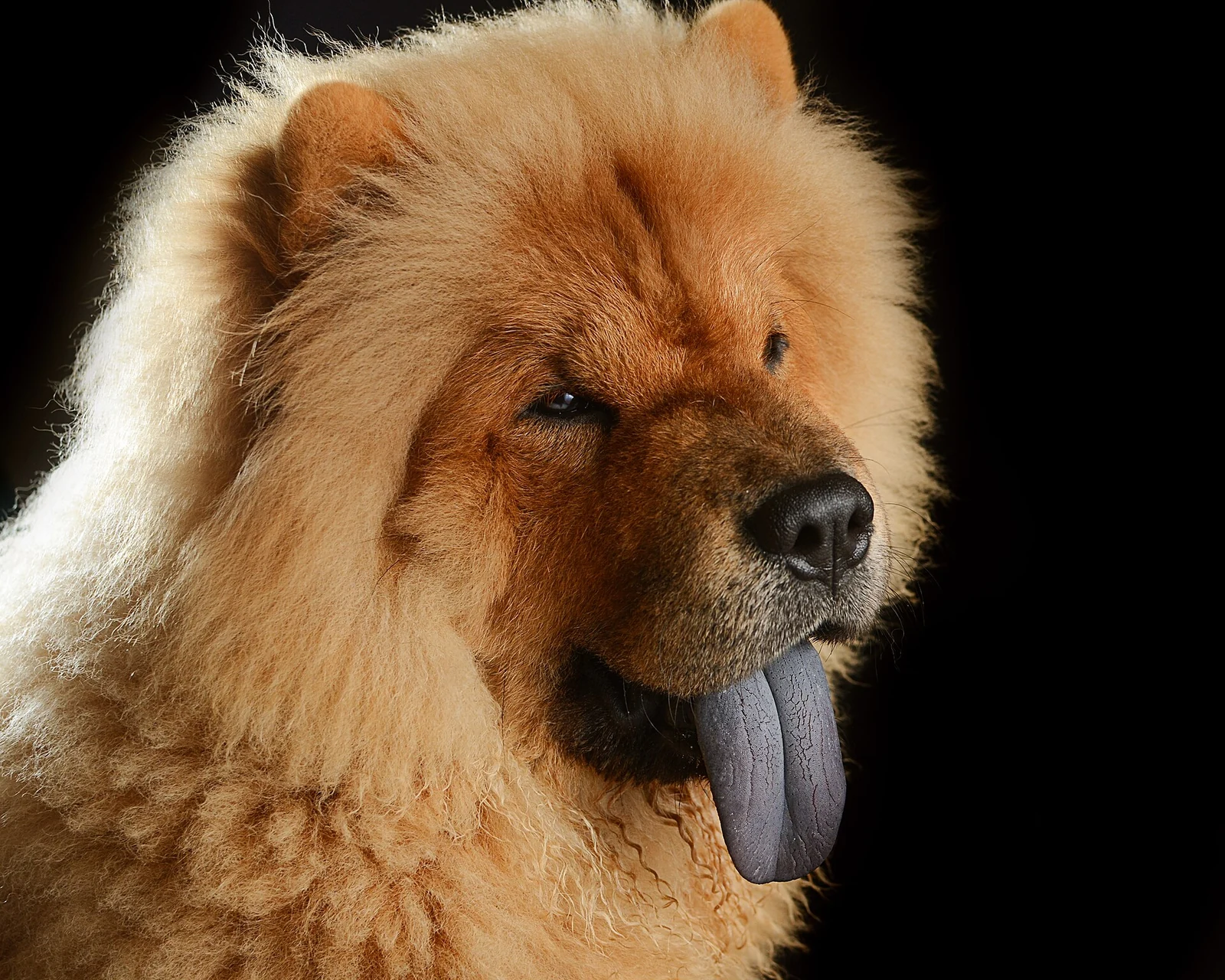
The Chow Chow is an often quiet, independent dog from China with a dense coat and blue-black tongue. It forms close bonds with familiar people and needs time to get to know strangers. Its coat, skin and eyes need regular care and checks.
At a glance
- Size
- Medium
- Height at shoulder
- 46 to 56 cm
- Weight
- 20 to 30 kg
- Lifespan
- under 10 yearsUK Royal Kennel Club breed profile
- Activity
- Moderate
- Grooming
- Daily
- Training
- Patience & clear guidance
- Owner experience
- Experience recommended
Closeness on its own terms
The Chow Chow has a long history as a guard and working dog in China. It often forms close bonds with familiar people while remaining reserved around strangers. Give it space during introductions and let it choose to approach. Visitors should avoid crowding or hugging it.
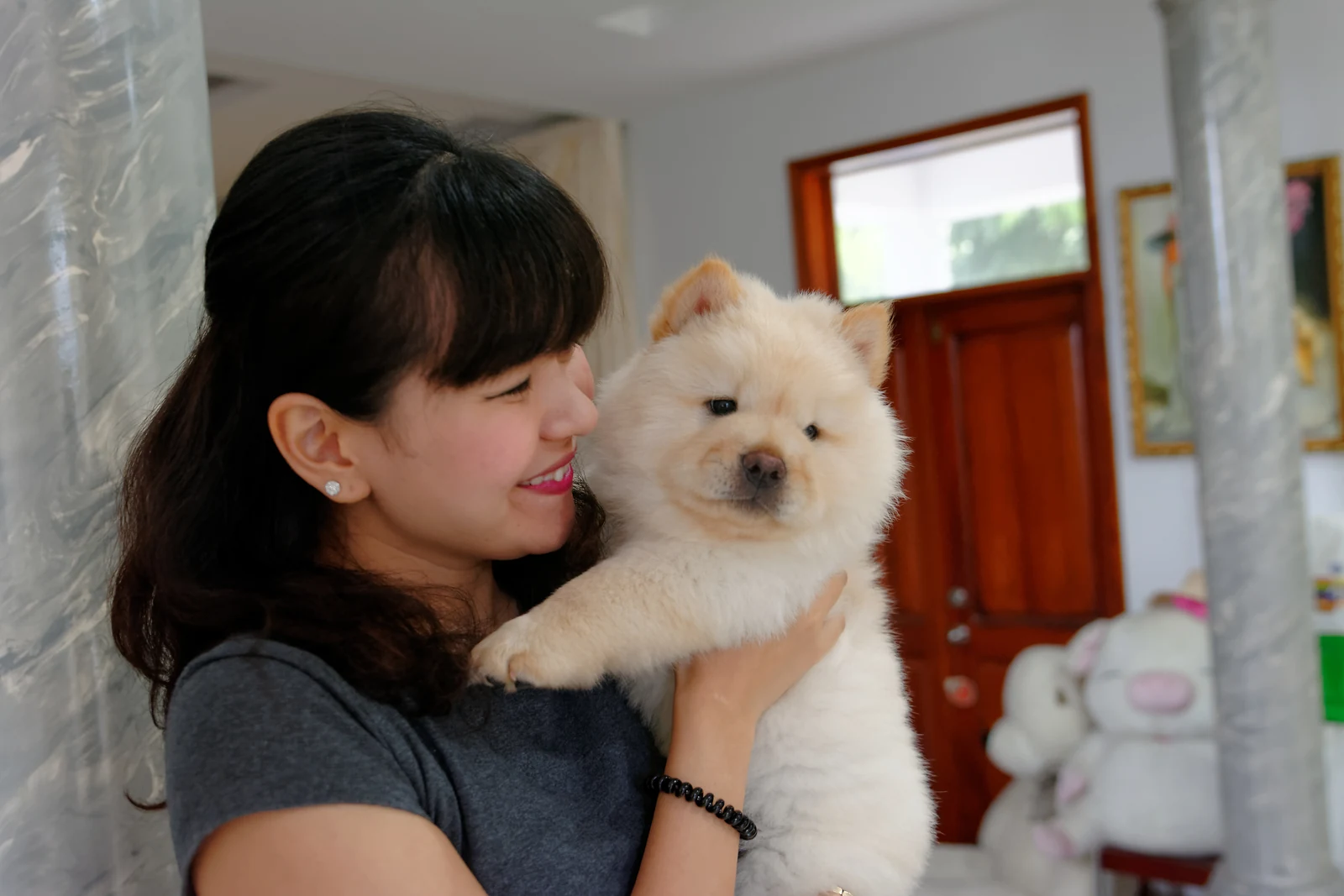
Young dogs benefit from many pleasant experiences around people, traffic and other dogs. Let them watch, reward calm behaviour and do not force contact. Teach useful cues such as coming when called, waiting and willingly releasing an object. The UK veterinary charity PDSA favours experienced owners and reward-based training. Harsh corrections do little to build reliable cooperation with an independent dog.
Everyday life
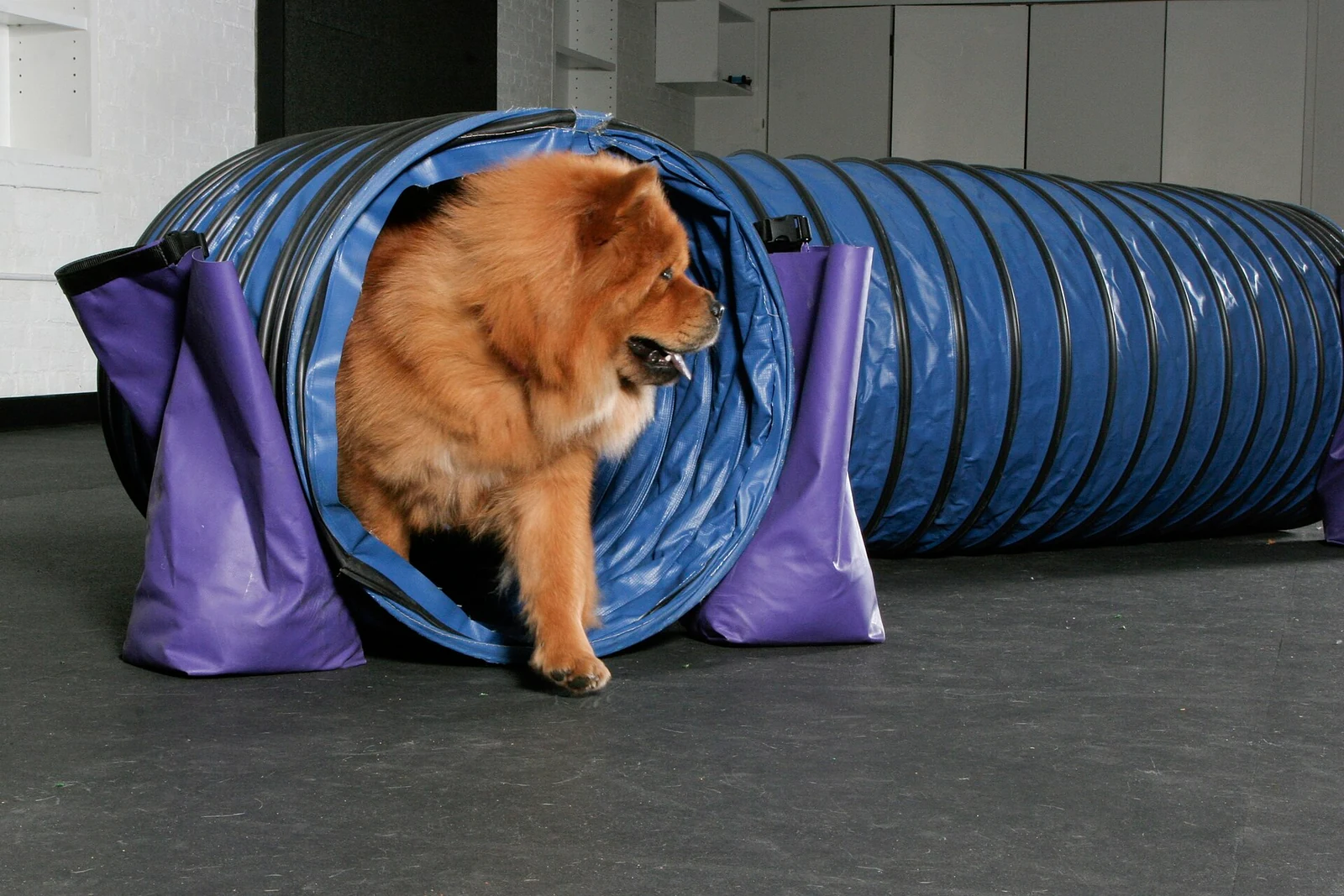
PDSA advises at least an hour of daily activity, spread over two or more outings. Chows do not need constant sprint games, but they do need walking, sniffing and exploration. Add brief, clear tasks: wait at a junction or turn to you when another dog approaches. That helps the dog stay responsive without turning every walk into a lesson.
Its dense coat makes heat an important daily concern. In warm weather, walk early or late, bring water and choose shade. If it pants unusually hard in warm weather or becomes weak, stop the activity, move it into shade and begin cooling its body with cool tap water. Keep water away from its nose and mouth and call a vet immediately. Heatstroke can worsen quickly. Because it can be reserved, strangers should not continually handle it. A quiet resting place and predictable routines also help when visitors arrive.
Staying home alone
Dogs learn to stay home alone in small steps. The RSPCA advises no more than four hours at a time. Puppies and dogs that become unsettled when left alone need shorter absences and gradual practice. Arrange someone to care for your dog when you will be away longer.
Day-to-day care
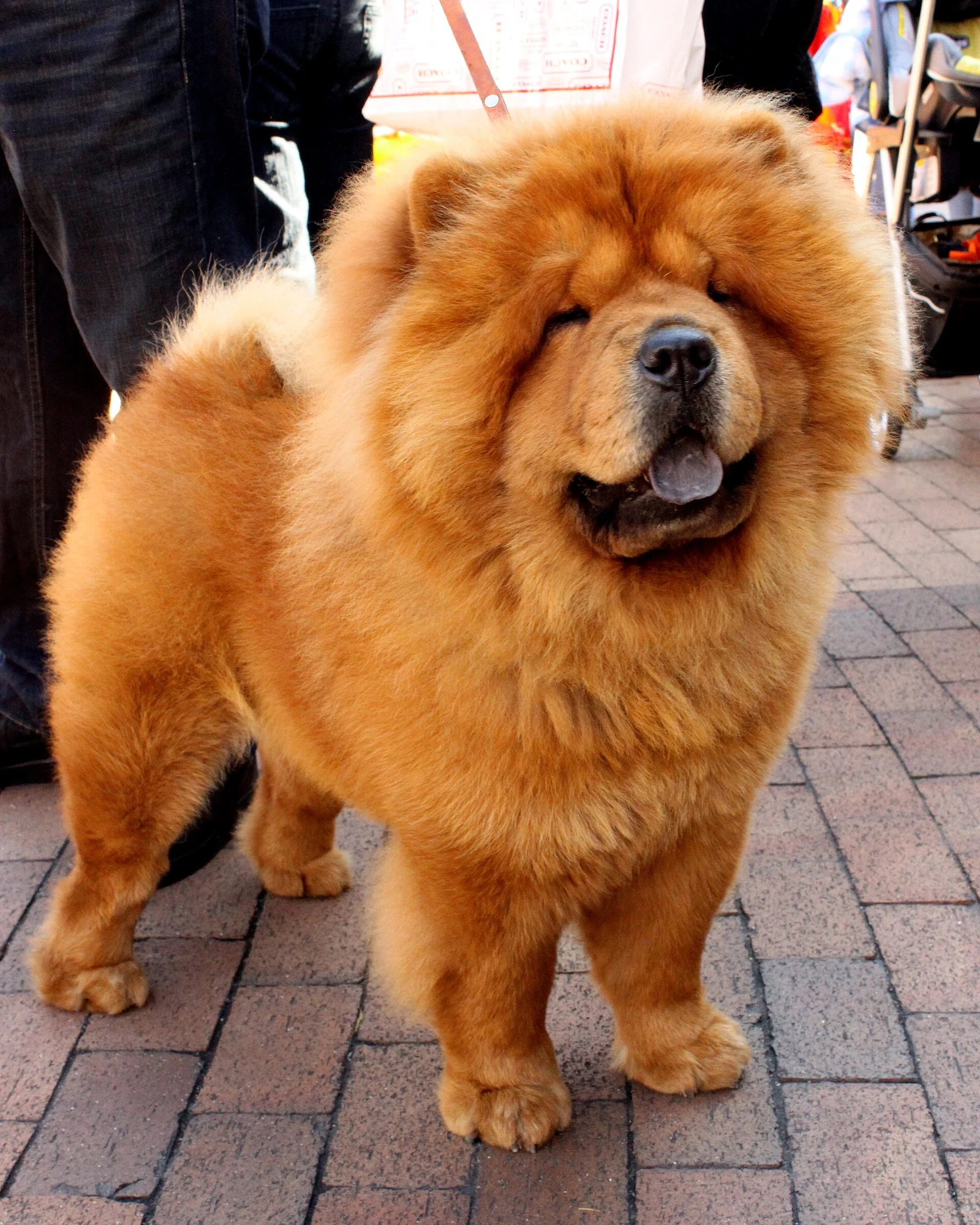
Both the rough and smooth varieties have dense underfur. The rough coat forms a striking ruff, while the smooth one is shorter but still thick and plush. PDSA recommends daily brushing. Work in layers, especially around the neck, behind the ears and through the longer hair on the legs. Smoothing only the surface leaves tangles near the skin. Much undercoat comes loose during a moult.
Use grooming time to look at folds and the skin around the eyes. Moisture and friction can hide beneath the coat. Keep folds clean and dry without irritating the eyes. Blinking, face-rubbing or a damp sore patch warrants a veterinary examination. Coat should never be so excessive that it interferes with sight, movement or cooling.
Size and build
The Chow Chow is compact, strong and broad-chested. Small upright ears, a tail carried high over the back and a blue-black tongue make it distinctive. The British standard gives 48 to 56 cm at the shoulder for males and 46 to 51 cm for females; PDSA lists about 20 to 30 kg. Colours include red, black, cream and blue.
The back legs are relatively straight, giving a shorter stride than many other dogs. It should nevertheless move freely, without pain or visible breathing distress. An overly massive body, excessive folds or eyes hidden by skin are not signs of quality. Watch an adult dog walk before falling for the puppy coat alone.
Health
The Royal Kennel Club recommends hip and elbow scores and eye examinations for breeding dogs. Entropion is especially important: an eyelid rolls inward and hair rubs on the cornea. A Chow that constantly blinks, tears or holds an eye shut may be in pain and needs prompt examination. Ask for both parents’ eye findings and check that their eyes are clear and unobstructed.
PDSA also lists problems with the cruciate ligament in the knee, an underactive thyroid and a twisted stomach, known as gastric dilatation-volvulus. An underactive thyroid produces too little of the hormones that help regulate metabolism. Repeated limping, unusual tiredness or weight gain without extra food need veterinary assessment. A twisted stomach is an immediate emergency: unproductive retching, a suddenly swollen abdomen or severe restlessness with abdominal pain can be warning signs. Contact an emergency vet immediately and travel for treatment. Do not wait for every sign to appear or for visible swelling.
Could this breed fit your life?
Could work well if …
- You respect an independent dog and can keep greetings calm.
- You have daily time for walks and very regular coat and eye care.
May be more difficult if …
- You want a dog that eagerly greets every stranger and enjoys constant handling.
- You could not check the eyes and skin regularly or seek veterinary advice if folds block vision or walking seems painful.
Similar needs, different dogs.
Selected by shared size, activity, grooming and training characteristics.
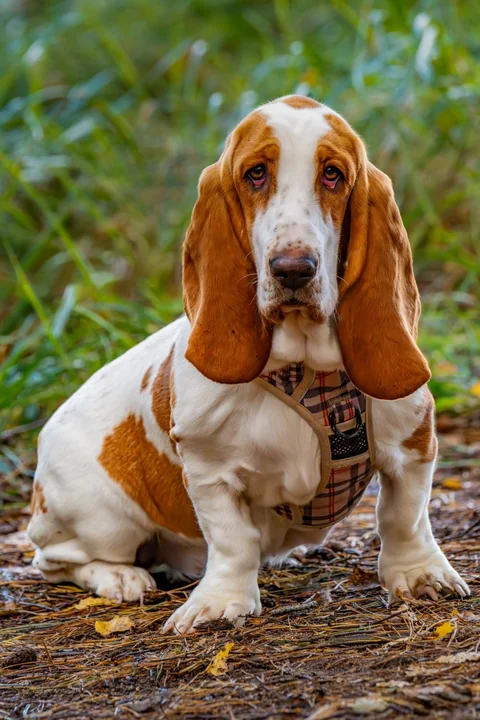
Scent hound
Basset Hound
Easy-going with people and tireless on a trail, the Basset Hound is a sociable hunting dog with a substantial body and a nose that can set the pace outdoors.
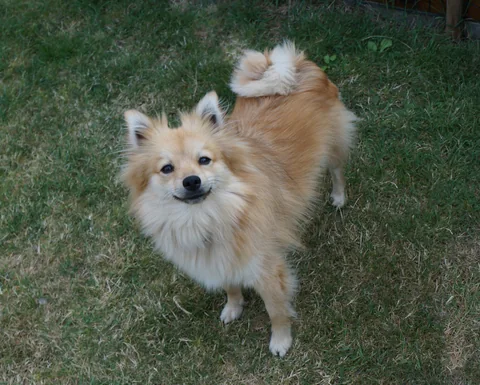
Spitz
Medium German Spitz (Mittelspitz)
Alert, lively and instantly recognisable by its full ruff, the Medium German Spitz notices what is happening around the front door and often has plenty to say about it.
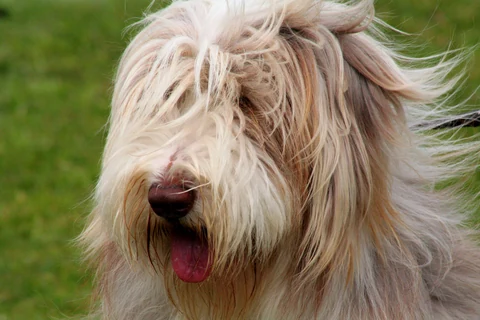
Herding dog
Bearded Collie
The Bearded Collie is a cheerful, agile herder with a long coat. It enjoys walks with its people, and its dense coat needs thorough combing every day.
Sources and photograph credit
- Teaching your dog to be left alone
Used in this profile for: Staying home alone
- Chow Chow breed information
Used in this profile for: Size / Weight, Temperament, Everyday life, Day-to-day care, Size and build, Health, Lifespan, Could this breed fit your life?
- Chow Chow, Breeds A to Z
Used in this profile for: Temperament, Health, Lifespan
- Chow Chow breed standard
Used in this profile for: Size / Weight, Temperament, Everyday life, Day-to-day care, Size and build, Could this breed fit your life?
- Hypothyroidism in dogs
Used in this profile for: Health
- GDV (Gastric Dilatation Volvulus) in dogs
Used in this profile for: Health
- Heatstroke in dogs
Used in this profile for: Everyday life
Portrait · Bokeh the Chow · Luigi Borromeo · CC BY 2.0 · Edited

In action · Dog Agility · Andrea Arden · CC BY 2.0 · Edited

Puppy · DSC_1568FB_ · Mgzkun · CC BY-SA 2.0 · Edited
Coat and features · Chow Chow · Prayitno/more than 2.5 millions views: thank you! · CC BY 2.0 · Edited
