 fellfolio
Pet knowledge
Dog essentials: what to prepare before bringing a dog home
On the first day, your dog needs a quiet place to rest, water, familiar food and a safe way to go outside with you. The right extras depend on their size, coat and play style. A puppy that pulls fabric apart needs different toys from an older dog that enjoys carrying things. Start with a few suitable essentials, then add what proves useful in everyday life.
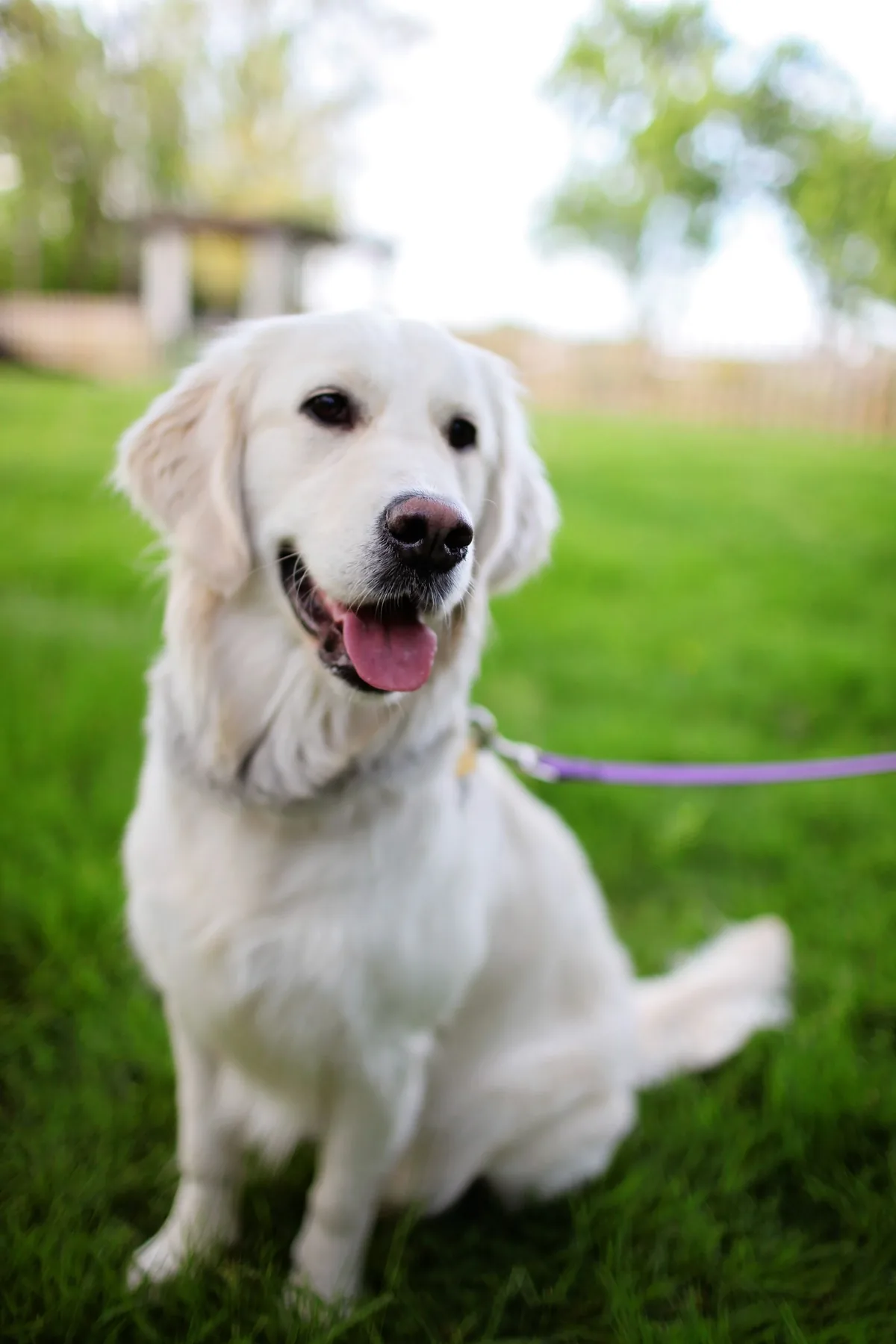
A quiet resting place and familiar food
Put a washable bed or generously sized blanket in a quiet area. Your dog should be able to stretch out fully. Choose a spot away from constant foot traffic. A second resting place can be useful if you spend the day in another room. Teach children from the start to leave a resting dog undisturbed.
Have stable water and food bowls ready and ask which food the dog currently eats. Moving home already brings plenty of change. If you want to change the food and are unsure how, speak to your veterinary practice. Write down the familiar feeding times so everyone in the household follows the same routine.
Sources for this section: Puppy checklist: preparing for your new dog · Dogs Trust, Be safe with dogs · Blue Cross
Walking equipment and safe transport
A lead, a suitable collar or harness and waste bags are everyday walking essentials. Ask someone knowledgeable to check the fit: your dog needs to move comfortably without the equipment rubbing or slipping off. Check a growing puppy regularly. Something that fits on collection day may soon be too tight.
Plan the journey home in advance too. An appropriate carrier or restraint made for dogs keeps the dog from moving freely around the vehicle. Where possible, introduce the equipment gradually. You can also carry a separate emergency card with contact details, the veterinary practice's address and essential information about your dog.
Sources for this section: New puppy checklist · PDSA, Creating a good home for your dog · RSPCA
Choose a few toys for different kinds of play
Watch what your dog actually does with a toy. Do they carry it, tug it or try to bite pieces off? For tug games, use a purpose-made toy that both of you can hold comfortably. For searching, start by hiding a familiar toy where the dog can still see it. A food toy can make part of a normal meal into a small activity.
Make each new task easy at first. For example, let the dog watch you put a toy down before hiding it out of sight. End the game if the dog moves away or loses interest. Choose around their behaviour; a large basket of toys cannot replace enjoyable time together.
Sources for this section: How to play with your dog · Blue Cross, Dogs and chewing · Blue Cross
Check size, seams and loose pieces
Choose a ball your dog can carry comfortably but that is too large to fit completely inside their mouth. Choose material suited to their chewing strength that does not easily break into small pieces. Check balls for cracks, soft toys for open seams and tug toys for loose strands. An exposed squeaker or pulled-out stuffing means the toy should be removed.
Supervise the first sessions with every new item particularly closely. A label saying 'tough' tells you little about how your individual dog will use it. Replace damaged toys. Contact your vet if you suspect your dog has swallowed pieces; breathing difficulty needs immediate veterinary attention.
Sources for this section: How to choose a safe ball for your dog · PDSA, How to play with your dog · Blue Cross
Match grooming and the home to your dog
Choose a brush or comb suited to the coat and ask how to use it. A dense long coat may need a different tool from short, smooth hair. Keeping a towel by the door is useful after wet walks. Buy grooming products for an actual need, and choose medicines and parasite treatments with veterinary advice.
Before arrival, walk through every room your dog can reach. Put cleaning products, medicines, cables and swallowable objects out of reach. Check garden fences, gates and gaps. A barrier can restrict access to particular rooms, but it does not replace supervision or a gradual introduction to being alone.
Sources for this section: New puppy checklist · PDSA, Puppy checklist: preparing for your new dog · Dogs Trust
Plan for daily care as well as the first purchase
Separate initial purchases from ongoing expenses. A bed and travel equipment are initial items; food, care and veterinary needs require a continuing budget. Allow for replacements too, such as a growing puppy needing a larger harness. The cost planner lets you enter these amounts separately and see how they contribute to the first year.
Before arrival, agree who handles the morning walk, measures food and provides cover for appointments. Write down where equipment and documents are kept. These arrangements make the supplies useful in daily life and help a future carer follow the same routine.
Sources for this section: Hunde richtig halten · Deutscher Tierschutzbund, New puppy checklist · PDSA
CARE GUIDES
Ready for the first day and the everyday.
Practical guides to equipment, life together and decisions before bringing a pet home.
Introducing a second dog: prepare for life together
Prepare two dogs for life together with thoughtful matching, calm first walks, separate resting spaces and clear signs that professional help is needed.
Read the guide DOGS & CATSAdopting a Shelter Dog or Cat: Choosing Well and Preparing for Home
Choose a shelter dog or cat with practical questions, meeting advice, health records and a plan for the first weeks. Includes checks for overseas rescue groups.
Read the guide DOGS & CATSIntroducing dogs and cats: safe steps for both pets
Whether a dog joins a cat or a cat joins a dog, plan safe spaces, first visual contact and brief meetings. Learn when to pause and seek professional help.
Read the guide