 fellfolio
Herding dog
Schapendoes
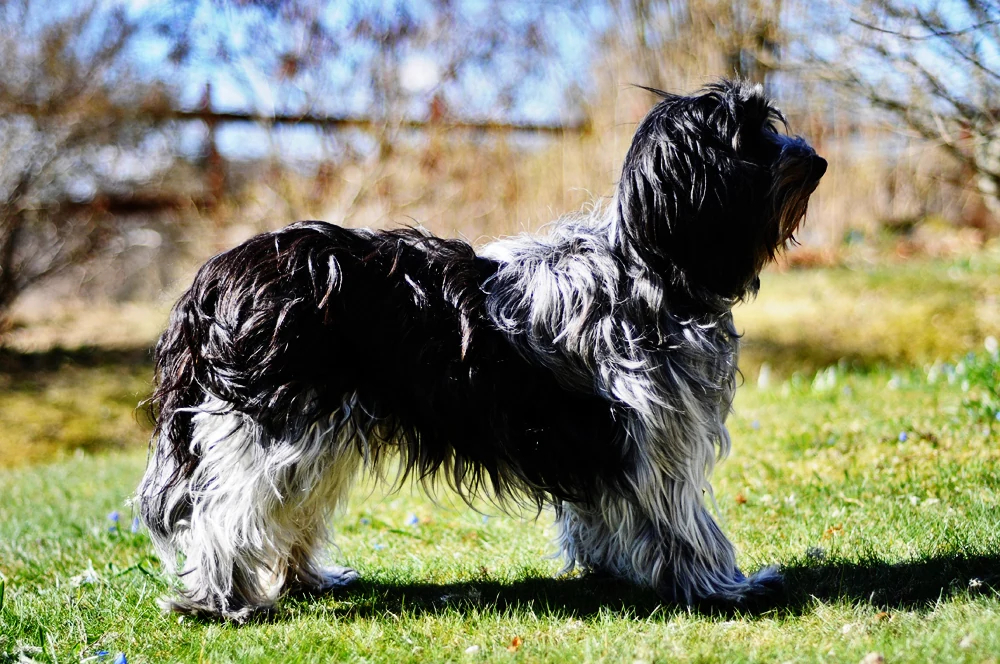
The Schapendoes is a lightly built Dutch herding dog with a long, slightly wavy coat. It can bring plenty of enthusiasm to walks, games and learning together. It suits people who enjoy that energy and can also commit to calm teaching and thorough grooming.
At a glance
- Size
- Medium
- Height at shoulder
- 40 to 50 cm
- Activity
- High
- Grooming
- Several times weekly
- Training
- Patience & clear guidance
- Owner experience
- First dog with support
Lively, observant and eager to take part
Dogs resembling the Schapendoes once accompanied sheep flocks in the Netherlands. Their work called for stamina, agility and independent decisions. Numbers had fallen sharply during the Second World War, after which the breed was deliberately rebuilt. Its breed club was founded in 1947 and definitive recognition followed in 1971. This background explains the combination of agility and independent work without predicting identical behaviour in every dog today.
A Schapendoes may respond quickly to movement and sounds. Near a playground or a passing bicycle, it should learn early to stay with its people and let others go by. You can begin somewhere quiet with plenty of distance. Looking towards you or waiting calmly can be rewarded before the situation becomes more demanding.
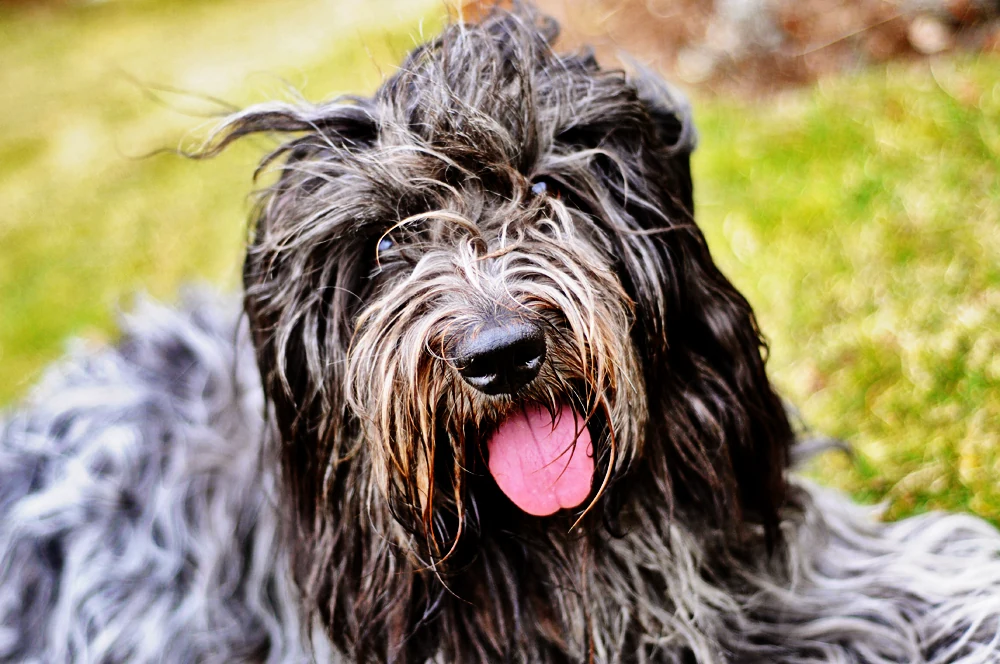
The long fringe may give the impression of an easy-going dog to cuddle. Even a friendly dog needs rest and the option of withdrawing. An adult should supervise children playing with it, and children should not pull its hair or lie on it. When introducing other pets, calm first meetings and the individual dog’s experiences matter more than expecting a sociable breed to get along automatically with every animal.
Everyday life
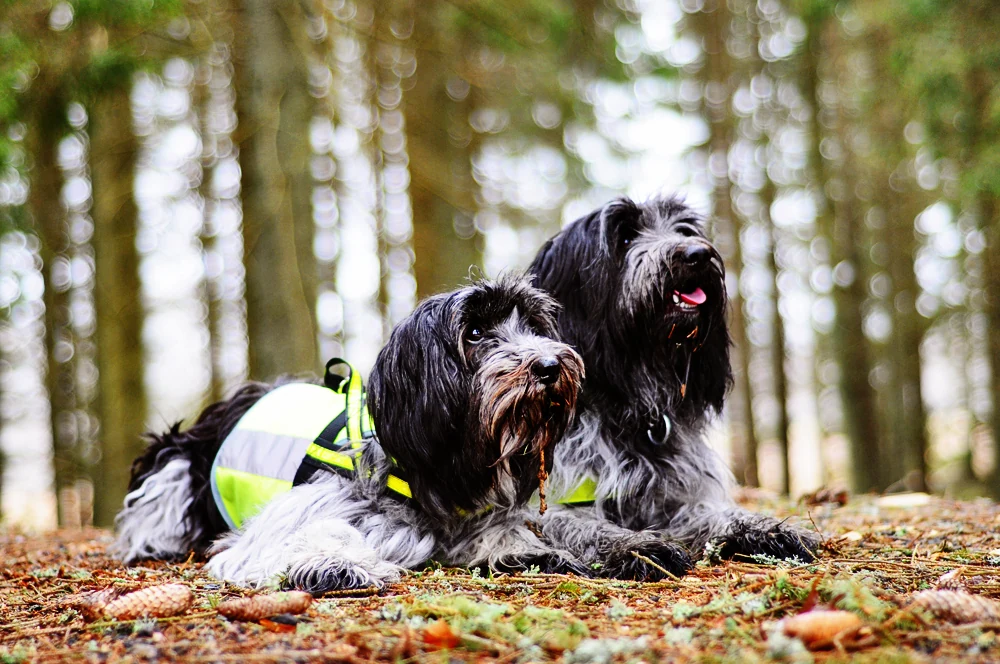
A healthy adult Schapendoes may enjoy varied routes and tasks to work out together. For a small searching exercise, you could hide a familiar toy behind a log within easy reach. A short game together can reward finding it. On another walk, you might practise waiting calmly while you sit on a bench. Alongside activity, the dog can learn to relax in your company.
Dog sports offer another possibility. Agility involves following an obstacle course, while scent work teaches a dog to search for particular smells. A class should match the dog’s age, health and level of training. The breed’s natural agility is no reason to introduce high jumps to a young dog. Repeated ball throwing should not become its only activity either.
A dog that enjoys being with its people needs thoughtful preparation for time alone. Brief, relaxed separations can be a starting point. Prolonged barking or restless pacing suggests that the routine is not yet working well. Anyone caring for your dog should also know how to help it settle. Before a longer stay, it is useful to go through familiar routes, cues and grooming together.
Staying home alone
Dogs learn to stay home alone in small steps. The RSPCA advises no more than four hours at a time. Puppies and dogs that become unsettled when left alone need shorter absences and gradual practice. Arrange someone to care for your dog when you will be away longer.
Everyday dog training: recall, a loose lead and clear communication ↗
Day-to-day care
A Schapendoes has fine, long outer hair over a denser undercoat, the shorter layer close to the skin. The coat should be combed through in small layers all the way down. Brushing only the ends is insufficient. After gentle brushing, a wide-toothed comb can help locate remaining tangles. The undercoat needs care too, rather than being pulled out indiscriminately.
Tangles can develop particularly behind the ears, in the armpits and around the hind legs. The transition to adult coat may need much more attention. A knowledgeable breeder or groomer should show you how to work through the hair without painful pulling. Small, loose tangles can often be separated with your fingers. Firm mats, redness or pain need professional help.
Hair should not obscure the dog’s view or rub its eyes. A suitable loose hair tie or careful grooming may help. Trimming close to the eye should be done by someone with the necessary skill. After walks, you should remove twigs and dirt. Hair around the paws and rear needs to stay clean. Toothbrushing with dog toothpaste and nail checks are also part of care. An unusual ear smell or frequent head shaking should prompt a veterinary appointment. Ear-canal hairs should not be plucked without a professional reason.
Size and build
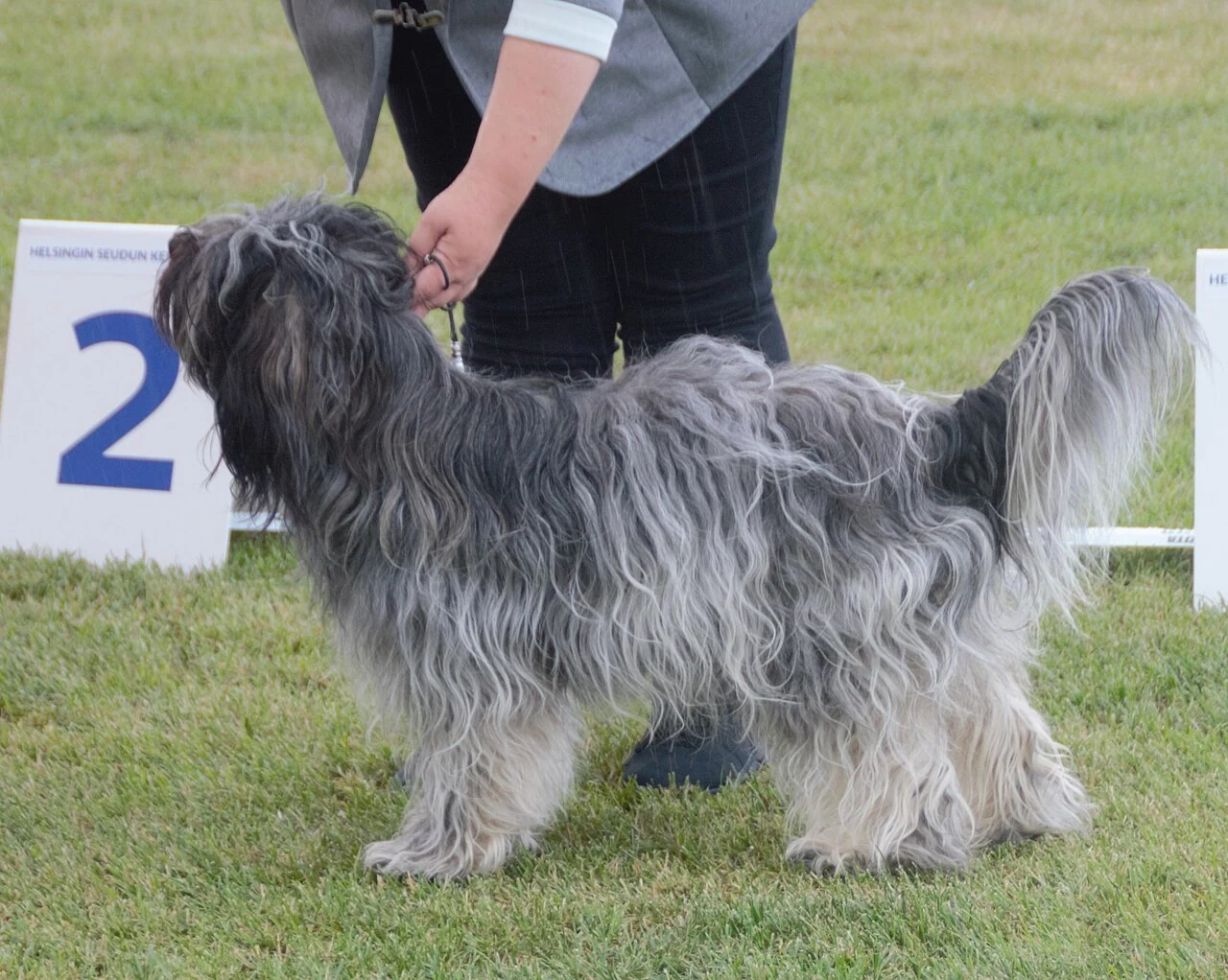
The FCI, the international organisation that publishes breed standards, gives males a height of 43 to 50 cm and females 40 to 47 cm. Height is measured at the withers, the highest point of the back just behind the neck. It does not specify a weight range. Food requirements should take body condition, activity and health into account. With this long coat, it is useful to check your dog’s shape gently by hand as well.
For a puppy, grooming can begin with brief, friendly introductions. You might touch a small section of hair, reward relaxed cooperation and then offer a break. More areas can be checked as familiarity grows. This makes thorough grooming more achievable later than beginning with a long session only after knots have formed.
A thoughtful training class can help you teach recall, walking on a lead and practical everyday skills. Recall means returning to you when you give an agreed cue. Until that is reliable around distractions, exercise should take place in a suitable secure setting or with an appropriate long training line. Shorter outings and searching games within easy reach may help an older Schapendoes continue enjoying time with you.
From puppy to senior: caring for your dog through every life stage ↗
Health
Before buying a puppy, you should examine the parents’ eye-screening results and appropriate genetic tests. The Dutch breed club’s breeding rules include examinations by a veterinary eye specialist and a breed-specific DNA test for gPRA. The DNA test checks for a particular inherited variant. gPRA means generalised progressive retinal atrophy. The retina, the light-sensitive layer inside the eye, gradually deteriorates and affected dogs can lose their sight. The genetic test covers one particular cause and therefore does not replace a comprehensive eye examination.
Heart checks in young dogs matter too. The breed club provides information on PDA, or patent ductus arteriosus. This is a vessel connecting the main body artery with the pulmonary artery that should normally close after birth. If it remains open, it can place an extra load on the heart. A heart murmur should therefore be investigated even when a puppy seems lively.
A later change in stamina or breathing problems should prompt veterinary assessment. Sudden severe difficulty breathing is an emergency. An eye that becomes red, watery or painfully held closed also needs prompt veterinary advice. Fellfolio lets you record findings, weight and changes in everyday life. Noting that a dog has recently become uncertain on a dark basement staircase gives the vet a concrete observation to investigate.
Could this breed fit your life?
Could work well if …
- You would enjoy planning walks, searching games and practical learning with an agile dog.
- You can groom thoroughly and check the coat more frequently while adult hair is developing.
- A Schapendoes may be suitable as a first dog if you prepare carefully and arrange appropriate support.
What to consider
- This agile breed should not have opportunities to practise chasing cyclists or running animals.
- A friendly expression does not replace training or supervision when children interact with the dog.
- Tangles and skin changes can remain hidden beneath long hair if grooming only reaches the surface.
Similar needs, different dogs.
Selected by shared size, activity, grooming and training characteristics.
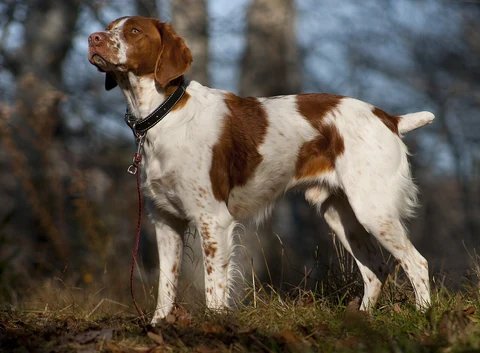
French pointing dog
Brittany
The Brittany is a compact French gundog with plenty of energy and a keen nose. It searches for game, points and retrieves. Pointing means pausing near game it has located to show the handler where it is. Anyone considering a Brittany as a companion should take its hunting instincts as seriously as its often friendly, people-oriented nature.
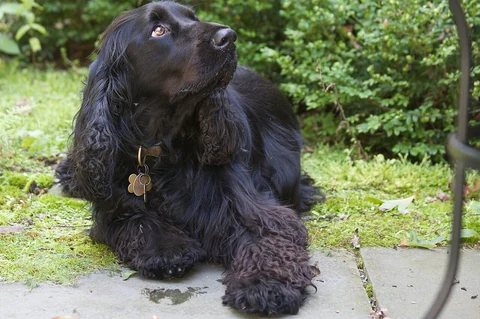
Sensitive hunting companion with a long silky coat
Field Spaniel
The Field Spaniel is an active, sensitive dog that enjoys following scents outdoors and being close to its people at home. Beneath the long silky coat is an enduring hunting companion. Varied exercise, shared activities and kind training give this attentive dog plenty to enjoy with its family.
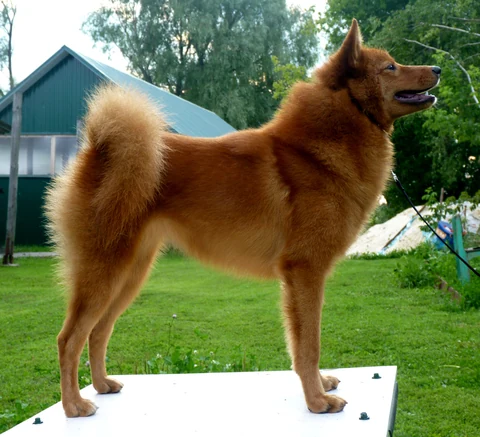
Vocal hunting dog from Finland
Finnish Spitz
A reddish gold coat, pointed ears and a tail curled over the back make the Finnish Spitz easy to recognise. Its voice is as much a part of its history as its appearance. When hunting, it barks to indicate a bird’s position in a tree. Life with this breed calls for plans that take exercise, hunting interest and noise into account together.
Sources and photograph credit
- Teaching your dog to be left alone
Used in this profile for: Staying home alone
- Exercising Your Puppy
Used in this profile for: Size and build
- Training Your Dog to Be Left Alone
Used in this profile for: Everyday life
- Understanding Your Dog’s Behaviour
Used in this profile for: Everyday life
- Children and Dogs
Used in this profile for: Temperament, Could this breed fit your life?
- Caring for Your Dog’s Teeth
Used in this profile for: Day-to-day care
- Train Your Dog to Come When Called
Used in this profile for: Size and build
- Verenigingsfokreglement: Nederlandse Schapendoes
Used in this profile for: Health
- Nederlandse Schapendoes
Used in this profile for: Temperament, Everyday life, Day-to-day care, Size and build, Health, Could this breed fit your life?
- Nieuwsbrief PDA: Cardioscreening Schapendoes
Used in this profile for: Health
- FCI Standard 313: Dutch Schapendoes
Used in this profile for: Size / Weight, Temperament, Size and build
Photo credits
Portrait · Schapendoes3.jpg · Lo Wendel (Lovisa) · CC BY 2.0 · Edited

Side view · Schapendoes-grey&brown.jpg · Canarian · CC BY-SA 4.0 · Edited

Everyday life · Schapendoes5.jpg · Lo Wendel (Lovisa) · CC BY 2.0 · Edited

Coat and features · Schapendoes6.jpg · Lo Wendel (Lovisa) · CC BY 2.0 · Edited
