 fellfolio
French pointing dog
Brittany
The Brittany is a compact French gundog with plenty of energy and a keen nose. It searches for game, points and retrieves. Pointing means pausing near game it has located to show the handler where it is. Anyone considering a Brittany as a companion should take its hunting instincts as seriously as its often friendly, people-oriented nature.
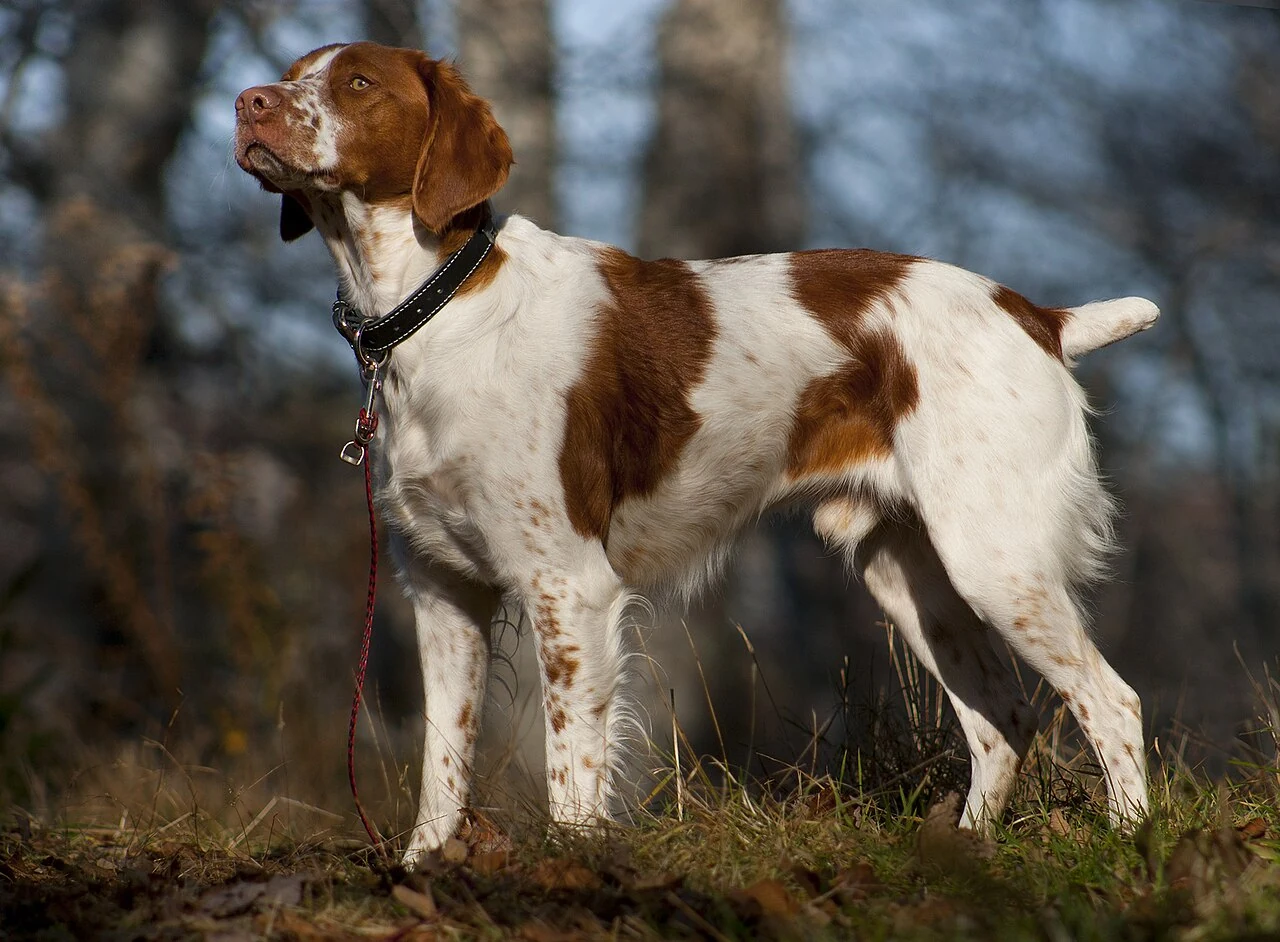
At a glance
- Size
- Medium
- Height at shoulder
- 47 to 51 cm
- Lifespan
- over 10 years
- Activity
- High
- Grooming
- Several times weekly
- Training
- Patience & clear guidance
- Owner experience
- Experience recommended
Affectionate company and an enthusiastic searcher
Many Brittanys enjoy being close to their people and respond enthusiastically to training together. Outdoors, an interesting scent can quickly become more compelling than their handler. That focus on game belongs to the breed's original work. Recall and checking in with you should be taught early, starting somewhere with few distractions.
A dog searching a meadow may suddenly stop and study a particular spot. Recognising this behaviour helps you create distance from wildlife in good time. Until reliable recall is established, a long training line attached to a well-fitting harness can offer room to move. The dog remains secured while still being able to explore. Local lead rules and protecting wildlife matter even with a well-trained dog.
An affectionate Brittany can be rewarding family company. Adults should supervise play between children and the dog, and provide an undisturbed sleeping place. Living with a cat depends on the individual animals and their experiences. Separate spaces should be planned for rabbits or birds, as hunting instincts can also be directed towards small household pets.
Everyday life
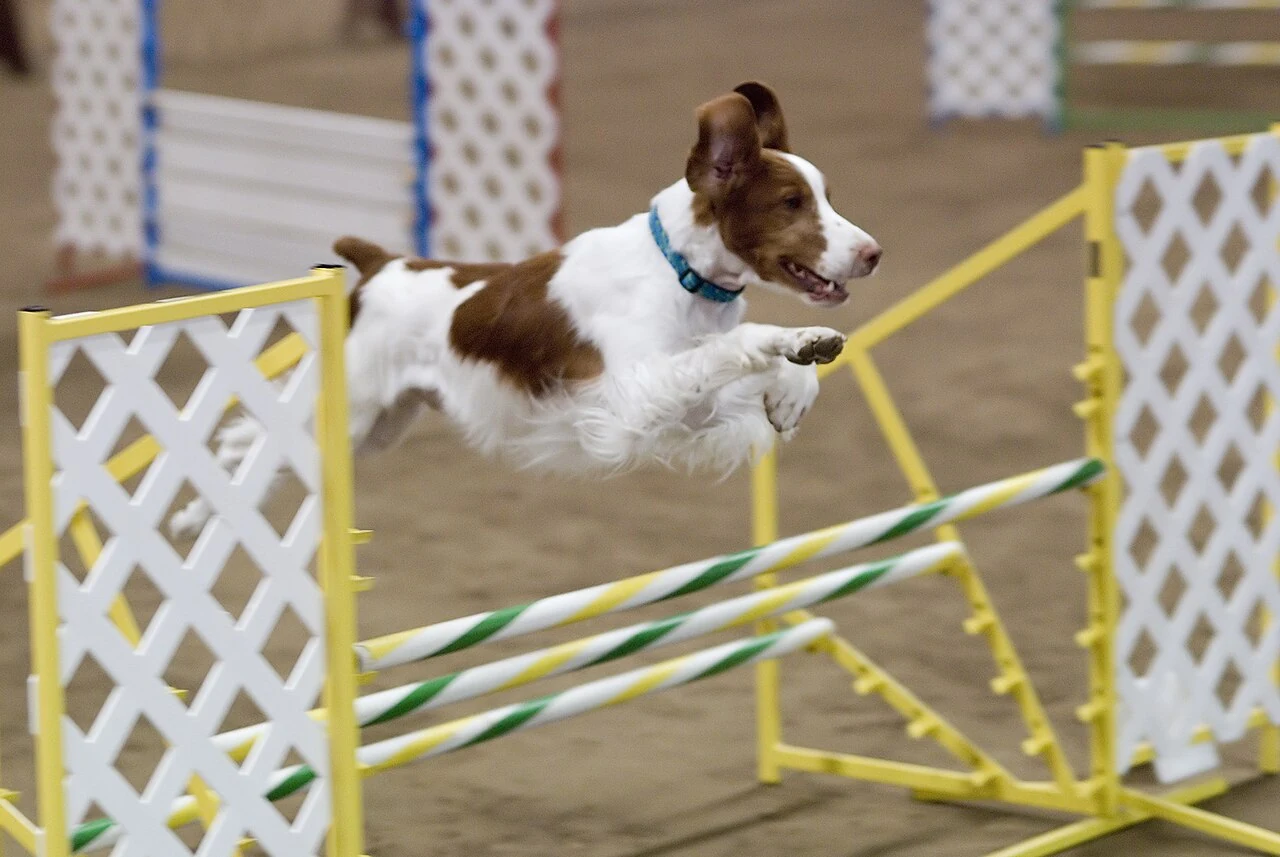
A Brittany suits people who enjoy spending substantial time outdoors every day. Walks with opportunities to sniff, search activities and training together should have a regular place in the routine. A garden alone provides too little. Before choosing the breed, it is worth comparing your actual daily schedule with the needs of an active gundog.
Retrieving means bringing a found object back to the handler. For an introductory exercise, a soft training item large enough for the dog to carry safely can be placed nearby. The dog can search for it, pick it up and return. With guidance, this can be built gradually without throwing the item a long way each time. Waiting calmly before the search is a useful skill too.
If you plan to work your dog in the field, contact a suitable breed club and experienced trainer early. For a home without hunting work, discuss suitable outlets for movement and searching with breed-experienced professionals before getting the dog. Quiet periods belong in home life too. Time alone should be introduced gradually, with dependable care arranged for regular longer absences.
Staying home alone
Dogs learn to stay home alone in small steps. The RSPCA advises no more than four hours at a time. Puppies and dogs that become unsettled when left alone need shorter absences and gradual practice. Arrange someone to care for your dog when you will be away longer.
Everyday dog training: recall, a loose lead and clear communication ↗
Day-to-day care
The usually straight to slightly wavy coat should be brushed several times a week, particularly the longer hair on the legs. After outings through long grass, checking paws, ears and coat is worthwhile. Grass awns are pointed parts of some grasses, often with barbs. They can catch in the coat and enter skin, ears or eyes. Loose surface debris can be removed. Intense head shaking, a painful eye or a swollen paw warrants a call to the vet.
Nails, skin and ears need regular checks. Toothbrushing with dog toothpaste should ideally be a daily habit. Food portions should reflect actual activity. A working gundog and a dog taking ordinary walks may have different energy needs. Training rewards should be included in the daily food allowance.
Size and build
The breed comes from Brittany in north-western France. A first draft standard was drawn up in 1907 and the standard adopted in 1908. Brittany is the usual English name, while in France it is known as Épagneul Breton. The Fédération Cynologique Internationale, or FCI, is an international federation of national kennel organisations. The FCI lists the Brittany as a pointing dog in Standard No. 95. Its field work combines searching for and indicating game with retrieving shot game.
The FCI standard gives males a height of 48 to 51 cm and females 47 to 50 cm, with a tolerance of 1 cm in either direction. Height is measured at the withers, the highest point over the shoulders. The body is almost square. The standard gives no fixed weight range. Typical features include short drop ears and a white coat with orange, black or brown areas. Roan colouring means white and coloured hairs are intermingled. A short tail can be present from birth.
From puppy to senior: caring for your dog through every life stage ↗
Health
Before choosing a puppy, ask to see health records for both parents. The UK's Royal Kennel Club recommends hip screening for breeding dogs. Hip dysplasia is abnormal development of the hip joint that leaves it too loose. It can cause pain and arthritis. Repeated limping, stiffness or difficulty getting up should be assessed by a vet.
Epilepsy is also named in the American Brittany Club's health code. It is a disorder involving recurring seizures. A single seizure can have other causes and needs veterinary investigation. Timing, duration and visible movements can be recorded, with a video if this is possible without delaying help. A seizure lasting more than 5 minutes, or multiple seizures within 24 hours, is a veterinary emergency.
Regular preventive care, appropriate feeding and a lean body condition matter for an athletic dog too. The Royal Kennel Club gives a lifespan of over 10 years. This is a general breed figure rather than a prediction for an individual dog.
Could this breed fit your life?
Could work well if …
- You enjoy spending substantial time outside every day and want to combine exercise with searching and training.
- You can seek skilled help with hunting behaviour and secure your dog where off-lead exercise is not yet possible or permitted.
- You have worked out suitable daily activities and dependable care arrangements before getting the dog.
What to consider
- Game scent can strongly hold the dog’s attention. Recall, secure exercise and protecting wildlife deserve early attention.
- Separate spaces should be planned for household birds and rabbits.
- Both parents’ hip assessments and known illnesses in related dogs should be discussed before choosing a puppy.
Similar needs, different dogs.
Selected by shared size, activity, grooming and training characteristics.
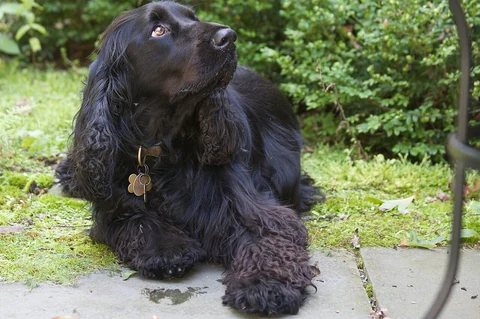
Sensitive hunting companion with a long silky coat
Field Spaniel
The Field Spaniel is an active, sensitive dog that enjoys following scents outdoors and being close to its people at home. Beneath the long silky coat is an enduring hunting companion. Varied exercise, shared activities and kind training give this attentive dog plenty to enjoy with its family.
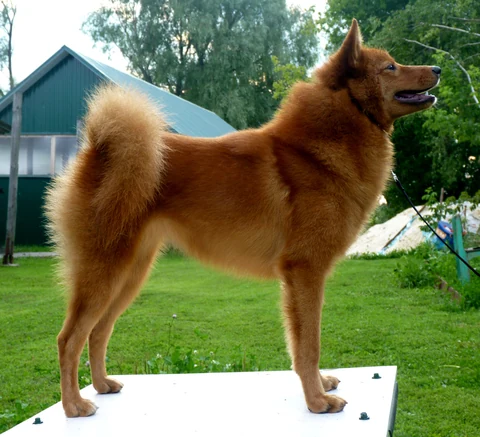
Vocal hunting dog from Finland
Finnish Spitz
A reddish gold coat, pointed ears and a tail curled over the back make the Finnish Spitz easy to recognise. Its voice is as much a part of its history as its appearance. When hunting, it barks to indicate a bird’s position in a tree. Life with this breed calls for plans that take exercise, hunting interest and noise into account together.
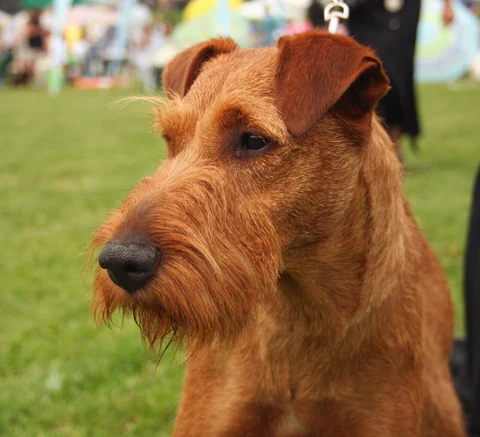
Red Irish wire-coated terrier
Irish Terrier
The Irish Terrier combines a red, wiry coat with long legs and a lean, strong body. Its ancestors guarded farms and worked at different hunting tasks. Today, it can suit people who enjoy activity and are happy to guide an independent dog through rewards. Grooming, managing an interest in chasing and calm encounters with other dogs deserve preparation.
Sources and photograph credit
- Teaching your dog to be left alone
Used in this profile for: Staying home alone
- Breeders Code of Ethics, health clauses 5 and 7
Used in this profile for: Health
- Brittany Spaniel, FCI Standard No. 95
Used in this profile for: Size / Weight, Temperament, Everyday life, Day-to-day care, Size and build, Could this breed fit your life?
- Brittany
Used in this profile for: Temperament, Everyday life, Day-to-day care, Size and build, Health, Lifespan, Could this breed fit your life?
- Idiopathic epilepsy in dogs
Used in this profile for: Health
- Canine hip dysplasia (CHD)
Used in this profile for: Health
- Presentation of our organisation
Used in this profile for: Size and build
- Dental disease in dogs
Used in this profile for: Day-to-day care
- Grass seeds in dogs
Used in this profile for: Day-to-day care
- Grooming and bathing pets
Used in this profile for: Day-to-day care
- Teaching your dog to be left alone
Used in this profile for: Everyday life, Could this breed fit your life?
- Training your dog
Used in this profile for: Everyday life
Photo credits
Portrait · American Brittany standing.jpg · Pharaoh Hound · CC BY-SA 3.0 · Edited

In action · Brittany agility jump.jpg · Ron Armstrong · CC BY 2.0 · Edited

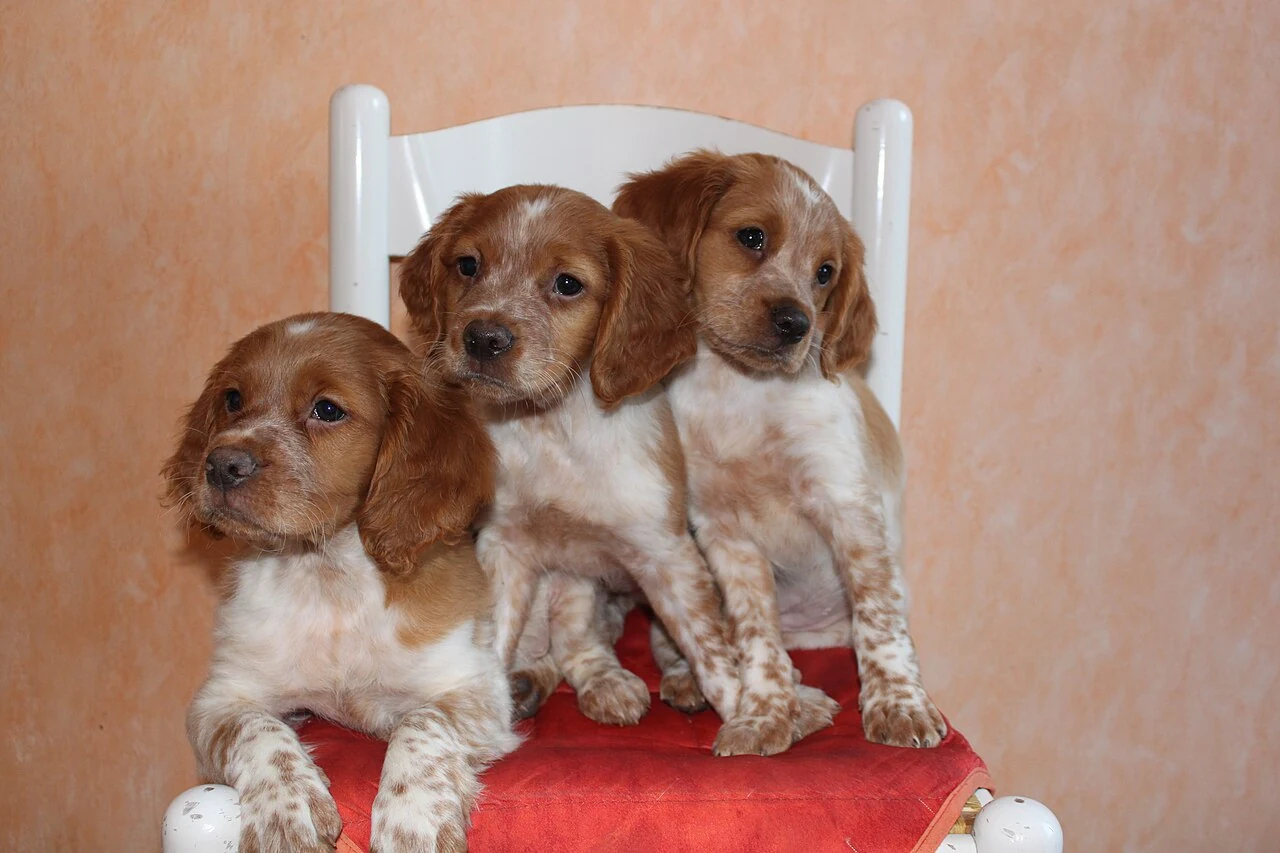
Puppy · Chiots 064.JPG · Bertrand benazeth · CC BY-SA 4.0 · Edited

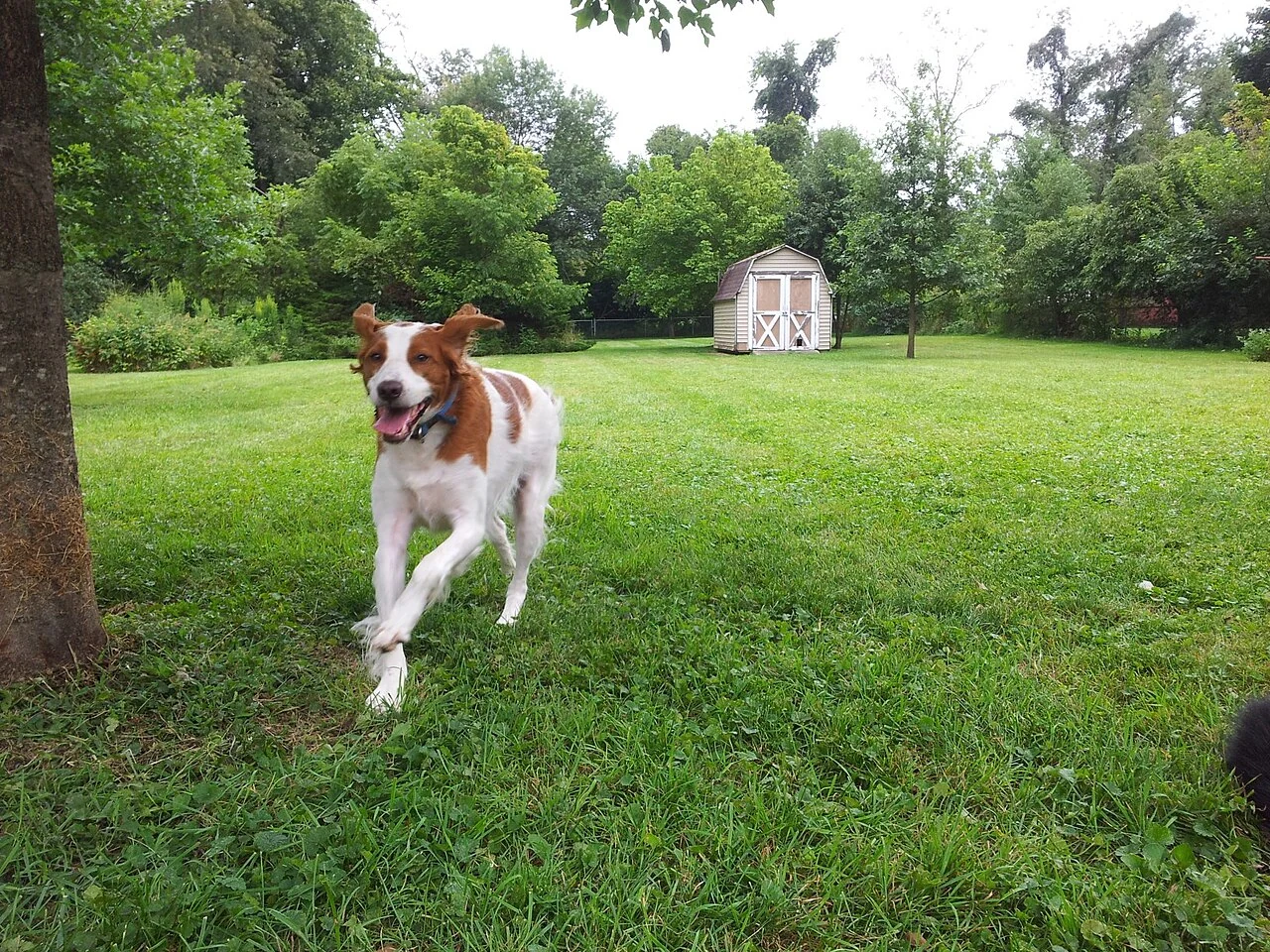
Everyday life · Brittany Spaniel named Cedar living the good life in Ohio, USA!.jpg · Cmadgh · CC BY-SA 4.0 · Edited
