 fellfolio
Sensitive hunting companion with a long silky coat
Field Spaniel
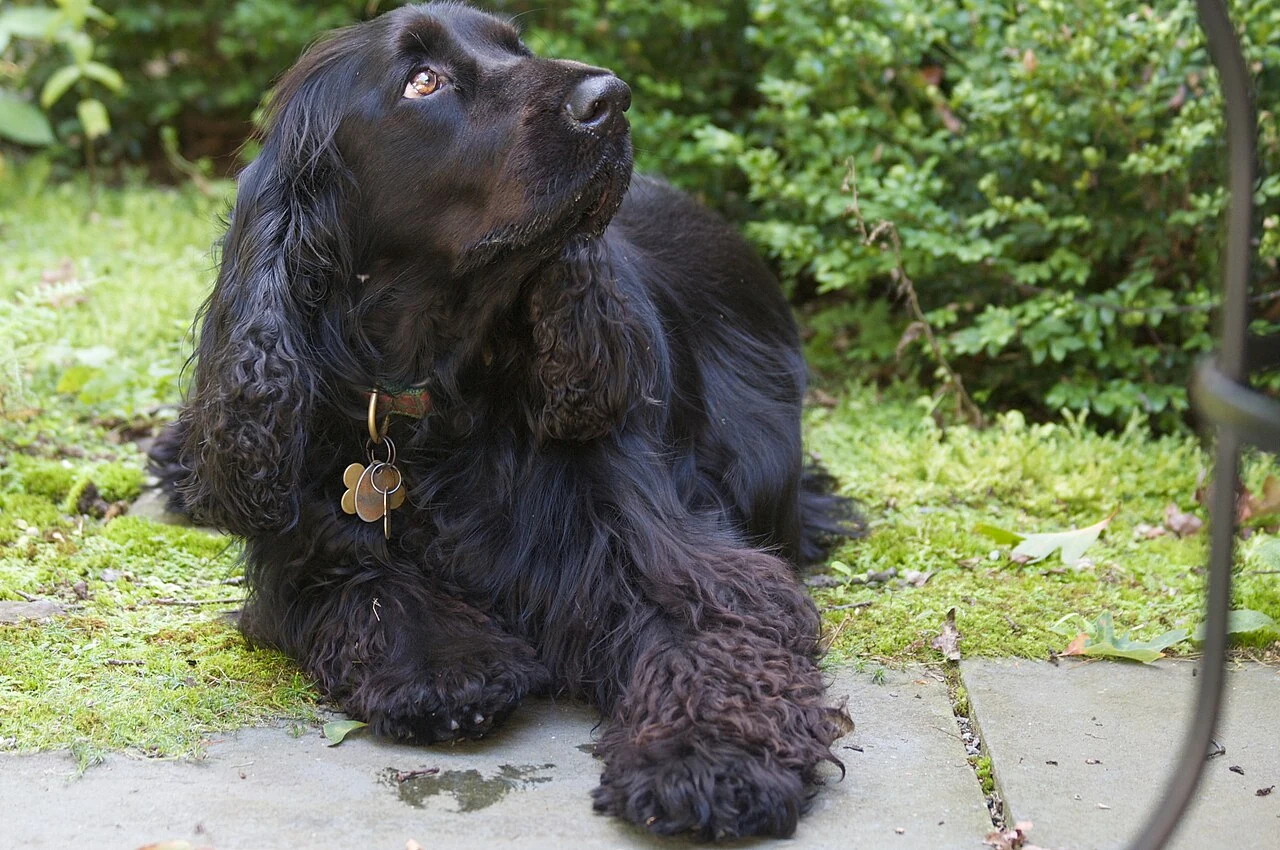
The Field Spaniel is an active, sensitive dog that enjoys following scents outdoors and being close to its people at home. Beneath the long silky coat is an enduring hunting companion. Varied exercise, shared activities and kind training give this attentive dog plenty to enjoy with its family.
At a glance
- Size
- Medium
- Weight
- 18 to 25 kg
- Lifespan
- 12 to 13 years
- Activity
- High
- Grooming
- Several times weekly
- Training
- Patience & clear guidance
- Owner experience
- Experience recommended
A working spaniel with a remarkable history
The Field Spaniel developed in Britain during the late nineteenth century from several spaniel breeds. It was intended to flush game from cover and retrieve shot animals. This work called for a good nose, stamina and the ability to make independent decisions. Those qualities also influence life with a family companion today.
Its history shows how strongly show fashions can change a breed. In the early twentieth century, very long, low dogs were bred that became increasingly unsuited to the original work. Interest declined and the breed came close to disappearing. Dedicated breeders later rebuilt a more mobile, capable working type. The Field Spaniel remains relatively uncommon.
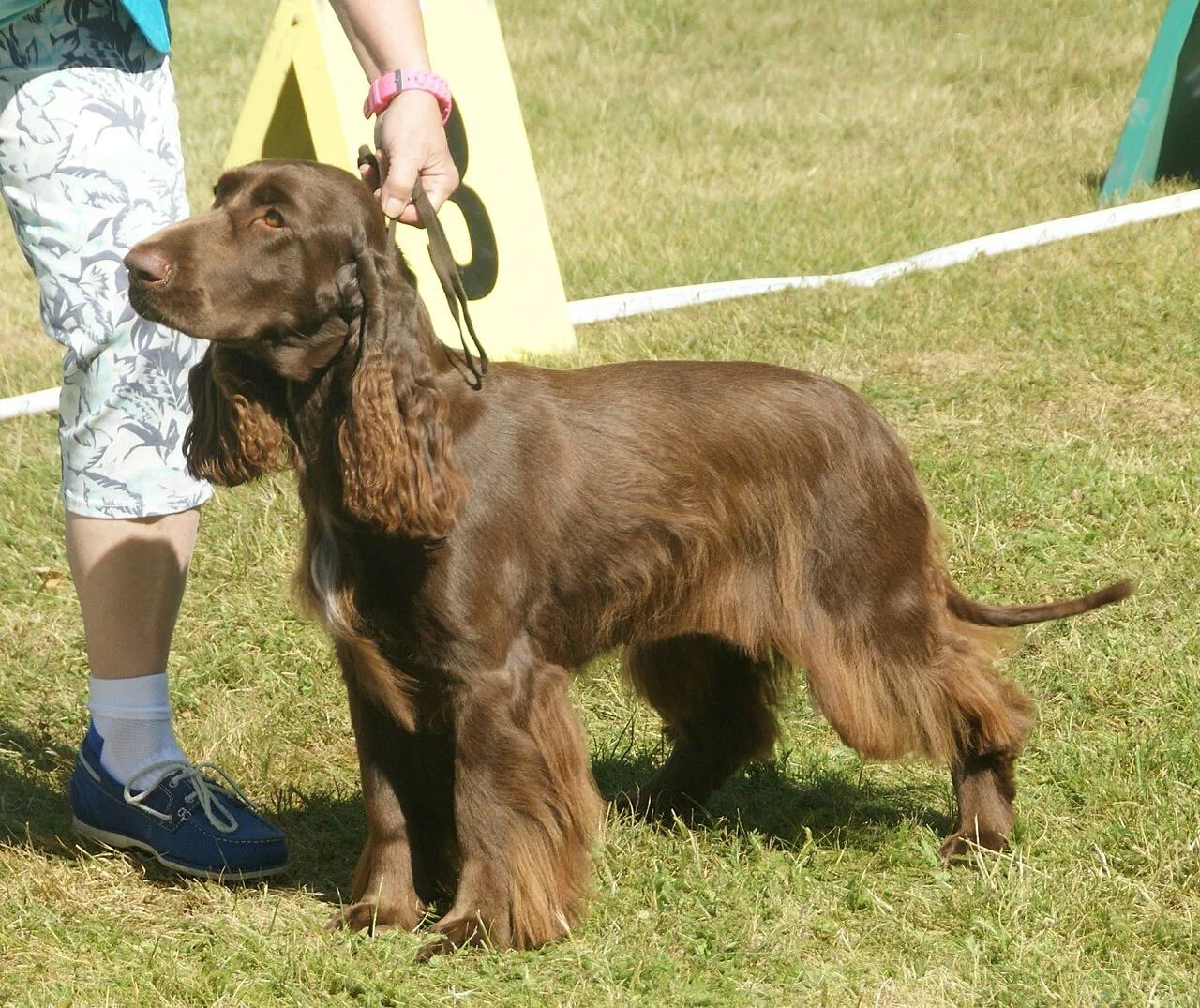
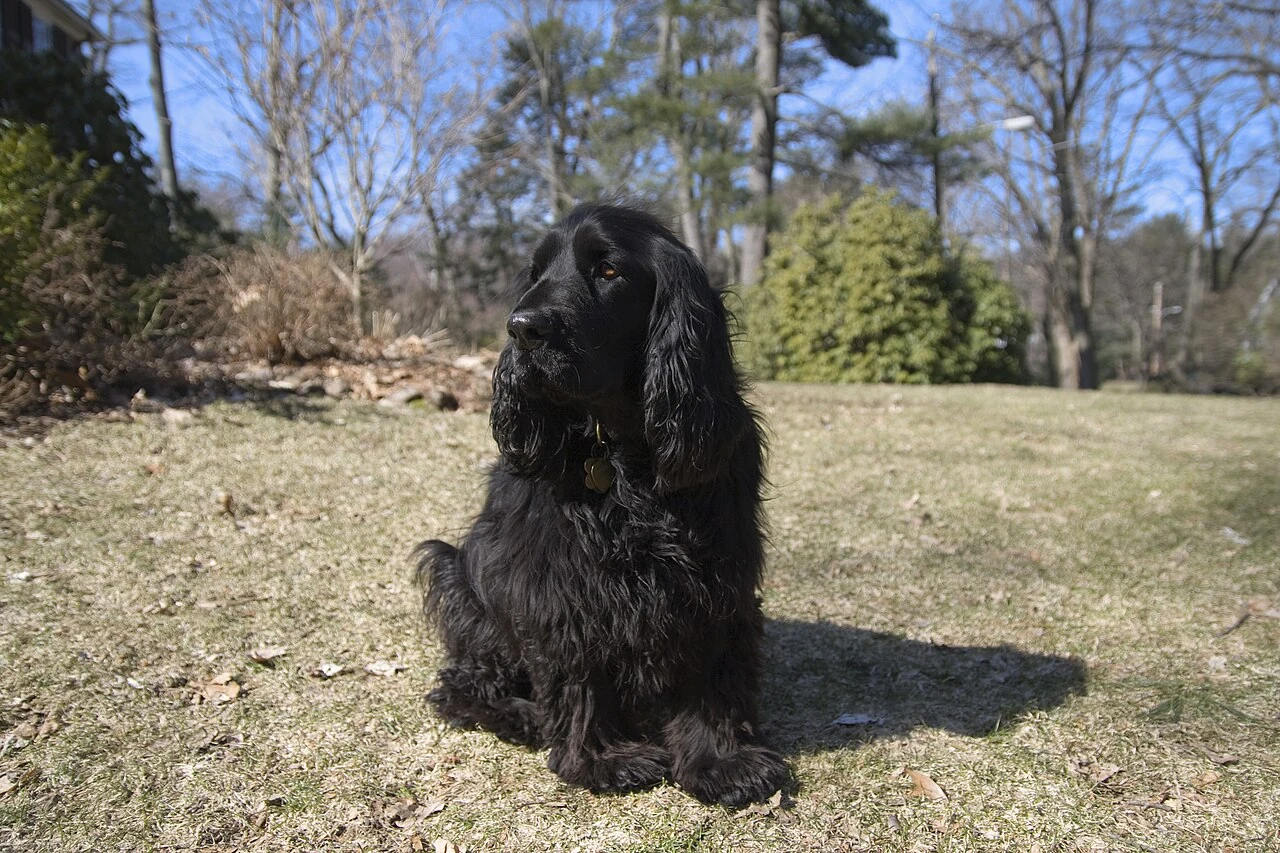
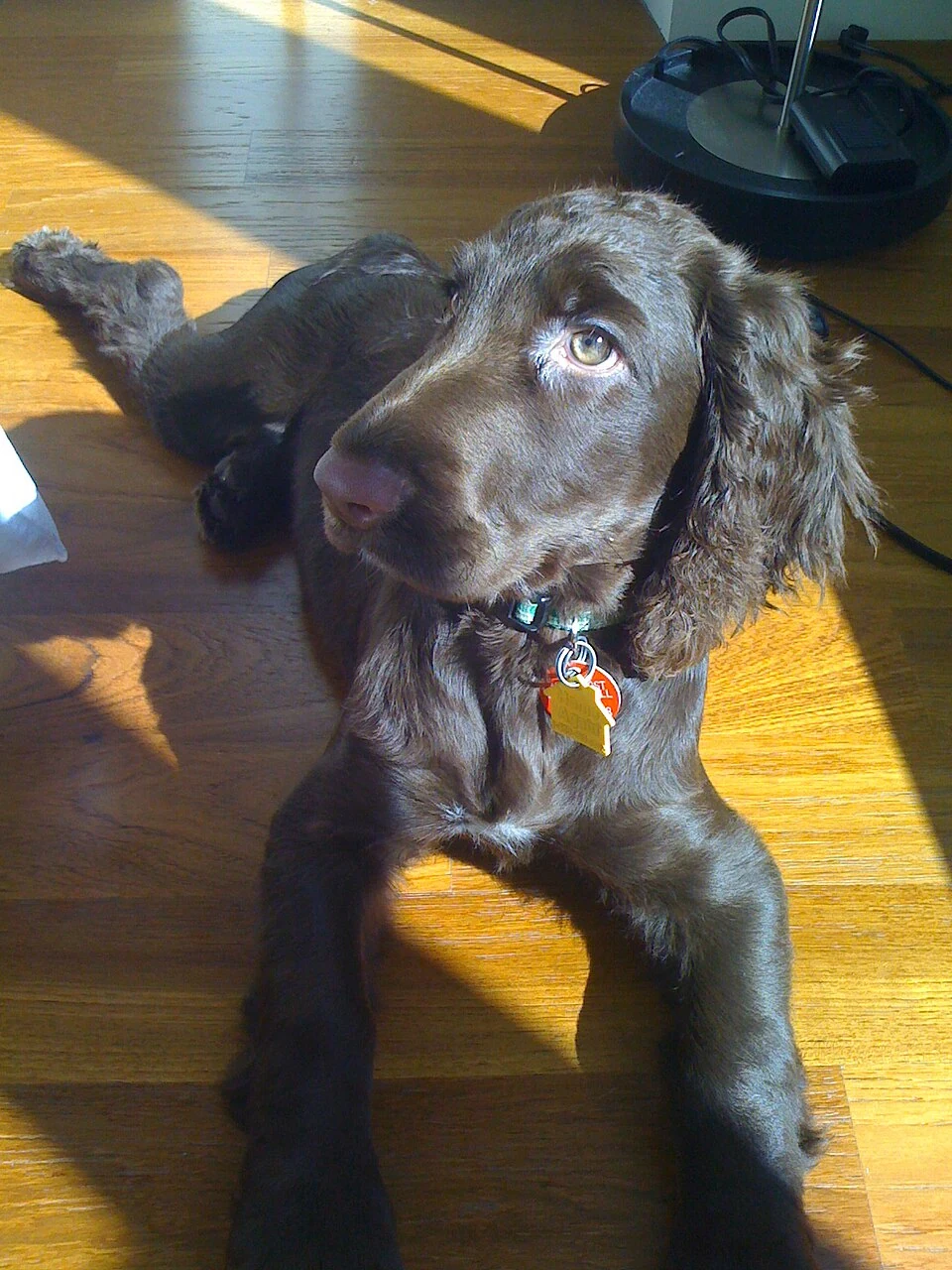
The international canine organisation FCI describes a shoulder height of approximately 46 centimetres and a weight of 18 to 25 kilograms. The longer coat is flat and silky. Colours include black and brown, sometimes with tan markings around the face and legs. Roan coats have lighter and darker hairs mixed together.
Many Field Spaniels become closely attached to their people and respond poorly to rough handling. Clear lessons taught kindly can help them learn. They may prefer to watch unfamiliar people from a little distance before approaching. Children should learn to leave the dog undisturbed while it eats or sleeps. An adult should guide their play together.
Everyday life
A healthy adult Field Spaniel needs substantial daily exercise. Woodland paths, fields and varied walks offer plenty of scent to investigate. The breed standard specifically describes it as a dog for life outside the city. Convenient access to countryside and enough time for shared outings should therefore be central to planning a suitable home.
Scent games and finding and retrieving a training object draw on its original work. A familiar toy could first be placed a few steps away where the dog can see it. Once the task is understood, simple hiding places can be added. This lets the difficulty develop alongside the dog’s skills.
Wildlife scents can be compelling. Coming back when called should begin with few distractions and consistent rewards. A long lead attached to a harness can help prevent chasing on routes with wildlife. Quiet rest and family companionship also matter at home. Learning to be left alone should start with small, relaxed steps, rather than a full working day.
Staying home alone
Dogs learn to stay home alone in small steps. The RSPCA advises no more than four hours at a time. Puppies and dogs that become unsettled when left alone need shorter absences and gradual practice. Arrange someone to care for your dog when you will be away longer.
Everyday dog training: recall, a loose lead and clear communication ↗
Day-to-day care
The silky coat should be gently brushed and combed several times a week. Longer hair around the chest, legs and ears can tangle. Removing twigs and other plant material after walks helps prevent them becoming embedded in the coat. The paws should also be checked for small objects.
Problems beneath the long ears can be easy to miss. Brief regular checks help you notice redness, odour or discharge early. Repeated head shaking or scratching should be investigated. Your veterinary practice can advise whether cleaning is needed and which product suits the dog.
Dog toothpaste is suitable for regular toothbrushing. This should be introduced gradually so the dog becomes comfortable with handling around its mouth. Nails should remain short enough not to affect walking. Food, including training treats, should reflect actual exercise.
Size and build
A young Field Spaniel benefits from calm, friendly introductions and brief learning activities. A toy that is easy to find can engage its interest in scent. Combing, paw care and ear checks should be introduced early in small steps. Long running routes and frequent high jumps should wait until physical maturity.
For adults, scent work, suitable dog sport classes and varied outings can enrich daily life. Familiar activities over shorter distances often remain enjoyable in later years. If the dog suddenly becomes reluctant to walk, gets up more slowly or takes longer to recover after exercise, your veterinary practice should check for possible pain. The American Kennel Club lists a life expectancy of twelve to thirteen years.
From puppy to senior: caring for your dog through every life stage ↗
Health
Britain’s Royal Kennel Club recommends hip, elbow and specialist eye screening for breeding dogs. The American breed club also recommends screening for autoimmune thyroid disease, in which the immune system attacks the dog’s own thyroid tissue. Before choosing a puppy, you should ask for both parents’ findings and have their role in breeding decisions explained.
Hip dysplasia involves instability of the hip joint and can cause pain and later joint deterioration. Repeated lameness or difficulty getting up should be investigated. An underactive thyroid can cause unusual tiredness, weight gain or coat loss. Diagnosis requires a veterinary examination and appropriately interpreted blood tests.
Recurring ear problems should also be addressed early. It helps to know when head shaking or scratching began and whether discomfort tends to follow particular outings. Fellfolio can keep these observations alongside weight records, medicines and examination reports, making it easier to follow the previous course at future appointments.
Could this breed fit your life?
Could work well if …
- You want substantial daily outdoor exercise and shared scent or retrieving activities.
- You can guide a sensitive dog with patience and kind training.
- You can allow time for coat care, family companionship and health checks.
What to consider
- Wildlife scents can encourage chasing. Exercise on those routes should be managed safely.
- The longer coat and hanging ears need regular attention.
- When choosing a puppy, you should ask about the parents’ joint, eye and thyroid findings.
Similar needs, different dogs.
Selected by shared size, activity, grooming and training characteristics.
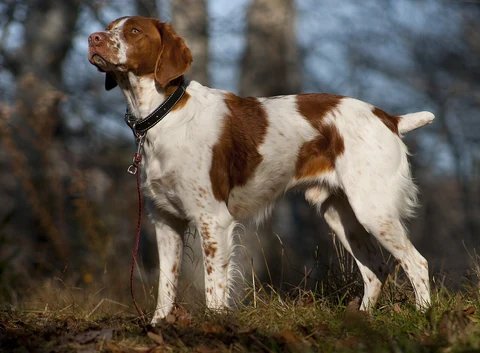
French pointing dog
Brittany
The Brittany is a compact French gundog with plenty of energy and a keen nose. It searches for game, points and retrieves. Pointing means pausing near game it has located to show the handler where it is. Anyone considering a Brittany as a companion should take its hunting instincts as seriously as its often friendly, people-oriented nature.
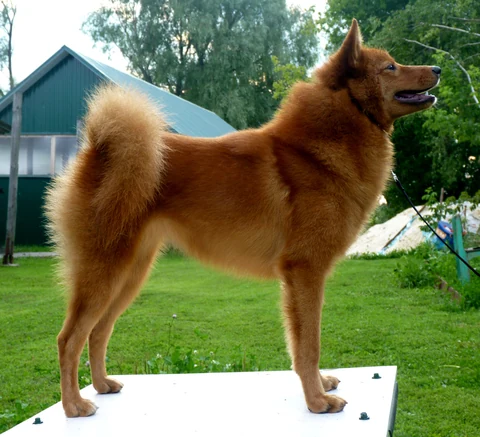
Vocal hunting dog from Finland
Finnish Spitz
A reddish gold coat, pointed ears and a tail curled over the back make the Finnish Spitz easy to recognise. Its voice is as much a part of its history as its appearance. When hunting, it barks to indicate a bird’s position in a tree. Life with this breed calls for plans that take exercise, hunting interest and noise into account together.
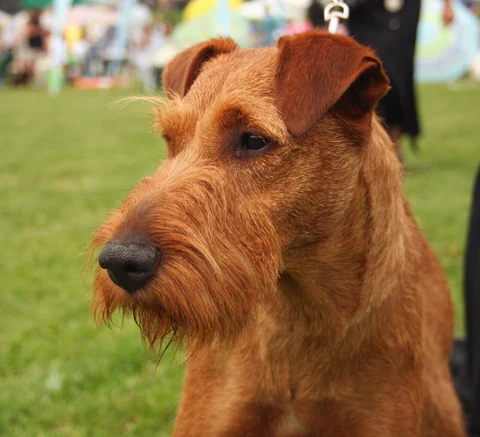
Red Irish wire-coated terrier
Irish Terrier
The Irish Terrier combines a red, wiry coat with long legs and a lean, strong body. Its ancestors guarded farms and worked at different hunting tasks. Today, it can suit people who enjoy activity and are happy to guide an independent dog through rewards. Grooming, managing an interest in chasing and calm encounters with other dogs deserve preparation.
Sources and photograph credit
- Teaching your dog to be left alone
Used in this profile for: Staying home alone
- Canine Hip Dysplasia
Used in this profile for: Health
- Position Statements and Humane Dog Training
Used in this profile for: Everyday life
- Field Spaniel
Used in this profile for: Temperament, Everyday life, Day-to-day care, Size and build, Lifespan, Could this breed fit your life?
- field parent club health statement
Used in this profile for: Health
- Field Spaniel FCI123
Used in this profile for: Size / Weight, Temperament, Day-to-day care, Size and build
- Spaniel Field
Used in this profile for: Everyday life, Day-to-day care, Health, Could this breed fit your life?
- Ear problems in pets
Used in this profile for: Day-to-day care, Health
- Exercising Your Puppy
Used in this profile for: Size and build
- Hypothyroidism in dogs
Used in this profile for: Health
- Training Your Dog to Be Left Alone
Used in this profile for: Everyday life
- Children and Dogs
Used in this profile for: Temperament
- Caring for Your Dog’s Teeth
Used in this profile for: Day-to-day care
- Train Your Dog to Come When Called
Used in this profile for: Everyday life
Photo credits
Portrait · Black Field Spaniel.jpg · Peter · CC BY 2.0 · Edited

Everyday life · Field Spaniel.jpg · Peter · CC BY 2.0 · Edited

Side view · Field-liver1.jpg · Canarian · CC BY-SA 4.0 · Edited

Coat and features · Field Spaniel In Liver Color.jpg · RishiBali · CC BY-SA 3.0 · Edited
