 fellfolio
Large English guardian with a calm temperament and close family bonds
Mastiff
A Mastiff’s size shapes daily life as much as their temperament. At home, many are calm and affectionate and enjoy being near familiar people. They need plenty of room in the car, and caring for such a heavy dog can be difficult alone if they become unwell. Before bringing one home, you should think about who could help with transport and care.
At a glance
- Size
- Large
- Lifespan
- 6 to 10 years
- Activity
- Moderate
- Grooming
- Several times weekly
- Training
- Patience & clear guidance
- Owner experience
- Experience recommended
An English guardian with close family bonds
The Mastiff belongs to Britain’s traditional guardian breeds. Numbers fell sharply during the Second World War, and dogs from North America helped rebuild the population. The international canine organisation FCI describes the breed as calm and affectionate towards their family, usually with a reserved attitude to strangers.
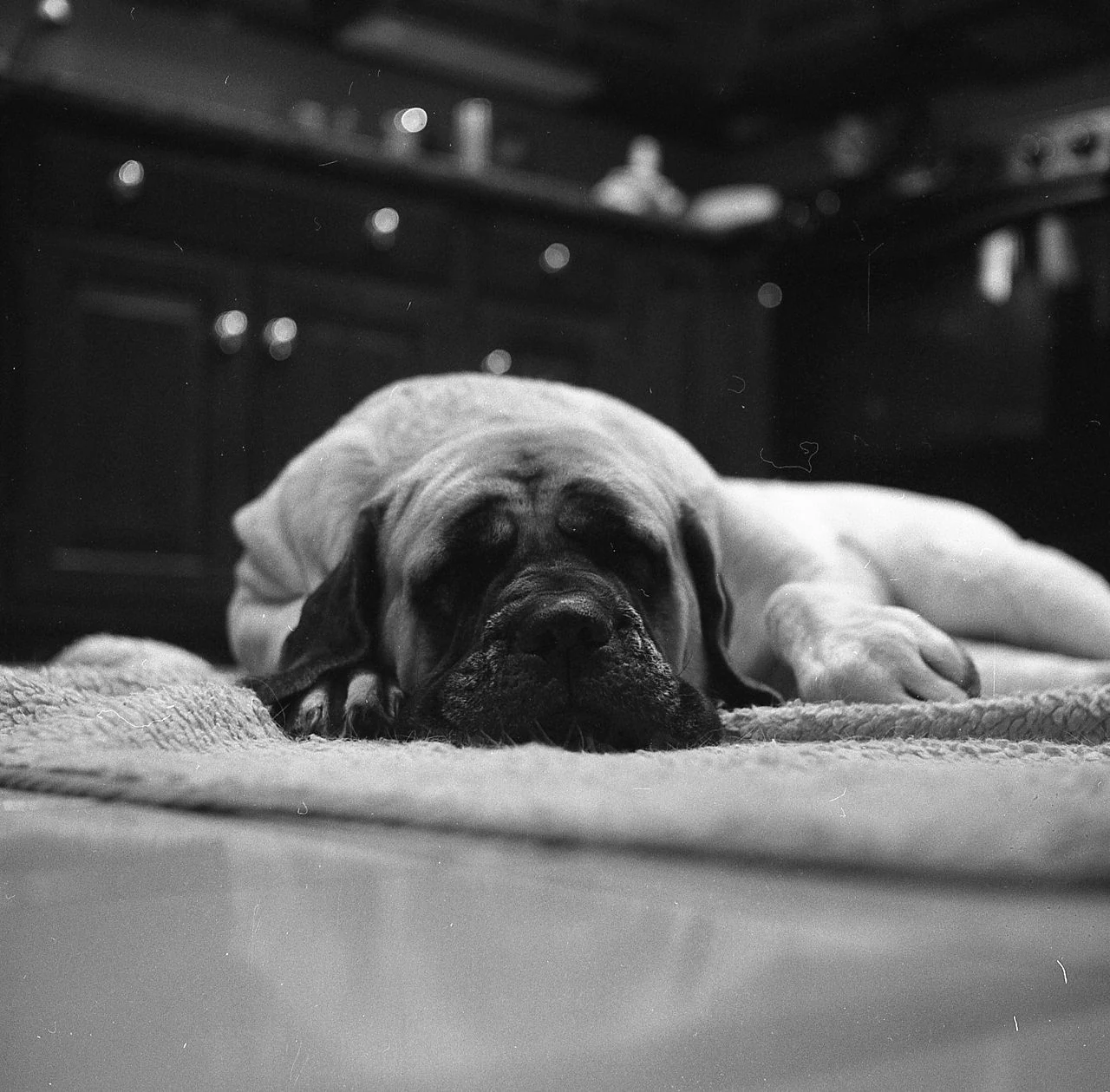
That calm presence is particularly pleasant when a dog has learned that visitors are part of everyday life. New people should allow time for introductions. Some space and a familiar resting place are more helpful than several hands reaching for the dog’s head at once. Around children, sheer weight matters too. Standing up or turning enthusiastically can knock a small child over. An adult should supervise time together, and the dog should be left undisturbed while eating or sleeping.
Everyday life
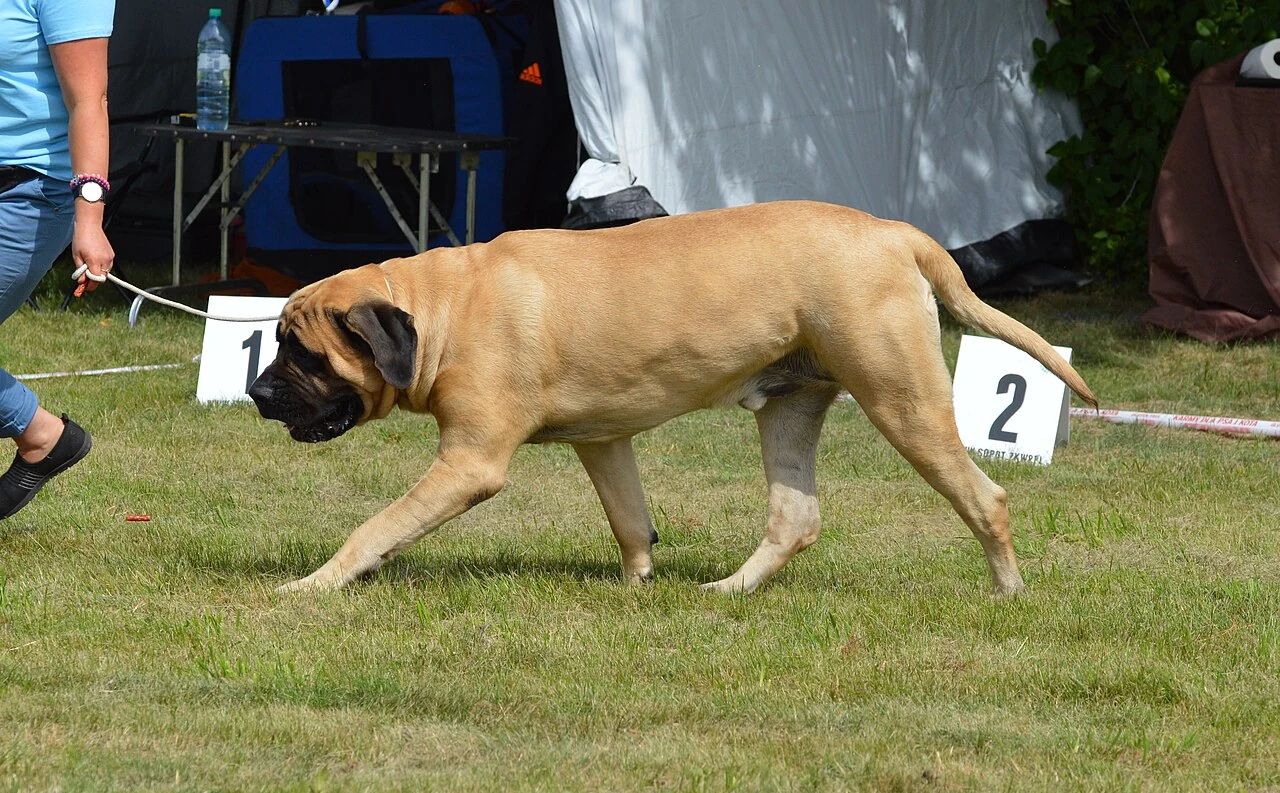
An adult Mastiff needs daily walks, even if much of the time at home is spent resting. Opportunities to sniff and a comfortable walking pace generally suit the breed better than sustained athletic exertion. The American Kennel Club describes their exercise needs as relatively moderate. The distance an individual enjoys also depends on age, fitness and health.
Short, varied training sessions with worthwhile rewards are useful. Walking on a loose lead, waiting briefly at a doorway and accepting handling for an examination should be practised early. These skills make caring for a powerful adult much easier. Lengthy repetitions of the same task may soon lose the dog’s interest.
A flat can be suitable if daily outdoor exercise and sufficient room for the dog are available. Wide paths through the home, a large bed and access outdoors without numerous stairs are practical priorities. Nonslip surfaces make getting up easier. Workdays and holidays also need a carer who can safely handle a dog of this size. Time alone should be introduced through short, gradual absences.
Staying home alone
Dogs learn to stay home alone in small steps. The RSPCA advises no more than four hours at a time. Puppies and dogs that become unsettled when left alone need shorter absences and gradual practice. Arrange someone to care for your dog when you will be away longer.
Everyday dog training: recall, a loose lead and clear communication ↗
Day-to-day care
A soft brush or grooming mitt works well on the short, dense coat. Brushing every few days removes loose hair, with extra sessions during shedding. Mastiffs may drool considerably, so an absorbent cloth and an easy to clean area around the water bowl are useful.
Facial folds should be checked regularly, cleaned with a suitable product when needed and dried carefully afterwards. Moist folds allow bacteria and yeast to multiply. Redness, an unpleasant smell or soreness should be assessed by a vet. Grooming should also include checks of the nails, ears and teeth. Gradually teaching the dog to accept brushing with dog toothpaste makes dental care easier to include in the routine.
Size and build
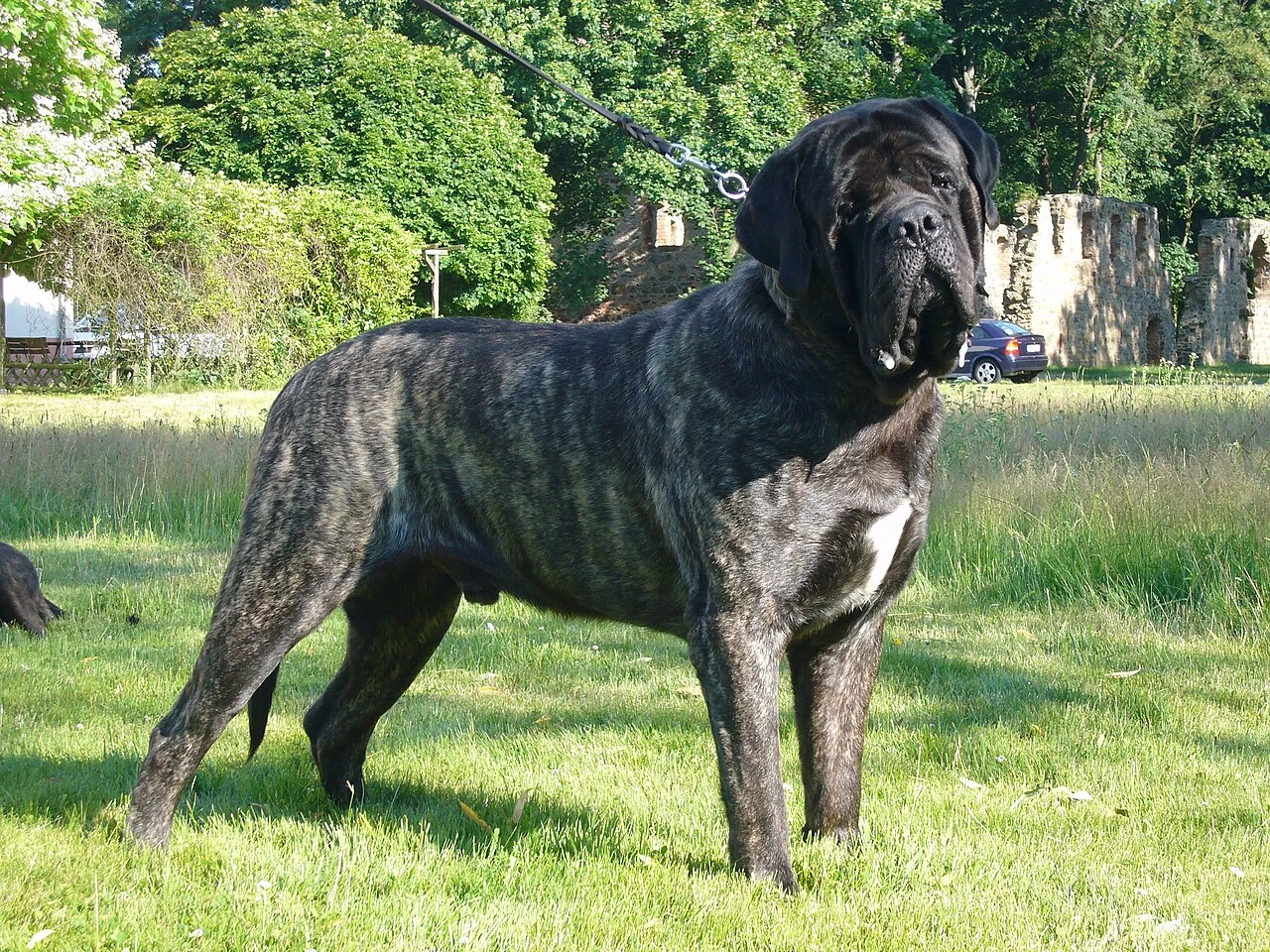
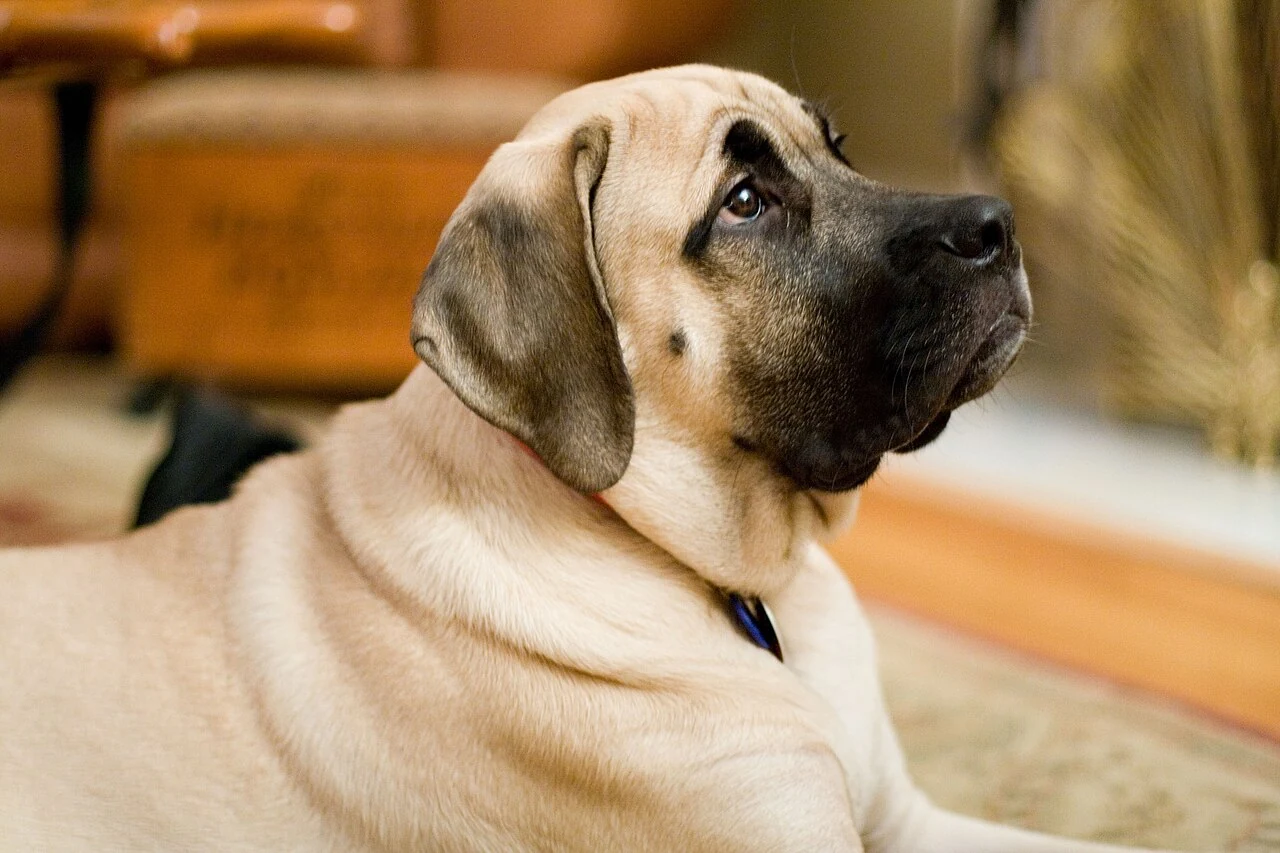
The Mastiff has a very substantial body, a broad head and a short coat in fawn, apricot or brindle. Brindle coats have darker stripes through the base colour. A dark mask covers the muzzle. The international standard emphasises that size and weight should go together with sound structure and free movement.
A puppy should grow at a lean body condition on food suitable for large puppies. Feeding amounts and growth should be discussed with the veterinary practice. Brief walks, self paced play and plenty of rest suit this stage. Long runs and repeated high jumps should be avoided while the dog is growing. In later life, low entrances and well padded resting places can make a substantial difference. Difficulty getting up should prompt an assessment of the cause.
From puppy to senior: caring for your dog through every life stage ↗
Health
When choosing a puppy, the parents’ hip, elbow, eye and heart assessment reports should be available. The American parent club includes these examinations in its recommendations. Each report should identify the dog and have a clear date. A genetic test looks for particular inherited variants, while an examination can assess the condition of joints or eyes. The breeder should therefore explain each available result.
Hip dysplasia involves a poor fit between the ball and socket of the hip, which may leave the joint too loose. Wear and pain can follow. Difficulty getting up, limping or a loss of enthusiasm for movement should be investigated rather than attributed only to the dog’s weight.
Gastric dilatation volvulus, often called a twisted stomach, is another important emergency concern in large, deep chested dogs. A swollen stomach can rotate and disrupt the blood supply. Unproductive retching, marked restlessness and a tightening abdomen require immediate veterinary help. A Mastiff’s emergency transport and the location of an available veterinary service should be planned beforehand. Fellfolio can keep weight records, changes in movement and recurring symptoms alongside the veterinary reports.
Could this breed fit your life?
Could work well if …
- You enjoy close company with a calm dog and can make time for daily walks and care.
- Your home, car and resting areas have enough room for a very large dog.
- You can meet the costs of feeding, veterinary care and suitable support, including help when handling becomes physically difficult.
What to consider
- Size should be considered when planning contact with children and choosing a carer.
- A relaxed manner at home still calls for early practice with lead walking, visitors and handling.
- Skin folds, joints and body condition need regular attention.
Similar needs, different dogs.
Selected by shared size, activity, grooming and training characteristics.
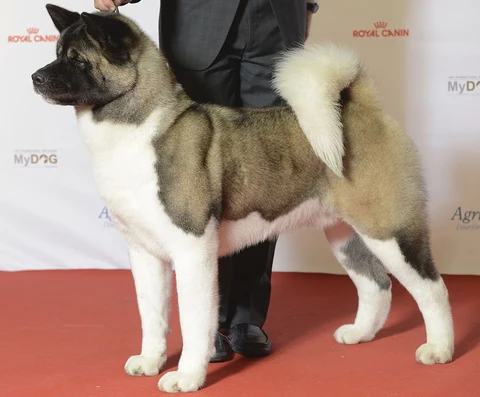
Large companion with Japanese roots
American Akita
The American Akita is a large, powerful dog with a broad head, upright ears and a dense coat. It can be deeply attached to its family while being less comfortable around unfamiliar dogs. Experienced handling and thoughtful arrangements for walks, visitors and temporary care are important.
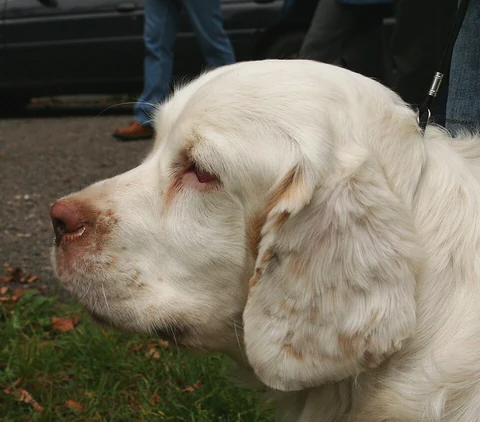
Flushing spaniel
Clumber Spaniel
The Clumber is the heaviest spaniel: low, long and strong, with a white coat and an excellent nose. It often seems relaxed at home yet follows outdoor scents with persistence.
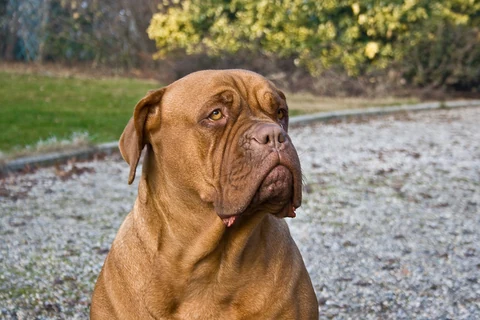
Powerful French companion with a watchful nature
Dogue de Bordeaux
The Dogue de Bordeaux is a powerful French dog with a short coat and broad head. It often seeks close contact with its people and can be a watchful guardian. Its considerable strength and the health burdens associated with its build and short face deserve careful attention before acquiring one.
Sources and photograph credit
- Teaching your dog to be left alone
Used in this profile for: Staying home alone
- Gastric Dilatation Volvulus
Used in this profile for: Health
- Canine Hip Dysplasia
Used in this profile for: Health
- Mastiff Dog Breed Information
Used in this profile for: Temperament, Everyday life, Day-to-day care, Size and build, Lifespan, Could this breed fit your life?
- MCOA Health Testing Recommendations, May 2025
Used in this profile for: Health
- Mastiff, FCI Standard 264
Used in this profile for: Size / Weight, Temperament, Size and build
- Mastiff | Breeds A to Z | The Kennel Club
Used in this profile for: Temperament, Everyday life, Health, Lifespan
- Grooming and bathing pets
Used in this profile for: Day-to-day care
- Exercising your puppy
Used in this profile for: Size and build
- Skin fold dermatitis in dogs
Used in this profile for: Day-to-day care
- Training Your Dog to Be Left Alone
Used in this profile for: Everyday life, Could this breed fit your life?
- Children and Dogs
Used in this profile for: Temperament, Could this breed fit your life?
- Dog dental care
Used in this profile for: Day-to-day care
- Training your dog
Used in this profile for: Everyday life
Photo credits
Side view · Corto von der Villa Graf (2).jpg · Contesse du Hohwald · CC BY-SA 4.0 · Edited
.jpg)
In action · Mastif angielski 2021.jpg · Wojciech Pędzich · CC BY-SA 4.0 · Edited

Coat and features · English Mastiff Image 001.jpg · ocean yamaha · CC BY 2.0 · Edited

Everyday life · EnglishMastiffSleeping.jpeg · Mmatthias · CC BY-SA 3.0 · Edited
