 fellfolio
Powerful French companion with a watchful nature
Dogue de Bordeaux
The Dogue de Bordeaux is a powerful French dog with a short coat and broad head. It often seeks close contact with its people and can be a watchful guardian. Its considerable strength and the health burdens associated with its build and short face deserve careful attention before acquiring one.
At a glance
- Size
- Large
- Height at shoulder
- 58 to 68 cm
- Lifespan
- Not sufficiently documentedWhy is there no reliable range?
- Activity
- Moderate
- Grooming
- Several times weekly
- Training
- Patience & clear guidance
- Owner experience
- Experience recommended
An affectionate companion with considerable strength
The Dogue de Bordeaux belongs to France’s old mastiff types. These dogs historically worked as guardians, hunters and cattle drovers. They were also used in animal fighting. Their precise origins are not fully known. By the nineteenth century, the type was particularly associated with southwestern France. It appeared under its present name at a Paris dog exhibition in 1863.
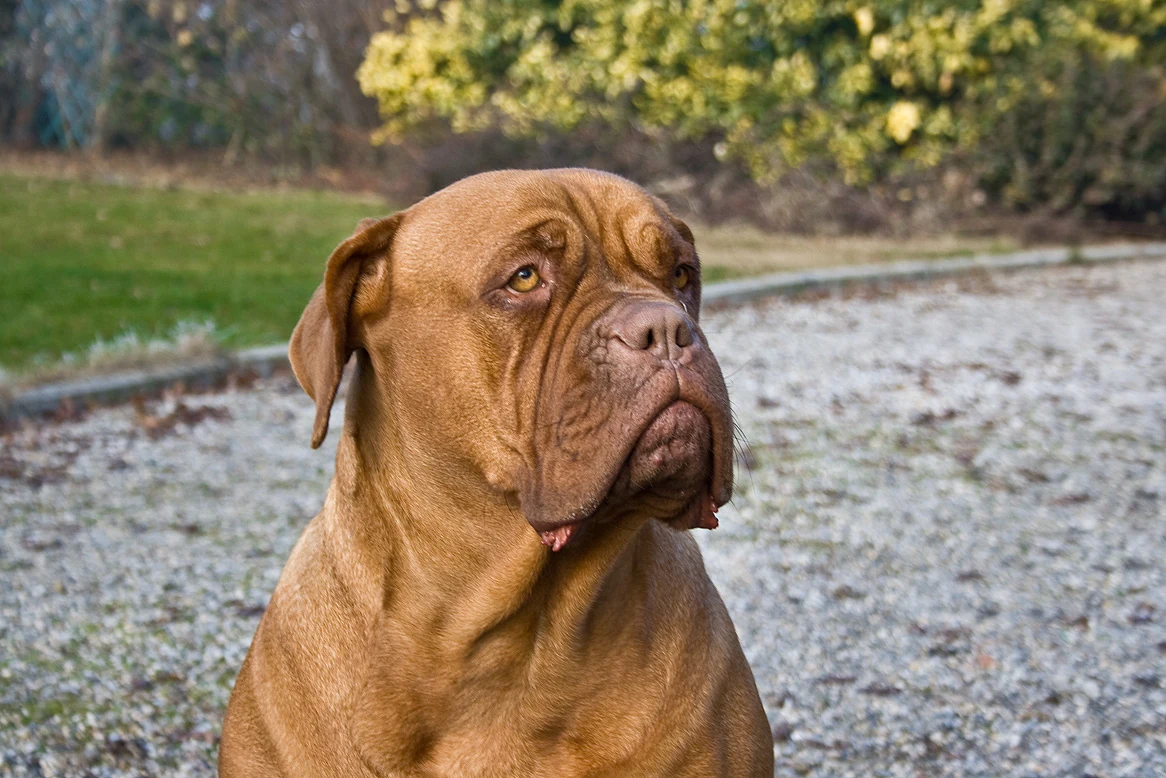
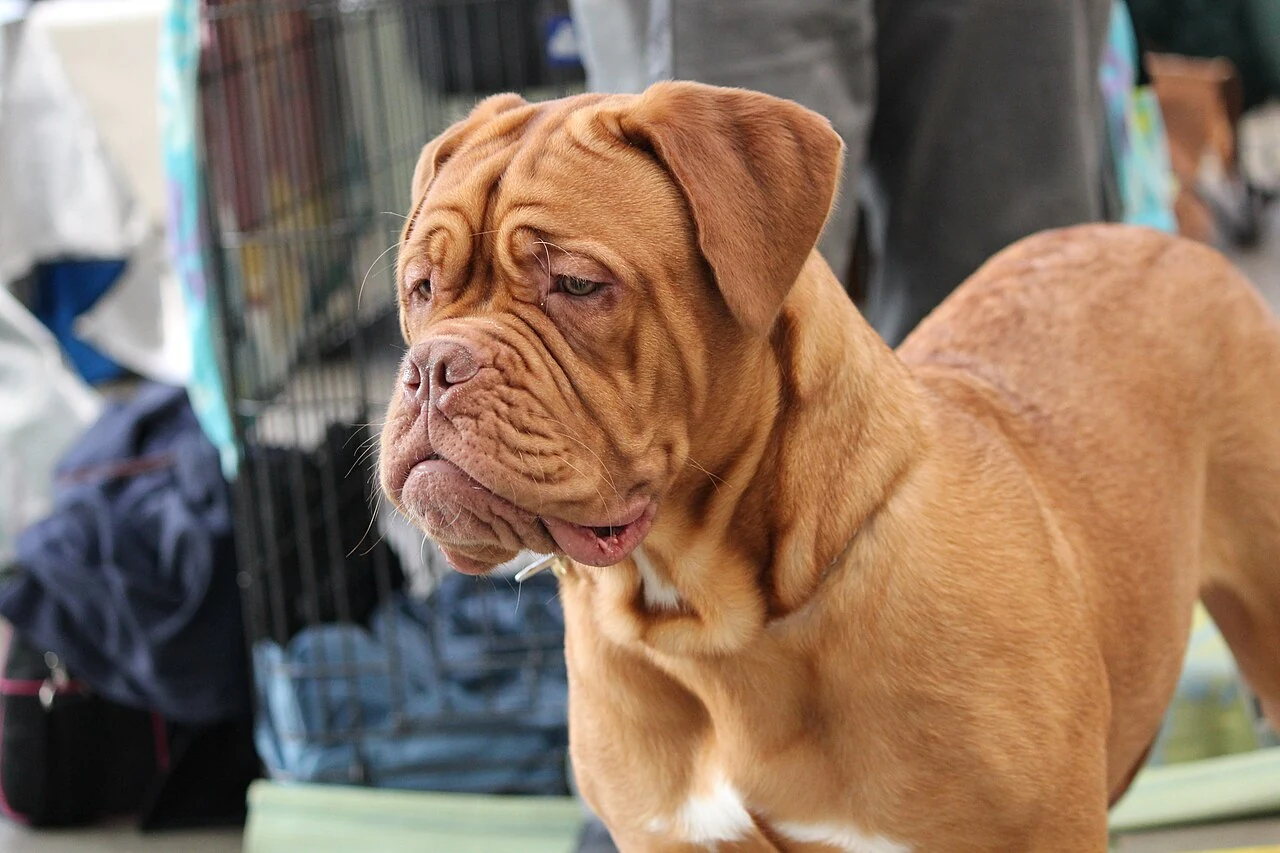
The short coat ranges from pale yellowish shades to rich reddish brown. Some dogs have a darker facial mask. The international canine federation FCI gives males a shoulder height of 60 to 68 centimetres and a minimum weight of 50 kilograms. Females measure 58 to 66 centimetres and weigh at least 45 kilograms. The broad head, skin folds and short face shape its appearance, but pronounced features can also cause health problems.
With familiar people, it can be affectionate and gentle. Its weight still requires care. During a greeting, it can easily knock a child or an unsteady adult off balance. Shared activities should therefore be supervised. Its size and strength make the breed poorly suited to households with small children. Other pets need thoughtful introductions. Rabbits and similar small animals should remain physically separate because chasing and hunting behaviour can occur.
Everyday life
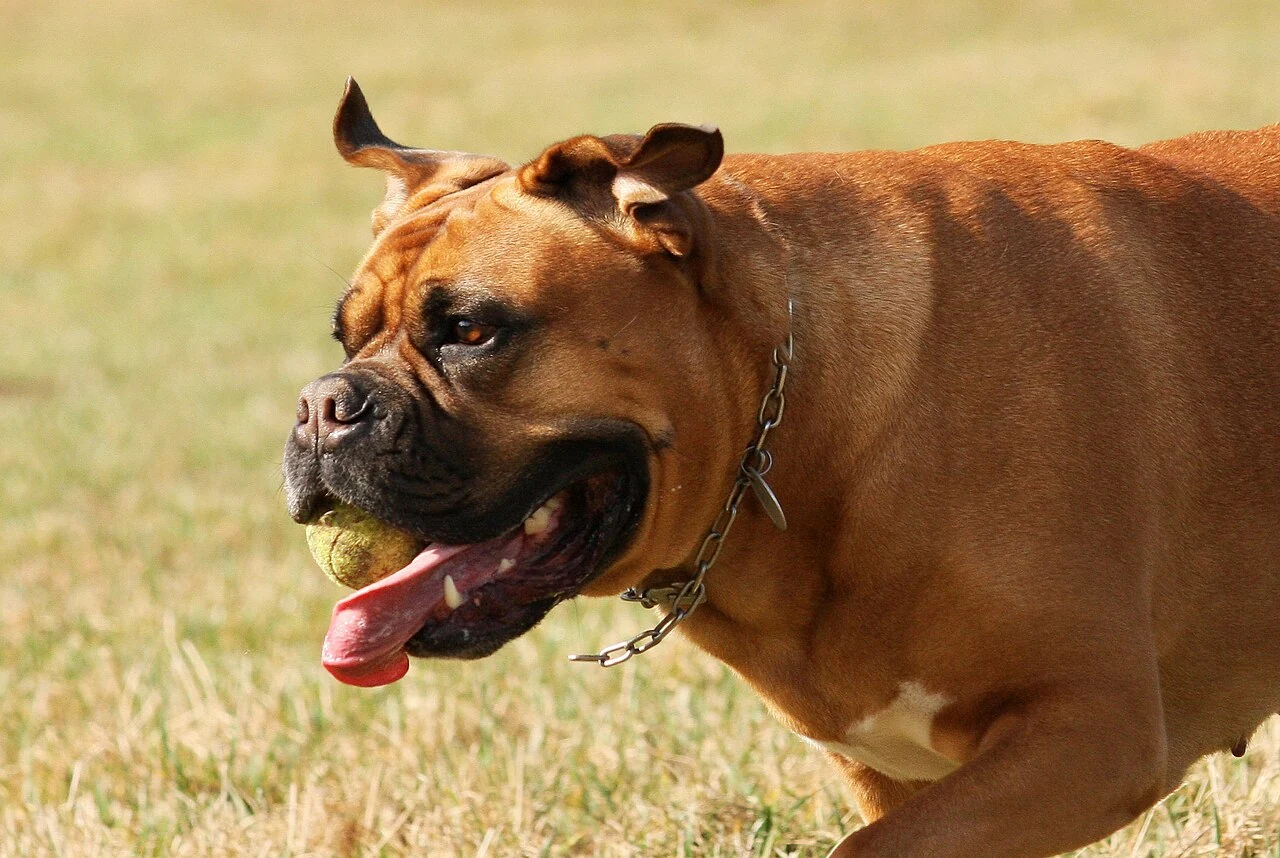
Regular walks with time to sniff, small searches and calm training suit the Dogue de Bordeaux. Its relaxed appearance should not lead to exercise being neglected. Pace and distance need to suit its fitness, joints and breathing. Shorter routes in cooler parts of the day are helpful in warm weather. Audible breathing difficulty or consistently falling behind should be investigated.
It can exert considerable force on a lead. Loose lead walking and calm waiting should therefore be taught early with rewards. A prepared resting place away from the entrance is useful when visitors arrive. Clear exercises and kind consistency suit a sensitive Dogue better than rough handling. A qualified training class can support its owners while these skills develop.
It often values close company. Time alone should be introduced gradually, with suitable care for longer absences. Anyone taking over should be able to handle a heavy dog safely. Fellfolio’s cost planner can bring food, care and possible ongoing treatment costs together. This helps make the long-term commitments clearer before the dog arrives.
Staying home alone
Dogs learn to stay home alone in small steps. The RSPCA advises no more than four hours at a time. Puppies and dogs that become unsettled when left alone need shorter absences and gradual practice. Arrange someone to care for your dog when you will be away longer.
Everyday dog training: recall, a loose lead and clear communication ↗
Day-to-day care
A suitable brush or soft grooming mitt removes loose hair from the short coat. Facial folds need more attention. They should be checked regularly for dampness, redness and sore areas. If needed, the veterinary team can explain gentle cleaning and thorough drying. Persistent odour or inflamed skin needs assessment.
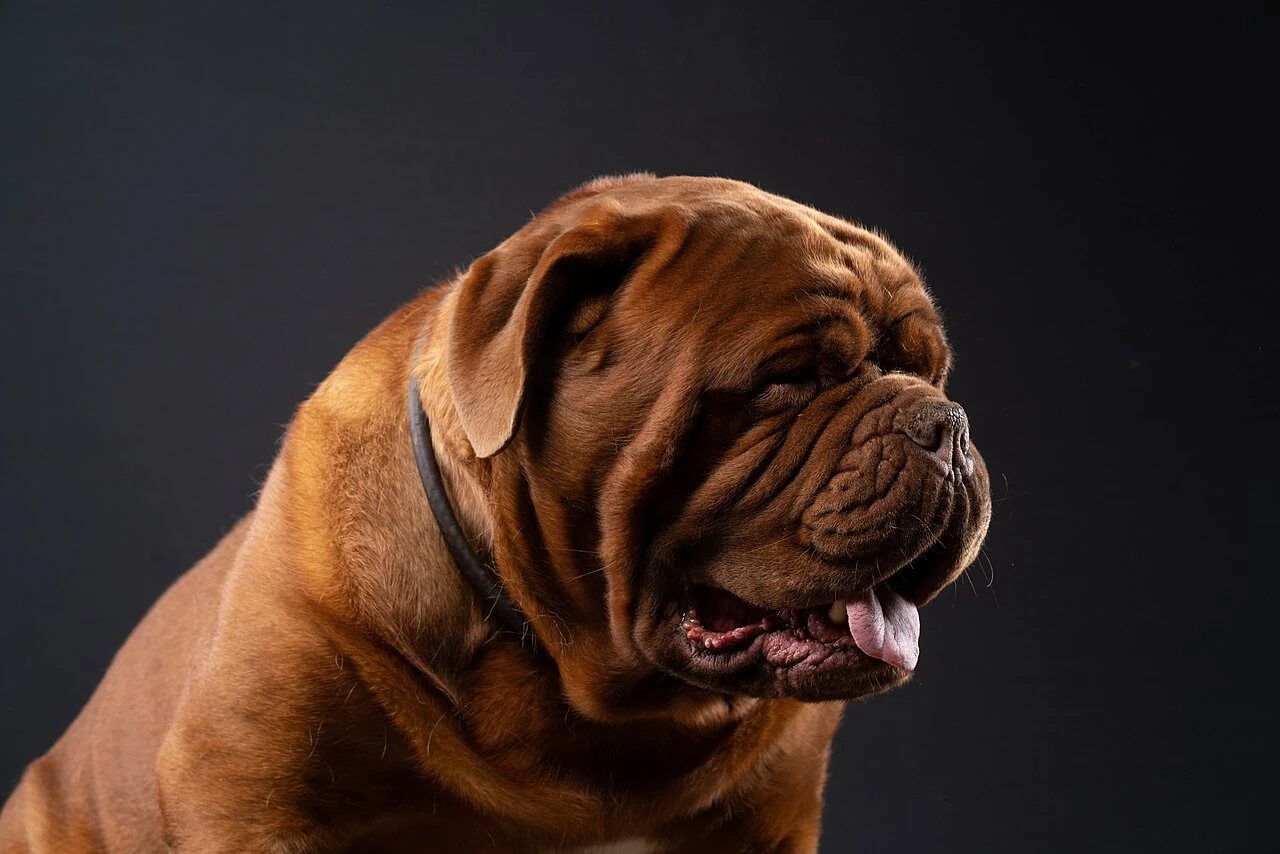
Drool, damp bedding and cleaning resting places often feature in life with this breed. Ears should be checked for abnormalities without unnecessary deep cleaning. Nails should remain short enough for comfortable movement. Regular brushing with dog toothpaste is useful too. Brief, rewarded grooming sessions help the dog become comfortable with having its head and paws examined.
Size and build
A Dogue puppy grows into a very heavy dog. Its joints need time to develop. Play and short walks with breaks are appropriate, while long runs, abrupt stops and repeated high jumps should be avoided. Secure footing and an accessible bed make movement at home easier. The veterinary team should explain how feeding and activity can match its stage of growth.
New people, sounds and places should be introduced in calm situations. This helps the young dog gather experience without becoming overwhelmed. In later life, shorter routes and help getting into the car may be needed. New stiffness, lameness or reduced stamina should be investigated. Fellfolio can keep weight, symptoms and treatments together so that changes can be followed across appointments.
From puppy to senior: caring for your dog through every life stage ↗
Health
The short head can restrict the airway, making breathing and cooling more difficult. Noisy breathing, poor exercise tolerance or disturbed sleep may follow. These problems are called brachycephalic obstructive airway syndrome, often shortened to BOAS. Snoring and marked breathing noise should therefore be discussed with a vet. Breathing distress or collapse needs immediate help.
Hip and elbow dysplasia can cause painful joint problems. Parts of the joint develop abnormally or fit poorly. The parents’ examination results should be available before a puppy is chosen. Eyes and the heart deserve attention too. Britain’s Royal Kennel Club recommends eye screening, while the American Kennel Club includes heart examinations among its recommendations. The veterinary team should explain which additional checks suit the individual dog.
A twisted stomach is another important emergency. The stomach fills with gas and may rotate, rapidly compromising blood flow and circulation. Sudden restlessness, a swollen abdomen or unsuccessful retching need immediate veterinary attention. An available emergency service and suitable transport for a heavy dog should be planned in advance. A Fellfolio emergency card can keep contacts and important medical details together.
Lifespan
Life can be comparatively short for a Dogue de Bordeaux. The health of its parents and older relatives therefore deserves particular attention when choosing a dog.
Could this breed fit your life?
Could work well if …
- You have experience with heavy, powerful dogs and can handle them safely.
- You can fund and arrange regular care and careful veterinary support.
- Your routine offers company, calm care and suitable transport.
What to consider
- A short face and pronounced skin folds can place substantial burdens on health.
- Size and strength require particular planning around small children and physically unsteady people.
- Joints, breathing and possible ongoing treatment should be discussed before acquiring a dog.
Similar needs, different dogs.
Selected by shared size, activity, grooming and training characteristics.
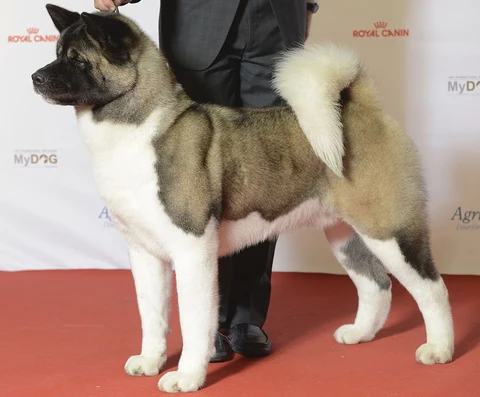
Large companion with Japanese roots
American Akita
The American Akita is a large, powerful dog with a broad head, upright ears and a dense coat. It can be deeply attached to its family while being less comfortable around unfamiliar dogs. Experienced handling and thoughtful arrangements for walks, visitors and temporary care are important.
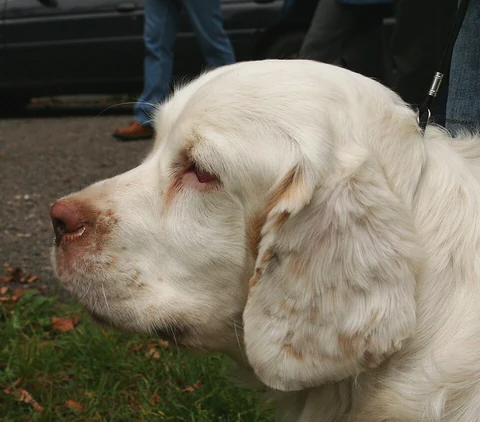
Flushing spaniel
Clumber Spaniel
The Clumber is the heaviest spaniel: low, long and strong, with a white coat and an excellent nose. It often seems relaxed at home yet follows outdoor scents with persistence.
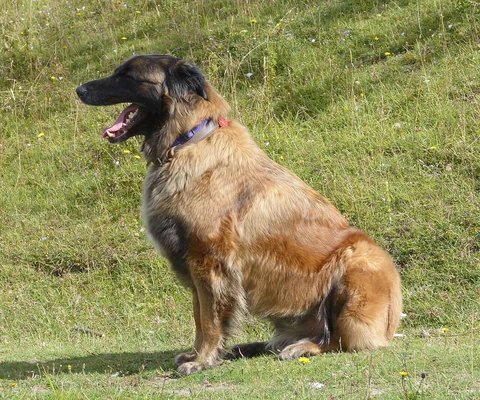
Portuguese livestock guardian with two coat varieties
Estrela Mountain Dog
The Estrela Mountain Dog comes from the Portuguese mountains, where it guarded livestock. It is a powerful, alert dog that can form a close attachment to its family while remaining reserved with strangers. Its independence and guarding behaviour should be considered when arranging its home, walks and care.
Sources and photograph credit
- Teaching your dog to be left alone
Used in this profile for: Staying home alone
- Gastric Dilatation Volvulus
Used in this profile for: Health
- Brachycephalic Obstructive Airway Syndrome
Used in this profile for: Everyday life, Health
- Dogue de Bordeaux
Used in this profile for: Everyday life, Day-to-day care, Size and build, Health, Lifespan, Could this breed fit your life?
- Dogue de Bordeaux, FCI Standard No.116
Used in this profile for: Size / Weight, Temperament, Size and build
- Dogue de Bordeaux
Used in this profile for: Temperament, Everyday life, Day-to-day care, Health, Lifespan, Could this breed fit your life?
- Dogue de Bordeaux
Used in this profile for: Health, Lifespan
- Exercising your puppy
Used in this profile for: Size and build
- Training Your Dog to Be Left Alone
Used in this profile for: Everyday life
- Children and Dogs
Used in this profile for: Temperament
- Dog dental care
Used in this profile for: Day-to-day care
- Training your dog
Used in this profile for: Everyday life
Photo credits
Portrait · Dogue de Bordeaux portrait.jpg · spaceodissey from Parma, Italy · CC BY 2.0 · Edited

Coat and features · Elfie2.jpg · Ingo W. Dühring · CC BY-SA 4.0 · Edited

In action · Bordeaux Dogge Emma 2.jpg · Maja Dumat · CC BY 2.0 · Edited

Everyday life · A Dogue de Bordeaux.jpg · daveynin · CC BY 2.0 · Edited
