 fellfolio
Herding dog
Berger Picard
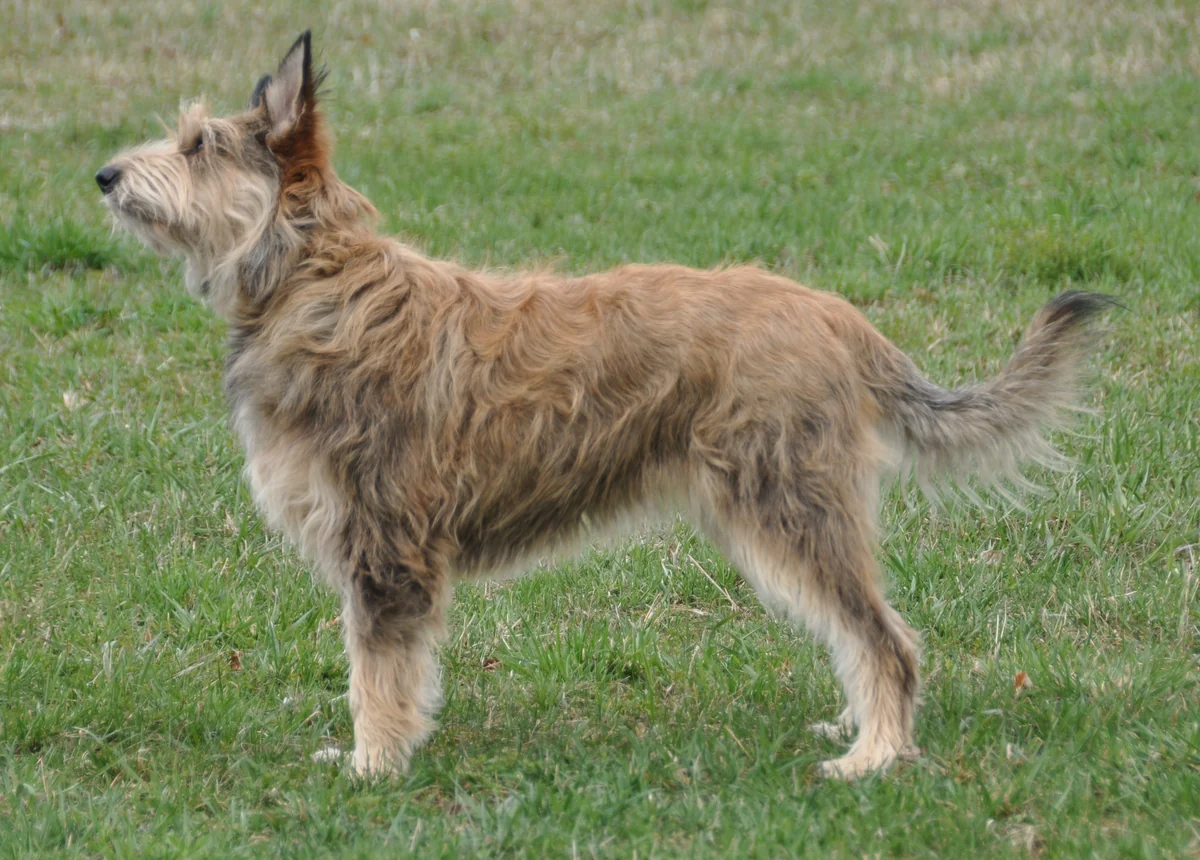
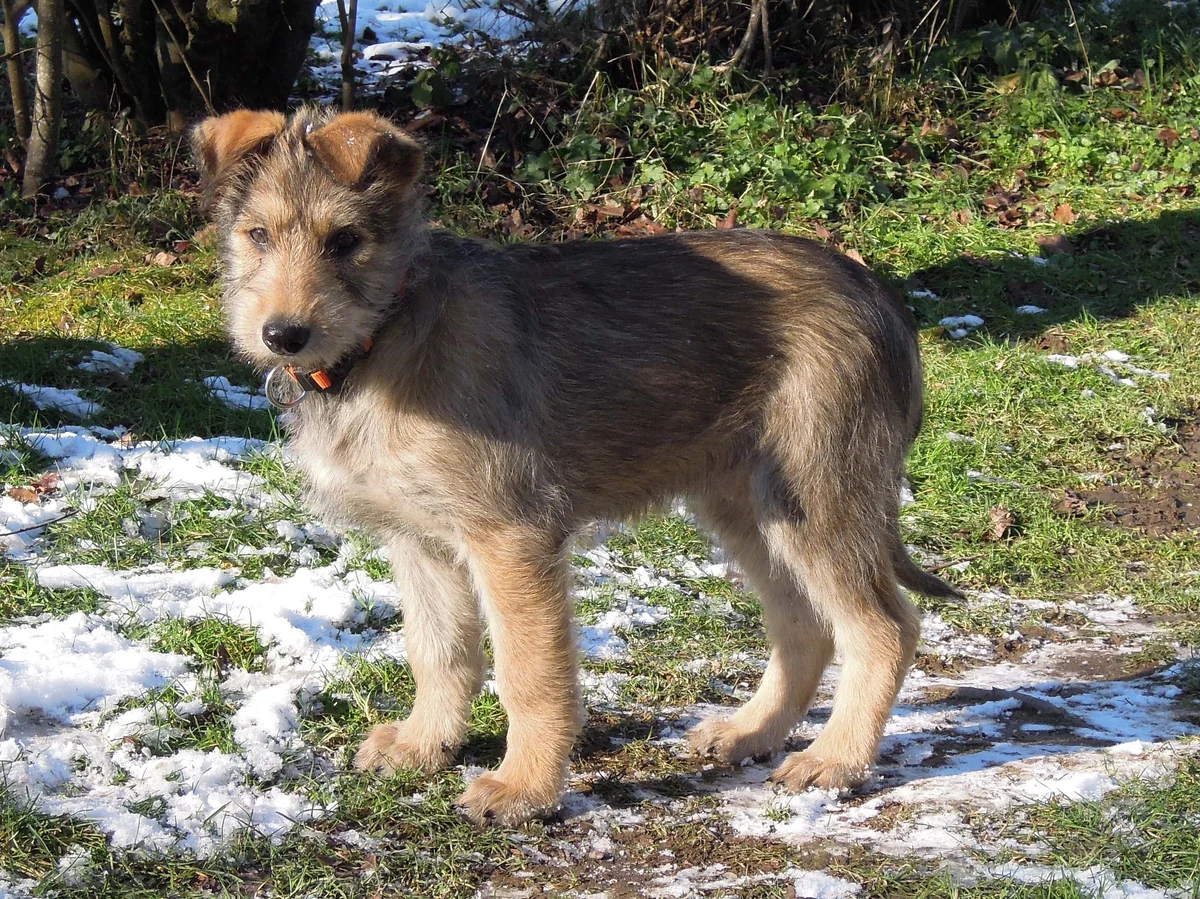
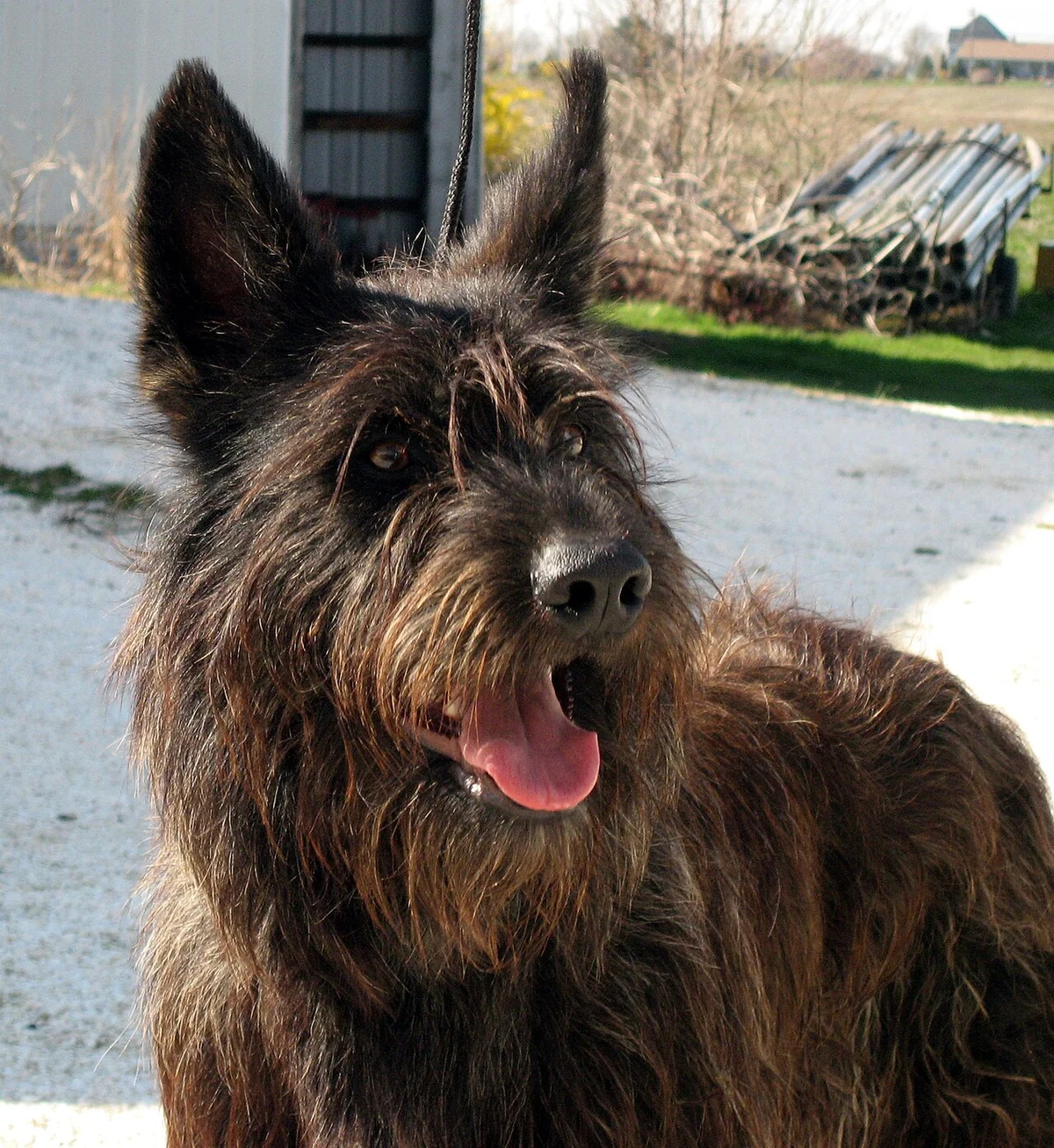
A rough coat, beard and large upright ears make the Berger Picard easy to recognise. This French herding dog may suit people who enjoy being outdoors and want to train patiently with an attentive dog that thinks for itself.
At a glance
- Size
- Medium
- Height at shoulder
- 55 to 65 cm
- Lifespan
- over 10 years
- Activity
- High
- Grooming
- Weekly
- Training
- Patience & clear guidance
- Owner experience
- Experience recommended
Attentive, with initiative of its own
The Berger Picard, also called the Picardy Sheepdog, was used for herding. A person did not direct every step of that work. A Picard today can also learn quickly and develop its own ideas when a task is unclear. Kind, consistent training makes the behaviour you want easier to understand.
Small improvements can be rewarded with food, play or continuing a walk together. Everyday practice helps you discover what that particular dog values. Lengthy repetitions of one exercise are often less useful than short sessions with a clear task.
Many Picards form close ties with their family. They may initially be reserved around unfamiliar people, so a visitor should not immediately reach for the dog. Meetings with some space and no pressure give it an opportunity to get to know people. Early socialisation means gradually experiencing different situations, rather than fitting as many encounters as possible into a day.
Everyday life
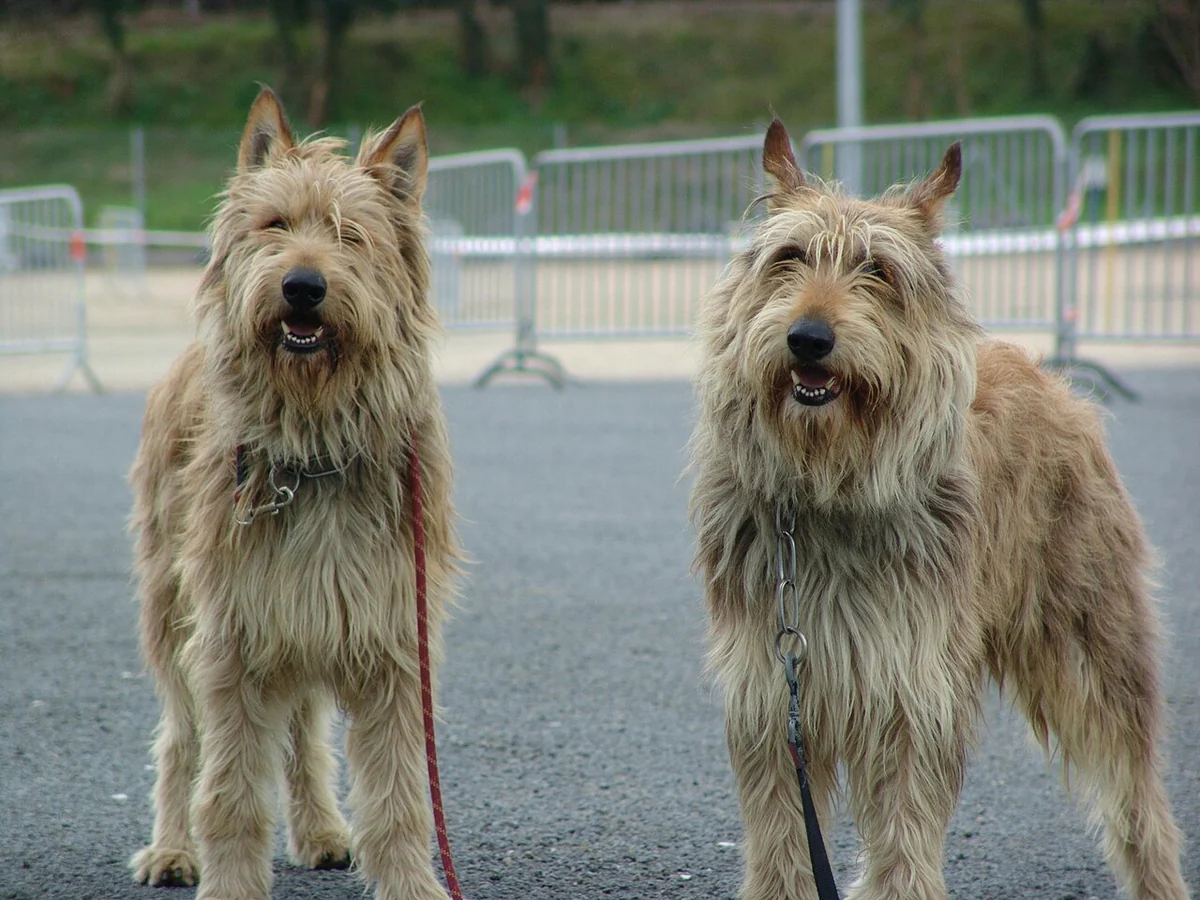
Long walks and shared activities belong in a Picard’s routine. Someone who enjoys hiking may find a healthy adult an enduring companion. Scent games and tracking also give the dog something to think about. In tracking, it uses its nose to follow a trail laid earlier. Training classes can provide another activity if both dog and person enjoy them.
Kennel organisations give different guides to exercise. Britain’s Royal Kennel Club lists up to an hour daily, while the American Kennel Club stresses high exercise needs and recommends at least one long walk each day. Planning depends on how active the individual is and how demanding the outings are for that dog. Training and time to recover also belong in the routine.
A garden can be pleasant for an active dog, but spending time there alone offers little shared activity. What matters more is whether its people can do things with it every day. Family life should also include an undisturbed resting place. Other dogs and cats need gradual introductions. Whether living together works depends on the animals involved and their previous experience.
Staying home alone
Dogs learn to stay home alone in small steps. The RSPCA advises no more than four hours at a time. Puppies and dogs that become unsettled when left alone need shorter absences and gradual practice. Arrange someone to care for your dog when you will be away longer.
Everyday dog training: recall, a loose lead and clear communication ↗
Day-to-day care
The Picard has a harsh outer coat over a soft, dense undercoat, the lower layer of hair close to the skin. A thorough check and roughly weekly brushing make a practical routine. During seasonal shedding, loose hair needs brushing out more often. The American Kennel Club then recommends brushing every day or two. The coat should retain its naturally shaggy outline.
The beard and muzzle should be checked for food after meals and cleaned when needed. After outings through undergrowth, the paws and coat also deserve a check. Regular tooth care and nail checks are part of the routine.
Size and build
The breed’s name connects it with Picardy in northern France, although rough-coated herding dogs also lived elsewhere in north-western Europe. An origin limited exclusively to that region cannot be established with certainty. Picards were shown at a French dog show in 1863 and recognised as a distinct breed in France in 1925. Dedicated breeders helped rebuild numbers after the world wars.
The international standard describes a strong, agile body that should not look heavy. Males stand 60 to 65 cm at the shoulder and females 55 to 60 cm. Shoulder height is measured from the ground to the highest point above the shoulders. The standard does not prescribe a fixed weight. The beard, eyebrows and large upright ears are distinctive, but the eyebrows should not hide the eyes.
Coats can be fawn or grey. Brindle dogs have darker stripes through the base colour. The long tail often curves slightly at the tip. This natural appearance should not be confused with a lack of care.
From puppy to senior: caring for your dog through every life stage ↗
Health
Hip and eye examinations are particularly important for breeding dogs. The American breed club reports hip dysplasia, abnormal development of the hip joint that can cause pain and joint wear. Written results for both parents should be available when choosing a puppy. The reports show how the parents’ hips were assessed and help inform breeding decisions. Offspring can still develop joint problems after clear parental results.
Progressive retinal atrophy, or PRA, has also been described in the breed. It damages the retina, the light-sensitive layer at the back of the eye, and gradually reduces vision. An early change may be uncertainty in dim light. Regular specialist eye examinations complement discussions about conditions in the family.
For this uncommon breed, data on the frequency of individual conditions are limited. Responsible breeders should also openly discuss known heart problems, seizures and other conditions in related dogs. Repeated lameness, pain or worsening difficulty finding the way around need veterinary examination, however fit the dog otherwise appears.
Could this breed fit your life?
Could work well if …
- You enjoy longer walks and want to train regularly with your dog.
- You can patiently make tasks clear to a dog that acts on its own initiative.
- You give reserved dogs time to get to know new people and situations.
What to consider
- You want a dog that immediately follows instructions in every situation without practice.
- Long periods without company or outings would be routine.
- You expect a rough coat to need no care at all.
Similar needs, different dogs.
Selected by shared size, activity, grooming and training characteristics.
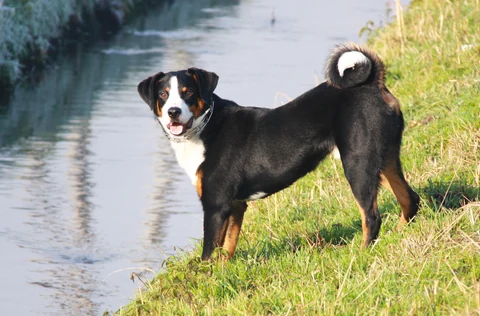
Swiss cattle and watchdog
Appenzeller Mountain Dog
The Appenzeller Mountain Dog is easy to recognise by its tricolour coat and tightly curled tail. Behind that cheerful appearance is an attentive Swiss working dog. It enjoys activity, learns quickly and notices changes around it. This breed suits people who want to spend time outdoors with their dog every day and can help it cope calmly with visitors and events at home.
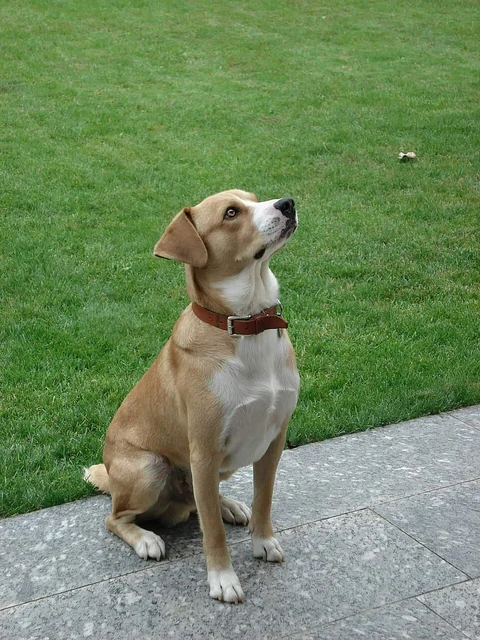
Austrian farm and companion dog
Austrian Pinscher
The Austrian Pinscher is a lively farm dog that enjoys accompanying familiar people and notices visitors attentively. Its short to medium-length coat is relatively straightforward to maintain. Exercise, shared activities and calm guidance of its guarding behaviour require more time. Meeting adult dogs helps show whether its watchfulness and temperament could suit your daily life.
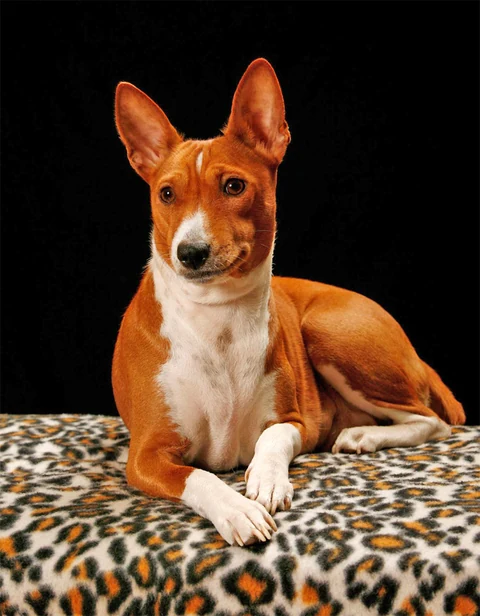
Hound
Basenji
The Basenji rarely barks but can make yodelling sounds. Outside, it may follow a scent or moving animal at speed, so off-lead running calls for secure fencing.
Sources and photograph credit
- Teaching your dog to be left alone
Used in this profile for: Staying home alone
- Hip Dysplasia in Dogs
Used in this profile for: Health
- Disorders of the Retina, Choroid, and Optic Disk (Ocular Fundus) in Dogs
Used in this profile for: Health
- Berger Picard
Used in this profile for: Temperament, Everyday life, Day-to-day care, Could this breed fit your life?
- Berger Picard Health
Used in this profile for: Health
- Hips & Elbows
Used in this profile for: Health
- Picardy Sheepdog (Imp)
Used in this profile for: Everyday life, Day-to-day care, Health, Lifespan, Could this breed fit your life?
- FCI Standard No. 176: Berger de Picardie
Used in this profile for: Size / Weight, Temperament, Size and build, Could this breed fit your life?
Photo credits
Side view · File:Picard Delice Stacked.jpg · Cufleadh · CC BY-SA 3.0 · Edited

Portrait · File:Aero184.jpg · Leanam · Public domain

Puppy · File:Chiot Berger Picard 1.JPG · Peyot · CC BY-SA 3.0 · Edited

Everyday life · File:Scoop et Paton.JPG · Shana · CC0
