 fellfolio
Swiss cattle and watchdog
Appenzeller Mountain Dog
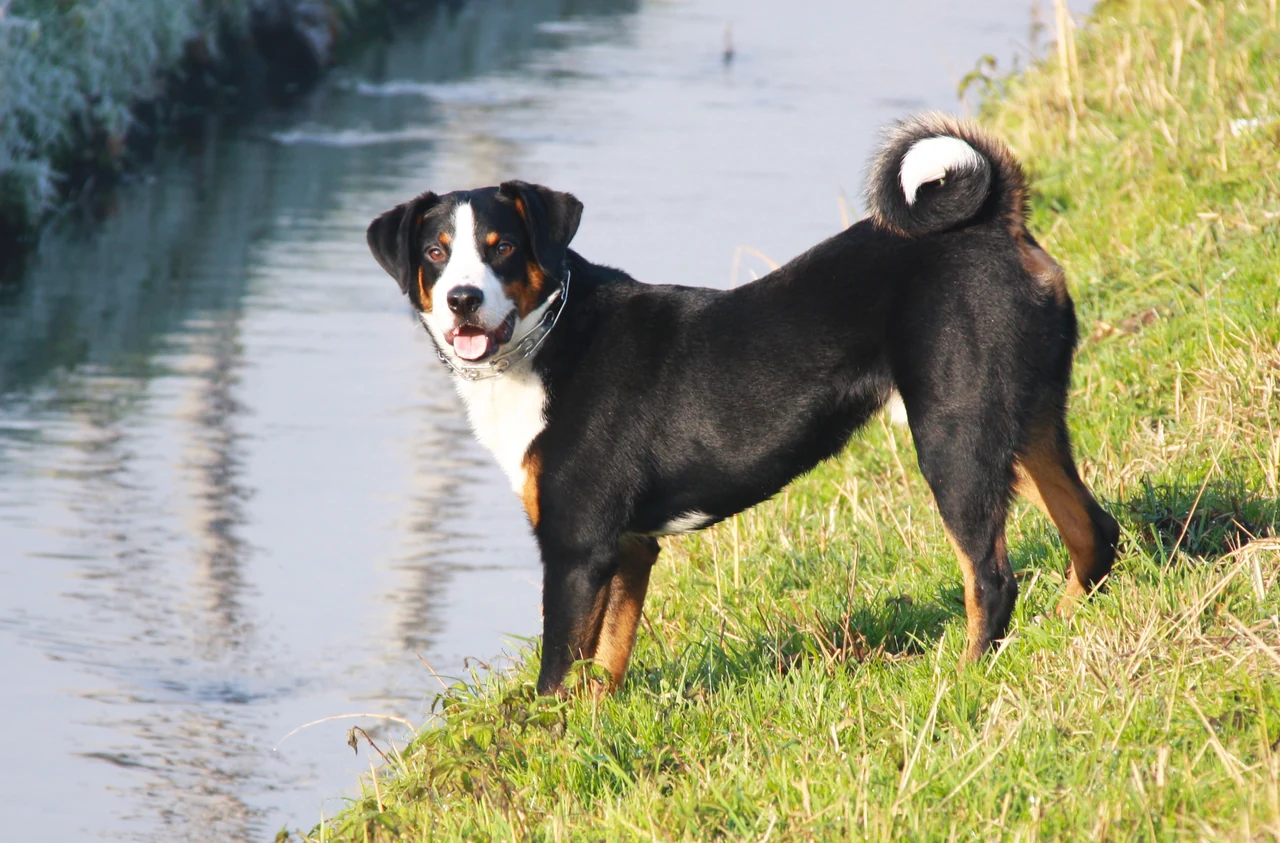
The Appenzeller Mountain Dog is easy to recognise by its tricolour coat and tightly curled tail. Behind that cheerful appearance is an attentive Swiss working dog. It enjoys activity, learns quickly and notices changes around it. This breed suits people who want to spend time outdoors with their dog every day and can help it cope calmly with visitors and events at home.
At a glance
- Size
- Medium
- Height at shoulder
- 50 to 56 cm
- Weight
- 22 to 28 kg
- Lifespan
- 12 to 14 years
- Activity
- High
- Grooming
- Weekly
- Training
- Patience & clear guidance
- Owner experience
- Experience recommended
Watchful, agile and closely attached to its family
The international breed standard describes the Appenzeller as lively, confident and watchful. The Swiss national kennel organisation also emphasises its close attachment to family and sharp bark. Someone passing the property or arriving at the door can prompt a noticeable response. That deserves consideration when deciding whether the breed suits your home.
Appenzellers are often reserved with unfamiliar people at first. During visits, your dog should have room to watch from a distance while you greet your guests. Calm behaviour can be rewarded before a brief bark becomes sustained barking. A dog that crowds visitors or snaps at them needs help from a qualified behaviour professional.
Its cattle-driving background can show in attempts to stop people or animals moving quickly. With children playing, you should watch for chasing or nipping at clothing and legs. Adults should interrupt these situations early and teach calm alternatives. Whether an Appenzeller can live with a cat or another dog depends on the individual animals and their experiences.
Everyday life
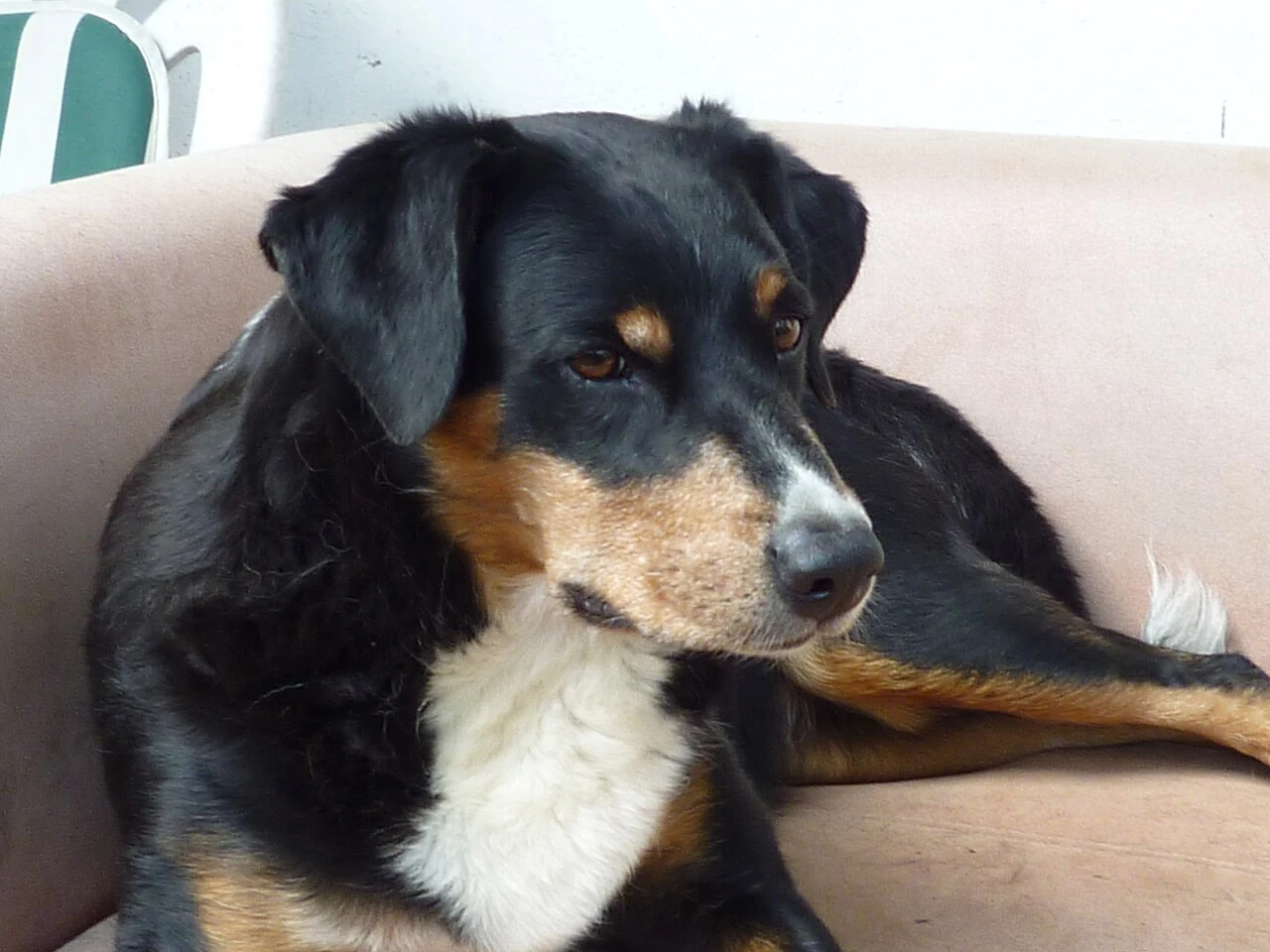
Longer walks, new scents and activities together suit this energetic dog. A garden can be useful, but it does not replace outings or time with its people. A flat can also work when there is plenty of time outside and barking does not become a persistent problem for neighbours.
Search games give an Appenzeller a chance to use its nose. A familiar toy can first be left in plain sight, then hidden in easy places. If you want to try a dog sport, rally obedience is one option. You follow a course together with stations for exercises such as sitting, turning or waiting briefly. These activities combine movement and concentration without every session involving running and jumping.
Reliable recall, walking on a loose lead and settling on a bed are useful everyday skills. New exercises should start with few distractions. The RSPCA, a British animal welfare charity, recommends short, regular sessions and rewards for the behaviour you want. After walks and training, an Appenzeller should be able to sleep and relax in a quiet spot.
Time alone should be introduced gradually. Regular longer absences need dependable care arrangements. Repeated panting, pacing or prolonged barking when you leave can indicate distress. You should seek veterinary advice and, where needed, support from a qualified behaviour professional.
Staying home alone
Dogs learn to stay home alone in small steps. The RSPCA advises no more than four hours at a time. Puppies and dogs that become unsettled when left alone need shorter absences and gradual practice. Arrange someone to care for your dog when you will be away longer.
Everyday dog training: recall, a loose lead and clear communication ↗
Day-to-day care
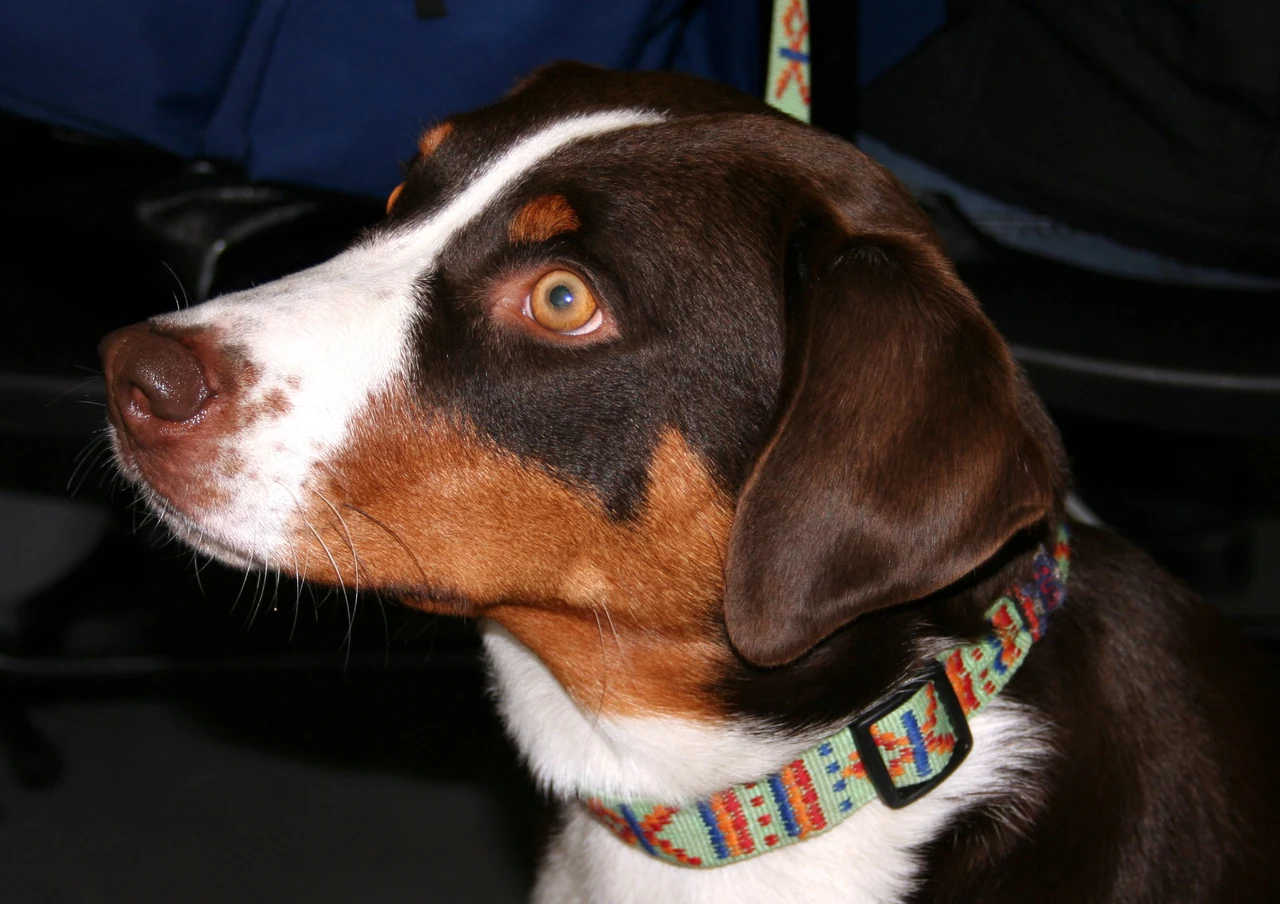
The short coat has firm outer hairs and a dense undercoat, an additional layer of hair underneath. It is generally straightforward to care for. Regular brushing removes loose hair, with considerably more to deal with during moulting. A groomer can show you a suitable brush. After a wet or muddy walk, your dog should be dried and checked for dirt between the toes.
Brushing is also a chance to check the skin, paws and ears. New bald patches, red skin or repeated head shaking should be checked by a vet. Nail length needs regular attention too. Toothbrushing with dog toothpaste should be introduced gradually and ideally become a daily habit. Food portions should reflect the individual dog’s activity and body condition to help maintain a healthy weight.
Size and build
The Appenzeller descends from farm dogs in the Swiss Alps. They drove cattle, accompanied herds and watched over farmyards. A description of these dogs appeared as early as 1853. The Swiss Appenzeller breed club was established in 1906, with the first breed standard following in 1914. Working closely with people and noticing events around the farm help explain much of the breed’s behaviour today.
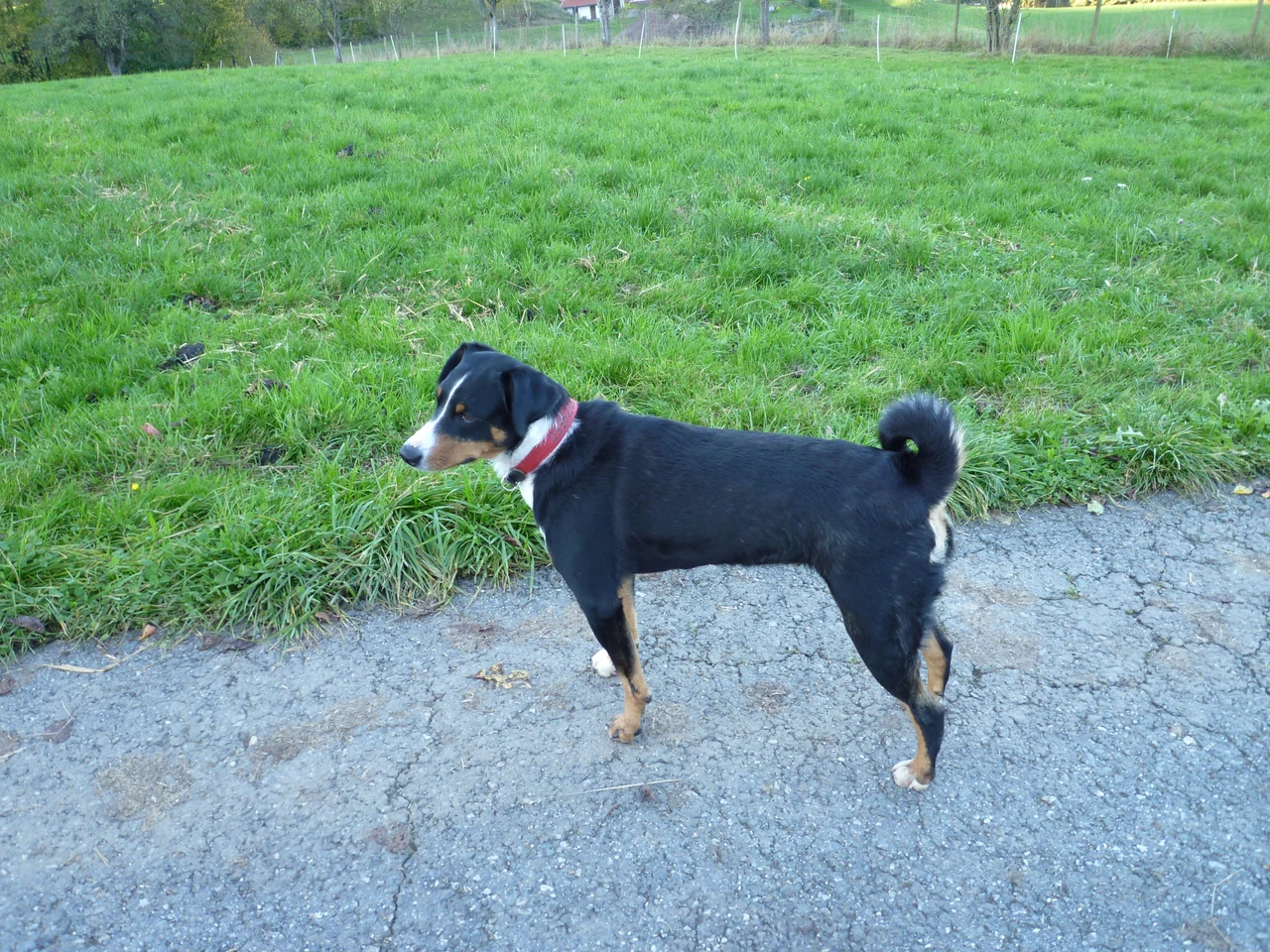
The Fédération Cynologique Internationale, or FCI, lists it in Standard No. 46. Males should stand 52 to 56 cm at the shoulder and females 50 to 54 cm. The standard allows a tolerance of 2 cm above and below these figures. The Swiss kennel organisation gives 22 to 28 kg as a weight guide. The body is almost square and the coat is black or Havana brown with reddish-brown and white markings. The tail is carried tightly curled over the back in movement.
The Appenzeller and Entlebucher are distinct breeds. An Appenzeller is usually larger and has the characteristic curled tail. The smaller Entlebucher has a more elongated body and either a long tail or one that is naturally short. A tricolour coat alone is therefore not enough to identify a dog confidently as either breed.
From puppy to senior: caring for your dog through every life stage ↗
Health
When choosing a puppy, you should be able to see health records for both parents. The Swiss breed club’s current breeding regulations require checks for hip and elbow dysplasia, patellar luxation and abnormal ureter openings. A pedigree registration does not replace those records.
Hip dysplasia means the hip joint has developed incorrectly and is too loose. Elbow dysplasia covers developmental abnormalities of the elbow joint. Both can cause pain and arthritis. Repeated limping, difficulty rising or noticeably less interest in exercise should be assessed by a vet. With patellar luxation, the kneecap slips out of its groove. Some dogs briefly lift a hind leg or skip for a few steps. Changes that pass quickly still warrant a check.
Ureters carry urine from the kidneys to the bladder. Ectopic ureters open in the wrong place. This is a congenital abnormality that can cause urine to leak without the dog’s awareness. A young dog that regularly leaks urine while lying down or constantly dribbles should be examined rather than treated as simply difficult to housetrain.
A lean body condition and suitable exercise support joint health. The Swiss kennel organisation gives a lifespan range of 12 to 14 years. That breed figure is a guide and cannot predict how long your dog will live.
Could this breed fit your life?
Could work well if …
- You enjoy being outdoors every day and want to combine walks with search games or training together.
- You can patiently help your dog cope with visitors, encounters and barking, with professional support where needed.
- You want a dog involved in family life and can arrange dependable care and time to rest.
What to consider
- Watchfulness and a sharp bark may need considerable attention in a densely populated neighbourhood.
- Chasing and nipping at fast movements should be addressed early, particularly around children.
- Clear records of joint and ureter checks should be available before you choose a puppy.
Similar needs, different dogs.
Selected by shared size, activity, grooming and training characteristics.
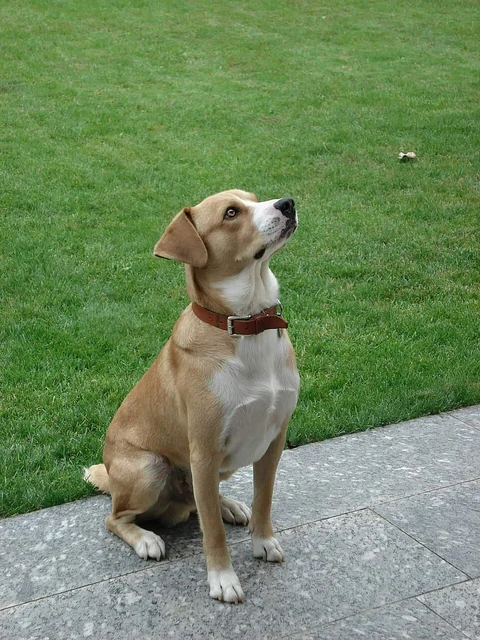
Austrian farm and companion dog
Austrian Pinscher
The Austrian Pinscher is a lively farm dog that enjoys accompanying familiar people and notices visitors attentively. Its short to medium-length coat is relatively straightforward to maintain. Exercise, shared activities and calm guidance of its guarding behaviour require more time. Meeting adult dogs helps show whether its watchfulness and temperament could suit your daily life.
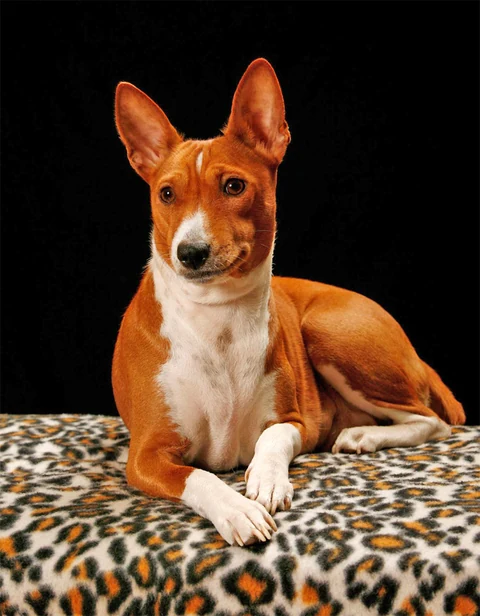
Hound
Basenji
The Basenji rarely barks but can make yodelling sounds. Outside, it may follow a scent or moving animal at speed, so off-lead running calls for secure fencing.
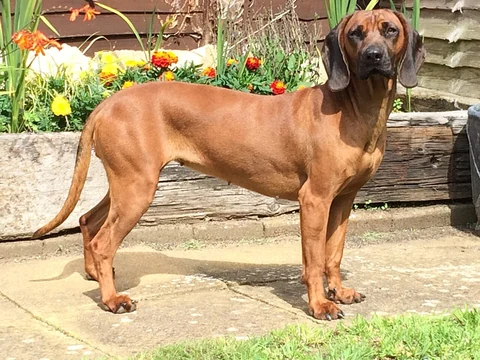
Scent hounds
Bavarian Mountain Scent Hound
The Bavarian Mountain Scent Hound is a specialist hunting dog with a short, dense coat and dark ears. Its principal work is locating wounded game. It works with concentration and forms a close bond with its person. Prospective owners should discuss training and future work with experienced handlers or the breed club early on.
Sources and photograph credit
- Teaching your dog to be left alone
Used in this profile for: Staying home alone
- Ectopic Ureter
Used in this profile for: Health
- Zucht- und Körreglement, aktuelle digitale Fassung 2026
Used in this profile for: Health
- Appenzell Cattle Dog, FCI Standard No. 46
Used in this profile for: Size / Weight, Temperament, Day-to-day care, Size and build
- Appenzeller Sennenhund
Used in this profile for: Size / Weight, Temperament, Everyday life, Day-to-day care, Size and build, Lifespan, Could this breed fit your life?
- Elbow dysplasia
Used in this profile for: Health
- Canine hip dysplasia (CHD)
Used in this profile for: Health
- Patellar luxation
Used in this profile for: Health
- Dental disease in dogs
Used in this profile for: Day-to-day care
- Grooming and bathing pets
Used in this profile for: Day-to-day care
- Separation-related behaviour
Used in this profile for: Everyday life, Could this breed fit your life?
- Training your dog
Used in this profile for: Everyday life, Could this breed fit your life?
Photo credits
Portrait · File:Appenzeller - Frodo.jpg · RobK50 · CC0

Side view · File:Appenzelle Sennenhund, stehend.JPG · Rosa-Maria Rinkl · CC BY-SA 4.0 · Edited

Coat and features · File:Appenzeller głowa brąz 645.jpg · Pleple2000 · CC BY-SA 3.0 · Edited

Everyday life · File:Appenzeller Sennenhund, liegend.JPG · Rosa-Maria Rinkl · CC BY-SA 4.0 · Edited
