 fellfolio
Hound
Basenji
The Basenji rarely barks but can make yodelling sounds. Outside, it may follow a scent or moving animal at speed, so off-lead running calls for secure fencing.
At a glance
- Size
- Medium
- Height at shoulder
- 40 to 43 cm
- Weight
- 9 to 11 kg
- Lifespan
- over 12 yearsPDSA veterinary breed guide
- Activity
- High
- Grooming
- Weekly
- Training
- Patience & clear guidance
- Owner experience
- Experience recommended
A hunting dog with its own voice
Basenjis were used in the Congo region for hunting by sight and scent. That history helps explain a dog that notices small movements and follows an interesting trail quickly. The breed is called 'barkless', but it can yodel and make other sounds. The nickname is no promise of a silent home.
Many Basenjis bond closely with familiar people but are more reserved with strangers. They learn readily, yet may decide that a task is not worth repeating. Hide a treat indoors or practise a short recall for a good reward. Training has a purpose without asking the dog to do the same thing twenty times. Its hunting instinct still matters outdoors, even if the dog looks relaxed at home.
Everyday life
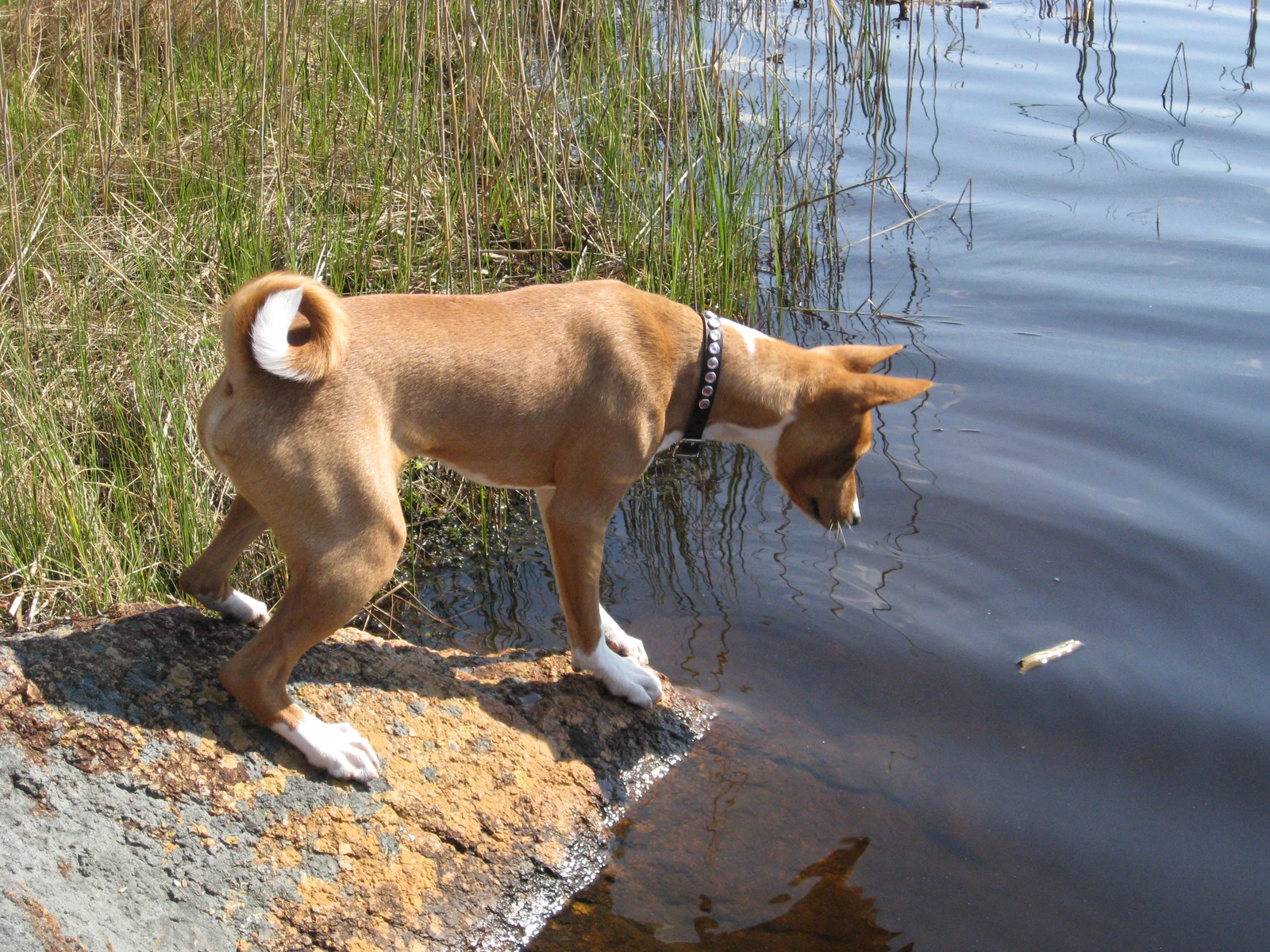
The UK veterinary charity PDSA suggests roughly 60 to 90 minutes of exercise a day. Vary the walking route, make time for sniffing and add short games. Basenjis enjoy running, so choose a genuinely secure enclosed area for off-lead time. Keep the dog on a lead near roads or wildlife; in pursuit, it may stop paying attention to everything else.
A reliable recall is especially useful. Practise indoors first, then in a garden and only later outdoors with distractions. Reward the return every time. A Basenji can live in a smaller home when its days include enough time outdoors. Floor area alone tells you little about the quality of its routine.
Staying home alone
Dogs learn to stay home alone in small steps. The RSPCA advises no more than four hours at a time. Puppies and dogs that become unsettled when left alone need shorter absences and gradual practice. Arrange someone to care for your dog when you will be away longer.
Day-to-day care
The short, fine coat lies close to the body and needs little work. PDSA says brushing once a week is usually enough to remove loose hair. Basenjis often groom themselves carefully, particularly their feet. That reduces some coat care but does not replace checking the skin, ears and nails.
After a walk through tall grass, look at the feet and ears for anything caught there, and check for ticks. If a spot stays sore, the dog scratches often or an ear smells unpleasant, ask a vet to find the cause. Skin changes are relatively easy to see under its smooth coat if you take a close look when handling the dog.
Size and build
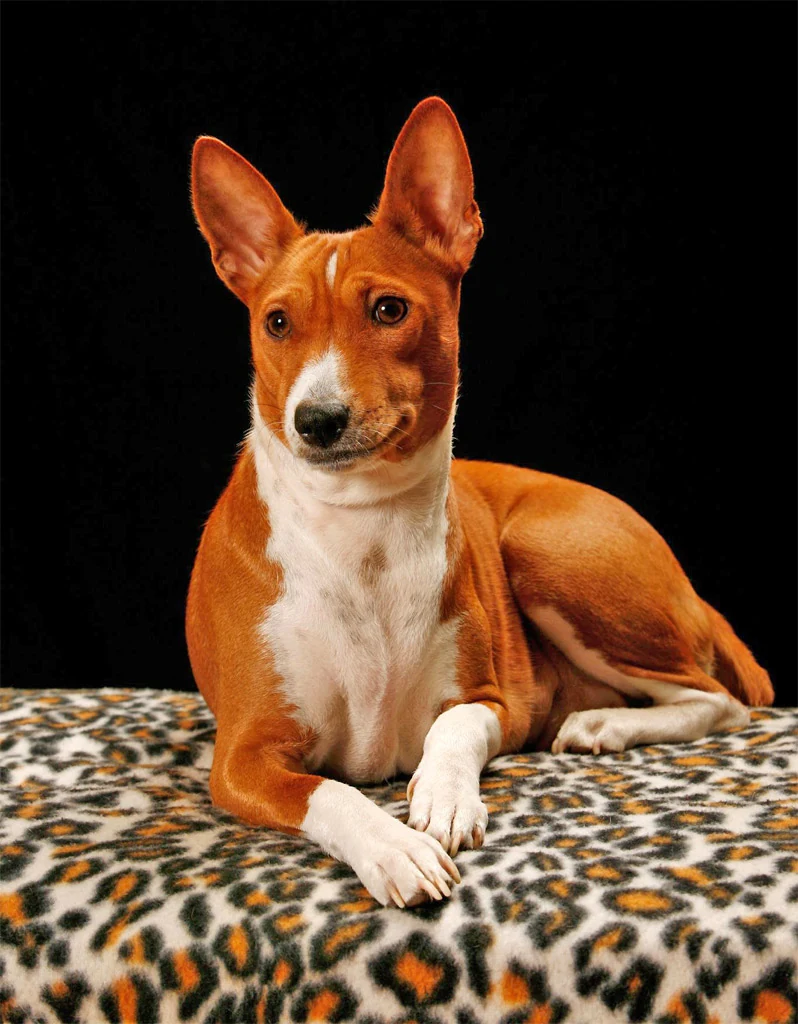
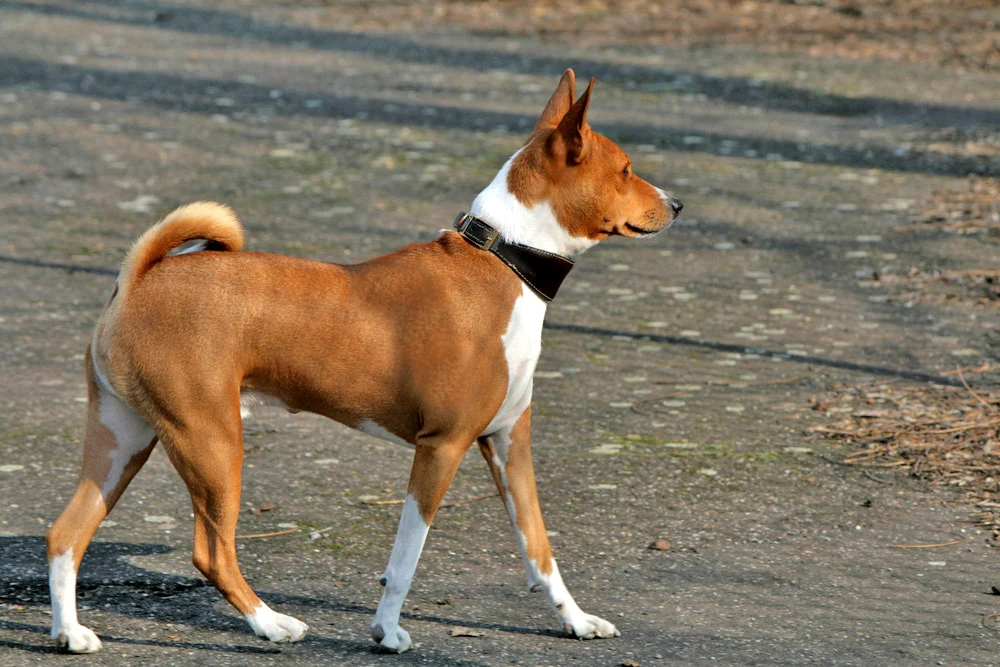
The Basenji is lightly built but stands on firm, muscular legs. Small upright ears, wrinkles on the forehead and a tail curled tightly over the back are distinctive. A deep chest rises into a clear waist. Its stride should be long and flowing rather than short and fussy. The coat is short, fine and sleek. Typical colours include red and white, black and white, tricolour, and brindle and white.
The British standard gives ideal measurements of about 43 cm and 11 kg for males, and 40 cm and 9.5 kg for females. PDSA offers a broader guide of 40 to 43 cm and 9 to 11 kg. Elegant does not mean fragile: this dog was developed to move and hunt. You should be able to feel the ribs beneath the short coat, and a Basenji should move without stiffness or heaviness.
Health
Fanconi syndrome is reported in Basenjis. In this kidney condition, the body loses substances through the urine that it would normally keep, including glucose. PDSA also lists pyruvate kinase deficiency, which can cause inherited anaemia, slipping kneecaps and progressive retinal atrophy. In the latter condition, the retina gradually deteriorates, reducing vision and potentially causing blindness. When choosing a puppy, ask about illnesses in the family and see the parents' available DNA results and eye examination records.
Unusual thirst or frequent urination calls for urine and blood tests. Trouble seeing at dusk may point to an eye condition; repeatedly lifting a hind leg for a few steps may be a knee problem. Each sign can have more than one cause and deserves veterinary assessment.
Could this breed fit your life?
Could work well if …
- You enjoy living with an alert dog and like brief, rewarding training games.
- You can arrange secure running space and keep the dog on lead near roads or wildlife.
May be more difficult if …
- You expect complete silence because the breed is called barkless.
- You want to let your dog loose everywhere and have little time for exercise.
Similar needs, different dogs.
Selected by shared size, activity, grooming and training characteristics.
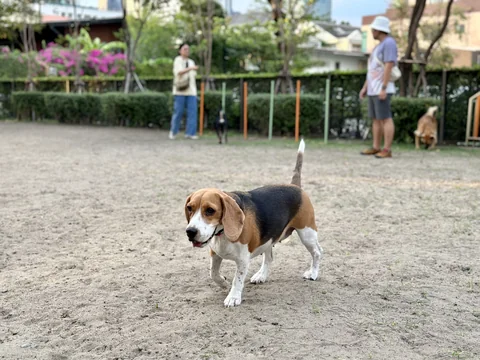
Scent hound
Beagle
The Beagle is a sturdy little scent hound with stamina, an excellent nose and a taste for company. Walks are better when there is time to sniff.
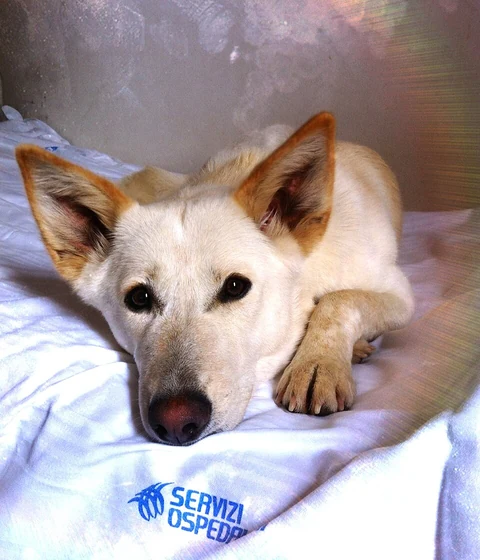
Guardian and companion
Canaan Dog
The Canaan Dog is an alert working breed from the Middle East. It stays close to familiar people but often watches new visitors from a distance first.
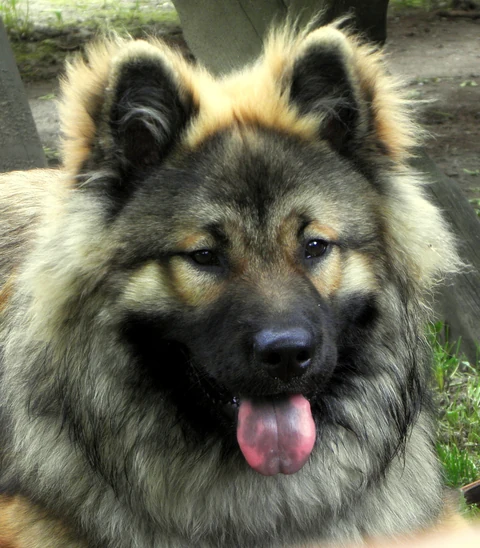
Companion dog
Eurasier
The Eurasier was developed as a close family companion. It is often calm indoors, happy to join outdoor life and initially reserved with unfamiliar people.
Sources and photograph credit
- Teaching your dog to be left alone
Used in this profile for: Staying home alone
- Basenji Health
Used in this profile for: Health
- Basenji, Breeds A to Z
Used in this profile for: Temperament, Health, Lifespan, Could this breed fit your life?
- Basenji breed standard
Used in this profile for: Size / Weight, Temperament, Day-to-day care, Size and build
- Basenji breed information
Used in this profile for: Size / Weight, Temperament, Everyday life, Day-to-day care, Size and build, Health, Lifespan, Could this breed fit your life?
Portrait · Iside · fugzu · CC BY 2.0 · Edited
Side view · Cody alias Fez delle Caserosse · fugzu · CC BY 2.0 · Edited

Exploring by the water · Scary water · Niko Herlin · CC BY 2.0 · Edited

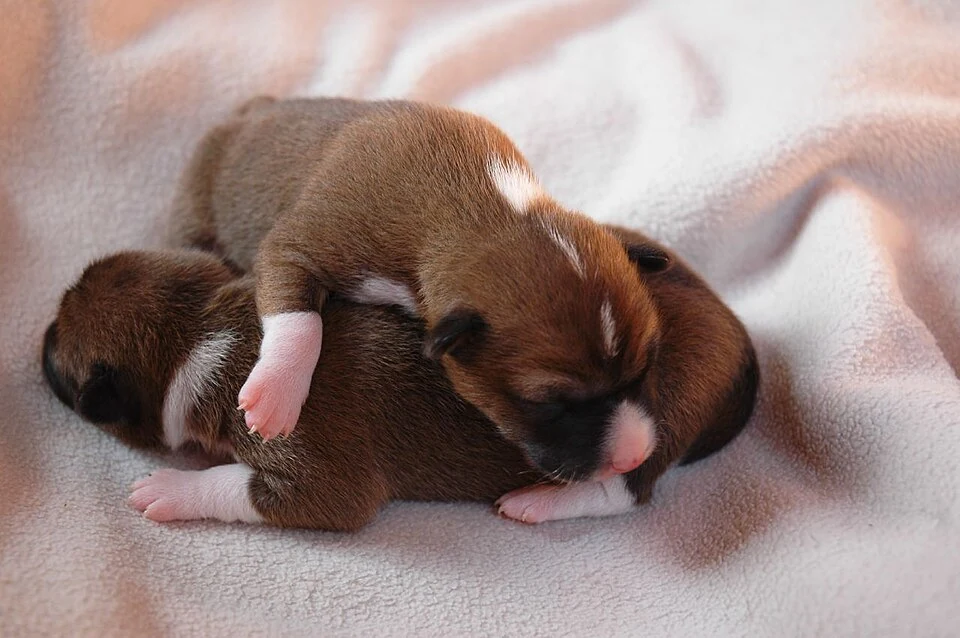
Puppy · Basenji puppies · Flickr user copperfeesh · CC BY-SA 2.0 · Edited
