 fellfolio
Shorthair and semi-longhair · Kuril region
Kurilian Bobtail
The Kurilian Bobtail is a strong cat with a short tail often resembling a pompom. The breed comes from the Kuril region and has shorthaired and semi-longhaired forms. Many cats are curious and playful and enjoy being close to their people. Safe climbing places, shared games and care suited to the coat length matter in everyday life.
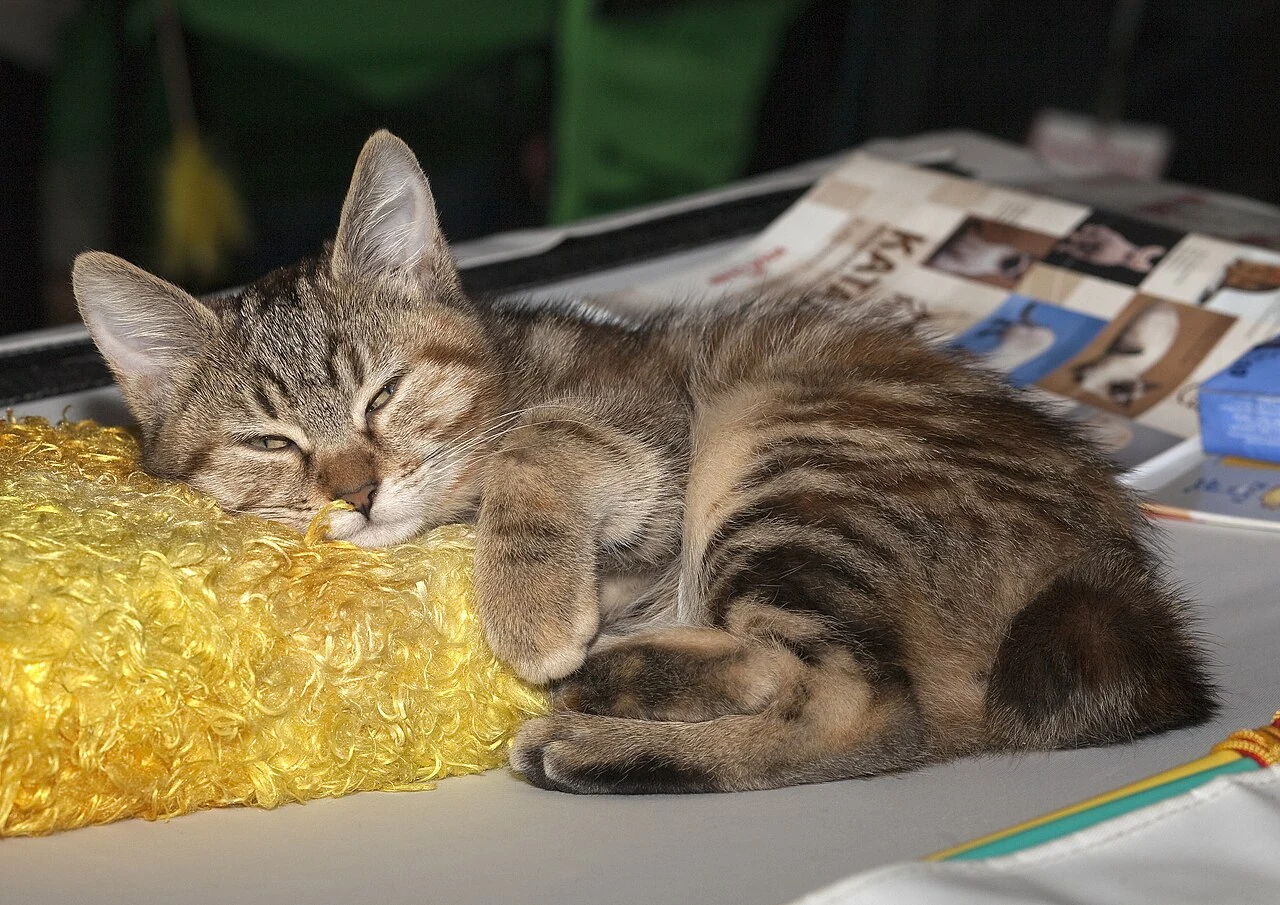
At a glance
- Size
- Large
- Activity
- Moderate
- Care needs
- Moderate
- Enrichment
- Enjoys learning together
- Owner experience
- First cat with preparation
A sturdy observer with ideas of her own
A Kurilian Bobtail may first choose an elevated place to watch events around the room. An interesting toy can soon turn that observer into an eager participant. TICA, the international cat registry, describes the breed as inquisitive, sociable and receptive to learning, with a moderate overall activity level. Quiet company and lively games can alternate naturally.
Small rewarded tasks can help you discover what your own cat enjoys. If she comes towards you when called by name, a piece of the daily food allowance or a favourite game can follow. Some cats enjoy learning further simple routines. The task should start easily and give her a chance to succeed. A short activity she willingly joins is a good beginning.
In a home with other animals, introductions should be gradual. When another cat joins the household, you should initially arrange separate areas. Both cats should have their own feeding places, litter trays and retreats so they can also spend time apart. Children should learn calm encounters and neither restrain the cat nor pull her short tail.
Wide climbing surfaces and hunting games
Climbing places should provide enough room for a strong body. Wide, securely fixed surfaces and safe routes up and down matter more than an exceptionally tall cat tree. A window perch may offer plenty to watch if windows and an accessible balcony are secured against falls and escapes. Protected resting places close to the floor should also be available.
Hunting games can involve different movements. A toy scurries along the floor, disappears beneath the edge of a blanket and pauses briefly. The cat can listen, wait and catch her toy prey. Actually grasping it is part of the game. The attachment should therefore regularly come within reach during shared play. Afterwards, strings and wand toys should be kept out of reach.
Breed descriptions often mention an interest in water. Whether your cat wants to play with it should be her choice. If you also keep fish, their aquarium should stand securely and have a safe cover to prevent the cat from reaching them. The fish should be able to live there undisturbed. Birds and small pets should likewise be protected from the cat in their own separate areas. When planning equipment, ongoing costs and care, the cost planner can help bring together the things needed before adoption.
For practical play, food searches and quiet retreats, read Indoor Cat Enrichment: Play, Food Puzzles and Safe Retreats ↗
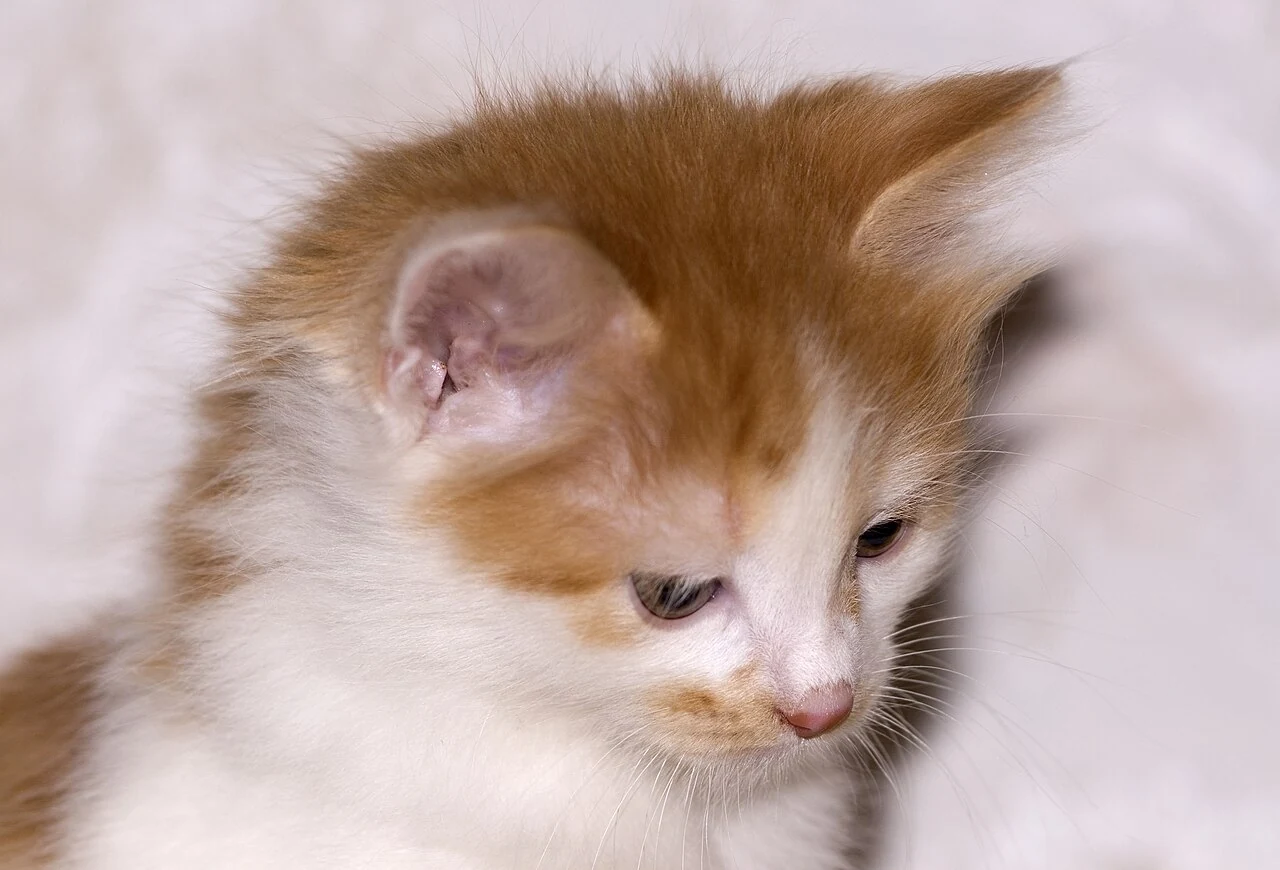
Appropriate care for two coat lengths
Shorthaired and semi-longhaired Kurilian Bobtails share the same basic body shape but need slightly different grooming. The short coat has well developed outer hairs and moderate undercoat. The longer form has less undercoat. A neck ruff and longer hair on the hind legs may be noticeable.
Gentle regular grooming removes loose hair and provides an opportunity to check skin and body condition. TICA suggests weekly brushing as a starting point. With a longer coat, you should check for tangles between sessions, particularly beneath the front legs and around the hindquarters. More frequent combing may be needed during shedding or when the coat tangles readily. You should not force a brush through the hair.
A mat close to the skin should be removed by the veterinary team. In an older cat, a newly ungroomed area may indicate that certain movements are harder. Gentle help is useful, while possible pain should also be investigated. The tail should not be bent or straightened during stroking. Its angles are part of its congenital shape.
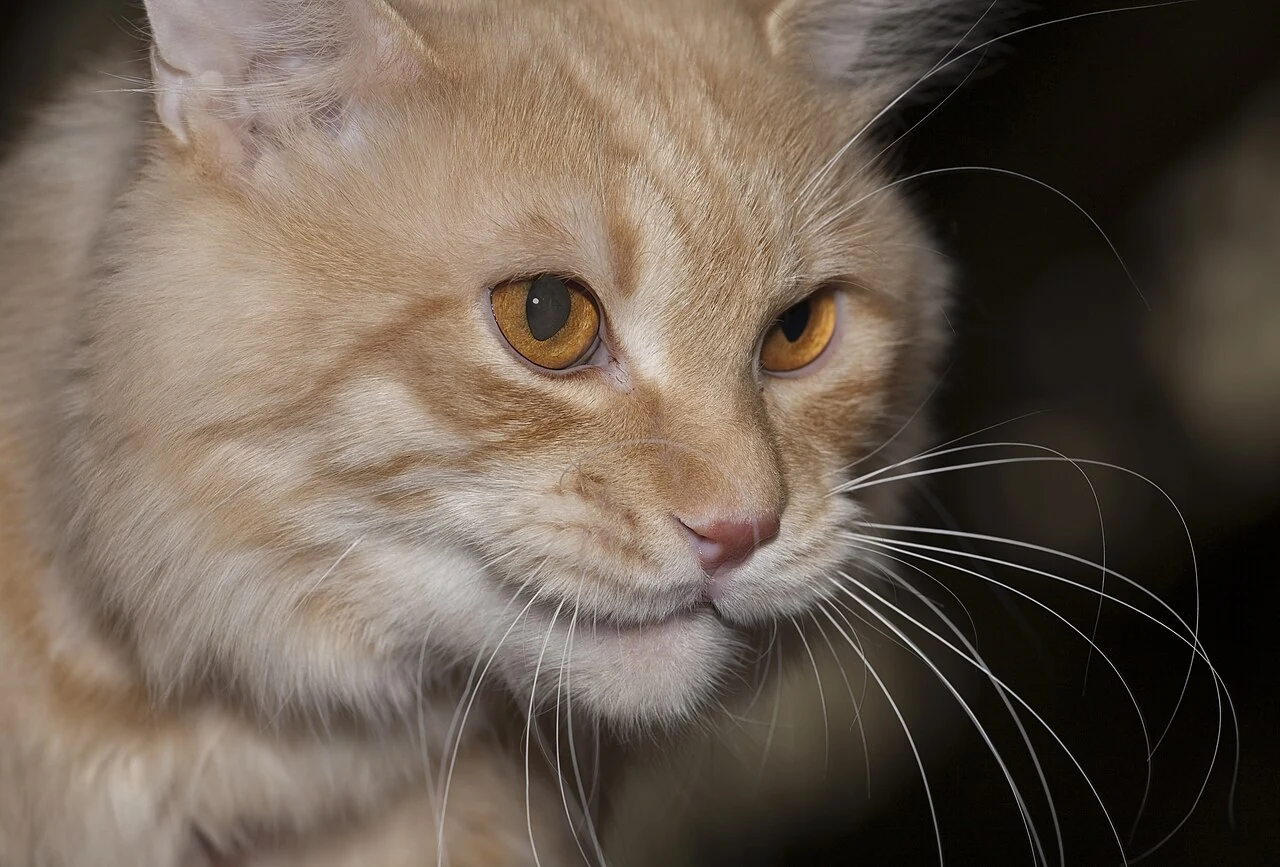
A short tail from the Kuril region
The region of origin includes the Kuril Islands, Sakhalin and Kamchatka. Cats with short tails have lived there for a long time, and deliberate development of the breed took place in Russia. Exactly how the original population arose remains uncertain. FIFe, the international cat federation, recognised the Kurilian Bobtail in 2004.
The shorthaired and semi-longhaired forms are described together in this profile. FIFe’s standard specifies a medium to large muscular body and strong legs. Hind legs are longer than front legs, creating a gentle rise along the back towards the higher rump. The head is broad, particularly around the cheekbones.
The short tail contains congenital angles or curves. Its covering can make it resemble a small pompom. It has not been cut off. Although the Kurilian Bobtail, Japanese Bobtail and Manx all have unusual tails, they are different breeds. The University of Missouri describes a different inherited basis for Kurilian and Japanese Bobtails from that of the Manx. With a kitten, movement and gentle handling should receive attention from the beginning. Later in life, extra intermediate steps can help her reach familiar beds without large jumps.
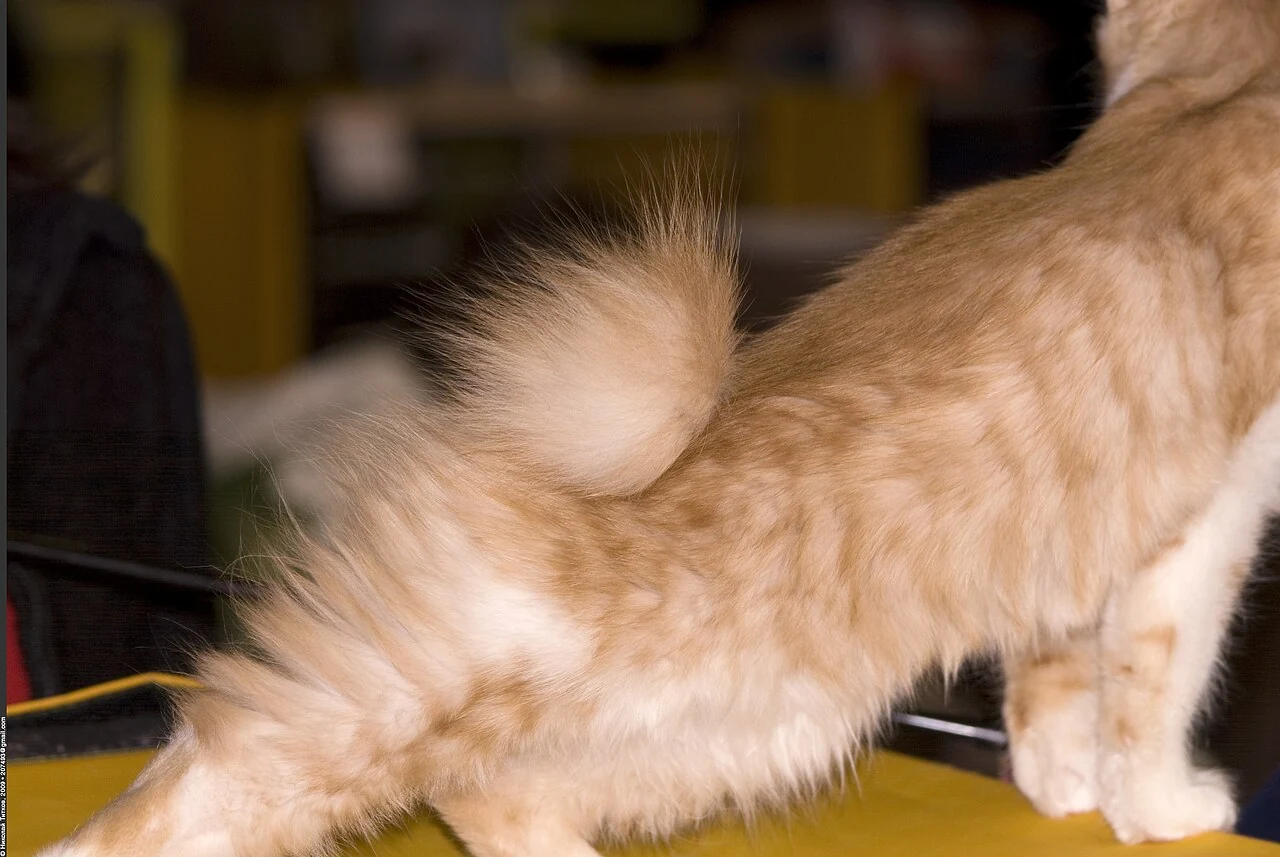
Tail shape and regular preventive care
Before bringing a cat home, you should examine health records and ask about recurring conditions in the family. The veterinary examination should also assess movement, skin, teeth and body condition. This helps establish what care and checks would suit your own cat.
A congenitally short, curved tail should not be mistaken for a recent injury. New swelling, pain when touched or a sudden change in movement should be investigated. The inherited tail form has a different basis from that of the Manx. You should therefore neither assume Manx syndrome applies to the breed nor overlook pain in an individual cat.
Regular preventive care includes a vaccination plan and parasite protection suited to her lifestyle. Teeth and gums should also be assessed. Bad breath, drooling or chewing on one side may indicate pain. Repeated attempts to urinate with little or no urine need immediate veterinary help, because a blocked urethra can be life threatening. Fellfolio can keep examination results, weight and specific observations together. This makes the information available when another person provides care.
What matters in your home
Could work well if …
- You can give a sturdy cat safe, wide climbing surfaces and quiet retreats.
- You want shared games and small rewarded tasks to reflect your own cat’s preferences.
- You plan regular grooming and gradual introductions or secure separation when other pets are present.
Before you bring one home
- An aquarium or small pet area should be safely separated from the cat’s access. An interest in water is not an invitation to let her play with fish.
- The congenitally curved tail should not be straightened. New pain or swelling should be examined.
- For the semi-longhaired form, you should also check for tangles between grooming sessions and comb more often when needed.
Meet other cat breeds.
Selected by size, activity, care and play needs.
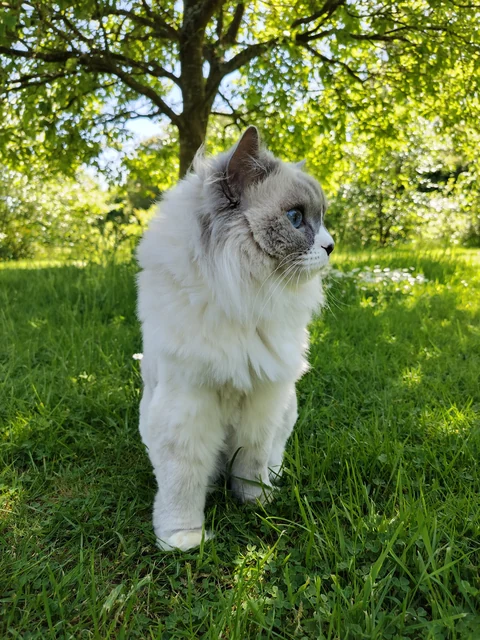
Semi-longhair cat · United States
Ragdoll
A long, substantial frame, a silky coat and blue eyes: Ragdolls are often relaxed, yet many still enjoy a good game as adults.
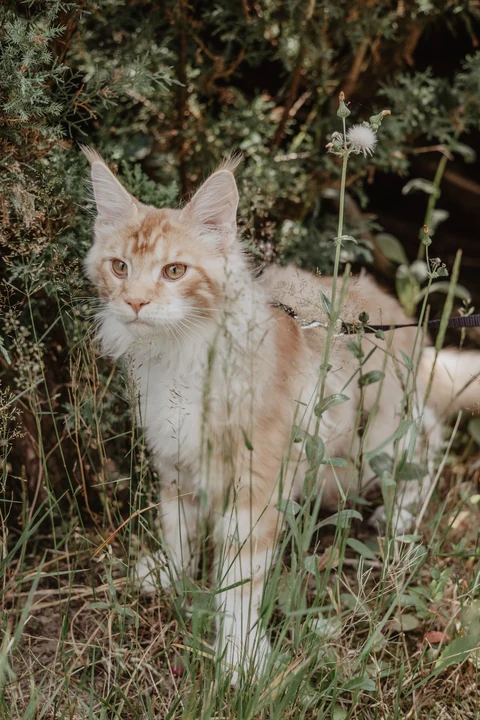
Semi-longhair cat · United States
Maine Coon
The Maine Coon pairs a long, powerful frame with a full coat and bushy tail. Many stay playful and like to keep their people in sight around the home.
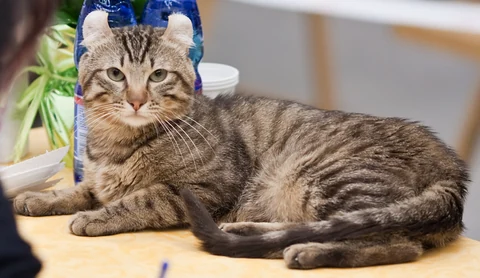
Shorthair and semilonghair · USA
American Curl
The American Curl is recognisable by ears that curve backwards. In everyday life, her curiosity and enjoyment of company often make the stronger impression. She comes with a short or longer silky coat and needs gentle handling around her ears.
Sources and photograph credit
- Grooming your cat
Used in this profile for: Day-to-day care
- Indoor cats
Used in this profile for: Everyday life, Could this breed fit your life?
- Tips for grooming longhaired cats
Used in this profile for: Day-to-day care
- Cats and play
Used in this profile for: Everyday life
- Feline Dental Disease
Used in this profile for: Health
- Feline Lower Urinary Tract Disease
Used in this profile for: Health
- Loving Care for Older Cats
Used in this profile for: Day-to-day care, Size and build
- Kurilean Bobtail breed profile
Used in this profile for: Temperament, Everyday life, Size and build
- Kurilean Bobtail longhair and shorthair standard, 1 January 2026
Used in this profile for: Day-to-day care, Size and build
- Kurilian Bobtail breed profile
Used in this profile for: Temperament, Everyday life, Day-to-day care, Size and build, Could this breed fit your life?
- Manx cat short-tail research project
Used in this profile for: Size and build, Health
- Introducing your new cat to other cats in your home
Used in this profile for: Temperament, Could this breed fit your life?
- How to keep your cat healthy and happy
Used in this profile for: Health
Photo credits
Portrait · KBS Sonya (5473874973).jpg · Nickolas Titkov · CC BY-SA 2.0 · Edited
.jpg)
Coat and features · Kurilian Bobtail (3417831345).jpg · Nickolas Titkov · CC BY-SA 2.0 · Edited
.jpg)
Coat and features · KBL Int.Ch. Елисей Цветок Итурупа (4499768089).jpg · Nickolas Titkov · CC BY-SA 2.0 · Edited
.jpg)
Kitten · Kurilian Bobtail kitten (3302815295).jpg · Nickolas Titkov · CC BY-SA 2.0 · Edited
.jpg)