 fellfolio
Semilonghaired cat · Russia
Neva Masquerade
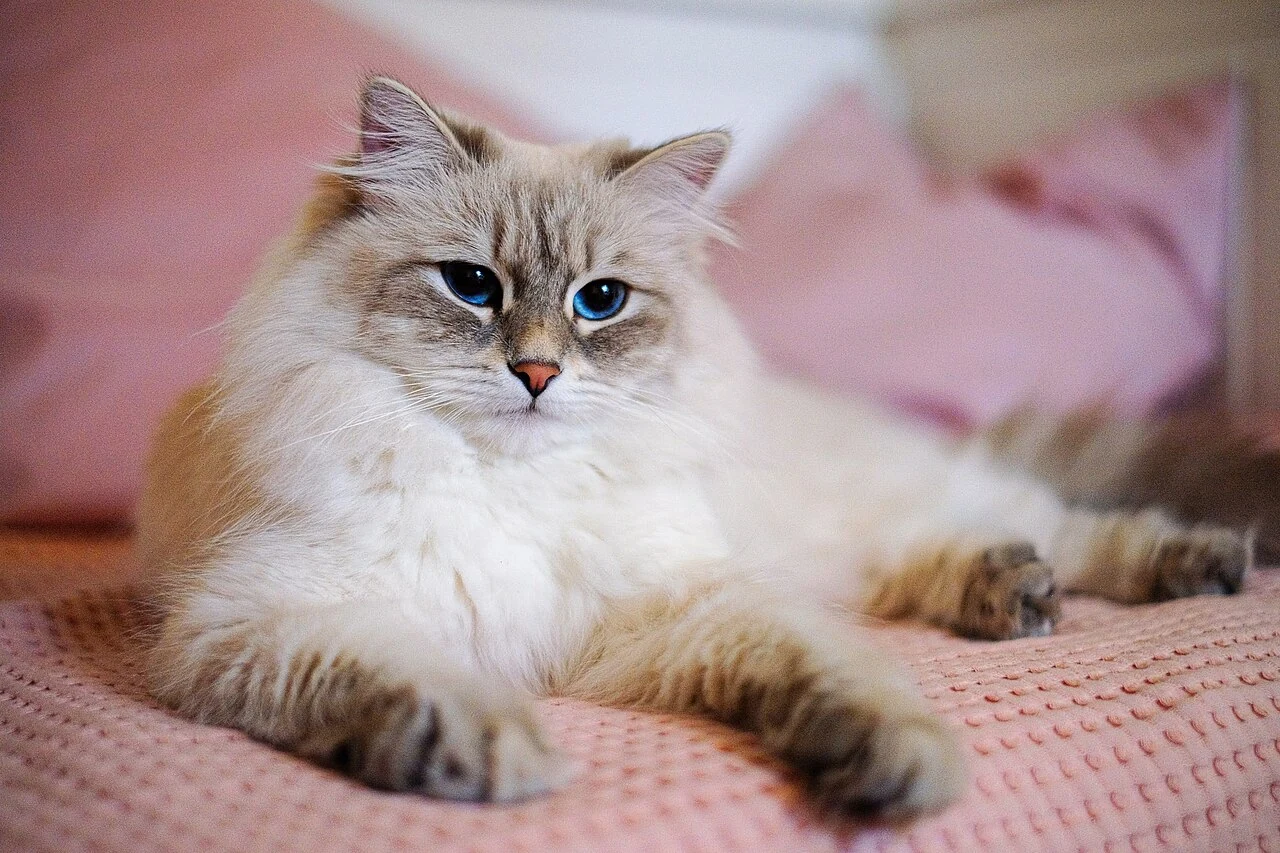
Blue eyes, a paler body and darker markings give the Neva Masquerade her distinctive expression. This sister breed of the Siberian combines a substantial body with curiosity and an enjoyment of company. Her dense coat needs dependable grooming, especially when she sheds her winter undercoat.
At a glance
- Size
- Large
- Activity
- High
- Care needs
- High
- Owner experience
- First cat with preparation
Curious, affectionate and keen to join in
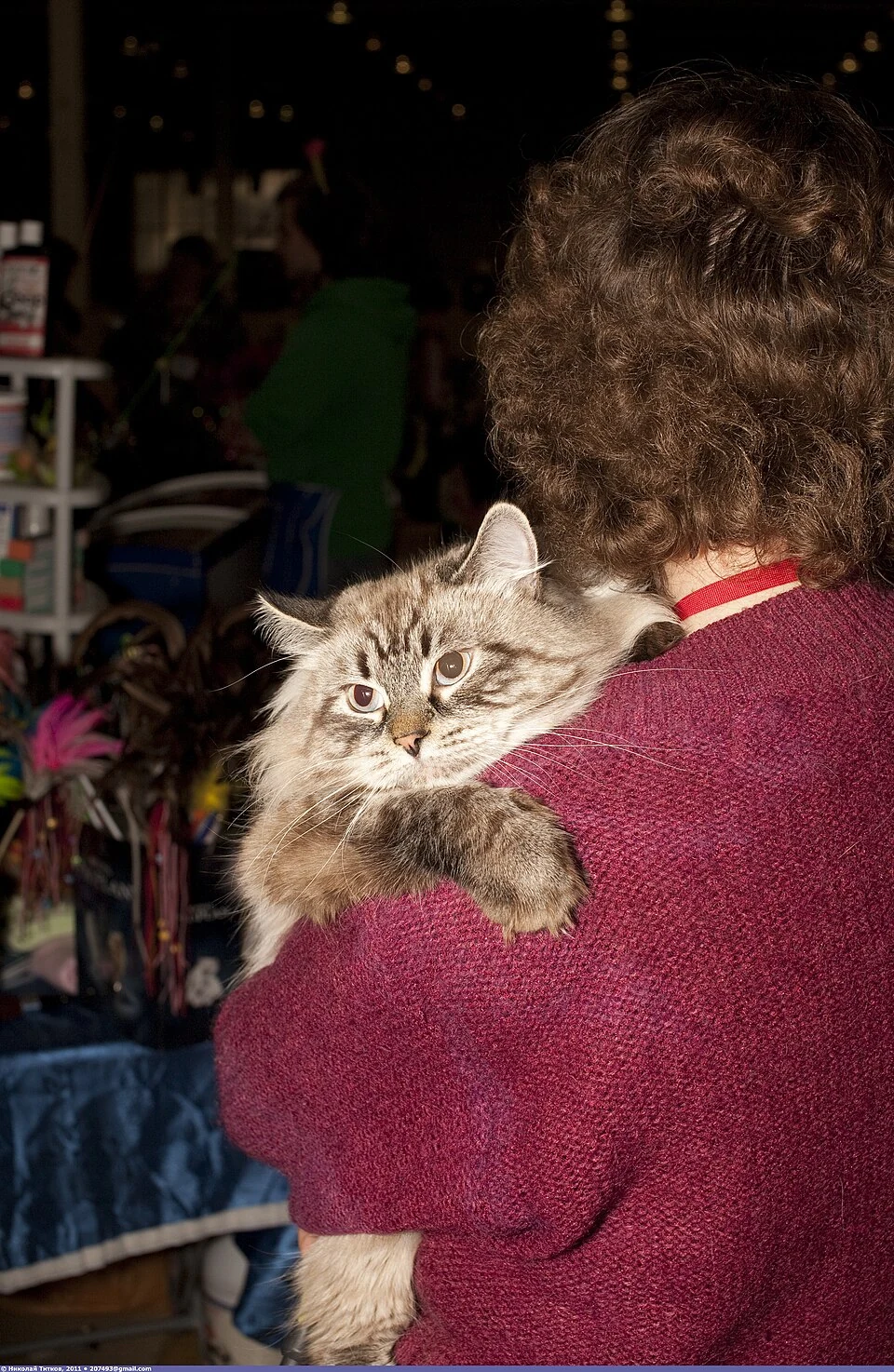
A Neva Masquerade may take an attentive interest in everyday life. She might investigate a newly placed cardboard box, follow a familiar person around the room or settle somewhere nearby. The international cat federation FIFe describes a people oriented, curious and playful cat. Shared activities offer a good way to enjoy that interest in company.
She should be able to choose when to come close. A spare place beside the sofa or desk lets her join you without being picked up. Some cats like to stay and be stroked, while others only stop by briefly. If the Neva turns her head away, leaves or retreats to a hiding place, you should leave her in peace.
Predictable habits help in a busy home. Children should learn how to offer a wand toy and leave the cat to sleep undisturbed afterwards. When considering another cat, the behaviour and past experiences of both animals matter. A Neva who previously lived with a familiar companion has a different history from a cat who spent years alone. Introductions should be gradual, with separate feeding places, litter trays and sheltered resting spots.
Climbing, games and enjoying company
It is easy to underestimate how agile this substantial cat can be. A raised lookout, a sturdy scratching tree and securely fixed resting shelves can enrich her day. These should be large and strong enough for her to lie comfortably and move safely. A window seat provides plenty to watch when the window is secured against escapes and falls.
Games with people should allow time for watching, stalking and catching. A wand attachment might disappear behind a chair and scurry across the floor again after a pause. The cat should sometimes catch and hold it. Watching her preferences helps keep games interesting. A rustling attachment may appeal more than a ball. Wand toys and loose strings should be put out of reach afterwards.
A small food search offers another activity. At first, a few pieces of familiar food should sit openly beside a box or in a simple food puzzle. Once the cat understands the task, you can make it harder. This portion should come from her measured daily allowance. During longer absences, she needs someone who checks her wellbeing and offers company as well as looking after food and the litter tray.
For practical play, food searches and quiet retreats, read Indoor Cat Enrichment: Play, Food Puzzles and Safe Retreats ↗
Looking after the dense undercoat
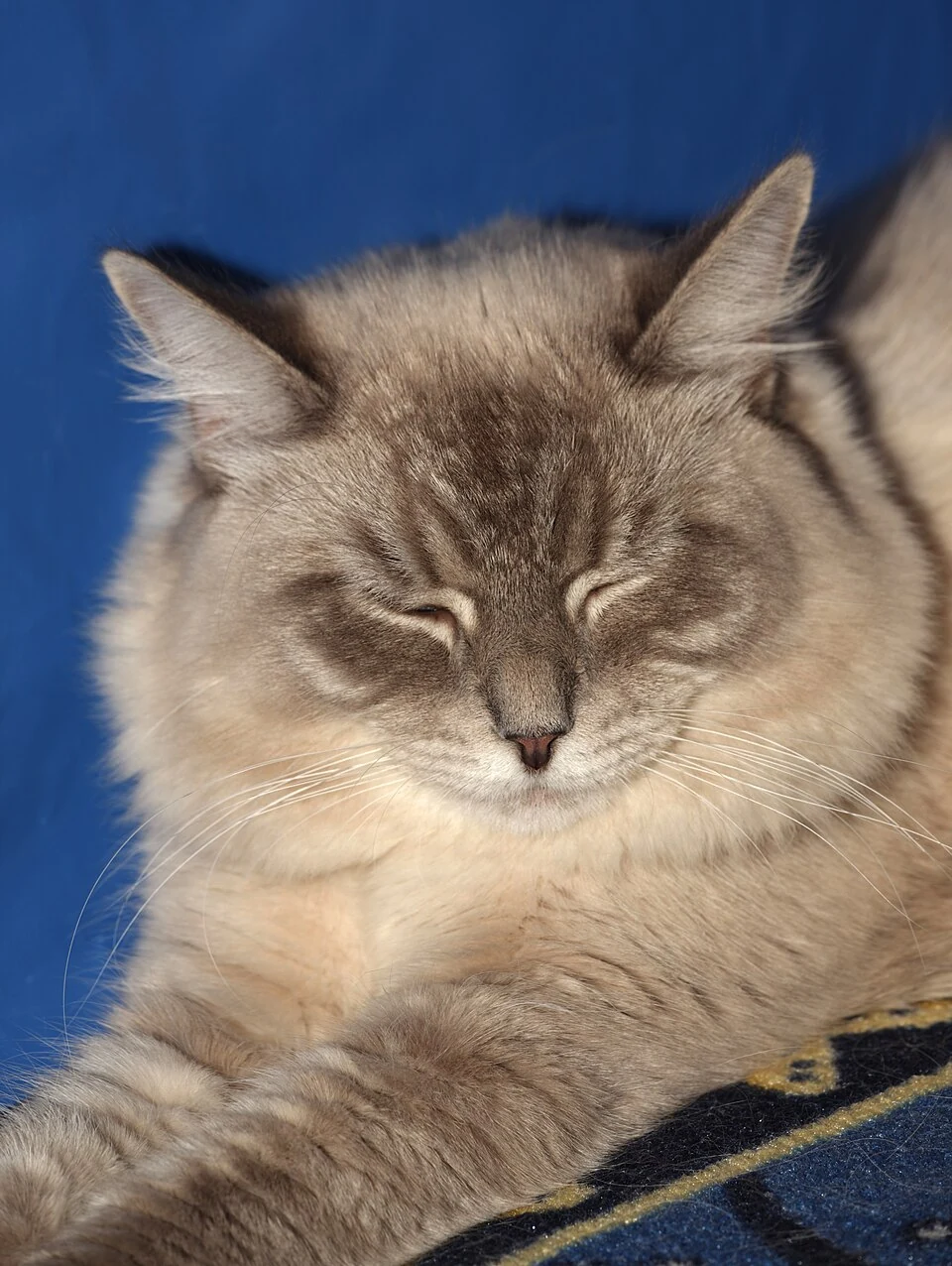
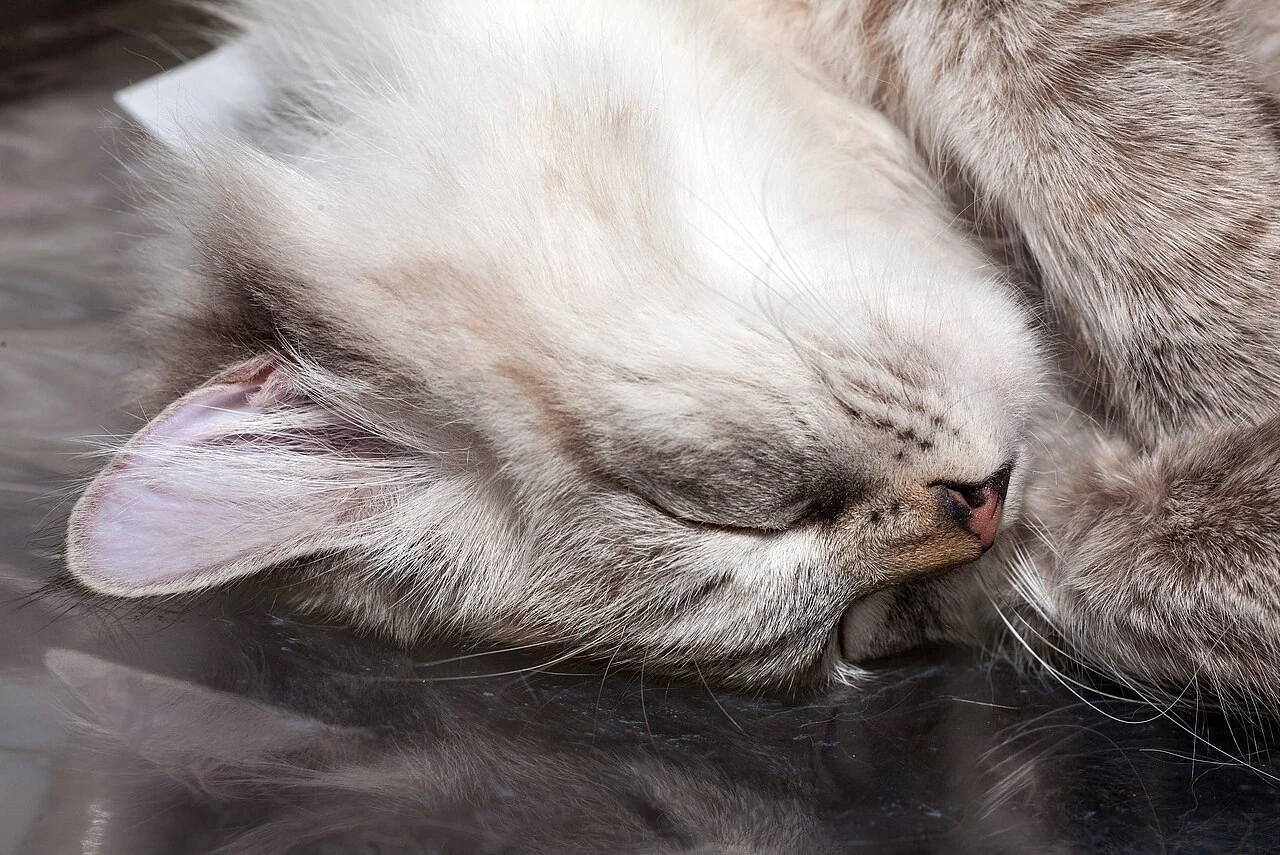
The semilong coat has dense undercoat beneath stronger outer hairs. In winter, a pronounced ruff may develop around the neck and chest. The same cat can look much less lavishly coated in summer. This seasonal change is part of the coat type and explains why grooming needs vary.
A suitable comb should be worked gently through the fur several times a week. Daily help may be needed during shedding to keep loose undercoat from forming mats. You should check carefully behind the ears, under the front legs and around the longer hair on the back legs. Brief, pleasant grooming sessions are usually easier to establish than prolonged restraint. A kitten should initially experience just a few gentle touches, paired with something enjoyable.
A firm mat close to the skin needs experienced help. Pulling it or cutting underneath with scissors can cause pain and injure the skin. If an older Neva suddenly grooms less thoroughly, the cause should also be investigated. Joint pain or illness may make some parts of the body difficult to reach.
The blue eyed sister of the Siberian
The Neva Masquerade belongs to the Siberian breed family. Her distinctive colouring is called colourpoint. The face, ears, legs and tail are darker than the rest of the body. The darker face resembles a mask. Her name combines this mask with the Neva, the river in Saint Petersburg. FIFe recognised the Neva Masquerade as a separate sister breed of the Siberian in 2011.
Their shared standard describes medium to large, well muscled cats with a broad chest and a relatively rounded head. Blue eyes are characteristic of the Neva. Beneath the abundant fur should be an agile body. An individual cat's size also depends on sex and development. Siberians mature comparatively slowly, so a young cat may still look quite different from a fully mature adult.
Before bringing a cat home, you should consider more than coat colour and eyes. A kitten's early experiences with people, household sounds and willing participation in grooming are useful information. For an adult cat, details of favourite places, games and previous companions help you prepare. As she grows older, intermediate steps should make raised resting places easier to reach. A marked reduction in jumping or new sensitivity to touch should be investigated rather than attributed simply to age.
Heart examinations and cat allergies
In the Siberian breed family, you should ask about documented heart examinations. An important condition is hypertrophic cardiomyopathy, usually shortened to HCM. The heart muscle becomes thicker, which can make the heart fill less effectively and work less efficiently. Britain's cat registry GCCF discusses HCM in its Siberian health information and breeding recommendations.
A heart ultrasound can show whether typical changes are already visible. A normal examination when a cat is young does not rule out changes later. Your veterinary team should explain which examinations and repeat checks make sense for the cat or breeding line. Before taking home a kitten, you should have the parents' records shown and explained. Rapid or difficult breathing, or breathing with the mouth open, needs immediate veterinary help.
Claims that the breed suits people with cat allergies also need careful consideration. Allergies involve particular proteins that cats spread through their skin and saliva, among other sources. Neither coat length nor membership of the Siberian breed family reliably makes a cat free of allergens. Someone who reacts to cats should seek medical advice before acquiring one. Fellfolio can keep heart examination results, routine appointments and observations about your cat together.
Would a Neva Masquerade suit you?
Could work well if …
- You want a curious cat who enjoys company while being able to choose when to come close.
- You can provide strong climbing places, regular games and dependable care when you are away.
- You allow time for dense undercoat and want to understand documented breeding health checks.
May be less suitable if …
- Shedding may bring a need for daily combing. Firm mats should be removed by someone with suitable experience.
- If you have a cat allergy, you should discuss acquiring a cat with a medical professional. A breed name does not predict how strongly you will react.
- Another cat should be chosen with both animals in mind and introduced gradually, with separate essential places.
Meet other cat breeds.
Selected by size, activity, care and play needs.
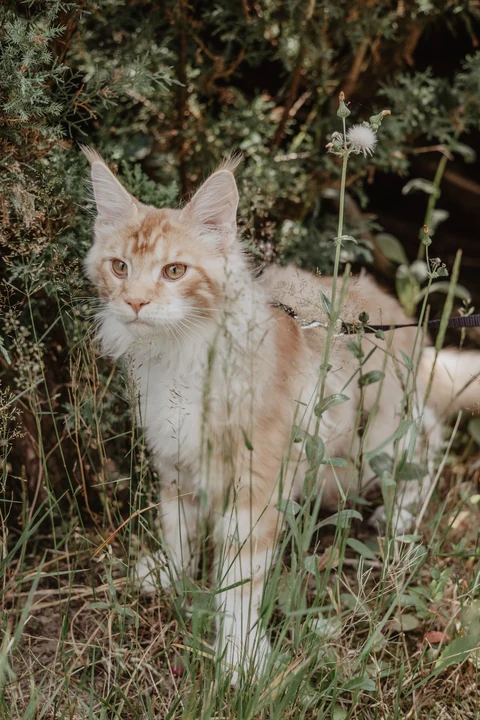
Semi-longhair cat · United States
Maine Coon
The Maine Coon pairs a long, powerful frame with a full coat and bushy tail. Many stay playful and like to keep their people in sight around the home.
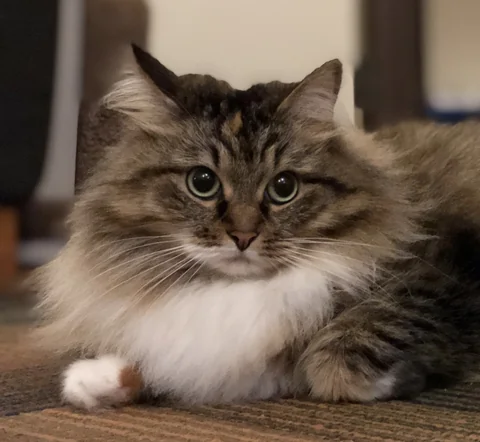
Semi-longhair cat · Russia
Siberian
The Siberian is a strong cat that enjoys climbing and often stays playful as an adult. Its dense coat needs regular combing, especially when the winter undercoat sheds.
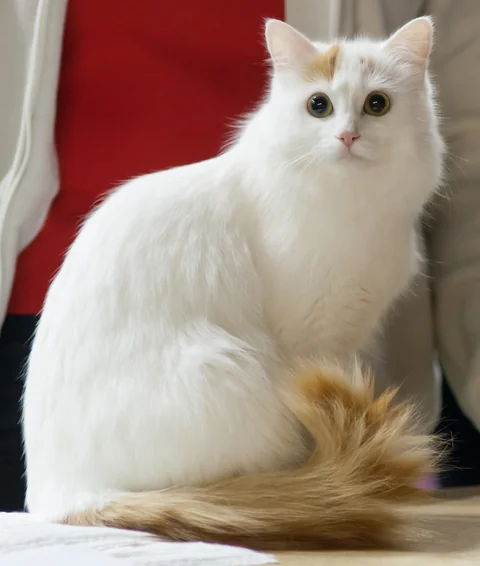
Semi-longhair · Eastern Anatolia
Turkish Van
The Turkish Van is a strong, agile cat from eastern Anatolia. Its usually pale body carries colour chiefly on head and tail; some individuals enjoy water games.
Sources and photograph credit
- Pet allergies
Used in this profile for: Health
- Indoor cats
Used in this profile for: Everyday life, Could this breed fit your life?
- Tips for grooming longhaired cats
Used in this profile for: Day-to-day care, Could this breed fit your life?
- Cats and play
Used in this profile for: Everyday life
- Hypertrophic Cardiomyopathy
Used in this profile for: Health
- Loving Care for Older Cats
Used in this profile for: Day-to-day care, Size and build
- Neva Masquerade breed profile
Used in this profile for: Temperament, Everyday life, Size and build, Could this breed fit your life?
- Siberian and Neva Masquerade breed standard, 1 July 2026
Used in this profile for: Day-to-day care, Size and build
- Introducing your new cat to other cats in your home
Used in this profile for: Temperament, Could this breed fit your life?
- How to keep your cat healthy and happy
Used in this profile for: Everyday life
- Siberian breed profile
Used in this profile for: Day-to-day care, Size and build, Health
- Siberian breeding policy, version 4, 4 January 2024
Used in this profile for: Health
Photo credits

Everyday life · Nickolas Titkov · CC BY-SA 2.0
.jpg)
Coat and features · Nickolas Titkov · CC BY-SA 2.0
.jpg)
Everyday life · Nickolas Titkov · CC BY-SA 2.0
_(4198940971).jpg)