 fellfolio
Shorthair with wild-cat ancestry
Savannah
Long legs, large ears and a usually spotted coat make the Savannah distinctive. Her origins lie in crosses between domestic cats and servals. This portrait explains that history, the welfare questions it raises and the care of an existing Savannah.
At a glance
- Size
- Large
- Activity
- Not sufficiently documented
- Care needs
- Not sufficiently documented
Understanding the Savannah: origins and behaviour
The Savannah originated through crosses with the African serval. The first known Savannah was born in 1986. The International Cat Association, known as TICA, accepted the breed for registration in 2001. It has been eligible for the association’s regular breed competitions since 2012. Recognition describes registration and judging within that organisation. The welfare of the animals involved in developing the breed remains a separate concern.
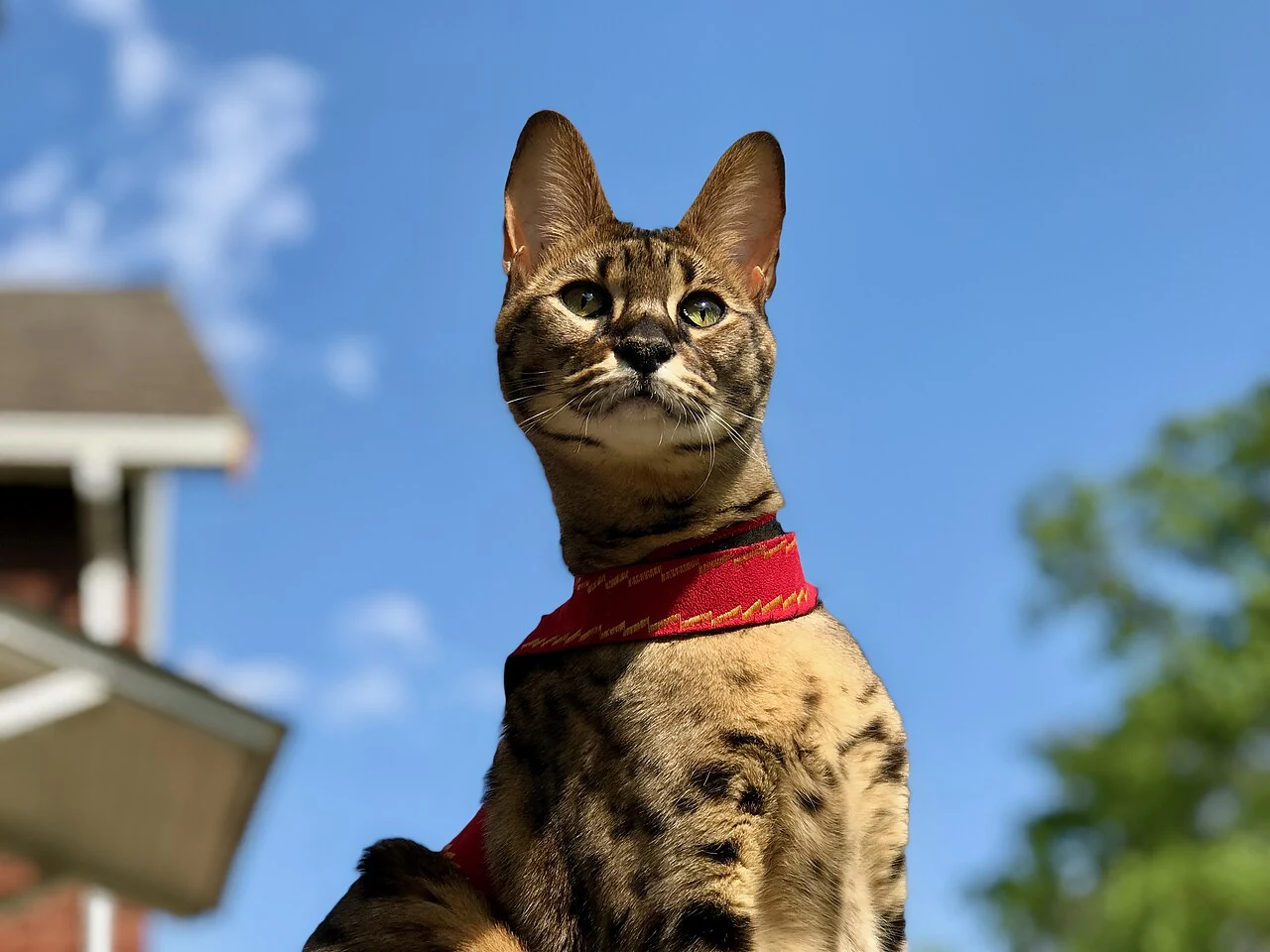
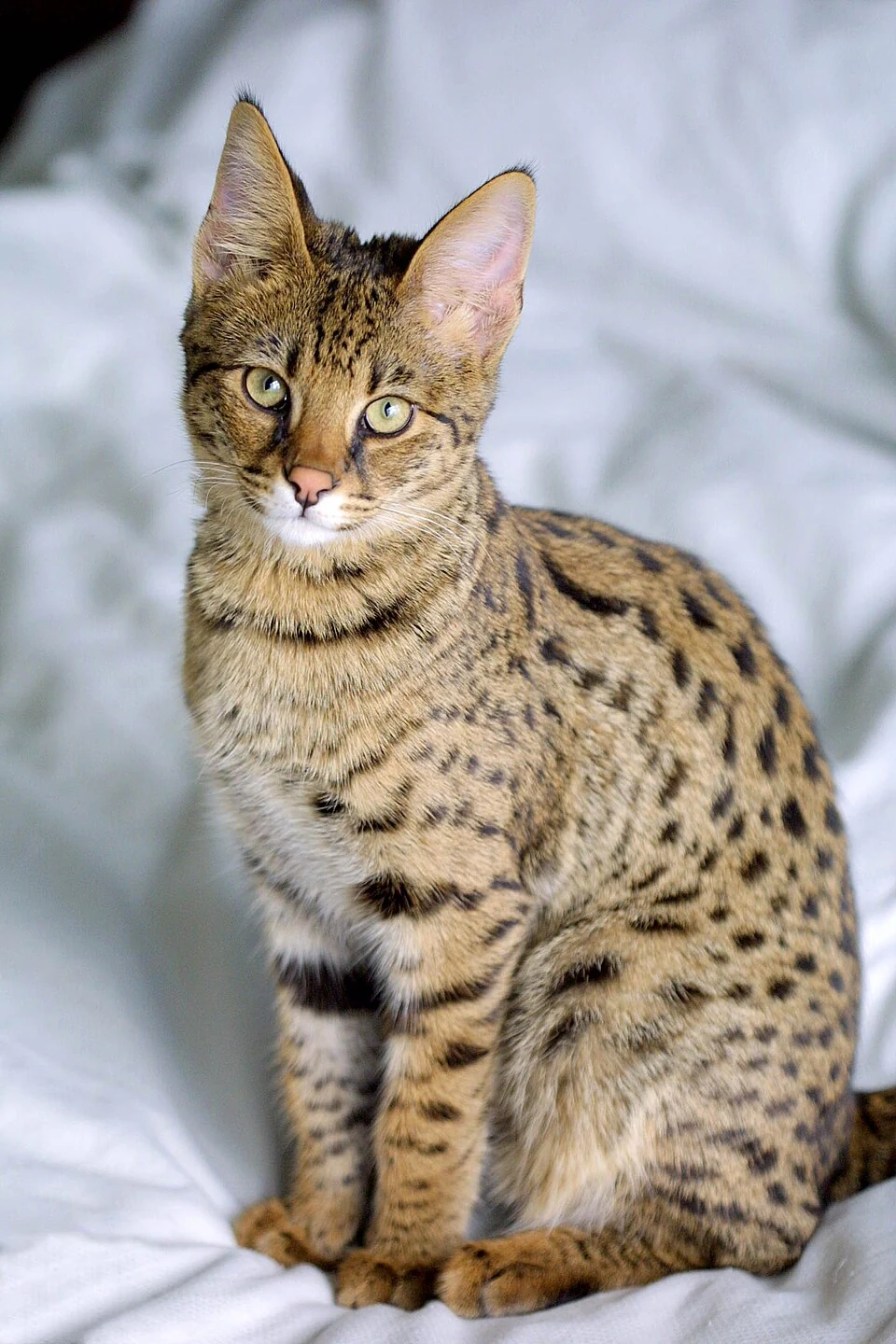
A long neck, tall legs and large upright ears create the Savannah’s distinctive outline. Dark spots on a brown or silver background are part of the breed’s appearance. Black cats and dark markings over a silvery undercoat also occur. Spots may be less obvious in those colours.
TICA describes an active, curious cat who forms close relationships with familiar people. At home, that curiosity might involve investigating high shelves or learning to open doors and cupboards. You should get to know how an existing cat responds to people and changes around her. A cat seeking distance should be able to retreat undisturbed.
Appropriate care for an existing Savannah
For an existing Savannah, the first question should be whether her home offers enough room to move, retreat and eat without disturbance. Elevated resting places should be firmly secured and reached by safe routes. A scratching tree alone cannot meet her space needs if there is little room elsewhere to run, avoid another animal or find shelter.
You could begin a play session with a brief game. A wand toy can move across the floor and disappear behind an edge, giving her something to stalk. She should be able to catch the toy as well. If she turns away or leaves, you should respect her pause. Hands should stay out of the game. A powerful cat should not be taught to treat human fingers as prey.
Doors, windows and any outdoor enclosure should be checked for secure fastenings and gaps. Containment needs to suit this particular cat’s abilities. Ordinary household facilities may be inadequate for early hybrid generations. A veterinary practice experienced with hybrids and a qualified behaviour professional should help assess her living conditions. Other pets should retain protected spaces of their own, rather than being left exposed to a curious Savannah.
For practical play, food searches and quiet retreats, read Indoor Cat Enrichment: Play, Food Puzzles and Safe Retreats ↗
Coat care and balanced feeding
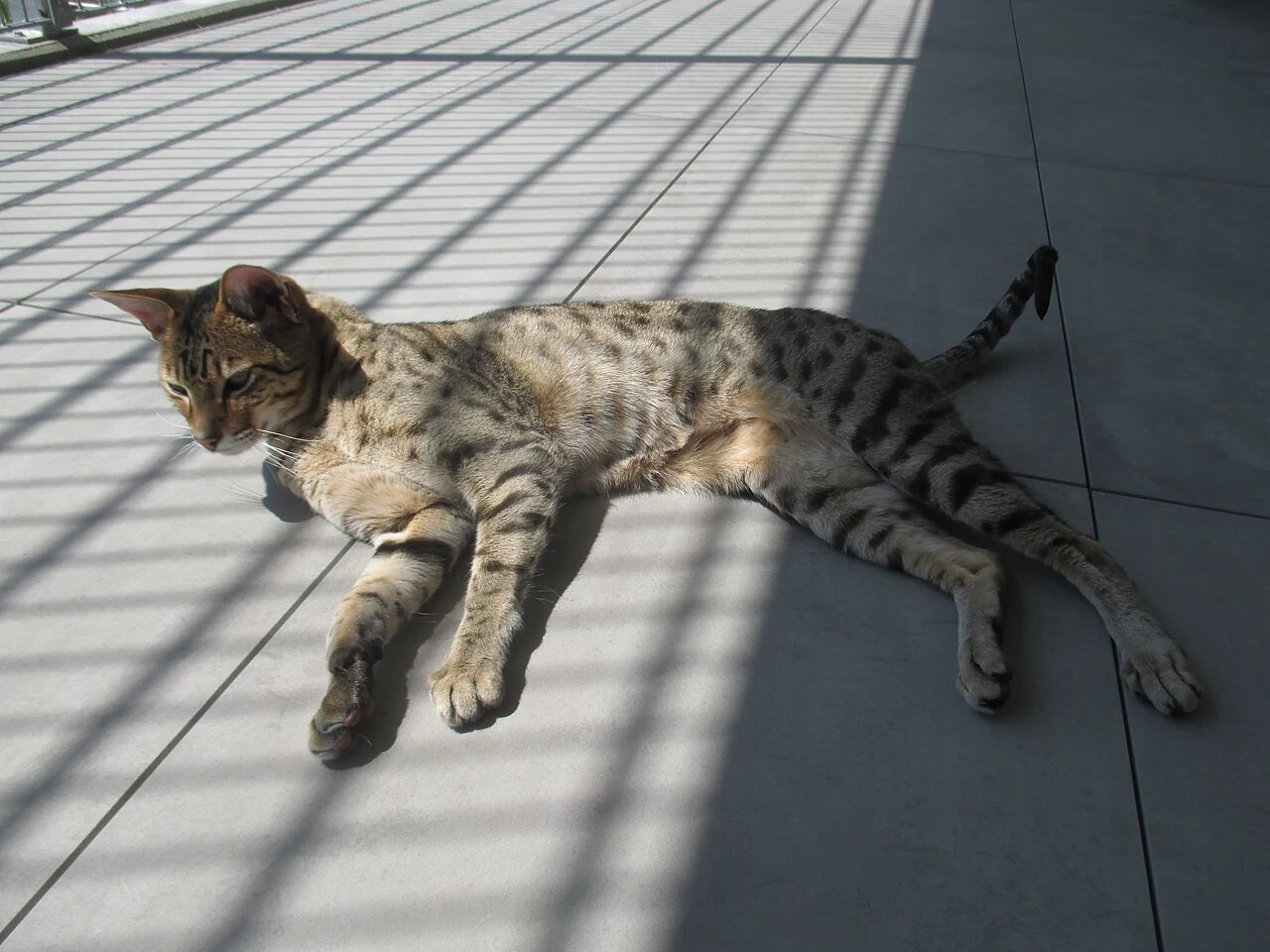
A soft brush will usually help remove loose hair from the short coat. You should start with a few gentle strokes and let your cat remain in a comfortable position. If grooming always involves holding her down, you should change the approach and ask someone qualified to show you how. Routine coat and skin checks become easier when she can cooperate calmly.
A Savannah’s diet should be planned with a veterinary practice experienced in hybrid cats. Her ancestry and generation should be part of that assessment. Nutritional needs can differ from those of domestic cats, particularly in early hybrids. Suitable food should provide a balanced diet for the individual cat’s needs. Meat alone does not supply all the necessary nutrients. Portions and body condition should also be assessed with the practice. A naturally lean outline should not lead you to overlook weight loss.
Origins, familiarisation and older cats
Hybrid cats are often described using terms such as F1 and F2. F1 refers to the direct offspring of a cross between a wild cat and a domestic cat. If an F1 Savannah has offspring with a domestic cat, those kittens belong to the next generation, F2. Later generation labels describe ancestry. They cannot be established from a spotted coat. For an existing animal, origin documents should be reviewed with an experienced veterinary practice alongside her experiences so far. A generation label in the documents may also be incorrect.
Young cats should gradually become familiar with a carrier, brief grooming and calm touch. An open carrier can remain in a sheltered area for voluntary exploration. Before an examination, the practice should know which cat is coming and how she responds to unfamiliar people. The visit can then be prepared accordingly.
If an older Savannah becomes less active, possible discomfort should be considered too. Food, water and a litter tray should remain accessible without a high jump. Brief notes about usual routes and newly avoided places help describe changes clearly during a veterinary appointment.
Understanding preventive care
Genetic tests for particular inherited conditions are recommended for Savannahs. These include pyruvate kinase deficiency, often called PK deficiency. Red blood cells have insufficient activity of an important enzyme and break down prematurely, which can cause anaemia. A DNA test can identify the known responsible variant.
Progressive retinal atrophy, or PRA, is another screening concern. It affects the retina, the light-sensitive layer inside the eye, and can lead to loss of sight. The rdAc test checks one particular inherited form. Your practice should explain existing results and which examinations are appropriate for your cat.
TICA also identifies hypertrophic cardiomyopathy, or HCM, as a health topic. This disease involves thickening of the heart muscle. Ultrasound is the main examination used to assess it. Breathing difficulty or breathing with an open mouth requires immediate veterinary help. Results and agreed follow-up checks can be kept with your cat’s other health records in Fellfolio.
Responsibility for an existing cat
Everyday care
- If you already care for a Savannah, her documented origins, available living space and access to experienced professionals should be assessed together.
- The cost planner should include secure containment, everyday care and veterinary reserves. A demanding care arrangement also needs a reliable holiday carer.
Health and breeding concerns
- The Feline Veterinary Medical Association opposes crosses between wild and domestic cats because of welfare risks and discourages keeping early hybrid generations. This portrait does not recommend acquiring or breeding Savannahs.
- Legal requirements can depend on the country, region and ancestry. Before taking responsibility for a cat, moving or travelling, you should ask the relevant authorities to check her specific documents.
- A striking spotted coat establishes neither breed nor generation. Her actual behaviour should be observed and assessed with experienced professional support.
Meet other cat breeds.
Selected by size, activity, care and play needs.
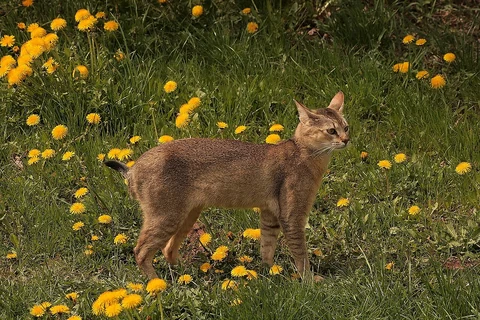
Shorthair with wild-cat ancestry
Chausie
The Chausie is a tall, active cat descended from crosses between domestic cats and the jungle cat. Her short coat may be solid or finely banded. This guide explains how she differs from the Savannah and what an existing Chausie may need.
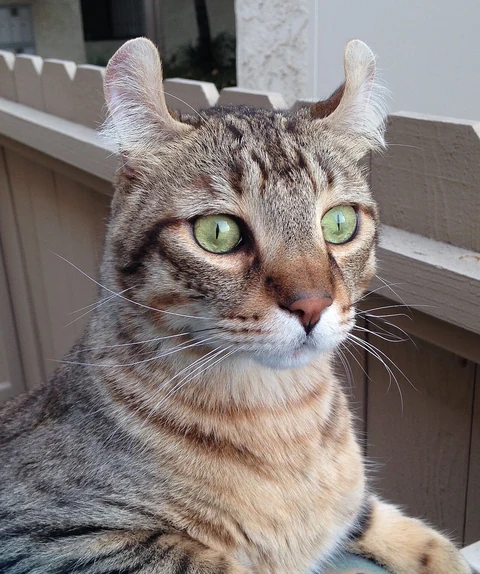
Shorthair and longhair
Highlander
The Highlander is a muscular domestic breed with a short tail and ear tips that curl backwards. Short-haired and long-haired cats occur in the same breed group. This portrait explains those features, coat care and the needs of an existing Highlander.
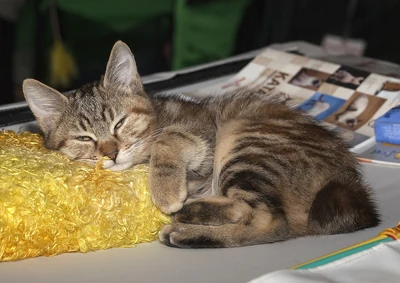
Shorthair and semi-longhair · Kuril region
Kurilian Bobtail
The Kurilian Bobtail is a strong cat with a short tail often resembling a pompom. The breed comes from the Kuril region and has shorthaired and semi-longhaired forms. Many cats are curious and playful and enjoy being close to their people. Safe climbing places, shared games and care suited to the coat length matter in everyday life.
Sources and photograph credit
- Opinion on the welfare implications of current and emergent feline breeding practices
Used in this profile for: Everyday life, Day-to-day care, Origins, familiarisation and older cats, Could this breed fit your life?
- Feeding your cat
Used in this profile for: Day-to-day care
- Grooming your cat
Used in this profile for: Day-to-day care
- Indoor cats
Used in this profile for: Everyday life
- Cats and play
Used in this profile for: Everyday life
- Loving Care for Older Cats
Used in this profile for: Origins, familiarisation and older cats
- Hypertrophic cardiomyopathy
Used in this profile for: Health
- 2025 Hybrid Cats Position Statement
Used in this profile for: Temperament, Everyday life, Origins, familiarisation and older cats, Could this breed fit your life?
- Erythrocyte pyruvate kinase deficiency in cats
Used in this profile for: Health
- Progressive retinal atrophy, CEP290/rdAc, in cats
Used in this profile for: Health
- Introducing your new cat to other cats in your home
Used in this profile for: Everyday life, Origins, familiarisation and older cats
- How to keep your cat healthy and happy
Used in this profile for: Could this breed fit your life?
- Savannah breed profile
Used in this profile for: Temperament, Day-to-day care, Health
- Savannah breed standard, 1 May 2024
Used in this profile for: Temperament


.jpg)