 fellfolio
Shorthair and longhair
Highlander
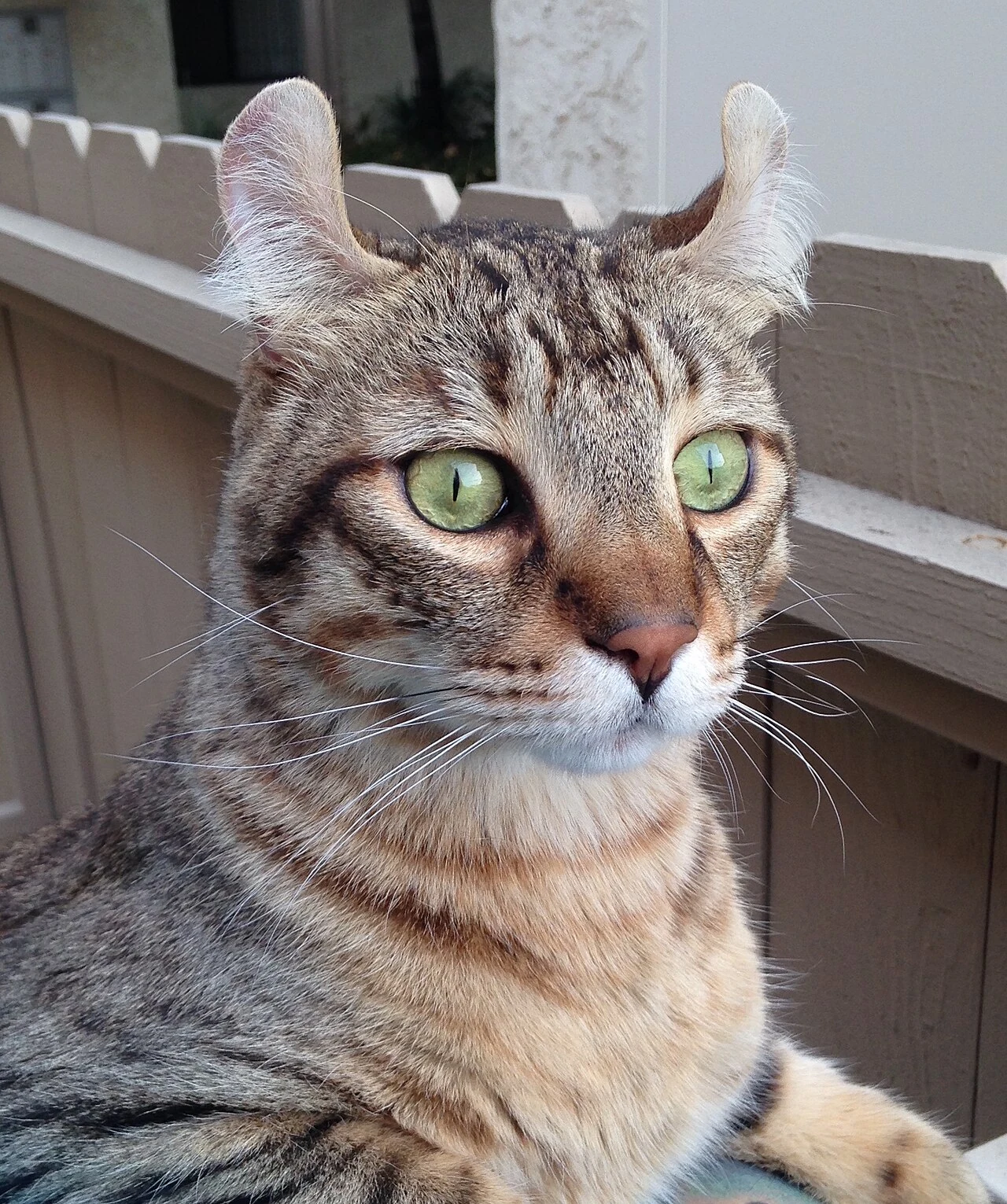
The Highlander is a muscular domestic breed with a short tail and ear tips that curl backwards. Short-haired and long-haired cats occur in the same breed group. This portrait explains those features, coat care and the needs of an existing Highlander.
At a glance
- Size
- Large
- Activity
- Not sufficiently documented
- Care needs
- Not sufficiently documented
Highlander: a substantial body and distinctive ears
Development of the modern Highlander began in 2004 using domestic cats, with the appearance of large wild cats as an inspiration. Her origins therefore differ from the direct wild-cat crosses that produced Savannahs and Chausies. According to The International Cat Association, known as TICA, the Highlander name was adopted in 2005. The breed group has been eligible for regular TICA breed competitions since May 2025.
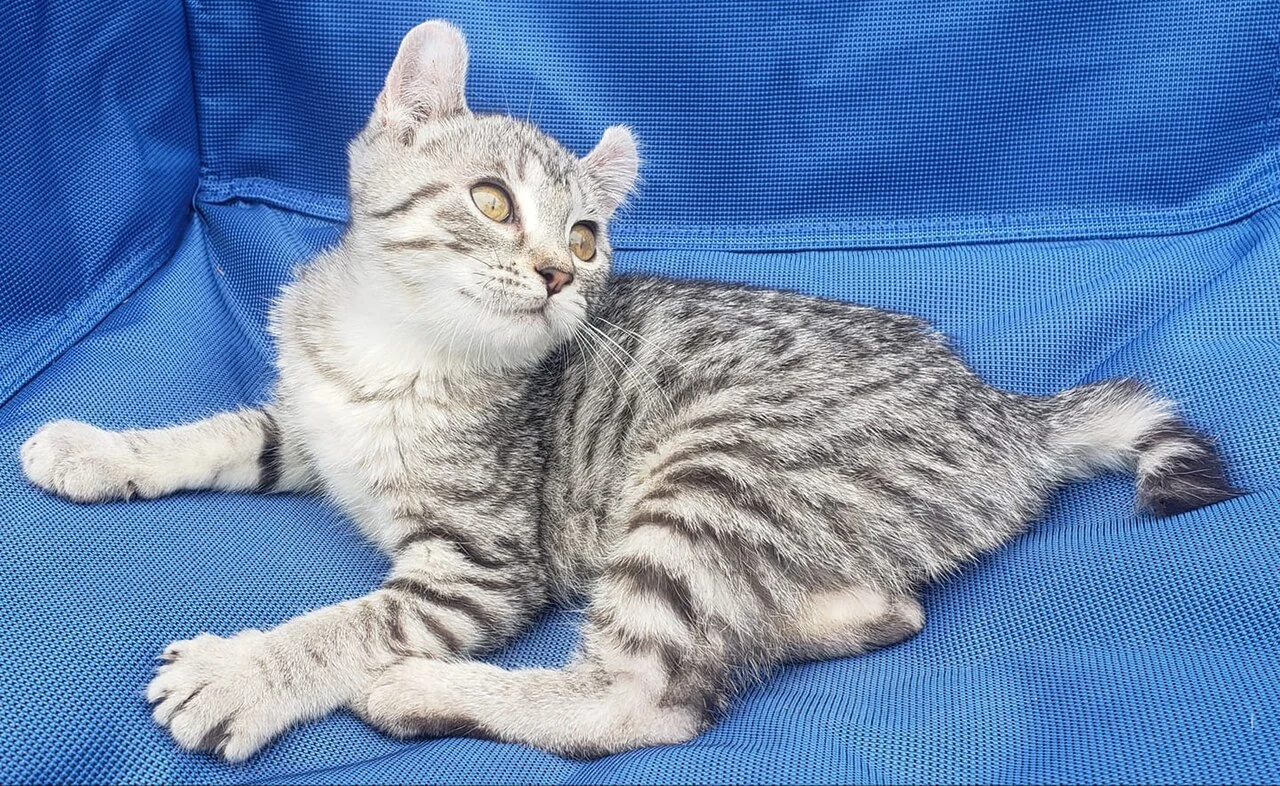
A broad head, substantial shoulders and a muscular body are part of the described breed type. The ears stand upright at the base, with tips that curve loosely backwards. The tail is naturally short. Both short and longer coats occur. These belong to the same breed group and are explained together here.
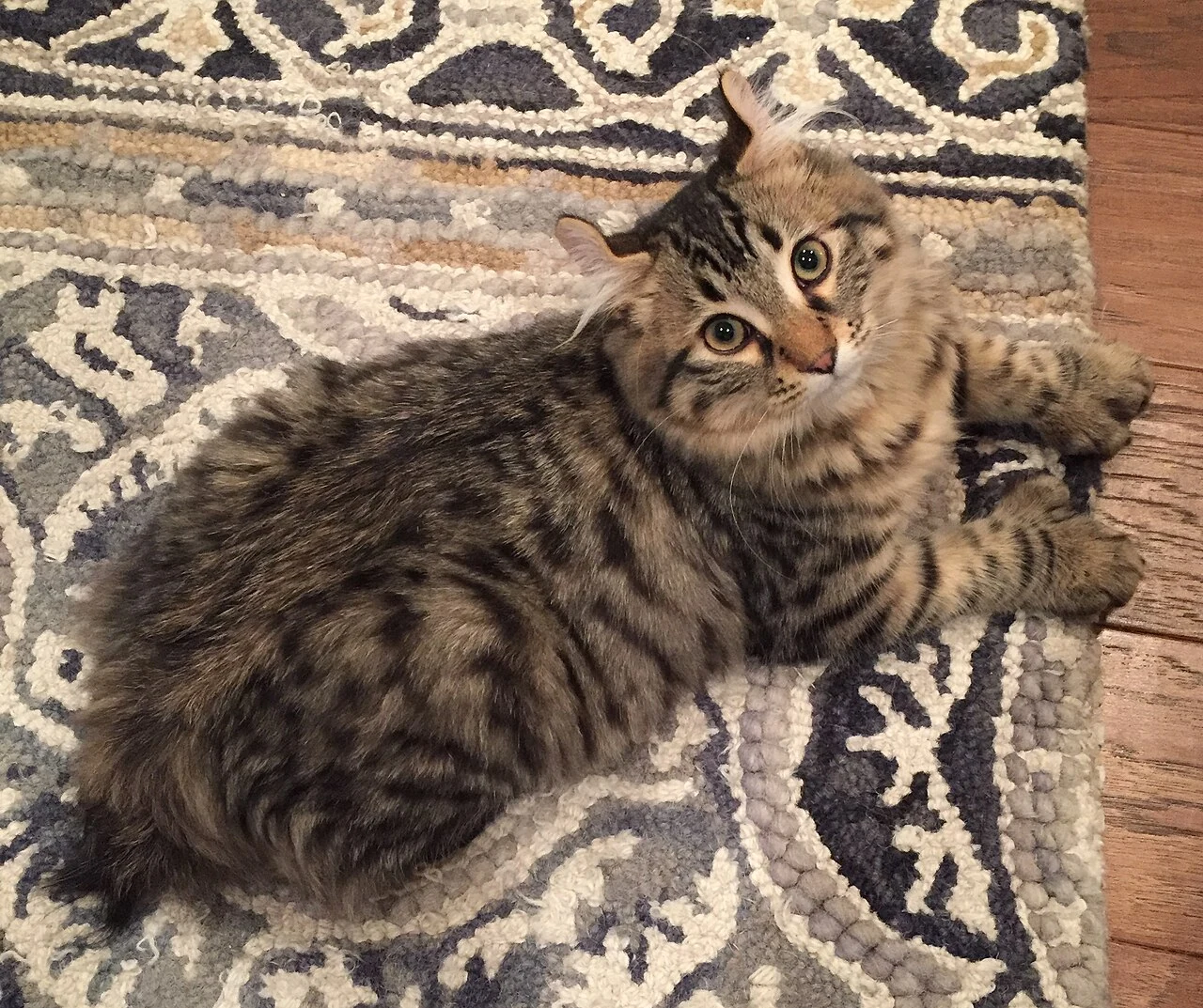
TICA describes a sociable cat who enjoys taking part in games. A Highlander may approach a hand or toy curiously, then return to her own resting place. How much company she wants can change from one situation to another. Offering contact works best when she can come closer in her own time or move away. Her behaviour can help you judge whether she wants to be stroked.
Stable places and shared games
For a substantial cat, resting platforms and scratching furniture should provide enough room and remain stable. Check, for example, whether she can turn comfortably on the upper platform and whether the structure wobbles when she jumps down. A sheltered place within easy reach should also be available so that resting does not always require climbing.
For a shared game, you could draw a toy slowly behind an object. If she follows it attentively, this can develop into a brief stalking game. Your Highlander should be able to reach the toy and have time for a pause afterwards. Wand toys and strings should be stored safely after supervised play. Damaged toys should be discarded.
In a home with several cats, food, water, litter trays and resting places should be distributed so that each animal can use them without crowding. A new cat should initially settle separately before gradual introductions. A narrow passage should not be the only route to an essential resource. An extra bowl in another room may make a greater difference than another bowl beside the first.
For practical play, food searches and quiet retreats, read Indoor Cat Enrichment: Play, Food Puzzles and Safe Retreats ↗
Coats, ears and short tails
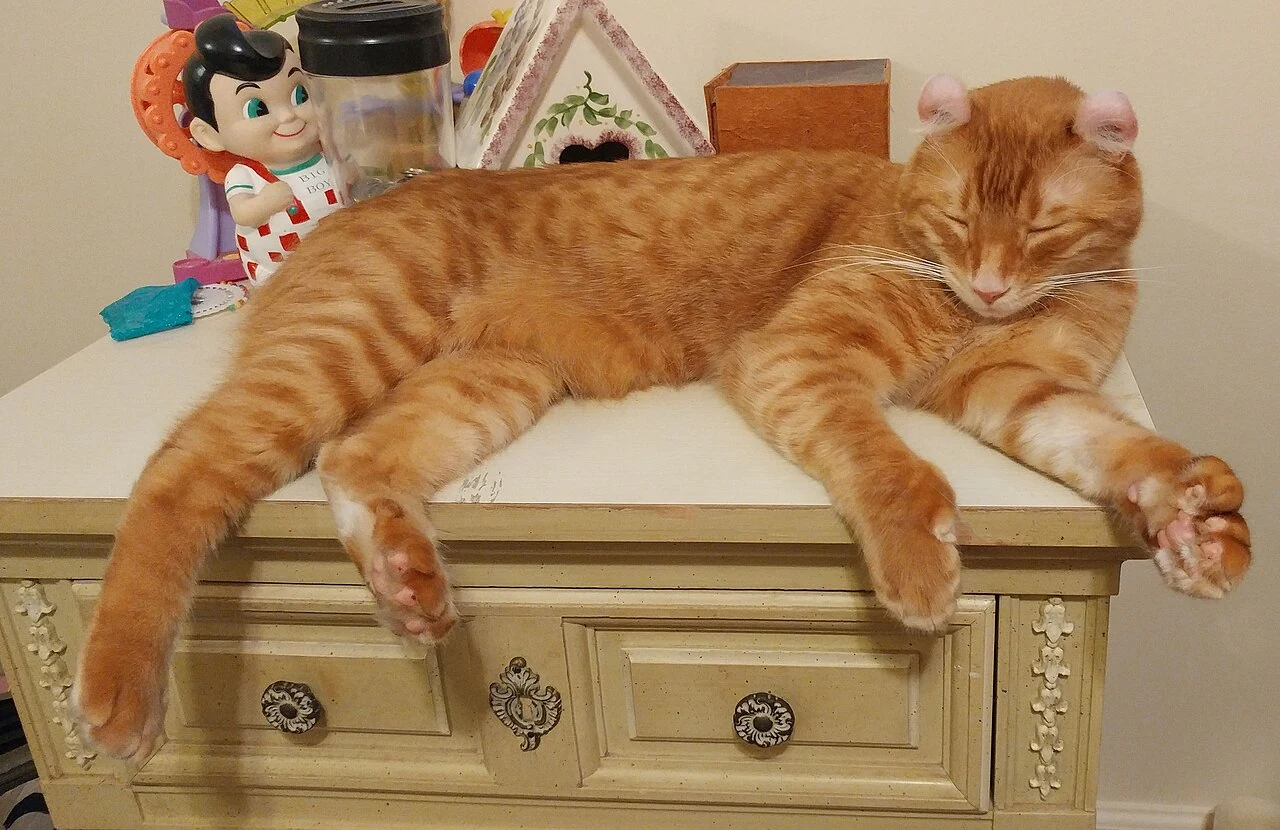
A short coat often needs gentle brushing to remove loose hairs. Longer coats should regularly be checked down to the skin for small tangles, especially where fur rubs together during movement. You should divide grooming into brief sessions and begin calmly. Large mats or tangles close to the skin should be removed by someone qualified.
Curled ear tips should not be straightened or pressed into a particular shape. Routine care can begin with checking visible skin, unusual smells and discharge. If cleaning is needed, your practice should show you an appropriate method. Repeated head shaking or scratching at one ear should be investigated.
The short tail should also be handled carefully. It should not be used to restrain the cat or bent to test its flexibility. If she avoids touch or suddenly holds her tail differently, you should discuss this with the practice.
Kittens, adults and older cats
A young Highlander should become familiar with brushes, combs and her carrier at her own pace. A few calm seconds may be enough at first. A small portion of her usual food or a pause can help keep the experience pleasant. Kittens may have more strongly curled ear tips, which can relax as they grow.
For an adult cat, portions should reflect body condition and activity. A substantial build should not lead you to overlook a belly becoming progressively rounder. Food labelled complete should suit her life stage. It is formulated to provide her daily nutritional requirements. Weight records help you assess development with your practice.
If she later has difficulty jumping or stops grooming parts of her coat, possible pain should be investigated. Stable intermediate steps and accessible litter trays may make daily life easier. A short recording of ordinary movement can be helpful at an examination. In Fellfolio, observations can be stored with the associated veterinary findings.
Assessing the individual cat’s health
The inherited rdAc variant, which causes a form of progressive retinal atrophy or PRA, has been detected in Highlanders. This condition gradually damages the retina, the light-sensitive layer inside the eye. A DNA test checks the particular variant. Your veterinary practice should discuss appropriate testing for your cat in light of her origins and existing results.
Ear shape and tail length cannot show whether an individual is in pain or moves comfortably. Posture, gait, sensitivity to touch and her own examination should be considered. A new defensive response during grooming, for example, may draw attention to a tender area.
Routine care should also include checks of teeth, weight, skin and claws. For an older cat, you should discuss suitable examination intervals and support at home with your practice. Changes should be recorded specifically, such as when she began avoiding a previously used resting platform.
Supporting an existing Highlander
Everyday care
- For an existing Highlander, coat length, body condition and actual mobility should guide grooming and the arrangement of her home.
- Several animals should have enough separate retreats and essential resources of their own. The cost planner can include everyday care and reserves for examinations.
Health and breeding concerns
- Curled ears and a short tail alone do not establish a breed. Origin records help establish ancestry. An individual examination is needed to assess health.
- The Highlander is one breed group with short and longer coats. Extra toes are not part of the recognised TICA standard.
- Ear tips and tails should not be shaped or handled to demonstrate unusual movements. Grooming and examination should involve as little pressure on the cat as possible.
Meet other cat breeds.
Selected by size, activity, care and play needs.
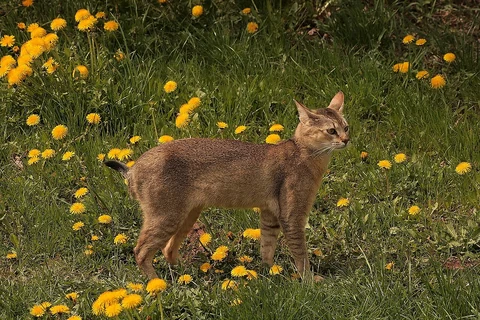
Shorthair with wild-cat ancestry
Chausie
The Chausie is a tall, active cat descended from crosses between domestic cats and the jungle cat. Her short coat may be solid or finely banded. This guide explains how she differs from the Savannah and what an existing Chausie may need.
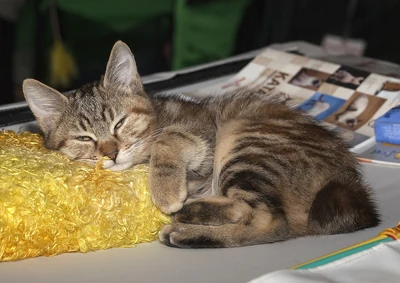
Shorthair and semi-longhair · Kuril region
Kurilian Bobtail
The Kurilian Bobtail is a strong cat with a short tail often resembling a pompom. The breed comes from the Kuril region and has shorthaired and semi-longhaired forms. Many cats are curious and playful and enjoy being close to their people. Safe climbing places, shared games and care suited to the coat length matter in everyday life.
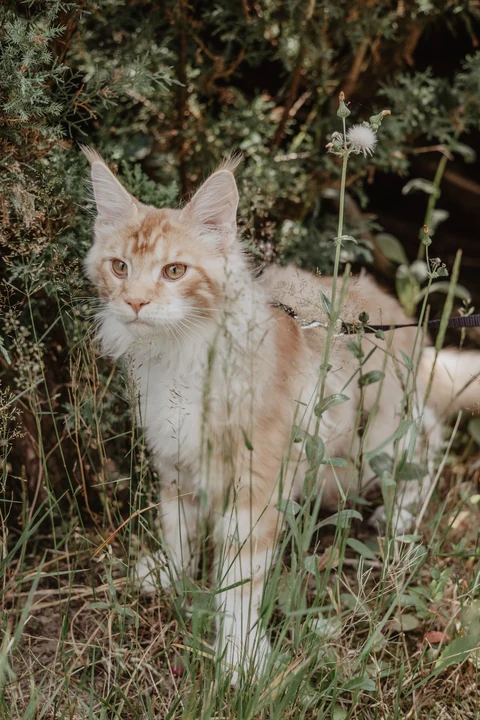
Semi-longhair cat · United States
Maine Coon
The Maine Coon pairs a long, powerful frame with a full coat and bushy tail. Many stay playful and like to keep their people in sight around the home.
Sources and photograph credit
- Is your cat slowing down?
Used in this profile for: Kittens, adults and older cats, Health
- Feeding your cat
Used in this profile for: Kittens, adults and older cats
- Grooming your cat
Used in this profile for: Day-to-day care, Kittens, adults and older cats, Health
- Indoor cats
Used in this profile for: Everyday life, Could this breed fit your life?
- Tips for grooming longhaired cats
Used in this profile for: Day-to-day care
- Cats and play
Used in this profile for: Everyday life
- Loving Care for Older Cats
Used in this profile for: Kittens, adults and older cats
- Highlander breed profile
Used in this profile for: Temperament
- Annual 2025 Rules Committee comments on new Championship breeds
Used in this profile for: Temperament
- Highlander breed group standard, revision 26 February 2024
Used in this profile for: Temperament, Day-to-day care, Kittens, adults and older cats, Could this breed fit your life?
- Progressive retinal atrophy, CEP290/rdAc, in cats
Used in this profile for: Health
- Introducing your new cat to other cats in your home
Used in this profile for: Temperament, Everyday life, Could this breed fit your life?
- How to keep your cat healthy and happy
Used in this profile for: Day-to-day care, Health, Could this breed fit your life?
Photo credits
Portrait · Highlander cat face (2014) Hugo by TAnthony.jpg · TAnthony · CC BY-SA 4.0 · Edited
_Hugo_by_TAnthony.jpg)
Everyday life · Monday Moon.jpg · Hawaiihudec · CC BY-SA 4.0 · Edited

Side view · 2017-Highlander-Cat-Sherlock.jpg · ChristinaHall · CC BY-SA 4.0 · Edited

Everyday life · Highlander-2.jpg · DigitalDirt · CC BY-SA 4.0 · Edited
