 fellfolio
Variable coat coverage · Russia
Peterbald
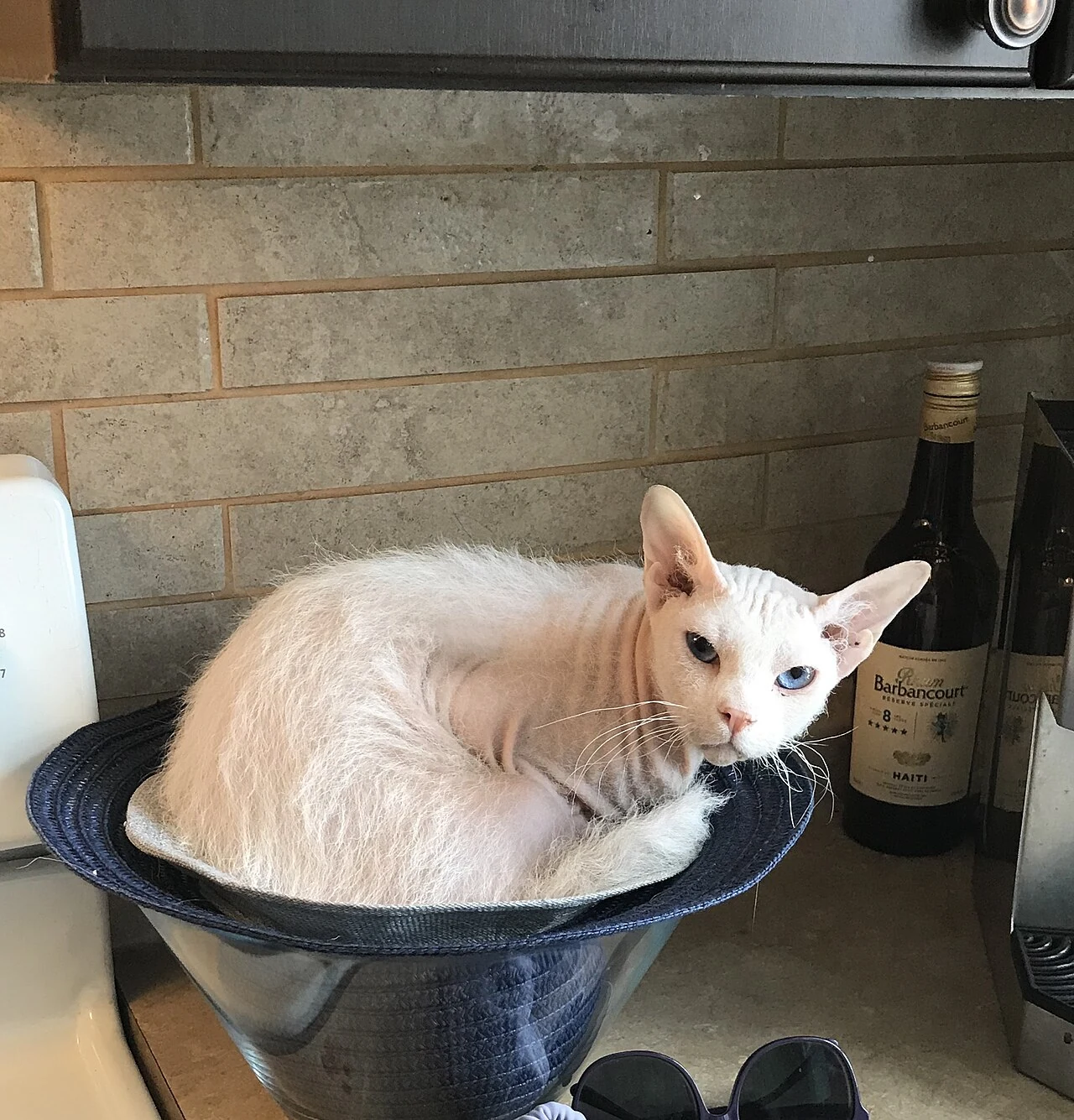
The Peterbald is a slender, long legged cat from Russia. Depending on coat type, she may be almost hairless, covered in a velvety fuzz or have a coarser short coat. Many Peterbalds seek plenty of contact and enjoy playing. Sparse hair brings additional responsibilities for skin care, warmth and protection from sunlight.
At a glance
- Size
- Medium
- Activity
- High
- Care needs
- High
- Owner experience
- Experience recommended
A curious companion interested in sharing your day
A Peterbald may follow you between rooms, investigate a newly unpacked box and later settle beside you. The international cat federation FIFe describes the breed as sociable, affectionate and lively. Shared time should therefore involve more than a brief visit to fill the food bowl. Games, little discoveries and closeness she chooses offer many ways to get to know her.
Quiet moments are a good opportunity to notice how much touch she enjoys. She might press her head against your hand or settle contentedly on your lap. If she turns away, you should give her a break. An inquisitive cat need not be picked up whenever she approaches. Children should learn to offer a toy and leave her sleeping place undisturbed.
If another cat already lives in the household, introductions should be prepared gradually. Separate feeding places, litter trays and retreats help both cats adjust to the new arrangement. Another animal should not be acquired solely to compensate for people being away. The cats’ previous experiences and individual preferences should guide the decision.
Games and sheltered resting places
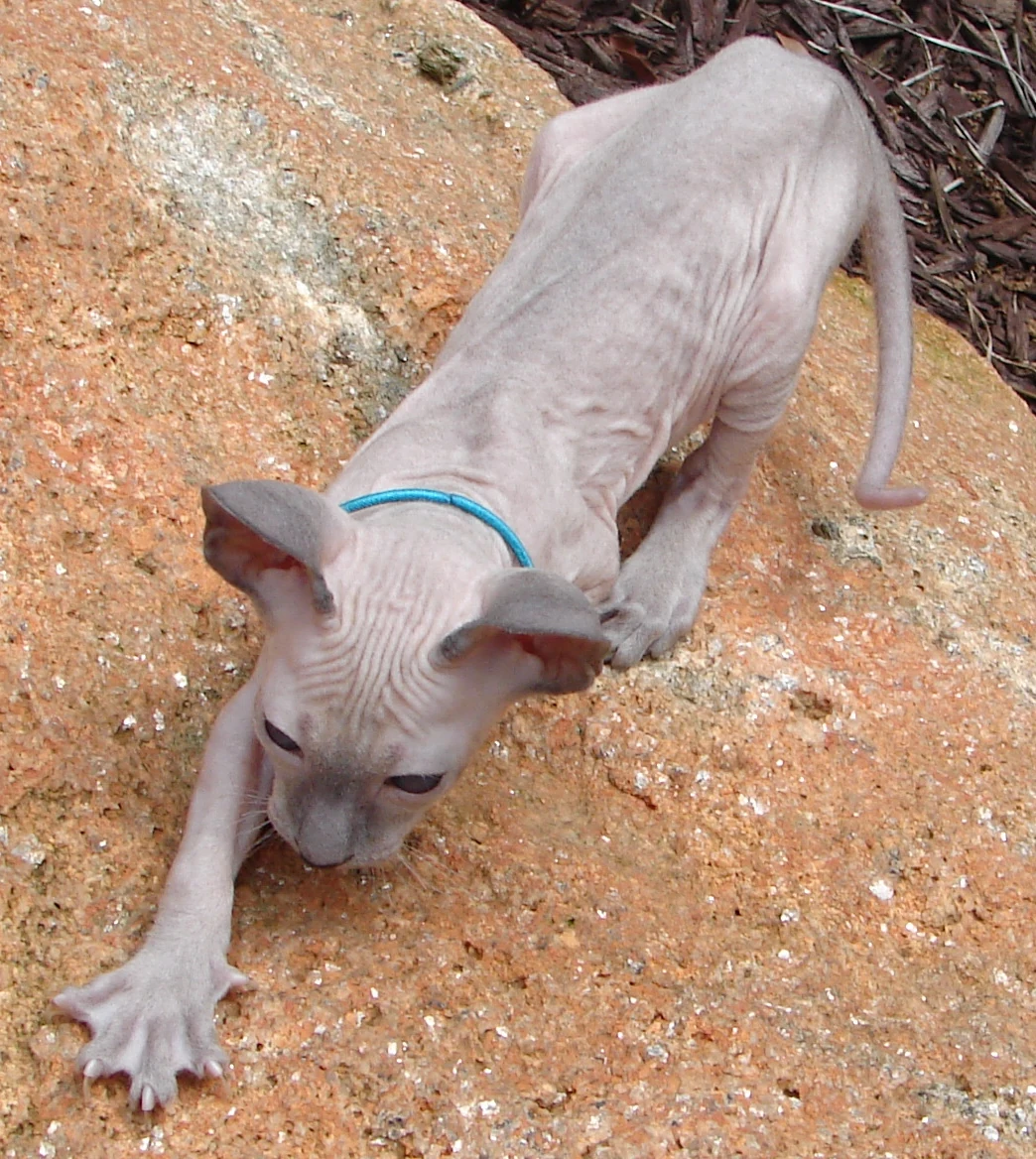
A rustling tunnel, a ball in an open box or a wand toy may invite a Peterbald to explore. The toy prey can occasionally disappear around a corner and remain still briefly. This gives her a chance to watch, stalk and finally pounce. You should regularly let her catch the attachment. Strings and wand toys should then be put away safely.
It is worth offering places at different heights and in different parts of the home. A securely attached shelf can provide a view, while a den at floor level offers a quiet retreat. Beds for a sparsely coated Peterbald should be soft and free from draughts. She should also be able to reach a cooler place when she feels warm. A radiator or hot water bottle should not serve directly as her sleeping surface.
A window perch can be especially interesting when there is activity outdoors. Windows and balconies should be secured against escapes and falls. An exposed sunny surface is unsuitable for an almost hairless cat, however. You should check whether the sun reaches her resting places at different times of day and makes them too hot. Before bringing her home, a short preparation list can help you arrange climbing routes, resting places and suitable care during absences.
For practical play, food searches and quiet retreats, read Indoor Cat Enrichment: Play, Food Puzzles and Safe Retreats ↗
Understanding coat types and skin care
Peterbalds do not all look alike. A fully hairless cat has different care needs from one with a short coat. FIFe’s standard includes flock, a very short velvety fuzz, and brush, a coarser coat that may be wavy. Some cats’ hair coverage changes as they grow. Before taking one home, you should ask how her coat and skin have developed so far.
While stroking her, you can gently check for redness, minor injuries or new crusts. Sparse hair offers less protection from sunlight and scratches. Sleeping surfaces should be kept clean. Whether and how often the skin needs cleaning should be discussed with the veterinary team for the individual cat. A fixed bathing programme based solely on the breed name is of little help. A soft damp cloth may be enough for small areas of dirt when the skin is healthy.
A Peterbald’s whiskers may be curled, short or broken. These sensory hairs help cats detect objects close to them and should neither be cut nor pulled out. Ears also require a gentle approach. An unusual smell, dark discharge or repeated head shaking should be investigated by the veterinary team. You should not try to solve the problem by cleaning deep inside the ear.
From Saint Petersburg to a new home
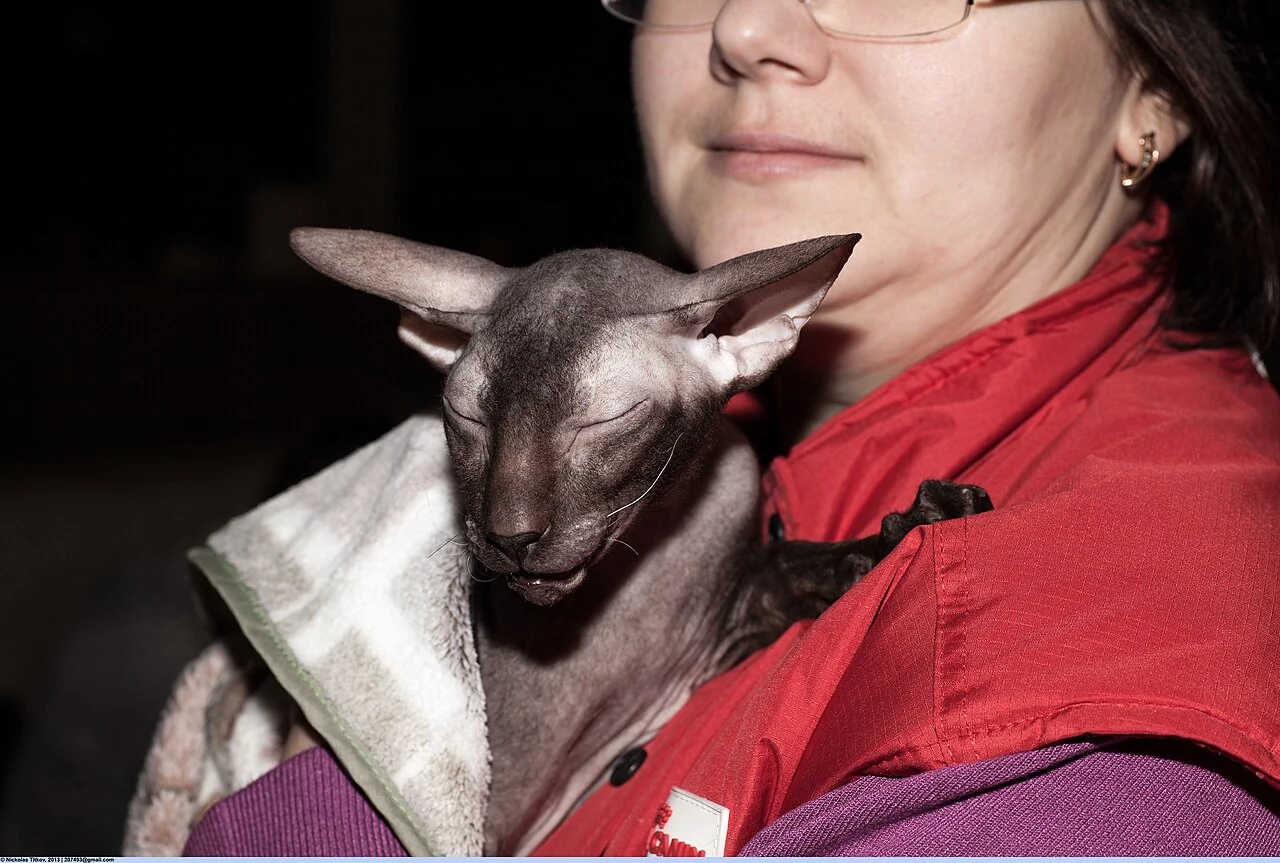
The breed began in Saint Petersburg in 1994. Olga Mironova crossed a Don Sphynx with an Oriental Shorthair. The first two litters provided important foundation cats for the developing breed. FIFe recognised the Peterbald in 2012. Her slender body, large ears and long, narrow tail reflect the oriental side of her ancestry.
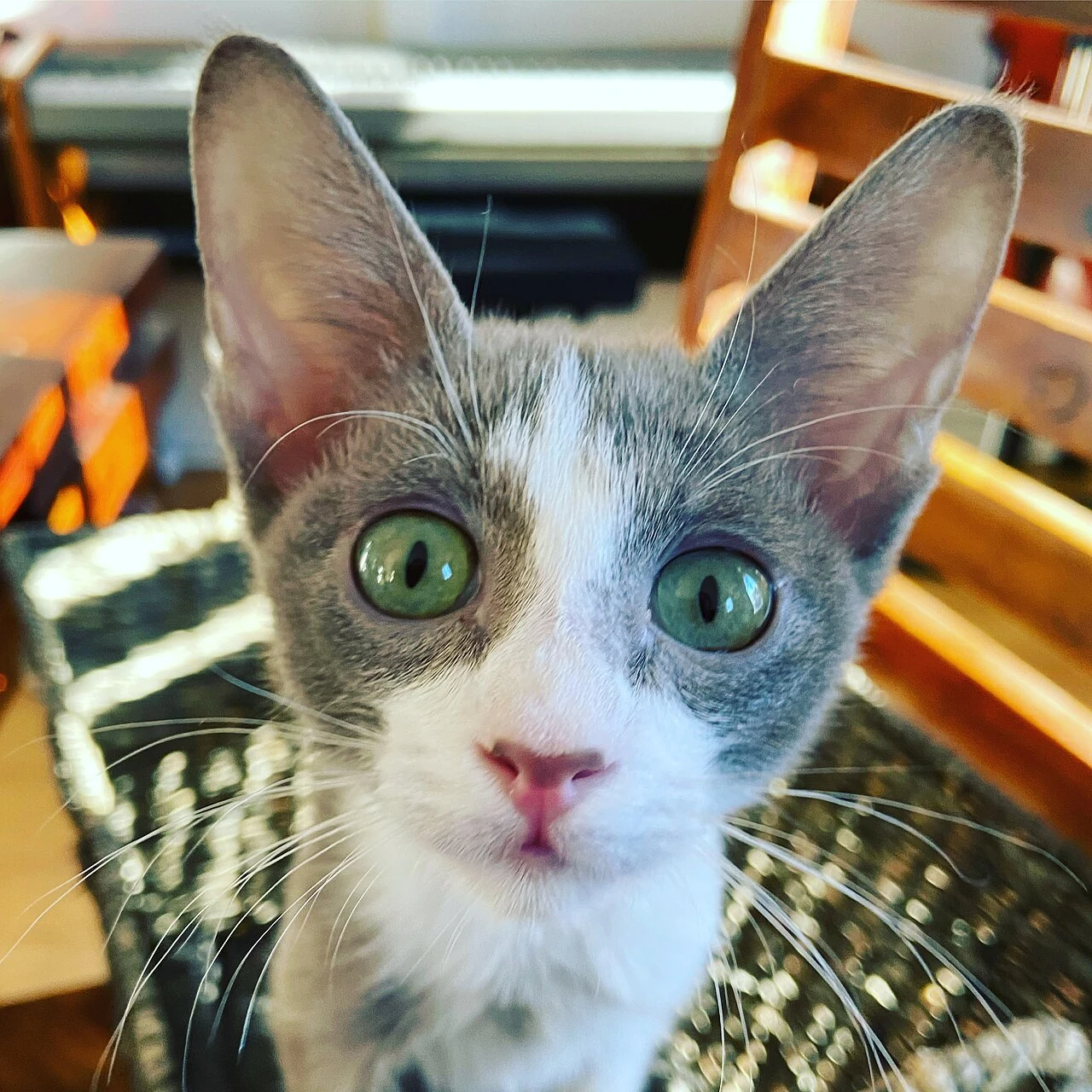
The inherited tendency for changes in hair coverage comes from the Don Sphynx. A Peterbald kitten may be born hairless, with fuzz, with a coarser coat or with straight hair. Some coat types may lose hair later. A photograph of a young kitten therefore does not always show how much hair she will have as an adult.
A kitten should learn about touch, the carrier and necessary care in small, pleasant steps. For an adult, you can ask about familiar routines before bringing her home. If an older cat becomes stiff or has difficulty reaching favourite places, those places should be made easier to access. Such changes should also be examined by the veterinary team. An extra low step can make daily life easier while the cause is investigated.
Warmth, skin and preventive care
Sparse hair has practical consequences. A coat protects the skin and helps regulate body temperature. When much of it is absent, owners need to pay closer attention to cold, direct sunlight and overheating. The British welfare organisation Cats Protection therefore advises against choosing a cat specifically for hairlessness. Someone already caring for a Peterbald should include these needs in daily care and have skin changes investigated early.
Little hair does not automatically make a cat suitable for a person with allergies. Allergenic proteins occur in saliva and skin, among other sources. A suspected cat allergy should be assessed medically before adoption. The lack of a dense coat does not protect against fleas either. Vaccinations and parasite protection should be agreed with the veterinary team according to her lifestyle.
Before buying or adopting, you should discuss existing examination records, previous illnesses and the parents’ health history. Teeth also need preventive care. Drooling, bad breath or unusual chewing may indicate a painful mouth and should be investigated. Photographs can help document a skin change, together with brief notes about when it first appeared. Fellfolio can keep these observations alongside results and routine appointments in her pet profile. Planning for ongoing care costs and a veterinary reserve is also worthwhile.
What a Peterbald needs day to day
Could work well if …
- You want to play regularly with your cat and can arrange dependable care.
- You can offer sheltered resting places and pay attention to temperature and sunlight.
- You are prepared to agree individual skin care with a veterinary team.
Before you bring one home
- Very sparse hair increases the need for skin protection and a comfortable indoor climate. Choosing this trait should be considered carefully in terms of welfare.
- A Peterbald is not free of allergens. Medical advice should come before adoption when an allergy is present.
- Other cats should be introduced gradually and retain their own essential places.
Meet other cat breeds.
Selected by size, activity, care and play needs.
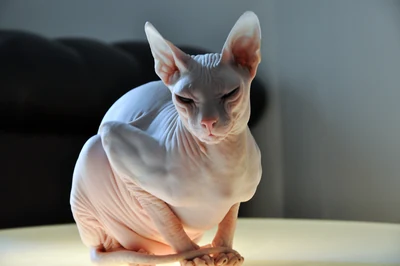
Hairless cat breed · Russia
Donskoy
The Donskoy, also called the Don Sphynx, is a Russian cat breed with little or no coat. She can be lively and very sociable. Her exposed skin makes warmth, protection from sunshine and regular care important parts of everyday life. Anyone considering the breed should also understand the health burdens associated with hairlessness.
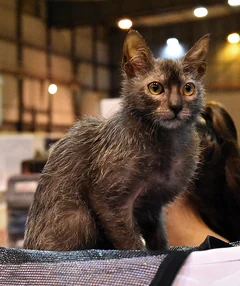
Sparse roan coat · United States
Lykoi
The Lykoi has a distinctive sparse coat of mixed light and dark hairs and a lightly haired facial mask. This young breed developed from domestic cats with a naturally occurring inherited trait. Many Lykoi are attentive, enthusiastic players. Their unusual coat requires skin protection and careful attention to new skin changes.
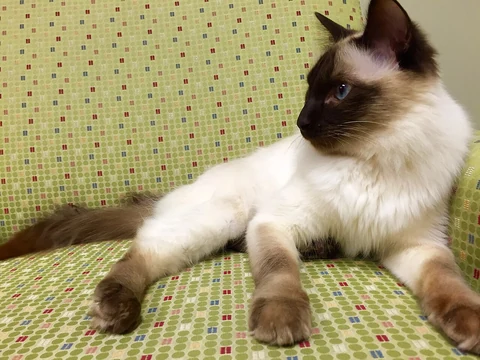
Semilonghaired cat · USA
Balinese
A Balinese often joins the conversation, follows people around the home and is quick to take an interest in a game. Beneath the silky coat is an energetic cat who needs plenty of shared time and satisfying places to climb.
Sources and photograph credit
- Pet allergies
Used in this profile for: Health
- Opinion on the welfare implications of feline breeding practices
Used in this profile for: Health
- Grooming your cat
Used in this profile for: Day-to-day care
- Hairless cats and welfare
Used in this profile for: Everyday life, Day-to-day care, Health, Could this breed fit your life?
- Indoor cats
Used in this profile for: Everyday life
- Cats and play
Used in this profile for: Everyday life
- Why do cats have whiskers?
Used in this profile for: Day-to-day care
- Feline Dental Disease
Used in this profile for: Health
- Loving Care for Older Cats
Used in this profile for: Everyday life, Size and build
- Peterbald breed profile
Used in this profile for: Temperament, Day-to-day care, Size and build, Could this breed fit your life?
- Peterbald breed standard, 1 January 2026
Used in this profile for: Day-to-day care, Size and build
- Introducing your new cat to other cats in your home
Used in this profile for: Temperament, Could this breed fit your life?
- How to keep your cat healthy and happy
Used in this profile for: Health
Photo credits
Portrait · Tabou chat Peterbald type «Brush».jpg · Acracrabe · CC BY-SA 4.0 · Edited

Everyday life · The hunter.jpg · Atlantiscats · CC BY-SA 3.0 · Edited

Coat and features · PBD Ярополк (8642648777).jpg · Nickolas Titkov · CC BY-SA 2.0 · Edited
.jpg)
Kitten · Chaton Peterbald straight coats lilas.jpg · Totem&Tabou · CC BY-SA 4.0 · Edited
