 fellfolio
Longhair cat · Persian group
Persian
Persians tend to prefer a calm home. Their long coat needs daily combing. Cats with very short muzzles need particular attention to breathing, eyes and teeth.
At a glance
- Size
- Medium
- Lifespan
- Not sufficiently documentedWhy is there no reliable range?
- Activity
- Moderate
- Care needs
- High
- Enrichment
- Play at their own pace
- Owner experience
- Experience recommended
Calm and happy to be nearby
Persians often enjoy being near their people without following every step. Many watch from a familiar spot until they want attention or a game. Their quieter signals can be missed in a busy, noisy home. In such a home, they benefit from familiar places where they can sleep undisturbed.
Play at a gentler pace
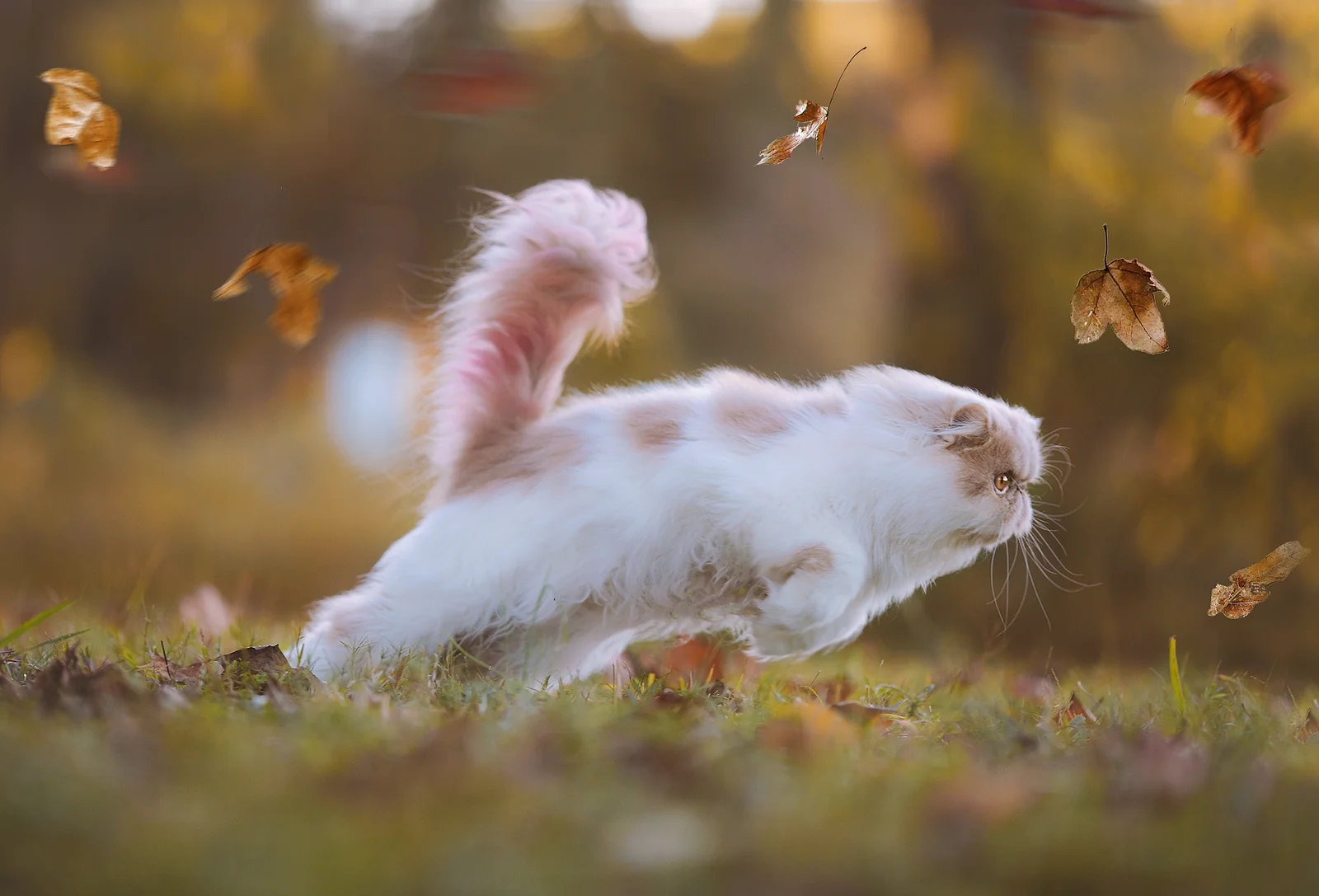
Plan short play sessions every day. A wand toy emerging slowly from under a cloth or a small ball on the floor may suit many Persians better than a course over high shelves. An accessible scratching place and a low, stable lookout help the cat use its home without making everything depend on climbing.
For practical play, food searches and quiet retreats, read Indoor Cat Enrichment: Play, Food Puzzles and Safe Retreats ↗
Comb daily and catch knots early
The long coat is the main daily commitment. Comb all the way down to the skin each day, especially behind the ears, under the front legs and around the belly. Mats left in these places pull on the skin whenever the cat moves. Several calm, short sessions are kinder than a struggle; have tight mats removed safely rather than cutting close to the skin yourself. Gently clean around watery eyes with a soft damp cloth and ask a vet about persistent discharge.
A sturdy cat beneath the coat
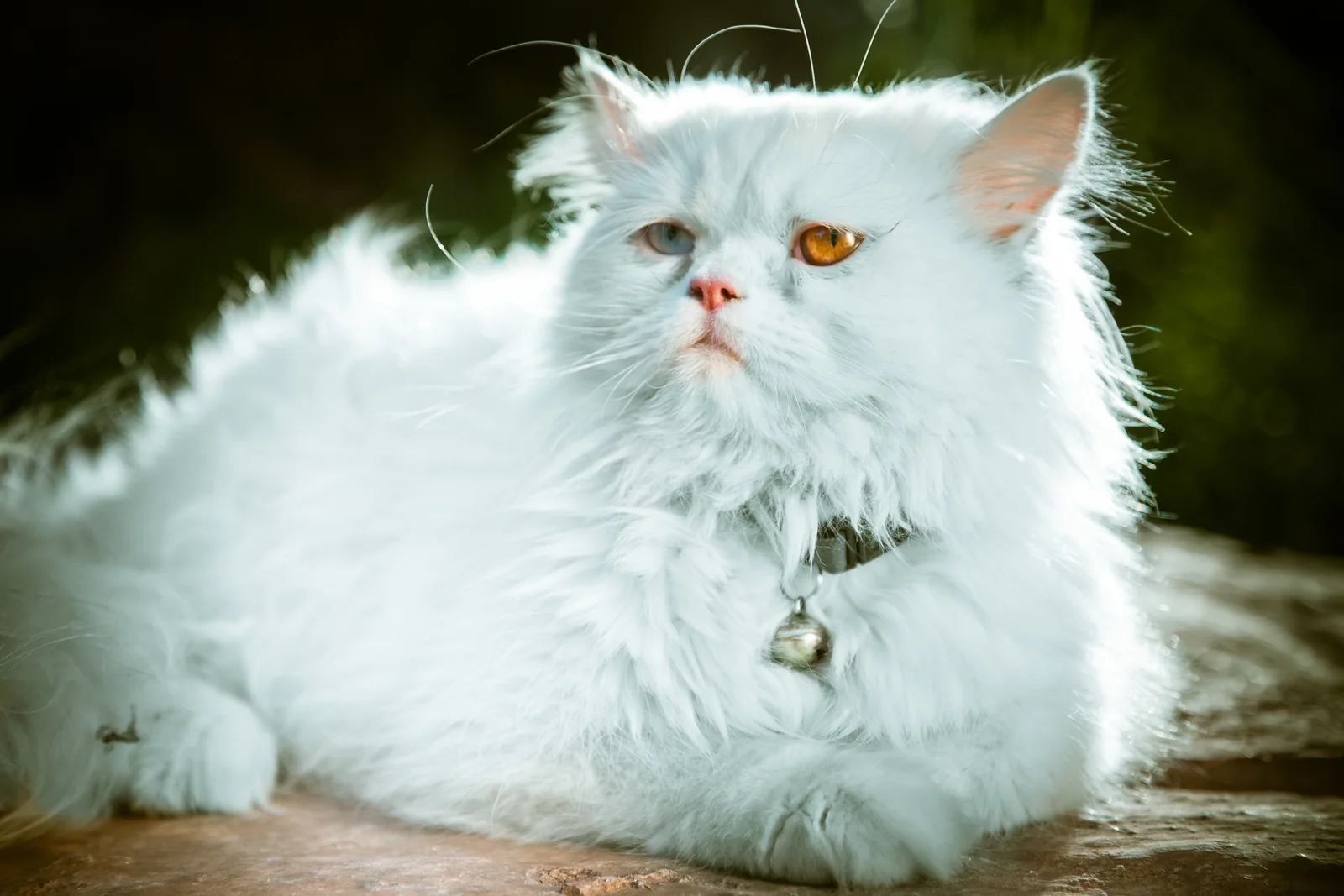
The generous coat can hide the Persian's body shape. The International Cat Association (TICA) describes a medium-to-large cat with a short, sturdy body, fairly short legs, a broad head and large round eyes. The heavy ruff and plumed tail make it look larger still. The coat comes in many colours and patterns. With a very short muzzle, pay particular attention to easy breathing, healthy eyes and comfortable eating.
Kidney results and easy breathing
An inherited form of polycystic kidney disease (PKD) is well documented in Persians and related lines. Fluid-filled pockets called cysts develop in the kidneys. A DNA test detects the known variant in the PKD1 gene. One copy causes this form of the disease, but the test cannot predict its severity. Ask to see written results for both parents. A clear result does not rule out other kidney diseases.
The Cornell University Feline Health Center includes Persians among breeds with a higher prevalence of hypertrophic cardiomyopathy (HCM), which thickens the heart muscle. Ask for the dates and results of both parents’ heart ultrasounds. A PKD1 result does not answer this separate heart question.
Facial shape matters as much: an extremely short muzzle can go with breathing, eye and dental problems. When meeting a cat, watch its breathing at rest and after a short game, check for persistently watery eyes and notice whether it eats comfortably. These signs deserve a veterinary assessment rather than being dismissed as normal for the breed.
Lifespan
The International Cat Association (TICA) gives Persians 8 to 11 years, while the UK’s Governing Council of the Cat Fancy (GCCF) gives 14 to 16. The figures differ widely and do not explain their underlying data, so we do not show one breed value.
Could this breed fit your life?
Could work well if …
- You like a calmer cat and can make time for thorough daily combing.
- When choosing a cat, you value easy breathing and healthy eyes above an especially flat face.
May be more difficult if …
- Daily coat care will not fit into your routine.
- You want a cat that seeks long, boisterous games and big climbing jumps.
Meet other cat breeds.
Selected by size, activity, care and play needs.
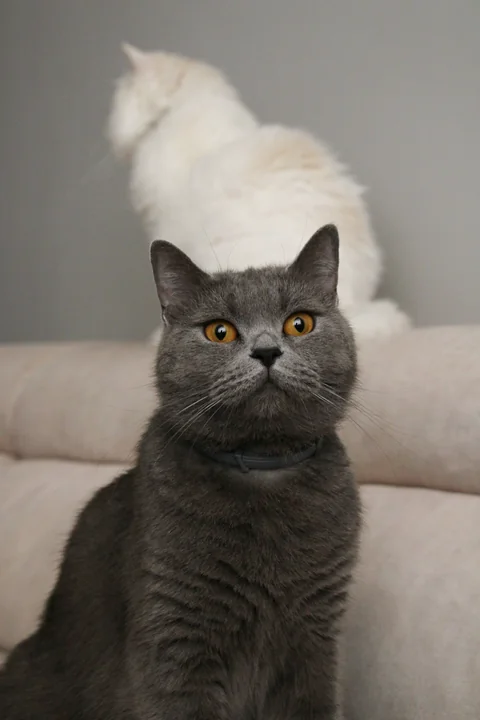
Shorthair cat · Great Britain
British Shorthair
A round face, a dense coat and a generally quiet temperament. British Shorthairs enjoy company but often prefer sitting beside their owners to curling up on a lap.
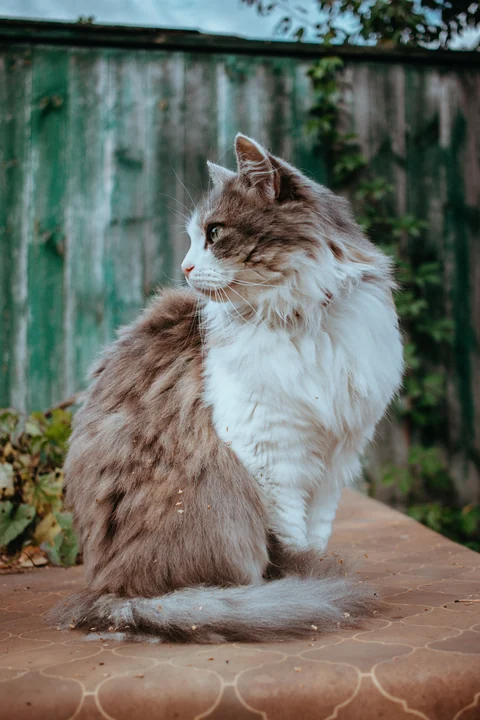
Semi-longhair cat · Norway
Norwegian Forest Cat
The Norwegian Forest Cat is long-legged, powerful and an enthusiastic climber. Comb its dense double coat weekly, more often during the spring shed.
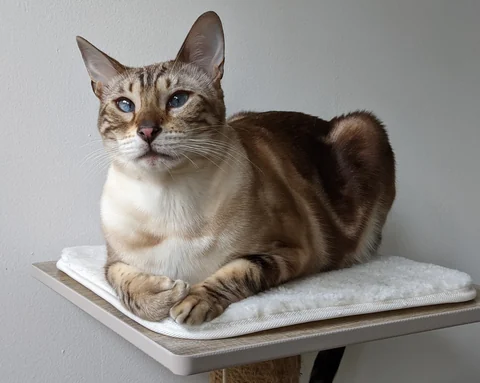
Shorthair cat · spotted or marbled
Bengal
Bengals are active, curious cats with a muscular build. Climbing opportunities and daily enrichment are part of life with the breed.
Sources and photograph credit
- Brachycephalic cats
Used in this profile for: Everyday life, Day-to-day care, Size and build, Health
- Hypertrophic Cardiomyopathy
Used in this profile for: Health
- Persian
Used in this profile for: Lifespan
- Persian
Used in this profile for: Temperament, Everyday life, Day-to-day care, Size and build, Lifespan, Could this breed fit your life?
- Polycystic Kidney Disease (PKD1)
Used in this profile for: Health

.jpg)
.jpg)
