 fellfolio
Shorthair and semilonghair · USA
American Curl
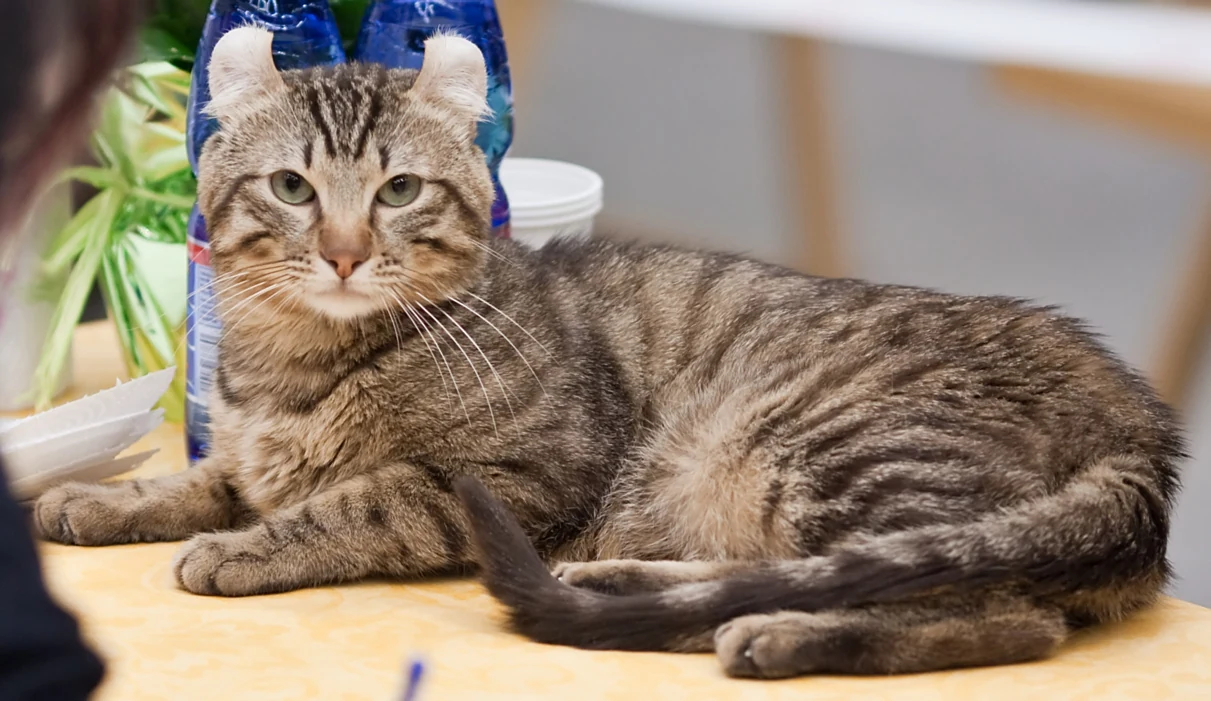
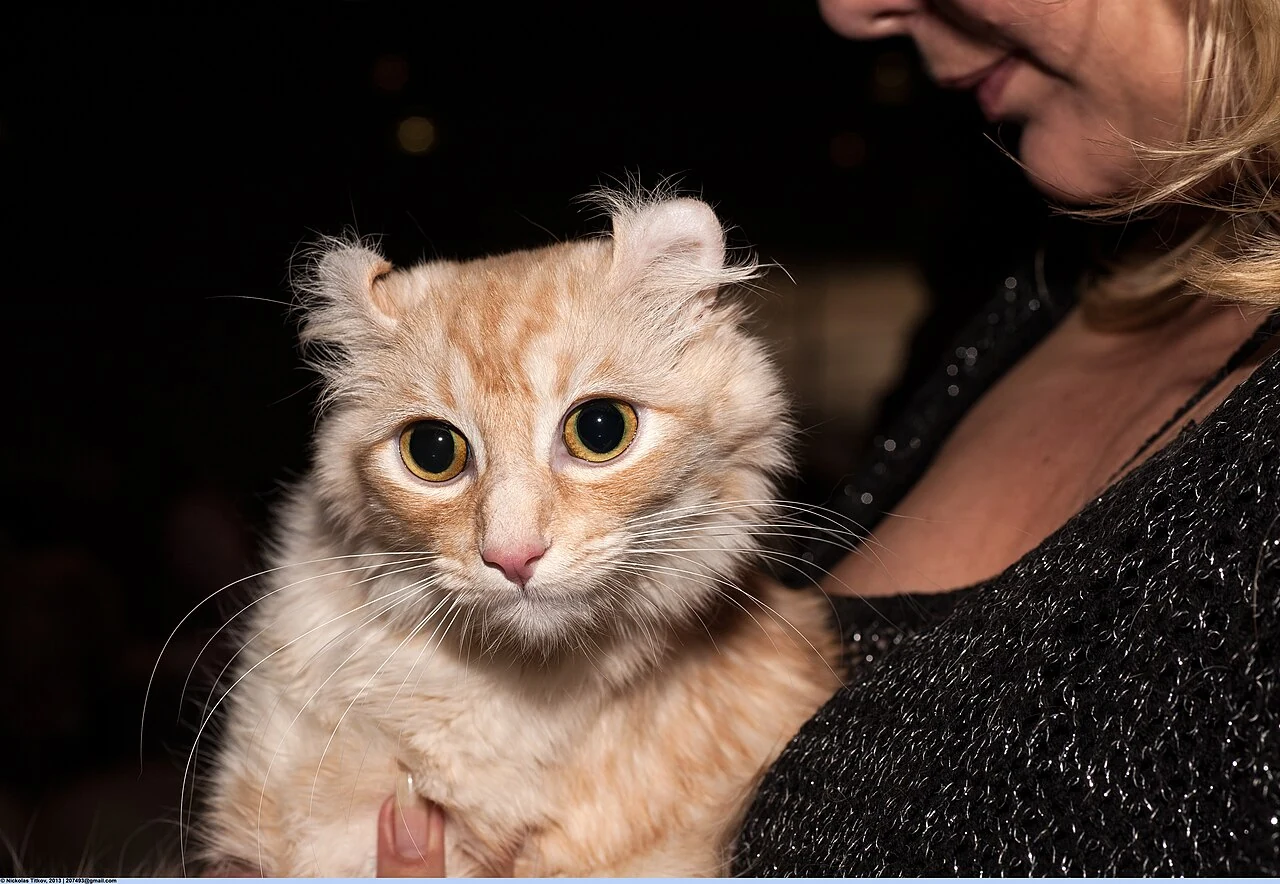
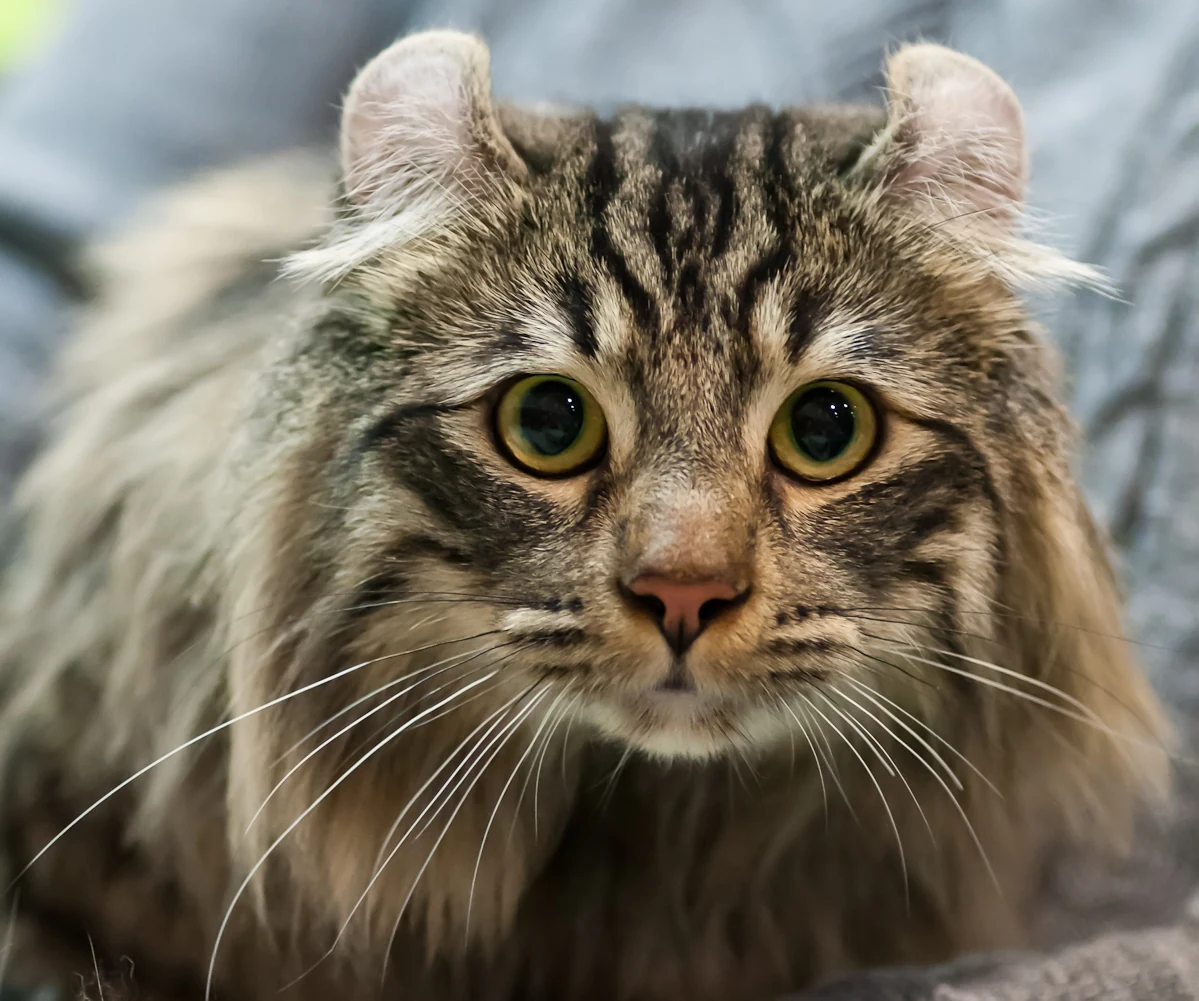
The American Curl is recognisable by ears that curve backwards. In everyday life, her curiosity and enjoyment of company often make the stronger impression. She comes with a short or longer silky coat and needs gentle handling around her ears.
At a glance
- Size
- Medium
- Weight
- 2.3 to 4.5 kg
- Activity
- Moderate
- Care needs
- Moderate
- Enrichment
- Enjoys learning together
- Owner experience
- First cat with preparation
An inquisitive companion with a quieter voice
An American Curl is often wherever something is happening. Sorting the post may be as interesting as preparing dinner. The Cat Fanciers’ Association (CFA), an American cat association, describes a people oriented cat who likes to be involved and often attracts attention with small chirping sounds.
Many Curls remain playful as adults. A rolling ball or a fresh cardboard box with accessible openings can quickly awaken curiosity. You should make time to join the cat rather than relying entirely on a pile of toys. A game becomes interesting when something moves, changes or offers a discovery.
When visitors arrive, the Curl should have time to get to know them and approach willingly. Children should understand that they should not restrain the cat or play with her ears. If another cat joins the household, the previous routines of both animals are useful information. A very energetic playmate may be too much for a quieter cat. Gradual first meetings and separate retreats help both become familiar with the new situation.
Playing, exploring and learning small tasks
A Curl needs space for ordinary feline activities. That includes scratching places, accessible raised spots and hiding places where she can remain undisturbed. A box beside the sofa can be as useful as an elaborate resting shelf when the cat likes using it. Water, food and litter trays should be in separate locations.
For shared games, you might roll a ball across an open part of the floor or let a wand attachment disappear around a corner. The attachment should move in a way that allows stalking, pouncing and catching it. In a food puzzle, the first pieces should be easy to reach. Once the cat enjoys it, the task can become slightly harder. Treats used should count towards the daily food allowance.
Small learning activities can be useful, such as voluntarily entering an open carrier. Initially, approaching the carrier or briefly looking inside is enough. These steps should be rewarded with something the cat enjoys, such as a small piece of food from her daily allowance. A familiar carrier may later make the journey to the veterinary practice easier. If the Curl loses interest and turns away, you should offer a break. Even a sociable cat needs daily periods when nobody expects anything from her.
For practical play, food searches and quiet retreats, read Indoor Cat Enrichment: Play, Food Puzzles and Safe Retreats ↗
Silky fur and delicate ear cartilage
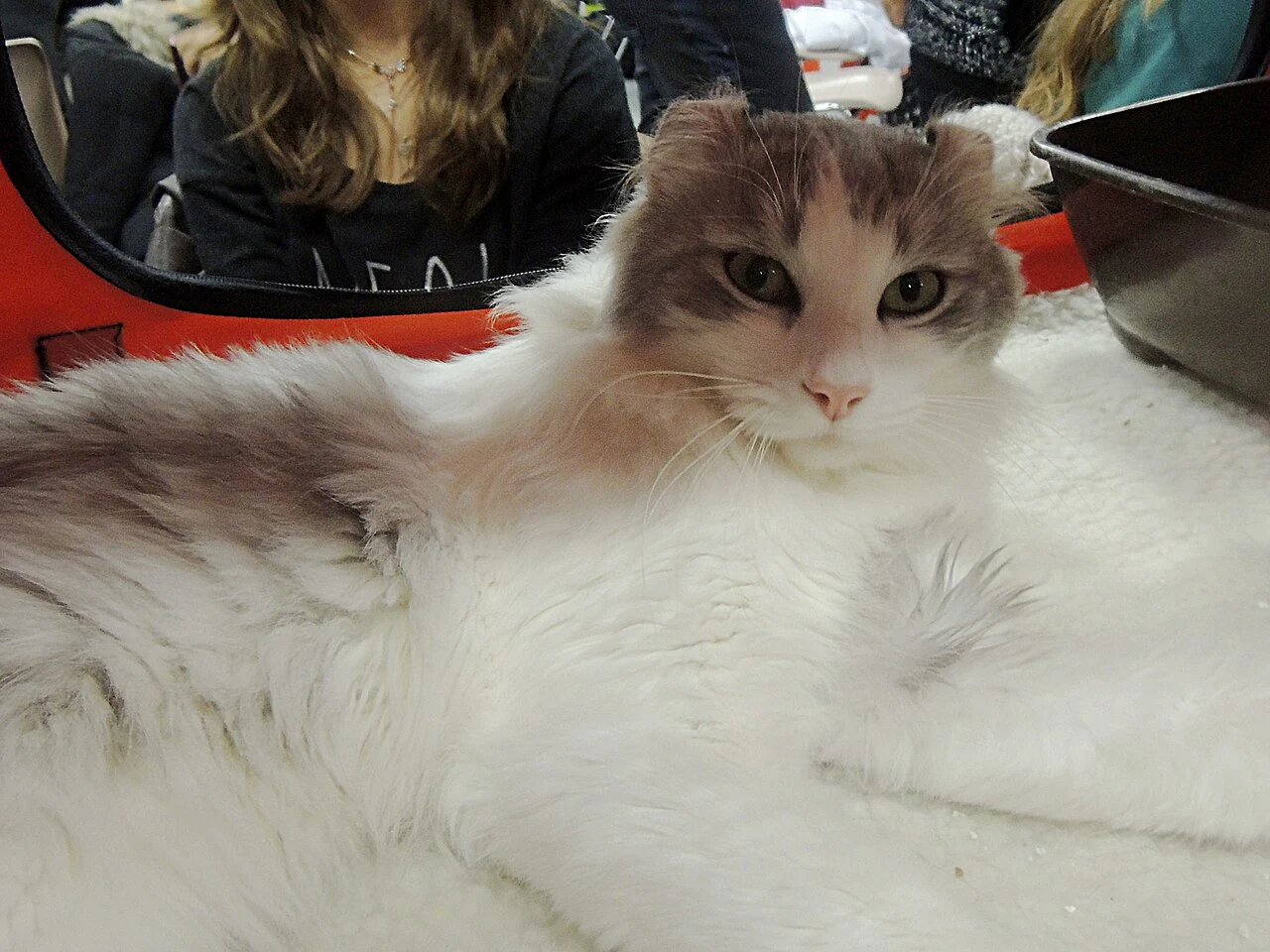
Both shorthaired and longer coated Curls have silky fur with little undercoat. The shorter variety usually needs occasional gentle brushing. With the longer coat, you should comb regularly and check particularly for small tangles. A brief weekly grooming appointment helps you learn the individual cat's needs. More frequent help may be appropriate during shedding or when a cat becomes less thorough at grooming herself.
The curved ears should be handled carefully. You should not straighten them or bend the firm cartilage. Care can begin with a calm look for redness, unusual dirt or other visible changes. A healthy cat's ear does not need constant cleaning. If cleaning is required, the veterinary team should recommend a suitable product and demonstrate the technique. Cotton swabs should not be inserted into the ear canal because they can push dirt deeper and cause injury.
Head shaking, repeated scratching at an ear, unpleasant odour or pain should be investigated. Simply cleaning more often can add irritation without addressing the cause.
From Shulamith to the American Curl
The breed began with Shulamith, a longhaired cat who appeared at Joe and Grace Ruga's home in California in 1981. Some of her offspring had the same backward curving ears. Further breeding from this family developed the American Curl. FIFe, the international cat federation, recognised the breed in 2003.
Kittens initially have straight ears. The shape begins changing in the first few days of life and is largely settled by about four months. You should observe this development without trying to shape the ears yourself. The standard describes a medium sized, relatively slender body with moderate muscle. The eyes are more oval above and rounder below, a shape often described as walnut shaped. Many coat colours and patterns are possible.
The American CFA standard gives approximately 2.3 to 3.6 kilograms for females and 3.2 to 4.5 kilograms for males, rounded from pounds. Food portions should nevertheless reflect the individual cat's body condition. An adult Curl should move comfortably rather than becoming increasingly round. In later life, intermediate steps to favourite places and an easier to enter litter tray can make daily activities more comfortable. New difficulties with jumping should be medically assessed.
Ears, teeth and routine care
Before the cat arrives, you should ask about examinations in the cat and her parents. Recurring conditions in the family and the kitten's development so far belong in the conversation too. The veterinary practice should also check the ears during an examination. In everyday life, healthy ears and comfortable acceptance of touch matter.
Painful or inflamed ears need examination rather than speculative cleaning. The veterinary practice can assess whether an infection or another cause is present and what treatment is needed. A cat who suddenly avoids being touched around the head deserves particular attention.
Teeth can also cause pain without immediately stopping a cat from eating. Bad breath, drooling or chewing on one side should be investigated. Regular dental care should be introduced gradually, without force, using suitable products. Fellfolio can keep results and care instructions together with appointments. This can help record when ear discomfort began or how eating changed, ready for a conversation with the veterinary team.
Would an American Curl suit your routine?
Could work well if …
- You enjoy an inquisitive cat who likes being near you and taking part in games.
- You can provide daily shared time, climbing places, scratching opportunities and quiet retreats.
- You want to introduce grooming and carrier training kindly and can handle the ears carefully.
May be less suitable if …
- The curved ears should not be pulled or bent into shape. Children should understand this from the beginning.
- Ear pain, odour or repeated head shaking should be assessed before you attempt cleaning.
- When another cat joins the household, you should introduce them gradually and provide separate feeding places, litter trays and retreats.
Meet other cat breeds.
Selected by size, activity, care and play needs.
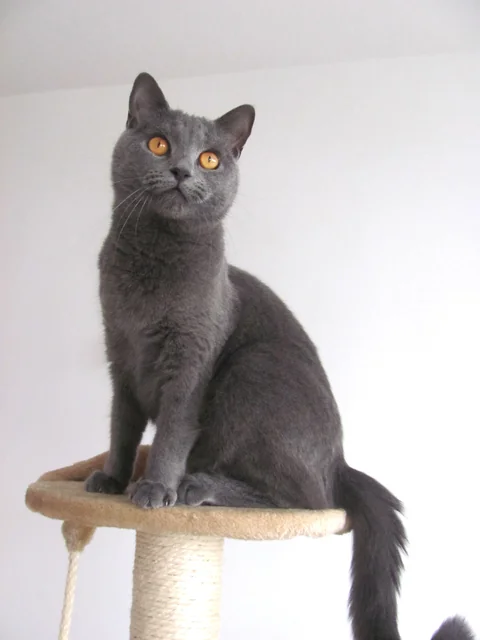
Shorthair · France
Chartreux
The Chartreux pairs a dense blue-grey coat and copper eyes with a calm, observant manner. During play, it often reacts quickly to a moving toy.
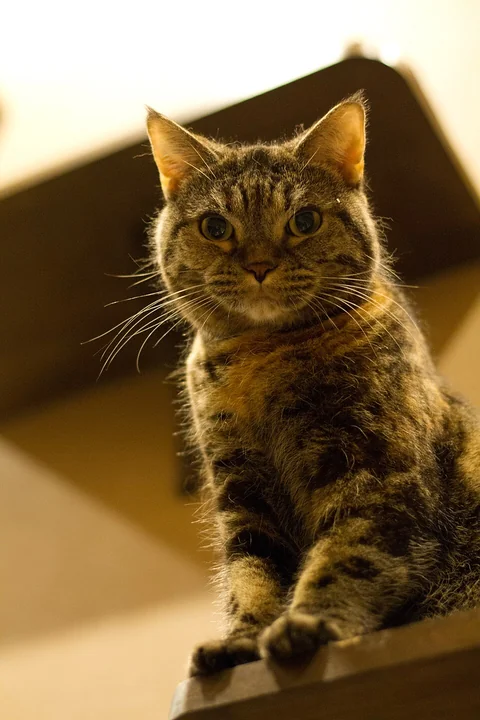
Shorthair cat · United States
American Shorthair
Sturdy, even-tempered and playful, the American Shorthair enjoys shared games while keeping a measure of independence.
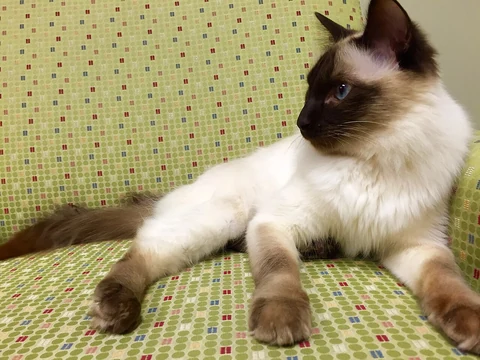
Semilonghaired cat · USA
Balinese
A Balinese often joins the conversation, follows people around the home and is quick to take an interest in a game. Beneath the silky coat is an energetic cat who needs plenty of shared time and satisfying places to climb.
Sources and photograph credit
- Indoor cats
Used in this profile for: Everyday life, Could this breed fit your life?
- Tips for grooming longhaired cats
Used in this profile for: Day-to-day care
- Cats and play
Used in this profile for: Everyday life
- Feline Dental Disease
Used in this profile for: Health
- Loving Care for Older Cats
Used in this profile for: Size and build
- American Curl profile and general breed standard
Used in this profile for: Size / Weight, Temperament, Everyday life, Day-to-day care, Size and build, Could this breed fit your life?
- American Curl breed profile
Used in this profile for: Temperament, Size and build
- American Curl Longhair and Shorthair breed standard
Used in this profile for: Day-to-day care, Size and build
- Introducing your new cat to other cats in your home
Used in this profile for: Temperament, Everyday life, Could this breed fit your life?
- How to keep your cat healthy and happy
Used in this profile for: Health
- Ear Cleaning in Cats
Used in this profile for: Day-to-day care, Health
Photo credits
Side view · Heikki Siltala · CC BY 3.0

Portrait · Nickolas Titkov · CC BY-SA 2.0

Coat and features · Heikki Siltala · CC BY 3.0

