fellfolio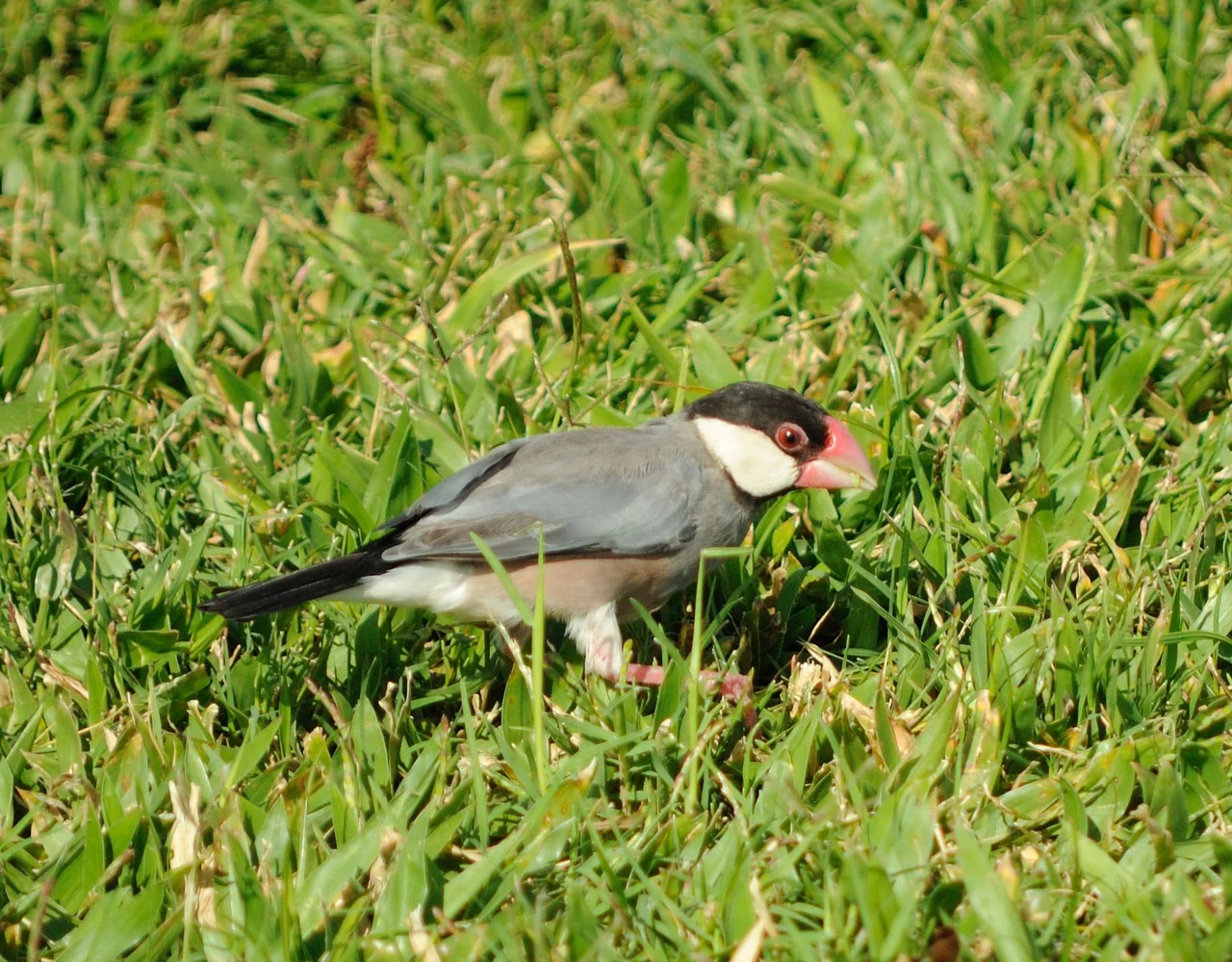
A finch from Java and Bali
The Java sparrow belongs to the estrildid finches, a family of small songbirds that mainly eat seeds. Its scientific name is Padda oryzivora. You may also find Lonchura oryzivora in books and listings. Both names refer to the same species. A Java sparrow measures about 14 to 17 cm from the tip of its bill to the end of its tail.
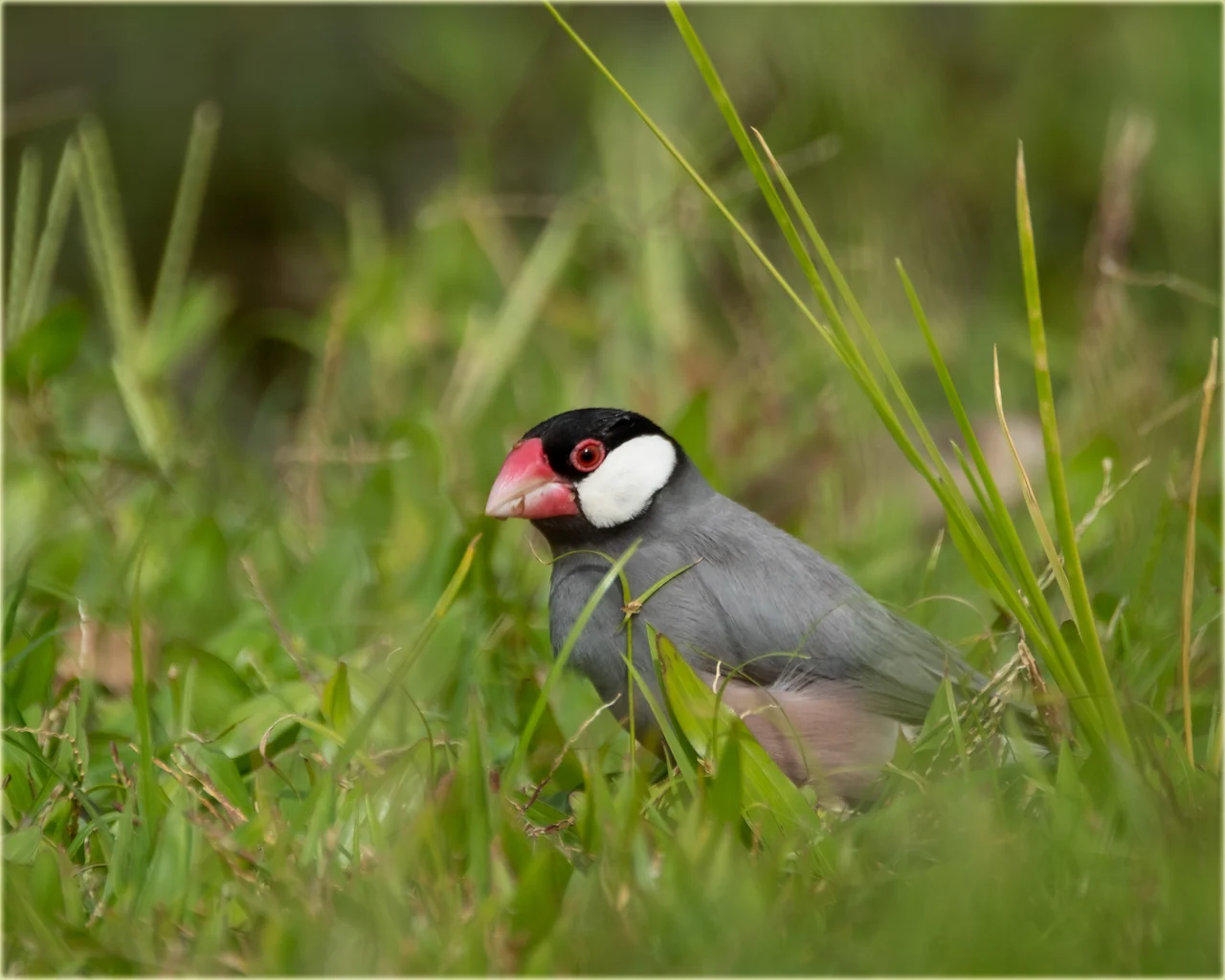
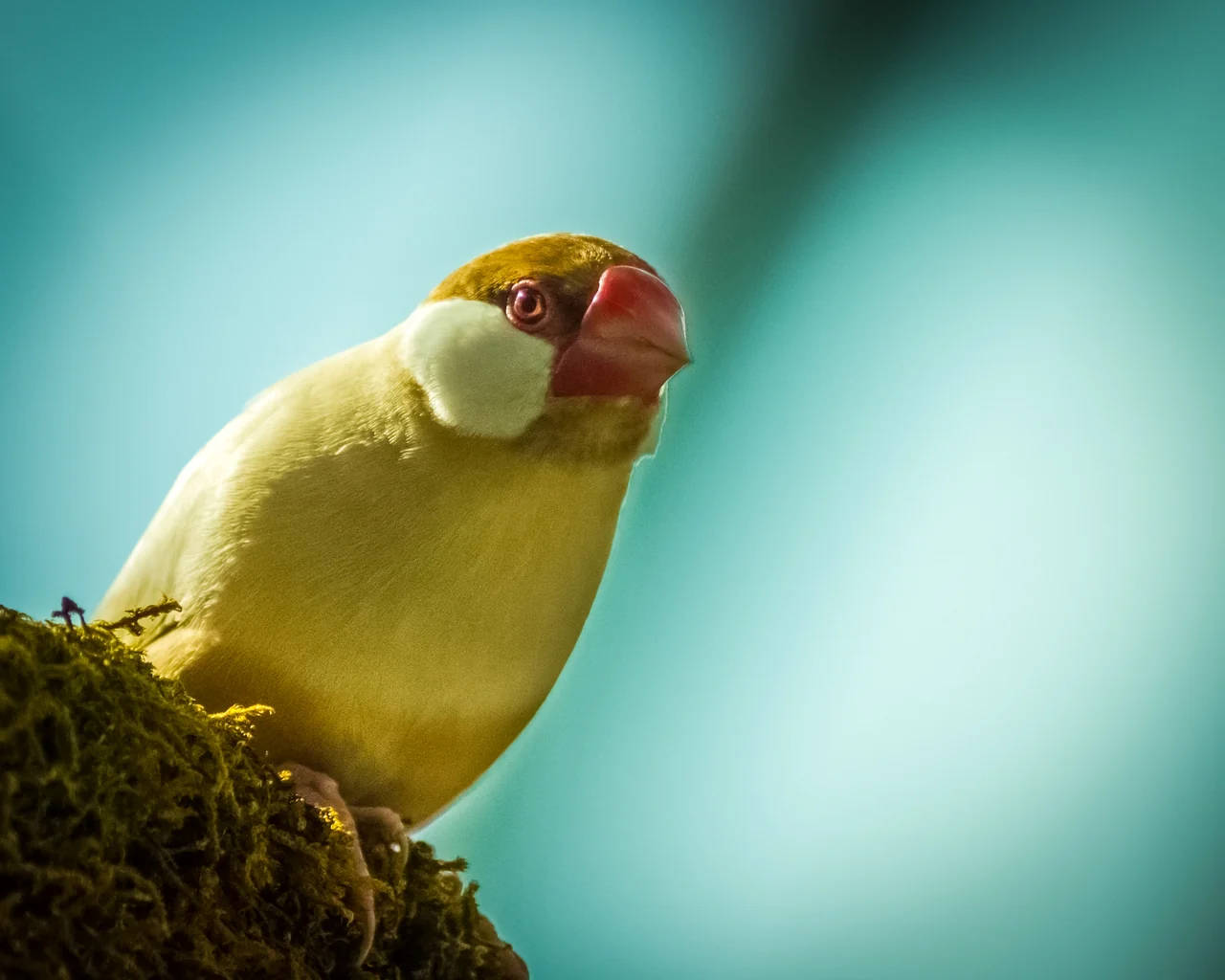
The natural colour pattern is grey with a black cap and white cheeks. Captive birds also come in other colours, including white and pied. Pied birds have patches of white among their usual colours. These are colour varieties bred within the same species.
In their Indonesian homeland, Java sparrows use open landscapes and farmland. The wild species is listed as Endangered, despite being familiar to bird keepers. Trapping for the bird trade has contributed to its decline. When acquiring birds, look for evidence that they hatched in captivity and a documented account of their origin.
Choosing a compatible pair or group
Java sparrows seek the company of other Java sparrows. An established pair or a compatible group gives you a sensible starting point. Within a group, watch whether every bird can reach food and settle on a quiet perch. If one is repeatedly driven away, the grouping or the layout needs attention.
New birds should first be examined by an avian vet, a veterinarian experienced in treating birds. They should stay in a separate room away from your existing birds during quarantine. This temporary separation helps reduce the risk of introducing an infectious disease. Your vet can advise how long it should last and which tests are needed. Afterwards, the birds can begin by seeing and hearing each other at a distance. Their first meetings in the same space should be supervised.
Java sparrows can bully smaller birds. A group made up entirely of Java sparrows is easier to plan when you are starting out. Mixing species calls for experience with the birds involved and suitable accommodation where they can be separated if problems develop.
An aviary with clear routes for flying
When planning the aviary, imagine the flight between two perches. Can a bird make several wingbeats, or do branches, bowls and toys fill the route? There should be a long, clear stretch for flying. Natural branches of different thicknesses can be arranged near the ends and sides, giving the birds varied landing places without blocking the centre.
Some perches should be partly screened by suitable, nontoxic branches so the birds can get out of each other’s immediate view. Food and water need positions where droppings cannot fall into them from above. Several accessible feeding places help quieter birds eat without interruption. Easy to clean surfaces beneath the bowls make it simpler to remove scraps and keep the floor in good condition.
An outdoor aviary needs dry indoor shelter that is free from draughts and can be heated in cold weather. Secure boundaries should prevent birds escaping and other animals getting in. For indoor birds, plan the lighting, ventilation and somewhere quiet to sleep. A television playing late into the night and lights repeatedly switching on disturb their rest. A consistent lighting schedule helps provide a predictable day.
Read more: Setting up a bird room: safe flight and good landing places
Bathing, safe flights and building trust
Offer a shallow dish of clean water each day, choosing one that cannot easily tip over. The birds should be able to stand in it and leave easily. Let them choose whether to bathe. A morning bath gives their feathers time to dry before they settle for the night.
Wash the bath and drinking vessel daily and whenever they become dirty. A spot away from the food bowls keeps splashes off the food. Spare bowls make cleaning easier because used ones can be left to dry.
Before letting the birds fly outside the aviary, close windows and doors to the outside and switch off fans. Cover large panes of glass and mirrors so the birds do not fly into them. Open containers of water and narrow gaps behind furniture should also be out of reach. Kitchens add hot surfaces and harmful fumes to the hazards. A dedicated bird room with familiar landing places is easier to make safe than a room whose layout and use keep changing.
Calm, consistent movements help Java sparrows become familiar with you. If they fly away as you approach, give them more space. A familiar landing place with a small food reward can become a first training spot, encouraging them to approach voluntarily.
You can also introduce a carrier gradually. At first, place it in the room some distance from the aviary, giving the birds time to get used to it and room to move away. Our bird training guide explains how to continue from there. As you get to know the group, you will also notice which bird comes over to investigate and which prefers to watch from a distance first.
Read more: Setting up a bird room: safe flight and good landing places · Bird training: confidence, carriers and cooperative care
What is in the bowl and what is actually eaten
Java sparrows use their strong bills to open small seeds. Suitable seeds such as different millets and canary seed are familiar parts of their diet. Safely identified grasses with seed heads, free from pesticides, also give the birds something to work at as they pick out the seeds. Washed endive leaves are one example of fresh greens you can offer.
A seed mixture alone can leave birds short of certain vitamins and minerals. A leaf of lettuce does not correct these gaps. An avian vet can help you plan a diet that includes suitable complete finch food and fresh ingredients. A complete food is designed to supply the required nutrients when fed as directed. Any added vitamins or calcium should be chosen to suit that plan.
Java sparrows remove the outer shell, or husk, before eating a seed. Empty husks often remain in the bowl. Remove them daily and check for intact seeds. Introduce new food gradually, watching weight, appetite and droppings to spot inadequate intake early.
Noticing each bird within the flock
Among an active group, a quiet bird can be easy to overlook. Take a moment during daily care to look at every Java sparrow. Does it come to eat, perch securely and respond to its companions as usual? Knowing the flock’s normal routine makes it easier to notice a bird suddenly sitting apart or leaving familiar food untouched.
Persistent fluffed feathers, much lower activity, altered droppings or soiling around the vent should be checked promptly by an avian vet. The vent is the external opening through which birds pass droppings and lay eggs. Breathing difficulty, marked weakness or inability to remain on a perch calls for immediate veterinary help.
A note of when the change began and a photograph of unusual droppings can help at the appointment. Weight records are useful too if the birds have learned to be weighed calmly. An ill bird should not be chased around to obtain a reading. Having the clinic’s number, a transport plan and a suitable carrier ready before the birds arrive makes an urgent visit easier.
Courtship and thoughtful breeding decisions
During courtship, both partners may hop and wipe their bills along a branch. The male is the one that sings. These small movements are part of communication between the birds. When a pair breeds, both parents take part in building the nest, incubating and feeding their young.
Wild Java sparrows nest in cavities and other sheltered spaces. Providing nest sites in captivity can encourage breeding. Before adding a nest box, consider whether you have the knowledge to support a breeding attempt and can care for the young permanently or find responsible homes for them. Appropriate feeding and enough space once the chicks leave the nest are part of that preparation.
Repeated egg laying can place heavy demands on a bird’s calcium reserves. If an egg becomes retained inside the body and cannot be passed, this is called egg binding. Straining, weakness or laboured breathing in a female bird needs immediate veterinary assessment. If a bird repeatedly breeds or keeps laying, your vet can help you review its surroundings and care.
From young bird to older companion
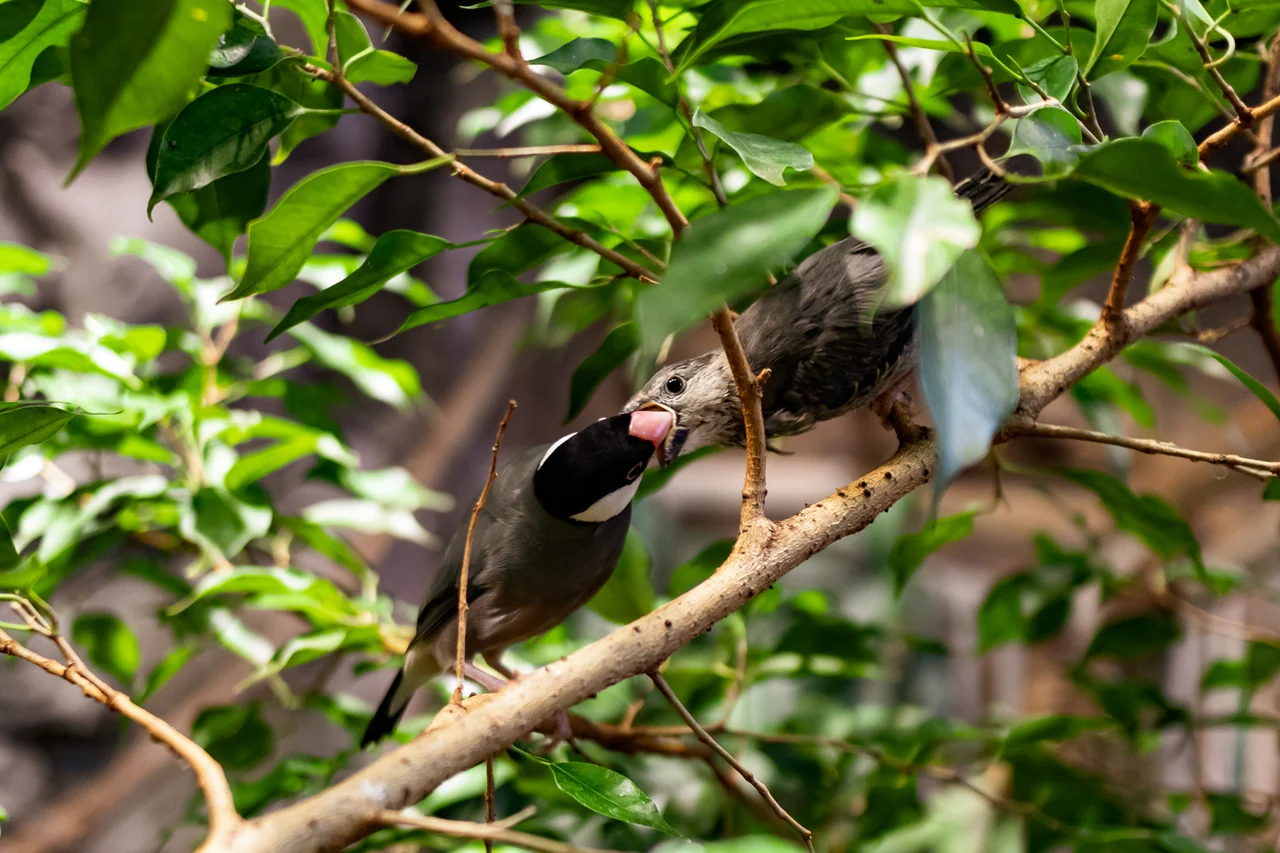
Young Java sparrows with the natural colour pattern have a greyish brown head and a pale cheek patch that is less distinct than an adult’s. The black cap and clear white cheeks develop as the adult plumage grows in. Before taking a young bird home, make sure it reliably feeds itself. Ask its previous keeper to show you what it eats and how it handles the food. A written food list makes the move easier.
Adult birds also replace their feathers regularly. This is called moulting. Old, worn feathers fall out and new ones take their place. Finding individual feathers on the floor is a normal part of this process. Large bare areas or feathers growing back abnormally need investigation rather than being assumed to be an ordinary moult.
If an older bird starts landing awkwardly or avoids a previously favourite branch, arrange a veterinary assessment. There can be several reasons for these changes. Once you understand the problem, you can add easier to reach perches or move a food bowl to a more convenient place. Earlier notes and photographs help show when its habits began to change.
Read more: Bird life stages: from youngster to older companion
Choosing birds and planning their care
The Java sparrow is listed in Appendix II of CITES, the international agreement controlling trade in protected species. Before acquiring birds, ask the relevant wildlife authority which documents and other requirements apply where you live. Keeping or selling a bird locally and moving it across borders may involve different authorities. In Germany, for example, the Federal Agency for Nature Conservation is responsible for CITES import and export permits, while the state authorities deal with domestic keeping and trade matters.
When meeting the birds, ask about their origin, age, existing companions, diet and known health problems. Taking on a group that already lives well together can help them settle. The cost planner lets you budget separately for housing, lighting, food, replacement supplies and money set aside for veterinary care.
Anyone looking after the birds while you are away should be shown how to secure doors and change bowls before taking over. A written care plan with food types, amounts, cleaning routines and useful contacts makes the handover easier. Notes about individual birds are particularly helpful. They can tell a sitter which Java sparrow usually comes to the bowl first and which waits until things are quieter.
Common questions
Can a Java sparrow live alone?
Plan for compatible Java sparrows as companions. A settled pair or group allows the regular social contact these birds seek. A mirror and attention from people cannot replace life with other Java sparrows.
Do Java sparrows mainly eat rice?
Wild Java sparrows feed in rice fields, but rice as the main food at home would be too limited. A planned diet can include suitable small seeds, an appropriate complete finch food and fresh ingredients. What matters is the overall supply of nutrients.
Can I put Java sparrows with zebra finches?
Mixed housing needs careful planning. Java sparrows can bully smaller birds. Space, layout and the behaviour of the individuals all matter. For someone starting out, a group of Java sparrows alone is usually easier to manage. Suitable separate accommodation remains important when keeping mixed groups.
What should a holiday sitter know about Java sparrows?
A sitter needs to know the foods, amounts and cleaning routine, and how to use the doors safely. Introduce them to each bird and its habits too. A written care handover with veterinary contact details helps if anything changes while you are away.
A closer look
Sources and photo credit
- Padda oryzivoraNatural History Museum, University of OsloA finch from Java and Bali · Choosing birds and planning their care
- Java Sparrow IdentificationCornell Lab of OrnithologyA finch from Java and Bali · From young bird to older companion
- Java Sparrow Life HistoryCornell Lab of OrnithologyA finch from Java and Bali · Choosing a compatible pair or group · Courtship and thoughtful breeding decisions
- Mating success follows duet dancing in the Java sparrowSoma and Iwama, PLOS ONE, 2017Courtship and thoughtful breeding decisions
- Fact Sheet: Java SparrowsAvicultural Society of AustraliaA finch from Java and Bali · Choosing a compatible pair or group · What is in the bowl and what is actually eaten
- A suitable environment for pet birdsRSPCAAn aviary with clear routes for flying · Bathing, safe flights and building trust · From young bird to older companion
- Leben sie schon, oder zieren sie noch? Von den Bedürfnissen sogenannter Ziervögel in menschlicher ObhutN. Ziegler, 6. ÖTT Tagungsband, 2015, hosted by Vetmeduni ViennaAn aviary with clear routes for flying · Bathing, safe flights and building trust
- Finches: FeedingVCA Animal HospitalsWhat is in the bowl and what is actually eaten
- Nutrition in PasserinesMSD Veterinary ManualWhat is in the bowl and what is actually eaten
- Bathing BirdsVCA Animal HospitalsBathing, safe flights and building trust
- Introducing a New Pet BirdVCA Animal HospitalsChoosing a compatible pair or group
- Training your pet birdRSPCABathing, safe flights and building trust · Noticing each bird within the flock
- Illness in Pet BirdsMSD Veterinary ManualNoticing each bird within the flock · From young bird to older companion
- Reproductive Disorders of Pet BirdsMSD Veterinary ManualNoticing each bird within the flock · Courtship and thoughtful breeding decisions
- Reproductive Diseases of Pet BirdsMSD Veterinary ManualCourtship and thoughtful breeding decisions
- Molting in BirdsVCA Animal HospitalsFrom young bird to older companion
- Household Hazards for Pet BirdsMSD Veterinary ManualBathing, safe flights and building trust
- Zuständigkeiten im ArtenschutzvollzugBundesamt für NaturschutzChoosing birds and planning their care
Photo credits
Photo: Java Sparrow · Daniel Ramirez · CC BY 2.0.
Photo: Java sparrow · marneejill · CC BY-SA 2.0.
Photo: Java Sparrow · tobias_gabrielH · CC BY 2.0.
Photo: Java Sparrow · Thomas · CC BY-SA 2.0.