fellfolio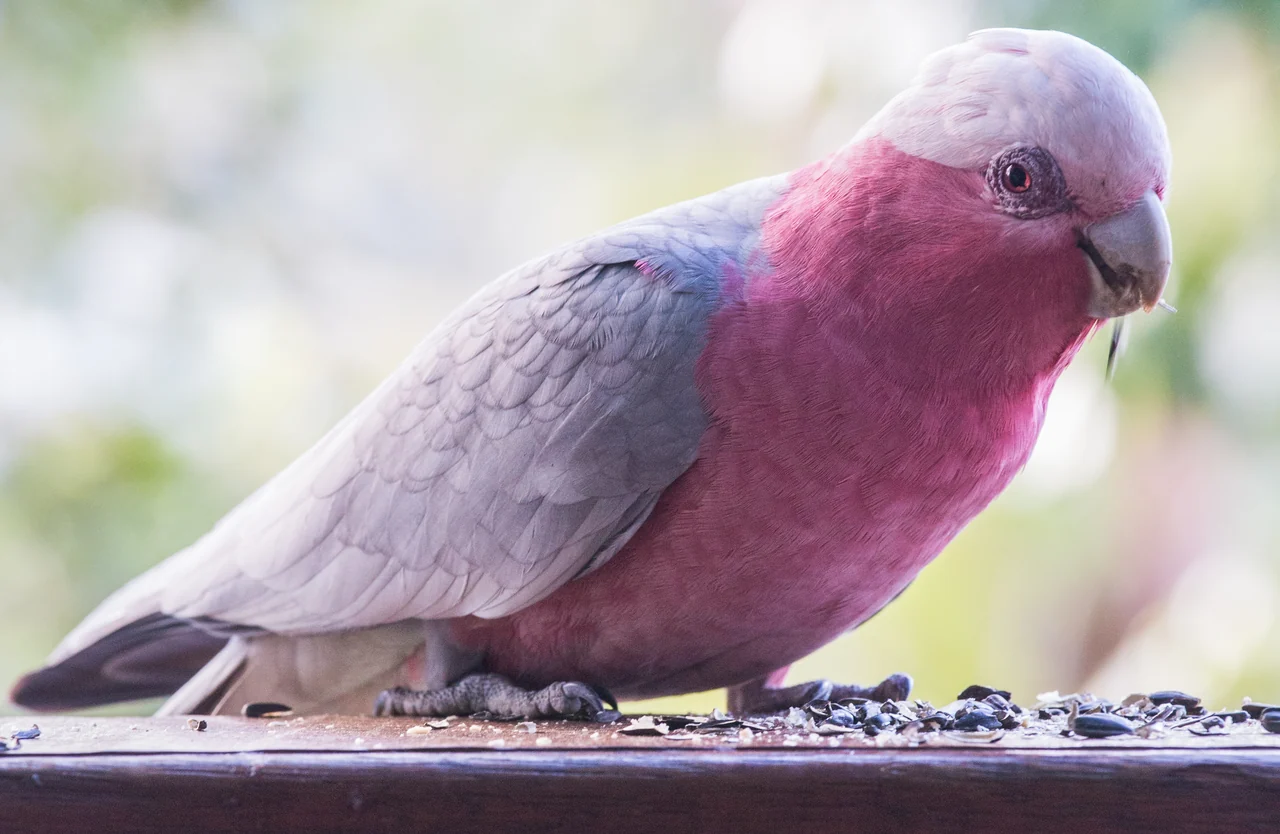
An Australian cockatoo in pink and grey
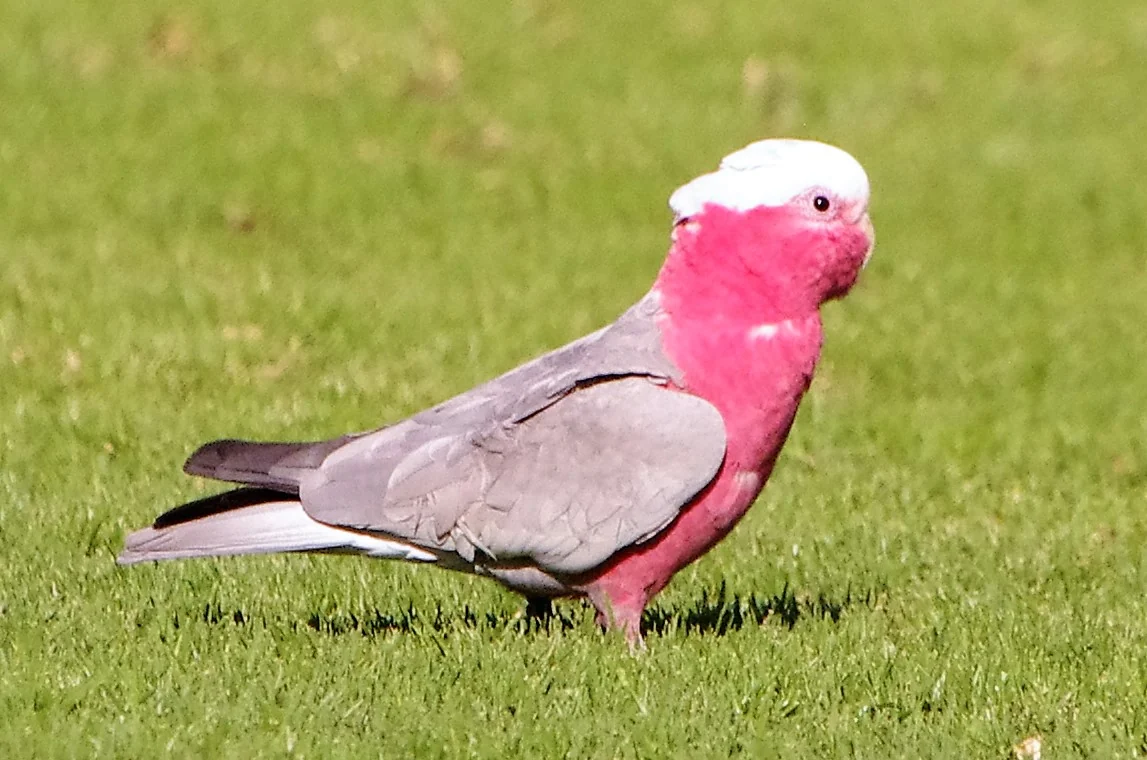
The galah, Eolophus roseicapilla, is also known as the rose-breasted cockatoo. At roughly 35 centimetres in total length, it is a medium-sized cockatoo. Its pink face and underparts, grey wings and paler crest make a distinctive combination.
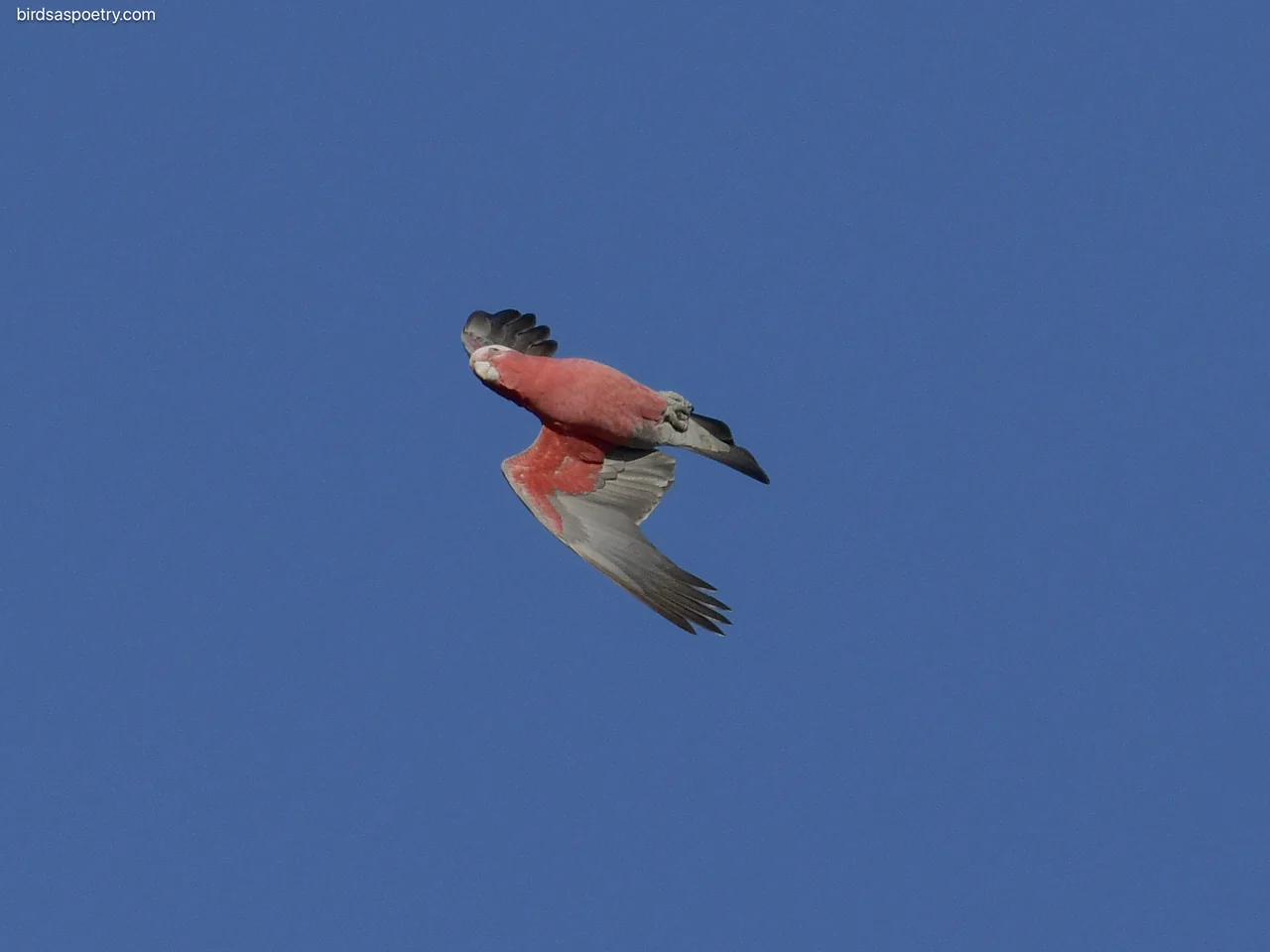
Galahs live across much of Australia. They often feed on seeds on the ground and move in flocks to productive feeding areas. Within those groups, partners tend to stay close. Quiet feeding gives way to fast, agile flight. Seeing that mix of foraging, movement and social contact helps explain what keeps galahs occupied in human care too.
A compatible companion and room to move away
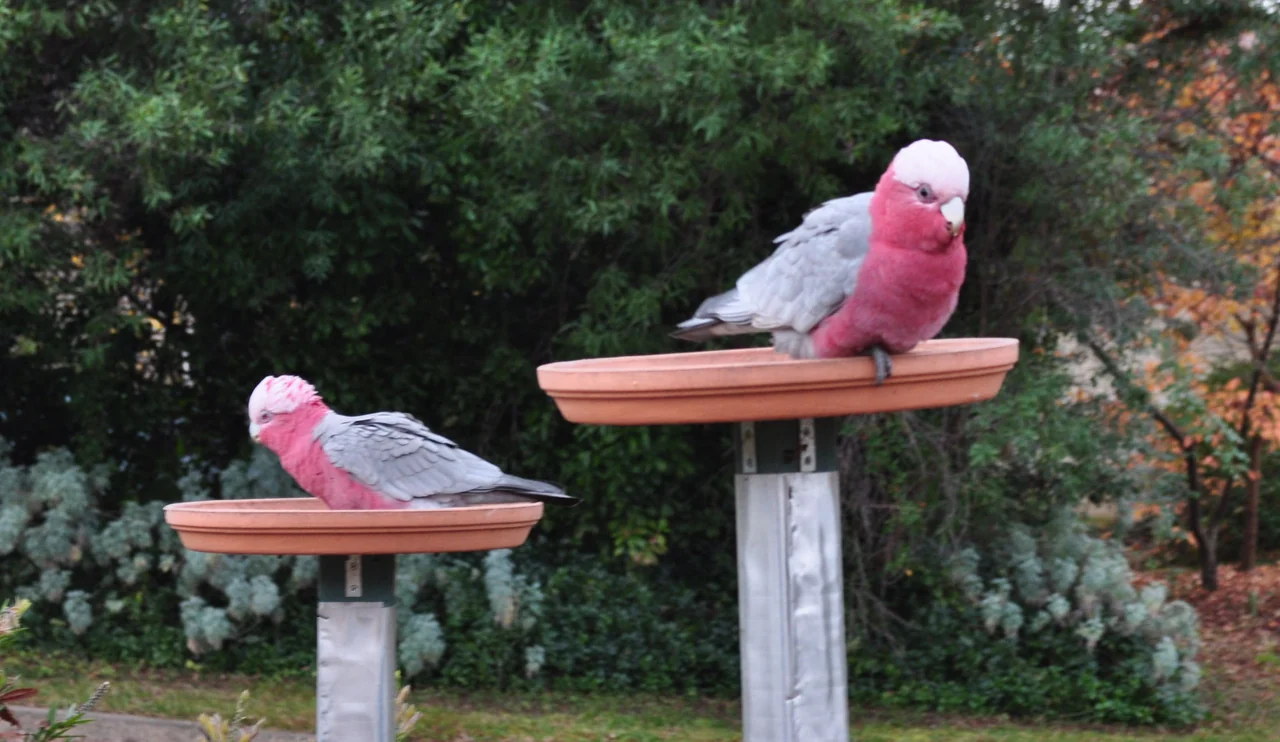
You should plan to keep a compatible pair of galahs. Resting together, calling to each other and grooming one another’s feathers are part of their social life. A trusting relationship with people can develop alongside that bond. Adopting an established pair through a responsible rehoming organisation may make the start easier because their history together is known.
Before introducing a new bird, an avian vet should check its health and discuss a period of separate accommodation. An avian vet is a veterinarian with experience in bird medicine. This initial isolation, called quarantine, helps prevent a new arrival from passing on an unnoticed infection. Once that stage is complete, the birds can get used to seeing and hearing each other at a distance before supervised meetings.
Both birds need places to move away and their own access to food and water. If one repeatedly drives the other away, pins it down or injures it, they should be separated safely. Conflict between cockatoos can become serious. Preparing separate accommodation and getting experienced help with matching birds is worthwhile. Simply putting a newcomer into an occupied aviary is a poor introduction.
Read more: Living with parrots: choosing a species and shaping the day
Plan the flight space before the furnishings
An aviary is an enclosure large enough for birds to fly in. What matters is how much space remains clear once it is furnished. Galahs should be able to make several wingbeats between secure landing places without immediately having to turn. The World Parrot Trust recommends a walk-in aviary at least seven metres long for this species.
An indoor arrangement therefore needs a genuinely usable, bird-safe flight area as part of everyday care. A tall cage filled with climbing branches cannot replace a flight path. Branches of different diameters offer a range of gripping surfaces. Position them so that resting areas and the routes between them remain clear. Food and water bowls should be placed where droppings are unlikely to fall into them.
Before indoor flight, windows and external doors should be closed, fans switched off and cables made inaccessible. Large panes of glass need to be recognisable as barriers. An outdoor aviary needs shelter, shade and an entrance designed to prevent escapes. Temperature, lighting and sheltered accommodation should suit the local climate and the birds’ previous living conditions. Our bird housing guide walks through the individual planning steps.
Read more: Setting up a bird room: safe flight and good landing places
Offer variety and keep track of portions
Seeing galahs eat seeds in Australia does not make a bowl of sunflower seeds a balanced meal. Wild birds travel to find food and eat what is available through the seasons. At home, an appropriate complete parrot food should provide balanced nutrition. Pellets are shaped pieces of food made from a blend of ingredients. Vegetables such as broccoli and carrot add variety, with smaller amounts of fruit alongside them. Seeds and nuts can have a measured place in the daily ration or be used as training rewards.
The right amount of food depends partly on how active the birds are. Plenty of energy-rich treats and little exercise can lead to excess weight. Rather than continually topping up a bowl, watch what each bird actually eats. Food used for foraging activities and rewards should count towards the daily ration. An avian vet can assess body condition, meaning the balance of muscle and stored body fat.
Changing a bird’s diet takes patience. Offer unfamiliar foods alongside familiar ones and check that they are being eaten. The existing food should only be reduced once the bird is reliably accepting its new diet. Refresh drinking water and clean bowls daily. Remove leftover fresh food before it spoils. Galahs do not need digestive grit, the small stones that some other birds swallow to help grind their food.
Finding food, taking things apart and learning together
A piece of untreated, bird-safe wood can be more interesting than an elaborate shop-bought toy. A galah can chew it, turn it in one foot and gradually dismantle it. For a simple foraging activity, place a few pieces of familiar food where the bird can see them inside loosely folded paper. Once it understands how to reach them, you can make the task a little harder. Enrichment should give the bird a chance to succeed.
Introduce new objects at a distance first. Some birds investigate immediately, while others need several encounters. During regular checks, remove damaged fittings, sharp edges and loose threads. Materials should withstand the way the birds use their beaks, and activities should leave flight paths clear.
Short training sessions can make everyday care easier: stepping willingly onto a perch, approaching a carrier or standing on scales. A small reward straight after the behaviour helps the bird understand what you are asking. When introducing a carrier, even a calm glance towards it can be a useful first step. The bird should be able to approach further without being pushed. Our bird training guide explains how to build up these small steps.
Read more: Bird training: confidence, carriers and cooperative care
Calls and feather dust are part of living with galahs
Galahs communicate with strong calls. Even a well-occupied bird will not stay quiet all day. Before deciding on the species, try to meet galahs in person and hear them in an ordinary care setting. Their voices can be a problem in a home with little sound insulation. Your daily routine should also make room for dependable periods of play and social contact.
Cockatoos produce fine feather dust. Special feathers break down into powder, which spreads as the birds move and groom themselves. Wipeable surfaces, regular cleaning and good ventilation make it easier to manage. A bathing opportunity that the birds choose to use can form part of their feather care. Anyone with asthma or a known dust allergy should discuss the possible health implications with their doctor before taking on cockatoos.
Good air quality also means protecting the birds from smoke and irritating fumes. A kitchen is not a suitable bird room. Fumes from overheated coated appliances can be particularly dangerous, including pans containing PTFE. The abbreviation refers to a plastic used in some non-stick coatings. Scented sprays and strong cleaning fumes should also be kept out of the birds’ air.
Notice changes while they are still small
Regular weighing can help you notice changes. Practise stepping onto scales voluntarily and weigh at a similar time of day. The trend is more useful than comparing your bird with the weight of a different galah. Noticeable gains or losses should be discussed with an avian vet alongside feeding details and other observations.
If a bird eats less, becomes unusually quiet, has changed droppings or sits fluffed up for long periods, it should be checked promptly. Obvious breathing difficulty, marked weakness or an injury needs immediate veterinary attention. Have the practice number, an available emergency service and a carrier ready before they are needed.
Damaged feathers and bald patches can have different causes. Illness, diet and living conditions may all be involved. More toys will not resolve every case. An examination and a review of the bird’s daily life help identify useful changes. Routine preventive appointments also provide an opportunity to discuss weight, beak and foot condition, and nutrition.
A well-understood history makes a better start
Before taking birds on, ask about their previous companions, familiar foods, health and experiences with people. An adult pair may settle well into a new home. Young birds should already eat independently and have opportunities to grow up alongside parents or other birds. In hand-rearing, people take over feeding the chicks. Those birds still need contact with other parrots to learn their social behaviour.
Keeping a pair does not require breeding. Nest boxes and dark cavities can encourage reproductive behaviour, so they should not be added as everyday sleeping shelters. Stroking a parrot’s back or under its wings can also stimulate sexual responses. If a bird seeks touch, gentle head scratches are a more appropriate form of contact.
Repeated egg laying or troublesome reproductive behaviour should be discussed with an avian vet. A female that becomes weak, strains or breathes heavily around laying needs immediate help. Egg binding means an egg cannot be laid normally. Trying to solve it yourself by pressing on the abdomen could cause harm.
Make plans that can last for decades
The National Zoo & Aquarium in Canberra gives galahs a captive lifespan of 30 to 40 years. Your own circumstances may change considerably during that time. Care plans should account for possible moves, changing work schedules and someone who can help if you become ill.
The budget should cover accommodation, ongoing food, replacement branches and enrichment materials, and veterinary care. The cost planner helps you consider these items separately. For holidays, a care plan can record portions, familiar cues, cleaning routines and useful contacts. Anyone standing in should meet both birds and learn how to handle doors and carriers safely beforehand.
A galah can develop a close relationship with people while remaining an independent, social bird. Living with them is especially rewarding when you also enjoy watching: two birds grooming each other, a twig being carefully taken apart or a confident flight to a familiar landing place.
Read more: Bird life stages: from youngster to older companion · Living with parrots: choosing a species and shaping the day
Common questions
Can a galah live alone if I spend plenty of time with it?
When planning a new home, include suitable company of the same species. People can play and train with a galah but cannot share its entire social life. For a bird that has lived alone for a long time, experienced help with finding a compatible companion is worthwhile.
Are galahs quiet parrots?
Their calls can be strong and piercing. They also have quiet periods, but that does not make them reliably quiet housemates. Visiting experienced keepers can give you a more realistic idea of the sound before you decide.
Is a large cage with daily free flight enough?
What matters is the flight space actually available and whether the birds can use it every day. A cage alone is not enough. The World Parrot Trust recommends a walk-in aviary at least seven metres long for galahs. The whole arrangement should suit the birds and local conditions.
Can galahs learn to talk?
Some copy words or sounds. That should not be the basis for choosing this species. Training together can be enjoyable even when a bird never learns human words.
A closer look
Sources and photo credit
- GalahAustralian MuseumAn Australian cockatoo in pink and grey · Make plans that can last for decades
- GalahWorld Parrot TrustAn Australian cockatoo in pink and grey · Plan the flight space before the furnishings · Offer variety and keep track of portions · Calls and feather dust are part of living with galahs
- GalahNational Zoo & Aquarium, CanberraMake plans that can last for decades
- Living with other birdsRSPCAA compatible companion and room to move away
- Housing and environments for pet birdsRSPCAPlan the flight space before the furnishings
- How to train your pet birdRSPCAFinding food, taking things apart and learning together · Notice changes while they are still small
- Keeping your pet bird happyRSPCAFinding food, taking things apart and learning together
- Feeding pet cockatoosVCA Animal HospitalsOffer variety and keep track of portions
- Cockatoos: general informationVCA Animal HospitalsCalls and feather dust are part of living with galahs · Notice changes while they are still small
- Obesity in birdsVCA Animal HospitalsOffer variety and keep track of portions
- Introducing a new pet birdVCA Animal HospitalsA compatible companion and room to move away · A well-understood history makes a better start
- Recognizing the signs of illness in pet birdsVCA Animal HospitalsNotice changes while they are still small
- Household hazards and dangers to birdsVCA Animal HospitalsPlan the flight space before the furnishings · Finding food, taking things apart and learning together · Calls and feather dust are part of living with galahs
- Reproductive diseases of pet birdsMSD Veterinary ManualA well-understood history makes a better start
- Position statement: hand-feedingWorld Parrot TrustA well-understood history makes a better start
Photo credits
Photo: Galahs · Robyn Jay · CC BY-SA 2.0.
Photo: Galah · NAPARAZZI · CC BY-SA 2.0.
Photo: Galahs · Caroline Jones · CC BY 2.0.
Photo: Galah: Loop the Loop · I Am birdsaspoetry.com · CC0 1.0.