fellfolio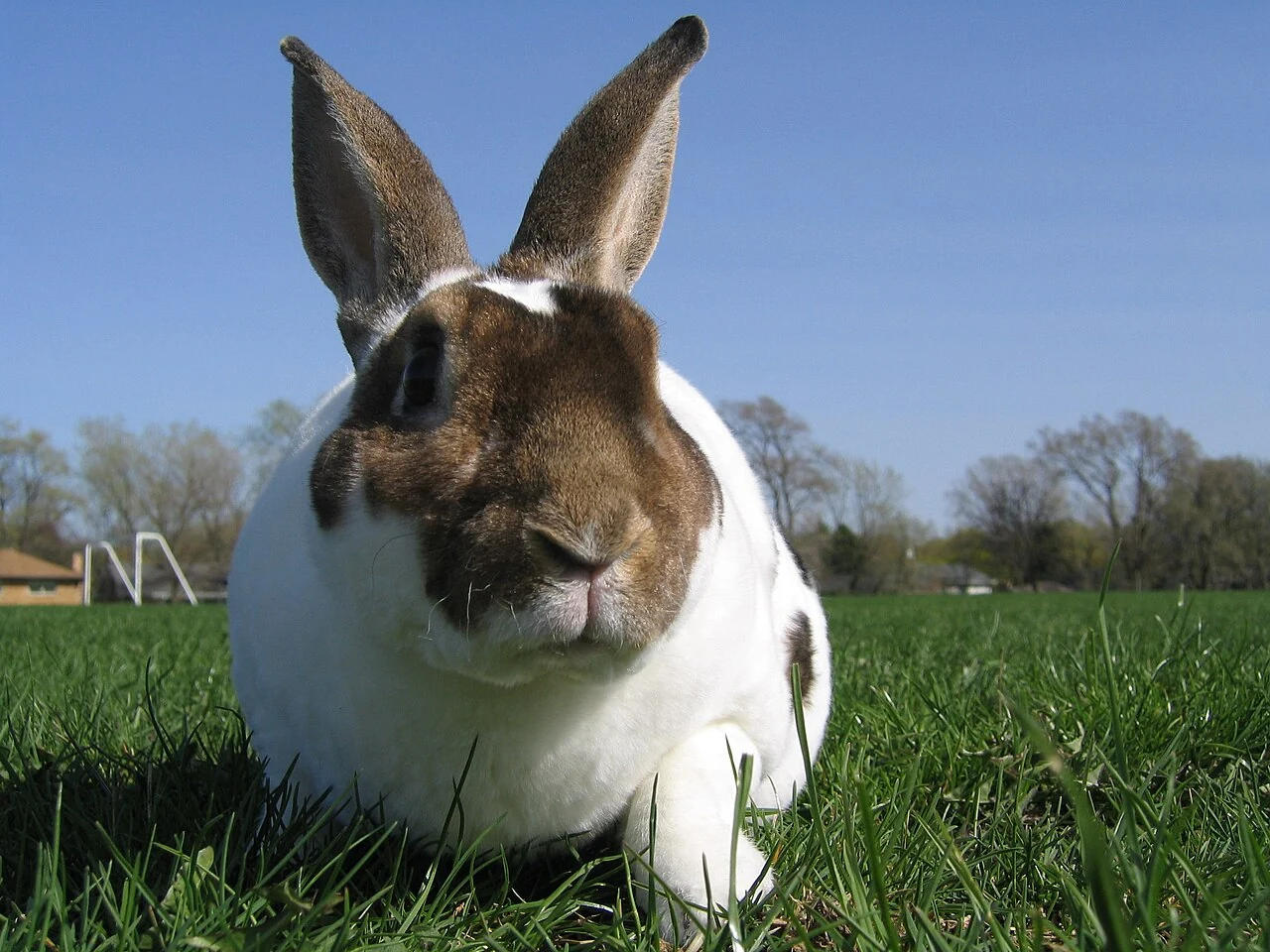
One coat type, several breed descriptions
The Rex mutation produced a distinctive hair structure from which different breeding forms developed. Rex rabbits were publicly shown in Paris in 1924. Smaller forms followed later; the American registry recognises Mini Rex as a separate breed. Names therefore need careful interpretation when comparing size information.
A short-coated rabbit is not automatically a Rex, and coat type does not establish temperament or compatibility with a prospective companion. Features may be expressed differently in pet crosses. Daily care should centre on the individual, its actual size and the places where flooring places pressure on the body. A practical assessment of the home is more useful than assuming all rabbits with similar coats need identical equipment.
Sources for this section
- Recognized BreedsAmerican Rabbit Breeders Association
- How to keep your rabbit healthyRSPCA
Why flooring deserves attention
Rex rabbits may have less protective hair on their feet. This makes the condition of the skin particularly worth monitoring. Hard or abrasive surfaces, dampness and pressure can contribute to sores. Body weight, claw length and reduced mobility should also be considered when problems recur.
Suitable areas are dry and clean, provide secure grip and include some cushioning. Wire is unsuitable as a walking surface. Exclusively slippery flooring may instead discourage movement or make sitting insecure. Comfortable resting places and safe connecting routes should therefore be planned together. If a covering is chewed and swallowed, a different material is needed rather than repeatedly replacing it with more of the same. The best surface is one the rabbit can use comfortably and the carer can maintain properly.
Sources for this section
Noticing early changes in the feet
Short, regular checks allow the undersides of the feet to be examined gently. An experienced professional should demonstrate how to do this without insecure restraint. Redness, bare patches, crusting or altered weight-bearing deserve discussion with the practice. Open, painful or inflamed areas need prompt treatment.
Photographs can help describe a change over time but do not replace examination. Creams and homemade bandages should not be tried without guidance. A poorly fitted dressing may create additional rubbing or pressure. Alongside treatment, the practice needs to know which surfaces the rabbit uses, how wet areas are maintained and whether weight or willingness to move has changed. These ordinary details can help identify why the problem developed and what needs adjusting.
Read more: Daily rabbit care: noticing small changes
Sources for this section
Space and company for an active routine
Rex rabbits need opportunities for running, exploring and social contact like other domestic rabbits. A compatible companion, several retreats and accessible feeding places support shared life. Behaviour and carefully managed introductions should guide partner selection. Matching coat colours or breed labels do not guarantee compatibility.
Activities might include a safe digging box or familiar leafy food placed in several locations. This also makes it easier to see whether both animals can reach every area. Slippery routes or painful feet may explain why a rabbit avoids particular places. Furnishings should be adjusted in response to actual use. A large enclosure offers less benefit if only one small corner is comfortably accessible. Moving between resources should feel secure throughout the day.
Read more: Rabbit housing: space, exercise and companionship · Bonding rabbits: preparing for a shared home
Sources for this section
Straightforward grooming and feeding
The short coat generally needs less detangling than a long lionhead mane. Skin and the rear still deserve regular checks. A soft, suitable grooming aid can help remove loose hair during moulting. Vigorous brushing that irritates the skin or pulls hair out should be avoided. Soiling may reflect difficulties with grooming or digestion and warrants investigation of the cause.
Hay and suitable grass remain central to feeding. Other foods reflect age, condition and established habits. Regular weighing and watching each rabbit eat help reveal changes early. Lower litter-tray entrances and more accessible feeding places may become useful with age. Markedly reduced appetite or refusal of food needs immediate advice from a rabbit-experienced veterinary practice. Keeping familiar companions nearby also matters when care arrangements have to change.
Read more: Feeding rabbits: hay, greens and everyday habits · Rabbit life stages: from youngsters to older companions
Sources for this section
- What do rabbits eat?RSPCA
- How to keep your rabbit healthyRSPCA
- Flystrike in rabbitsRabbit Welfare Association & Fund
Common questions
Is a Mini Rex the same as a dwarf rabbit?
Mini Rex is a particular small breed with Rex fur in some registries. Dwarf rabbit is a broader everyday label covering several breeds and crosses. Actual size and background should be clarified.
Will every Rex develop sore feet?
No. Coat structure calls for attention rather than predicting disease with certainty. Suitable surfaces, appropriate body condition and regular checks are useful preventive measures.
A closer look
Sources and photo credit
- Creating the right home for rabbitsRSPCA
- Company for pet rabbitsRSPCA
- Enrichment for rabbitsRSPCA
- What do rabbits eat?RSPCA
- How to keep your rabbit healthyRSPCA
- Flystrike in rabbitsRabbit Welfare Association & Fund
- Pet rabbits: care, behaviour and welfareRSPCA
- Recognized BreedsAmerican Rabbit Breeders Association
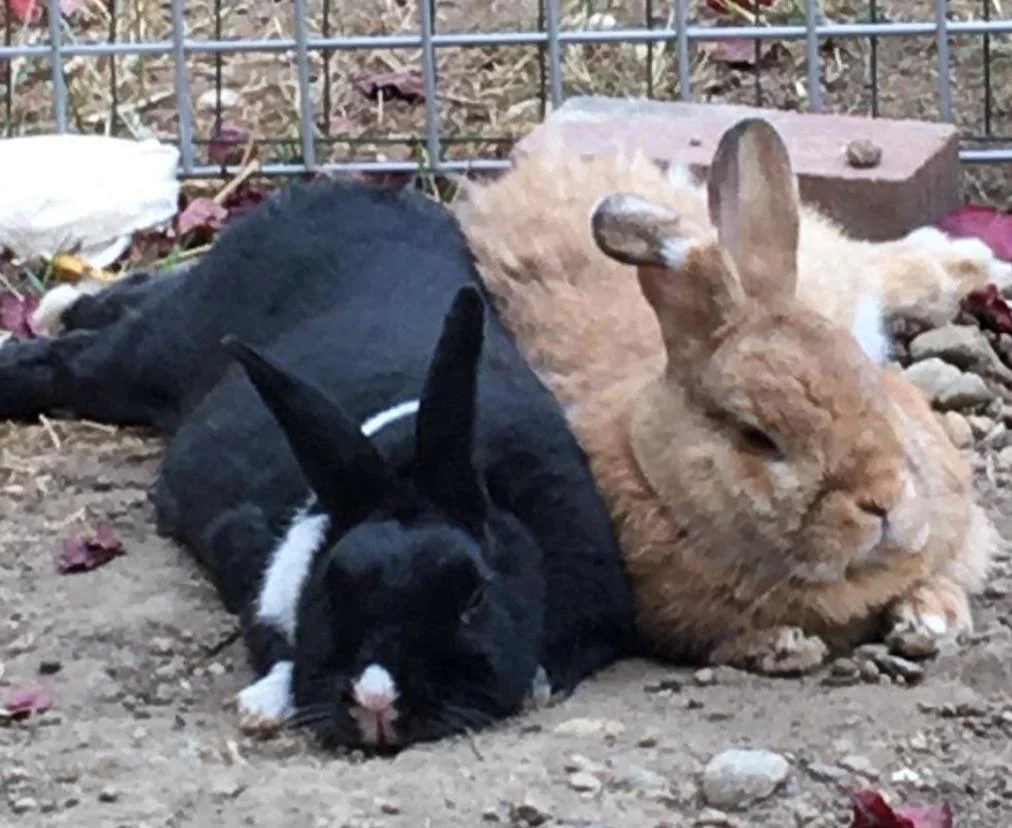
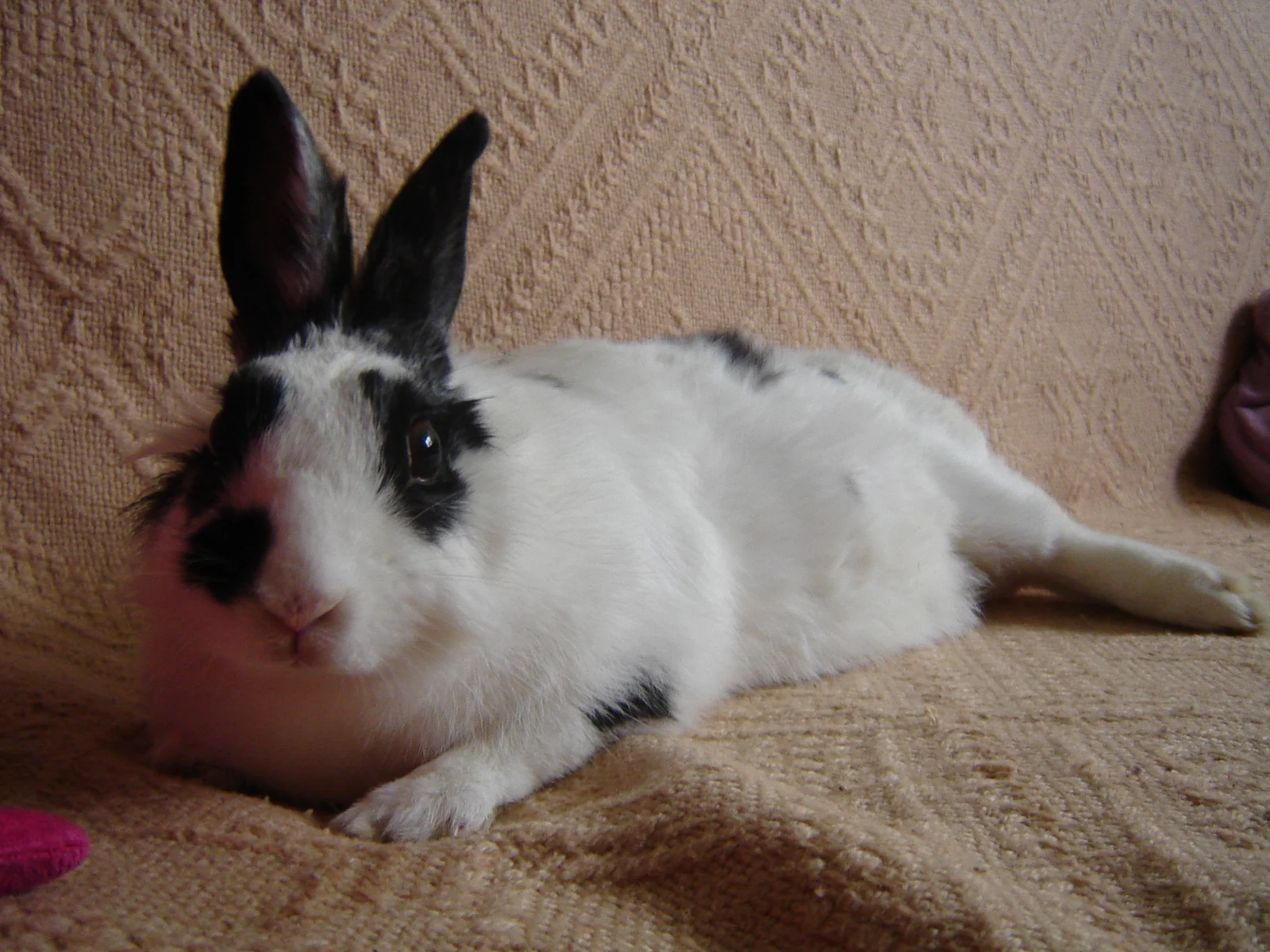
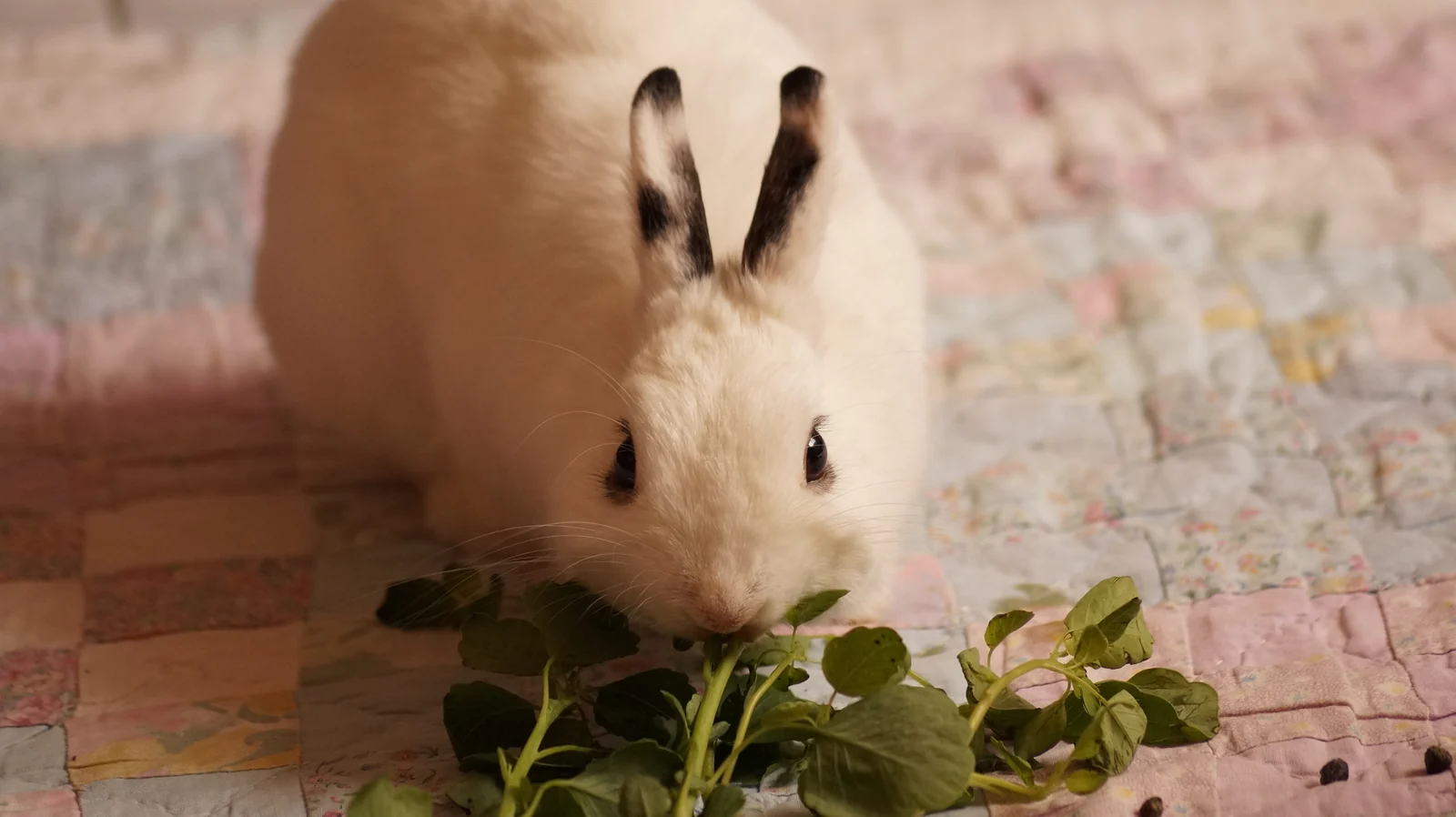
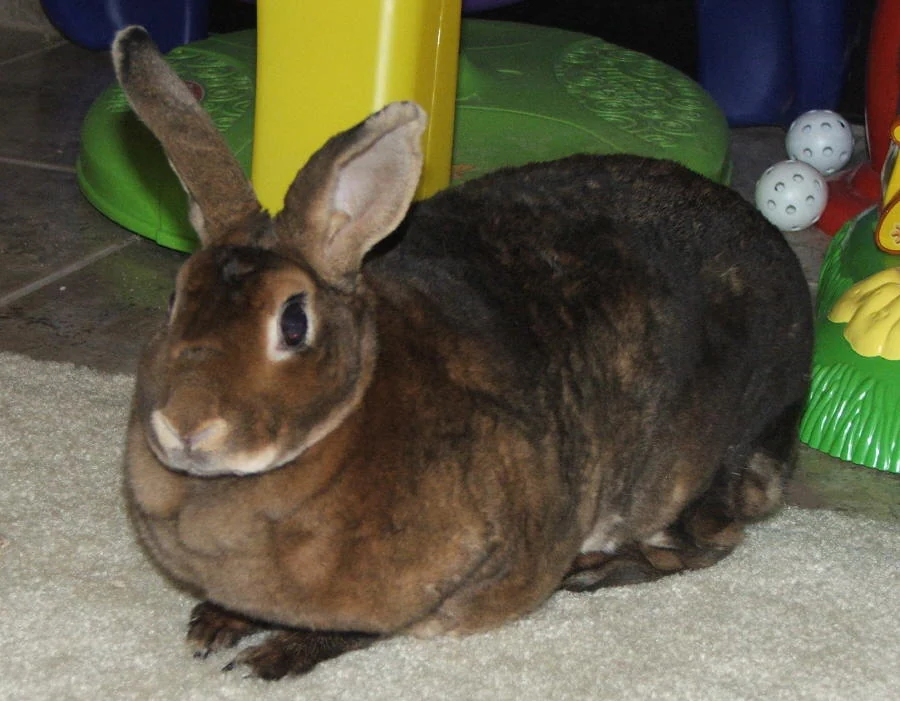
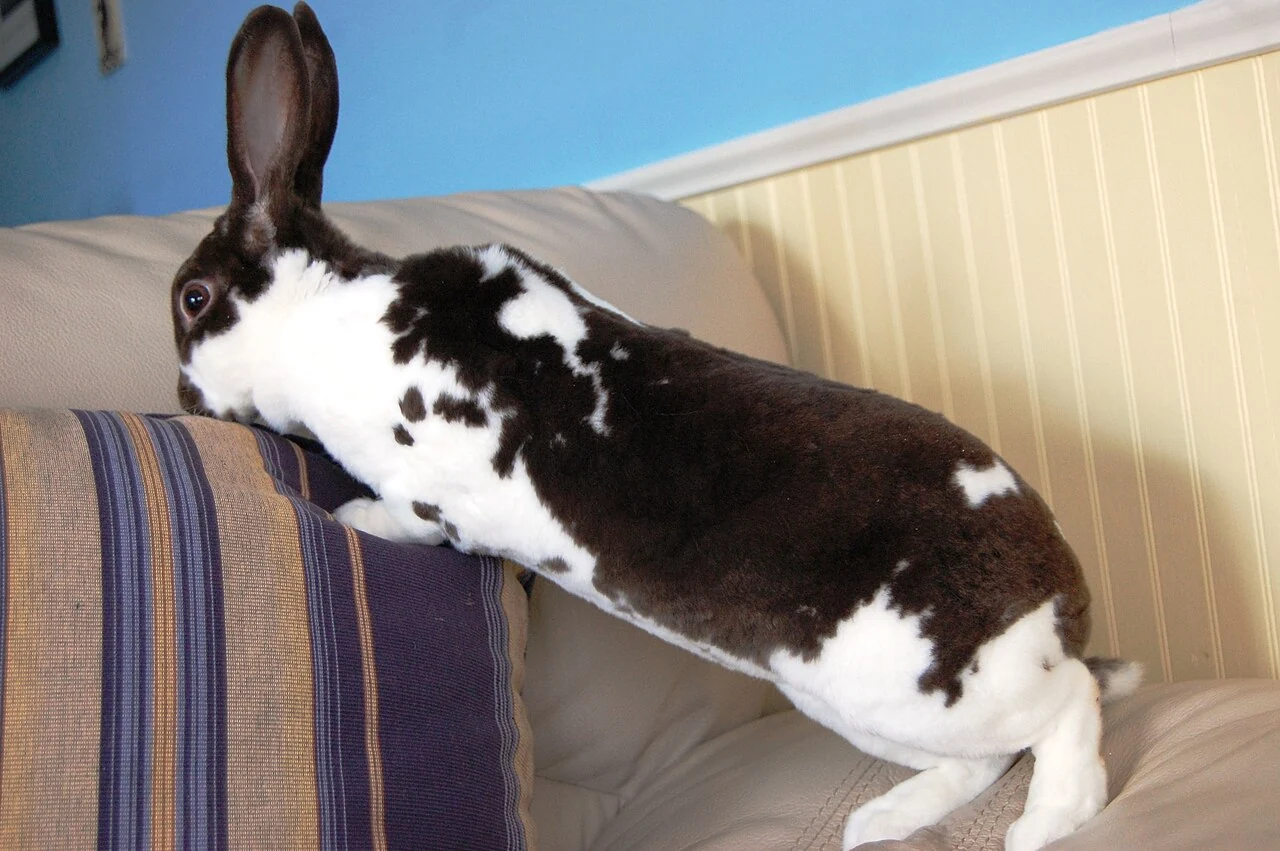
Photo: Broken Castor Rex Rabbit.JPG · Mr. Rex · CC BY-SA 4.0. Resized and converted to WebP; scene unchanged.
Photo: Rabbit minirex doe castor.jpg · Lithonius · Public domain. Resized and converted to WebP; scene unchanged.
Photo: Broken Mini Rex.JPG · Roberto Reyes (Reyes21045) · CC BY-SA 3.0. Resized and converted to WebP; scene unchanged.
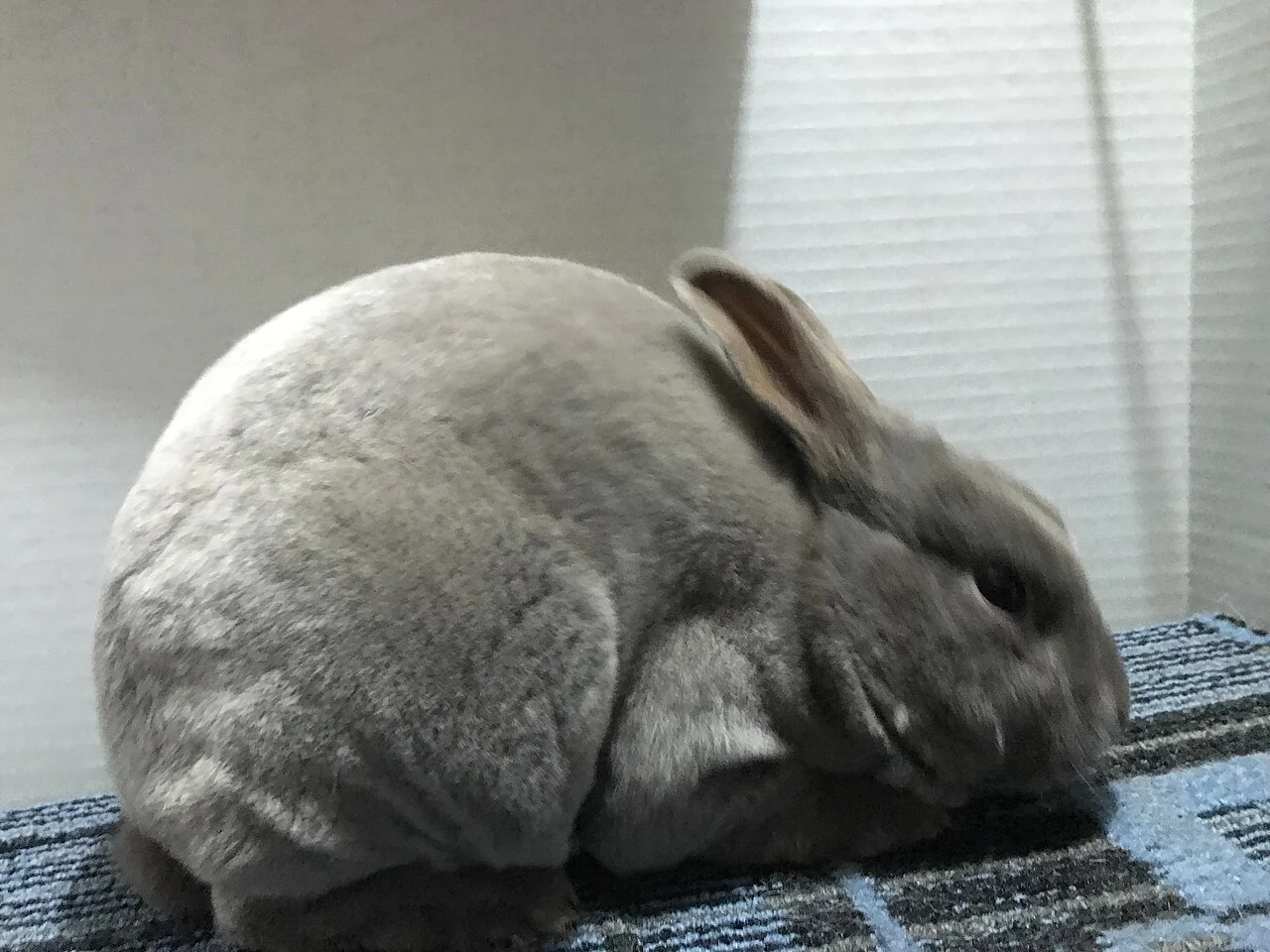
Photo: Fast Track, Lilac Mini Rex.jpg · Christathunder · CC BY-SA 4.0. Resized and converted to WebP; scene unchanged.