fellfolio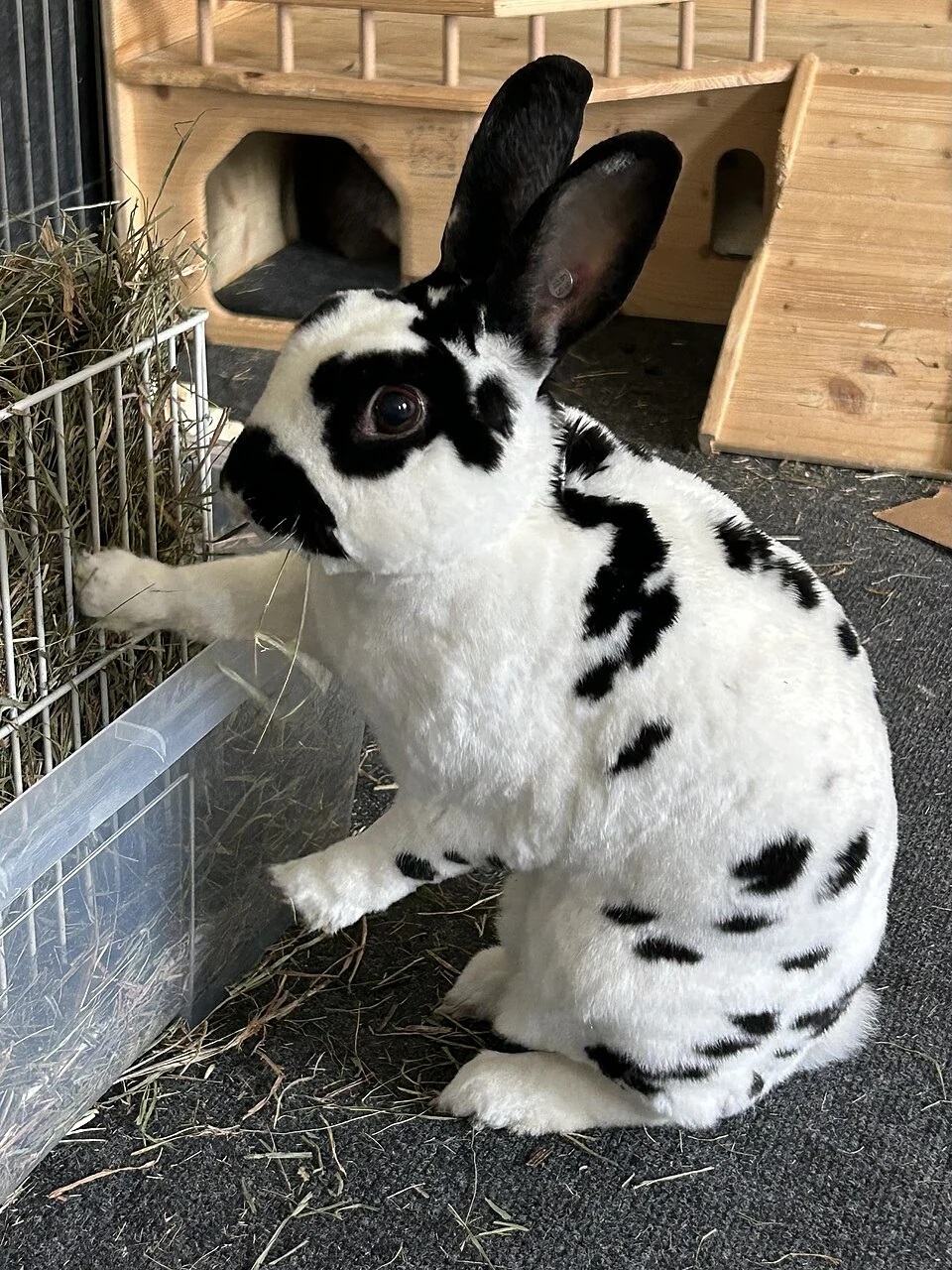
The development of the smaller Rex breeds
The National Mini Rex Rabbit Club traces the US breed to Monna Berryhill in Texas. Development began in 1984, and the American Rabbit Breeders Association, or ARBA, recognised it in 1988. Its US maximum show weight is 4.5 lb, about 2.04 kg. German Klein-Rex rabbits follow a different standard. The current portrait published by the German breeders’ association ZDRK gives an ideal weight of 2.00 to 2.50 kg. In Britain, the British Rabbit Council lists the name Miniature Rex.
In Rex fur, the longer outer guard hairs are shortened so they barely project above the softer undercoat. This produces the dense, upright appearance. Rex describes a coat structure rather than a single body size. A Mini Rex should therefore not automatically be equated with any rabbit advertised as a dwarf Rex. When choosing a rabbit, you should ask about the breed, registry country and expected adult size.
Give the floor particular attention
Rabbit feet have fur beneath them rather than the bare pads seen on dogs. In Rex rabbits, the shortened guard hairs can offer less protection from pressure. Floors should therefore be soft, dry and easy to grip without rubbing the skin. Wire flooring, hard edges and persistently damp bedding are unsuitable. Even a rough carpet can cause irritation despite feeling comfortable to a person.
A generous enclosure gives room for separate resting places, feeding spots and open running routes. For two average-sized rabbits, the Rabbit Welfare Association & Fund, or RWAF, recommends a permanently accessible single floor area of at least 3 by 2 metres and a height of 1 metre. Tunnels and hides should leave those routes open. An indoor setup also needs protection from reachable cables and poisonous plants. Our housing guide explains how to put the whole space together.
Read more: Rabbit housing: space, exercise and companionship
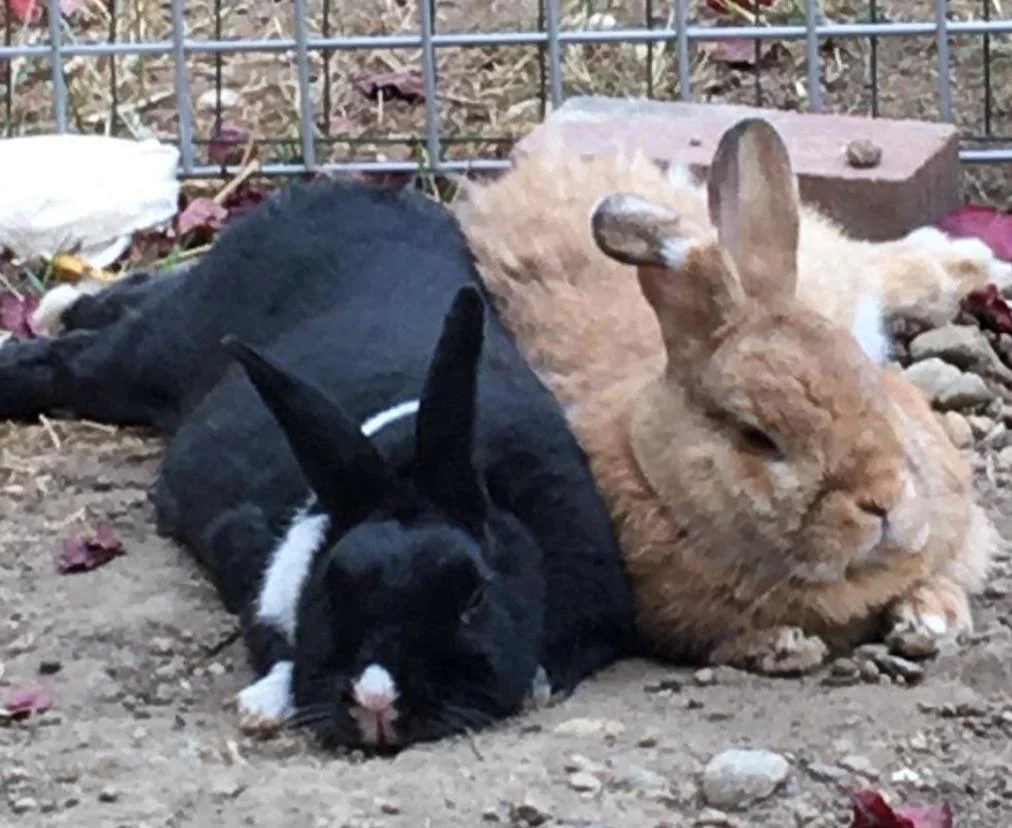
Resting, feeding and exploring together
A Mini Rex should be able to live with a compatible rabbit companion. The partner does not need to be another Rex. Health, behaviour and similar adult size matter more. Adopting an established pair lets you see how the rabbits interact before you bring them home.
Before introducing unfamiliar rabbits, health and neutering should be discussed. Meetings need a prepared neutral area outside territory that either rabbit already claims. Room to move away is helpful, but early encounters should still be supervised. Later on, feeding and resting places should be arranged so both rabbits can eat undisturbed and move away when they choose. Our bonding guide explains these preparations and the introduction process in detail.
Read more: Bonding rabbits: preparing for a shared home
Hay and grass at the heart of the diet
Good hay and suitable fresh grass should be available throughout the day. Hay is dried grass. Both provide plant fibres that support movement through the gut and allow long periods of chewing. Chewing helps wear teeth that continue to grow throughout life. Fresh grass should come from a safe, untreated area and be introduced gradually. Lawnmower clippings are unsuitable because they can ferment quickly.
Leafy greens and herbs add variety. Pellets, which are compressed pieces of feed, should be offered in an appropriate small portion. Pellets used in food searches should come from the planned daily ration. A veterinary appointment is a good opportunity to review both diet and body condition. Excess weight also adds pressure to the feet. Clean drinking water should always be easy to reach.
Notice changes under the feet early
During a calm check, you should look for red skin, new or enlarging bare patches, swelling or open sores beneath the feet. These changes should be assessed by a vet. Inflammation of skin on the weight-bearing part of the foot is called pododermatitis. It can be painful, and worsening wounds may affect deeper tissue. Early advice is useful rather than waiting for obvious limping.
Dry bedding, an appropriate weight and suitable claw length help reduce the risk. A rabbit-experienced vet or nurse should show you how to inspect the feet without force and care for the claws. Eating and droppings deserve daily attention too. If your rabbit eats much less or produces very few droppings, you should contact a vet immediately. Regular examinations and a vaccination plan suited to your location complement these daily observations.
Gentle grooming and simple activities
The short coat should be checked regularly for loose hair and skin changes. Short, quiet grooming sessions on a secure surface can help. Routine baths are unnecessary and can be very stressful for rabbits. Recurrent soiling should be discussed with the vet, since dental problems, pain or the housing arrangement may contribute.
A stable digging box filled with loose paper can offer somewhere to dig. It should be roomy, with a soft, safe way to enter and leave. For a simple food search, you can place a few familiar herbs in several easy-to-reach spots. Both rabbits should have room to take part. At floor level, it is easier to notice whether your Rex approaches with interest or prefers some distance. A retreat should be respected.
Look beyond the velvet coat when choosing
Before bringing rabbits home, you should meet both animals quietly and ask about any previous foot or dental problems. Their movement, housing and health records tell you more about their care than the feel of the coat alone. Adult weight should be interpreted in the context of the breed’s registry background. If a rabbit already has health concerns, veterinary advice before adoption can help you plan its needs.
The cost calculator helps bring together food, bedding, preventive appointments and a reserve for possible treatment. Our small-pet finder lets you compare the available space and time with other species. Holidays and illness also need a carer who can look after both rabbits and notice changes promptly. Our life-stage guide explains how daily care develops from young rabbits through adulthood and into older age.
Read more: Rabbit life stages: from youngsters to older companions · Which small pet suits your home? Six rodents compared
Common questions
Are Mini Rex and German Klein-Rex identical registered breeds?
Both names describe small rabbits with Rex coats, with different association standards. The US maximum show weight is about 2.04 kg. German ZDRK gives an ideal weight of 2.00 to 2.50 kg for Klein-Rex rabbits.
Why does flooring matter so much for Rex rabbits?
The fur beneath Rex feet can offer less protection from pressure. Soft, dry surfaces should protect them. Redness, new or enlarging bare patches and wounds should be examined by a vet.
Does a Rex rabbit need baths?
Routine bathing is unnecessary. If soiling keeps occurring, you should seek veterinary advice about the cause and appropriate care.
A closer look

Sources and photo credit
- Recognized BreedsAmerican Rabbit Breeders AssociationThe development of the smaller Rex breeds
- About The Breed: The Breeds HistoryNational Mini Rex Rabbit ClubThe development of the smaller Rex breeds
- Rasse des Jahres 2026: Klein-Rexe gepardfarbig schwarz-gelb-weißZentralverband Deutscher Rasse-KaninchenzüchterThe development of the smaller Rex breeds
- Rabbit BreedsBritish Rabbit CouncilThe development of the smaller Rex breeds
- Space RecommendationsRabbit Welfare Association & FundGive the floor particular attention
- Keeping rabbits in your homeRSPCAGive the floor particular attention · Gentle grooming and simple activities
- Company for pet rabbitsRSPCAResting, feeding and exploring together
- What do rabbits eat?RSPCAHay and grass at the heart of the diet
- Nutrition of RabbitsMerck Veterinary ManualHay and grass at the heart of the diet
- Noninfectious Diseases of RabbitsMerck Veterinary ManualGive the floor particular attention · Notice changes under the feet early
- Sore HocksRabbit Welfare Association & FundGive the floor particular attention · Hay and grass at the heart of the diet · Notice changes under the feet early
- How to keep your rabbit healthyRSPCANotice changes under the feet early · Look beyond the velvet coat when choosing
- Pet rabbits: Handling rabbitsRSPCA
- Understanding rabbit behaviourRSPCAGentle grooming and simple activities
- ForagingRabbit Welfare Association & FundGentle grooming and simple activities
- Bathing RabbitsRabbit Welfare Association & FundGentle grooming and simple activities
- New to RabbitsRabbit Welfare Association & FundHay and grass at the heart of the diet · Look beyond the velvet coat when choosing
Photo credits
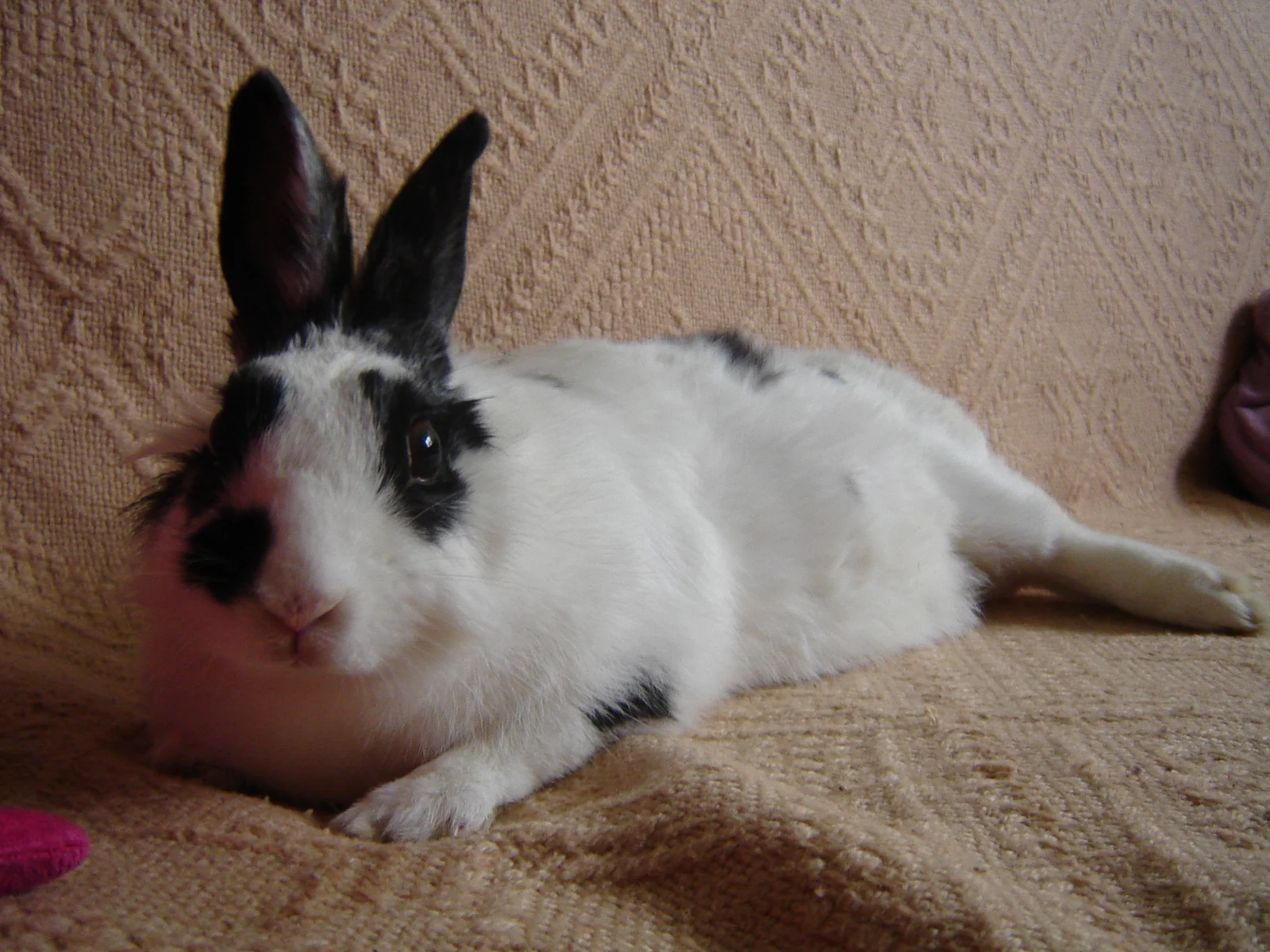
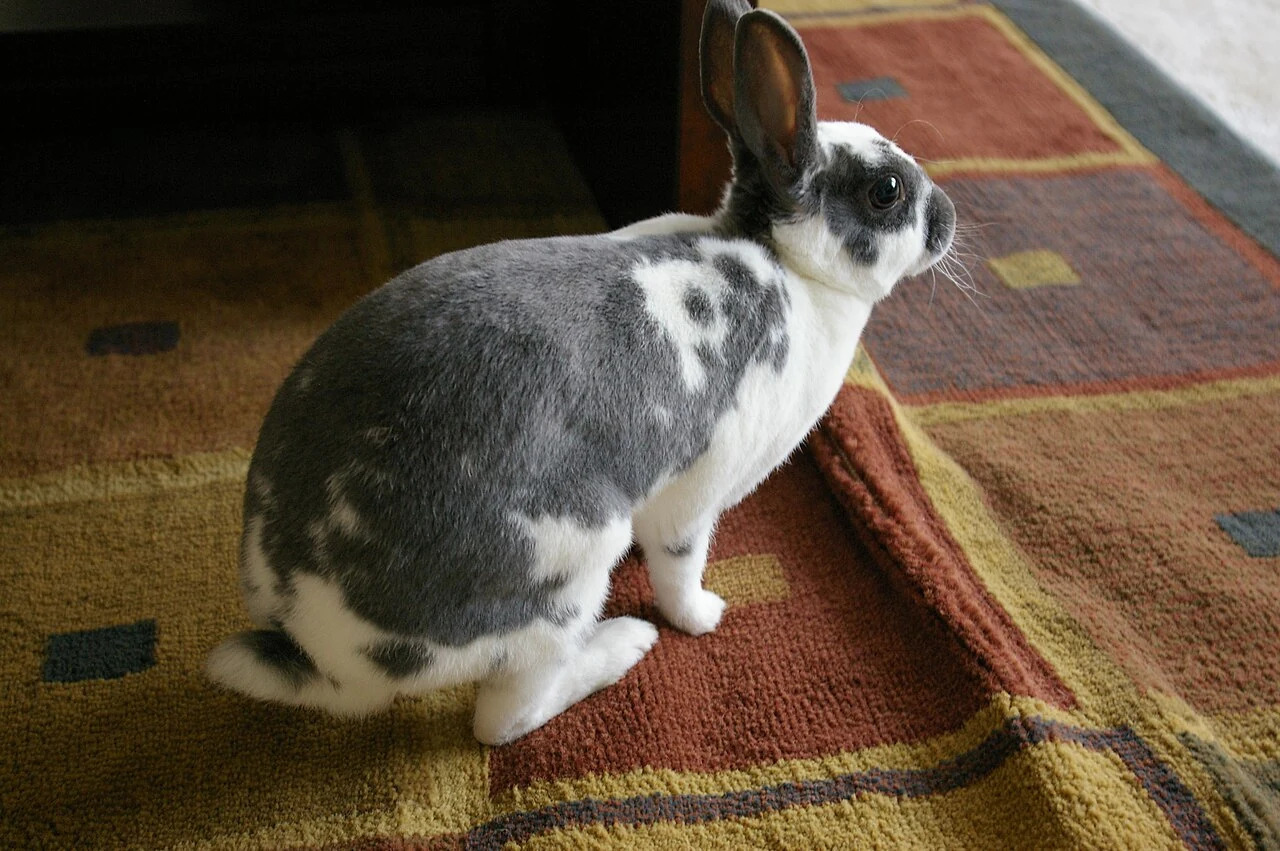
Photo: Dalmatian Pattern Mini Rex.jpg · Deltadelta199 · CC BY-SA 4.0. Image format adapted.
Photo: IMGP3149 Patterned Mini Rex doe.jpg · Daliam44 · CC BY-SA 3.0. Image format adapted.
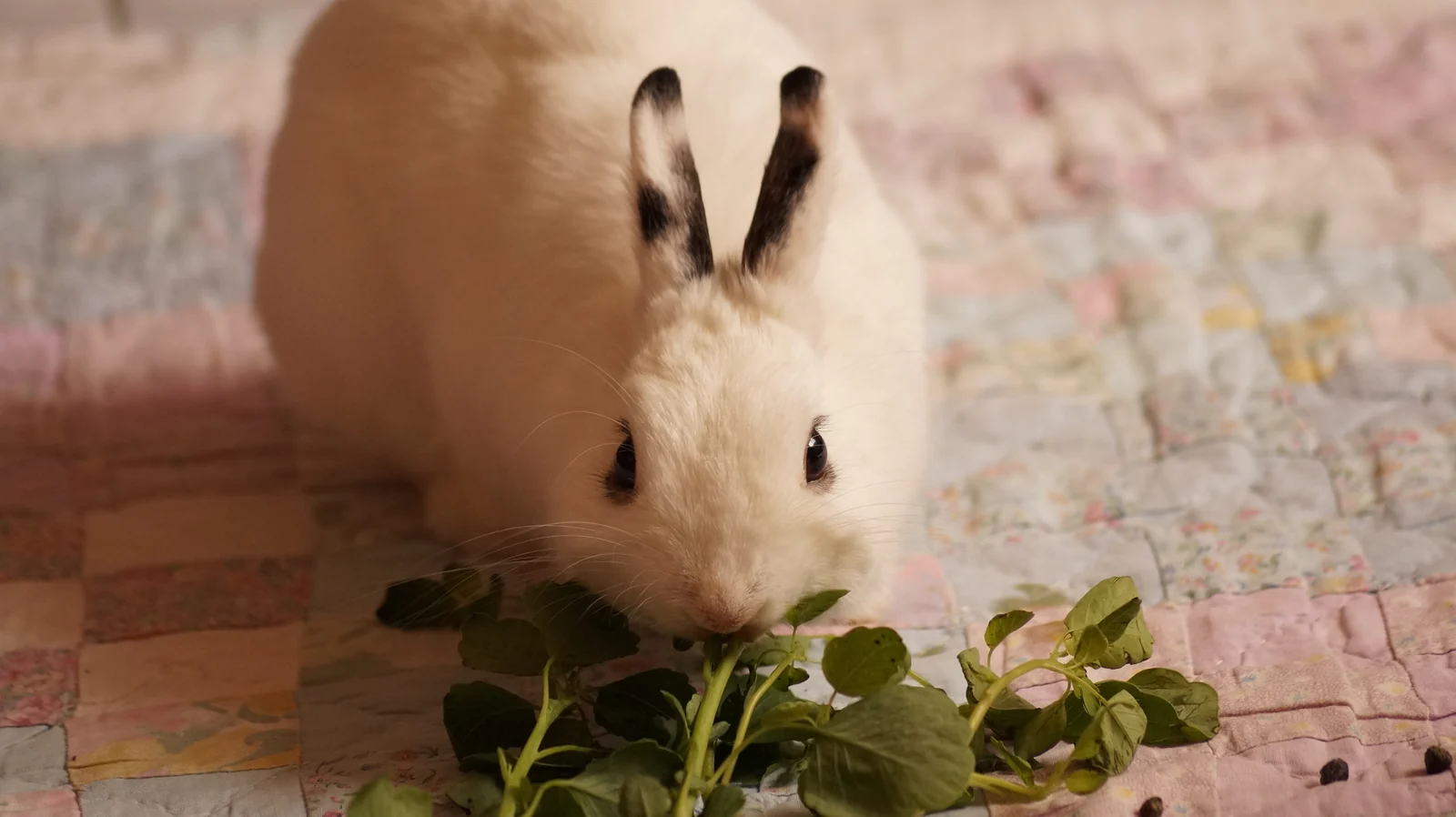
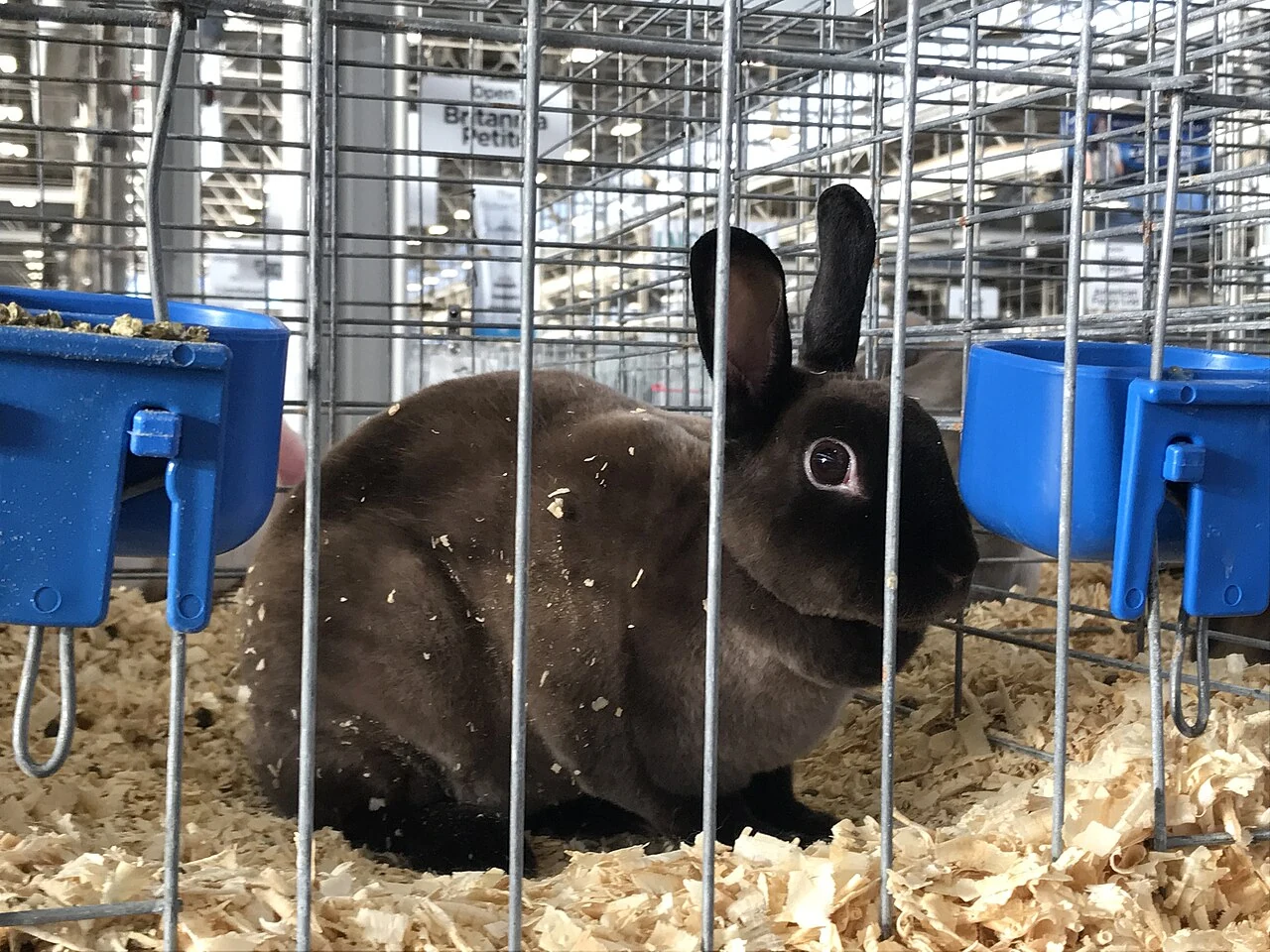
Photo: Sable Mini Rex.jpg · Christa Deines (Christathunder) · CC BY-SA 4.0. Image format adapted.
Photo: Rabbit Grooming itself.jpg · BlueBunnyRabbit · CC0. Image format adapted.