fellfolio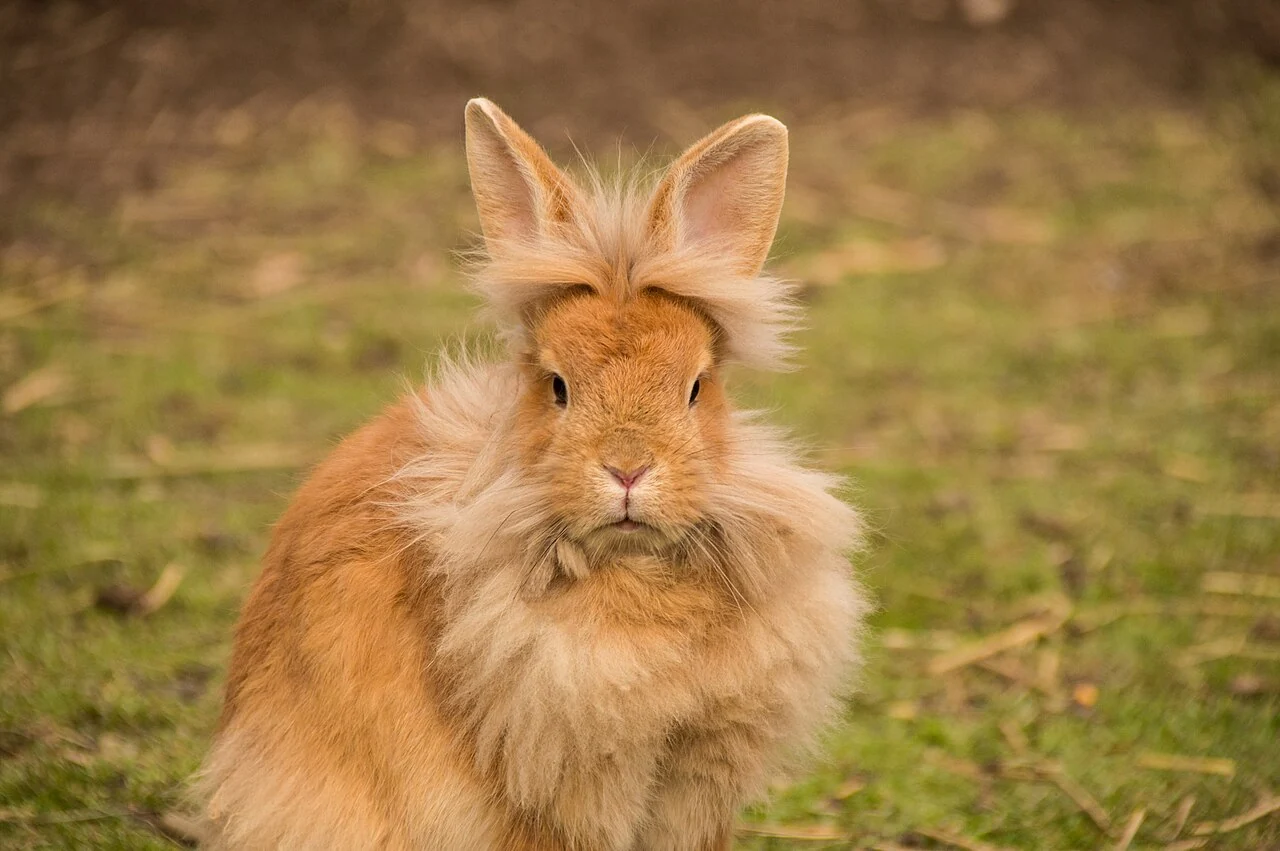
A mane that varies between individuals
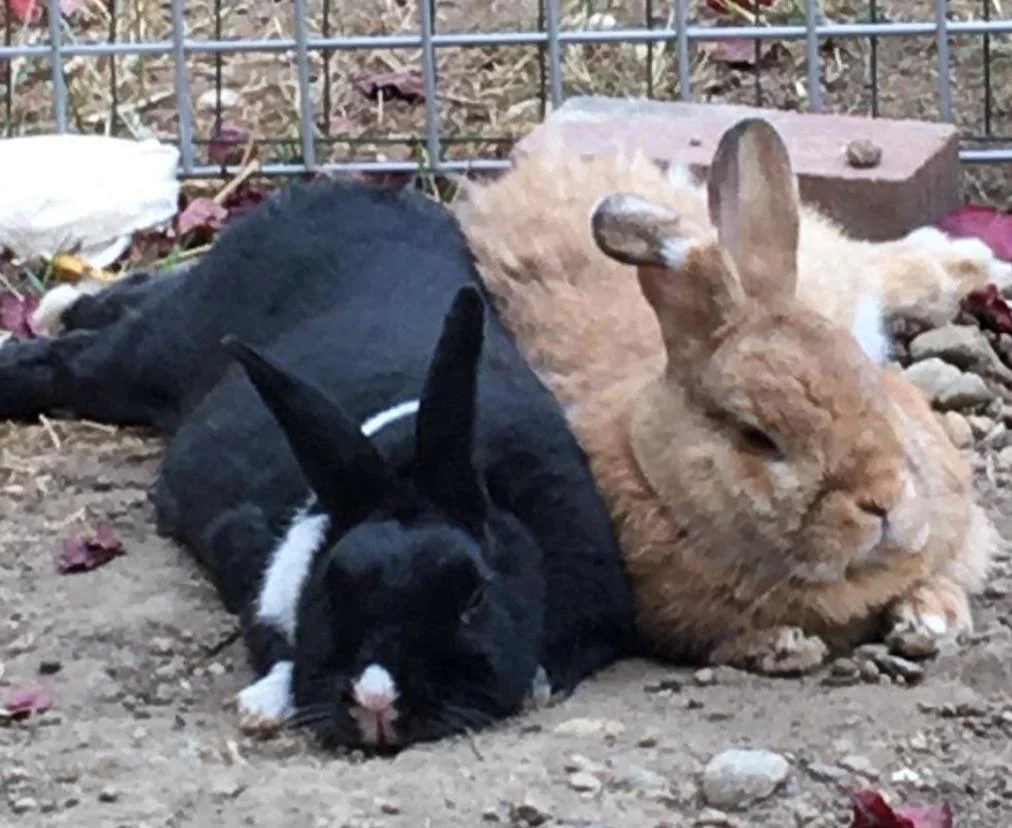
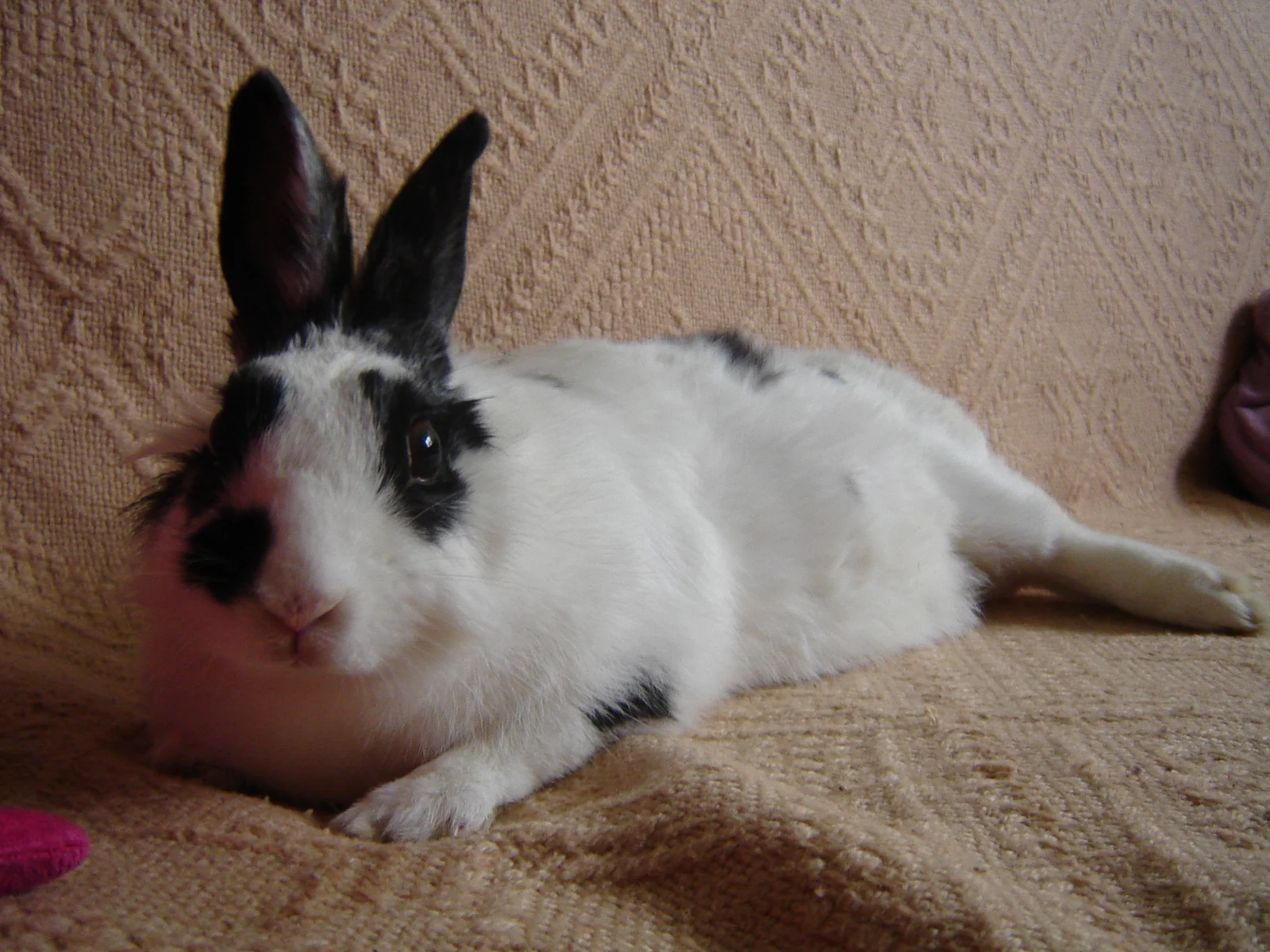
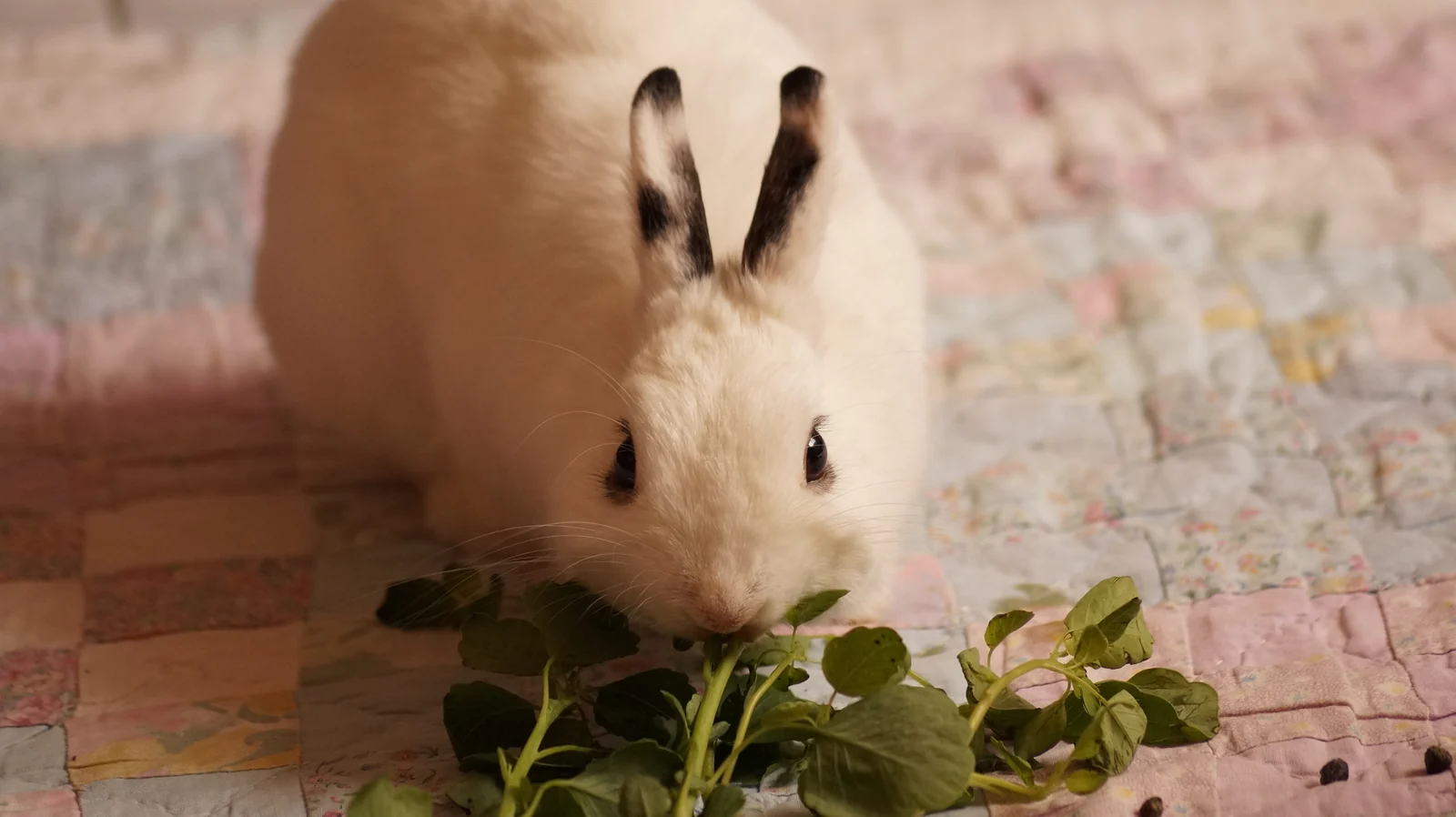
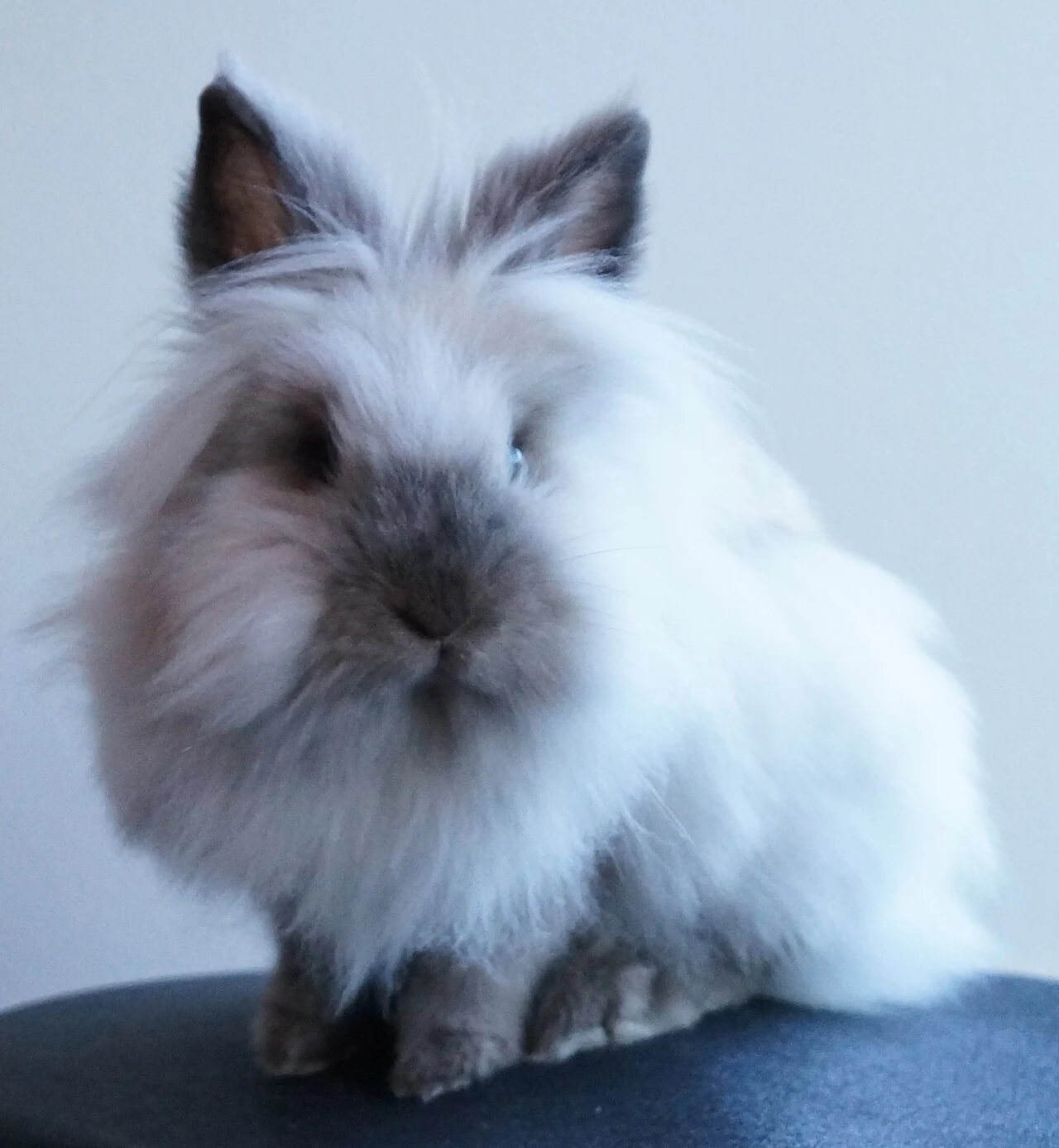
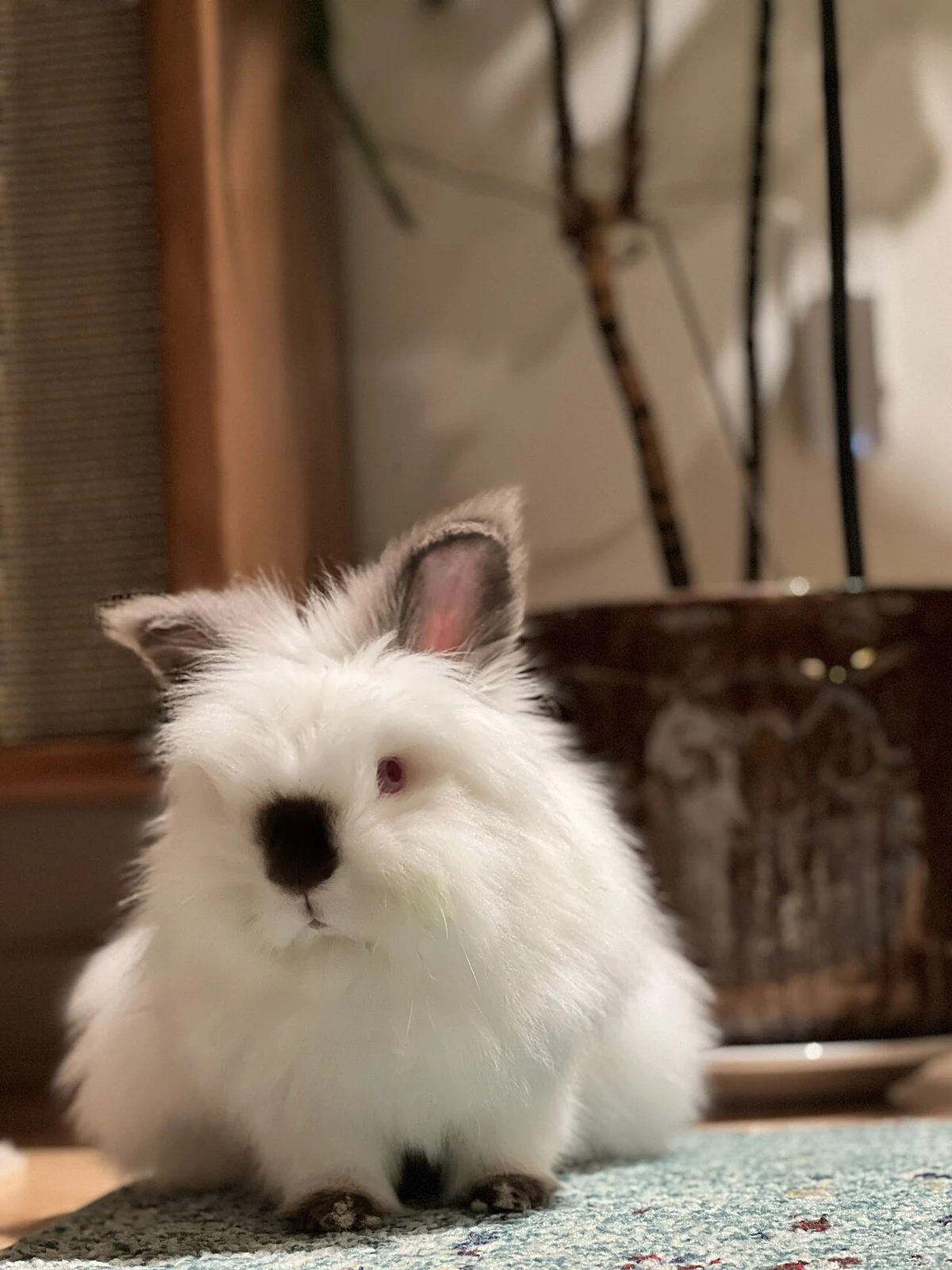
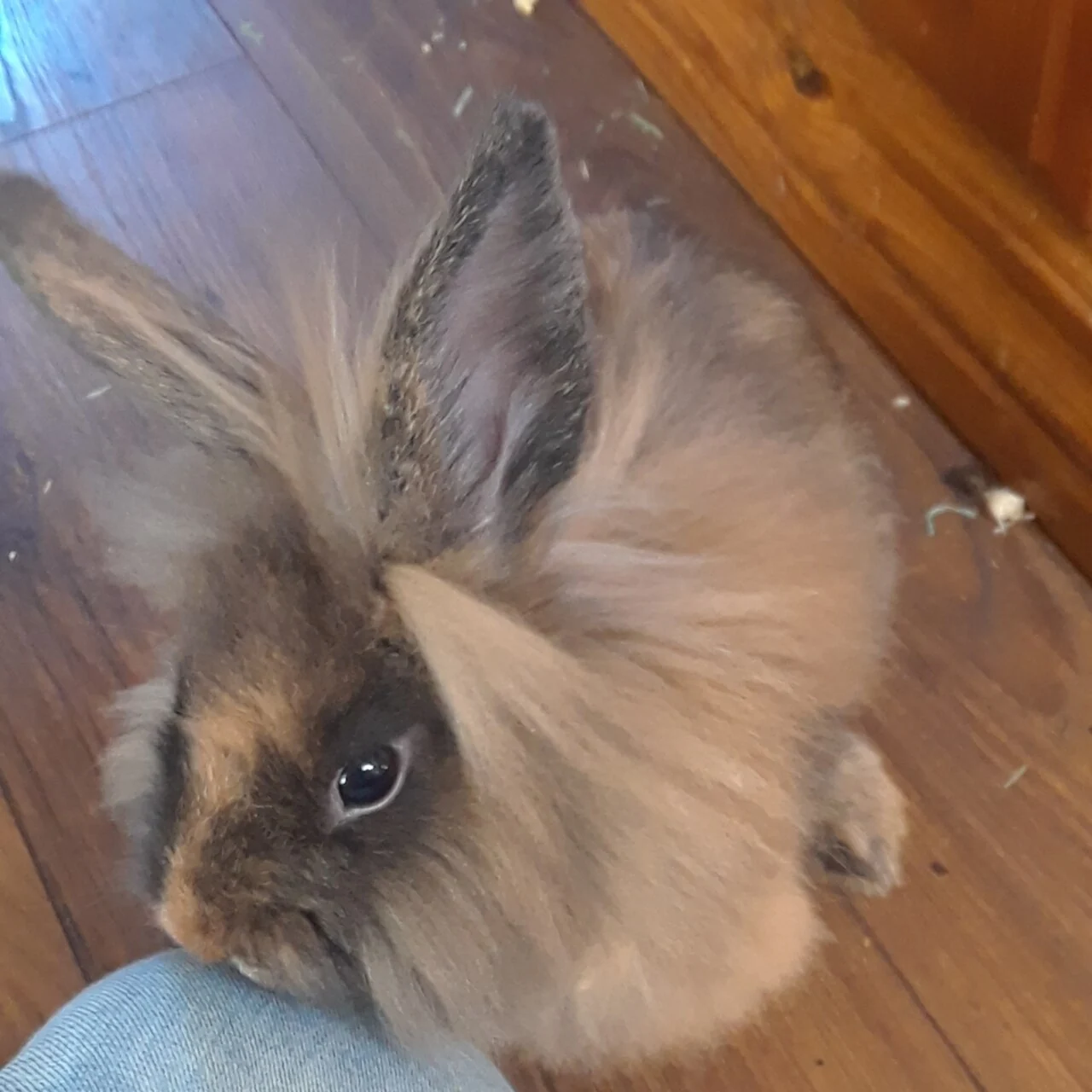
Several breeding organisations recognise the Lionhead; American recognition came in 2014. Pet homes also contain crosses with more or less pronounced manes. Animals described as lionheads therefore do not all look alike. Some mainly have longer hair around the head, while others have substantial hair elsewhere too.
Care should reflect the actual coat. A breed label does not explain how quickly this rabbit develops knots or whether longer hair interferes with its vision. At adoption, a quiet grooming demonstration with previous carers is useful. They can show sensitive areas and techniques that have worked well. It also gives the new owner a realistic picture of the time and handling support required.
Sources for this section
- Recognized BreedsAmerican Rabbit Breeders Association
- How to keep your rabbit healthyRSPCA
Finding small knots early
Hair behind the ears, beneath the chin and in areas of friction should be gently parted. This reveals small knots before they become firm mats. Matting can pull on the skin and hold dampness or dirt beneath it. A suitable brush or comb should match the coat and be used without tugging.
A knot that cannot be released comfortably needs help from an experienced veterinary practice or knowledgeable groomer. Thin rabbit skin can be injured by scissors, especially when it has been pulled into a mat. Whole-body bathing is unnecessary for ordinary grooming. A dirty rear also deserves investigation of why the rabbit cannot keep itself clean. Mobility difficulties, unsuitable feeding or illness may contribute, and removing dirt alone does not address those causes.
Read more: Daily rabbit care: noticing small changes
Sources for this section
- How to keep your rabbit healthyRSPCA
- Flystrike in rabbitsRabbit Welfare Association & Fund
Building comfortable grooming in small steps
Secure footing at floor level, or another safe position recommended by an experienced professional, makes grooming easier. Initially, sitting calmly beside the person and accepting a brief touch may be enough. A few brush strokes can follow later. A suitably small amount of familiar food may help create a positive association with the situation.
If the rabbit moves away or becomes very tense, the task should be made easier. Necessary care still needs to happen before painful mats develop. Where a rabbit is difficult to groom, a practical plan with experienced help is valuable. It should cover immediate coat care as well as gradual familiarisation with handling. That approach gives the owner something specific to practise between appointments.
Sources for this section
Furnishings that work with the coat
A useful living area provides running routes, several retreats and shared feeding places. With lionheads, it also helps to notice whether bedding and furnishings repeatedly catch in the hair. Clean, dry resting surfaces and smooth edges make daily care easier. Tunnels and doorways need enough room to avoid trapping body or coat.
A compatible rabbit companion remains important even when the animal has frequent human contact. A settled pair can explore, feed and rest together. When finding a new partner, behaviour and health considerations should guide the choice. Two rabbits with similar manes are not automatically better matched than animals that look different. An experienced rescue can help assess potential companions and support the introduction process.
Read more: Rabbit housing: space, exercise and companionship · Bonding rabbits: preparing for a shared home
Sources for this section
- Creating the right home for rabbitsRSPCA
- Company for pet rabbitsRSPCA
- Space recommendationsRabbit Welfare Association & Fund
Food, weight and checks beneath the hair
Hay and suitable grass remain central to feeding. Other foods should reflect age, body condition and the established diet. Appropriate grooming helps remove loose hair during moulting. Reduced appetite or a marked reduction in droppings warrants prompt contact with a rabbit-experienced practice. Home remedies do not replace investigation of the cause.
Dense hair can hide weight loss. Regular weighing on a secure surface therefore adds useful information to daily observations of eating. Eyes and skin should remain visible too. Later in life, reduced mobility can affect self-grooming. Grooming sessions, litter-tray entrances and feeding positions can then be adjusted. Recorded weight changes or photographs of a skin problem help the practice understand how a concern has developed over time.
Read more: Feeding rabbits: hay, greens and everyday habits · Rabbit life stages: from youngsters to older companions
Sources for this section
- What do rabbits eat?RSPCA
- How to keep your rabbit healthyRSPCA
- Flystrike in rabbitsRabbit Welfare Association & Fund
Common questions
Does a lionhead need brushing every day?
It depends on coat density, moulting and the rabbit’s ability to groom itself. A short daily check helps establish the right routine. Hair that mats quickly may need daily assistance.
Can the mane simply be cut shorter?
If hair interferes with vision or care, an experienced professional should demonstrate a safe solution. Uncontrolled cutting near the eyes and delicate skin is risky.
A closer look
Sources and photo credit
- Creating the right home for rabbitsRSPCA
- Space recommendationsRabbit Welfare Association & Fund
- Company for pet rabbitsRSPCA
- Enrichment for rabbitsRSPCA
- What do rabbits eat?RSPCA
- How to keep your rabbit healthyRSPCA
- Flystrike in rabbitsRabbit Welfare Association & Fund
- Pet rabbits: care, behaviour and welfareRSPCA
- Recognized BreedsAmerican Rabbit Breeders Association
Photo: Rabbit - Lionhead breed.jpg · HutchRock · CC0. Resized and converted to WebP; scene unchanged.
Photo: Lionhead rabbit Dobby.jpg · Emmaima · CC BY-SA 4.0. Resized and converted to WebP; scene unchanged.
Photo: Lionhead Rabbit with black nose.jpg · Kiraface · CC BY-SA 4.0. Resized and converted to WebP; scene unchanged.
Photo: Caramel a 3 month old Lionhead rabbit.jpg · Nesquickthebun · CC BY-SA 4.0. Resized and converted to WebP; scene unchanged.