 fellfolio
Athletic hunting companion from Thailand
Thai Ridgeback
The Thai Ridgeback is an athletic dog from Thailand with a short coat and a distinctive ridge of hair along its back. It can be closely attached to its family while remaining wary of strangers. Its jumping ability, prey drive and independence call for experienced care and a securely arranged home.
At a glance
- Size
- Medium
- Height at shoulder
- 51 to 61 cm
- Weight
- 16 to 34 kg
- Lifespan
- 14 to 15 years
- Activity
- High
- Grooming
- Weekly
- Training
- Patience & clear guidance
- Owner experience
- Experience recommended
An agile hunting dog with a distinctive coat ridge
The Thai Ridgeback comes from Thailand. In the eastern part of the country it was used for hunting, accompanied carts and guarded homes and property. The region’s limited transport connections meant relatively little mixing with other dog types.
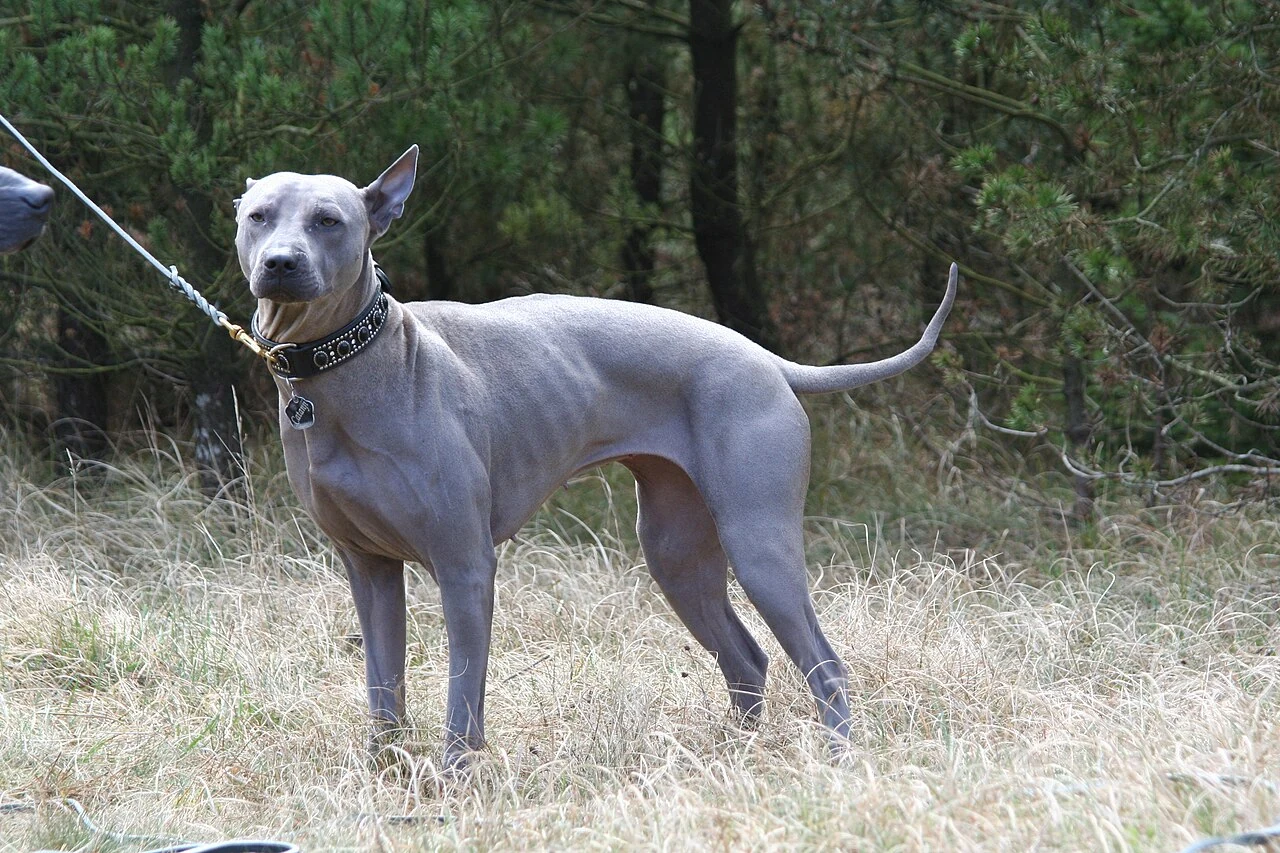
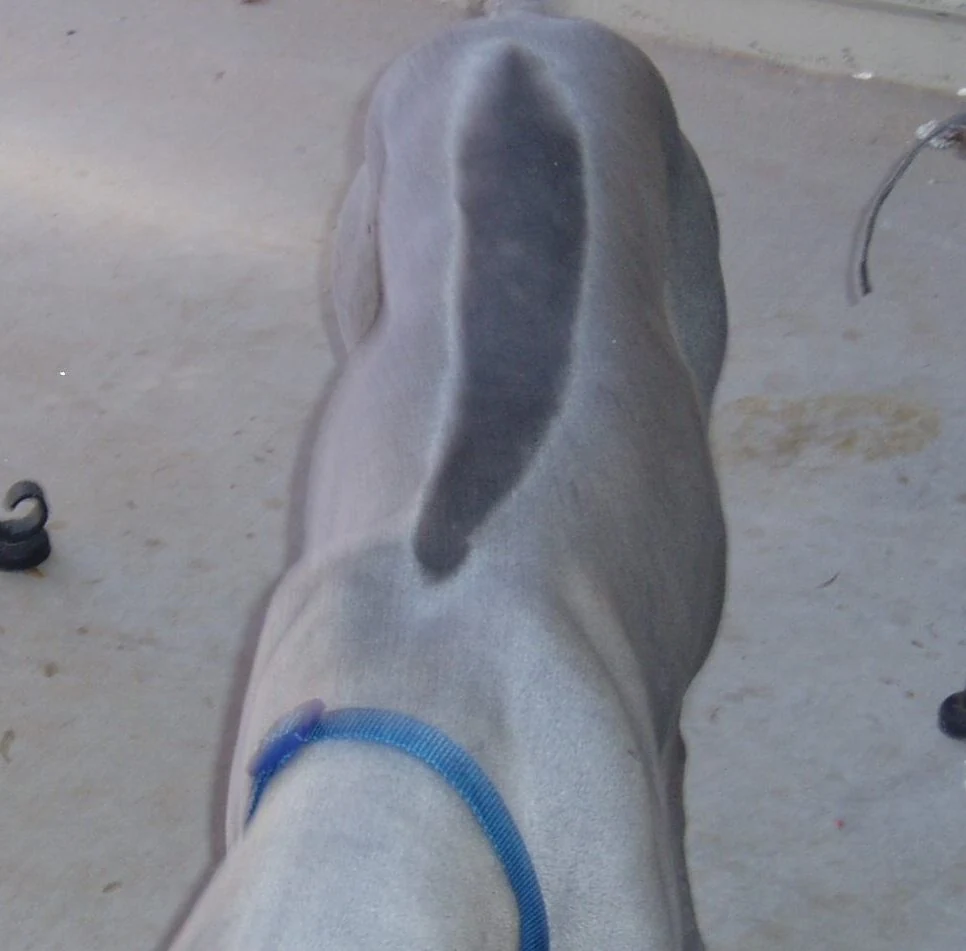
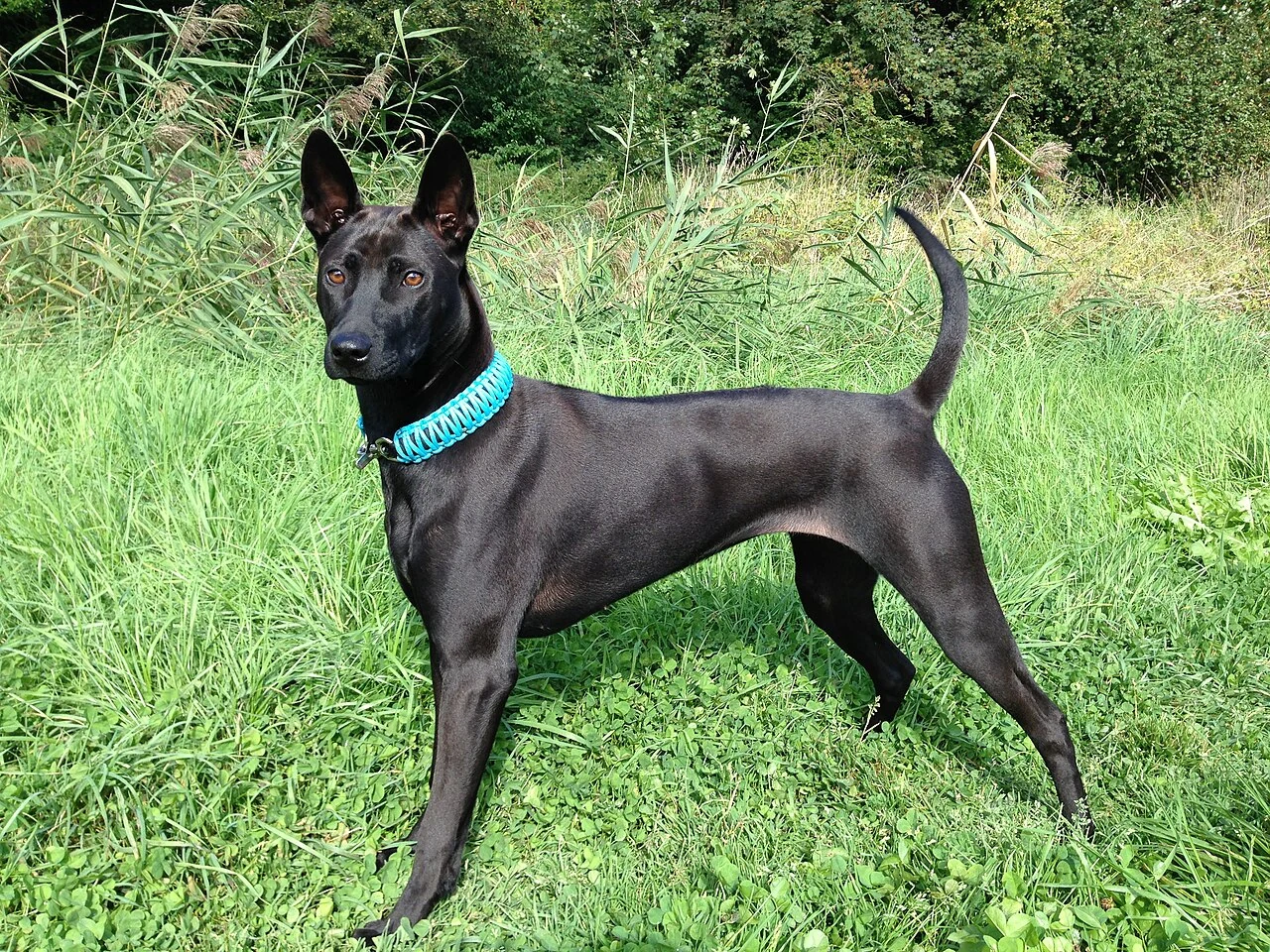
Its namesake feature is the ridge along its back. Hair within this strip grows in the opposite direction to the surrounding coat. The ridge is a coat feature, rather than a raised part of the spine. Upright ears, a muscular body and short, smooth hair complete its appearance. The international kennel organisation FCI recognises red, black, blue and a very pale fawn colour called isabella. Ideal shoulder heights are 56 to 61 centimetres for males and 51 to 56 centimetres for females, with a tolerance of two and a half centimetres either way. The American Kennel Club gives approximately 16 to 34 kilograms as a weight guide.
Many Thai Ridgebacks are closely attached to familiar people. Strangers should give them time to become comfortable with their presence. When visitors arrive, a quiet place away from the entrance can let the dog observe. The breed is best suited to someone who has already worked with independent dogs and can accommodate its reserve around unfamiliar people.
Everyday life
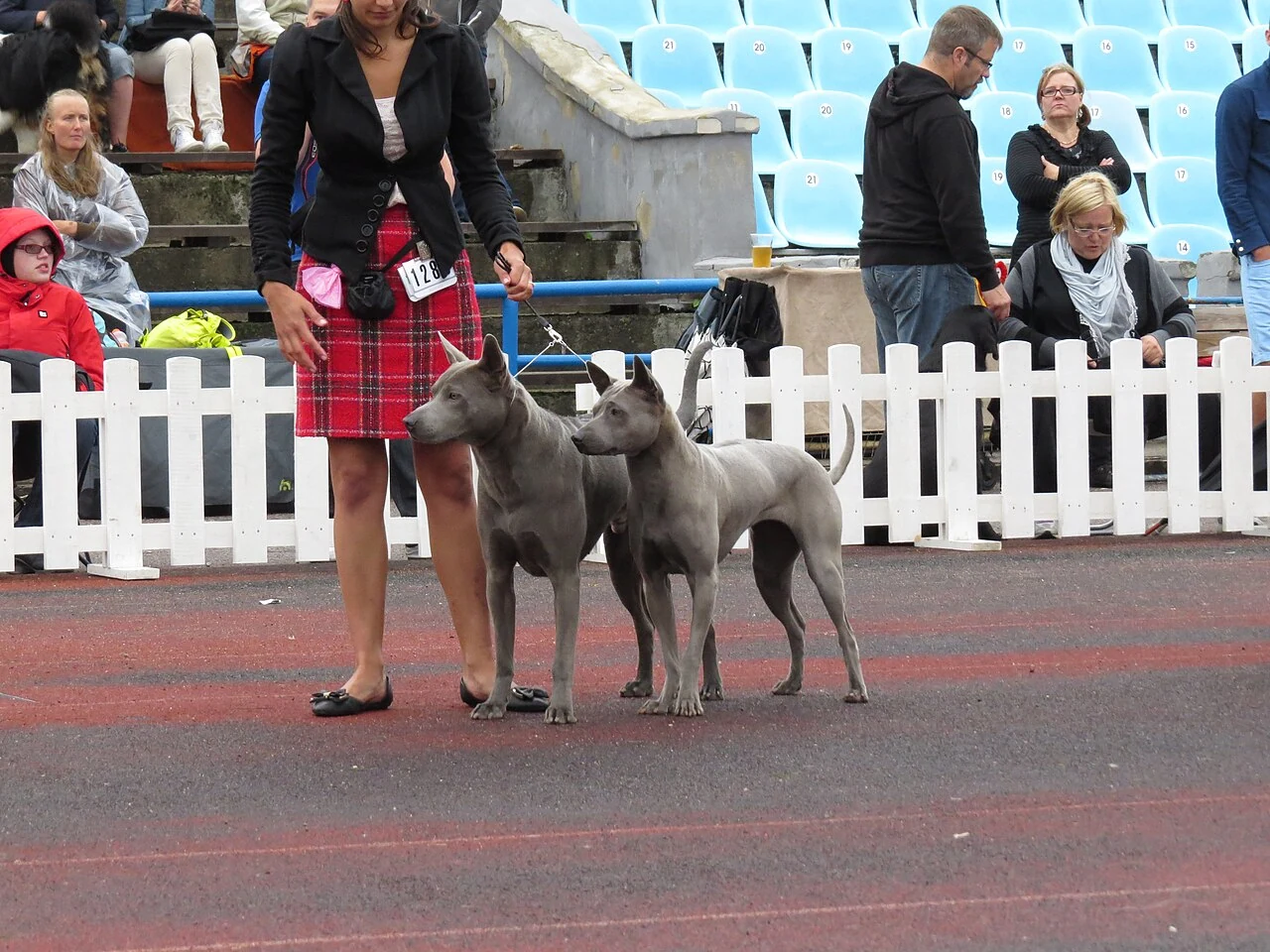
A Thai Ridgeback needs exercise and shared activities. Longer walks can include scent searches and brief training exercises. Returning when called and walking on a loose lead should be taught early. Small learning steps and suitable rewards help the dog understand the task. If an exercise becomes too difficult, reducing distractions or distance can make it manageable again.
Prey drive needs to be considered when planning walks. An animal that suddenly runs away can attract much more attention than a call from its owner. Off lead exercise should therefore take place within secure fencing. The fence also needs to account for the breed’s considerable jumping ability. Low garden fences and open gates are not reliable boundaries.
Cats and other small pets can trigger hunting behaviour. Before planning a shared home, you should assess the individual dog with a qualified behaviour professional and provide secure separation. An adult should supervise children with it. Someone providing care needs clear arrangements for exercise, encounters and feeding. A Fellfolio handover can bring that information together with the dog’s familiar routines.
Staying home alone
Dogs learn to stay home alone in small steps. The RSPCA advises no more than four hours at a time. Puppies and dogs that become unsettled when left alone need shorter absences and gradual practice. Arrange someone to care for your dog when you will be away longer.
Everyday dog training: recall, a loose lead and clear communication ↗
Day-to-day care
A soft brush or suitable grooming mitt helps remove loose hair from the short coat. More frequent brushing may be needed during shedding. A bath is useful when the dog is particularly dirty. Mild dog shampoo and thorough rinsing help avoid irritating the skin.
Grooming should also include a look at the back, paws and ears. Small skin openings, swelling or discharge should be examined by a vet. The health section explains why these signs deserve particular attention in a Thai Ridgeback. Nails should be kept short enough not to interfere with movement. Regular brushing with dog toothpaste helps care for the teeth and can be introduced through brief, rewarded handling.
Size and build
A Thai Ridgeback puppy should learn about daily life and its surroundings in small steps. A short car journey, watching passers by calmly and meeting a friendly visitor can provide useful experiences. It should be able to move away rather than being touched by several people at once. Harness, lead and grooming practice can be paired with small rewards.
As a young dog becomes stronger, its jumping ability develops too. Secure exercise space and dependable routines at doors and garden gates should already be in place. During growth, short explorations and play at its own pace are more suitable than prolonged forced running. Repeated high jumps should be avoided.
An older Thai Ridgeback may still enjoy exploring scents and familiar exercises. Shorter outings and more breaks help activities suit its stamina. Pain, stiffness or a marked change in movement should be investigated. The American Kennel Club gives fourteen to fifteen years as a guide to life expectancy.
From puppy to senior: caring for your dog through every life stage ↗
Health
Dermoid sinus occurs in the Thai Ridgeback. This term describes a skin tract present from birth that develops when the skin and nervous system do not separate fully before a puppy is born. It may remain shallow or extend close to the spinal cord. A small opening on the back or neck, a cord felt beneath the skin or discharge from such a site should be examined by a vet. Whether treatment is needed and what it involves depend on the tract’s depth and any inflammation. The visible coat ridge alone does not show whether a dog has this defect.
Hip dysplasia has also been reported in the breed. The hip joint is not sufficiently stable, which can cause pain and later arthritis. Before choosing a puppy, it is useful to discuss the parents’ hip assessments and known health problems in the family.
Appropriate food and a lean weight support the dog during growth and later life. Dated observations help during a veterinary assessment if its movement, appetite or skin changes. Fellfolio can keep photographs, weights and results together in the pet’s profile. The app’s emergency card has room for available contacts and important health information.
Could this breed fit your life?
Could work well if …
- You have experience with independent dogs and reward based training.
- You can make daily time for exercise, shared activities and calm encounters.
- Your home has exercise space that securely contains an accomplished jumper.
What to consider
- Prey drive and jumping ability require reliably secured exercise space.
- Unfamiliar people should be introduced calmly without crowding the dog.
- Unusual skin changes along the back or neck should be examined by a vet.
Similar needs, different dogs.
Selected by shared size, activity, grooming and training characteristics.
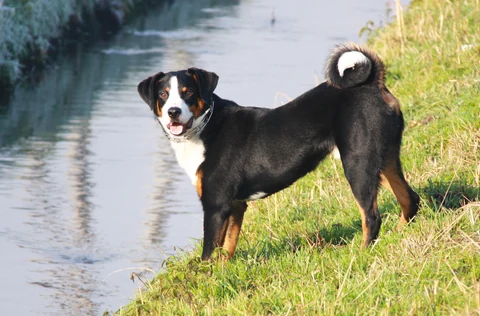
Swiss cattle and watchdog
Appenzeller Mountain Dog
The Appenzeller Mountain Dog is easy to recognise by its tricolour coat and tightly curled tail. Behind that cheerful appearance is an attentive Swiss working dog. It enjoys activity, learns quickly and notices changes around it. This breed suits people who want to spend time outdoors with their dog every day and can help it cope calmly with visitors and events at home.
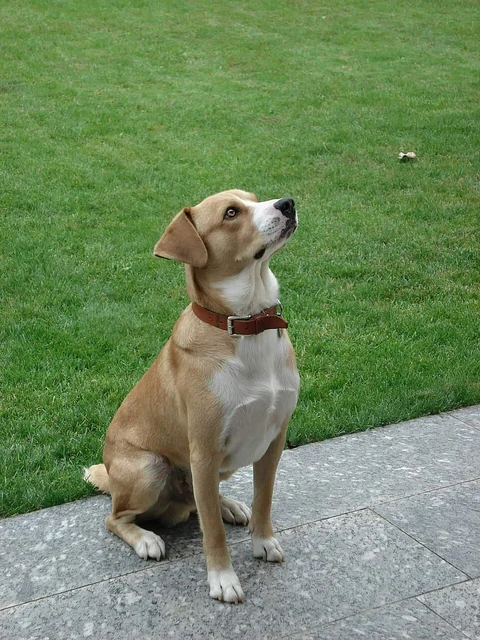
Austrian farm and companion dog
Austrian Pinscher
The Austrian Pinscher is a lively farm dog that enjoys accompanying familiar people and notices visitors attentively. Its short to medium-length coat is relatively straightforward to maintain. Exercise, shared activities and calm guidance of its guarding behaviour require more time. Meeting adult dogs helps show whether its watchfulness and temperament could suit your daily life.
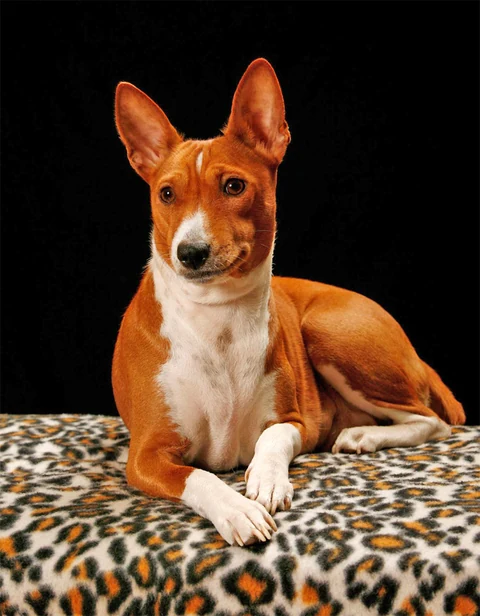
Hound
Basenji
The Basenji rarely barks but can make yodelling sounds. Outside, it may follow a scent or moving animal at speed, so off-lead running calls for secure fencing.
Sources and photograph credit
- Teaching your dog to be left alone
Used in this profile for: Staying home alone
- Dermoid Sinus
Used in this profile for: Health
- Canine Hip Dysplasia
Used in this profile for: Health
- Ear problems in pets
Used in this profile for: Day-to-day care
- Grooming and bathing pets
Used in this profile for: Day-to-day care
- Exercising your puppy
Used in this profile for: Size and build
- Children and Dogs
Used in this profile for: Temperament, Could this breed fit your life?
- Dog dental care
Used in this profile for: Day-to-day care
- Train Your Dog to Come When Called
Used in this profile for: Everyday life
- Training your dog
Used in this profile for: Everyday life, Size and build, Could this breed fit your life?
- Thai Ridgeback
Used in this profile for: Size / Weight, Temperament, Everyday life, Day-to-day care, Size and build, Health, Lifespan, Could this breed fit your life?
- Thai Ridgeback Dog, FCI Standard No.338
Used in this profile for: Size / Weight, Temperament, Everyday life, Day-to-day care, Size and build, Could this breed fit your life?
Photo credits
Side view · Jai 1136.JPG · Andreasnirtl · CC BY-SA 3.0 · Edited

Puppy · Sunray vom Crown Hill.jpeg · SvennoFischer · CC BY-SA 3.0 · Edited

Everyday life · Thai Ridgeback Pair 1 (full).JPG · Томасина · CC BY-SA 3.0 · Edited
.JPG)
Coat and features · Backridge.jpg · Regalthai · CC BY 3.0 · Edited
