 fellfolio
Giant companion and working dog
Leonberger
The Leonberger is a giant, usually calm dog with an abundant coat. Life with one calls for space, long walks and a practical plan for food, transport and veterinary costs.
At a glance
- Size
- Large
- Height at shoulder
- 65 to 80 cm
- Lifespan
- under 10 yearsUK Royal Kennel Club breed profile
- Activity
- High
- Grooming
- Several times weekly
- Training
- Often cooperative
- Owner experience
- Experience recommended
A giant from Leonberg
The breed took shape in the nineteenth century in Leonberg, near Stuttgart. Its lion-like appearance was deliberate, and the large dog was also used for guarding. Today the breed standard and the UK veterinary charity PDSA describe a friendly, generally calm Leonberger. A young Leonberger can still be boisterous and knock a visitor off balance with its weight.
Practise early and kindly. Ask the dog to wait on a mat before a visitor comes in, reward it for staying there, and invite a greeting when everyone is steady on their feet. With a Leonberger this is more than good manners: even a playful youngster can accidentally knock over a small child. Its size calls for attentive supervision, however friendly it is.
Everyday life
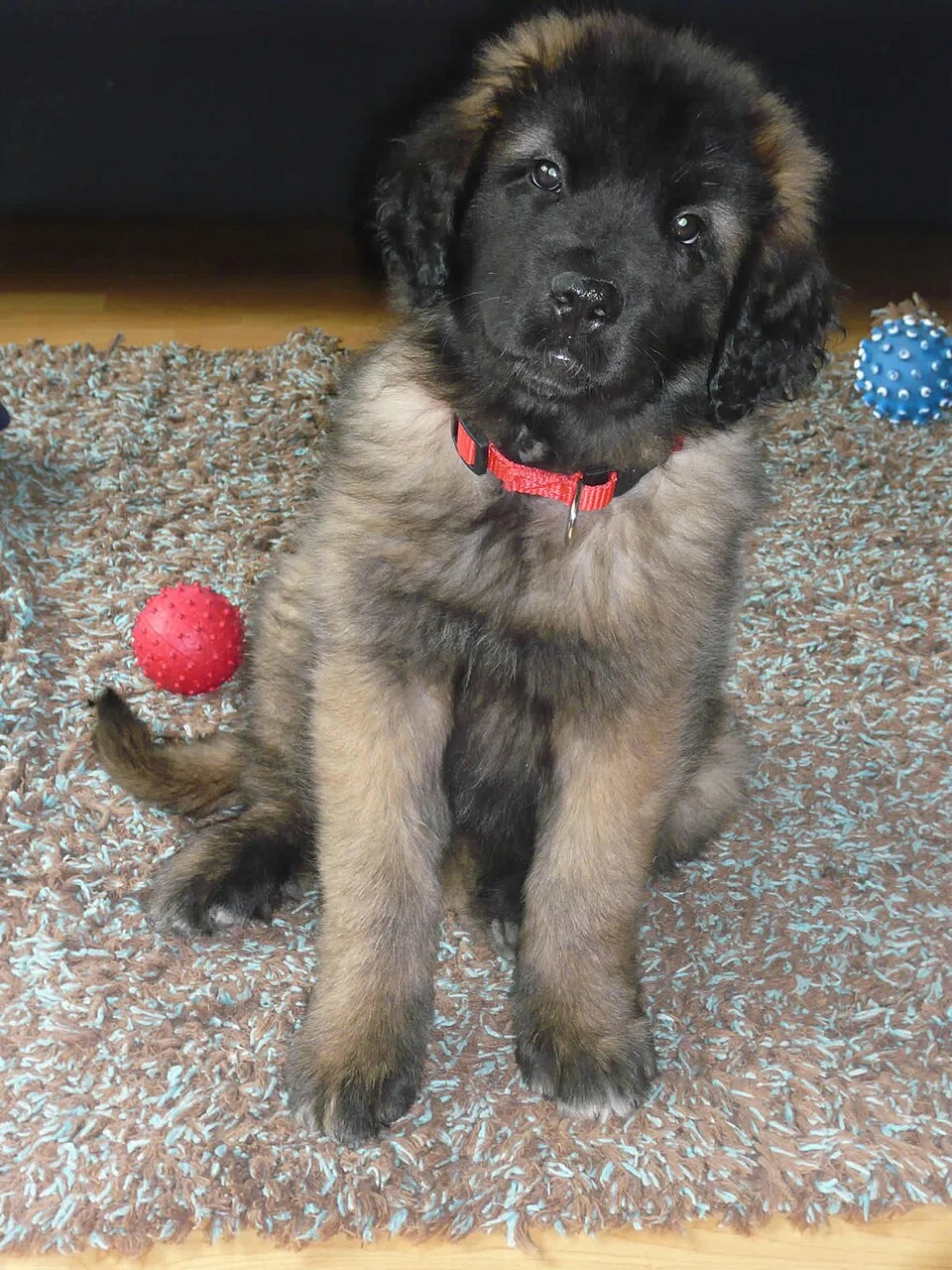
PDSA and the Royal Kennel Club give more than two hours of daily exercise as a guide for adult Leonbergers. Long walks suit them better than a life confined to a garden. Include time to sniff and unhurried breaks. A puppy does not need those distances yet; build activity gradually as it grows. Practise lead walking and recall while the dog is still easy to guide, because it will become large and strong.
Think about doorways, the car and space at home before bringing one in. The dog needs to lie down and turn comfortably. After an injury or in old age, someone must be able to get it to a veterinary clinic. Those practical questions shape daily life more than the appeal of a strikingly large dog. In warm weather choose shady paths and bring water; a heavy coat makes heat harder to manage.
Staying home alone
Dogs learn to stay home alone in small steps. The RSPCA advises no more than four hours at a time. Puppies and dogs that become unsettled when left alone need shorter absences and gradual practice. Arrange someone to care for your dog when you will be away longer.
Day-to-day care
A long outer coat covers dense underfur. PDSA suggests brushing several times a week, and daily work may help during a heavy moult. Start around the neck and behind the ears, then move through the chest, legs and tail. Knots and burrs can hide in those areas. Lift the coat in layers as you comb so the brush reaches below the surface. Grooming a giant dog takes time; brief, regular sessions are easier on both of you.
After wet walks, dry the paws and longer hair thoroughly. Check the skin beneath a collar and under the front legs, where trapped moisture and rubbing can cause soreness. Persistent scratching, tender skin or a smelly ear deserve a check. A large dog also benefits from learning to stand calmly and accept handling for grooming and veterinary visits.
Size and build
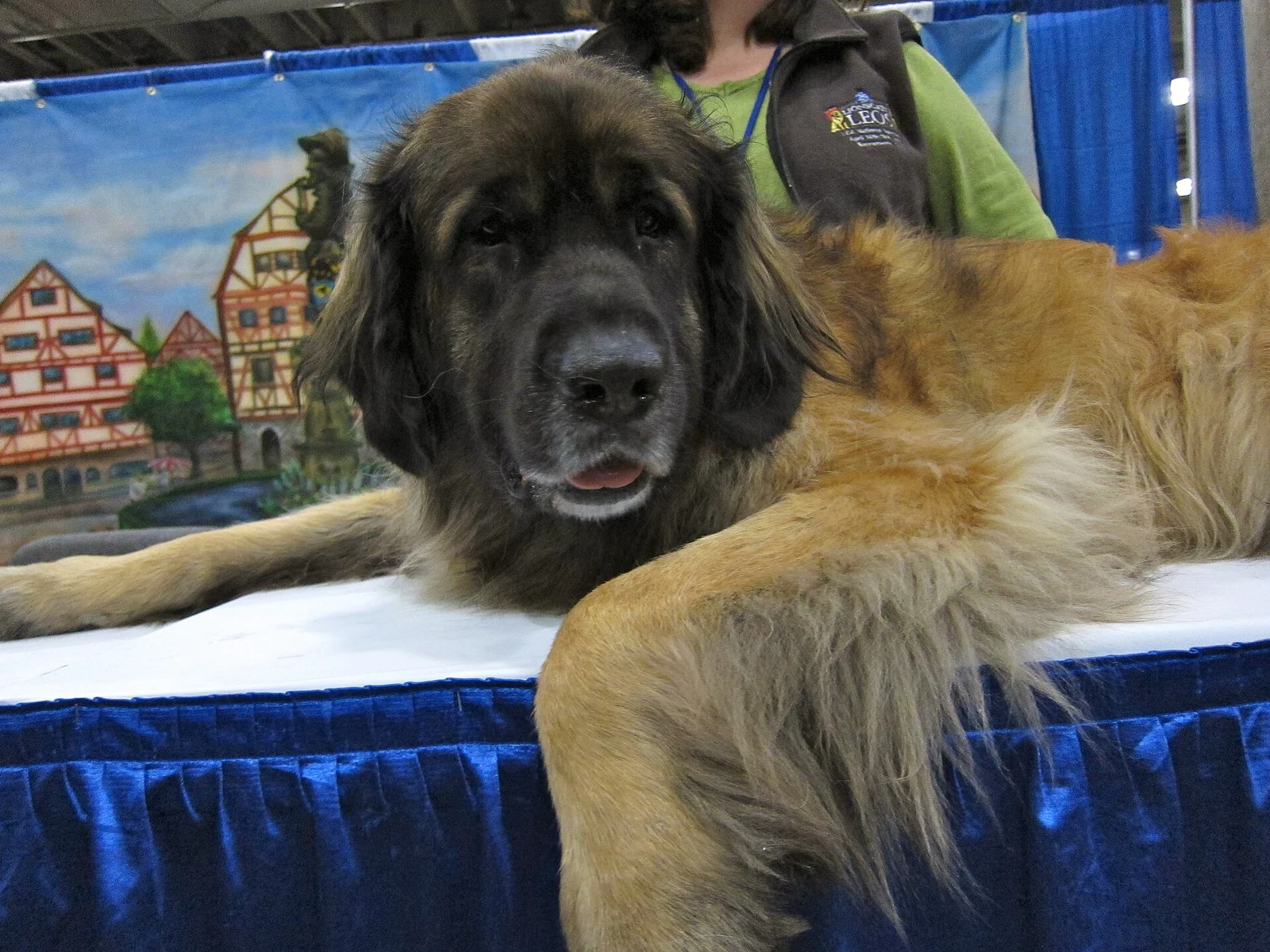
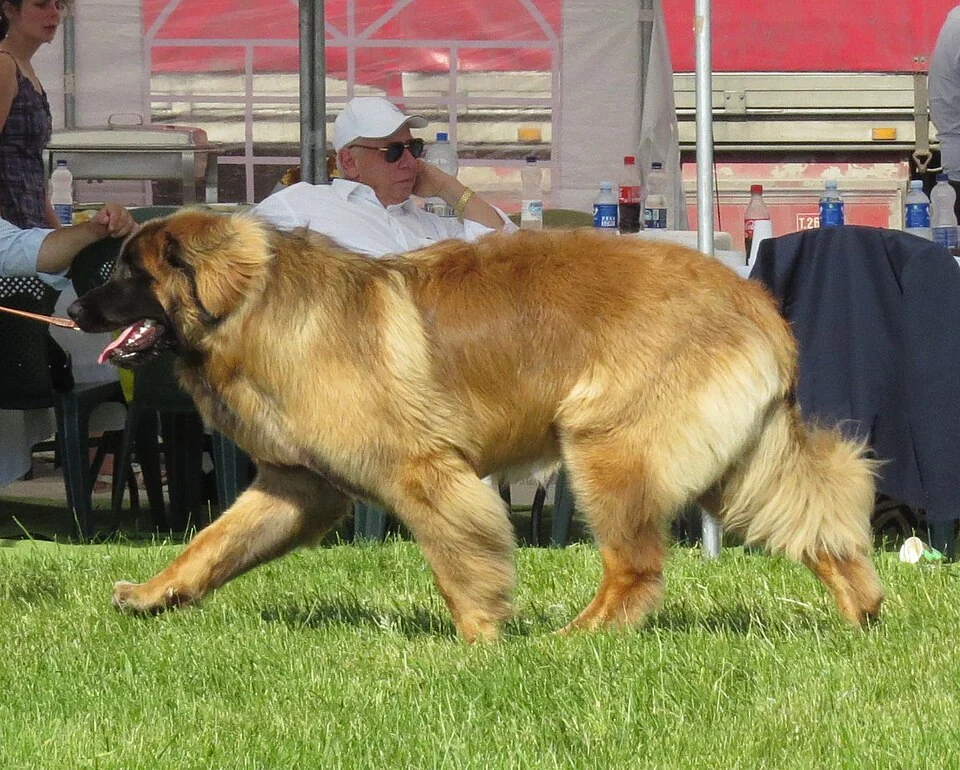
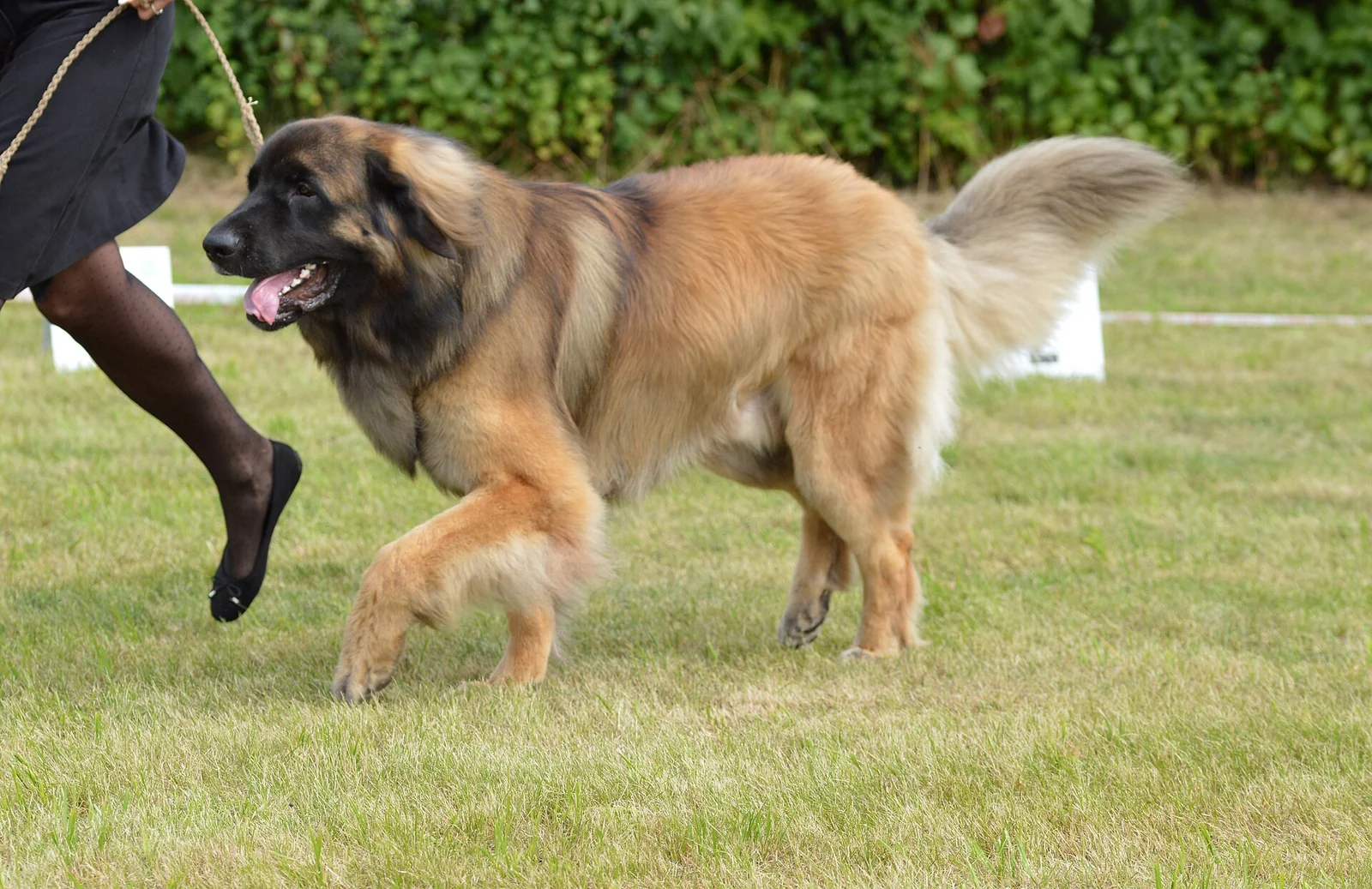
The Leonberger is tall, strong and well-muscled but should not look cumbersome. Its body is a little longer than it is tall, with a broad deep chest and level back. Parallel legs carry it in even, ground-covering steps. The head is long, with dark eyes and ears that hang close. Hair around the neck and chest is especially abundant and often forms a pronounced mane in males. The bushy tail stays around back height in motion rather than curling into a ring above it.
The British standard gives 72 to 80 cm at the shoulder for males and 65 to 75 cm for females. Germany’s VDH describes adult Leonbergers as often weighing well over 50 kg. Coats may be gold, reddish brown or sandy, always with a dark facial mask. Under the coat there should be a strong, mobile dog. Excess body weight makes walking and rising harder for a giant breed.
Health
Hip and elbow dysplasia can cause painful joint problems in a dog this large. The Royal Kennel Club recommends X-rays of breeding dogs, as well as eye examinations that include the angle through which fluid drains from the eye. Ask to see both parents' results. DNA tests are also available for some inherited nerve diseases in Leonbergers, including LPN1 and LPN2. Ask which tests were done and what the findings mean for the planned litter.
Like other large, deep-chested dogs, a Leonberger can develop gastric dilatation-volvulus, or a twisted stomach. A suddenly swollen abdomen, unproductive retching, marked restlessness or weakness is an emergency: seek a veterinary hospital immediately. PDSA specifically lists the risk for this breed. Keep the dog lean, watch for changes in its gait and discuss unusual weakness or repeated stumbling with a vet early.
Could this breed fit your life?
Could work well if …
- You can offer a giant dog space, long daily walks and calm training.
- You can plan for coat care, transport, food and veterinary costs on this scale.
May be more difficult if …
- You love the size but have little room for the dog to lie, turn or travel comfortably.
- You expect a friendly giant to be automatically gentle with small children without training or supervision.
Similar needs, different dogs.
Selected by shared size, activity, grooming and training characteristics.
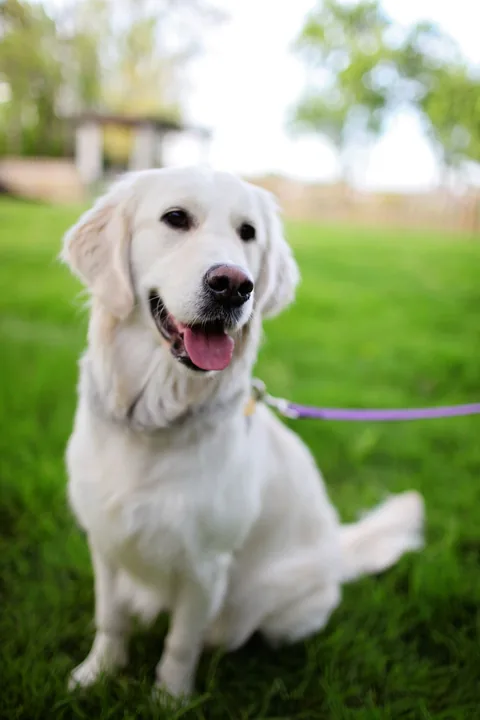
Retriever
Golden Retriever
Many Golden Retrievers love carrying things back to their people. They enjoy doing things together, need plenty of exercise and leave plenty of hair around the house. Even a young dog can be surprisingly strong.
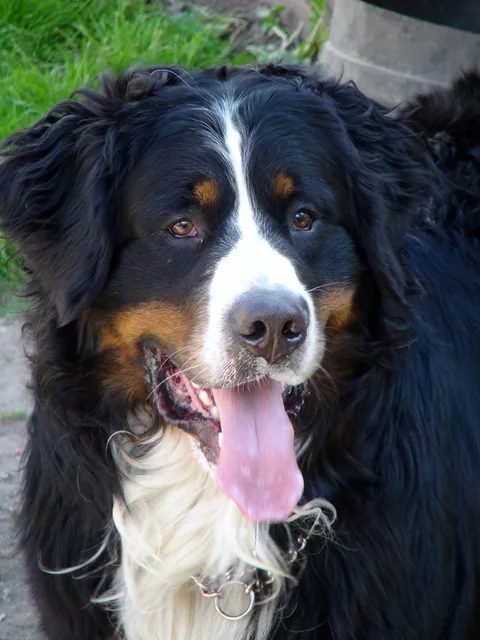
Swiss mountain dog
Bernese Mountain Dog
A large Swiss farm dog that likes to stay close to its people. Its strength, dense coat and sensitivity to heat shape daily life more than its relaxed manner may suggest.
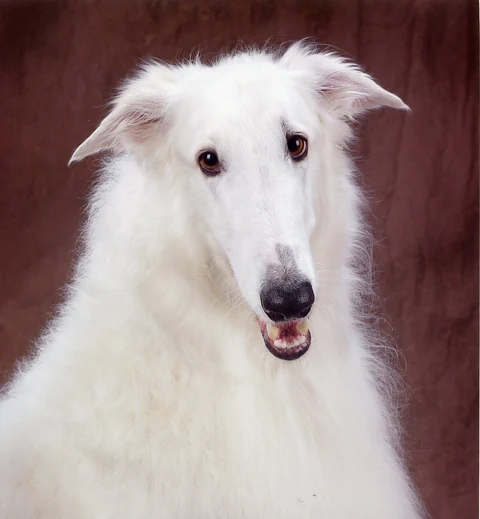
Sighthound
Borzoi
A very tall, lightly built sighthound with a long, easy stride. The Borzoi needs secure places to run and people who enjoy its independent nature.
Sources and photograph credit
- Teaching your dog to be left alone
Used in this profile for: Staying home alone
- Leonberger, Breeds A to Z
Used in this profile for: Temperament, Everyday life, Health, Lifespan, Could this breed fit your life?
- Leonberger breed standard
Used in this profile for: Size / Weight, Temperament, Day-to-day care, Size and build
- Leonberger breed information
Used in this profile for: Temperament, Everyday life, Day-to-day care, Health, Lifespan, Could this breed fit your life?
- Rasse des Monats: Leonberger
Used in this profile for: Size / Weight, Size and build
- Glaucoma in Dogs
Used in this profile for: Health
- GDV (Gastric Dilatation Volvulus) in dogs
Used in this profile for: Health
Portrait · Leonberger · Pets Adviser from Brooklyn, USA · CC BY 2.0 · Edited

Side view · Leonberger · Wojciech Pędzich · CC BY-SA 4.0 · Edited

In action · Leonberger running 2 Moletai May 2014 · Томасина · CC BY-SA 4.0 · Edited

Puppy · Leonberger josefine 3months · Emilew · CC BY-SA 3.0 · Edited
