fellfolio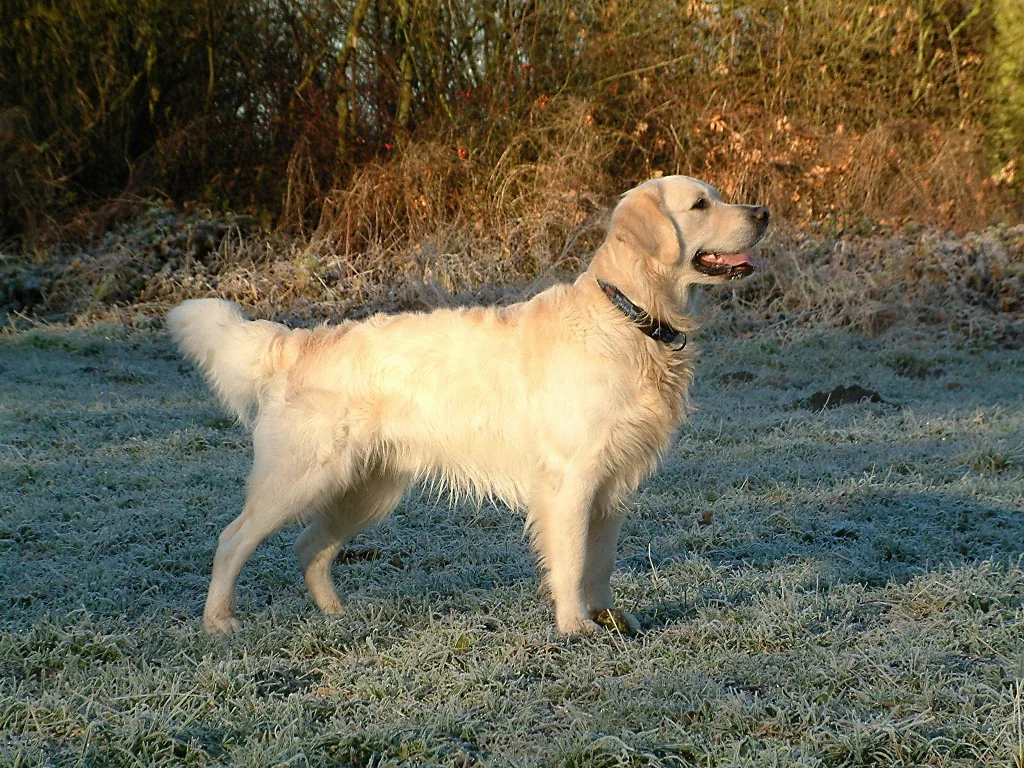
Swiss mountain dog
Bernese Mountain Dog
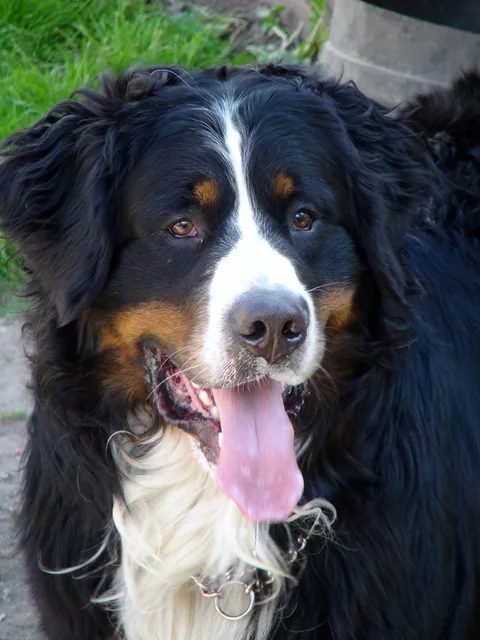
A strong farm and companion dog with a long coat. A calm appearance can mask real needs: strength, grooming and a comparatively short lifespan all matter.
Retriever
A substantial retriever that often enjoys working with people. Its friendly reputation can make it easy to underestimate the time a young dog needs.
Many Goldens seek contact and respond well to shared tasks. Finding a dummy and handing it back calmly is a different activity from chasing a ball repeatedly. Working lines can demand considerably more engagement than their relaxed appearance suggests.
Allow time for substantial walks, scent work and reliable rest. A flat needs room for an undisturbed bed and easy access outside. Children need adult supervision around the dog; an excited adolescent can knock a child over without intending harm. Introduce other animals gradually and under control.
Being alone needs gradual practice. The RSPCA advises no more than four hours at a time; puppies and some adults need much shorter intervals. Arrange company during longer absences.
Brush through the dense coat several times a week, more often during shedding. Check behind the ears and the feathering for tangles. Dry the coat after wet outings and look at the ears. Include nails and teeth in the routine even when the coat needs little attention.
The measurements describe adults. Sex and breeding line affect build. A puppy should not be fed towards a number in a table; discuss its development and body condition during routine veterinary visits.
Documented concerns include hip and elbow dysplasia and inherited eye conditions, including forms of progressive retinal atrophy. Ichthyosis, a skin cornification disorder, also occurs. Ask to see the parents’ actual screening results. No single test covers every condition, and a breed risk is not a diagnosis for your dog.
A 2024 British study estimates a median of 13.2 years for this breed (95% confidence interval 13.1–13.2; 11506 dogs). The interval describes uncertainty in the estimate, not the range of individual lifespans. Region, sampling and living conditions limit generalisation.
Breed traits describe tendencies. Breeding line, socialisation, care and experience shape the individual. Children and animals always need responsible supervision.
Selected by shared size, activity, grooming and training characteristics.
Swiss mountain dog
A strong farm and companion dog with a long coat. A calm appearance can mask real needs: strength, grooming and a comparatively short lifespan all matter.
Hunt, point and retrieve dog
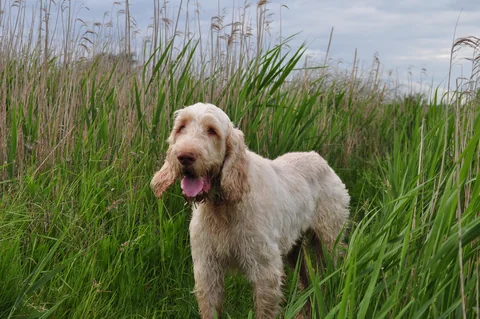
A patient pointing dog with a wiry coat, a good nose and plenty of stamina.
Retriever
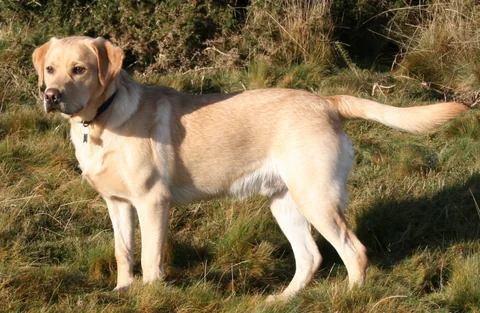
A strong, willing retriever that is often keen to work with people. A Labrador still needs an active life despite its easy-going family reputation.