 fellfolio
Herding dog
White Swiss Shepherd
The White Swiss Shepherd is striking, with a pale coat and upright ears. Behind that elegant appearance is a large, active dog that needs shared outings, training and close family involvement. Choosing one for its colour alone misses much of what everyday care involves.
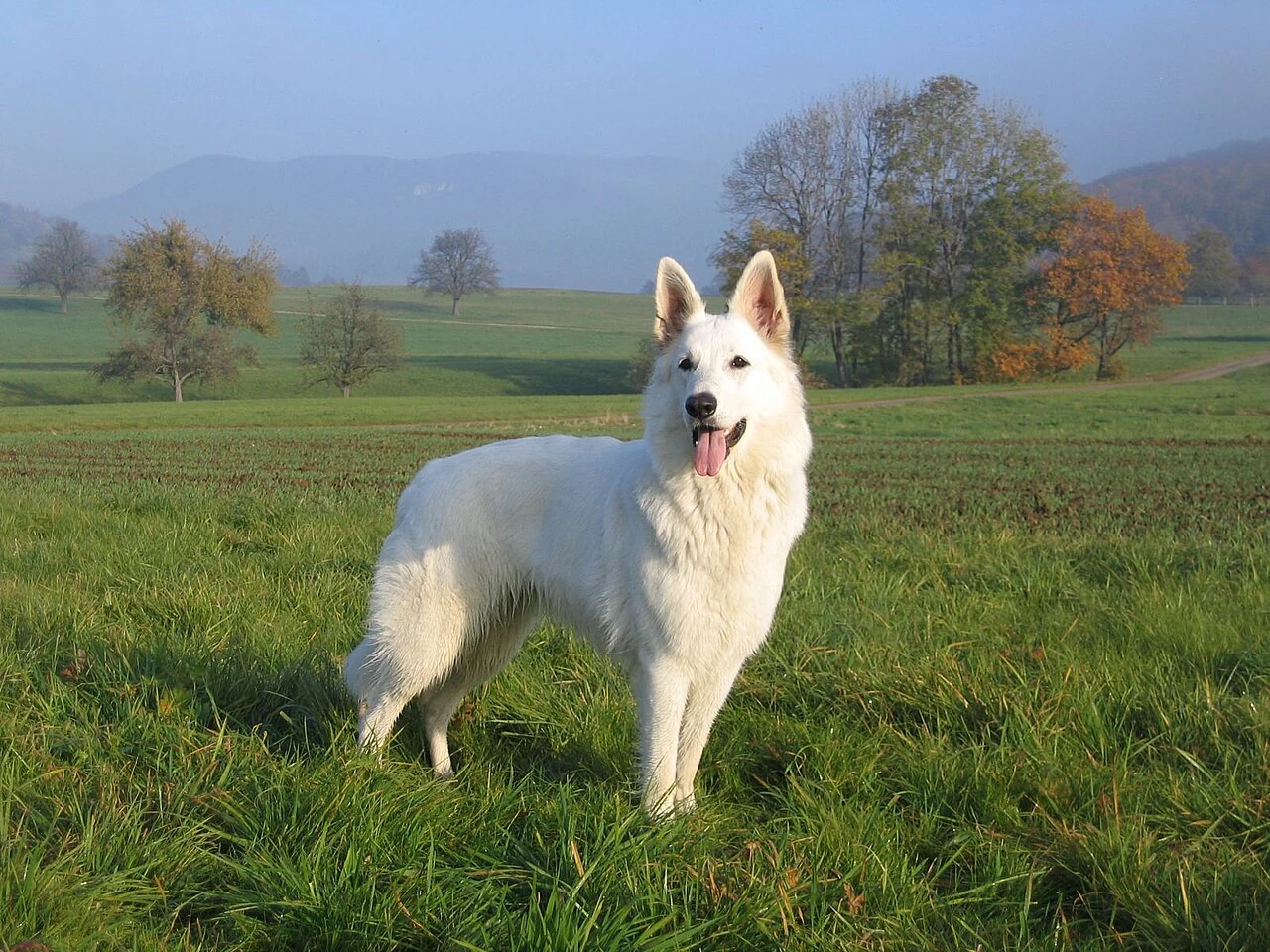
At a glance
- Size
- Large
- Height at shoulder
- 53 to 66 cm
- Weight
- 25 to 40 kg
- Lifespan
- over 10 years
- Activity
- High
- Grooming
- Several times weekly
- Training
- Often cooperative
- Owner experience
- First dog with support
Attentive and keen to take part
A White Swiss Shepherd can be an enthusiastic training partner when the task is clear. A garden search game, practising recall or exploring a new walking route can give that enthusiasm somewhere to go. The international breed standard describes an attentive, balanced family companion that is readily trained. An individual dog’s response to unfamiliar people also depends on experience and the circumstances.
Calm observation is worth rewarding alongside successfully completing a task. When visitors arrive, the dog should have space to settle and watch before joining them. Visitors should not touch it without checking first. Its owners should guide the greeting rather than leave the dog to deal with unfamiliar people on its own. Children need supervised interactions, and the dog needs somewhere to sleep undisturbed, even when it is affectionate with its own family.
Everyday life
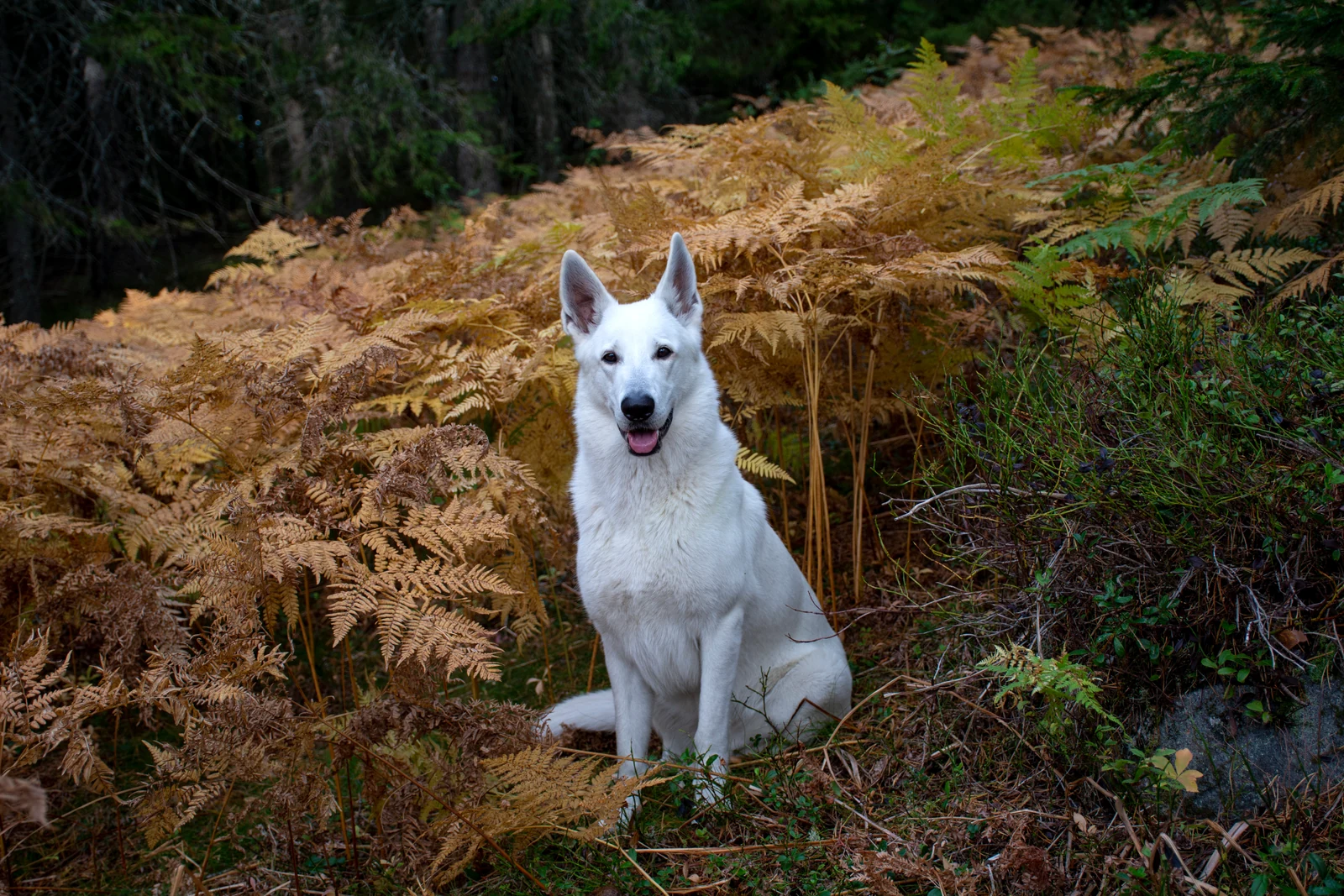
The Royal Kennel Club gives more than two hours of daily exercise as a broad planning guide for this breed. That describes a healthy adult. Puppies, older dogs and dogs with health problems need activity suited to their abilities. Longer walks can include time to investigate scents. A short search game at home can then provide something different before a restful part of the day.
In tracking, a dog follows the scent trail a person leaves while walking over the ground. That includes scents from crushed vegetation and the person. A suitable class can help you build the search gradually. Waiting calmly, walking on a loose lead and returning when called also deserve regular practice. A garden adds opportunities but does not replace shared outings. Time alone should be introduced gradually. If everyone is away for long periods each day, reliable care needs to be arranged.
Staying home alone
Dogs learn to stay home alone in small steps. The RSPCA advises no more than four hours at a time. Puppies and dogs that become unsettled when left alone need shorter absences and gradual practice. Arrange someone to care for your dog when you will be away longer.
Everyday dog training: recall, a loose lead and clear communication ↗
Day-to-day care
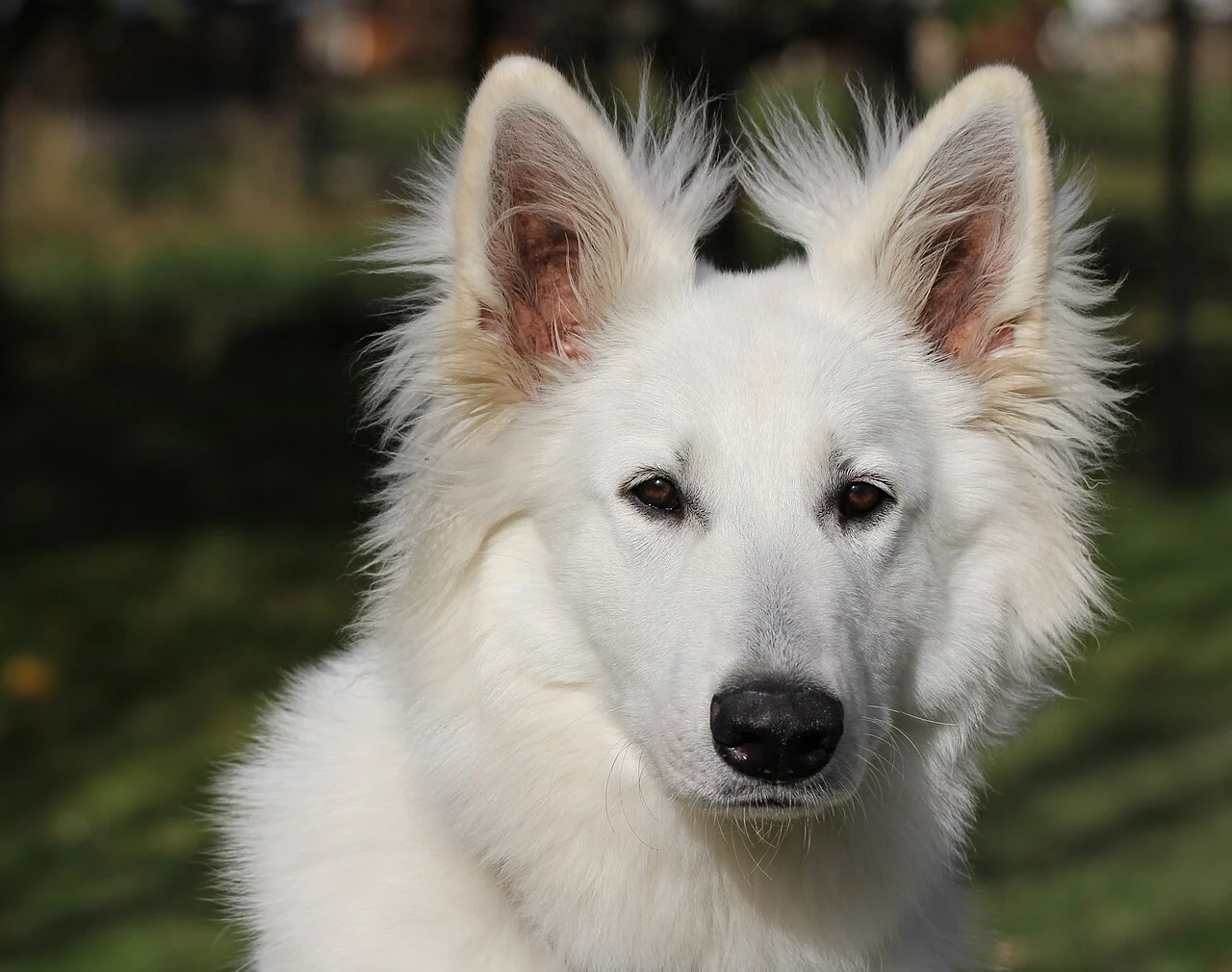
The white coat has firmer outer hairs over a dense, softer undercoat. The breed has both medium-length and long coats, and both shed. Brushing several times a week belongs in the normal routine, with more attention often needed during seasonal shedding. A comb can help you check denser areas for trapped loose hair and developing tangles.
Water and a towel are often enough for muddy paws. A white coat does not need constant bathing simply because dirt is easy to see. Short, pleasant handling sessions from an early age help prepare the dog for checks of its paws, ears and mouth. Nail checks and regular toothbrushing with dog toothpaste are part of routine care too.
Size and build
White-coated shepherd lines were maintained in countries including the United States and Canada. Dogs from those lines helped establish a separate breeding population in Switzerland. The Fédération Cynologique Internationale, or FCI, the international federation of kennel clubs, provisionally recognised the White Swiss Shepherd in 2002 and definitively recognised it in 2011. Under that standard it is a distinct breed, rather than simply a German Shepherd colour variety.
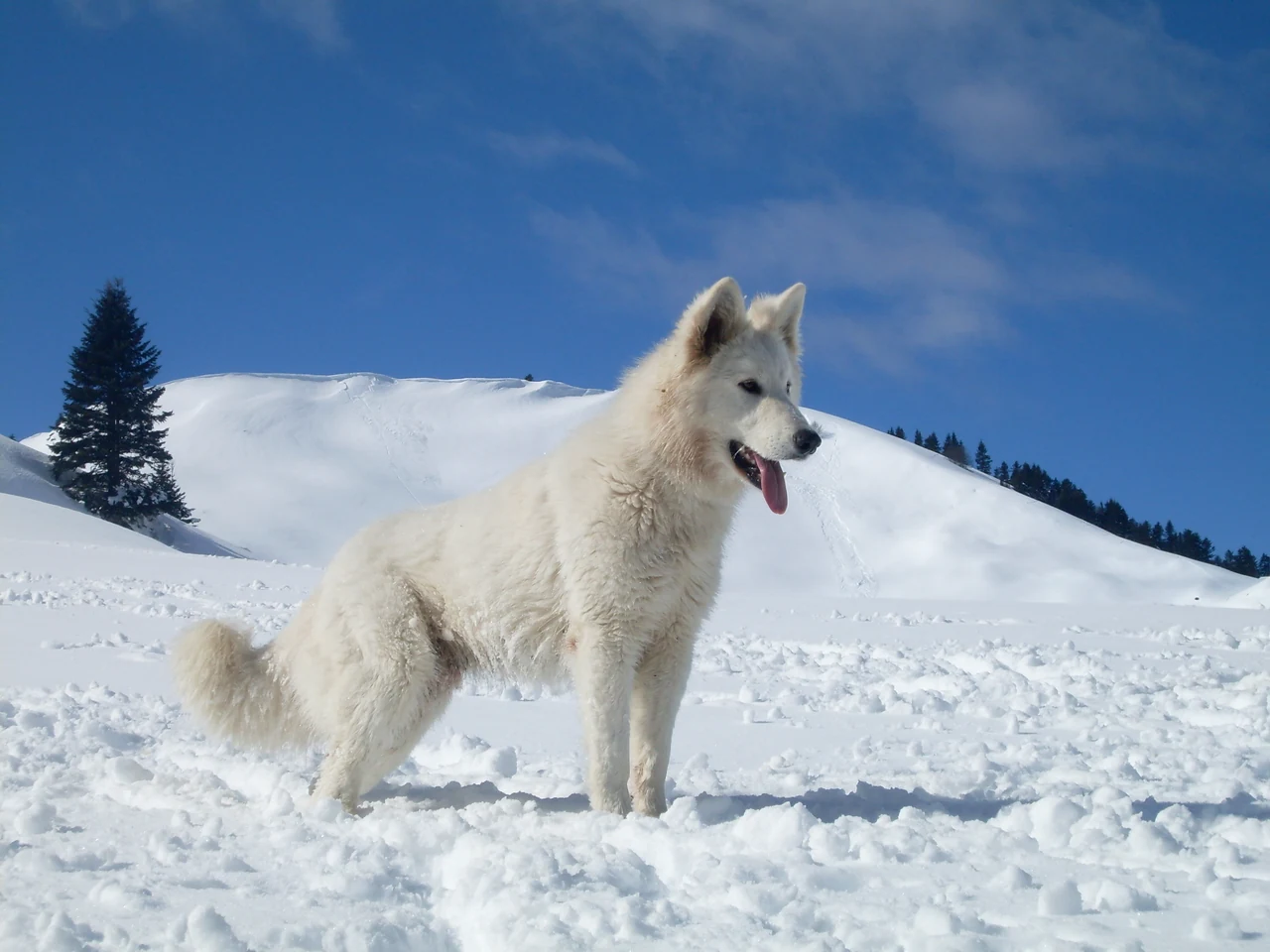
The FCI specifies a height of 58 to 66 cm and weight of around 30 to 40 kg for males, and 53 to 61 cm and around 25 to 35 kg for females. Height is measured while the dog is standing, to the highest point of the shoulders. These figures describe adult dogs in the standard. A puppy’s future weight should not become a target to reach as quickly as possible.
From puppy to senior: caring for your dog through every life stage ↗
Health
Before getting a puppy, you should be able to inspect the parents’ health results. These include assessments for hip and elbow dysplasia, developmental joint problems that can cause pain and restricted movement. RWS, a German breed club for White Swiss Shepherds, also requires several genetic tests. Check the actual documents for the proposed litter. A general claim that the parents are “health tested” is not enough detail.
The MDR1 DNA result has particular relevance to veterinary care. MDR1 is the familiar name for a gene in which a specific change can increase sensitivity to certain medicines. Even one copy of that change may matter. Your vet should know the result before treatment, so that medicine choices can take the test and the intended treatment into account.
The Royal Kennel Club lists a lifespan of over ten years. This broad breed guide does not predict how long an individual dog will live. Persistent limping, difficulty getting up or a marked loss of interest in movement should be assessed by a vet.
Could this breed fit your life?
Could work well if …
- People who can make time each day for longer shared outings and training.
- A home that offers close family involvement as well as a quiet place to rest.
- Owners who will check health records carefully and make regular grooming part of their routine.
What to consider
- When choosing a dog, time for exercise, training and care should matter as much as appearance.
- If everyone is away for long periods each day, care should be arranged before the dog arrives.
- An adult should supervise interactions between children and the dog.
Similar needs, different dogs.
Selected by shared size, activity, grooming and training characteristics.
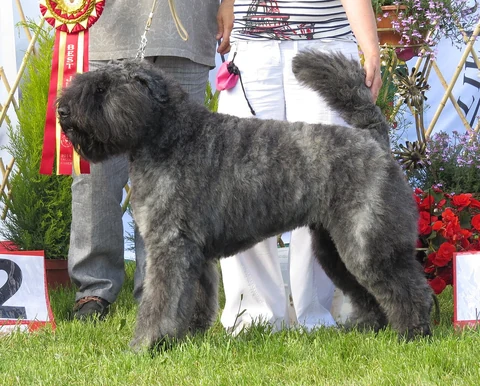
Flemish cattle and farm dog
Bouvier des Flandres
The Bouvier des Flandres is a powerful dog with a rough coat, a substantial beard and a long history of helping on Flemish farms. Many are closely attached to their families and watch their surroundings attentively. Shared exercise, useful activities and thorough grooming belong in its daily routine. Its strength should be considered from the outset when training and arranging the home.
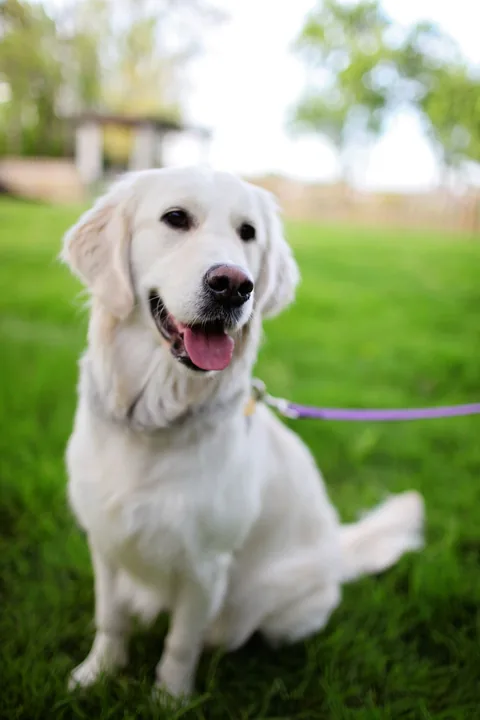
Retriever
Golden Retriever
Bred to retrieve shot game, Golden Retrievers often like searching and carrying things back. They need long walks, regular coat care and people who can safely handle a strong young dog.
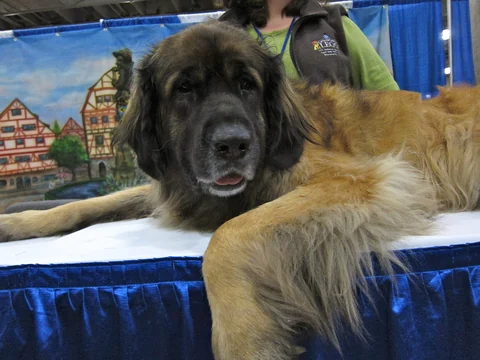
Giant companion and working dog
Leonberger
The Leonberger is a giant, usually calm dog with an abundant coat. Life with one calls for space, long walks and a practical plan for food, transport and veterinary costs.
Sources and photograph credit
- Teaching your dog to be left alone
Used in this profile for: Staying home alone
- Canine Hip Dysplasia
Used in this profile for: Size and build, Health
- A Beginner’s Guide to Tracking
Used in this profile for: Everyday life
- Humane Dog Training Position Statement
Used in this profile for: Temperament, Everyday life
- Training a Dog to Be Left Alone
Used in this profile for: Everyday life, Could this breed fit your life?
- Keeping Children Safe Around Dogs
Used in this profile for: Temperament
- Looking After Your Dog’s Teeth
Used in this profile for: Day-to-day care
- Multidrug Sensitivity (MDR1)
Used in this profile for: Health
- White Swiss Shepherd Dog: FCI nomenclature
Used in this profile for: Size and build
- White Swiss Shepherd
Used in this profile for: Everyday life, Day-to-day care, Health, Lifespan, Could this breed fit your life?
- Gesundheit
Used in this profile for: Health
- FCI Standard No. 347: White Swiss Shepherd
Used in this profile for: Size / Weight, Temperament, Day-to-day care, Size and build, Could this breed fit your life?
Photo credits
Portrait · File:Sheba of White Starlight (2 Jahre alt).JPG · Armin Foeldi, WhiteStarlight · CC BY-SA 3.0 de · Edited
.JPG)
Coat and features · File:BSO pes.jpg · Atriplexmedia · CC BY-SA 4.0 · Edited

Everyday life · File:Stella-Nova.jpg · Helen Thalen · CC BY-SA 2.0 · Edited

Everyday life · File:Djinn.JPG · Durdur31 · Public domain
