 fellfolio
Portuguese livestock guardian with two coat varieties
Estrela Mountain Dog
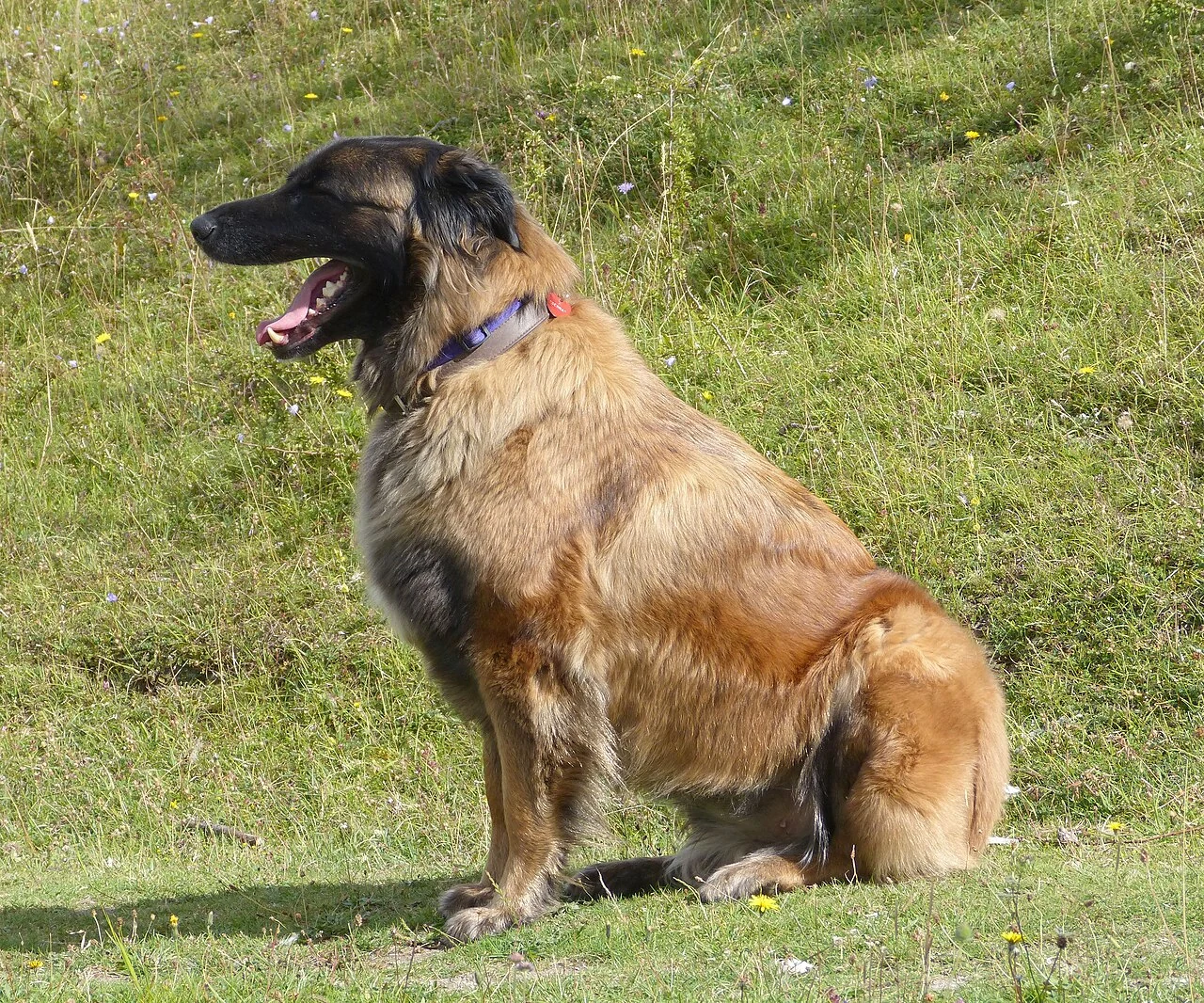
The Estrela Mountain Dog comes from the Portuguese mountains, where it guarded livestock. It is a powerful, alert dog that can form a close attachment to its family while remaining reserved with strangers. Its independence and guarding behaviour should be considered when arranging its home, walks and care.
At a glance
- Size
- Large
- Height at shoulder
- 62 to 73 cm
- Weight
- 35 to 60 kg
- Lifespan
- Not sufficiently documentedWhy is there no reliable range?
- Activity
- Moderate
- Grooming
- Several times weekly
- Training
- Patience & clear guidance
- Owner experience
- Experience recommended
A Portuguese guardian with close family ties
In the Serra da Estrela, these dogs accompanied shepherds and their flocks through rugged mountain country. They guarded livestock and later farms too. The breed’s earliest origins cannot be established precisely. Its present name refers to the Portuguese mountain range where it developed.
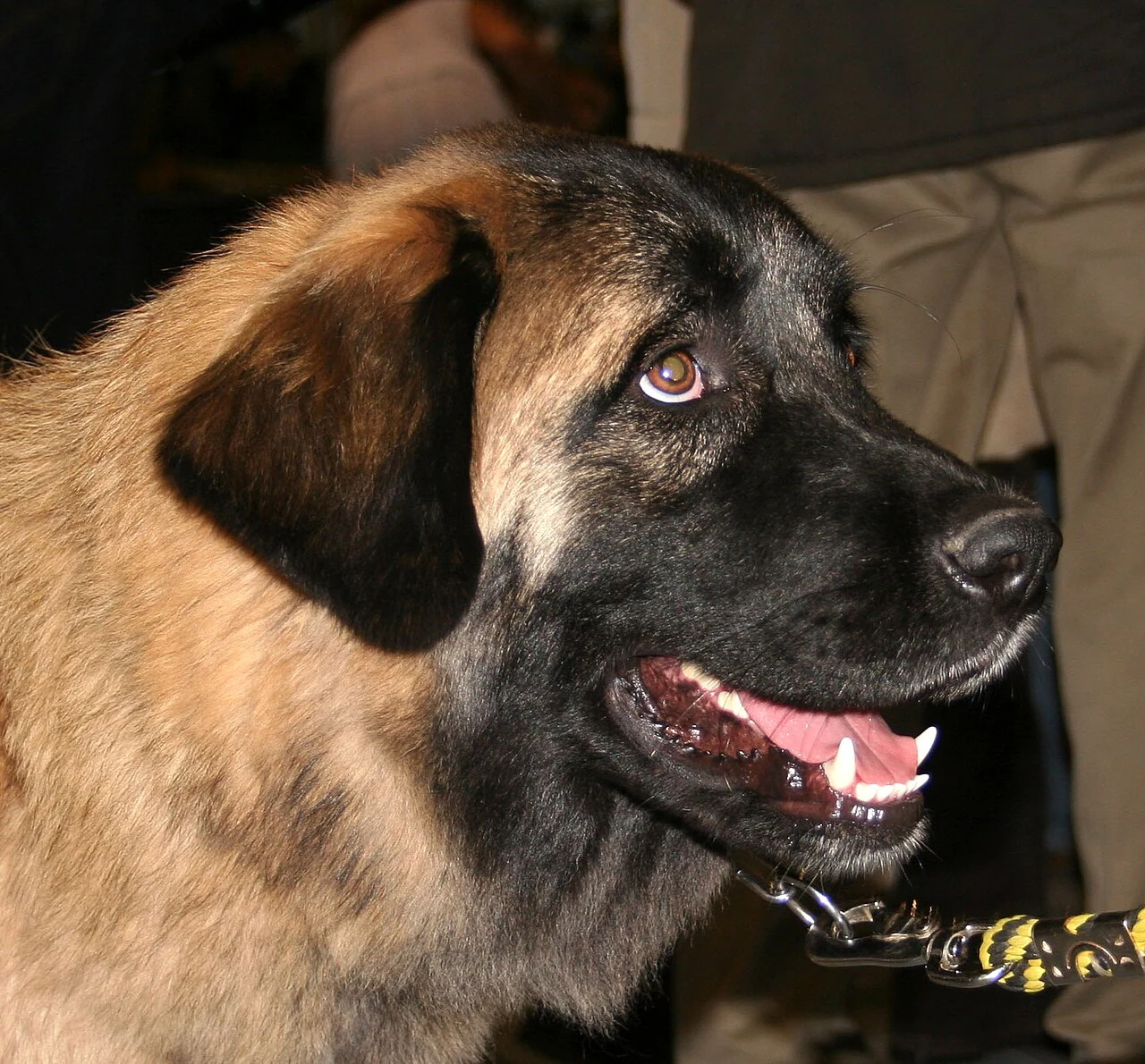
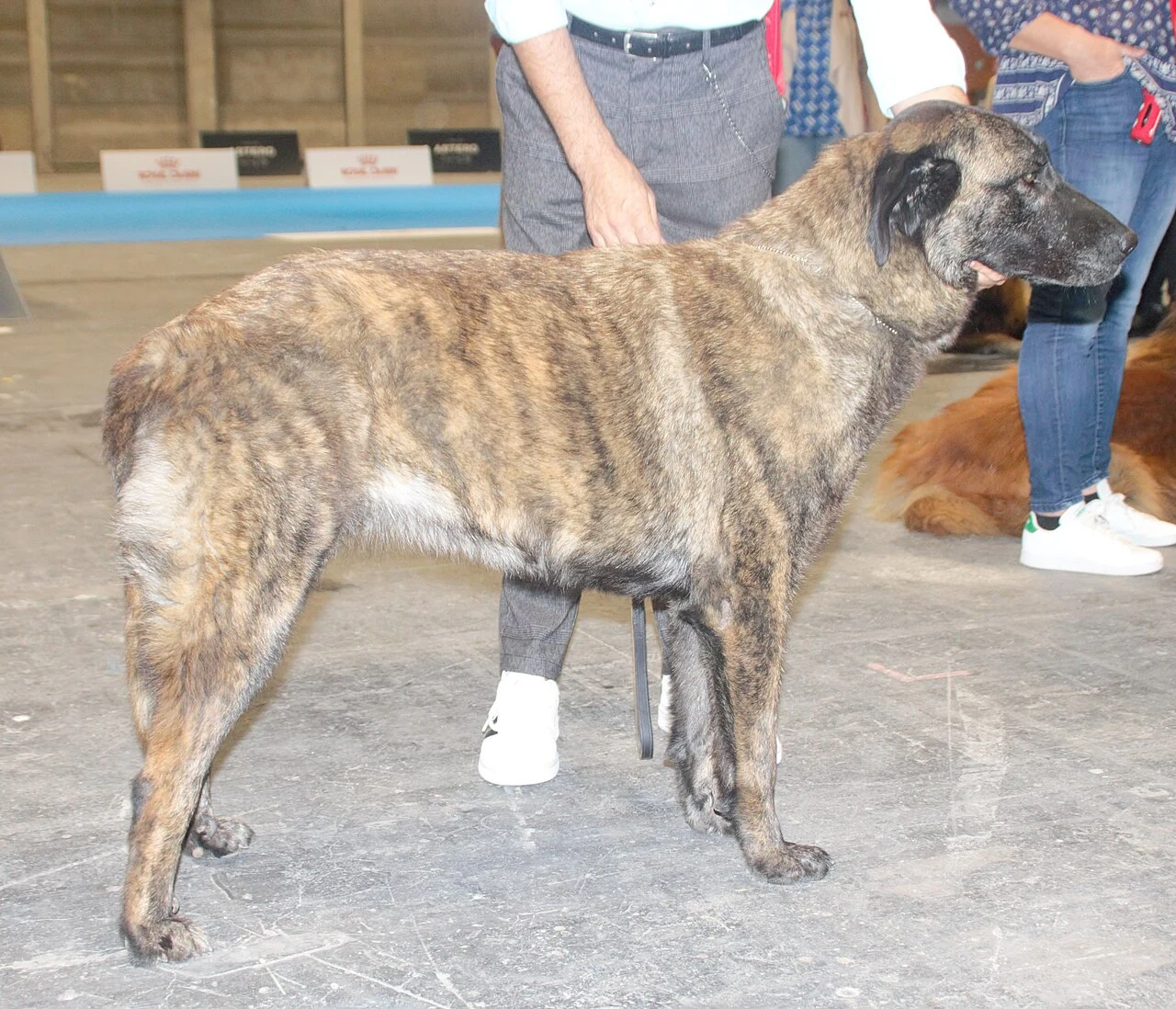
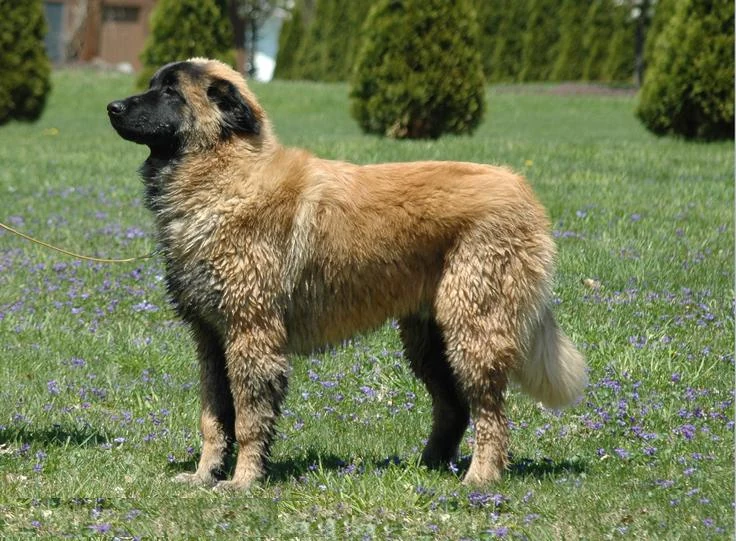
There are long and short coated varieties. The longer coat has more hair around the neck, legs and tail. A dark mask, small ears folded back and a hooked tip to the tail are characteristic. The international standard gives shoulder heights of 65 to 73 centimetres for males and 62 to 69 centimetres for females, permitting up to two additional centimetres. Weights are 45 to 60 kilograms for males and 35 to 45 kilograms for females.
An Estrela often stays close to its family and quickly notices unfamiliar activity on the property. When visitors arrive, it should have the opportunity to watch from a comfortable distance. A calm greeting is easier to arrange when its bed is away from the entrance. An adult should supervise children with the dog, prevent rough games and allow it to rest.
Everyday life
Walks can combine time to explore scents, different routes and short exercises. Many Estrelas enjoy moving around a spacious outdoor area as well as going on shared outings. Their former work required independent decisions. During training, small steps make the task clear, and rewards help encourage cooperation.
Suitable fencing should be sturdy and difficult to jump. Despite its substantial body, an Estrela is agile. Gates, side entrances and access for deliveries should also be checked before it comes home. An unsecured yard makes it difficult to keep the dog from approaching arriving people directly. A separate, secure area makes visitor arrangements easier.
Returning when called needs thorough practice. In a safe setting, a long training lead can allow room to move while you reward the dog for coming back. Enough distance is helpful during encounters with unfamiliar dogs. Anyone caring for an Estrela should already know it and be able to choose suitable walking routes. Fellfolio can help share those routines and visitor arrangements clearly.
Staying home alone
Dogs learn to stay home alone in small steps. The RSPCA advises no more than four hours at a time. Puppies and dogs that become unsettled when left alone need shorter absences and gradual practice. Arrange someone to care for your dog when you will be away longer.
Everyday dog training: recall, a loose lead and clear communication ↗
Day-to-day care
Even a short coated Estrela needs regular brushing. With the longer coat, a comb should also be worked through the hair around the ears, legs and tail. This helps find small knots before they become solid mats. A thorough weekly session is a useful starting point. Seasonal shedding or a walk through dense vegetation may call for more frequent attention.
After rain, the dog should be able to dry through its undercoat. Mats close to the skin need an experienced groomer, as cutting them out can easily injure the skin. Ears, paws and nails should also receive regular checks. Daily brushing with dog toothpaste is suitable once the dog is comfortable with the handling.
Size and build
A puppy should first become comfortable with its new family and learn about handling, brief grooming sessions and short walks. New people can be introduced at a little distance rather than everyone immediately reaching for it. Quiet time between experiences helps it relax again.
Watchfulness can increase as an Estrela grows up. Visitor routines, waiting calmly and walking on a lead should therefore be taught early. Large dogs take a long time to grow. Short explorations and play at the puppy’s own pace suit this stage. Repeated high jumps and long forced distances should be avoided.
In later life, outings may become shorter while exploring scents together and familiar exercises remain enjoyable. Difficulty getting up, reduced stamina or a change in gait should be assessed by a vet. An accessible bed and floors with good grip can make an older dog’s daily life easier.
From puppy to senior: caring for your dog through every life stage ↗
Health
When choosing an Estrela puppy, you should ask about the parents’ hip assessments. The Royal Kennel Club recommends hip screening for the breed. With hip dysplasia, the joint is not stable enough. The dog may develop pain, struggle to rise or use its hind legs differently. Joint changes can also be present in a dog with no obvious signs, so documented results offer more information than its appearance during a visit.
During growth, food and exercise should suit the development of this large dog. Appropriate food and a lean weight help avoid unnecessary strain on the joints. A vet can follow its development and explain which changes in weight or movement need attention.
Large dogs can also develop gastric dilatation and volvulus, often called a twisted stomach. The stomach fills with gas and may rotate. Unproductive retching, marked restlessness or a suddenly swollen abdomen need immediate veterinary help. A Fellfolio emergency card can hold available contacts and important health information in advance. New results and observations can then be added to the pet’s profile.
Lifespan
The published age guidance from the kennel clubs consulted differs substantially. These sources therefore do not provide a consistent range for life expectancy.
Could this breed fit your life?
Could work well if …
- You want an independent dog and have experience with guarding behaviour.
- You can provide ample space, a securely fenced outdoor area and daily shared outings.
- You arrange calm encounters and care by people who know the dog well.
What to consider
- Guarding behaviour can become more apparent as it matures.
- Secure boundaries are particularly important for this agile dog.
- The longer coat needs thorough attention, especially around the ears, legs and tail.
Similar needs, different dogs.
Selected by shared size, activity, grooming and training characteristics.
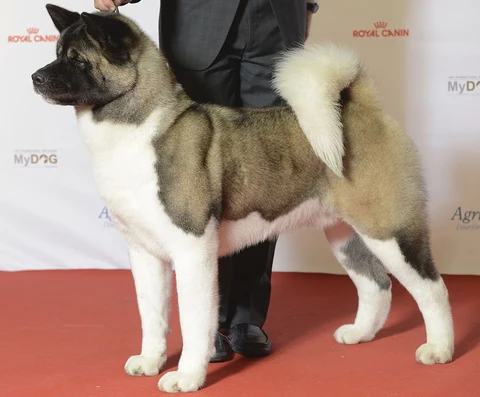
Large companion with Japanese roots
American Akita
The American Akita is a large, powerful dog with a broad head, upright ears and a dense coat. It can be deeply attached to its family while being less comfortable around unfamiliar dogs. Experienced handling and thoughtful arrangements for walks, visitors and temporary care are important.
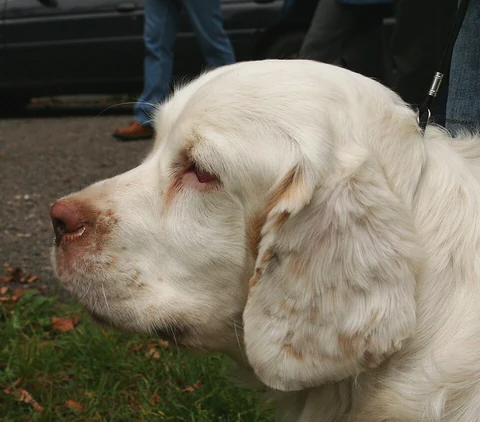
Flushing spaniel
Clumber Spaniel
The Clumber is the heaviest spaniel: low, long and strong, with a white coat and an excellent nose. It often seems relaxed at home yet follows outdoor scents with persistence.
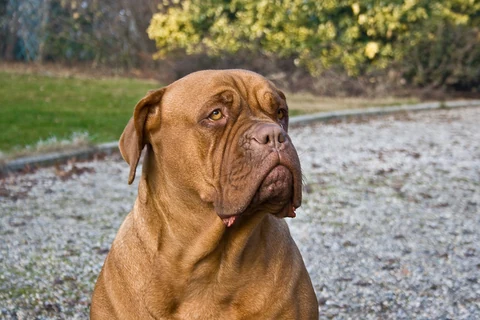
Powerful French companion with a watchful nature
Dogue de Bordeaux
The Dogue de Bordeaux is a powerful French dog with a short coat and broad head. It often seeks close contact with its people and can be a watchful guardian. Its considerable strength and the health burdens associated with its build and short face deserve careful attention before acquiring one.
Sources and photograph credit
- Teaching your dog to be left alone
Used in this profile for: Staying home alone
- Gastric Dilatation Volvulus
Used in this profile for: Health
- Canine Hip Dysplasia
Used in this profile for: Health
- Estrela Mountain Dog
Used in this profile for: Temperament, Everyday life, Day-to-day care, Size and build, Health, Lifespan, Could this breed fit your life?
- The Breed
Used in this profile for: Temperament, Everyday life, Day-to-day care, Size and build, Health, Could this breed fit your life?
- Estrela Health
Used in this profile for: Temperament, Everyday life, Day-to-day care, Size and build, Health, Could this breed fit your life?
- Estrela Mountain Dog, FCI Standard No.173
Used in this profile for: Size / Weight, Temperament, Everyday life, Day-to-day care, Size and build, Health, Could this breed fit your life?
- Estrela Mountain Dog
Used in this profile for: Temperament, Everyday life, Day-to-day care, Size and build, Health, Lifespan, Could this breed fit your life?
- Ear problems in pets
Used in this profile for: Day-to-day care
- Grooming and bathing pets
Used in this profile for: Day-to-day care
- Exercising your puppy
Used in this profile for: Size and build
- Training Your Dog to Be Left Alone
Used in this profile for: Everyday life
- Children and Dogs
Used in this profile for: Temperament, Could this breed fit your life?
- Dog dental care
Used in this profile for: Day-to-day care
- Train Your Dog to Come When Called
Used in this profile for: Everyday life
- Training your dog
Used in this profile for: Everyday life, Size and build, Could this breed fit your life?
Photo credits
Portrait · Estrela Mountain Dog (20843800936).jpg · gailhampshire from Cradley, Malvern, U.K · CC BY 2.0 · Edited
.jpg)
Side view · Estrelamountaindogshort1.jpg · Canarian · CC BY-SA 4.0 · Edited

Coat and features · Cao da serra da estrela głowa 546.jpg · Pleple2000 · CC BY-SA 3.0 · Edited

Puppy · Estrela Mountain Dog 6 month old male.jpg · Traceywashere at the English Wikipedia · CC BY-SA 3.0 · Edited
