 fellfolio
Companion dog
Chihuahua
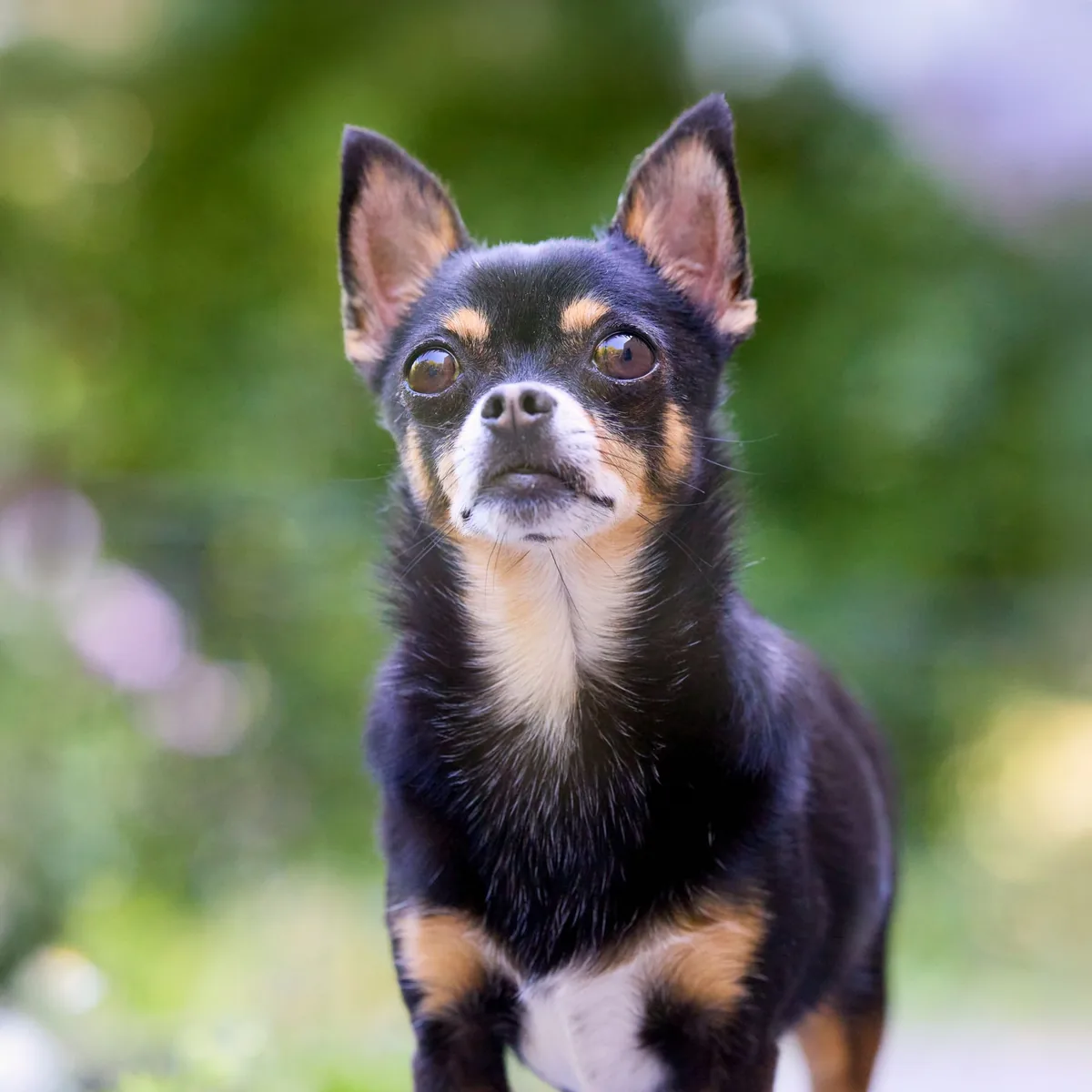
Small, alert and active, a Chihuahua still needs daily walks and short scent games, gentle introductions and protection from rough handling.
At a glance
- Size
- Small
- Height at shoulder
- 12 to 20 cm
- Weight
- 1.8 to 2.7 kg
- Lifespan
- over 12 years
- Activity
- Moderate
- Grooming
- Low
- Training
- Patience & clear guidance
- Owner experience
- First dog with support
Small body, individual character
The Chihuahua descends from companion dogs in Mexico. Many seek close company and notice the smallest sound at the front door. Their response varies: one may investigate, while another would rather watch from a distance. You learn more about the individual dog when it can stay on the ground and take in the situation for itself.
Start meetings with unfamiliar people and dogs far enough away for your Chihuahua to stay relaxed and responsive. Reward a glance back at you or a calm walk past. If a larger dog comes too close or a crowd gathers, make space first and pick up your Chihuahua if needed for safety. In calm situations, let it watch from the ground and decide whether to greet or move on.
Everyday life
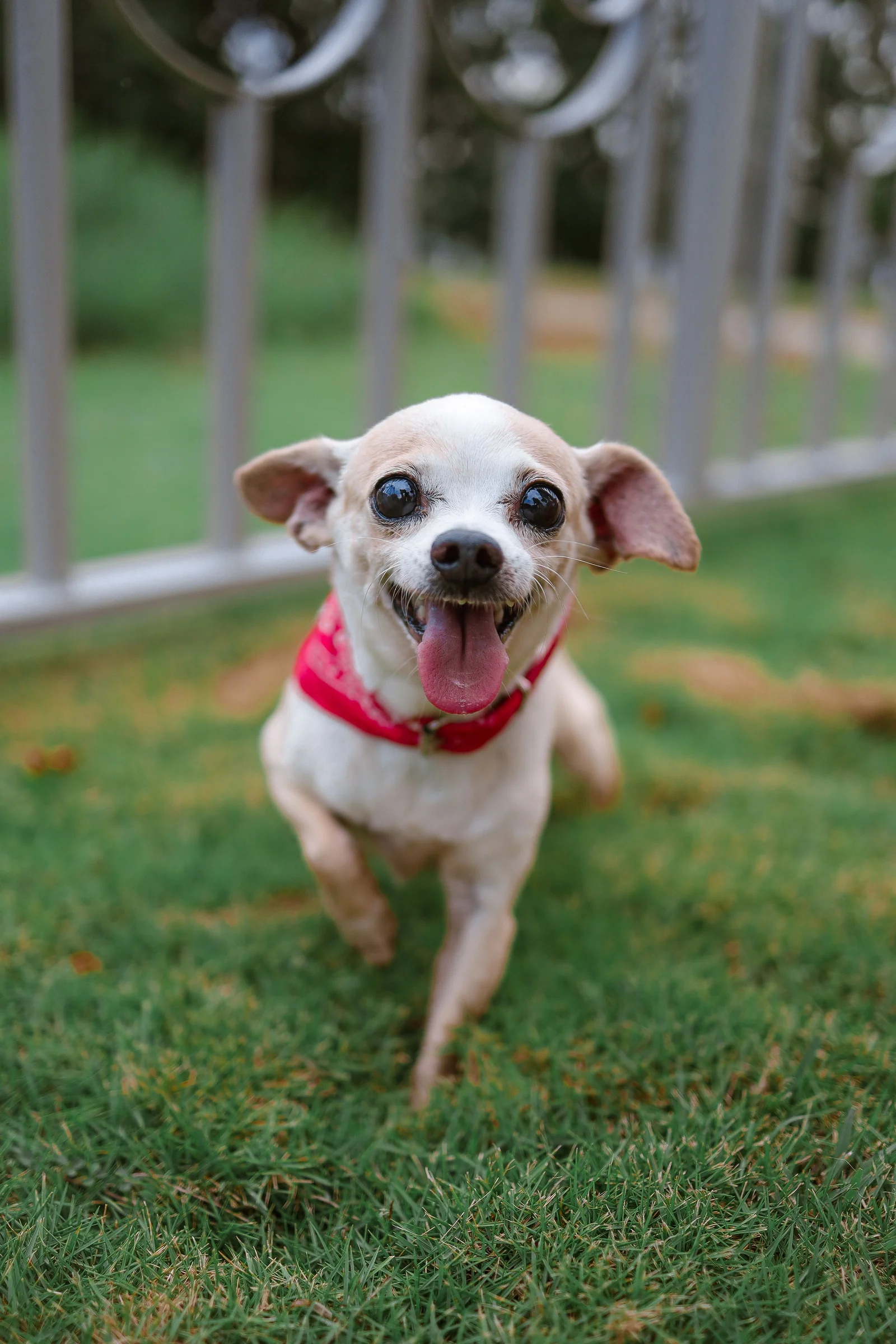
The UK veterinary charity PDSA recommends at least half an hour of daily exercise. Two short walks leave time to sniff; a search game with a few pieces of food or brief practice with waiting and coming when called adds variety. A large garden is not essential. What matters is a chance to explore outdoors every day and settle again at home.
On busy paths, a Chihuahua can easily end up among feet, bicycles and leads. Make space so it can keep walking and sniffing at its own pace. If you work long days, arrange company or care. Build up time alone from short, calm absences instead of expecting a young dog to cope immediately.
Staying home alone
Dogs learn to stay home alone in small steps. The RSPCA advises no more than four hours at a time. Puppies and dogs that become unsettled when left alone need shorter absences and gradual practice. Arrange someone to care for your dog when you will be away longer.
Everyday dog training: recall, a loose lead and clear communication ↗
Day-to-day care
A weekly brush is usually enough for a smooth-coated Chihuahua; PDSA suggests two or three sessions a week for the long-coated variety. Work through the longer hair behind the ears and on the legs, where small tangles can form. Both coat types shed, especially as the seasons change.
Make tooth care a regular habit. Teeth can be crowded in such a small jaw, and dental disease is a recognised breed concern. Introduce a soft dog toothbrush gradually and have the mouth checked at veterinary visits. Tooth brushing also makes it easier to notice sore gums or a baby tooth that remains beside an adult tooth.
Size and build
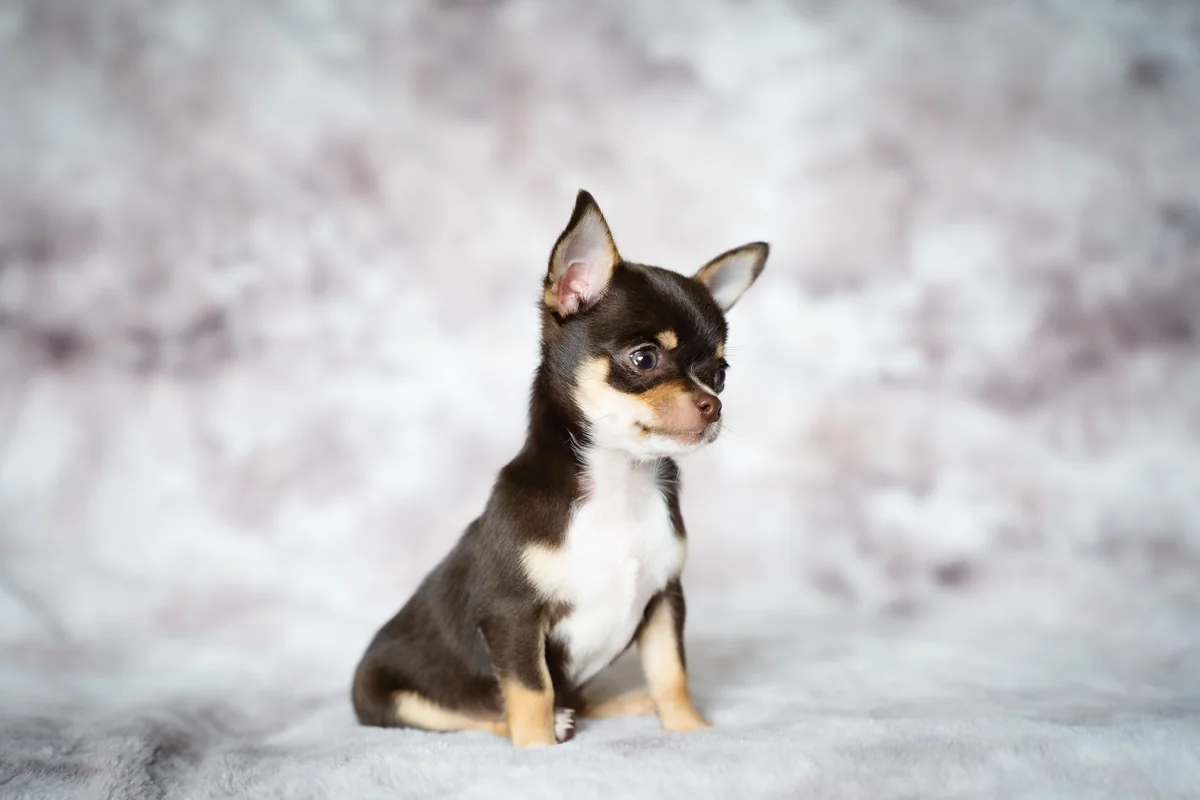
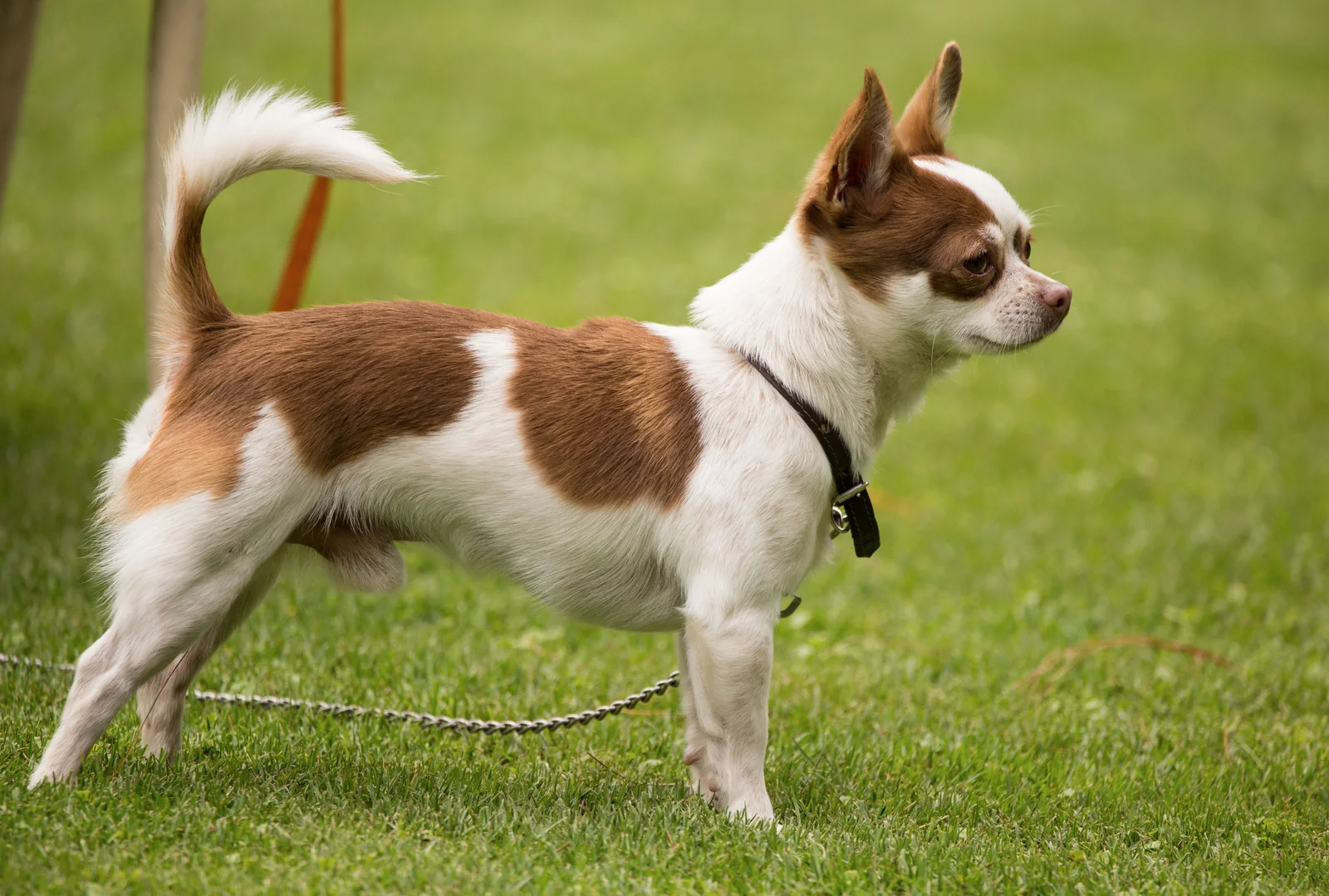
Chihuahuas typically weigh 1.8 to 2.7 kg and stand 12 to 20 cm at the shoulder, according to PDSA. Their frame is fine-boned but balanced, with a head and ears that look large in proportion. There are smooth- and long-coated varieties. Longer fringes grow on the ears, chest, legs and tail of the long coat; the underlying shape is the same. On high steps, furniture and getting in and out of a car, a dog this small may need help so it does not have to jump down from a height.
From puppy to senior: caring for your dog through every life stage ↗
Health
Knees, teeth, heart and airways deserve attention in Chihuahuas. With patellar luxation, the kneecap slips temporarily out of place. A dog may skip on three legs for a few steps and then appear normal again. A vet can assess how stable the knee is. Teeth often sit close together in the small jaw; retained baby teeth and plaque raise the risk of painful gum disease. Regular brushing and dental checks matter.
PDSA also lists heart valve problems and tracheal collapse. When the windpipe weakens, a persistent dry cough can appear. Eye disease is another concern. If you are considering a puppy, ask for the parents’ documented knee and heart checks and about eye, dental or airway problems in the family. Have repeated limping or coughing assessed by a vet. If your Chihuahua suddenly holds an eye shut in pain, call your vet promptly.
Could this breed fit your life?
Could work well if …
- You can offer frequent company and handle a small dog gently.
- You can arrange calm introductions and keep children from picking the dog up.
May be less suitable if …
- The dog would be alone without company for many hours on most days.
- Young children in the home have not yet learned gentle handling.
Similar needs, different dogs.
Selected by shared size, activity, grooming and training characteristics.
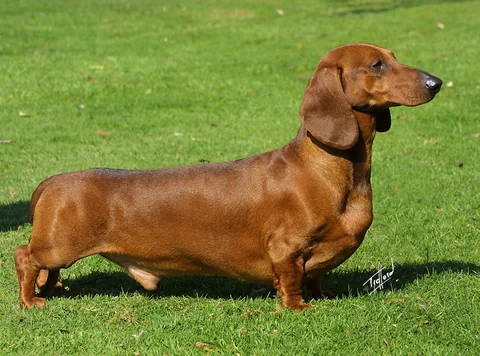
Scent hound
Dachshund (Smooth, Standard)
The Standard Smooth Dachshund is a determined hunting dog that enjoys following scents outdoors. Walks and games with hidden treats or toys give that keen nose plenty to do. Back health deserves particular attention, as Dachshunds are prone to intervertebral disc disease.
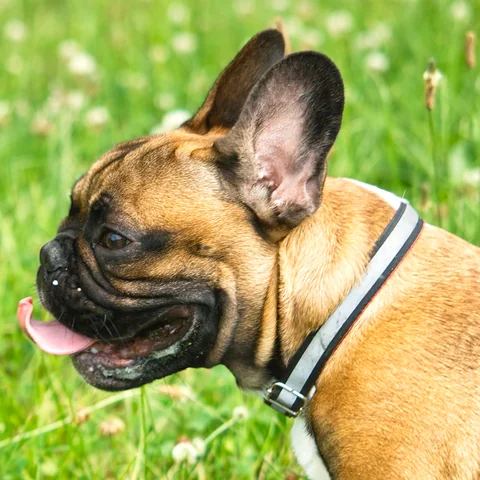
Companion dog
French Bulldog
Compact, playful and fond of company. A French Bulldog’s ability to breathe easily shapes how comfortably it can walk and play.
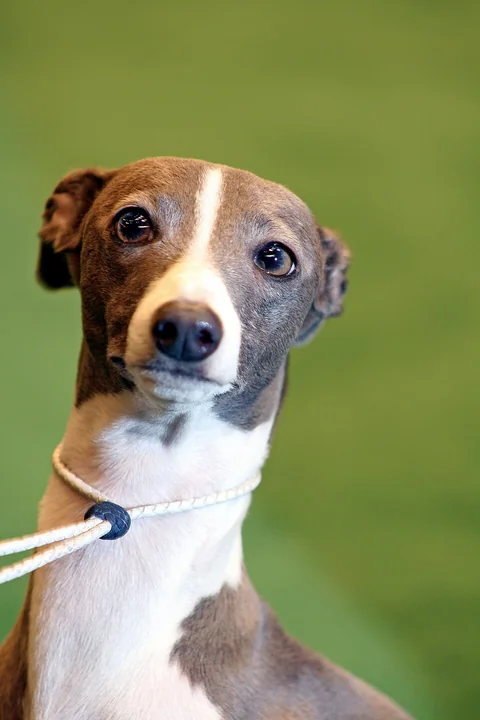
Sighthound
Italian Greyhound
The Italian Greyhound is a small sighthound that runs fast and loves to curl up near its people at home. Young dogs in particular can be injured by high jumps or rough play.
Sources and photograph credit
- Teaching your dog to be left alone
Used in this profile for: Staying home alone
- Painful eye or eye held closed in dogs
Used in this profile for: Health
- Chihuahua · breed guide
Used in this profile for: Size / Weight, Temperament, Everyday life, Day-to-day care, Size and build, Health, Lifespan, Could this breed fit your life?
Photo credits
Portrait · Erwin Bosman · Pexels License
Side view · Rafael Guajardo · Pexels License
In action · Alejandra Montenegro · Pexels License
Puppy · Clarissa Roley · Pexels License