 fellfolio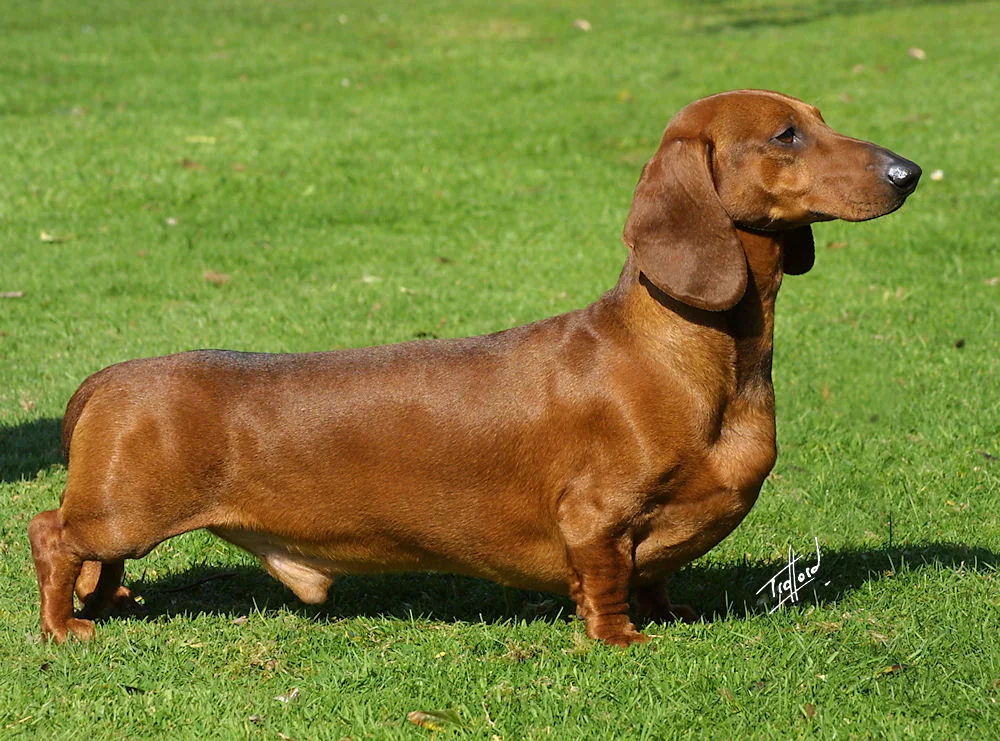
Companion dog
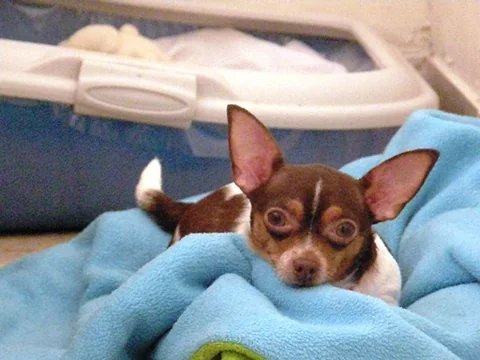
Chihuahua
Small, alert and active. Chihuahuas still need suitable activity, gentle introductions and protection from rough handling.
Scent hound
A low-built hound with an independent hunting background. This profile covers the Standard Smooth Dachshund; miniature sizes and other coat types are distinct varieties.
Dachshunds were bred to work independently when hunting. An interesting scent can therefore be more persuasive than a recall cue. Kind, consistent training and well-chosen rewards help. Small stature says little about how demanding the individual may be in everyday life.
Sniffing walks and controlled searches suit the breed’s original work. Plan secure routes rather than discovering prey drive during an off-lead outing. In family life, this low-built dog needs considerate handling and a protected resting place. Small pets should not be assumed to make suitable playmates.
Being alone needs gradual practice. The RSPCA advises no more than four hours at a time; puppies and some adults need much shorter intervals. Arrange company during longer absences.
A soft brush is usually sufficient for routine smooth-coat care. Include the long ears, nails and teeth. Do not apply this grooming guide to wire-haired or long-haired Dachshunds; their coats have different requirements.
FCI size varieties are defined by chest circumference, while British standards use a different system. A single height or weight range would mix those systems. Ask specifically about the variety and adult parents.
Intervertebral disc disease (IVDD) is well documented in Dachshunds. DachsLife examined associations between variety, lifestyle and reported disease. As a survey, it cannot establish causation for an individual dog. Increased susceptibility does not mean every Dachshund will be affected. Back pain, weakness or an altered gait warrant prompt veterinary assessment.
A 2024 British study estimates a median of 13.2 years for this breed (95% confidence interval 13.0–13.5; 2305 dogs). The interval describes uncertainty in the estimate, not the range of individual lifespans. Region, sampling and living conditions limit generalisation.
Dachshunds overall, not specifically Standard Smooth
Breed traits describe tendencies. Breeding line, socialisation, care and experience shape the individual. Children and animals always need responsible supervision.
Selected by shared size, activity, grooming and training characteristics.
Companion dog
Small, alert and active. Chihuahuas still need suitable activity, gentle introductions and protection from rough handling.
Companion dog
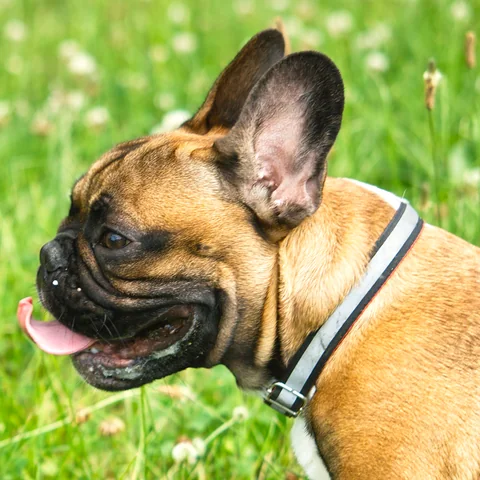
Compact and people-oriented, with a short coat and one major health consideration: a flat face can impair breathing.
Sighthound
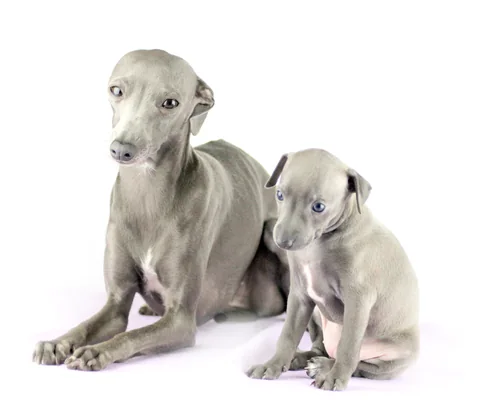
A fine-boned sighthound who seeks closeness and needs particularly careful handling when young.
Portrait · Katemil94 · CC BY-SA 4.0 · Image cropped
_(Dachshund_(Short)).jpg)