fellfolio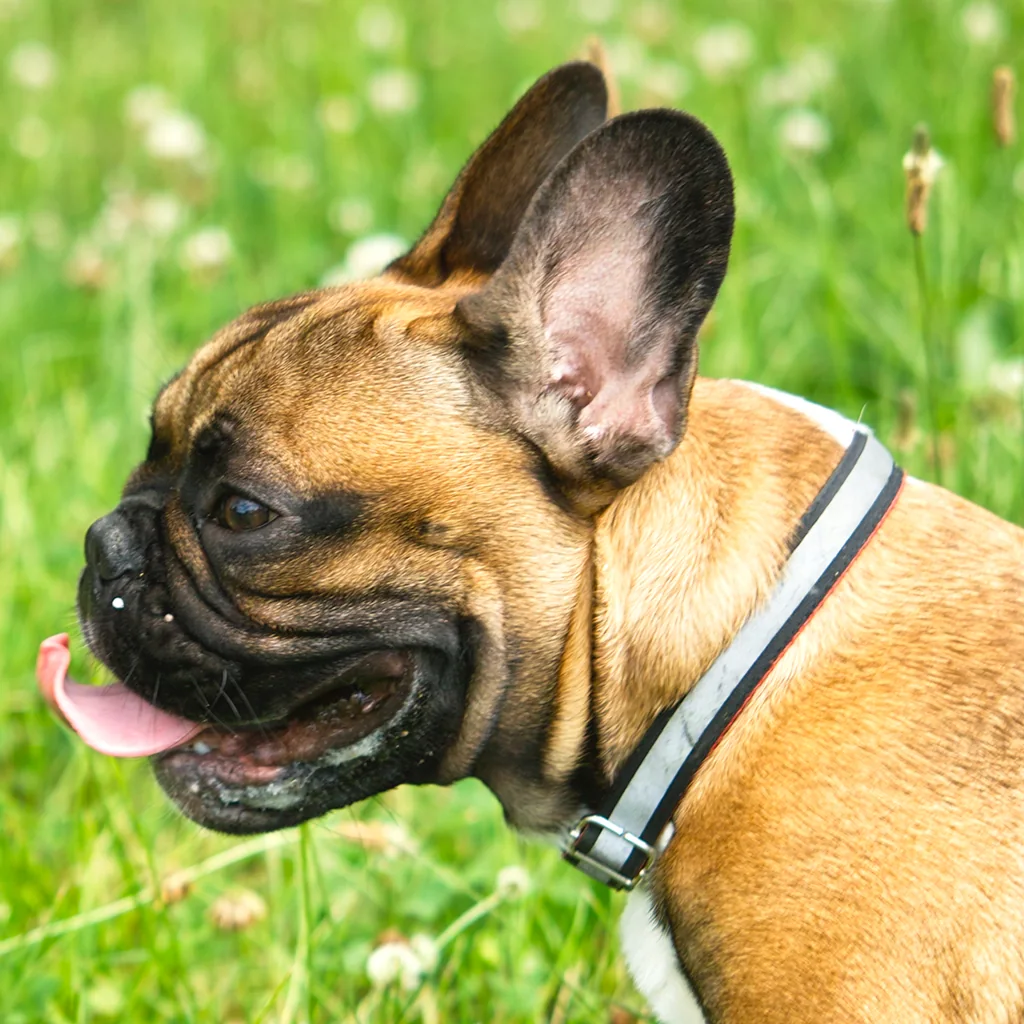
Companion dog
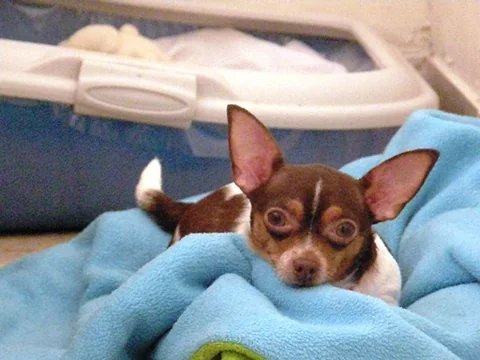
Chihuahua
Small, alert and active. Chihuahuas still need suitable activity, gentle introductions and protection from rough handling.
Companion dog
Compact and people-oriented, with a short coat and one major health consideration: a flat face can impair breathing.
French Bulldogs often seek close company. Their short muzzle is more than an appearance: it can affect breathing, stamina and the ability to cool down.
Short, adapted outings and reliable company suit them better than long trips. Take extra care with heat and strenuous play. Plan a cool retreat and supervise family interactions.
Being alone needs gradual practice. The RSPCA advises no more than four hours at a time; puppies and some adults need much shorter intervals. Arrange company during longer absences.
The coat needs little brushing. Keep skin folds clean and dry, and check eyes and skin regularly. Veterinary care may be more involved than for many other breeds.
A shoulder height around 30 cm says little about exercise tolerance. Ask a vet to assess the individual dog’s breathing and build before you decide.
PDSA lists brachycephalic obstructive airway syndrome, back problems, eye conditions and skin-fold problems. Ask about breathing, heat tolerance and exercise during any health assessment.
Breed traits describe tendencies. Breeding line, socialisation, care and experience shape the individual. Children and animals always need responsible supervision.
Selected by shared size, activity, grooming and training characteristics.
Companion dog
Small, alert and active. Chihuahuas still need suitable activity, gentle introductions and protection from rough handling.
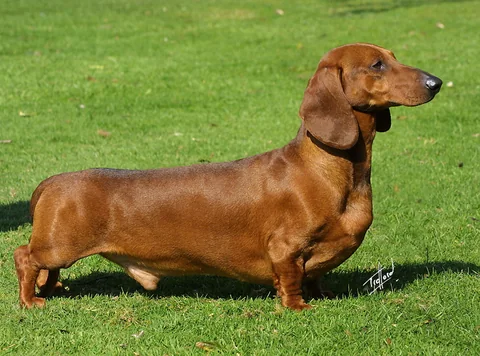
Scent hound
A low-built hound with an independent hunting background. This profile covers the Standard Smooth Dachshund; miniature sizes and other coat types are distinct varieties.
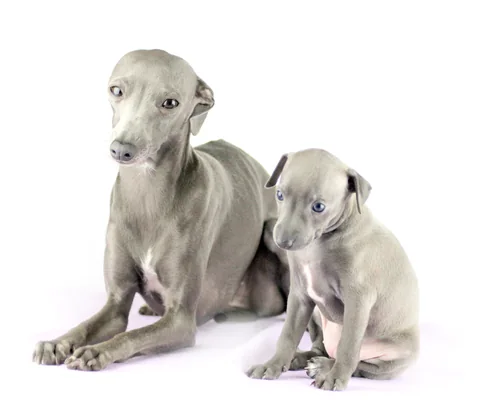
Sighthound
A fine-boned sighthound who seeks closeness and needs particularly careful handling when young.
Portrait · Artur Malinowski · CC BY 2.0 · Image cropped