 fellfolio
Lean sighthound from the Sahel with close bonds to familiar people
Azawakh
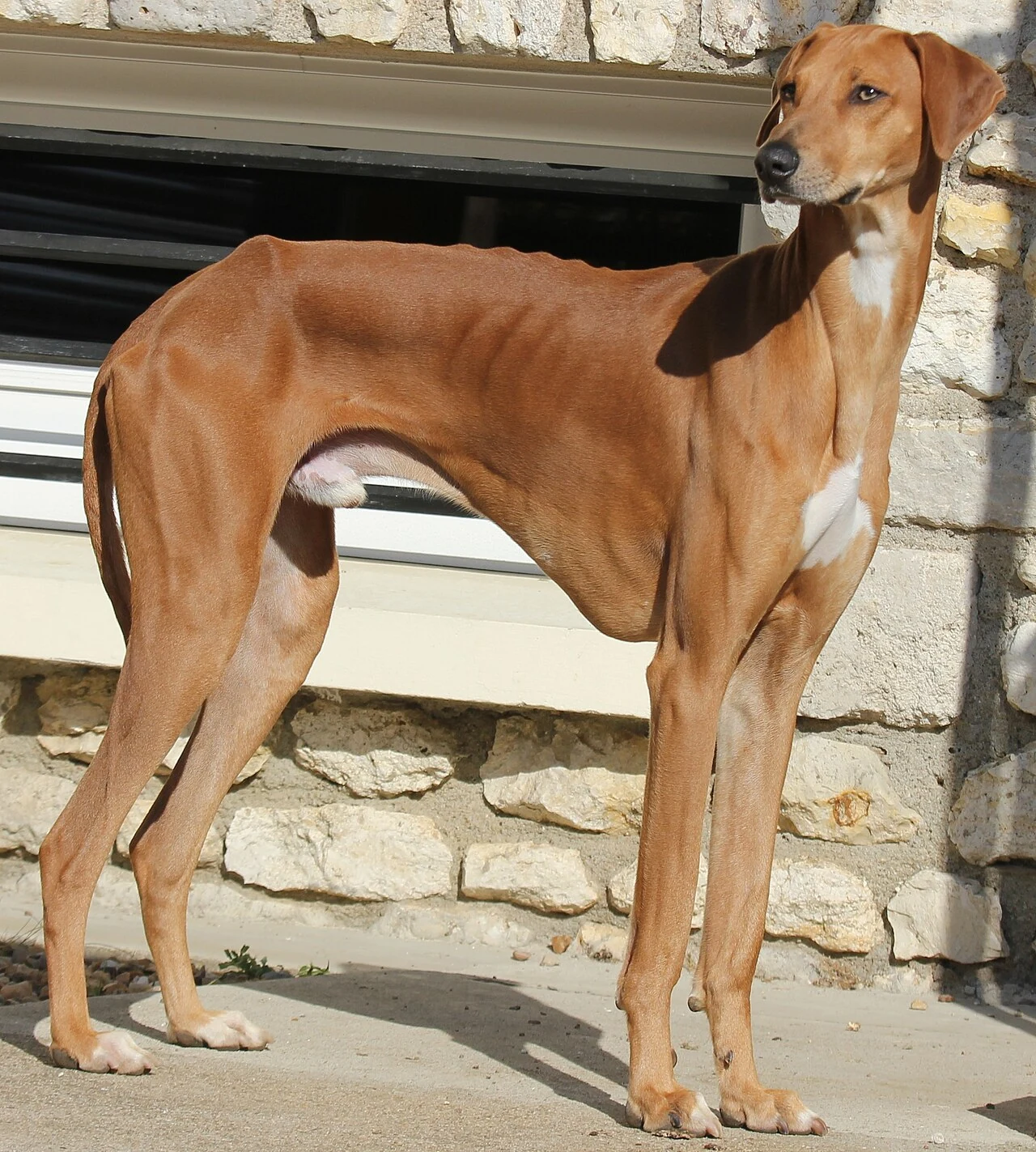
Long legs, a narrow body and a remarkably short coat give the Azawakh its distinctive appearance. This sighthound from the Sahel can be deeply attached to familiar people while keeping its distance from strangers at first. A suitable home offers shared exercise, secure space to run and people willing to let introductions develop gradually.
At a glance
- Size
- Large
- Height at shoulder
- 60 to 74 cm
- Weight
- 15 to 25 kg
- Lifespan
- 12 to 15 years
- Activity
- High
- Grooming
- Weekly
- Training
- Patience & clear guidance
- Owner experience
- Experience recommended
A sighthound shaped by life in the Sahel
The Azawakh comes from the West African Sahel, particularly areas in Mali and Niger. Its name refers to the Azawakh region. These dogs accompanied nomadic communities, guarded their surroundings and helped with hunting. The first representatives reached Europe towards the end of the 1960s. This history helps explain the combination of watchfulness and hunting behaviour.
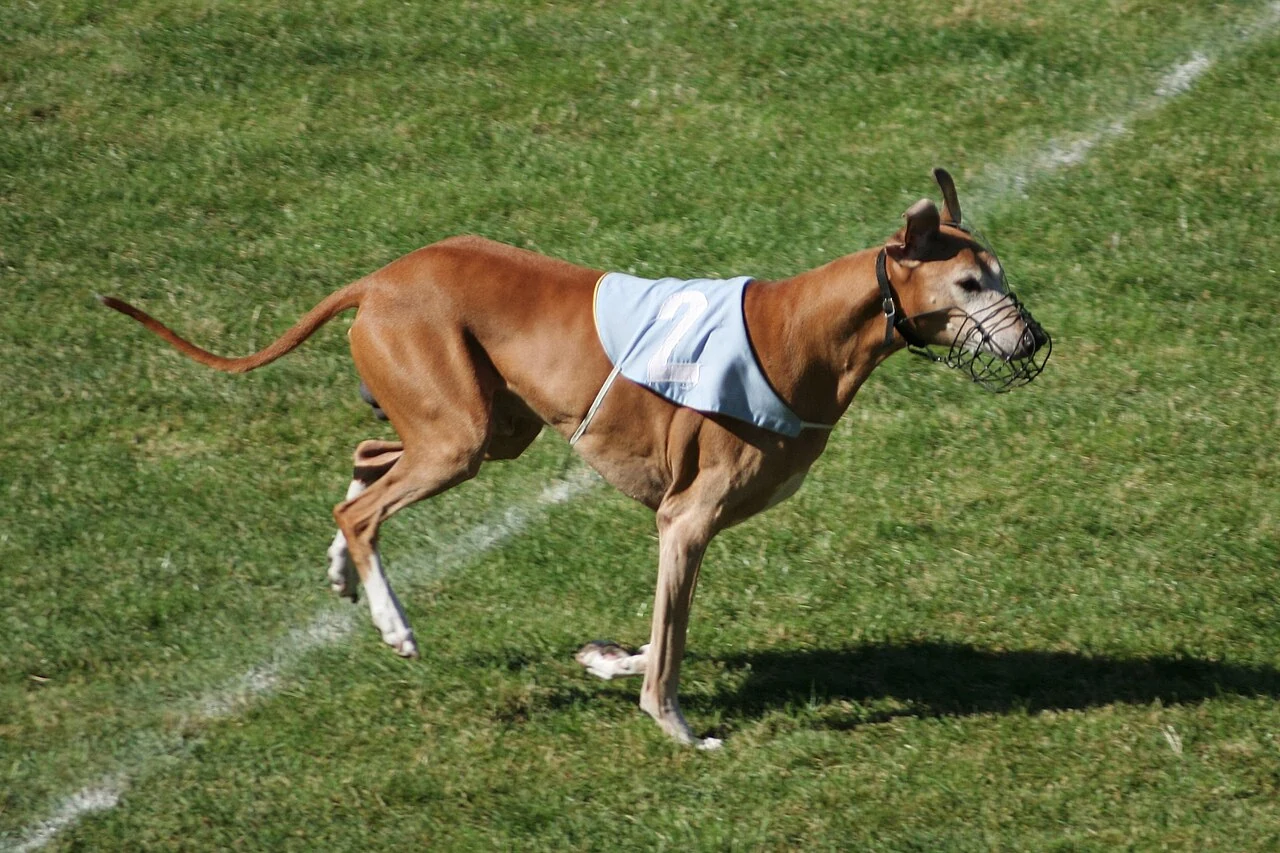
As a sighthound, it responds strongly to movement. A hare crossing the path can quickly become more compelling than someone calling from a distance. Its exceptionally lean body is built for speed. The international canine organisation FCI gives shoulder heights of 64 to 74 centimetres for males and 60 to 70 centimetres for females, with respective weights of 20 to 25 and 15 to 20 kilograms.
At home, it often wants to be close to familiar people. With visitors, it may prefer to observe before accepting a stroke. Guests should let it approach in its own time. Calm introductions are more helpful than several people reaching towards it. Children should have an adult’s guidance in recognising when the dog wants company and when it prefers to remain on its bed.
Small animals may trigger its hunting instincts. Knowing a cat in its own household does not necessarily change its response to an unfamiliar cat running away outdoors. Introductions to other pets should therefore take account of its previous experience and the actual encounter. Cats should have their own retreat areas, and small pets should be protected from direct contact.
Everyday life
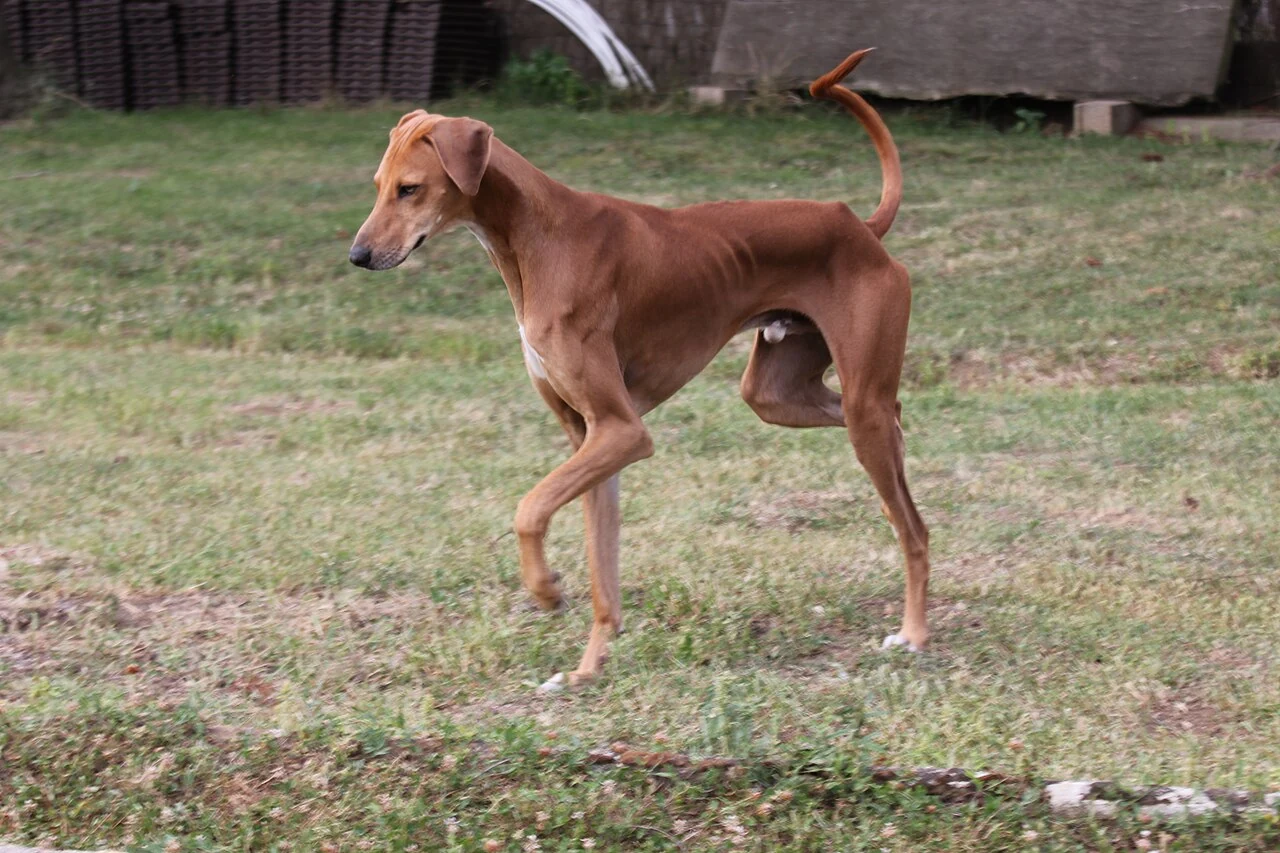
A healthy adult Azawakh needs substantial daily walks and opportunities to move freely. A securely fenced area without access to wildlife can provide these opportunities. Running and playing together are usually more engaging than standing alone in a large garden. Calm search games and brief training exercises can add variety to walks.
Coming back when called should first be practised without strong distractions and linked to a worthwhile reward. In places with wildlife, a long lead on a well fitting harness is useful while an unwanted chase cannot reliably be prevented. The dog’s speed makes reacting at the last moment difficult.
Short, manageable tasks suit learning. Waiting calmly before a door opens could be built up and rewarded in small steps. Harsh physical corrections can damage trust. Learning to stay alone should also be gradual. If the dog remains distressed during absences, care arrangements should be adjusted and qualified help sought.
Staying home alone
Dogs learn to stay home alone in small steps. The RSPCA advises no more than four hours at a time. Puppies and dogs that become unsettled when left alone need shorter absences and gradual practice. Arrange someone to care for your dog when you will be away longer.
Everyday dog training: recall, a loose lead and clear communication ↗
Day-to-day care
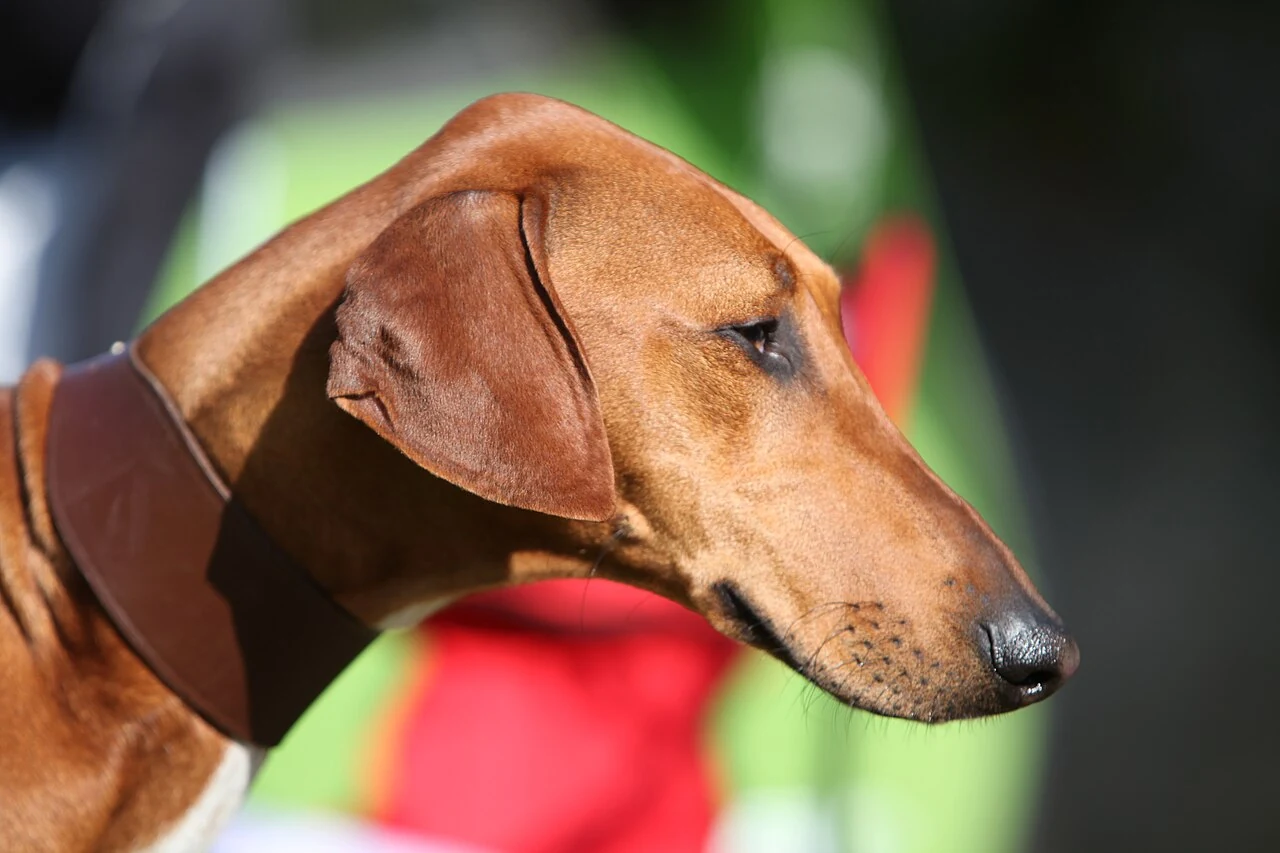
A soft brush or grooming cloth is usually enough to keep the short coat clean. A weekly check also offers a chance to notice skin changes or small injuries. The hair is especially sparse on the belly. A well fitting coat may help in cold or wet weather if the dog feels chilled. A warm, well padded bed suits its short coat and bony build.
Nails should be checked regularly so they do not interfere with running. Dog toothpaste is appropriate for brushing the teeth. Gentle practice with lifting the lips and touching the paws makes these routines easier. Strong mouth odour, red gums or changes in chewing should be assessed by a vet.
Size and build
A young Azawakh should meet different people and experience everyday situations without being overwhelmed by introductions. A quiet visitor, a short journey and a new setting are easier to explore separately than all in one afternoon. Exercise should increase as the puppy grows. Long runs beside a bicycle and repeated high jumps should wait until the body has matured.
An adult dog also needs time to become comfortable with unfamiliar people and places. In later life, shorter walks and shared activities without rapid turns may suit it better. A sudden reduction in stamina should be investigated for pain or other illness. The American Kennel Club lists a life expectancy of twelve to fifteen years.
From puppy to senior: caring for your dog through every life stage ↗
Health
The American Azawakh Association identifies conditions occurring in the breed, including seizures and an underactive thyroid. An underactive thyroid means the body produces too little thyroid hormone. The dog may become less energetic, gain weight and develop skin or coat changes. These signs should be investigated rather than attributed only to age or a quiet temperament.
Before choosing a puppy, you should ask about illnesses among its relatives and the parents’ examinations. The veterinary practice should be contacted after a seizure, even if the dog has recovered. A seizure lasting longer than two minutes or several within 24 hours calls for immediate veterinary help. Recording its start, duration and sequence can help the assessment.
The breed’s naturally lean appearance makes it useful to assess weight and body condition together. Fellfolio can keep weight history, observations and veterinary findings in one place. At the next appointment, this makes it easier to explain what has changed and when it began.
Could this breed fit your life?
Could work well if …
- You can provide daily shared exercise and free running within a securely fenced area.
- You enjoy a dog that bonds closely with familiar people and takes time with strangers.
- You can account for hunting behaviour and use calm, reward based training.
What to consider
- A fleeing animal can trigger a chase very quickly. Free running should take place in suitable secure areas.
- Visitors should give it time rather than press it to accept handling.
- The very short coat offers little protection from cold. Bedding and outdoor equipment should suit this.
Similar needs, different dogs.
Selected by shared size, activity, grooming and training characteristics.
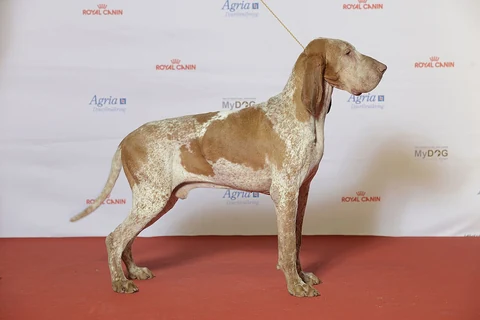
Italian pointing dog with a distinctive head and ground covering trot
Bracco Italiano
The Bracco Italiano is a large Italian hunting dog with long ears, a powerful body and an expressive head. It enjoys searching by scent and working with its handler. At home it can be a gentle companion when exercise, purposeful tasks and time together are dependable parts of daily life.
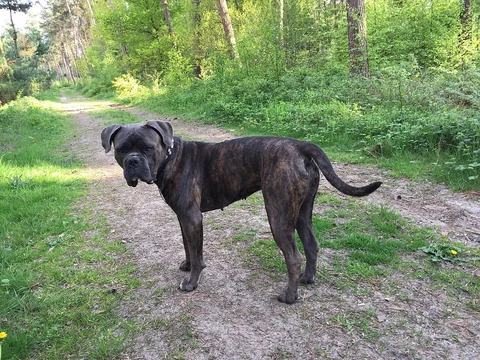
Athletic Italian guardian with considerable strength and a need for shared activities
Cane Corso
The Cane Corso combines a powerful body with considerable agility. Developed in Italy to guard homes, families and livestock, this breed suits people who enjoy shared exercise and training and can guide an alert guardian safely through everyday life.
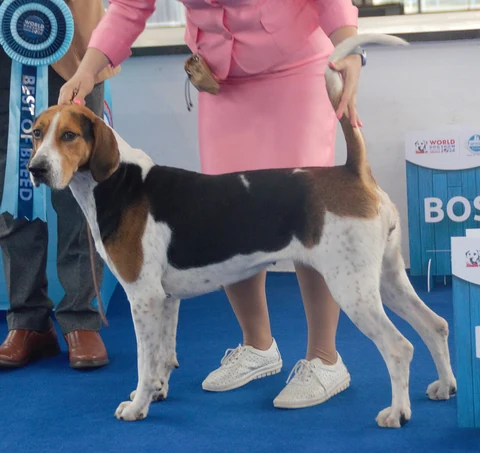
Scent hounds
English Foxhound
The English Foxhound is a substantial English scent hound with a short coat. Bred for fox hunting in a pack, it brings considerable endurance and a strong interest in scent trails. Before bringing one home, you should plan for long walks, suitable canine company and a gradual introduction to household life.
Sources and photograph credit
- Teaching your dog to be left alone
Used in this profile for: Staying home alone
- Position Statements and Humane Dog Training
Used in this profile for: Everyday life
- Azawakh
Used in this profile for: Temperament, Everyday life, Day-to-day care, Size and build, Health, Lifespan, Could this breed fit your life?
- azawakh parent club health statement
Used in this profile for: Health
- About Azawakhs
Used in this profile for: Temperament
- Azawakh FCI international standard
Used in this profile for: Size / Weight, Temperament, Day-to-day care, Could this breed fit your life?
- Azawakh
Used in this profile for: Everyday life, Could this breed fit your life?
- Dental Disease in Dogs
Used in this profile for: Day-to-day care
- Exercising Your Puppy
Used in this profile for: Size and build
- What to do if your pet has a seizure
Used in this profile for: Health
- Hypothyroidism in dogs
Used in this profile for: Health
- Training Your Dog to Be Left Alone
Used in this profile for: Everyday life, Size and build
- Children and Dogs
Used in this profile for: Temperament
- Train Your Dog to Come When Called
Used in this profile for: Everyday life
Photo credits
Side view · Azawakh Fahim Kel Az'Amour.jpg · Pat028 · CC BY-SA 3.0 · Edited

In action · Azawakh Cezar z Marsiki 49,60 p.jpg · Przykuta · CC BY-SA 3.0 · Edited

Coat and features · Azawakh de Nulle part ailleurs.JPG · Pat028 · CC BY-SA 3.0 · Edited

Everyday life · Azawakh Fahim Kel Az'Amour arrêt.jpg · Pat028 · CC BY-SA 3.0 · Edited
