 fellfolio
Italian pointing dog with a distinctive head and ground covering trot
Bracco Italiano
The Bracco Italiano is a large Italian hunting dog with long ears, a powerful body and an expressive head. It enjoys searching by scent and working with its handler. At home it can be a gentle companion when exercise, purposeful tasks and time together are dependable parts of daily life.
At a glance
- Size
- Large
- Height at shoulder
- 55 to 67 cm
- Weight
- 25 to 40 kg
- Lifespan
- Not sufficiently documentedWhy is there no reliable range?
- Activity
- High
- Grooming
- Weekly
- Training
- Patience & clear guidance
- Owner experience
- Experience recommended
Italy’s longstanding pointing dog
A pointing dog shows a hunter where game is hiding. After detecting its scent, the dog pauses and directs its body towards the location. This behaviour is called pointing. The Bracco Italiano was also selected to retrieve shot game, linking its history closely with bird hunting. Similar Italian pointing dogs appear in frescoes dating from the fourteenth century.
There were once distinct regional types, including those from Piedmont and Lombardy. They were brought together as one breed during the twentieth century. The Italian breed society Società Amatori Bracco Italiano, usually called SABI, was founded in 1949. The Bracco remains notable for a broad, powerful trot that covers ground without requiring a constant gallop.
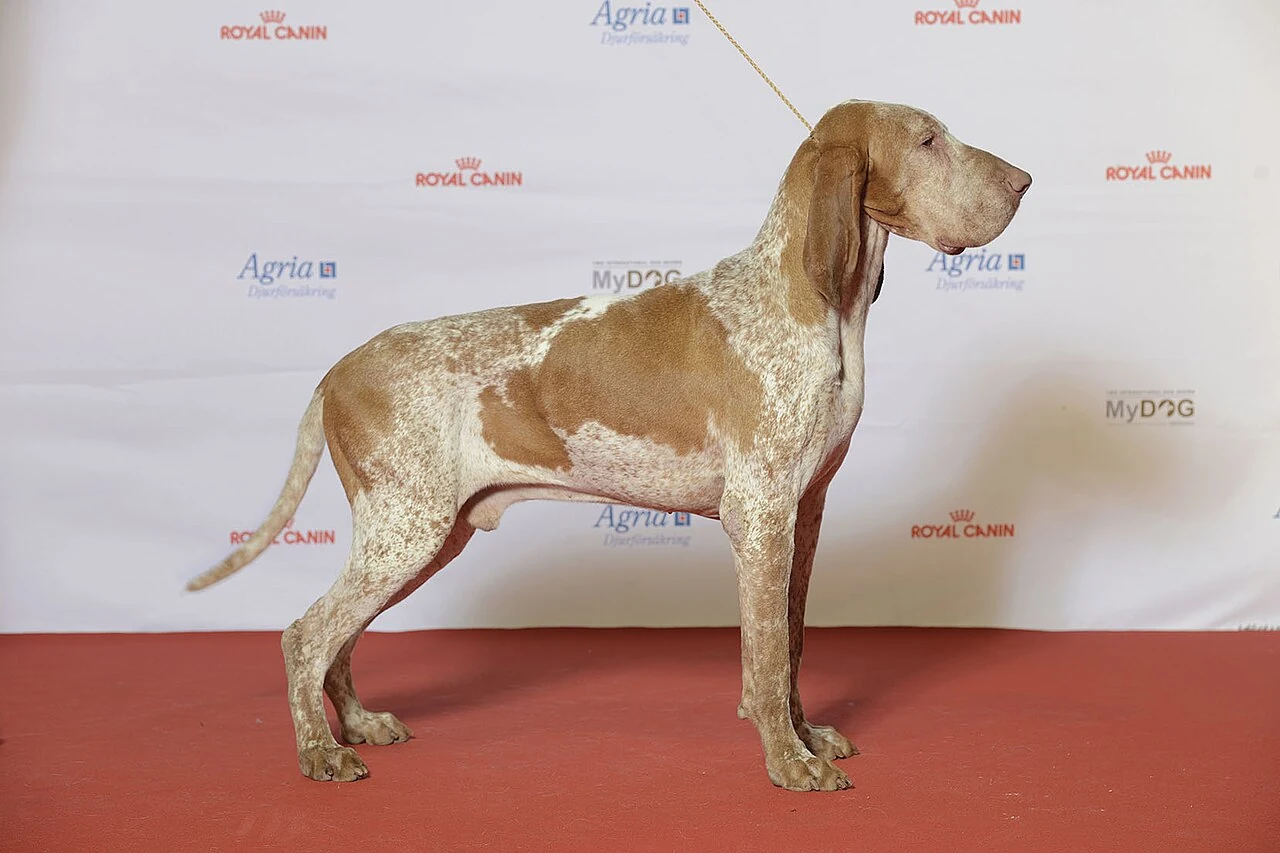
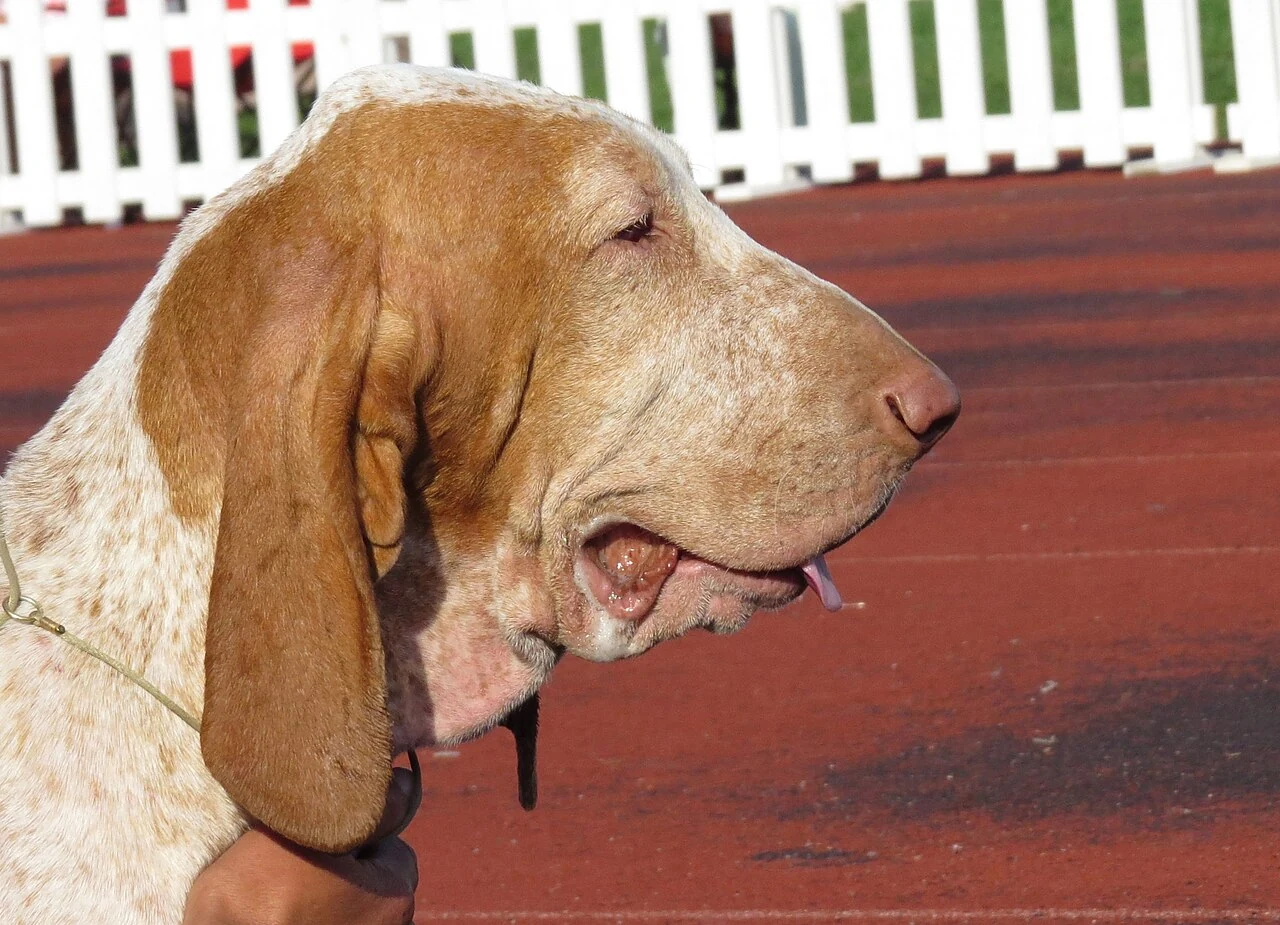
The international canine organisation FCI gives a shoulder height of 55 to 67 centimetres and weight of 25 to 40 kilograms. Its head is long and clearly sculpted, with ears extending down along the cheeks. The short coat can be white or carry orange or brown patches and fine speckling.
Many Bracchi enjoy being close to their families. Outdoors they remain alert hunting dogs interested in birds and other animals. Small prey pets should therefore be kept physically separate. An adult should guide interactions with children. With this dog’s size and weight, even a friendly jump can knock a small child over.
Everyday life
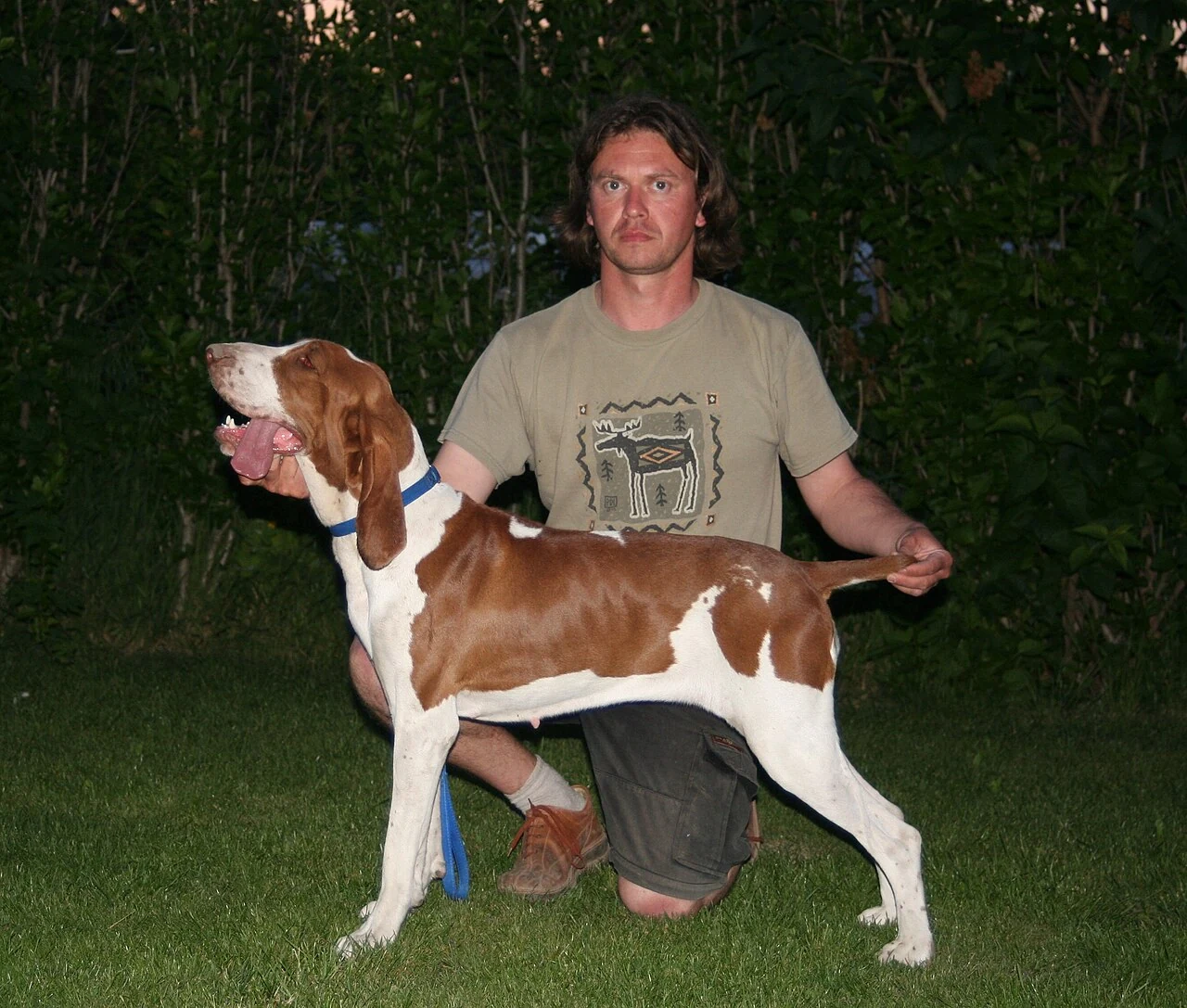
The Bracco suits people who enjoy substantial daily outings and want to provide mental activity too. Walks with time to sniff, gradually developed search tasks and retrieving exercises make use of its abilities. A soft retrieving dummy can be useful, meaning a training object for the dog to pick up and bring back.
Hunting is a natural working role. The American Kennel Club also identifies dog sports as possible activities for dogs that are not worked in the field. An instructor can help you build suitable tasks. Sharp turns and high jumps should be avoided while the dog is still growing.
Returning when called should begin in easy surroundings and be rewarded consistently. Where game scents or birds taking flight are distracting, a long lead attached to a harness offers room to explore with security. Free running should be possible in an appropriately fenced area. At home the Bracco needs adequate space, undisturbed sleep and companionship. Time alone should be introduced in small steps, with care arranged for longer absences.
Staying home alone
Dogs learn to stay home alone in small steps. The RSPCA advises no more than four hours at a time. Puppies and dogs that become unsettled when left alone need shorter absences and gradual practice. Arrange someone to care for your dog when you will be away longer.
Everyday dog training: recall, a loose lead and clear communication ↗
Day-to-day care
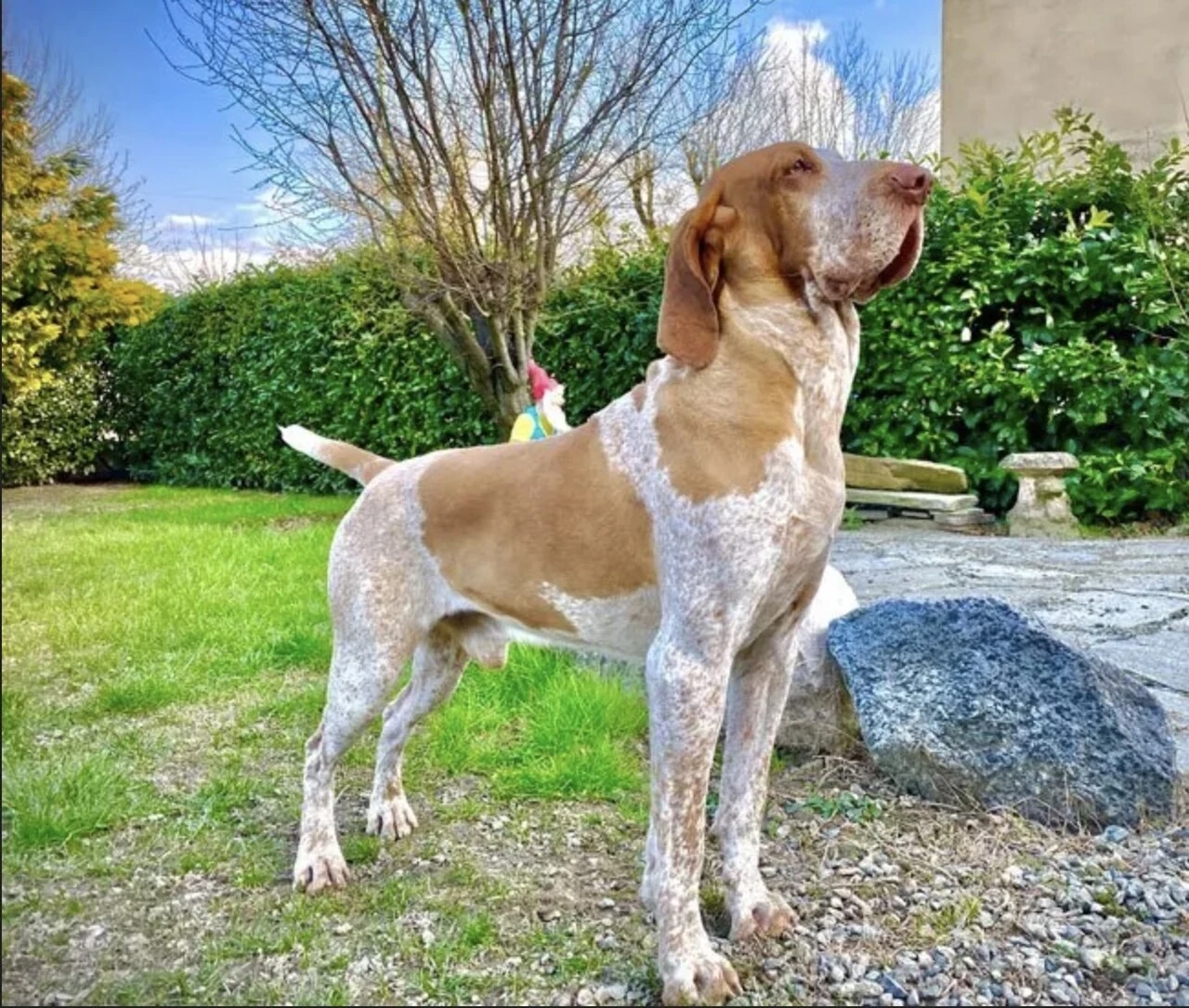
Regular brushing makes the short coat straightforward to maintain. You should also inspect the skin and paws. After an outing, plant material can become trapped between the toes or around the ears. Damp skin areas should be gently dried. Food or saliva left around the lips can be removed with a soft damp cloth.
The long hanging ears deserve regular attention. Redness, frequent head shaking or an unpleasant smell should be assessed by a vet. The practice can show you whether your dog needs an ear cleaner and how it should be used. Cleaning indiscriminately with household remedies may further irritate sore ears.
Nails should not interfere with movement. Teeth should be brushed regularly with dog toothpaste. Care is easiest when the dog has become comfortable with handling through short, pleasant exercises.
Size and build
A Bracco puppy grows into a substantial dog. Food should be appropriate for growth, with portions adjusted to its development. Short walks, free play with breaks and simple learning tasks are useful. Repeated hard landings and sustained running on pavement should be avoided while bones and joints are still maturing.
An adult’s stamina and activities can be developed gradually. Later in life, shorter walks and simple scent searches can preserve enjoyable time together. Slowing down or hesitating to rise should prompt a check for possible pain. Regular weight records also help you adjust feeding.
From puppy to senior: caring for your dog through every life stage ↗
Health
The Bracco Italiano Club of America recommends eye, hip and elbow examinations before breeding, together with kidney health testing. Before choosing a puppy, you should ask about both parents’ results and illnesses in their families. Hip dysplasia involves an unstable fit of the hip joint and can cause pain and wear. Repeated limping or difficulty rising should therefore be investigated.
Renal amyloidosis is also reported in the breed. Protein material accumulates in the kidneys and may interfere with their function. Urine testing can reveal unusual protein loss. The American breed club recommends regular kidney checks even for dogs that will not be bred. Your veterinary practice should discuss which blood and urine tests are appropriate.
Reduced appetite, weight loss or noticeably greater thirst can warrant an examination. They do not point to just one possible condition. A red, painful or unusually watery eye also needs prompt assessment. Fellfolio can keep findings, weight and observations together so that earlier results are available at the next appointment.
Lifespan
Breed organisations give conflicting life expectancy figures. There is no sufficiently supported shared age range to use here.
Could this breed fit your life?
Could work well if …
- You enjoy daily outings and want to combine exercise with scent tasks and training.
- You can safely handle and care for a large dog at home, in the car and in everyday situations.
- You have time for shared activities, ear care and regular preventive health checks.
What to consider
- Its gentle appearance should not obscure its need for exercise and mental activity.
- Hanging ears and kidney health deserve particular attention in preventive care.
- Puppies should not yet join the endurance routes or jumping exercises of an adult sporting dog.
Similar needs, different dogs.
Selected by shared size, activity, grooming and training characteristics.
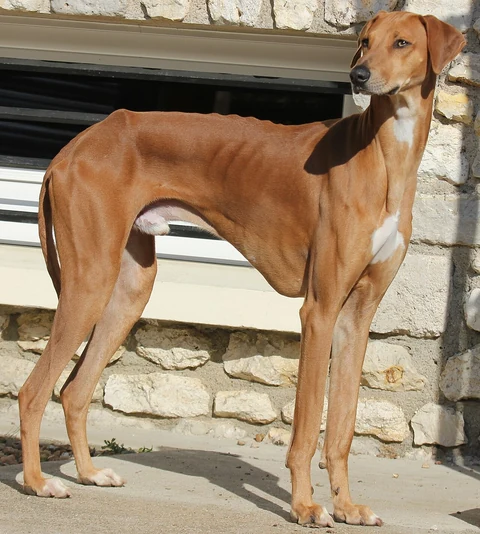
Lean sighthound from the Sahel with close bonds to familiar people
Azawakh
Long legs, a narrow body and a remarkably short coat give the Azawakh its distinctive appearance. This sighthound from the Sahel can be deeply attached to familiar people while keeping its distance from strangers at first. A suitable home offers shared exercise, secure space to run and people willing to let introductions develop gradually.
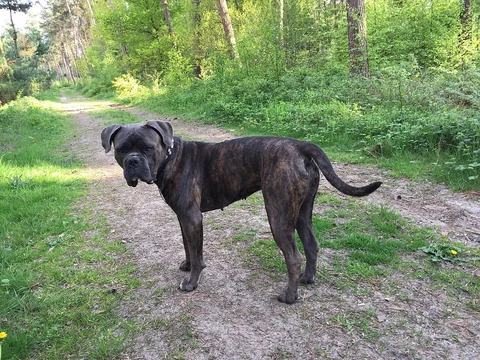
Athletic Italian guardian with considerable strength and a need for shared activities
Cane Corso
The Cane Corso combines a powerful body with considerable agility. Developed in Italy to guard homes, families and livestock, this breed suits people who enjoy shared exercise and training and can guide an alert guardian safely through everyday life.
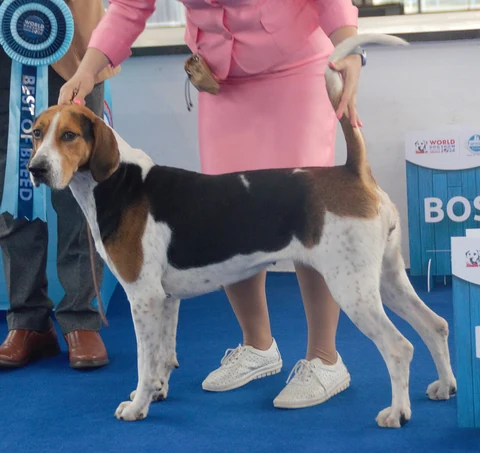
Scent hounds
English Foxhound
The English Foxhound is a substantial English scent hound with a short coat. Bred for fox hunting in a pack, it brings considerable endurance and a strong interest in scent trails. Before bringing one home, you should plan for long walks, suitable canine company and a gradual introduction to household life.
Sources and photograph credit
- Teaching your dog to be left alone
Used in this profile for: Staying home alone
- Canine Hip Dysplasia
Used in this profile for: Health
- Position Statements and Humane Dog Training
Used in this profile for: Everyday life
- Bracco Italiano
Used in this profile for: Temperament, Everyday life, Day-to-day care, Size and build, Lifespan, Could this breed fit your life?
- Bracco Italiano Club of America Health Statement
Used in this profile for: Health, Lifespan
- Bracco Italiano, FCI Standard No.202
Used in this profile for: Size / Weight, Temperament, Day-to-day care
- Health
Used in this profile for: Health
- Bracco Italiano
Used in this profile for: Everyday life, Day-to-day care, Lifespan, Could this breed fit your life?
- Ear problems in pets
Used in this profile for: Day-to-day care
- Exercising Your Puppy
Used in this profile for: Size and build
- Training Your Dog to Be Left Alone
Used in this profile for: Everyday life
- Children and Dogs
Used in this profile for: Temperament
- Caring for Your Dog’s Teeth
Used in this profile for: Day-to-day care
- Train Your Dog to Come When Called
Used in this profile for: Everyday life
Photo credits
Side view · BIR Grupp 7- BRACCO ITALIANO, Nuits Di Montemassi (23866391829).jpg · Johan Frick-Meijer / Svenska Mässan · CC BY 2.0 · Edited
.jpg)
Portrait · Bracco italiano Polceveras.jpg · Poggiwiki · CC BY-SA 4.0 · Edited

Coat and features · Italian Brack Head.JPG · Томасина · CC BY-SA 3.0 · Edited

Everyday life · Zarina della Valle Sante.jpg · Labberté K.J. · CC BY-SA 3.0 · Edited
