 fellfolio
Athletic Italian guardian with considerable strength and a need for shared activities
Cane Corso
The Cane Corso combines a powerful body with considerable agility. Developed in Italy to guard homes, families and livestock, this breed suits people who enjoy shared exercise and training and can guide an alert guardian safely through everyday life.
At a glance
- Size
- Large
- Height at shoulder
- 60 to 68 cm
- Weight
- 40 to 50 kg
- Lifespan
- 9 to 12 years
- Activity
- High
- Grooming
- Weekly
- Training
- Patience & clear guidance
- Owner experience
- Experience recommended
An agile Italian guardian
The Cane Corso was once more widely distributed in Italy, later surviving mainly in the south. A deliberate recovery of the breed took place in the second half of the twentieth century. Traditional work included guarding farms and livestock and working with cattle. The international canine organisation FCI describes an alert, agile dog with strong bonds to familiar people.
Life together is easier when a Corso has pleasant early experiences of different people and ordinary situations. During visits, the dog should be able to keep some distance and settle in a familiar place. Barking at strangers, confronting them or blocking a doorway should prompt support from an experienced professional. Recognising these situations early makes it easier to practise calm alternatives in a controlled setting.
An adult should supervise time with children. Excitable games can wind up a powerful young dog, so a clear pause and separate resting places are useful before play becomes a scramble. Introductions to other dogs or cats should take account of this particular dog’s previous experiences and behaviour.
Everyday life
A healthy adult Cane Corso needs substantial daily exercise and activities that involve thinking. Varied walks, guided scent searches and finding a hidden object can combine the two. A small search might begin with waiting calmly and finish with finding the object together. There should also be time simply to sniff and explore at an easy pace.
Useful training starts with ordinary situations. Walking on a loose lead, coming away from a garden fence when called and waiting on a bed should be taught in small, rewarded steps. Coming back when called, often called recall, should first be practised in a quiet, secure setting before distractions increase. These are skills that make a real difference when living with a strong guardian.
A garden should be securely fenced and complement time spent together. People who work long days need a care arrangement and should introduce brief absences gradually. The important questions about a home are whether daily walks, training, undisturbed rest and a carefully managed welcome for visitors are reliably possible. Anyone who occasionally takes over care should be familiar with those arrangements too.
Staying home alone
Dogs learn to stay home alone in small steps. The RSPCA advises no more than four hours at a time. Puppies and dogs that become unsettled when left alone need shorter absences and gradual practice. Arrange someone to care for your dog when you will be away longer.
Everyday dog training: recall, a loose lead and clear communication ↗
Day-to-day care
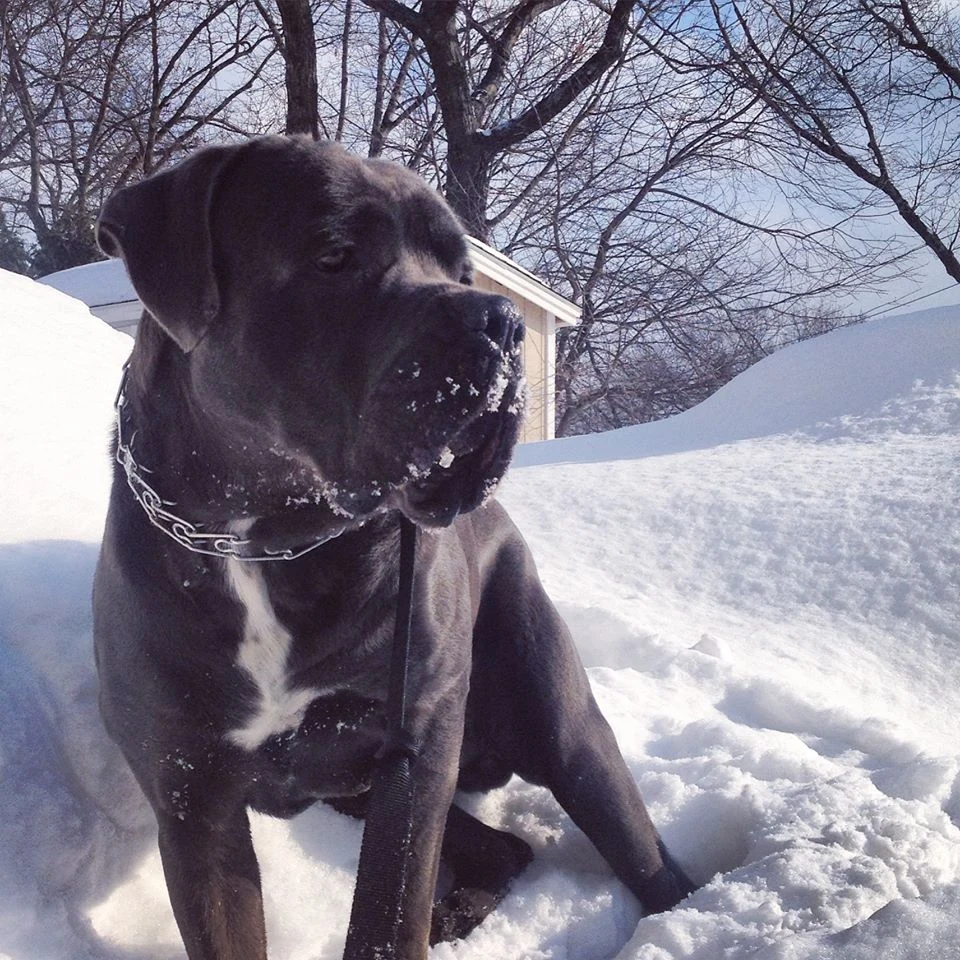
The short, glossy coat has a light undercoat. Weekly brushing is usually sufficient, with brief daily sessions useful during shedding. This is also a chance to check the skin and paws. Sore areas, bald patches or persistent itching should be investigated.
Ears and nails need regular attention. Red, smelly or painful ears should be discussed with the veterinary practice. Brushing with dog toothpaste should be introduced gradually. Pleasant early practice with handling the paws, ears and mouth makes later grooming and veterinary examinations easier.
Size and build
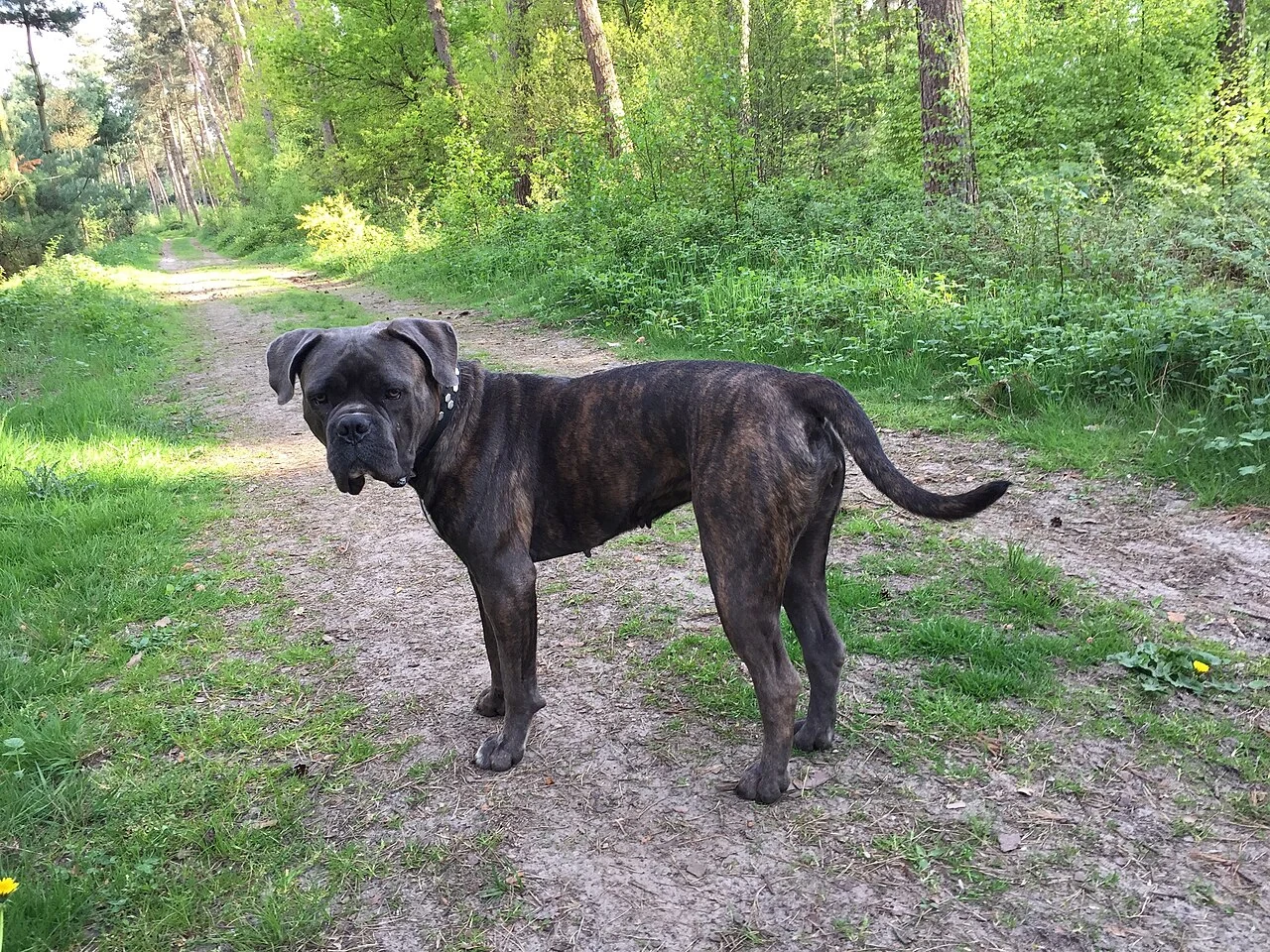
The Cane Corso has a strong, muscular body and a broad head. The international standard gives males a shoulder height of 64 to 68 centimetres and a weight of 45 to 50 kilograms. Females are 60 to 64 centimetres and 40 to 45 kilograms. A height tolerance of two centimetres above or below these values is allowed. Coat colours include black, grey, shades of fawn and brindle, which describes darker stripes through the base colour.
A puppy should grow at a lean body condition on appropriate food. The veterinary practice can help assess weight and feeding amounts as the dog develops. Brief walks, free play and rest should alternate. Long runs and repeated high jumps should be avoided during growth. In an older Corso, exercise and activities should reflect fitness. New limping or reduced enthusiasm for walks should be investigated.
From puppy to senior: caring for your dog through every life stage ↗
Health
The American parent club recommends breeding assessments that include hips, elbows and heart, along with specific genetic tests. When choosing a puppy, the parents’ actual results should be discussed. This includes which test was performed, which dog it refers to and what the findings mean for the planned litter.
Hip dysplasia involves a poor fit between the parts of the hip joint, which may leave it too loose. Pain and wear can affect movement. The parent club also identifies seizures as a health concern. The veterinary practice should be contacted after a seizure, even if the dog has recovered. A seizure lasting longer than two minutes or several within 24 hours requires immediate veterinary help. Recording the duration and sequence can be useful, without restraining the dog or reaching into the mouth.
A twisted stomach is another emergency. A swollen stomach can rotate and disrupt its blood supply. Unproductive retching, marked restlessness and a tense abdomen require immediate help. Fellfolio can keep assessment reports, weight changes and unusual symptoms together for discussion at the next appointment.
Could this breed fit your life?
Could work well if …
- You have experience with powerful dogs and can arrange early training and positive introductions to people and animals.
- You want substantial time outdoors with your dog every day, alongside search activities or training.
- Everyone involved in care can reliably manage visitors, walks and rest.
What to consider
- Guarding behaviour should be addressed early around visitors and property boundaries.
- A young Corso can knock children or adults over through strength and enthusiastic movement.
- Long workdays need a care plan that provides exercise, company and rest.
Similar needs, different dogs.
Selected by shared size, activity, grooming and training characteristics.
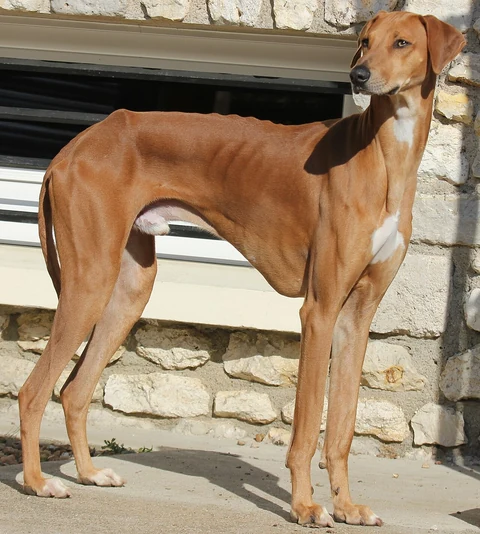
Lean sighthound from the Sahel with close bonds to familiar people
Azawakh
Long legs, a narrow body and a remarkably short coat give the Azawakh its distinctive appearance. This sighthound from the Sahel can be deeply attached to familiar people while keeping its distance from strangers at first. A suitable home offers shared exercise, secure space to run and people willing to let introductions develop gradually.
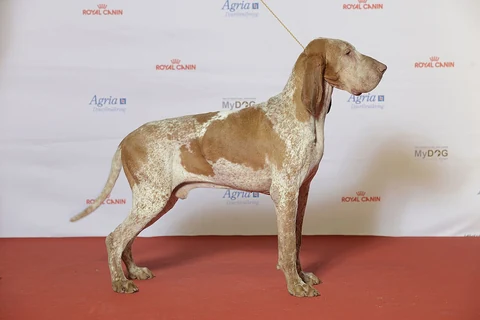
Italian pointing dog with a distinctive head and ground covering trot
Bracco Italiano
The Bracco Italiano is a large Italian hunting dog with long ears, a powerful body and an expressive head. It enjoys searching by scent and working with its handler. At home it can be a gentle companion when exercise, purposeful tasks and time together are dependable parts of daily life.
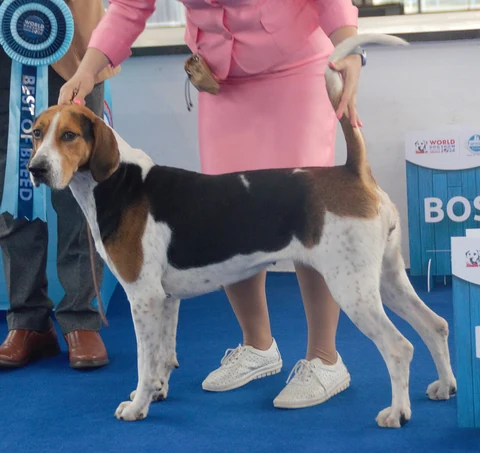
Scent hounds
English Foxhound
The English Foxhound is a substantial English scent hound with a short coat. Bred for fox hunting in a pack, it brings considerable endurance and a strong interest in scent trails. Before bringing one home, you should plan for long walks, suitable canine company and a gradual introduction to household life.
Sources and photograph credit
- Teaching your dog to be left alone
Used in this profile for: Staying home alone
- Gastric Dilatation Volvulus
Used in this profile for: Health
- Canine Hip Dysplasia
Used in this profile for: Health
- Cane Corso Dog Breed Information
Used in this profile for: Temperament, Everyday life, Day-to-day care, Size and build, Lifespan, Could this breed fit your life?
- Common Cane Corso Health Concerns
Used in this profile for: Health
- AKC Canine Health Foundation and CHIC
Used in this profile for: Health
- Cane Corso Italiano, FCI Standard 343
Used in this profile for: Size / Weight, Temperament, Size and build
- Grooming and bathing pets
Used in this profile for: Day-to-day care
- Exercising your puppy
Used in this profile for: Size and build
- What to do if your pet has a seizure
Used in this profile for: Health
- Training Your Dog to Be Left Alone
Used in this profile for: Everyday life, Could this breed fit your life?
- Children and Dogs
Used in this profile for: Temperament, Could this breed fit your life?
- Dog dental care
Used in this profile for: Day-to-day care
- Train Your Dog to Come When Called
Used in this profile for: Everyday life
- Training your dog
Used in this profile for: Everyday life
Photo credits
Side view · CaneCorsoItalianoW.jpg · Freak83 · CC BY-SA 4.0 · Edited

Coat and features · Cane Corse in the snow.jpg · Sorfanos · CC BY-SA 4.0 · Edited

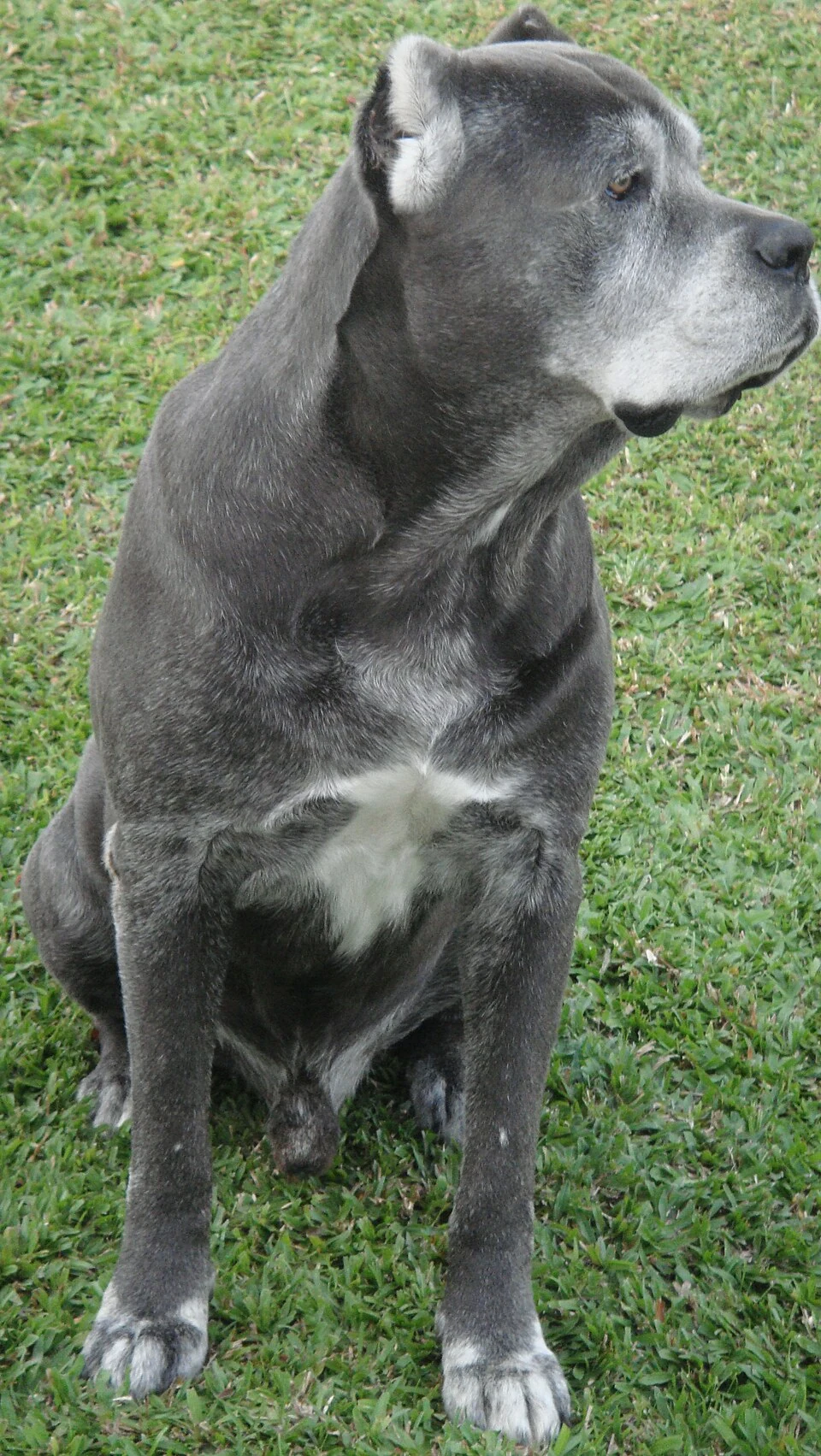
Portrait · Eight years old cane corso.JPG · Wil97one · CC BY-SA 3.0 · Edited

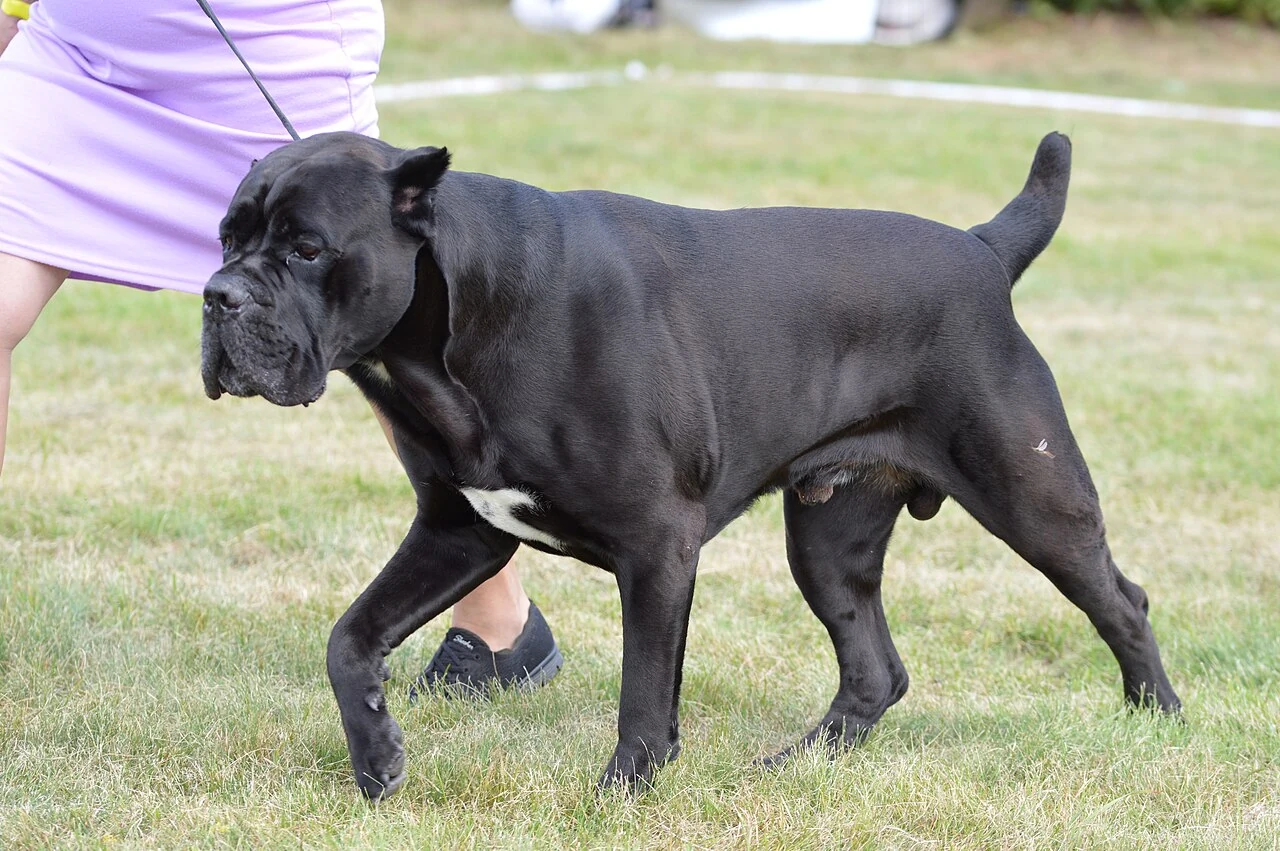
In action · Cane corso 2021 02.jpg · Wojciech Pędzich · CC BY-SA 4.0 · Edited
