 fellfolio
Small Australian wire coated terrier
Australian Terrier
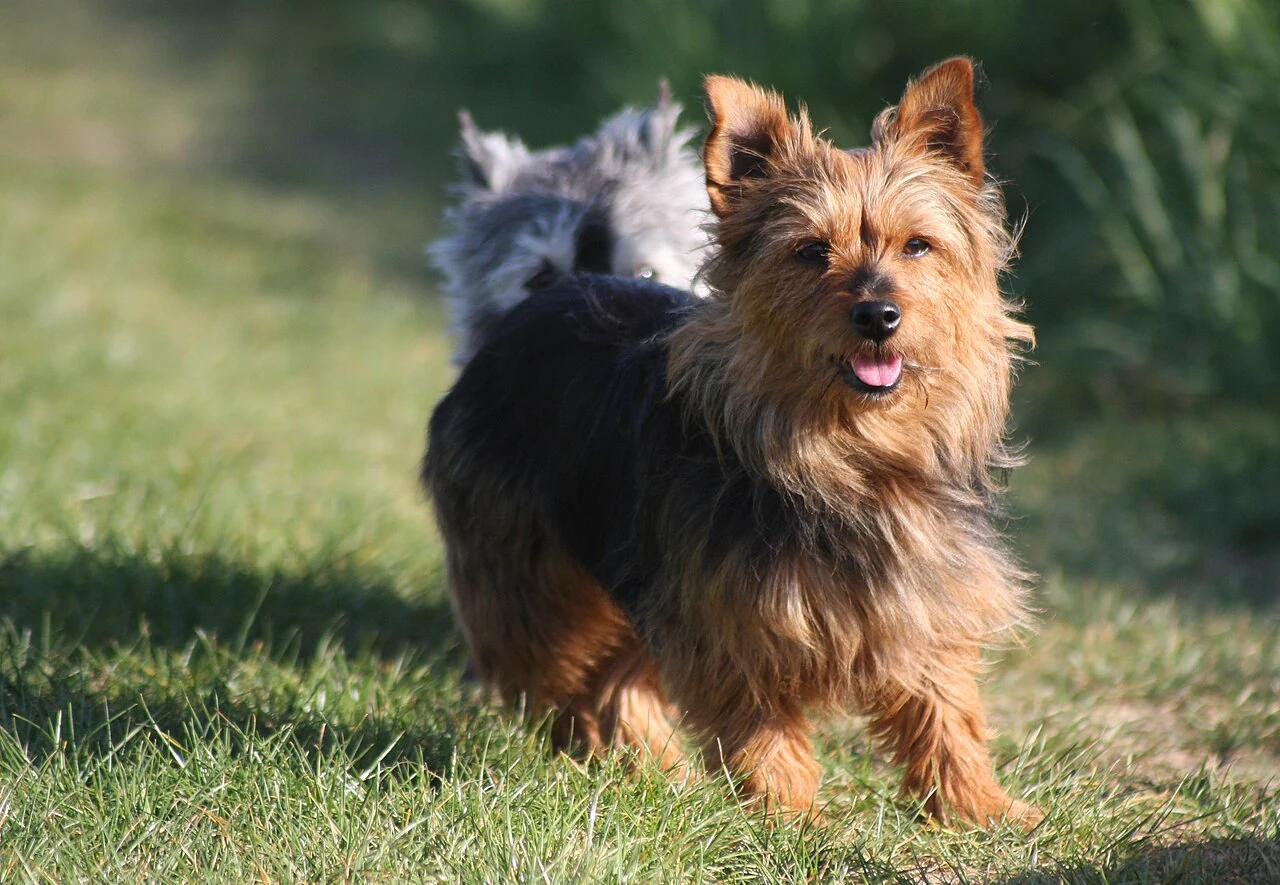
The Australian Terrier is a small, alert dog that enjoys getting out and exploring. Its harsh coat and distinctive neck ruff reflect a working background. At home it often wants to be close to its people, while a scent or a small animal can capture its attention outdoors.
At a glance
- Size
- Small
- Lifespan
- over 12 years
- Activity
- High
- Grooming
- Several times weekly
- Training
- Patience & clear guidance
- Owner experience
- Experience recommended
A small terrier shaped by life in Australia
British settlers took several kinds of terrier to Australia. These dogs contributed to a versatile local worker that hunted small pests and watched over the farm. A breed club was established in Melbourne in 1887, placing the Australian Terrier among the breeds developed early in Australia.
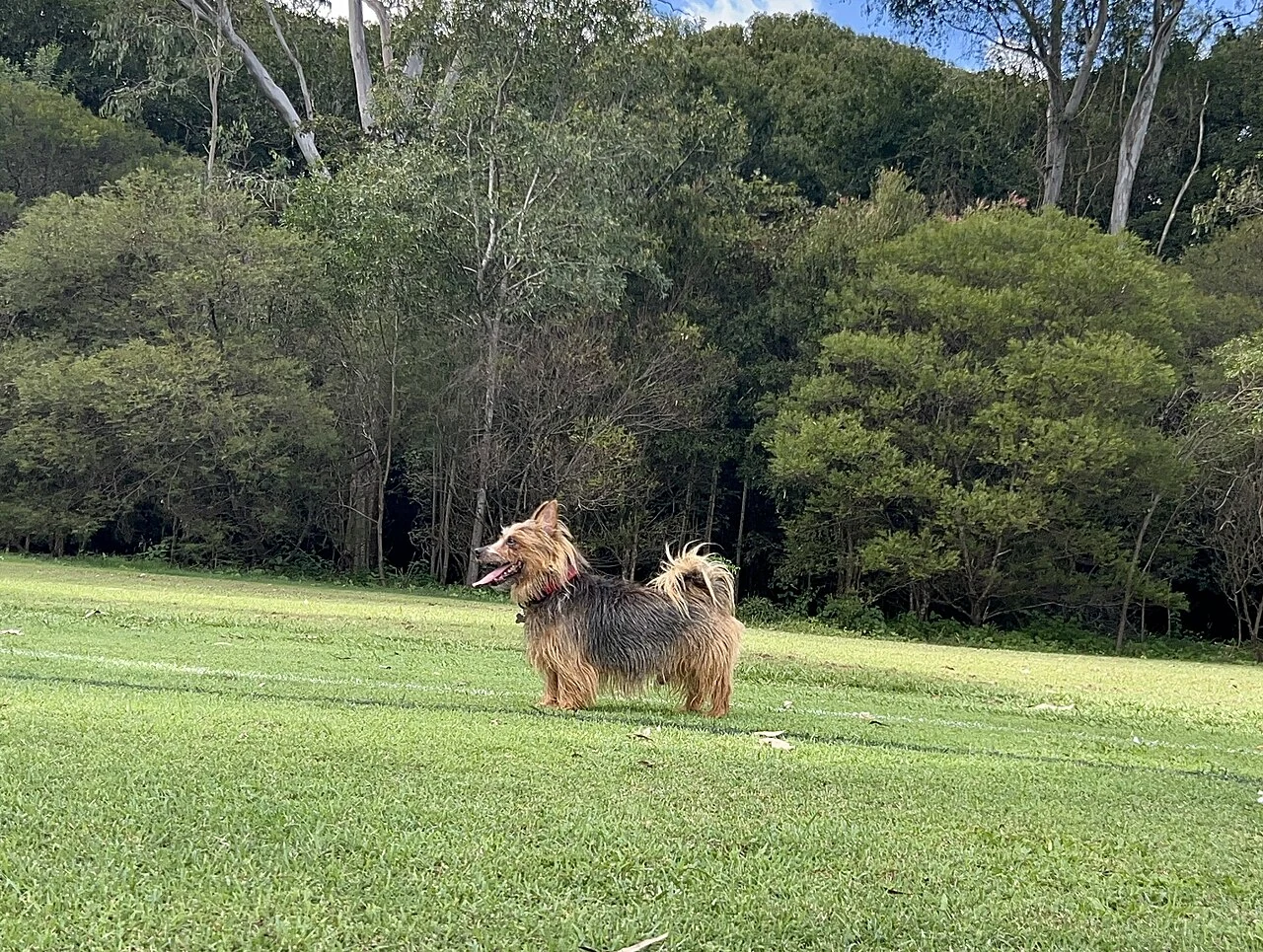
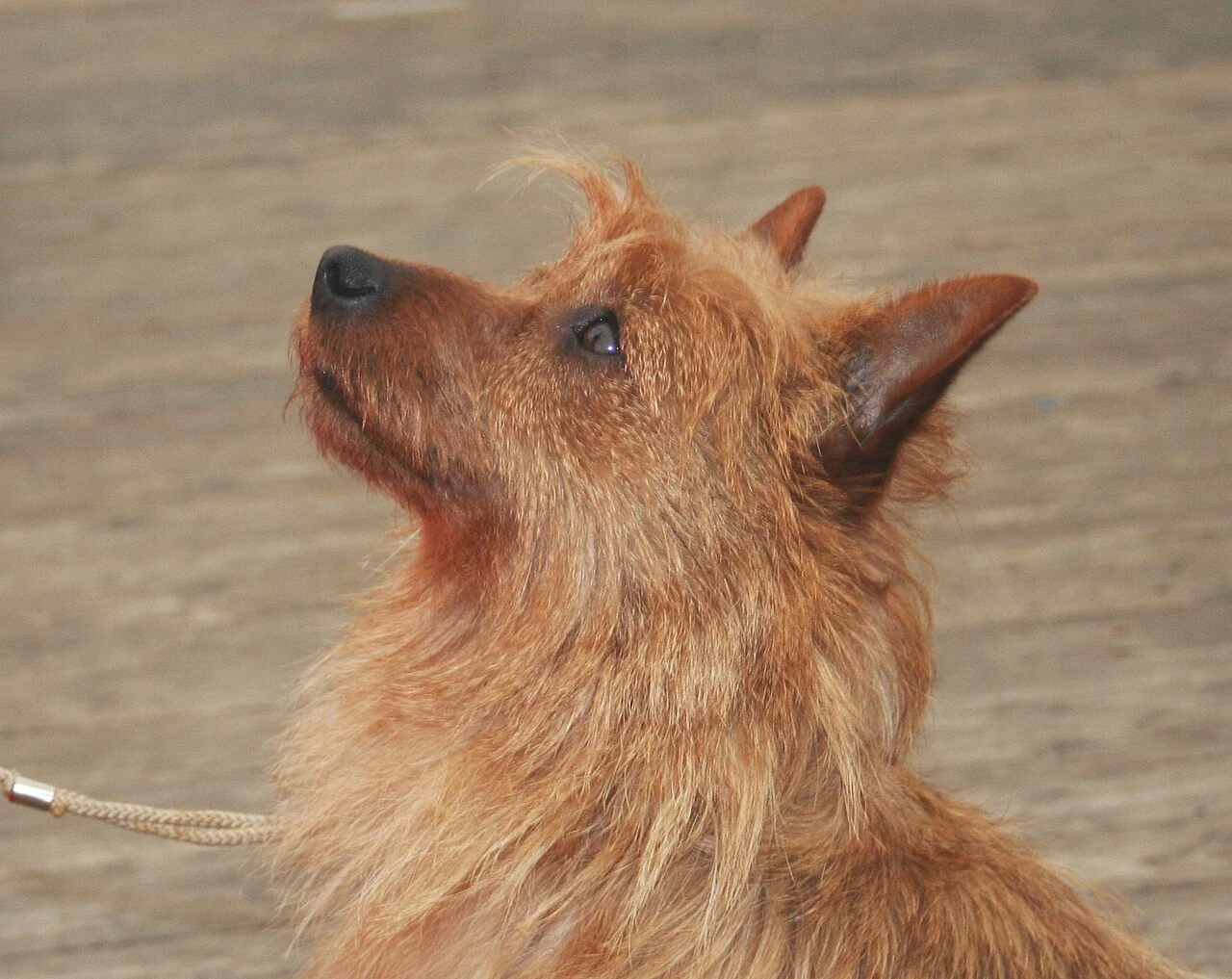
Its body is low to the ground and a little longer than it is tall. Harsh outer hair covers a short, softer undercoat. A pronounced ruff surrounds the neck, with softer hair on top of the head. Colours include blue with tan markings, meaning warm brown areas of the coat, and solid sandy or red. In its breed standard, the international canine organisation FCI gives male dogs an approximate shoulder height of 25 centimetres and weight of 6.5 kilograms. Females should be a little smaller and lighter.
Daily life often reveals an observant, busy companion that likes joining in with its family. It may dig in the garden or follow a mouse scent on a walk. Small household pets should therefore be kept physically separate. Children should learn to leave the dog undisturbed while it eats or sleeps. An adult should guide games so that this small dog is neither crowded nor repeatedly picked up.
Everyday life
An Australian Terrier needs daily walks, play and manageable tasks. A varied walk gives it time to investigate smells and discover something new. Short exercises can fit around that exploration, such as coming back to you or touching your hand with its nose. A small reward should make the desired behaviour clear. Brief, successful repetitions are usually more engaging than practising the same task for a long time.
Returning when called should first be practised in quiet surroundings. Outside, a long training lead attached to a well fitted harness can allow exploration while helping you prevent a chase. Garden boundaries should be secure at ground level too, because a terrier may dig under a fence. A designated digging area can be a useful addition for a dog that enjoys moving soil.
A flat can work well when exercise and exploration happen outside. You should arrange care for longer absences. Short, relaxed separations can help prepare your dog for time alone. If it paces continuously or barks for a long time, the exercise should be made easier. Persistent distress is a reason to seek professional help with its cause.
Staying home alone
Dogs learn to stay home alone in small steps. The RSPCA advises no more than four hours at a time. Puppies and dogs that become unsettled when left alone need shorter absences and gradual practice. Arrange someone to care for your dog when you will be away longer.
Everyday dog training: recall, a loose lead and clear communication ↗
Day-to-day care
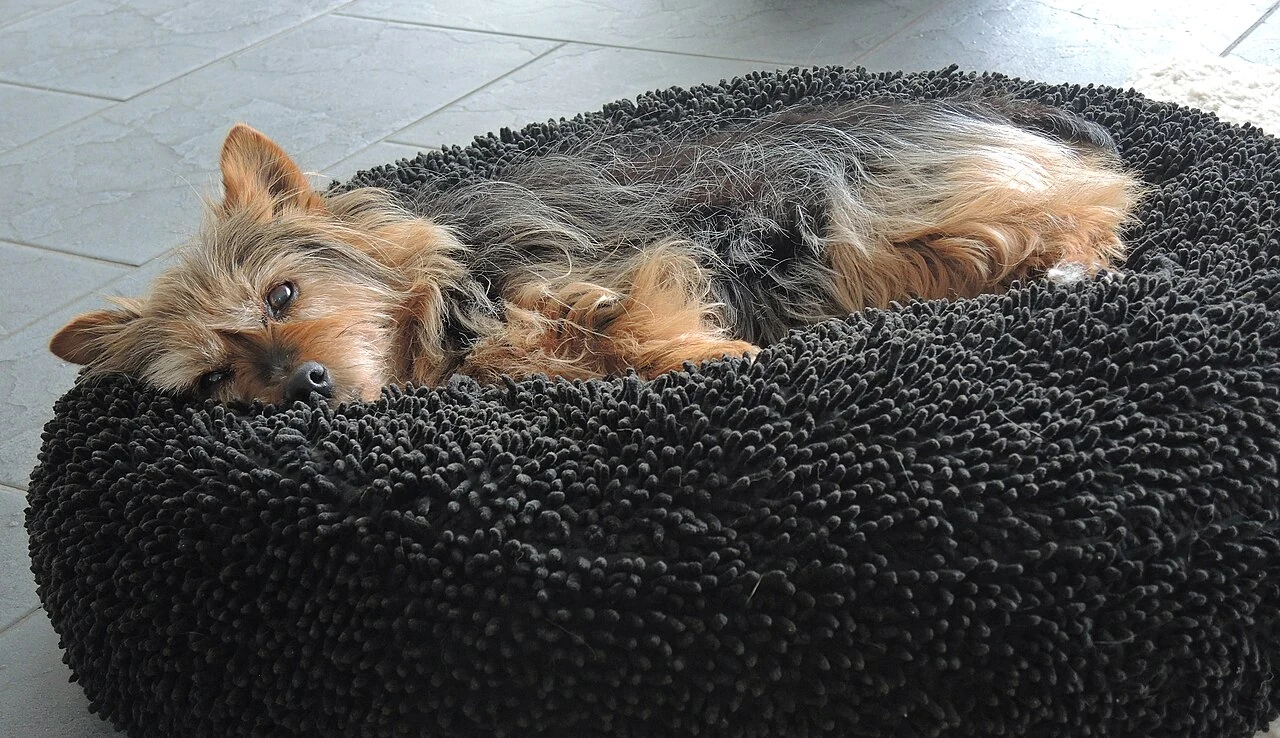
The harsh coat should be brushed regularly and checked down to the skin. Dirt and small tangles can be easy to miss behind the ears, on the legs and beneath a harness. After walking through long grass, you should also check between the toes. A groomer experienced with wire coated terriers can show you how to care for your dog’s particular coat.
The small mouth needs care as well. Toothbrushing should be introduced gradually with a suitable brush and dog toothpaste. Very brief first attempts help the dog become comfortable with touch around its mouth. Nails, skin and ears should also be checked regularly. Redness or pain needs veterinary attention rather than being brushed aside during grooming.
Size and build
A puppy discovers the world in short bursts. Brief walks, calm introductions and free play with breaks suit a growing body better than long hikes or repeated high jumps. Introducing the brush, harness and travel crate through pleasant experiences is equally useful. These objects can then become familiar parts of daily life.
An adult dog’s exercise and tasks should reflect its fitness and interests. Several shorter walks may become more comfortable in older age. Scent games are easy to adapt, for example by placing a few pieces of food within easy reach on the ground. Keeping track of weight, mobility and changes in eating helps you describe developments clearly at veterinary appointments. The Royal Kennel Club lists the breed’s life expectancy as over twelve years.
From puppy to senior: caring for your dog through every life stage ↗
Health
According to the American Kennel Club (AKC), the breed club in the United States recommends checks of the kneecaps, eyes and thyroid for breeding dogs. Before choosing a puppy, you should have the results explained and ask about illnesses in close relatives. A kneecap examination includes checking that the kneecap stays securely in its groove. When it slips out, the condition is called a luxating patella. A dog may briefly lift a back leg and hop for several steps. Repeated limping should be investigated even if it disappears between episodes.
Diabetes is also mentioned in the breed’s health information. It affects the body’s ability to regulate blood sugar. If your dog starts drinking much more than usual or urinates noticeably more often, you should arrange a veterinary appointment. These changes can have several causes. Drinking water should remain freely available. Fellfolio can keep observations, weight records and veterinary findings together, ready for the next examination.
Could this breed fit your life?
Could work well if …
- You want a small dog to take out every day and enjoy fitting short learning games into your routine.
- You can provide a quiet sleeping place indoors and manage possible chasing and digging outside.
- You have time for regular grooming and can arrange dependable care during longer absences.
What to consider
- Rabbits, birds and other small prey animals should be kept physically separate from the terrier.
- Garden fences should be secured against digging underneath.
- Small size should not become a reason to carry the dog constantly or skip walks together.
Similar needs, different dogs.
Selected by shared size, activity, grooming and training characteristics.
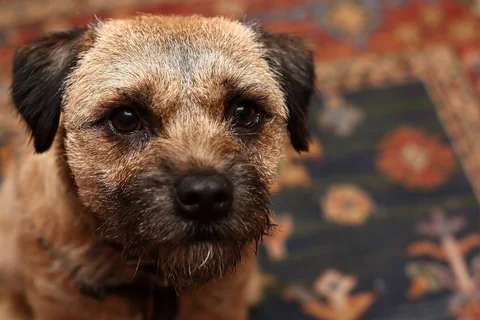
Terrier
Border Terrier
A small, hardy terrier with a strong appetite for activity. It loves sniffing, digging and games, but a whiff of wildlife can put recall to the test.
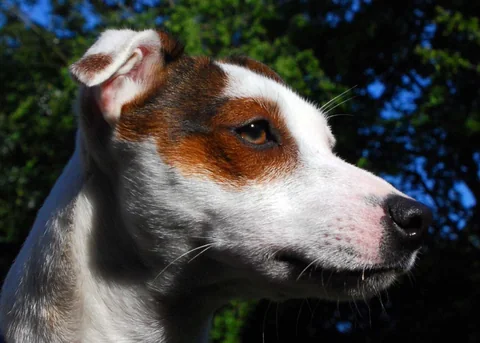
Terrier
Jack Russell Terrier
The Jack Russell Terrier is a small hunting dog with plenty of stamina. It likes to run and search, and needs daily exercise, scent games and recall training.
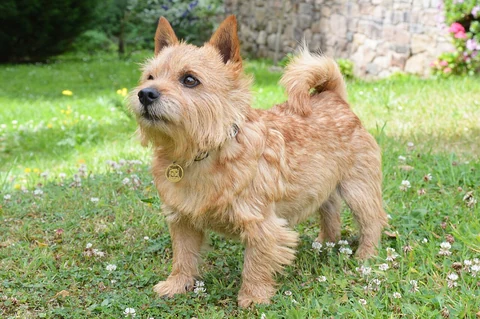
Small English terrier with upright ears
Norwich Terrier
The Norwich Terrier packs plenty of enthusiasm into a short legged body. This small dog with upright ears was once valued as a ratter. Walks together, scent games and friendly training suit it well today. Its harsh coat needs more attention than its compact size might suggest.
Sources and photograph credit
- Teaching your dog to be left alone
Used in this profile for: Staying home alone
- Australian Terrier
Used in this profile for: Temperament, Everyday life, Day-to-day care, Health, Could this breed fit your life?
- Australian Terrier, FCI Standard No.8
Used in this profile for: Size / Weight, Temperament, Day-to-day care
- Australian Terrier
Used in this profile for: Temperament, Day-to-day care, Lifespan, Could this breed fit your life?
- Position Statements and Humane Dog Training
Used in this profile for: Everyday life
- Luxating Patella in Dogs
Used in this profile for: Health
- Exercising Your Puppy
Used in this profile for: Size and build
- Is my dog drinking and weeing too much?
Used in this profile for: Health
- Training Your Dog to Be Left Alone
Used in this profile for: Everyday life, Size and build
- Children and Dogs
Used in this profile for: Temperament, Size and build, Could this breed fit your life?
- Caring for Your Dog’s Teeth
Used in this profile for: Day-to-day care, Size and build
- Train Your Dog to Come When Called
Used in this profile for: Everyday life
Photo credits
In action · Australian terrier Kruemel.JPG · Ketterechts · CC0

Side view · Aussie Terrier.jpg · Witwiki2000 · CC BY-SA 4.0 · Edited

Coat and features · Terier australijski głowa 2009 pl.jpg · Pleple2000 · CC BY-SA 4.0 · Edited

Everyday life · Australian Terrier Krümel schlummert auf Kissen.jpg · Ketterechts · CC BY-SA 4.0 · Edited
