 fellfolio
Small English terrier with upright ears
Norwich Terrier
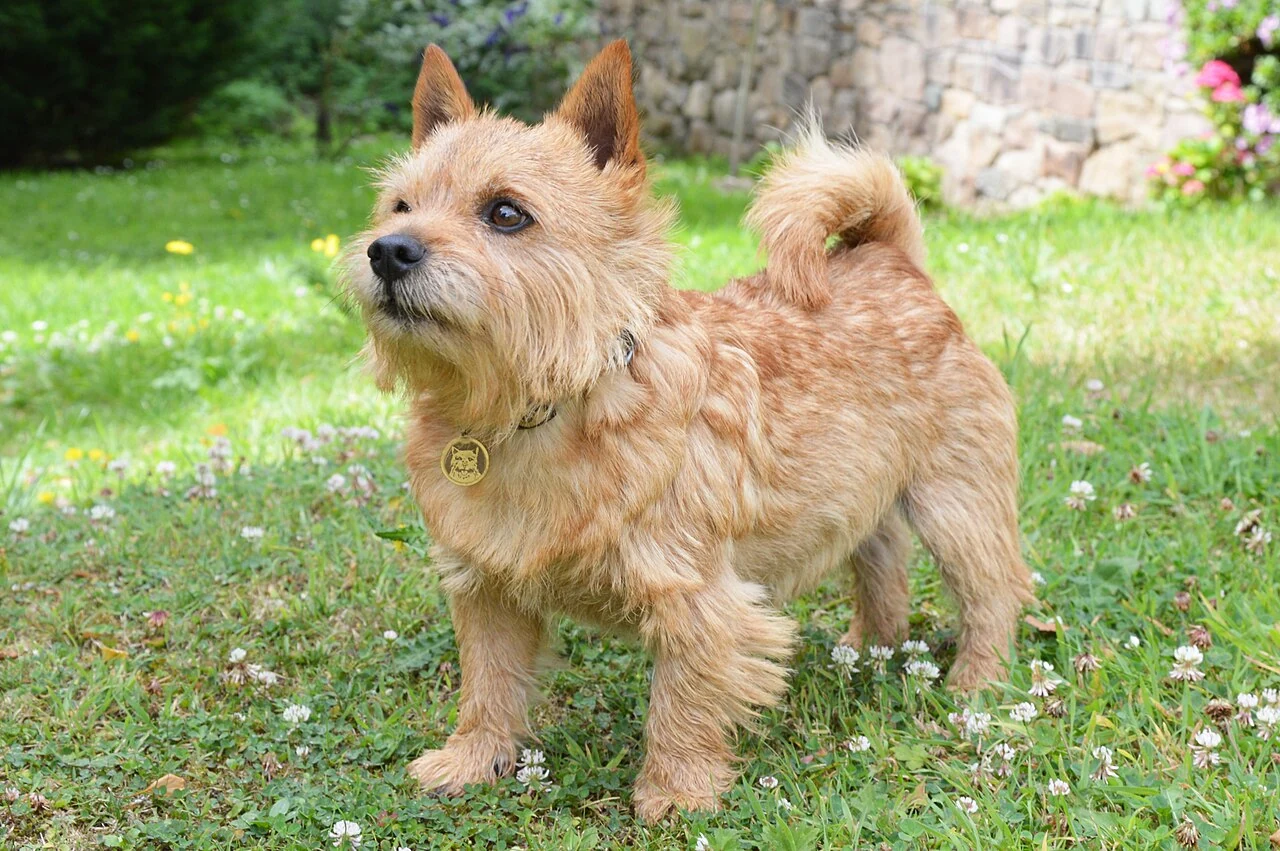
The Norwich Terrier packs plenty of enthusiasm into a short legged body. This small dog with upright ears was once valued as a ratter. Walks together, scent games and friendly training suit it well today. Its harsh coat needs more attention than its compact size might suggest.
At a glance
- Size
- Small
- Lifespan
- over 10 years
- Activity
- High
- Grooming
- Several times weekly
- Training
- Patience & clear guidance
- Owner experience
- Experience recommended
Upright ears and a sturdy little frame
Farmers in East Anglia, in eastern England, kept small terriers to hunt rats. These dogs were also used in fox and badger hunting. In 1932, the Royal Kennel Club initially registered dogs with dropped and upright ears together. It separated them in 1964: the Norwich Terrier has upright ears, while the Norfolk Terrier has dropped ears.
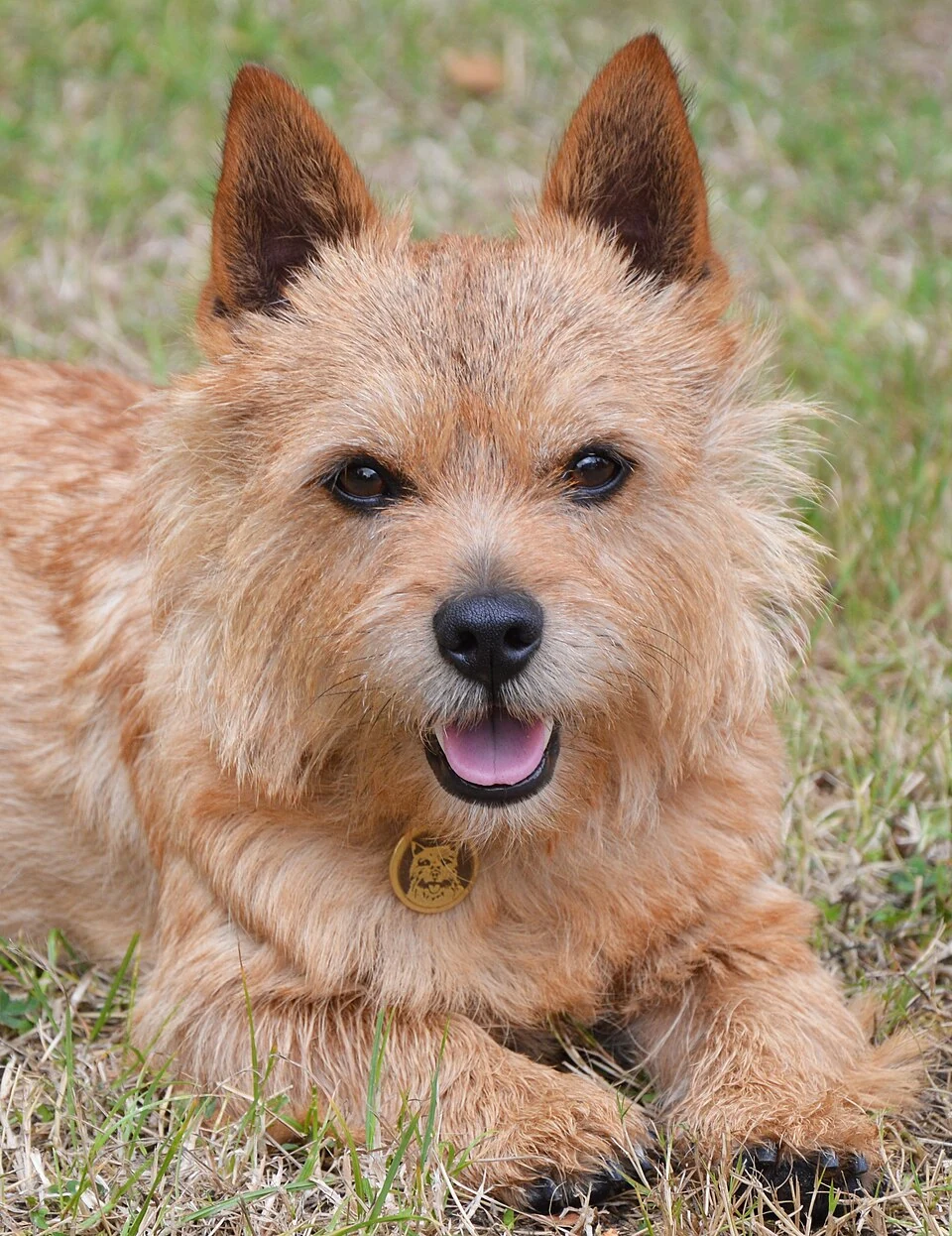
Beneath the rough coat is a compact, strong dog. Longer hair around the neck forms a small ruff. Red and wheaten dogs belong to the breed, alongside black and tan or grizzled dogs whose coats mix lighter and darker hairs. In its breed standard, the international canine organisation FCI gives an ideal shoulder height of 25 centimetres. This makes the Norwich one of the smallest terriers, but it remains an active dog.
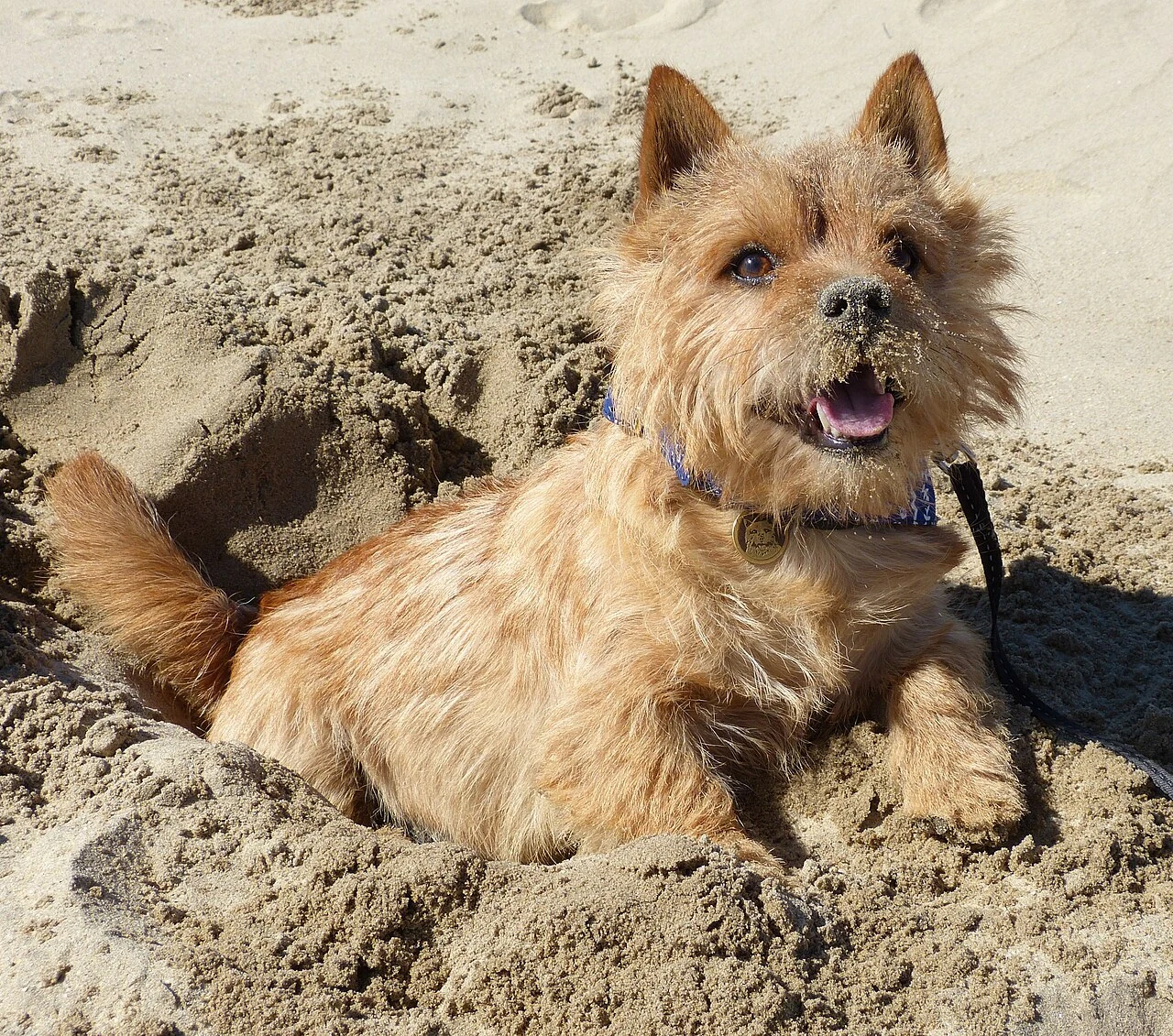
A Norwich may investigate the garden, follow a scent around a root, then turn to its people for a game. Its interest can be dangerous for small animals, so rabbits and similar prey animals should be kept physically separate. An adult should supervise time with children and make sure the dog has room to move away. A small dog may be easy to pick up, but it still needs undisturbed sleep and opportunities to explore on its own feet.
Everyday life
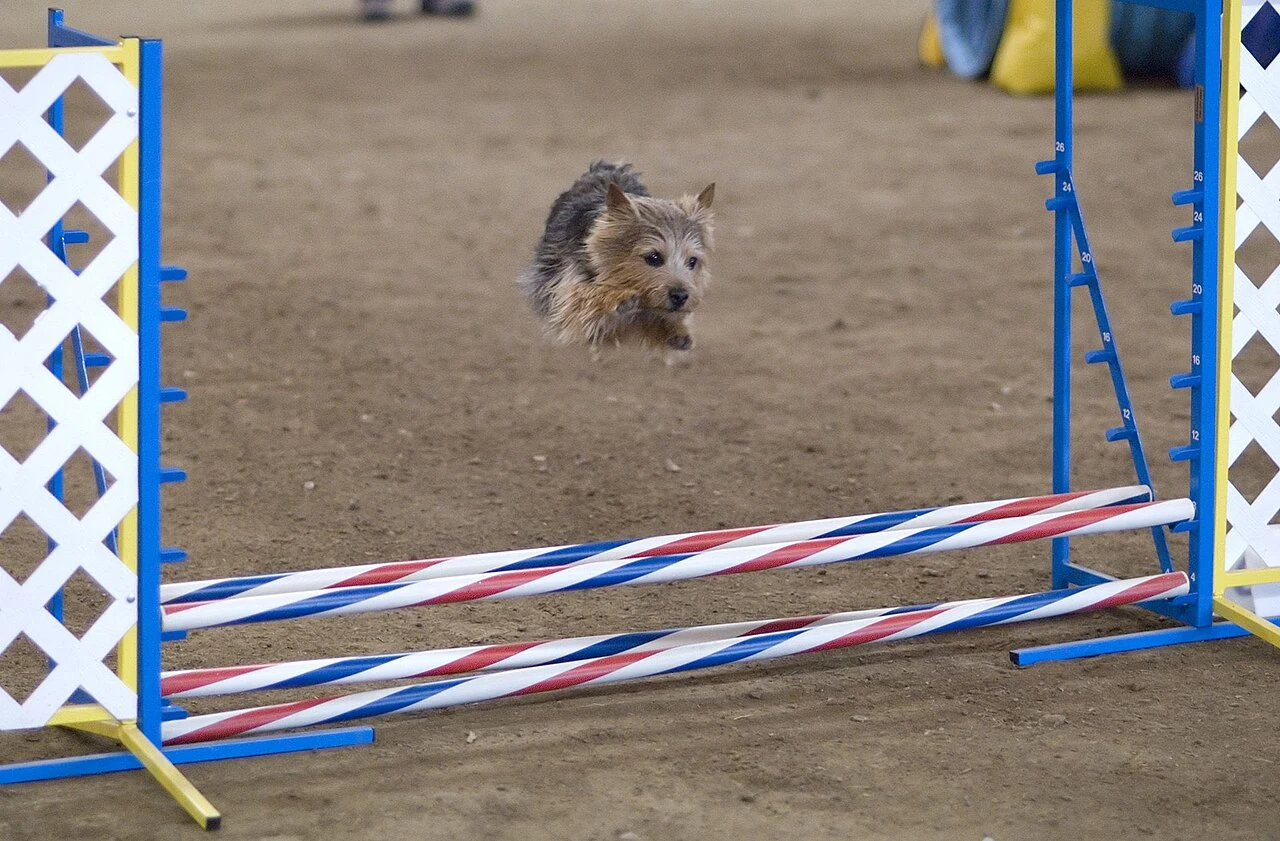
Walks with time to sniff and short games make a useful foundation for daily life. If you enjoy training together, simple scent tasks and coordination exercises can add variety. Your dog might walk over a low, stable surface or follow a piece of food with its nose. Sporting jumps should wait until it is fully grown, healthy and appropriately prepared.
A Norwich learns through clear, friendly feedback. When something else becomes far more interesting during training, an easier task in a quieter setting often helps. Returning when called should first be taught without major distractions. A long training lead can prevent an interesting scent from turning into a chase. After a successful return, you could let the dog go back to sniffing. Your call then does not always signal the end of its walk.
At home, it should have a comfortable sleeping place where nobody disturbs it. A flat can work when you provide enough daily outdoor activity. Time alone should be introduced gradually. A dog that barks for a long time or paces during every separation needs support and, initially, shorter absences it can manage more comfortably.
Staying home alone
Dogs learn to stay home alone in small steps. The RSPCA advises no more than four hours at a time. Puppies and dogs that become unsettled when left alone need shorter absences and gradual practice. Arrange someone to care for your dog when you will be away longer.
Everyday dog training: recall, a loose lead and clear communication ↗
Day-to-day care
The harsh outer coat covers a dense undercoat. Regular brushing and combing let you check the skin and find developing tangles. Hand stripping removes loose, mature outer hair by hand. A groomer familiar with the breed can judge when the coat is ready and show you appropriate care. Clipping changes the texture and can make the coat softer. Your dog’s skin condition and comfort during handling should also guide the choice of grooming.
A regular dental routine is worthwhile too. Gradual practice with touch around the mouth, a suitable small brush and dog toothpaste can make daily brushing easier. Nails should be checked regularly, along with paws and ears. Grass and dirt are easier to remove after a walk before they become caught in the dense hair.
Size and build
Small discoveries matter most for a puppy. A new surface, a brief car journey or a calm introduction may already provide plenty to take in. It should be able to sleep and rest undisturbed between these experiences. Short walks and suitable play help build stamina gradually. Repeated high jumps and long runs do not suit a growing body.
An adult Norwich may enjoy dog sports when the preparation and demands fit its health. Tasks should become easier to access in older age. Instead of jumping over obstacles, it might follow a short food trail or search for a familiar object. Reduced interest in exercise, limping or changes in breathing sounds should be mentioned at a veterinary examination. The Royal Kennel Club lists the breed’s life expectancy as over ten years.
From puppy to senior: caring for your dog through every life stage ↗
Health
Upper airway problems have been described in Norwich Terriers. These involve the passages through the nose and throat and around the voice box. Harsh, unusual breathing sounds or noticeably poor exercise tolerance should be investigated. Before an anaesthetic, the veterinary team should know that your dog is a Norwich and hear about any changes you have noticed. Obvious difficulty breathing needs immediate veterinary attention.
According to the American Kennel Club (AKC), the breed club in the United States recommends examinations of the kneecaps, hips and eyes. When choosing a puppy, you should ask for its parents’ actual results. A kneecap that slips out of place can cause occasional hopping on three legs. Hip dysplasia involves an unstable fit in the hip joint and can lead to pain and restricted movement. Repeated limping should therefore be investigated even in a young dog. Fellfolio can hold findings and brief notes about breathing or movement together for the next appointment.
Could this breed fit your life?
Could work well if …
- You want a small, active dog and enjoy daily walks, games and learning together.
- You are willing to arrange skilled care for its harsh coat and comb it regularly at home.
- You can teach children to respect the small dog and provide secure separation from small pets.
What to consider
- Small size should not hide the Norwich’s need for daily exercise and activity.
- Unusual breathing sounds should not be dismissed as an endearing quirk.
- A garden should have secure boundaries and a place where the dog can rest without constant disturbance.
Similar needs, different dogs.
Selected by shared size, activity, grooming and training characteristics.
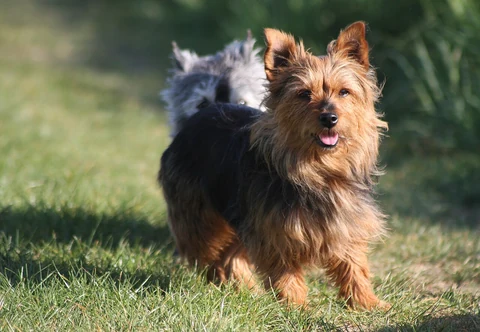
Small Australian wire coated terrier
Australian Terrier
The Australian Terrier is a small, alert dog that enjoys getting out and exploring. Its harsh coat and distinctive neck ruff reflect a working background. At home it often wants to be close to its people, while a scent or a small animal can capture its attention outdoors.
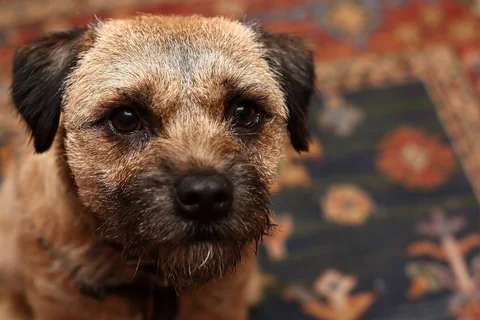
Terrier
Border Terrier
A small, hardy terrier with a strong appetite for activity. It loves sniffing, digging and games, but a whiff of wildlife can put recall to the test.
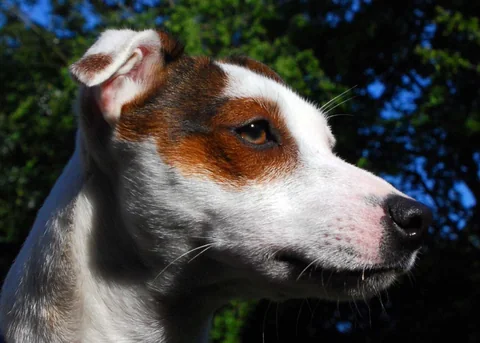
Terrier
Jack Russell Terrier
The Jack Russell Terrier is a small hunting dog with plenty of stamina. It likes to run and search, and needs daily exercise, scent games and recall training.
Sources and photograph credit
- Teaching your dog to be left alone
Used in this profile for: Staying home alone
- Canine Hip Dysplasia
Used in this profile for: Health
- Position Statements and Humane Dog Training
Used in this profile for: Everyday life
- Upper airway obstruction in Norwich Terriers: 16 cases
Used in this profile for: Health
- Norwich Terrier
Used in this profile for: Temperament, Everyday life, Day-to-day care, Size and build, Health, Could this breed fit your life?
- Norwich Terrier, FCI Standard No.72
Used in this profile for: Size / Weight, Temperament, Day-to-day care
- Norwich Terrier
Used in this profile for: Temperament, Day-to-day care, Lifespan, Could this breed fit your life?
- Luxating Patella in Dogs
Used in this profile for: Health
- Exercising Your Puppy
Used in this profile for: Size and build
- Training Your Dog to Be Left Alone
Used in this profile for: Everyday life, Size and build
- Children and Dogs
Used in this profile for: Temperament, Could this breed fit your life?
- Caring for Your Dog’s Teeth
Used in this profile for: Day-to-day care
- Train Your Dog to Come When Called
Used in this profile for: Everyday life
Photo credits
Portrait · NorwichTerrier Elvis.jpg · Gamma Corvi · CC BY-SA 4.0 · Edited

Coat and features · Portrait de Norwich Terrier.jpg · Gamma Corvi · CC BY-SA 4.0 · Edited

In action · Norwich Terrier agility.jpg · Ron Armstrong from Helena, MT, USA · CC BY 2.0 · Edited

Everyday life · Norwich Terrier dans un trou creusé.jpg · Gamma Corvi · CC BY-SA 4.0 · Edited
