fellfolio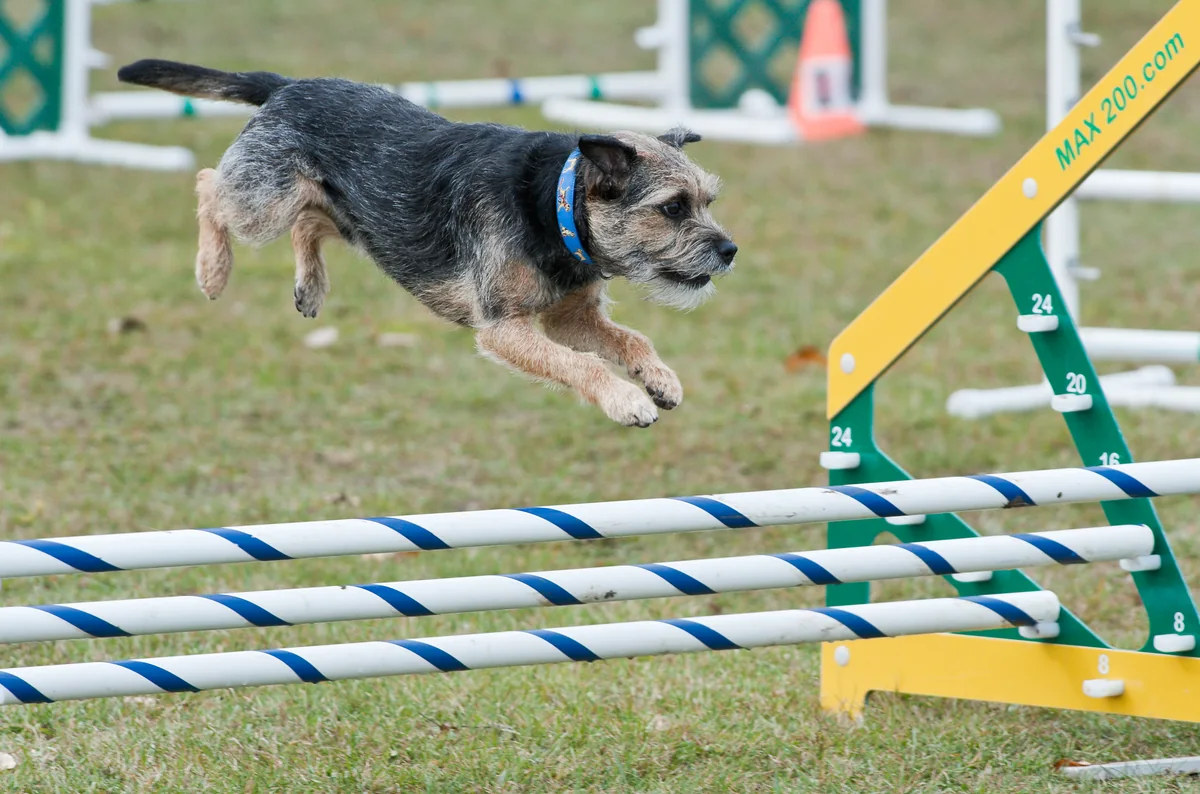
Terrier
Jack Russell Terrier
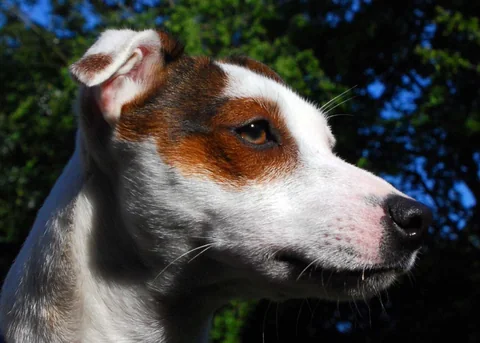
A tough little hunting terrier that likes to run, search and work with its person. Small size does not mean small needs.
Terrier
A small, energetic terrier with a keen nose and a talent for digging.
Border Terriers are active and curious. An interesting scent may outrank recall, so secure boundaries and clear routines help.
Plan at least an hour of activity, scent games and regular training. Secure fencing matters because they may dig and explore.
Being alone needs gradual practice. The RSPCA advises no more than four hours at a time; puppies and some adults need much shorter intervals. Arrange company during longer absences.
Brush the wiry coat several times a week. Depending on coat and lifestyle, professional stripping may be needed twice a year.
Measurements describe adult dogs and are a guide. Lines and individuals can vary; ask about the parents’ health, temperament and daily life.
PDSA lists concerns including luxating patellas, skin and ear problems, and CECS. Ask about relevant DNA tests and family results.
Breed traits describe tendencies. Breeding line, socialisation, care and experience shape the individual. Children and animals always need responsible supervision.
Selected by shared size, activity, grooming and training characteristics.
Terrier
A tough little hunting terrier that likes to run, search and work with its person. Small size does not mean small needs.
Terrier
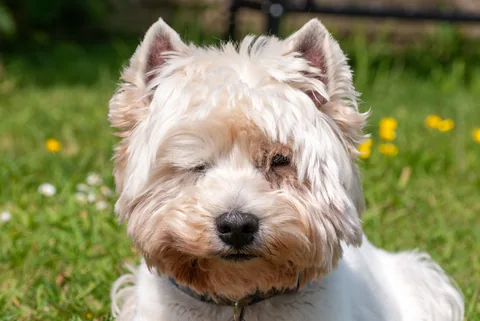
A confident, playful terrier with a white coat and regular grooming needs.
Companion dog
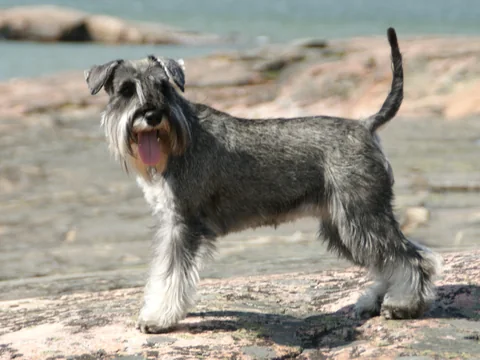
A small, attentive dog with a wiry coat. It needs exercise and grooming; manageable size does not mean it can be left to entertain itself.
Portrait · SheltieBoy · CC BY 2.0 · Image cropped