 fellfolio
Semilonghaired cat · Turkey
Turkish Angora
The Turkish Angora combines silky fur with a remarkable appetite for movement. She enjoys climbing, takes an interest in what is happening at home and often seeks human company. White is her best known colour, but the breed includes many other colours too.
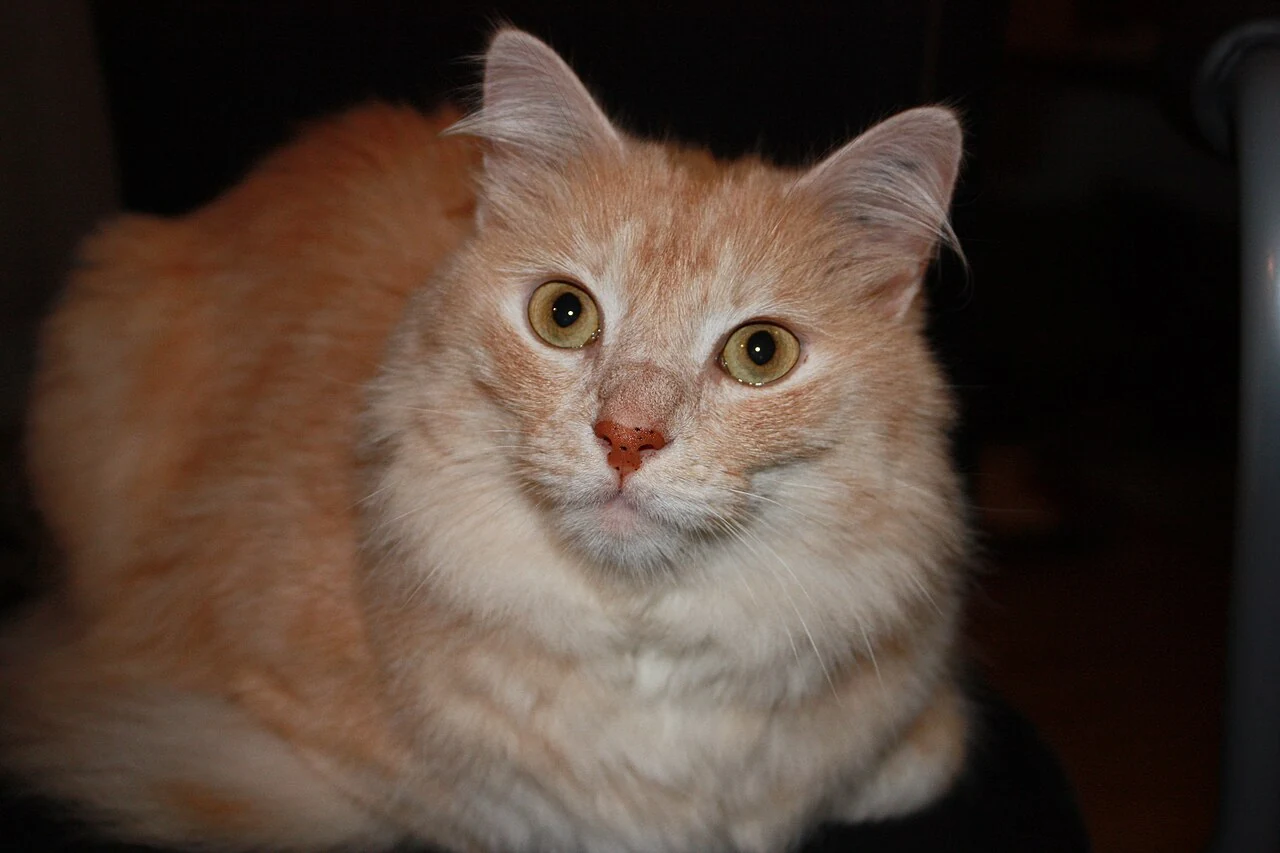
At a glance
- Size
- Medium
- Activity
- High
- Care needs
- Moderate
- Enrichment
- Enjoys learning together
- Owner experience
- First cat with preparation
Curious, agile and interested in company
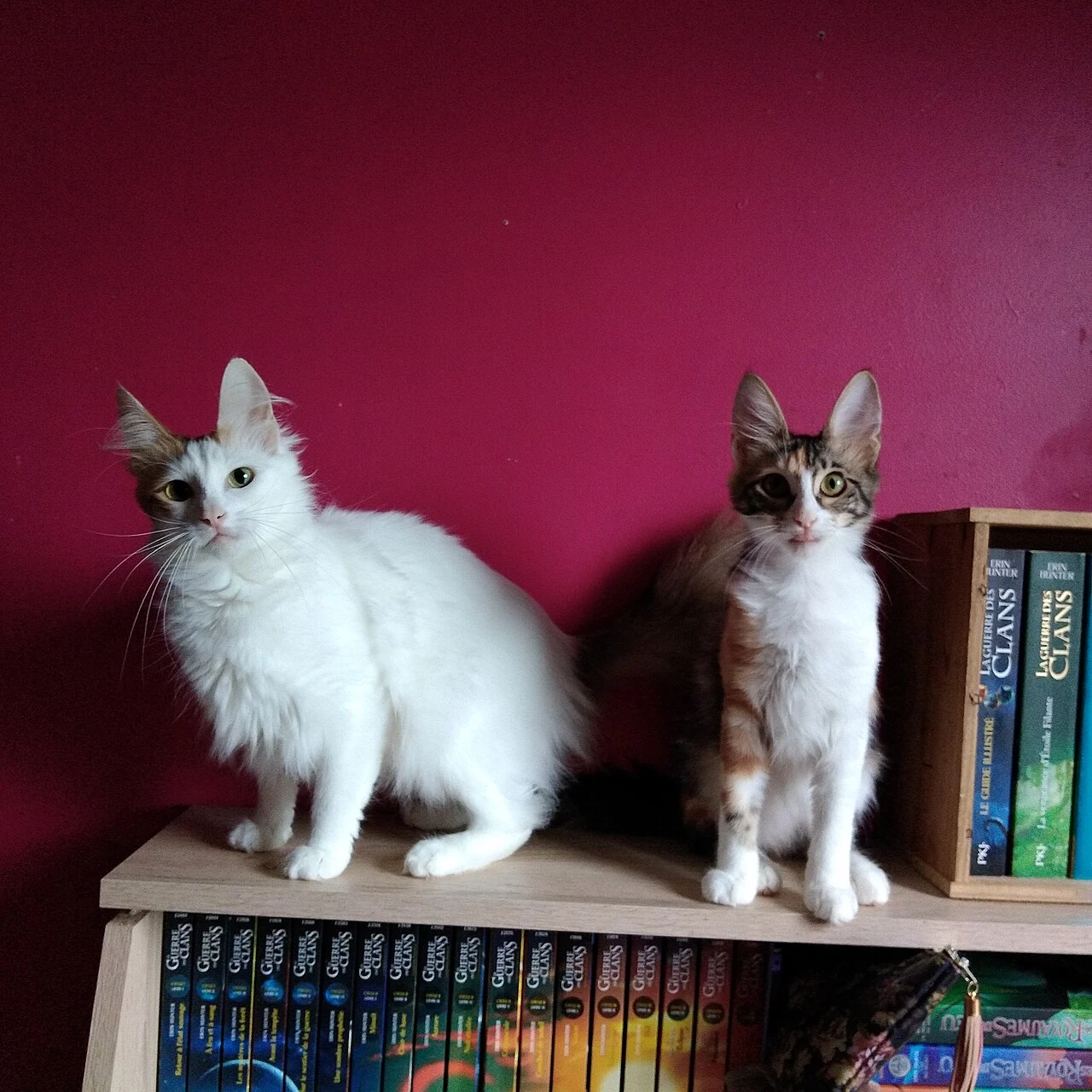
With a Turkish Angora, it is often worth looking up. A tall scratching tree or an accessible shelf may be a favourite observation spot. Cat associations describe an active, intelligent cat who enjoys doing things with people. A cardboard box, a new game or an open cupboard door can quickly attract her attention.
Her energy should have a place in your daily routine. Someone drawn only to the elegant coat and a peaceful picture on a sofa can underestimate how much many Angoras enjoy exploring and playing. A cat who enthusiastically chases a ball still needs undisturbed rest afterwards. If she turns her head away during stroking or leaves, you should respect her wish for a pause.
Adults should supervise shared games in homes with children. The cat should be able to join a game willingly. A ball or wand toy on the floor invites her to move and participate. Carrying her around or restraining her should be avoided. Living with other cats can also work when behaviour, activity levels and previous experiences are compatible. Introductions should be planned gradually.
Climbing routes and discoveries together
An Angora should have an interesting climbing place before she discovers the highest kitchen cupboards. A stable scratching tree and securely fixed resting shelves provide suitable alternatives. A route with several reachable intermediate platforms works well. Hiding places at floor level and raised resting spots also let her choose how close she wants to be to family activity.
Shared games can combine movement with dexterity. A small ball can be chased, while a sturdy food puzzle encourages the cat to investigate with her paws. New tasks should be easy enough for her to succeed initially. A few clearly visible pieces of food are a better introduction than a complicated toy with unfamiliar openings. Treats and food used for games should be included in the daily allowance.
A window observation spot can offer variety as well. The window should be secured against falls. A balcony should only be accessible when its protection is reliable all the way around and the cat cannot squeeze through or become tangled in it. If the Angora has hearing difficulties, a protected environment is especially important because she may not hear approaching vehicles or other dangers. Learning how to communicate clearly with her should also be part of your preparations.
For practical play, food searches and quiet retreats, read Indoor Cat Enrichment: Play, Food Puzzles and Safe Retreats ↗
A silky coat through the seasons
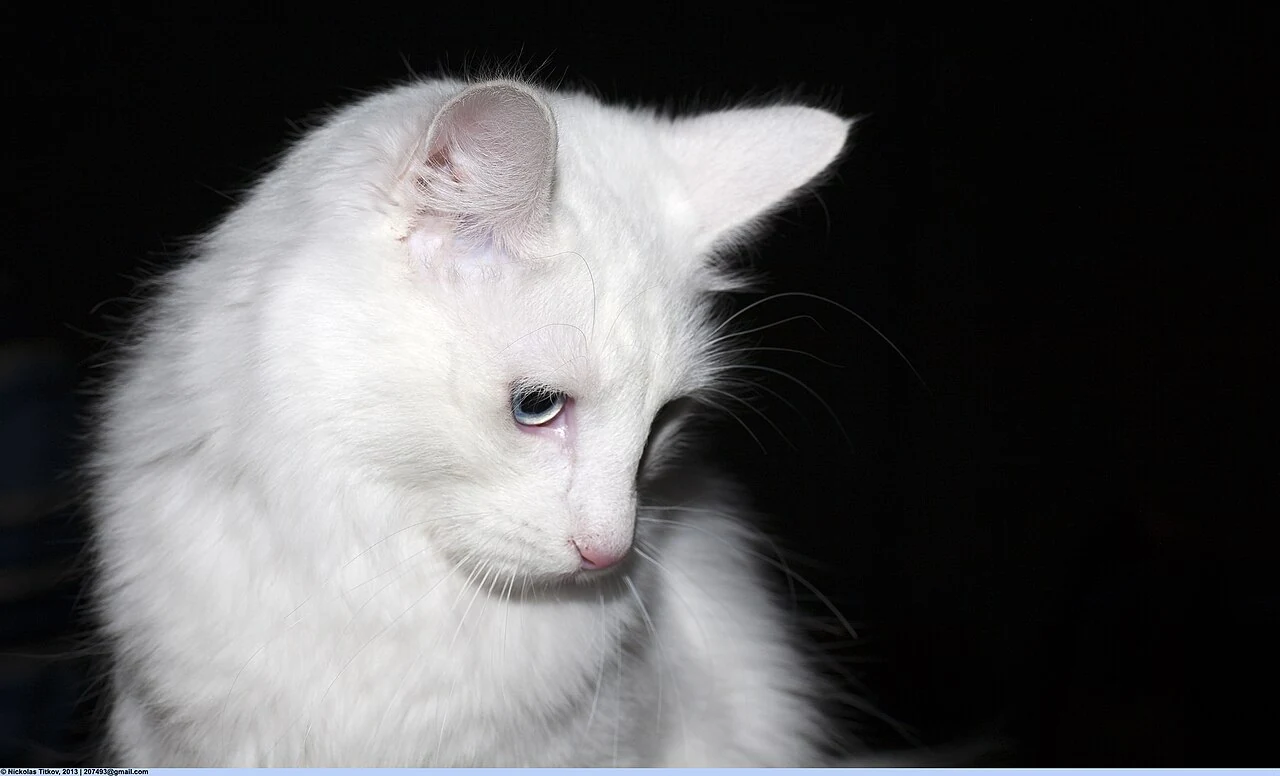
The Turkish Angora has fine, silky fur without a woolly undercoat. Hair is shorter along the body and longer particularly around the neck and tail. The winter coat may be noticeably fuller than the summer coat. Regular gentle combing helps remove loose hairs and reveal small tangles early. A weekly check is a useful starting point. Shedding seasons and the individual coat length may call for more frequent care.
You should gently check for mats under the front legs and elsewhere where hairs rub together. Tight mats should be professionally removed. Cutting with scissors can injure a cat's thin skin. If grooming suddenly becomes difficult or the cat no longer accepts touch in a particular place, possible pain should be investigated.
An older Angora may begin to groom herself less thoroughly. Shorter, more frequent combing sessions often help more than one long session. Assistance should stay comfortable, with an examination when needed.
An old breed from Ankara
The breed is associated with Ankara in present day Turkey. The city's former name, Angora, survives in the breed name. Longhaired cats from this region reached Europe centuries ago and also influenced the development of other longhaired breeds. As the Persian became more popular, the distinct Angora temporarily faded into the background.
A preservation programme at Ankara Zoo later played an important role. Cats from the zoo reached American breeding programmes during the twentieth century. FIFe, the international cat federation, recognised the Turkish Angora in 1988. Today's standard describes a medium sized cat with a fine frame, good muscle, long legs and a long, well furnished tail.
White Angoras are particularly familiar, but black, red, tabby and other colour varieties also exist. Eyes may be different colours too. The full neck ruff develops as a young cat grows. When choosing a kitten, previous experience with people and health records should matter as well.
Hearing and heart examinations
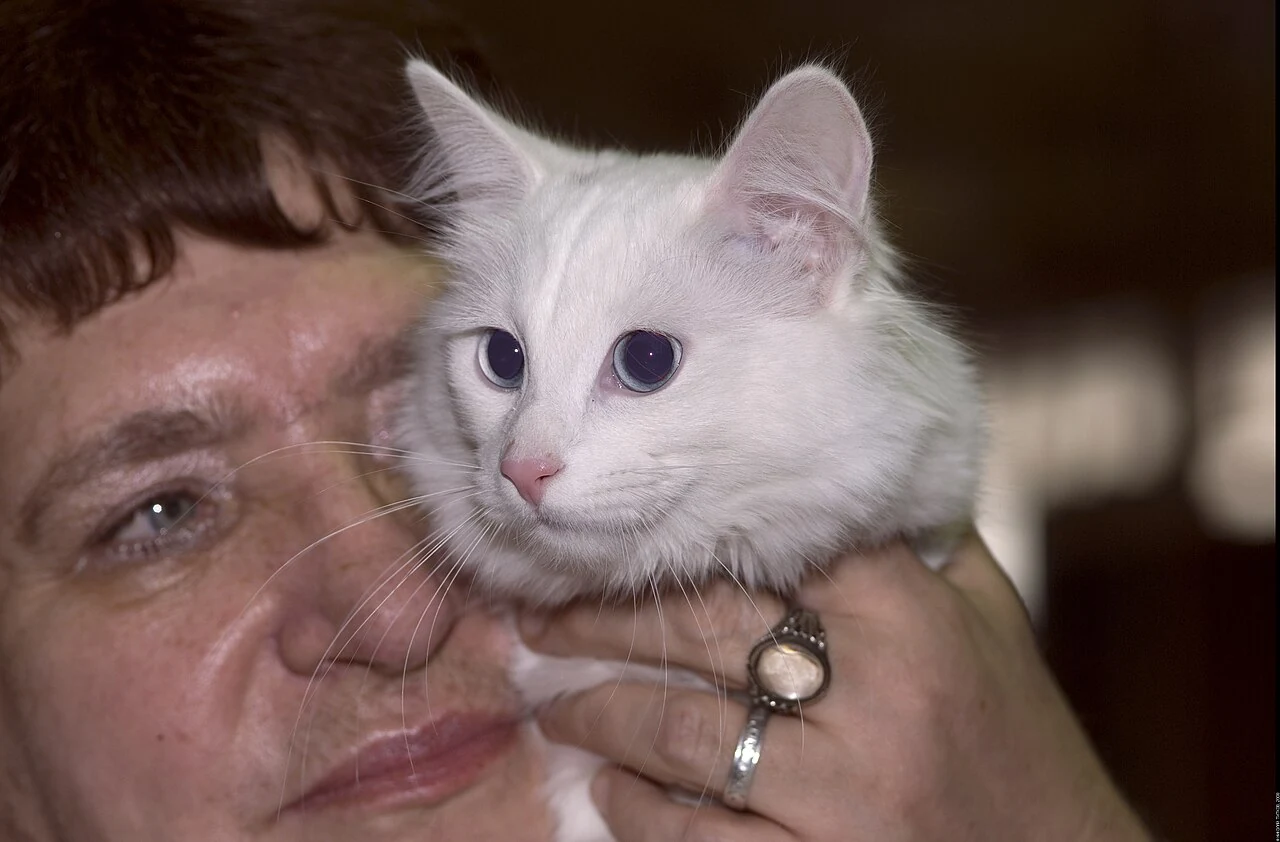
White cats can be born deaf, including white Turkish Angoras, particularly when blue eyes are also present. Some cannot hear in one ear, while others cannot hear in either ear. However, a white cat is not automatically deaf. Before taking one home, you should ask for a documented hearing assessment. A specialist hearing test, often called BAER, can establish whether one or both ears are affected. Your veterinary practice can explain where this is available.
A deaf cat can have a good life with routines that suit how she perceives her surroundings. You should approach within her field of vision rather than unexpectedly touching her from behind. Safe indoor rooms or a reliably enclosed outdoor area protect her from hazards she cannot hear. Games can also use visible movement.
TICA, an international cat association, also identifies HCM screening as a breeding consideration for the Turkish Angora. HCM is a condition in which the heart muscle becomes thickened. A heart ultrasound can detect these changes. Before the cat arrives, you should discuss available examinations in the parents. A normal result shows that no relevant changes were visible at that time. They can develop later. Difficulty breathing or suddenly rapid, laboured breathing needs immediate veterinary help. Fellfolio can keep hearing results, heart examinations and other routine appointments together.
Would a Turkish Angora suit your home?
Could work well if …
- You want an energetic cat and can make daily time for games and company.
- You can provide safe climbing routes, observation spots and quiet hiding places in your home.
- You are willing to attend to coat care and health records, including a hearing assessment for a white cat.
May be less suitable if …
- The elegant longhaired coat should not obscure how active and inquisitive many Angoras are.
- For a white Angora, you should discuss deafness in one or both ears before arrival and check documented examinations.
- Other animals should be introduced gradually. An active Angora may overwhelm a quieter cat with persistent invitations to play.
Meet other cat breeds.
Selected by size, activity, care and play needs.
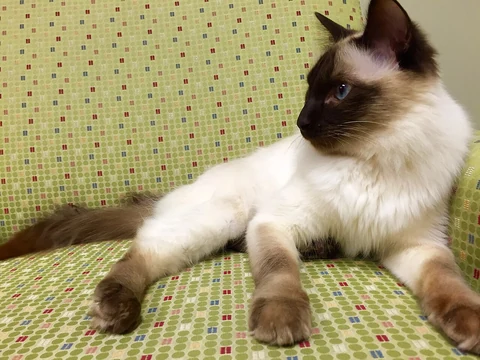
Semilonghaired cat · USA
Balinese
A Balinese often joins the conversation, follows people around the home and is quick to take an interest in a game. Beneath the silky coat is an energetic cat who needs plenty of shared time and satisfying places to climb.
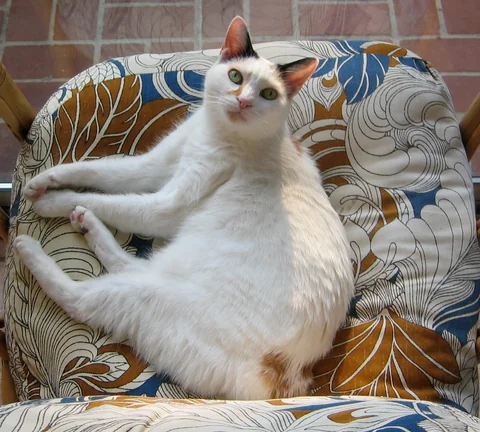
Short- and longhair · Japan
Japanese Bobtail
The Japanese Bobtail has a short tail with a shape all its own. It is agile, vocal and enjoys playing with its people.
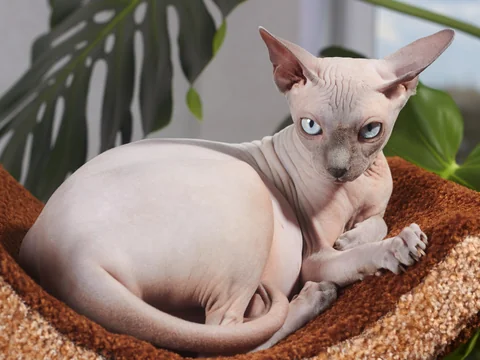
Nearly hairless cat · Canada
Sphynx
Sphynx cats often seek out their people and love to be active. Their nearly bare skin needs protection from strong sun and cold, with gentle care when needed.
Sources and photograph credit
- Turkish Angora breed profile
Used in this profile for: Temperament, Size and build
- Turkish Angora breed profile
Used in this profile for: Temperament, Everyday life, Size and build, Could this breed fit your life?
- Turkish Angora breed standard
Used in this profile for: Day-to-day care, Size and build
- Turkish Angora breed profile
Used in this profile for: Temperament, Everyday life, Day-to-day care, Size and build, Health, Could this breed fit your life?
- Indoor cats
Used in this profile for: Everyday life, Could this breed fit your life?
- Tips for grooming longhaired cats
Used in this profile for: Day-to-day care
- Cats and play
Used in this profile for: Everyday life
- Deafness in cats
Used in this profile for: Everyday life, Health
- Hypertrophic Cardiomyopathy
Used in this profile for: Health
- Loving Care for Older Cats
Used in this profile for: Day-to-day care
- BAER testing for white cats
Used in this profile for: Health
- Introducing your new cat to other cats in your home
Used in this profile for: Temperament, Could this breed fit your life?
- How to keep your cat healthy and happy
Used in this profile for: Owner experience
Photo credits
Portrait · Himbeerchen · CC BY-SA 3.0

Everyday life · Vinydeluz · CC BY-SA 4.0

Coat and features · Nickolas Titkov · CC BY-SA 2.0
.jpg)
Kitten · Nickolas Titkov · CC BY-SA 2.0
.jpg)