 fellfolio
Shorthaired cat · Europe
European Shorthair
The European Shorthair is a recognised breed that preserves the natural type of European domestic cats. Its short coat and balanced build look familiar. A satisfying life includes engaging games, safe resting places and people who pay attention to the cat’s individual habits.
At a glance
- Size
- Medium
- Activity
- Moderate
- Care needs
- Low
- Enrichment
- Play at their own pace
- Owner experience
- First cat with preparation
A familiar appearance and an inquisitive nature
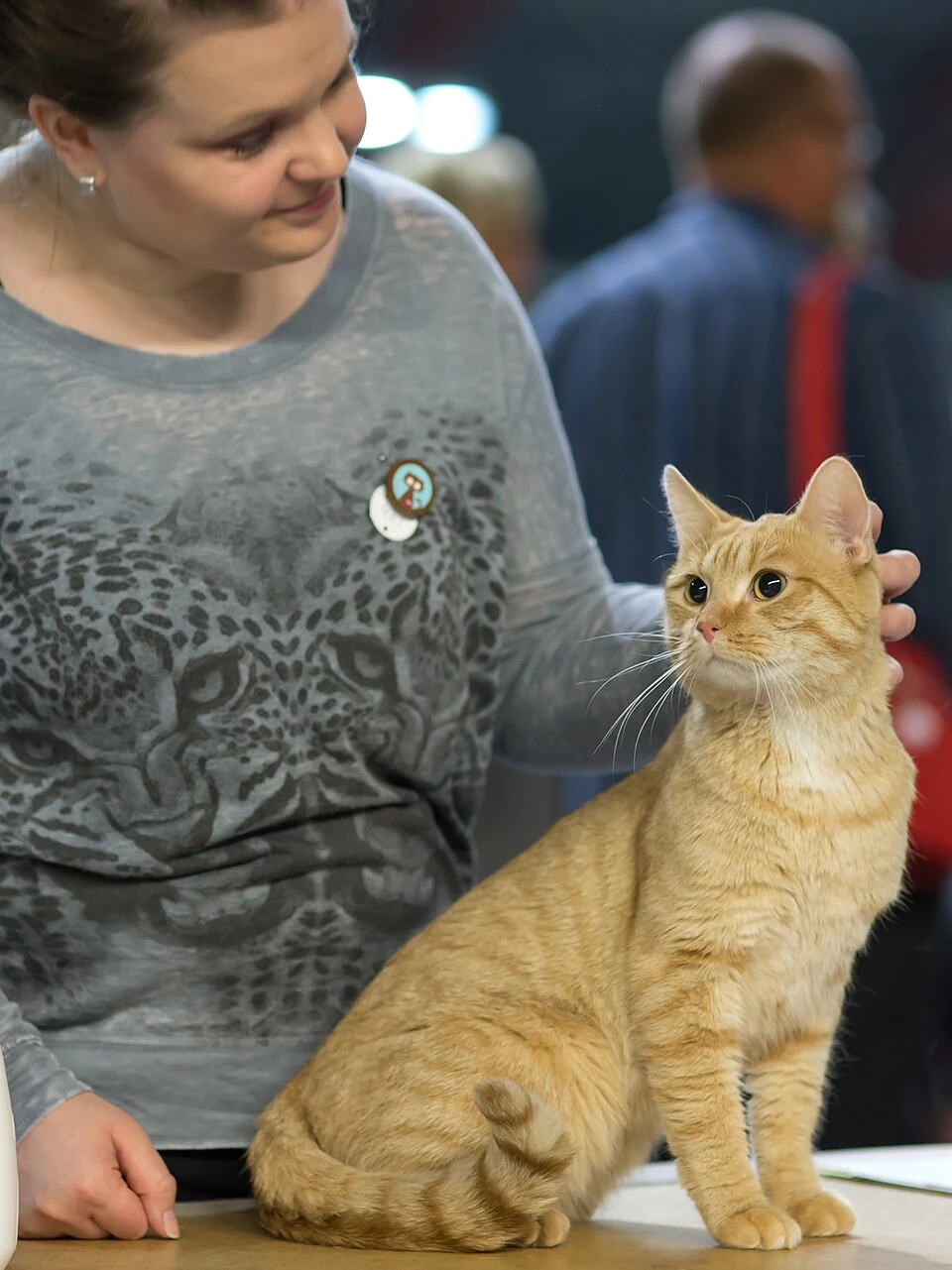
The European Shorthair preserves the familiar appearance of European domestic cats. An agile body helps this inquisitive cat explore her surroundings. The international cat federation FIFe describes the breed as playful, adaptable and balanced. A new cardboard box in the living room or a rustling toy can be as interesting as a favourite lookout spot.
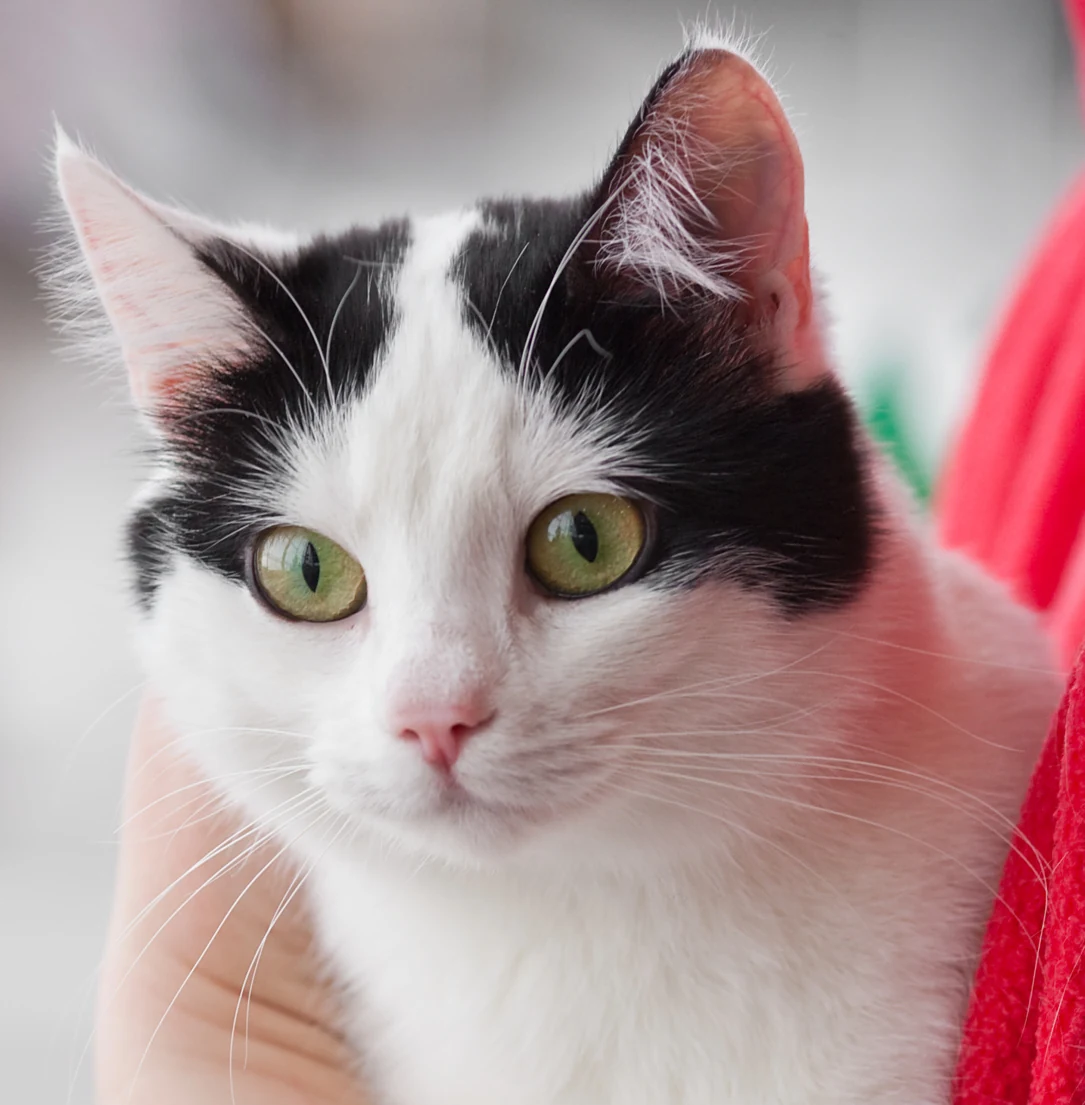
The name can cause confusion. European Shorthair refers to a recognised breed with its own breeding standard. An ordinary shorthaired domestic cat does not belong to this breed simply because she resembles it. When adopting, it is therefore useful to get to know the individual cat first. How does she react to visitors, does she enjoy playing with people and has she lived with other animals? Those experiences say more about life together than an uncertain breed label.
A home with things to discover
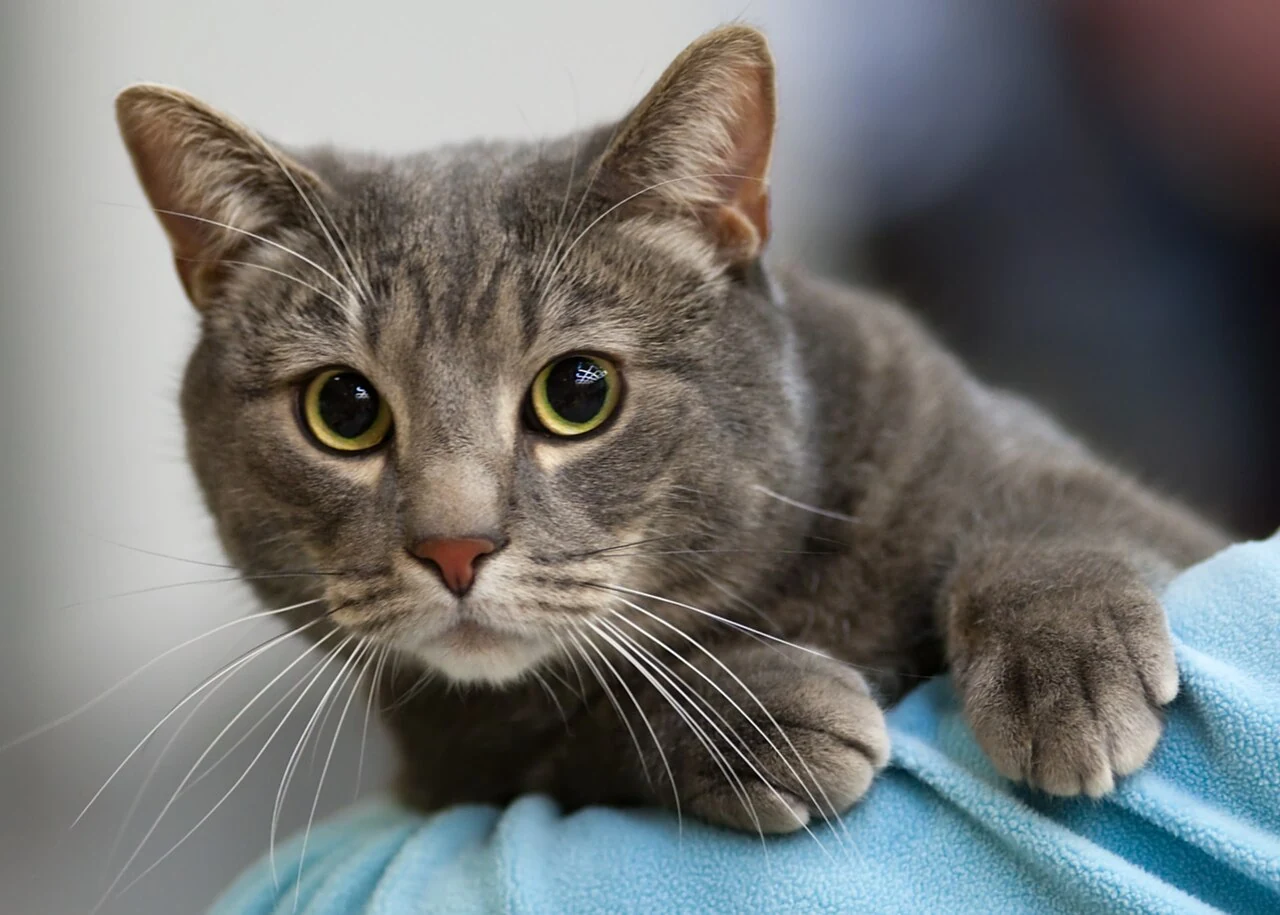
A European Shorthair should have daily opportunities to explore, scratch and play. A wand toy can imitate the movements of small prey. The attachment should sometimes disappear around a corner and reappear, giving the cat time to watch and stalk it. She should occasionally be able to catch and hold it. Balls and small food puzzles add variety once you discover what your own cat enjoys.
Raised resting places and hiding spots should ideally be accessible from different directions. This leaves a route open when, for example, another cat is resting in the hallway. A cat who can pass people or another pet undisturbed has more choices. Separate feeding places and several litter trays are useful in a home with multiple cats. Water should also be easy to reach, rather than available only directly beside food.
Whether outdoor access is suitable depends on the area and the cat's previous way of life. A busy road presents different risks from an enclosed garden. A cat who previously spent much of her time outdoors needs careful support when settling into a new home. Indoor life needs enough enrichment and usable climbing places. The guide to keeping indoor cats occupied can help turn individual play ideas into an interesting daily routine.
For practical play, food searches and quiet retreats, read Indoor Cat Enrichment: Play, Food Puzzles and Safe Retreats ↗
Short coat care and noticing small changes
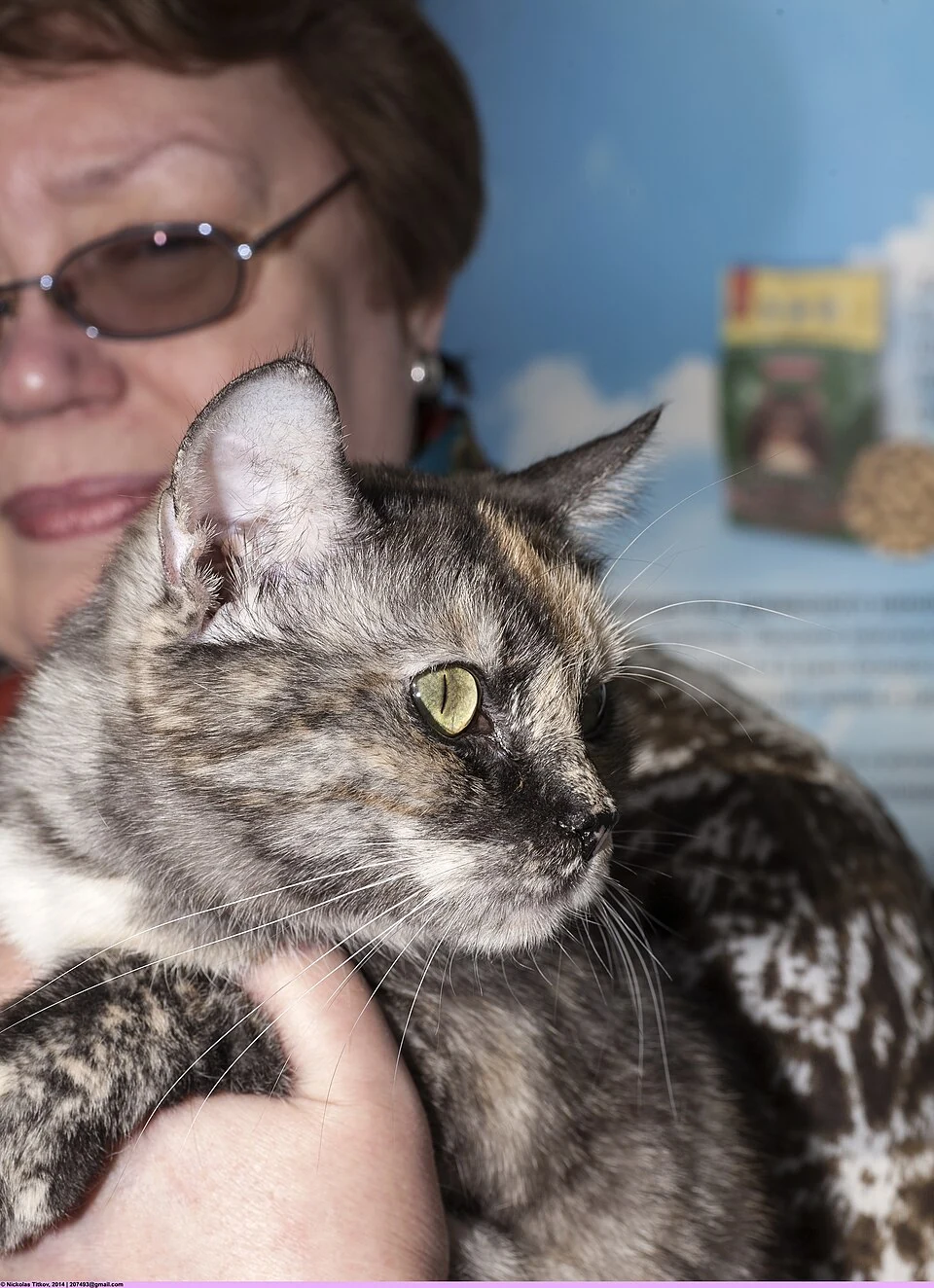
The short coat is dense and glossy. A brief weekly brushing session is enough for many cats to remove loose hair. More frequent brushing may help during shedding periods. You should also look at the skin and notice whether a cat suddenly stops grooming certain areas or begins licking much more than usual.
Grooming is easier when the cat can gradually become familiar with being touched. A quiet brushing session can be followed by a small reward. If a previously tidy coat becomes dull or tangled, you should consider what has changed. Pain, limited movement or other illness may make it harder for a cat to groom herself. These changes should be discussed with the veterinary practice.
Regular weighing is useful whatever the coat length. Games and food puzzles should provide enrichment without quietly increasing the food allowance. Treats should therefore count towards the daily ration. A simple weight record in Fellfolio helps you follow a gradual gain or loss and discuss it at the next appointment.
The breed behind the familiar domestic cat type
The breed was developed to preserve the natural European shorthaired type. Breeders, particularly in northern Europe, worked to retain these cats as a distinct breed while other breeds were increasingly selected for unusual features. The current FIFe standard explicitly states that the type should not be altered by crosses with other breeds.
It describes a medium to large cat with a strong, muscular yet agile body. The build should be neither particularly stocky nor excessively slender. The face looks fairly round but is a little longer than it is wide. Various natural coat colours and patterns contribute to the familiar appearance, including tabby, solid coloured and white patched cats.
If you are specifically looking for a pedigree European Shorthair, you should ask about registration and ancestry records. Someone adopting a domestic cat from a rescue can also find a wonderful companion. Her previous living conditions and behaviour matter when considering her needs. An adult cat often has preferences that are already easy to observe, such as enjoying lively games or quiet company.
Every cat needs preventive care
Regular veterinary appointments are part of caring for a European Shorthair. Vaccination, parasite protection and regular examinations should be planned with the veterinary practice according to the cat's way of life. An indoor cat may also need preventive healthcare even though she does not go outside.
Teeth deserve particular attention. Inflamed gums and the breakdown of tooth structure can be painful, even when the cat initially continues eating. Bad breath, drooling and changes in chewing should be checked. The veterinary team can demonstrate suitable dental care and decide whether further examination is needed.
Changes around the litter tray provide useful clues too. Frequent visits, straining, blood in the urine or urinating outside the tray can indicate a problem with the bladder or urethra, the tube through which urine leaves the body. There are several possible causes, which should be investigated by a vet. A cat who repeatedly tries to urinate but passes little or no urine needs immediate help. A blocked urethra is a life threatening emergency. These signs should not be treated as a simple toileting habit.
Would a European Shorthair suit you?
Could work well if …
- You want an agile, shorthaired cat and are happy to offer suitable games and enrichment every day.
- You can provide raised resting places, scratching opportunities and quiet hiding spots around the home.
- You want to choose a cat by getting to know her personality and previous experiences, rather than relying only on a breed name.
What to consider
- A shorthaired domestic cat is not automatically a European Shorthair. If you are seeking this particular breed, you should check ancestry records.
- Your cat should have daily opportunities to play, suitable company and preventive veterinary care.
- Changes in grooming, eating or toileting should be investigated rather than dismissed as habits.
Meet other cat breeds.
Selected by size, activity, care and play needs.
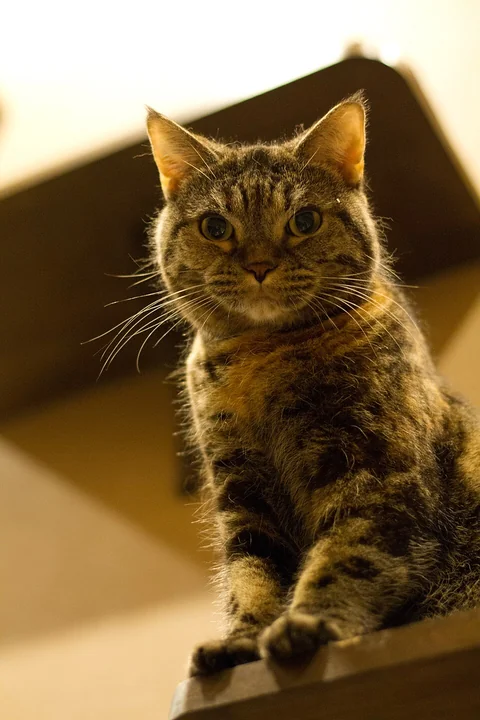
Shorthair cat · United States
American Shorthair
Sturdy, even-tempered and playful, the American Shorthair enjoys shared games while keeping a measure of independence.
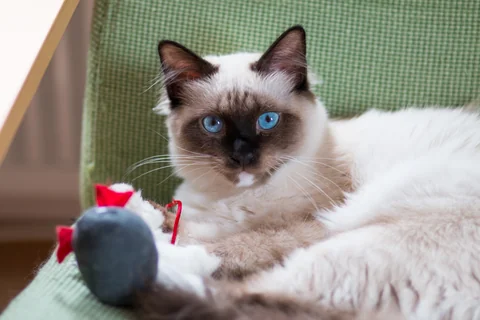
Semi-longhair · France
Birman
The Birman combines blue eyes, pale silky fur and white paws with a gentle, people-oriented nature. Many seek company and enjoy short play sessions.
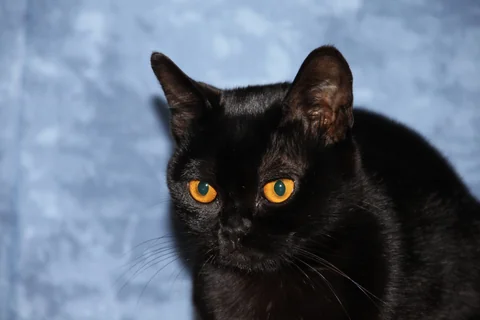
Shorthair · United States
Bombay
The Bombay has glossy black fur and copper eyes. Muscular and sociable, it enjoys playing with its people.
Sources and photograph credit
- Indoor cats
Used in this profile for: Everyday life, Health, Could this breed fit your life?
- Tips for grooming longhaired cats
Used in this profile for: Day-to-day care
- Cats and play
Used in this profile for: Everyday life
- Feline Dental Disease
Used in this profile for: Health
- Feline Lower Urinary Tract Disease
Used in this profile for: Health
- European breed profile
Used in this profile for: Temperament, Everyday life, Size and build, Could this breed fit your life?
- European breed standard
Used in this profile for: Day-to-day care, Size and build
- Introducing your new cat to other cats in your home
Used in this profile for: Everyday life, Could this breed fit your life?
- How to keep your cat healthy and happy
Used in this profile for: Day-to-day care, Health
Photo credits
Side view · Heikki Siltala · CC BY 3.0
_-_EUR_d_24_-_male_EX1_CAC_CH.JPG)
Portrait · Heikki Siltala · CC BY-SA 3.0

Everyday life · Heikki Siltala · CC BY-SA 3.0

Coat and features · Nickolas Titkov · CC BY-SA 2.0
.jpg)