 fellfolio
Wiry coated cat · United States
American Wirehair
The American Wirehair is a muscular cat with an unusually springy coat. Individual hairs are crimped, bent or hooked at the tips. The breed developed in the United States and is closely related to the American Shorthair. Many enjoy watching family life and can also become enthusiastic partners in a game.
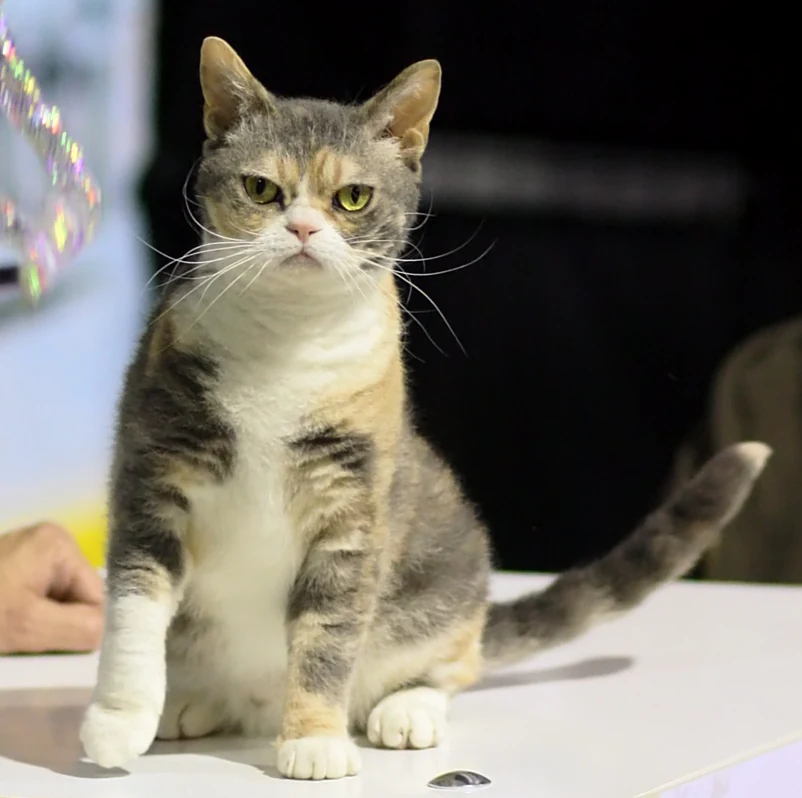
At a glance
- Size
- Medium
- Activity
- Moderate
- Care needs
- Low
- Owner experience
- First cat with preparation
Enjoying company without always taking centre stage
While you unpack a box, an American Wirehair may sit beside you and watch. Soon she puts her nose to the edge to investigate anything interesting inside. The cat associations CFA and TICA describe her as curious, people-oriented and generally even-tempered. This can suit a routine that provides both shared activities and independent exploration.
Closeness can take different forms. One cat enjoys a lap, while another keeps her people company from the next chair. You should explore which touches your own cat finds comfortable. If she remains relaxed and approaches again, you can continue the encounter. If she turns her head away or leaves, you should let her rest. A quieter form of contact is also an opportunity to learn what she enjoys.
In a busy household, she should have places where nobody tries to engage her. Children can initiate contact through a toy and should learn to respect her retreat. When another animal arrives, separate areas and gradual introductions should be prepared. Food bowls, litter trays and beds should be spread across different places so each cat can reach them without having to pass close to the other.
Playing, watching and considered feeding
A calm appearance does not mean that an American Wirehair only wants to sleep. A ball rolling into an open paper bag without handles may catch her attention. A wand attachment can also change direction across the floor. You should allow time for watching and stalking rather than continually moving the toy immediately in front of her nose. Once she catches it, she can hold it with her paws for a while.
Stable scratching surfaces and several accessible viewpoints are useful indoors. Watching outdoor activity can provide interest, but the window should be secured. For rest, she also needs a protected place away from busy routes. Small changes often create fresh opportunities. An open box in a different place may be more interesting than a constant supply of new toys.
For an adult, activity and food allowance should be considered together. A substantial breed need not become as heavy as possible. Measuring portions makes it easier to include treats and food games. If you are looking for a suitable cat, the cat finder can help organise your preferences and practical possibilities. The final decision should also involve time getting to know the individual and her previous routine.
For practical play, food searches and quiet retreats, read Indoor Cat Enrichment: Play, Food Puzzles and Safe Retreats ↗
Understanding the springy coat
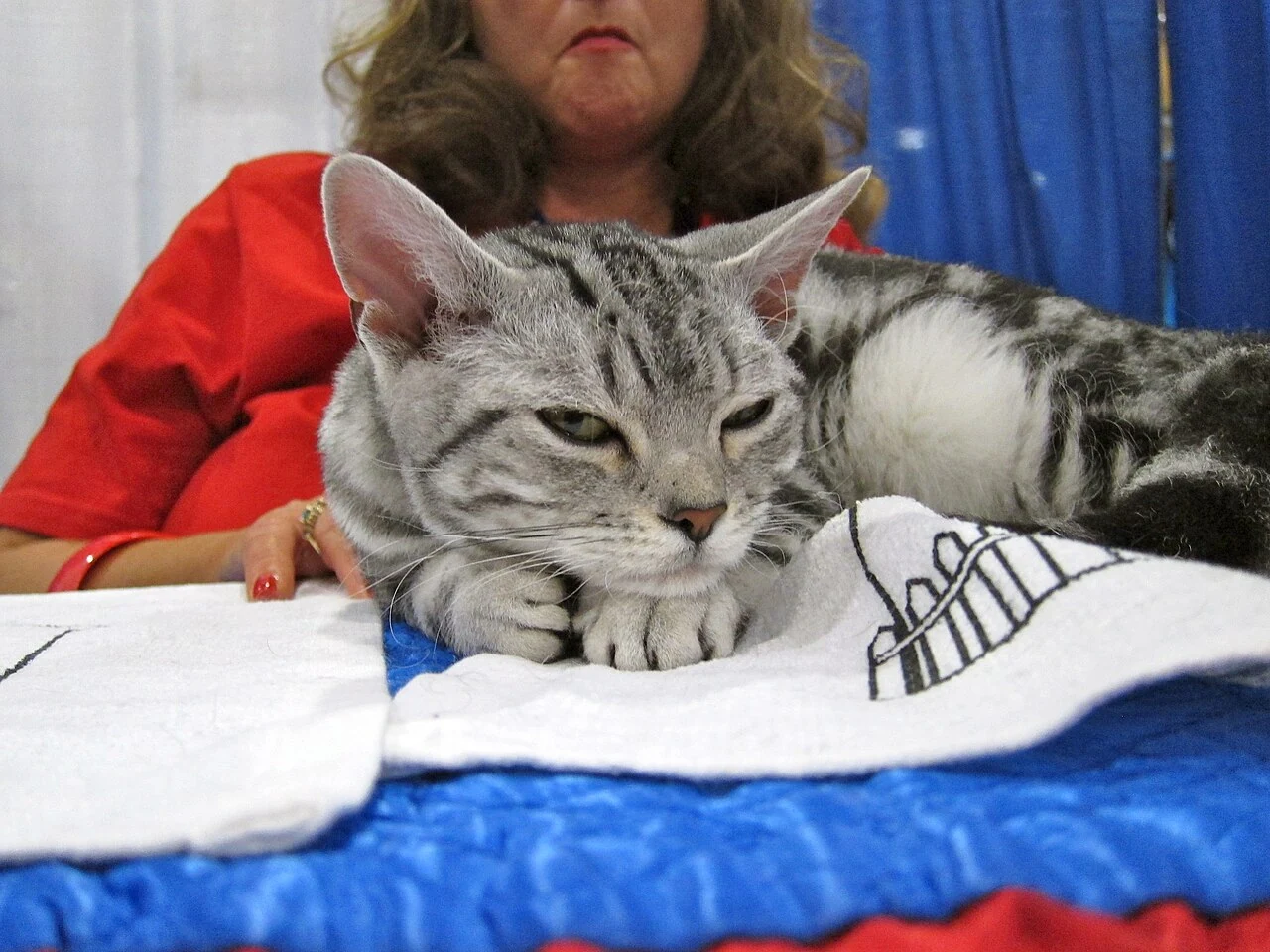
Wirehair describes the unusual shape of the individual hairs rather than a uniformly harsh coat. Hairs may be crimped, bent or hooked at their ends. The coat springs back after a gentle touch. How soft or firm it feels can vary substantially between cats. Whiskers may be bent as well.
Vigorous brushing is of little benefit for this coat. Curved hairs may break more readily. You should first ask how she has previously been groomed and remove loose hairs gently only when needed. Checking skin and coat can often be combined with relaxed stroking.
Greasy skin, visible flakes or itching should prompt a discussion of the cause. Whether a bath is needed and which cat product is suitable should depend on the individual skin condition. A fixed bathing programme does not suit every cat. New bald areas or frequent licking should be investigated. Whiskers should not be trimmed. These sensory hairs help her detect her immediate surroundings.
Adam and the American Wirehair’s beginnings
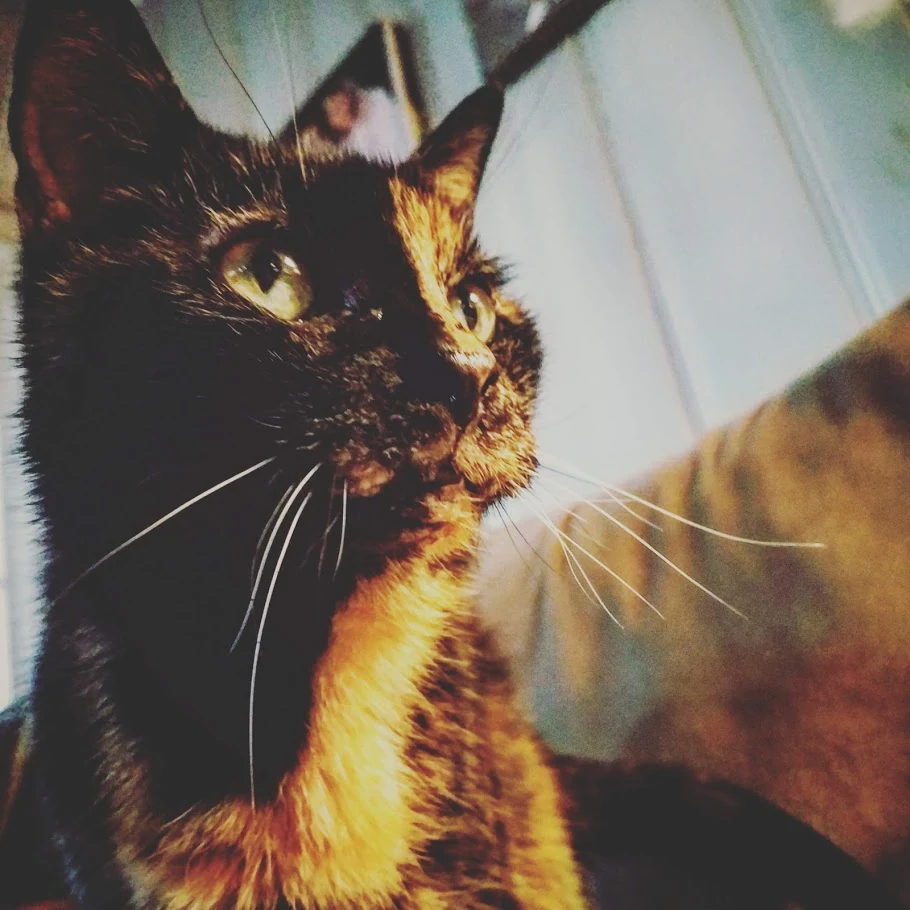
The breed’s history began on a farm in New York State in 1966. A red and white male with crimped hair stood out in a litter of normally coated domestic cats. Joan O’Shea included him in her breeding programme and named him Adam. His inherited coat became the foundation of the American Wirehair. CFA recognised the breed in 1967 and granted championship status in 1978.
The American Shorthair was used during subsequent development, so the breeds remain close in body type. The American Wirehair has a strong, balanced body, a broad head and prominent cheeks. She is not a Rex breed, although Rex cats can also have curled hair. Here, the structure of the individual hairs creates the springy coat. The degree of this texture varies.
Her appearance may continue developing over several years. For a kitten, a good start in daily life should therefore take priority. She should become familiar with touch and a carrier, and chase appropriate objects rather than hands during games. An adult can show how much activity and contact she enjoys. For an older Wirehair, reduced movement should not automatically be interpreted as an easy-going temperament. Pain or illness may be responsible. More accessible places can help, but should not replace an examination.
Understanding results and planning preventive care
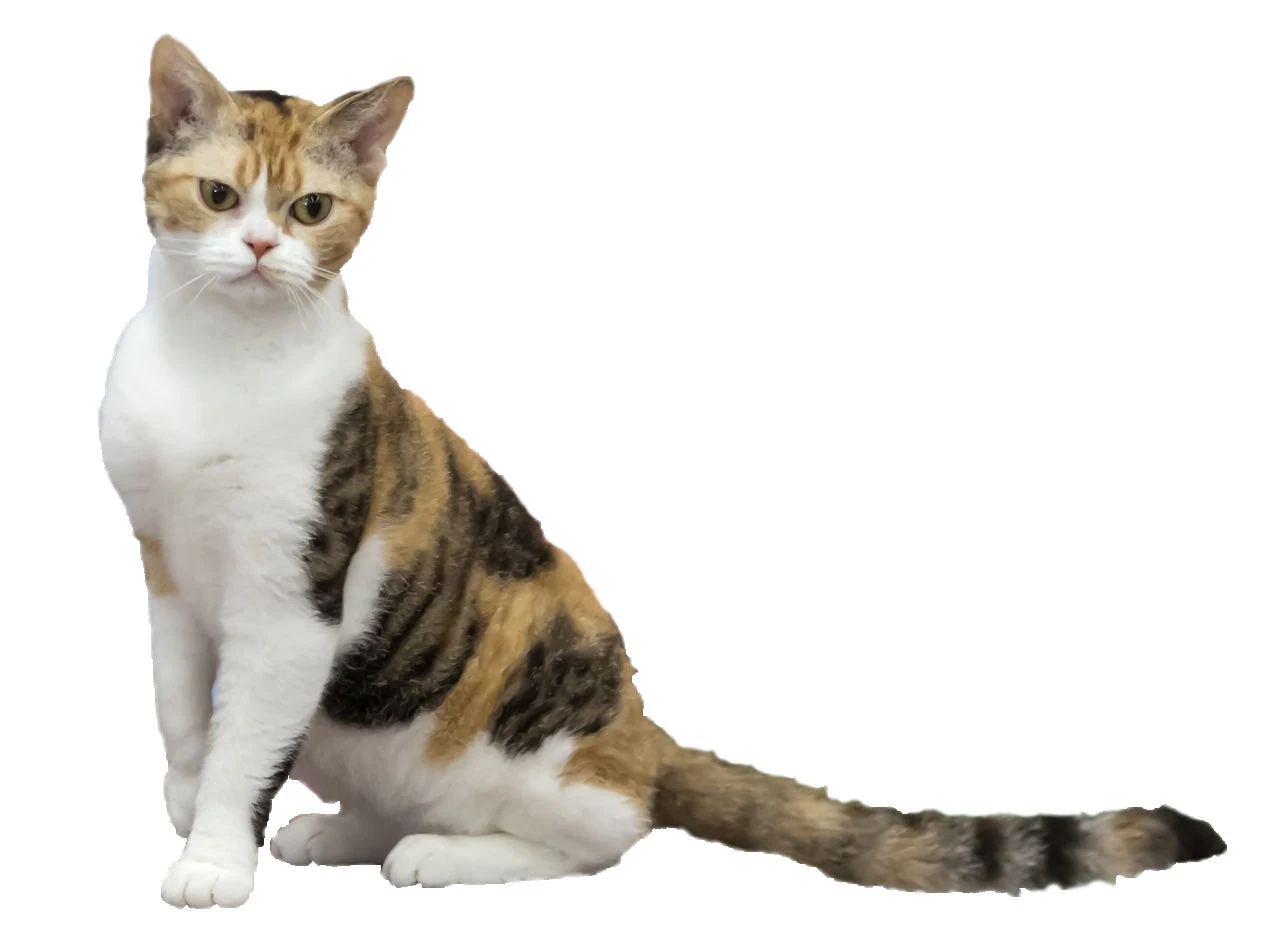
Before adoption, you should find out which examinations are actually available for the cat and her parents. CFA describes some breeders using heart ultrasound examinations in addition to genetic testing. Ultrasound allows assessment of the heart’s shape and function. Hypertrophic cardiomyopathy, or HCM, involves thickening of the heart’s muscular walls, which can reduce its efficiency. The veterinary team should explain which examinations are appropriate for the individual cat.
A DNA test and ultrasound reveal different things. A DNA test examines particular genetic changes. Heart ultrasound can show changes already visible in the heart. The meaning of an existing result should be discussed alongside its date and the question being investigated. Laboured breathing or breathing with an open mouth requires immediate veterinary attention.
Daily observations should also include skin, teeth and movement. Bad breath, drooling or unusual chewing may indicate a painful mouth. Dental care using cat products should be introduced gradually. An already painful inflammation should be treated by the veterinary team first. Fellfolio can keep results, appointments and your own observations together in a pet profile for agreed follow-up checks. A cost plan helps account for preventive care and a reserve for unexpected treatment.
How an American Wirehair may fit your daily life
Could work well if …
- You want to get to know a cat who may enjoy both company and independent exploration.
- You can provide varied games, scratching surfaces and quiet viewpoints.
- You are prepared to treat the unusual coat gently and pay attention to the individual’s skin.
Before you bring one home
- Vigorous brushing can damage curved hairs. Grooming needs should be assessed for the individual cat.
- Skin problems should be investigated rather than managed simply by bathing more often.
- Another cat needs gradual introductions and her own essential places.
Meet other cat breeds.
Selected by size, activity, care and play needs.
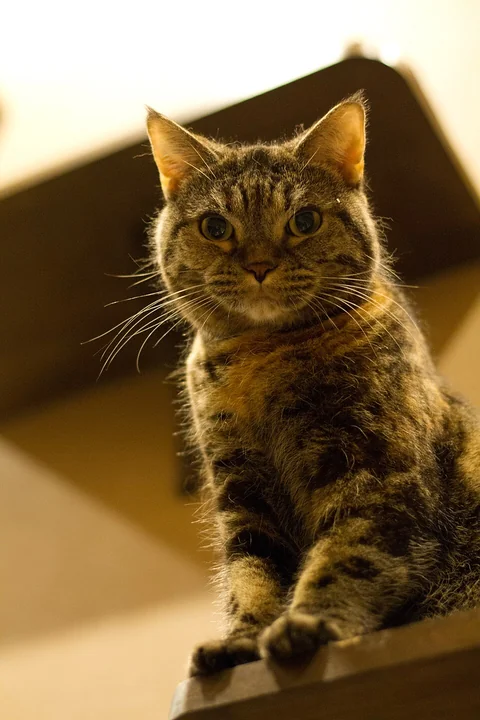
Shorthair cat · United States
American Shorthair
Sturdy, even-tempered and playful, the American Shorthair enjoys shared games while keeping a measure of independence.
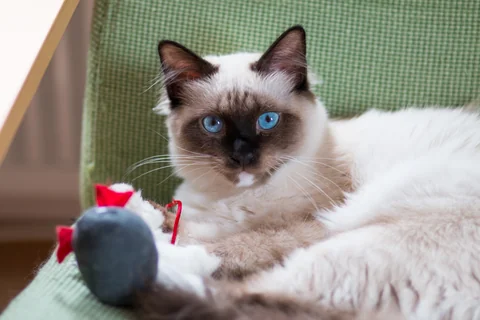
Semi-longhair · France
Birman
The Birman combines blue eyes, pale silky fur and white paws with a gentle, people-oriented nature. Many seek company and enjoy short play sessions.
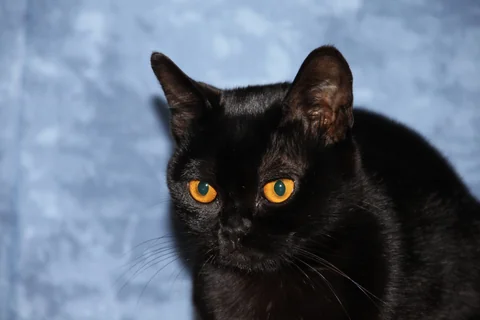
Shorthair · United States
Bombay
The Bombay has glossy black fur and copper eyes. Muscular and sociable, it enjoys playing with its people.
Sources and photograph credit
- American Wirehair breed profile
Used in this profile for: Temperament, Everyday life, Size and build, Health
- American Wirehair standard, revision 2025
Used in this profile for: Day-to-day care, Size and build
- American Wirehair breed profile
Used in this profile for: Temperament, Day-to-day care, Size and build, Could this breed fit your life?
- American Shorthair and American Wirehair standard, revision 2004
Used in this profile for: Size and build
- Opinion on the welfare implications of feline breeding practices
Used in this profile for: Day-to-day care, Could this breed fit your life?
- Grooming your cat
Used in this profile for: Day-to-day care
- Indoor cats
Used in this profile for: Everyday life, Could this breed fit your life?
- Cats and play
Used in this profile for: Everyday life
- Why do cats have whiskers?
Used in this profile for: Day-to-day care
- Feline Dental Disease
Used in this profile for: Health
- Hypertrophic Cardiomyopathy
Used in this profile for: Health
- Loving Care for Older Cats
Used in this profile for: Size and build
- Introducing your new cat to other cats in your home
Used in this profile for: Temperament
- How to keep your cat healthy and happy
Used in this profile for: Health
Photo credits
Portrait · American Wirehair - CFF cat show Heinola 2008-05-04 IMG 8721.JPG · Heikki Siltala · CC BY 3.0 · Edited

Side view · American Wirehair.jpg · Desaix83 / Heikki Siltala · CC BY 3.0 · Edited

Everyday life · American Wirehair cat tired.jpg · Pets Adviser · CC BY 2.0 · Edited

Coat and features · Stitch on the Couch 03312018.jpg · Enzo Arcamone · CC BY-SA 4.0 · Edited
