fellfolio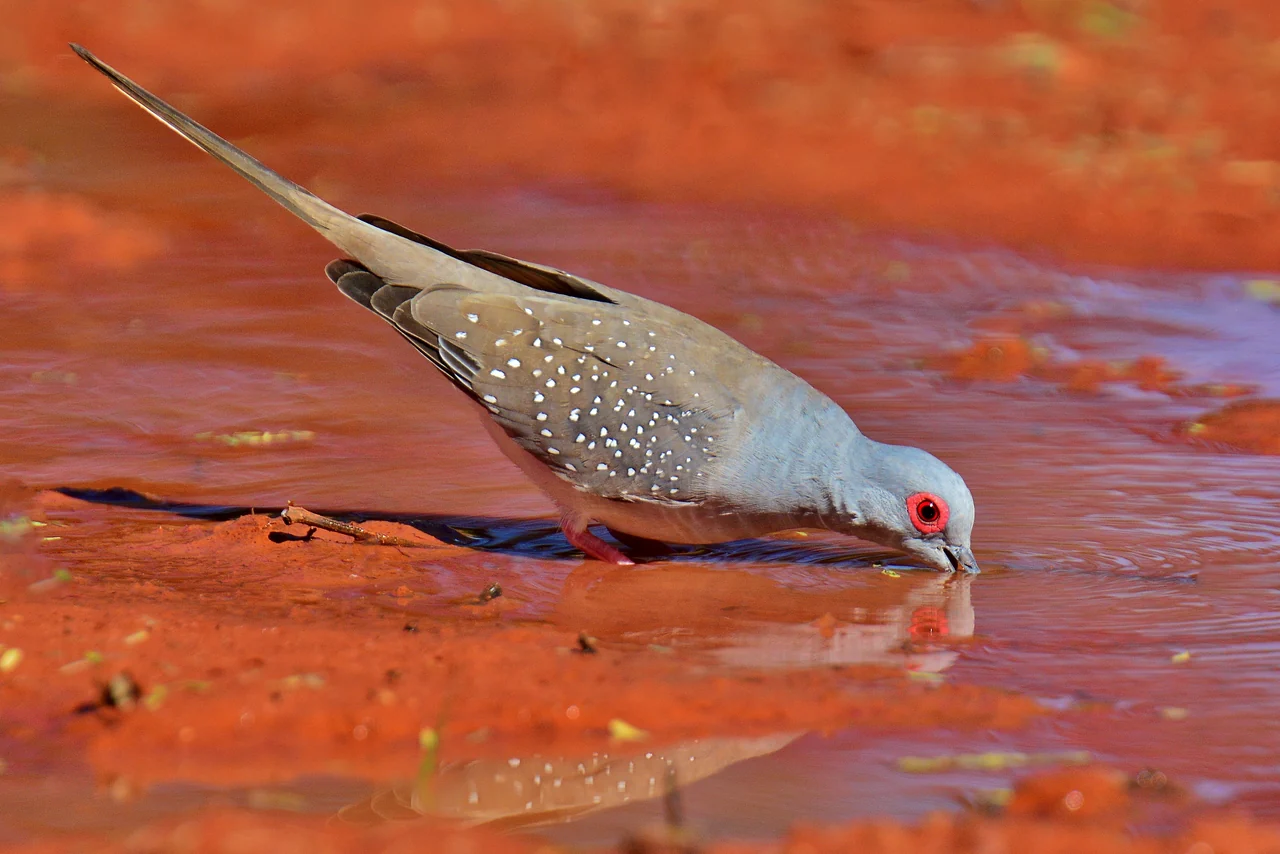
Getting to know the diamond dove
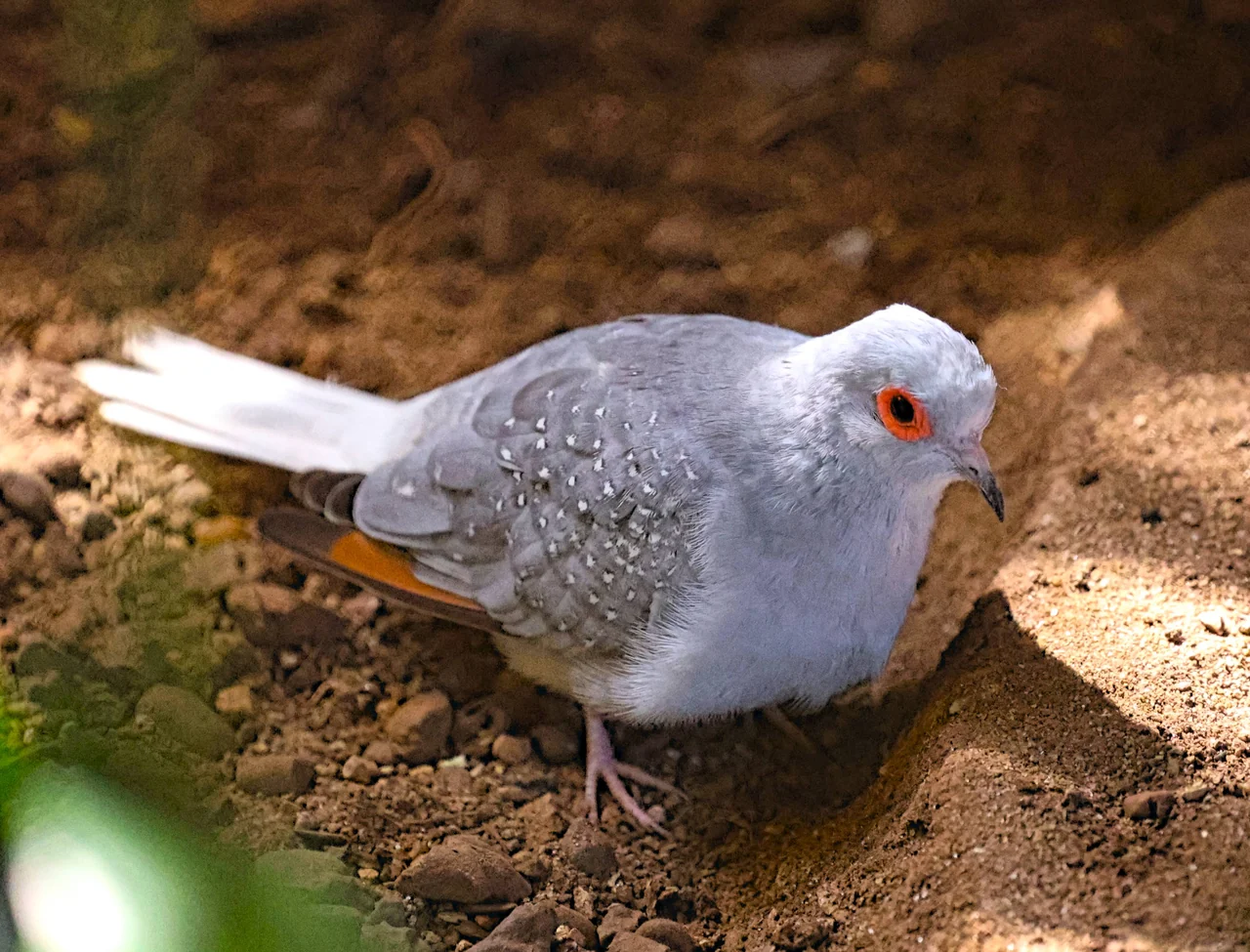
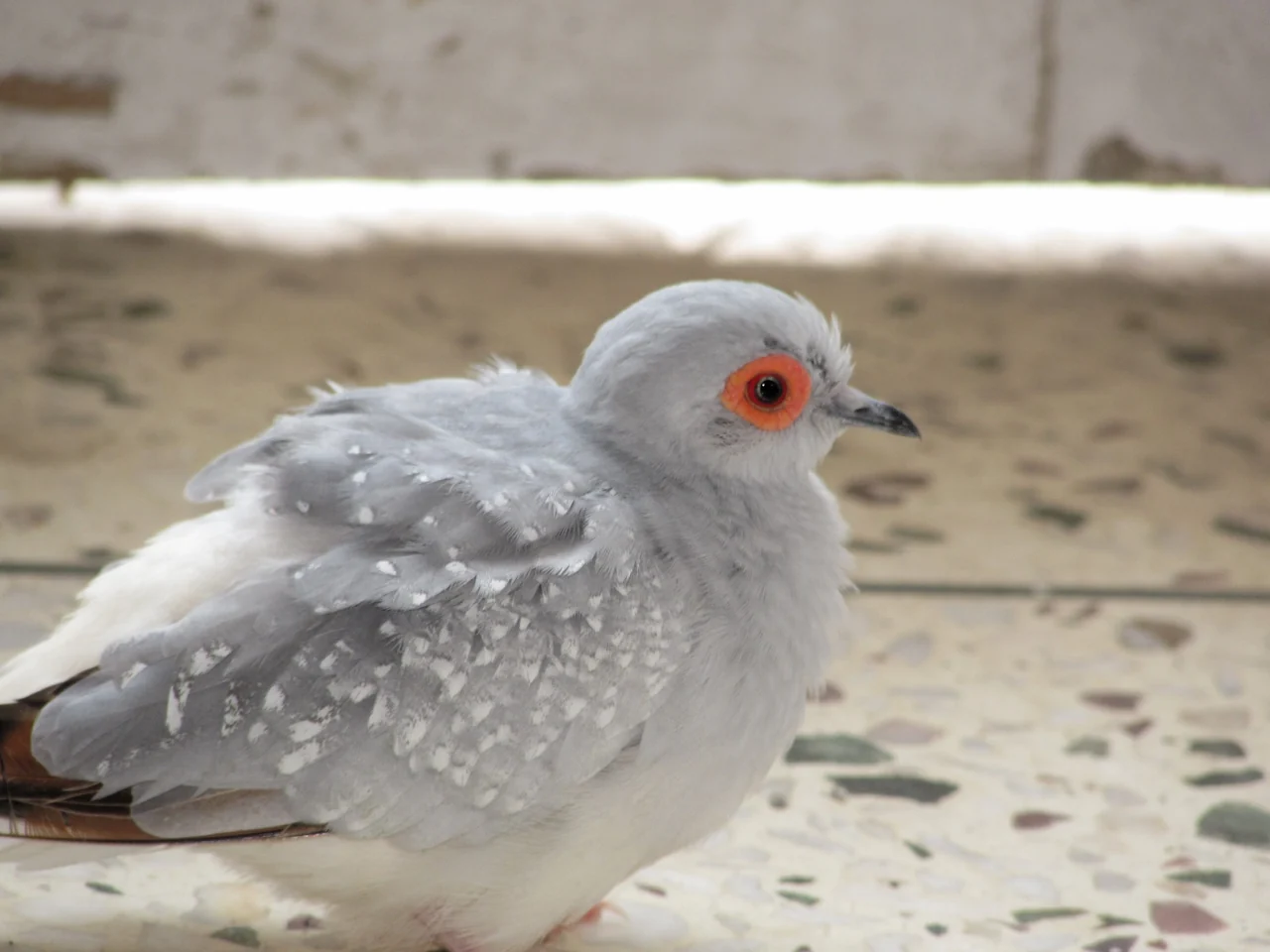
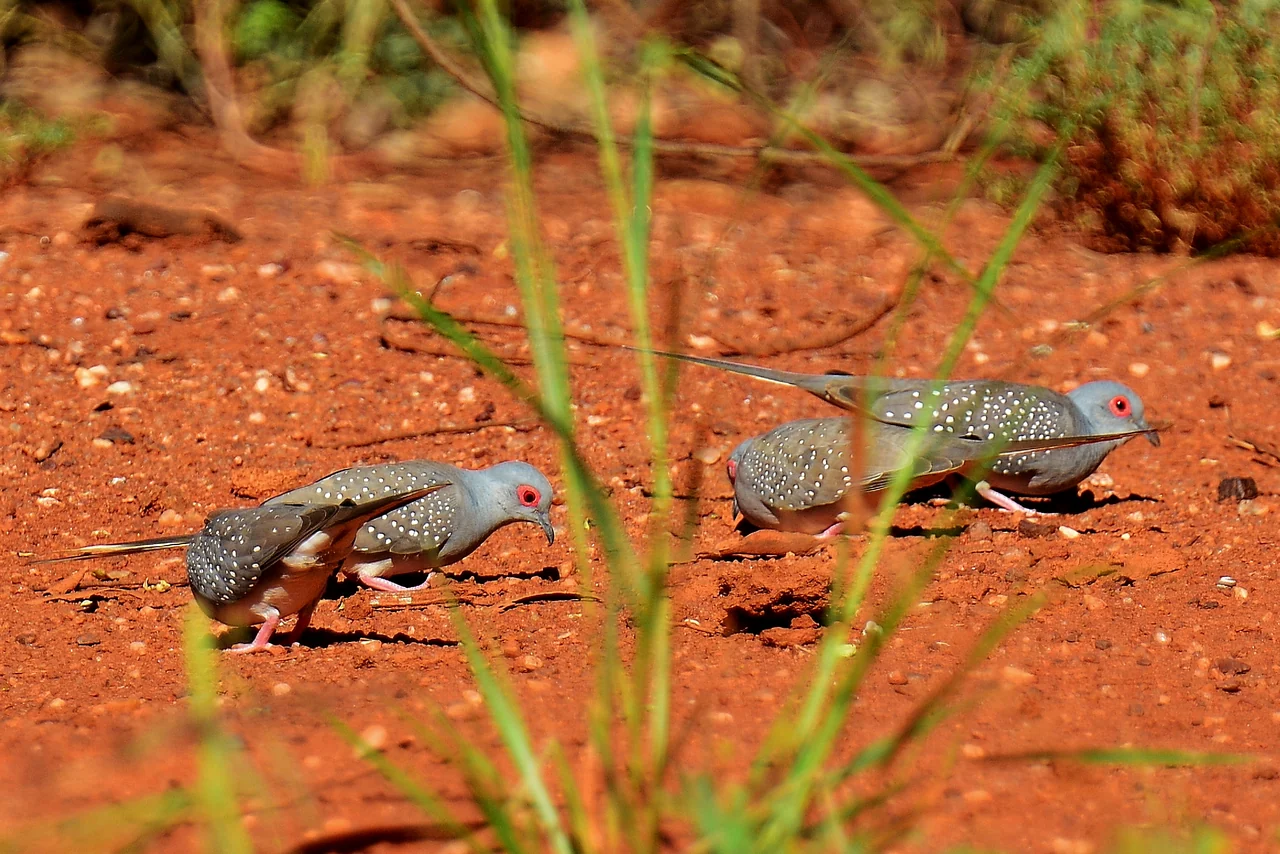
The diamond dove, Geopelia cuneata, belongs to the pigeon and dove family. BirdLife Australia gives a total length of 19 to 24 centimetres, including the long tail. Birds with the natural plumage colour have a blue grey head and breast, with grey brown wings dotted in white. Young birds have less distinct markings and a paler eye ring.
In Australia, they mainly inhabit dry, open country within reach of water. They search the ground for small grass seeds. Their soft, repeated cooing can be a frequent sound at home, occasionally continuing at night during breeding periods. Visiting a keeper or rescue before deciding helps you hear how those calls carry indoors.
Choosing company that suits both birds
An established pair is a useful starting point. A rescue or experienced rehoming organisation may already know which birds get along. Putting two males together can lead to rivalry. Males in larger groups may also compete for mates and space.
Watch whether each bird can eat, rest and move away freely. Separate feeding places and well spaced perches help them avoid conflict. A bird that is repeatedly chased or kept away from food needs protection. The birds should be safely separated while someone experienced assesses the pairing and their accommodation.
A mixed aviary needs further planning. Other species have different feeding needs and may intimidate the little doves. For a new keeper, a pair of diamond doves in suitable accommodation of their own is easier to manage than a mixed collection of birds.
Flight space, floor space and a safe environment
Diamond doves fly between branches rather than climbing around the bars like parrots. A tall, narrow enclosure makes poor use of the space they need. Plan a spacious indoor aviary, meaning a large enclosure with room for flight, or a secure bird room. The route between landing places should allow several wingbeats without branches and bowls blocking the way.
Leave enough open floor for walking and searching for food. Shallow, accessible food dishes are easy to clean and check. Natural branches of different thicknesses give the birds a choice of resting surfaces. Bowls should sit away from the area beneath favourite perches, where droppings would fall into the food or water.
An outdoor aviary needs suitable sheltered indoor accommodation with enough space for bad weather. Shade, rain protection and an entrance with two secure doors should be part of the design. The space between them acts as a safety porch: the outer door is closed before the inner one opens. One door to the outside should always remain shut. A dove used to a warm indoor home should not suddenly be moved into cold outdoor conditions.
In a bird room, windows and external doors should be closed, and large panes of glass made visible as barriers. Running fans, open water containers and access to the kitchen are dangerous during free flight. Cats and dogs should have no access to the birds’ area. The doves need to walk and feed on the floor without being disturbed.
Smoke, scented sprays and cooking fumes should be kept out of their air. Overheated nonstick coatings can also release toxic fumes. At night, the birds need a quiet, dark place to sleep. Daytime lighting should provide both brighter and shaded areas. A suitable bird lamp should be installed at the distance specified by its manufacturer. The birds also need places outside its beam.
Read more: Setting up a bird room: safe flight and good landing places
Small seeds and a balanced diet
Diamond doves mainly eat small seeds. Millet and other fine seeds found in mixtures intended for small doves suit their small beaks. A seed mixture alone, however, does not necessarily supply every nutrient they need. Check the ingredients and whether the product is intended as a complete food or as part of a wider diet.
A complete food is formulated to cover nutritional needs when fed as directed. Small pellets, which are shaped pieces of prepared food, are also available for doves. An avian vet can help decide how a suitable product fits alongside the birds’ current food. Changes should be gradual. Familiar food should only be reduced once both birds are eating enough of the new food.
Finely chopped, washed leafy vegetables can add variety. Fresh drinking water should always be within reach. Food remains and dirt need removing daily, with bowls washed thoroughly. Spend a moment watching each bird eat. A full dish tells you little about whether a quieter companion has managed to get enough.
Understanding grit and calcium
Diamond doves swallow seeds with their hulls still on. Products sold as grit can contain quite different materials. Small insoluble stones are intended to help grind food in the gizzard, the muscular part of the stomach. Shell grit consists of crushed shells that can dissolve in the digestive tract and provide calcium. Calcium is needed for bones and eggshells, among other things.
Veterinary guidance on insoluble grit for doves differs. VCA Animal Hospitals warns that too much grit can cause problems and advises using only digestible shell grit if grit is offered. A feeding plan should therefore specify which mineral product suits the main diet and how much to offer. An avian vet can assess this from the food packaging. Extra vitamin and mineral products should not be combined without checking how they add up.
Foraging, sand bathing and building trust
A shallow, clean dish holding a small portion of their usual food gives the doves a place to search and peck. Both birds should be able to reach it, away from droppings falling from perches. Diamond doves also enjoy bathing in fine, dry sand. Offer suitable bird sand in a separate shallow dish and replace the sand when it becomes damp or dirty. Keep the sand bath separate from drinking water.
Calm movements and a little distance help during daily care. A dove that carries on eating near you is making a promising start. When introducing a carrier, a little favourite food can first be offered by the entrance, then gradually further inside. Giving the birds time to approach for themselves lets them learn the routine without repeated catching. Sitting on a hand or accepting strokes need not be the aim.
Read more: Bird training: confidence, carriers and cooperative care
Planning for eggs before they arrive
A pair may start breeding even when you have no plans to raise chicks. Females usually lay two eggs, and both parents incubate them. If you do not intend to breed the birds, avoid providing nest baskets or extra nesting material. If eggs appear anyway, an avian vet or experienced rescue can advise on replacing them promptly with appropriately sized dummy eggs.
Repeated egg laying places demands on the body and its nutrient reserves. If a dove lays unusually often, a vet should review food, lighting and nesting stimuli together. A weak, fluffed female that is straining or breathing with difficulty may have a trapped egg, among other possible problems. This needs urgent veterinary attention. Do not press her abdomen or try to remove an egg yourself.
Bringing them home and caring for them as they age
Before taking the birds home, ask about their origins, familiar food and medical history. For young birds, the breeder or rescue should confirm that they are reliably feeding themselves. Have their accommodation ready, with familiar food and easy to find water. A new arrival joining existing birds should have a health examination first. Keep them in separate rooms until the vet clears them for introductions. This quarantine helps prevent an unnoticed infection passing between them.
ZOO Sedlec reports that diamond doves can live for ten years or more in human care. As they grow older, each bird should still be able to reach its usual places. Lower, easy to reach perches and extra food stations may help a dove that flies less well. A sudden change in mobility needs veterinary assessment rather than being assumed to be part of ageing.
Holiday care needs someone who knows both birds, checks on them daily and can contact their vet. The cost planner can help budget for accommodation, food and money set aside for veterinary treatment. A care handover records the morning routine and explains what a carer should notice if either bird seems different from usual.
Read more: Bird life stages: from youngster to older companion
Noticing changes in everyday behaviour
Get to know the doves during their ordinary activities. Which bird eats first, where do they rest, and how do they move around the aviary? Familiarity with those habits makes changes easier to spot. Reduced appetite, unusual stillness, changes in droppings or weight loss should be discussed promptly with an avian vet. A short video can show what you have noticed at home.
Spending time on the floor is normal for diamond doves. Sitting there weak and fluffed, with closed eyes and little response to the surroundings, is a different matter. Difficulty breathing, injury or marked weakness needs immediate veterinary help. Daily care is also a good time to check the floor, bowls and perches. Replace damp bedding, remove dirt and replace any damaged branch.
Common questions
Can I keep one diamond dove on its own?
When planning a new home, include suitable company of the same species. A compatible pair can rest, call and search for food together. If a dove loses its companion, first establish the cause of death, then seek experienced help with finding a new partner.
Is a tall cage enough for two diamond doves?
They mainly need a usable flight path and floor space. A tall, narrow cage offers little of either. A generous aviary or secure bird room can be arranged so they can fly, land, walk and move away from one another.
Do diamond doves become tame?
Some grow used to familiar people and stay relaxed nearby at feeding time. The amount of closeness they enjoy varies. Calm routines and small food rewards help build trust. Holding a dove simply to stroke it is more likely to frighten it.
Do diamond doves need a nest to sleep in?
A nest basket is intended for breeding and should not routinely be offered as a bed when chicks are not planned. The birds need suitable perches in a sheltered area for resting. If a female lays eggs anyway, get experienced advice on how to manage them.
A closer look
Sources and photo credit
- September bird of the month: Diamond DoveBirdLife AustraliaGetting to know the diamond dove · Small seeds and a balanced diet · Foraging, sand bathing and building trust
- Diamond Dove, Geopelia cuneataBirdLife InternationalGetting to know the diamond dove
- Bird in the Hand: Diamond DoveAustralian Bird Study AssociationGetting to know the diamond dove · Planning for eggs before they arrive
- Kleintier- und Exoten-ABC: T wie Taube, Tierschutzreport 1/2025, page 16Tierschutz BraunschweigChoosing company that suits both birds · Flight space, floor space and a safe environment · Planning for eggs before they arrive
- Diamond doveZOO SedlecPlanning for eggs before they arrive · Bringing them home and caring for them as they age
- Housing and environments for pet birdsRSPCAFlight space, floor space and a safe environment · Foraging, sand bathing and building trust · Bringing them home and caring for them as they age
- Living with other birdsRSPCAChoosing company that suits both birds
- Care of DovesExotic Animal Hospital of PhiladelphiaFlight space, floor space and a safe environment · Small seeds and a balanced diet · Understanding grit and calcium · Noticing changes in everyday behaviour
- Feeding Pigeons and DovesVCA Animal HospitalsSmall seeds and a balanced diet · Understanding grit and calcium
- Introducing a New Pet BirdVCA Animal HospitalsChoosing company that suits both birds · Bringing them home and caring for them as they age
- How to train your pet birdRSPCAForaging, sand bathing and building trust
- Household Hazards and Dangers to BirdsVCA Animal HospitalsFlight space, floor space and a safe environment
- Reproductive Diseases of Pet BirdsMSD Veterinary ManualUnderstanding grit and calcium · Planning for eggs before they arrive
- Recognizing the Signs of Illness in Pet BirdsVCA Animal HospitalsBringing them home and caring for them as they age · Noticing changes in everyday behaviour
Photo credits
Photo: Diamond Dove. · Laurie Boyle · CC BY-SA 2.0.
Photo: Diamond Dove · Jean Ogden Just Chaos Photography · CC BY 2.0.
Photo: Diamond Dove · kami rao · CC BY 2.0.
Photo: Diamond Doves. · Laurie Boyle · CC BY-SA 2.0.