 fellfolio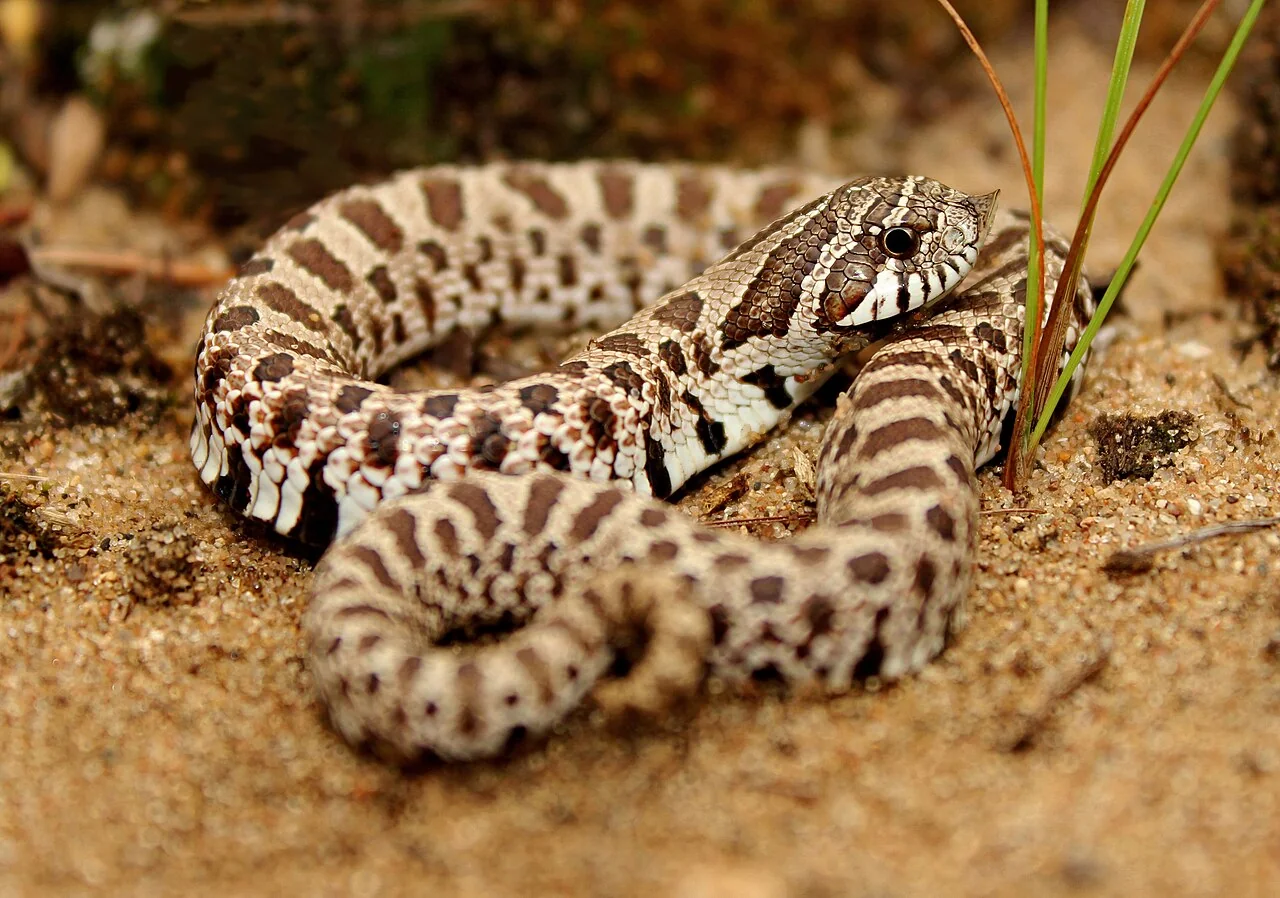
Behaviour and long-term care
Western hognose snakes live largely at ground level and spend considerable time burrowing. An enclosure with usable floor area and diggable substrate lets them carry out that behaviour. They may appear during the day, then vanish beneath the surface. Watching for tunnels and changes in where the snake rests can be more informative than expecting it to stay visible.
When threatened, a western hognose may hiss, flatten its body or play dead. These displays signal stress. Giving the snake distance and access to a hide allows it to settle. This species is housed alone. Its potential 15 to 20 year lifespan also matters when planning space, routine care and a continuing relationship with a veterinarian who sees reptiles.
Sources for this section
- Western Hognose CareChicago Exotics Animal Hospital, Melissa Giese DVM
- Caring for Your Western Hognose SnakeCanobie Lake Veterinary Hospital
Enclosure and substrate
Canobie Lake Veterinary Hospital specifies at least 91 × 46 cm of floor space for an adult western hognose. More usable space can work well when the temperature zones remain available. The enclosure needs a secure lid: this snake can push against a screen with its snout. A hide at the warm end and another at the cool end allow shelter without forcing the animal to remain at one temperature.
Provide at least about 5 to 8 cm of loose, reptile suitable substrate for digging. Reptile-safe soil or fine aspen shavings are suitable examples if they can be kept clean. Avoid pine or cedar shavings and coarse particles that could be swallowed. A shallow dish of fresh water should be available, with soiled areas removed and the enclosure cleaned regularly. Keep enough depth for burrowing even as soiled areas are removed during routine cleaning.
Sources for this section
- Caring for Your Western Hognose SnakeCanobie Lake Veterinary Hospital
- Providing a Home for a ReptileMerck Veterinary Manual
Heat, humidity and light
Reptiles adjust their body temperature by moving among warmer and cooler places. For western hognoses, the cited veterinary guides place the daytime basking area around 32 to 35 °C and the cool end around 21 to 24 °C. Thermometers at both ends show what the snake can actually access, while a thermostat controls the heat source. Hides and shaded areas should remain available when the lights are on.
The species-specific humidity guidance is about 30 to 50 %. Keep the main enclosure from staying wet; a local humid hide can provide a damper option during shedding. A regular cycle of daylight and darkness suits this daytime active snake. The veterinary guides discuss low output UVB as a possible addition, alongside shaded retreats. At night, the snake still needs a suitable, measured temperature range. Planned brumation, a seasonal slowdown associated with cooler conditions, calls for an individual plan from a reptile veterinarian.
Sources for this section
- Western Hognose CareChicago Exotics Animal Hospital, Melissa Giese DVM
- Caring for Your Western Hognose SnakeCanobie Lake Veterinary Hospital
- Providing a Home for a ReptileMerck Veterinary Manual
Feeding with a clear history
Wild western hognoses often eat amphibians, which helps explain why some hatchlings are reluctant to take rodents. Before acquiring a captive-bred snake, ask what prey it has accepted, at what size and on how many occasions. An individual already taking thawed rodents offers a clearer starting point. A reptile veterinarian can help assess prey size and a feeding plan against the particular snake's age, condition and growth.
The veterinary guides recommend fully thawed, warmed rodents. Dedicated feeding tongs keep fingers away from the prey. Live prey can injure a snake. Loose substrate may stick to food and be swallowed, so a clean feeding surface can reduce that risk. The veterinary guide describes roughly weekly feeding for adults and smaller prey every three to four days for hatchlings. Adjust the interval as a juvenile grows and according to the individual snake’s body condition and recorded intake.
Sources for this section
- Western Hognose CareChicago Exotics Animal Hospital, Melissa Giese DVM
- Caring for Your Western Hognose SnakeCanobie Lake Veterinary Hospital
- Providing a Home for a ReptileMerck Veterinary Manual
Handling and bite awareness
A newly arrived snake needs time to learn its surroundings. When handling begins, supporting the body from below and staying close to the ground reduce the chance of a fall. Short, calm sessions make it easier to notice the individual's response. Hissing, flattening or playing dead indicate that the interaction should end and the snake should have access to shelter. It should also be left undisturbed after feeding.
Western hognoses have rear teeth and mildly toxic saliva. A bite may cause local pain or swelling, and reactions can vary between people. Seek medical advice after a bite, especially if symptoms worsen or an allergic reaction is suspected. Feeding tongs, calm movements and attention when opening the enclosure help reduce encounters in which a hand may be mistaken for food.
Sources for this section
- Western Hognose CareChicago Exotics Animal Hospital, Melissa Giese DVM
- Caring for Your Western Hognose SnakeCanobie Lake Veterinary Hospital
Notice changes and get help
A missed meal can occur in this species, particularly in young snakes. Persistent refusal, especially with weight loss, warrants an assessment by a reptile veterinarian. Records of offered and accepted meals, weight, sheds and stools give the clinician useful context. Bring measured enclosure temperatures and humidity as well. These details can help connect a change in behaviour with the conditions the snake has experienced.
Open-mouth breathing or visible respiratory distress needs immediate veterinary assessment. Wheezing, mucus or bubbles around the nose or mouth also warrant a prompt examination. Unusual or absent stools, swelling around the mouth and retained shed also deserve professional assessment. These observations cannot establish a diagnosis at home. A reptile veterinarian can examine the snake, investigate the cause and advise on care suited to that individual.
Sources for this section
- Western Hognose CareChicago Exotics Animal Hospital, Melissa Giese DVM
- Caring for Your Western Hognose SnakeCanobie Lake Veterinary Hospital
Common questions
Is it normal for my snake to disappear into the substrate?
Yes. Burrowing is a natural behaviour for western hognoses. Consider it alongside the individual's usual feeding pattern and body condition. Seek veterinary advice if other concerning changes appear.
Should the whole enclosure become wetter during shedding?
A local humid hide offers a damper place while the main enclosure stays within the species-specific humidity range. A reptile veterinarian should assess retained shed.
What if the snake repeatedly refuses food?
Keep its feeding history, weight and measured enclosure conditions together. Persistent refusal, weight loss or additional signs of illness call for a reptile veterinary assessment.
A closer look
Sources and photo credit
- Western Hognose CareChicago Exotics Animal Hospital, Melissa Giese DVM
- Caring for Your Western Hognose SnakeCanobie Lake Veterinary Hospital
- Providing a Home for a ReptileMerck Veterinary Manual
Photo: Plains Hognose Snake (Heterodon nasicus) (29833441881).jpg · Peter Paplanus from St. Louis, Missouri · CC BY 2.0. Resized and converted to WebP; scene unchanged.
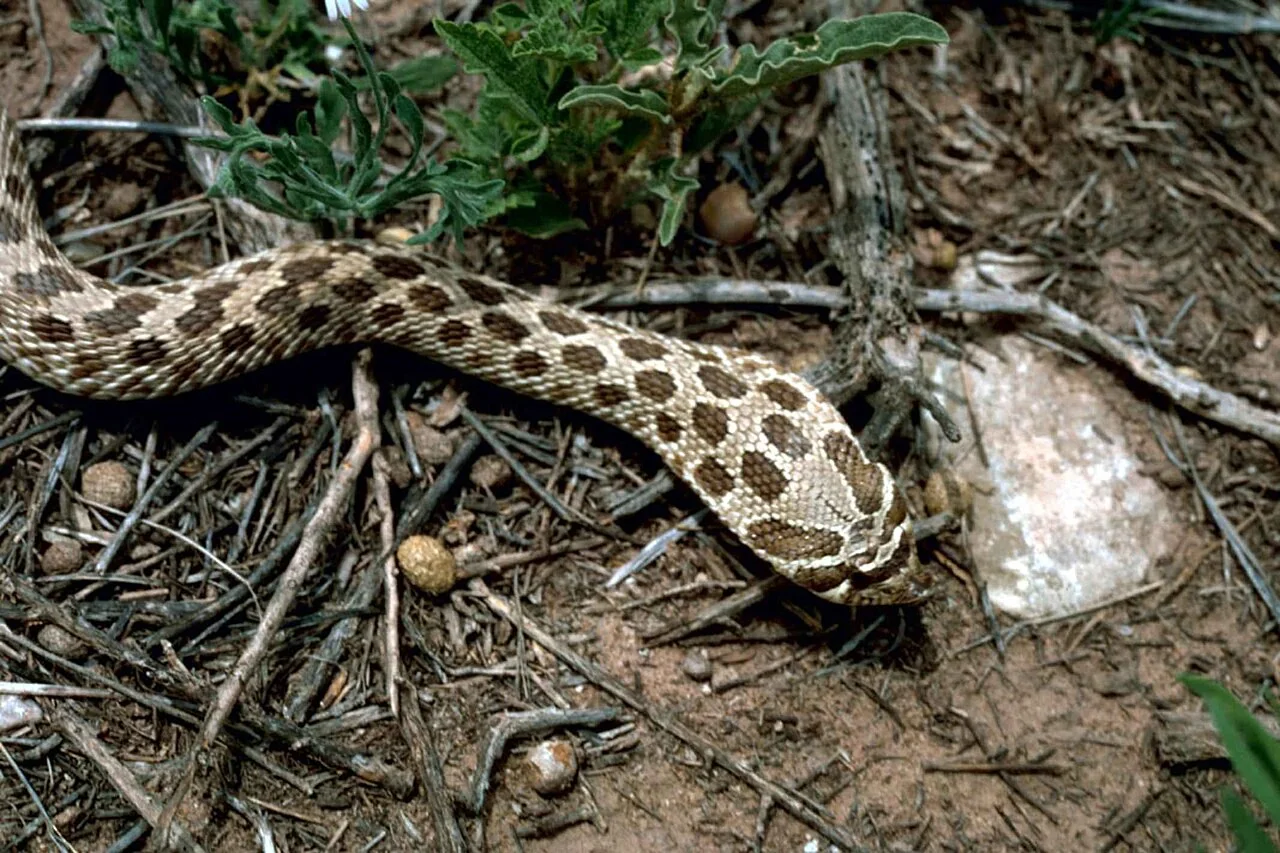
Photo: Western hognose snake heterodon nasicus.jpg · Stolz Gary M, U.S. Fish and Wildlife Service · Public domain. Resized and converted to WebP; scene unchanged.
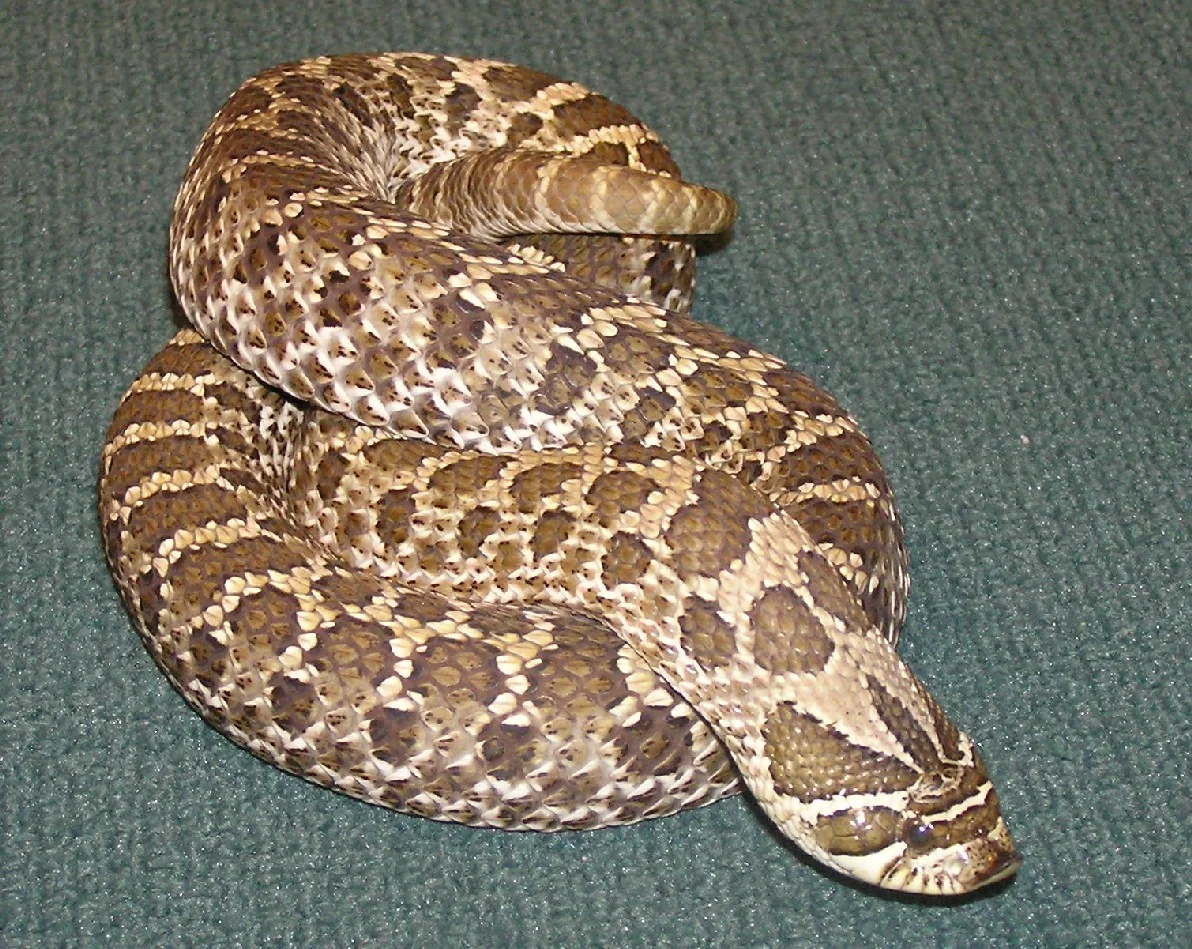
Photo: Western Hognose Snake (Heterodon nasicus). (c8d8127e-155d-451f-679b-0e236df6f0f2).jpg · NPS Photo · Public domain. Resized and converted to WebP; scene unchanged.
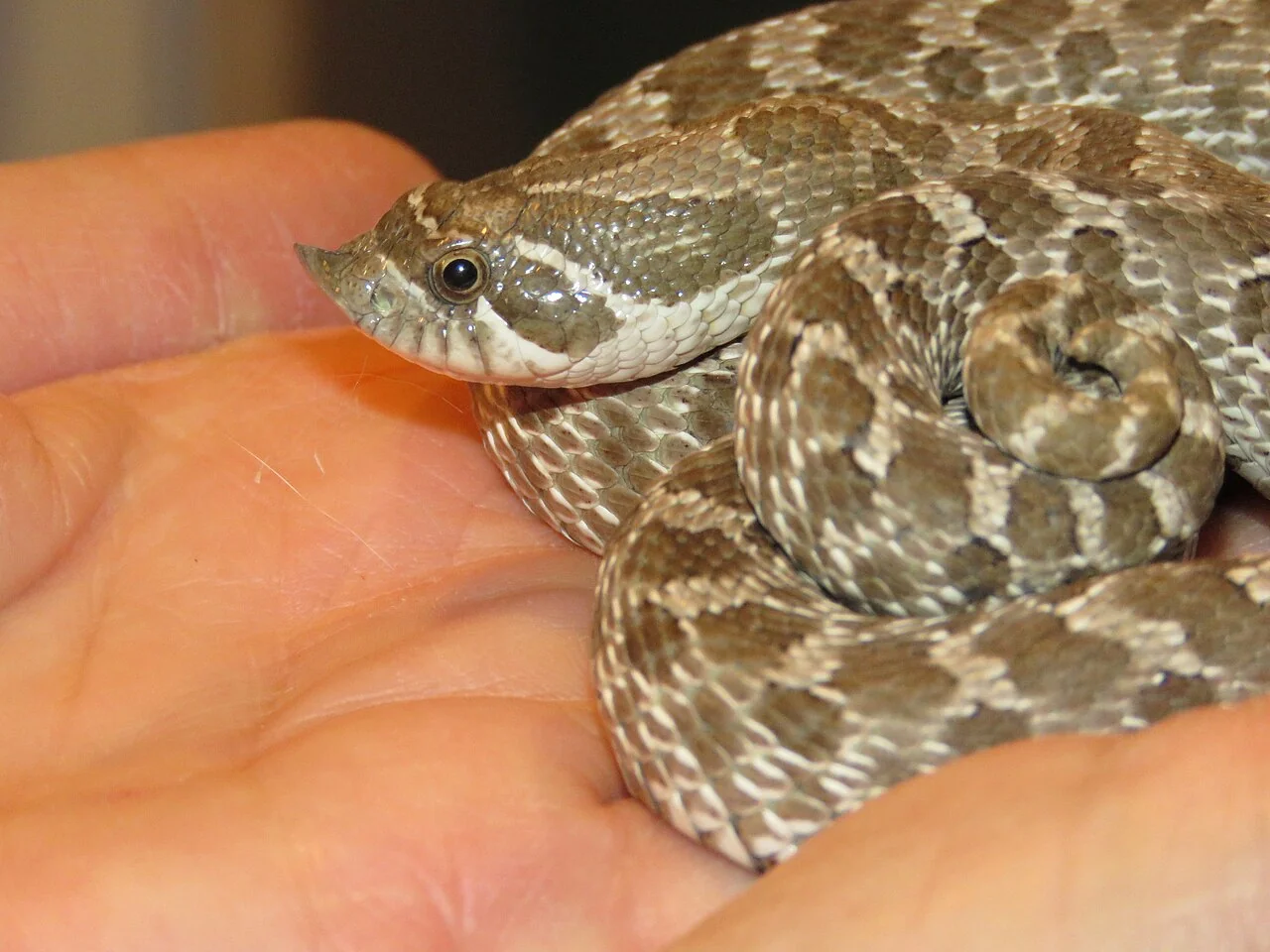
Photo: Westliche Hakennasennatter.jpg · SantaFeLady · CC BY-SA 4.0. Resized and converted to WebP; scene unchanged.
_(29833441881).jpg)


._(c8d8127e-155d-451f-679b-0e236df6f0f2).jpg)
._(c8d8127e-155d-451f-679b-0e236df6f0f2).jpg#Licensing)
