 fellfolio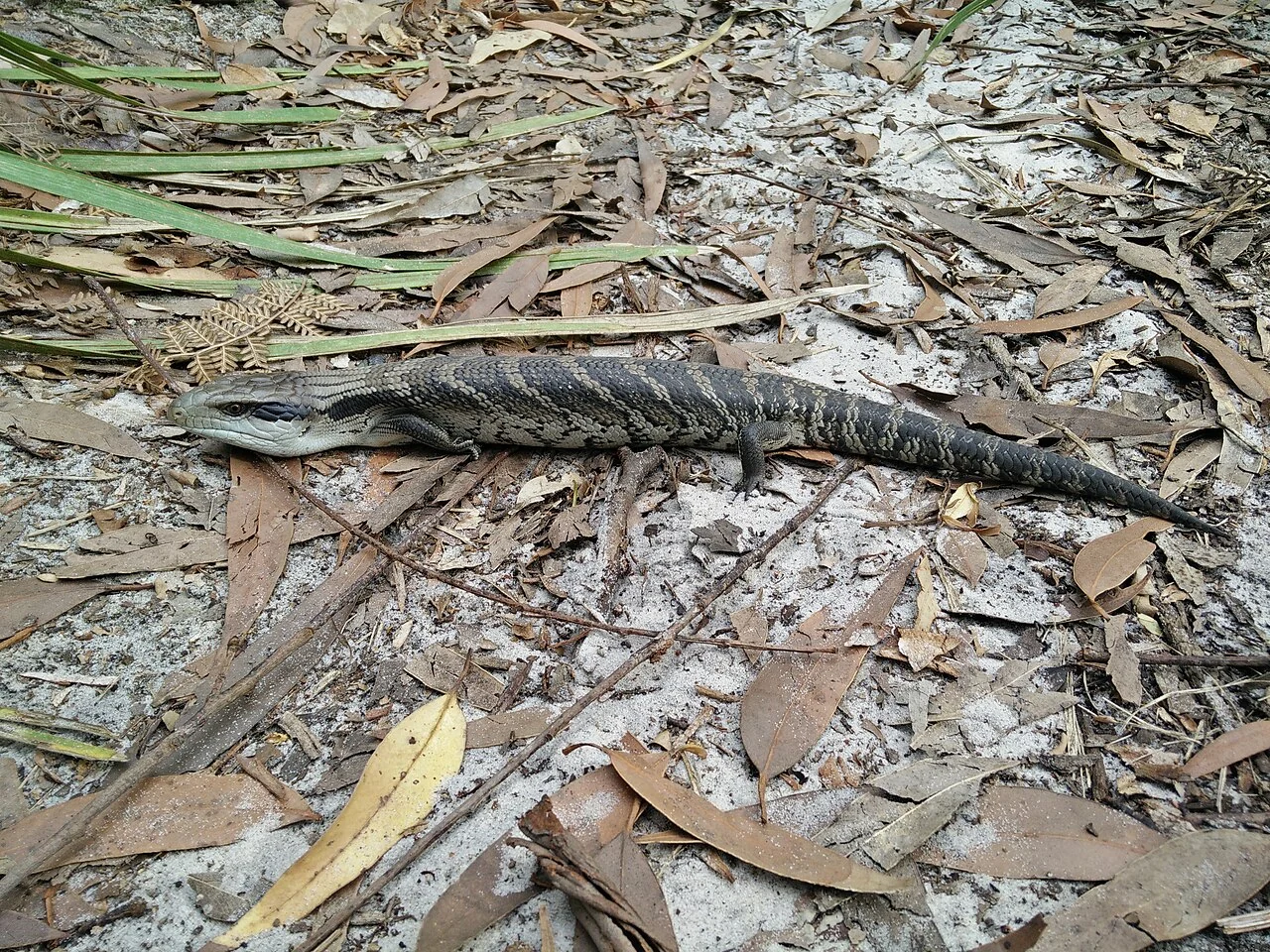
Start with species and origin
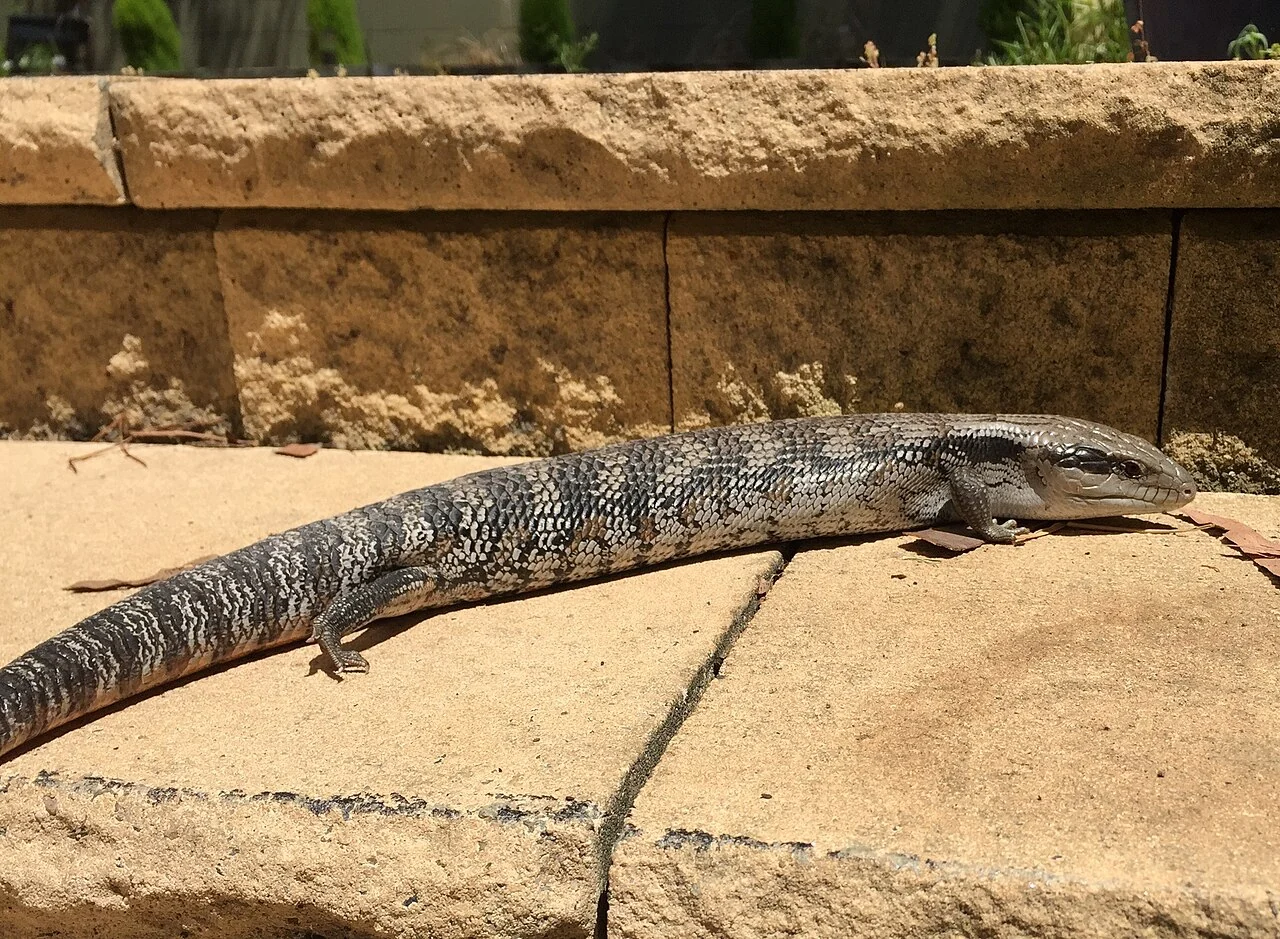
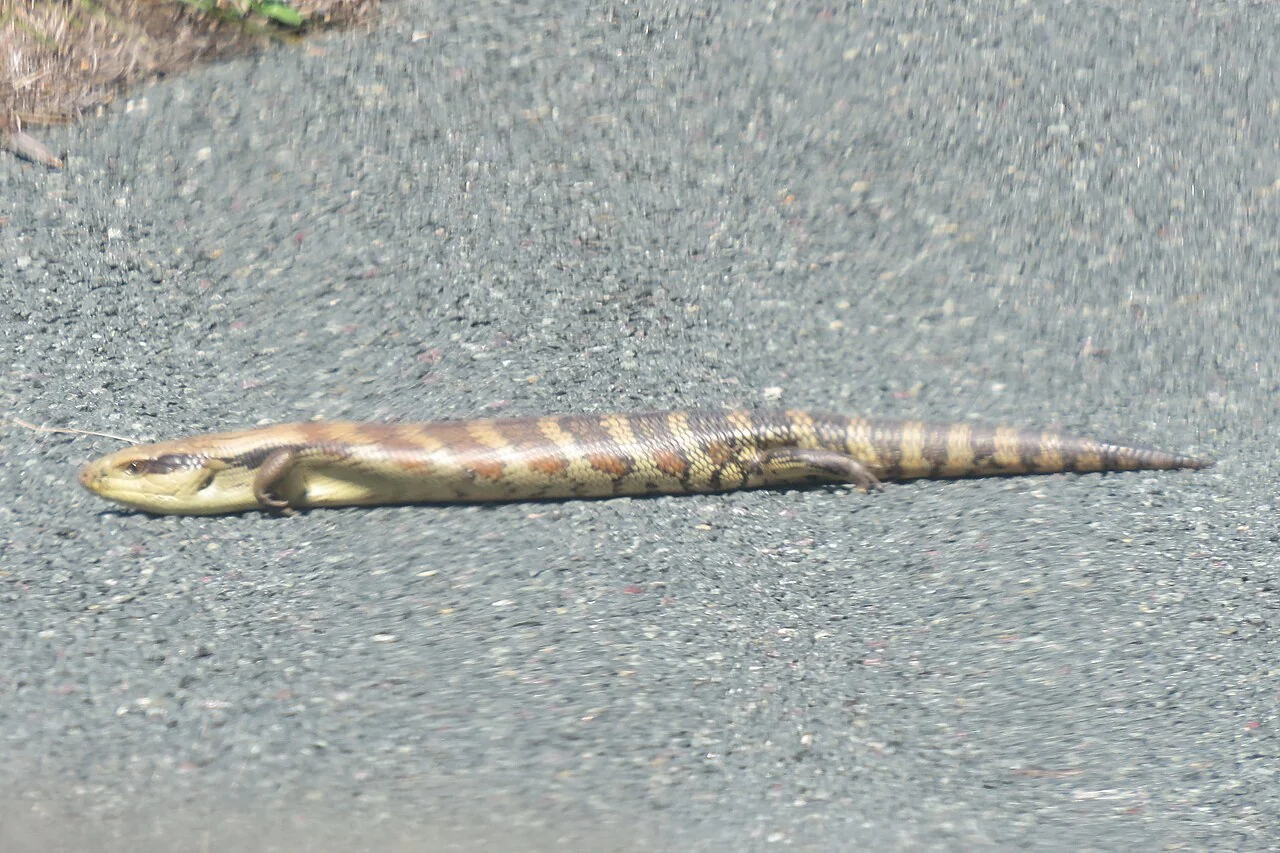
RSPCA Australia names the Eastern blue-tongued skink as Tiliqua scincoides scincoides. It has a heavy body, short strong legs and dark bands over a grey background. The Australian Museum notes a dark line from eye to ear in many coastal animals. No single marking is enough for reliable identification; provenance records should give the scientific name.
In eastern Australia the skink uses grassland, open woodland and sheltered gardens. It moves through leaf litter and under logs or rocks, then basks before foraging. Females give birth to live young. Growth continues for several years; the Australian Museum suggests adulthood at around three years. A record of development is more useful than one isolated size measurement.
Sources for this section
- Reptiles in SydneyNSW Department of Climate Change, Energy, the Environment and Water
- Blue-tongued skink careRSPCA
- How should I care for my blue tongue skink?RSPCA Australia Knowledgebase
- Eastern Blue-tongue LizardAustralian Museum
Build a secure habitat around the ground
An adult ground-dwelling skink needs length and width more than climbing height. RSPCA Australia describes a suitable adult enclosure around 1.2 to 1.8 m long, 0.6 m wide and 0.6 to 0.9 m high. It should close securely, with routes between a basking area, cooler ground and sheltered resting places.
A suitable layer of substrate gives a skink the opportunity to dig and partly bury itself. Hides at both the warm and cool ends offer choices, while a broad, stable surface supports basking. The New South Wales account also describes ground cover as useful shelter for local lizards. Furnishings should remain secure and leave clear access to the different parts of the enclosure.
Sources for this section
- Blue-tongued skink careRSPCA
- Reptiles in SydneyNSW Department of Climate Change, Energy, the Environment and Water
- How should I care for my blue tongue skink?RSPCA Australia Knowledgebase
Check heat, light and humidity
RSPCA Australia describes a marked thermal gradient for Eastern blue-tongued skinks, whose preferred body temperature is in the low thirties Celsius. An Australian exotic-animal veterinary practice gives a practical broad target of 30 to 35 °C at the basking area and 24 to 28 °C at the cooler end. Heat sources need a thermostat and protection from contact; thermometers at skink level show the actual conditions.
UVB allows vitamin D3 production, which supports normal calcium use. Shade should remain accessible beside the lit basking area. For the Eastern blue-tongued skink, RSPCA Australia gives average humidity of 40 to 60 percent, measured near the ground on the cool side. A local humid hide can help during shedding while the rest of the ground remains able to dry.
Sources for this section
- Blue-tongued skink careRSPCA
- Providing a Home for a ReptileMerck Veterinary Manual
- How should I care for my blue tongue skink?RSPCA Australia Knowledgebase
- Blue-tongued Lizard CareExotics Vet, Australia
Offer varied food and fresh water
Eastern blue-tongued skinks are omnivores. A varied plan can include leafy foods such as endive and dandelion greens, plus pumpkin, well-fed feeder insects and snails from a safe captive source. Wild-collected snails may carry pesticides or parasites. RSPCA Australia describes a greater share of animal foods for skinks under one year than for adults, so age, weight and appetite should inform the diet.
Feeder insects should be well fed before they are offered, improving their nutritional value. Calcium supplements need to fit the diet and UVB provision. Fresh water should remain available. Young skinks feed more often than adults: RSPCA Australia suggests daily feeding for very young animals, several feeds weekly for juveniles and usually one or two each week for adults. Body condition and veterinary advice matter more than a rigid calendar.
Sources for this section
- Blue-tongued skink careRSPCA
- Reptiles in SydneyNSW Department of Climate Change, Energy, the Environment and Water
- Providing a Home for a ReptileMerck Veterinary Manual
- How should I care for my blue tongue skink?RSPCA Australia Knowledgebase
- Blue-tongued Lizard CareExotics Vet, Australia
Respect signals and support the body
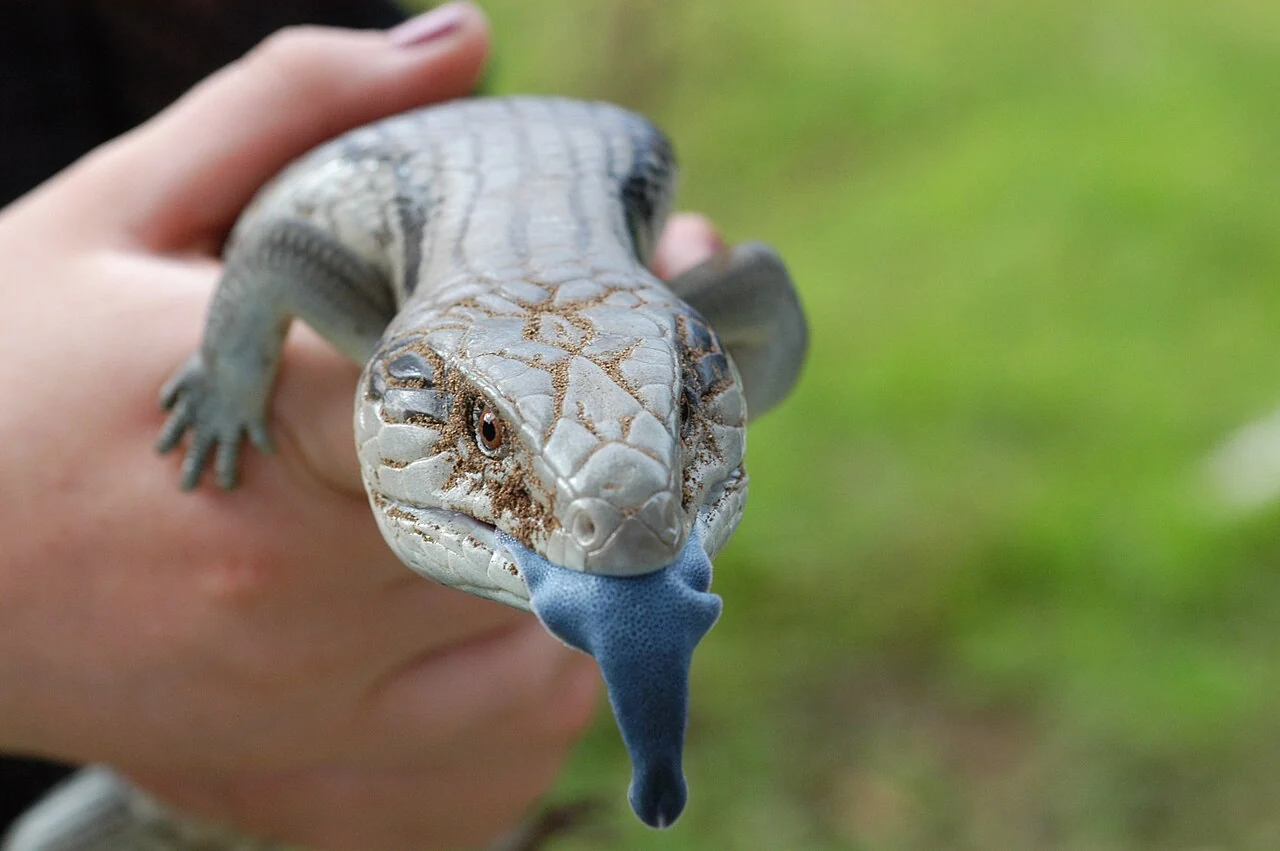
A skink that opens its mouth wide and spreads its blue tongue is making a clear defensive display. Brief tongue flicks during exploration are different. If the animal withdraws or shows that warning posture, give it space. Watching its normal movements and preferred resting places within the enclosure can be more informative than repeatedly taking it out.
If handling is needed, support the heavy body from beneath so all four legs have a firm base. Grabbing from above or pulling the tail can trigger defence. Individual housing is sensible because Eastern blue-tongued skinks are territorial and can seriously injure one another when forced together.
Sources for this section
- Blue-tongued skink careRSPCA
- How should I care for my blue tongue skink?RSPCA Australia Knowledgebase
Recognise changes and seek specialist advice
Regular observations of activity, appetite, shedding, droppings and weight establish a useful picture of what is usual for one skink. In reptiles, husbandry and health are closely connected. Records of measured temperatures and humidity, lighting arrangements and recent foods can therefore help a reptile veterinarian assess a concern.
Repeated poor sheds, changes around the mouth, weakness, unusual droppings or weight loss warrant specialist veterinary advice. These signs can have different causes and cannot be diagnosed reliably at home. A marked or persistent change deserves prompt attention. Dated photos, weight records and concise notes can help explain when a change began and how it developed.
Sources for this section
- Blue-tongued skink careRSPCA
- Providing a Home for a ReptileMerck Veterinary Manual
- How should I care for my blue tongue skink?RSPCA Australia Knowledgebase
Common questions
Does any blue-tongued skink guide apply to this species?
A broad guide can explain useful care principles, but identification and origin matter when choosing environmental targets, especially humidity.
Can garden snails be used as food?
Wild-collected snails may carry pesticides or parasites. If snails are offered, they should come from a safe reared source.
What does a blue tongue display mean?
It can be defensive. Consider the whole situation: a skink that retreats or opens its mouth should be given space.
A closer look
Sources and photo credit
- Blue-tongued skink careRSPCA
- Reptiles in SydneyNSW Department of Climate Change, Energy, the Environment and Water
- Providing a Home for a ReptileMerck Veterinary Manual
- How should I care for my blue tongue skink?RSPCA Australia Knowledgebase
- Eastern Blue-tongue LizardAustralian Museum
- Blue-tongued Lizard CareExotics Vet, Australia
Photo: Eastern blue-tongued lizard - Tiliqua scincoides scincoides - 4.jpg · Andrew Harvey · CC BY 2.0. Resized and converted to WebP; scene unchanged.
Photo: Eastern blue-tongued lizard - Tiliqua scincoides scincoides - 7.jpg · Simon_sees · CC BY 2.0. Resized and converted to WebP; scene unchanged.
Photo: Tiliqua scincoides (37750356226).jpg · Donald Hobern · CC BY 2.0. Resized and converted to WebP; scene unchanged.
Photo: Tiliqua scincoides tongue.jpg · Doug Beckers · CC BY-SA 2.0. Resized and converted to WebP; scene unchanged.


.jpg)
